Tag: Andean cities

  • Cuenca, Ecuador River Gorges and Colonial Elegance

    Cuenca, Ecuador River Gorges and Colonial Elegance

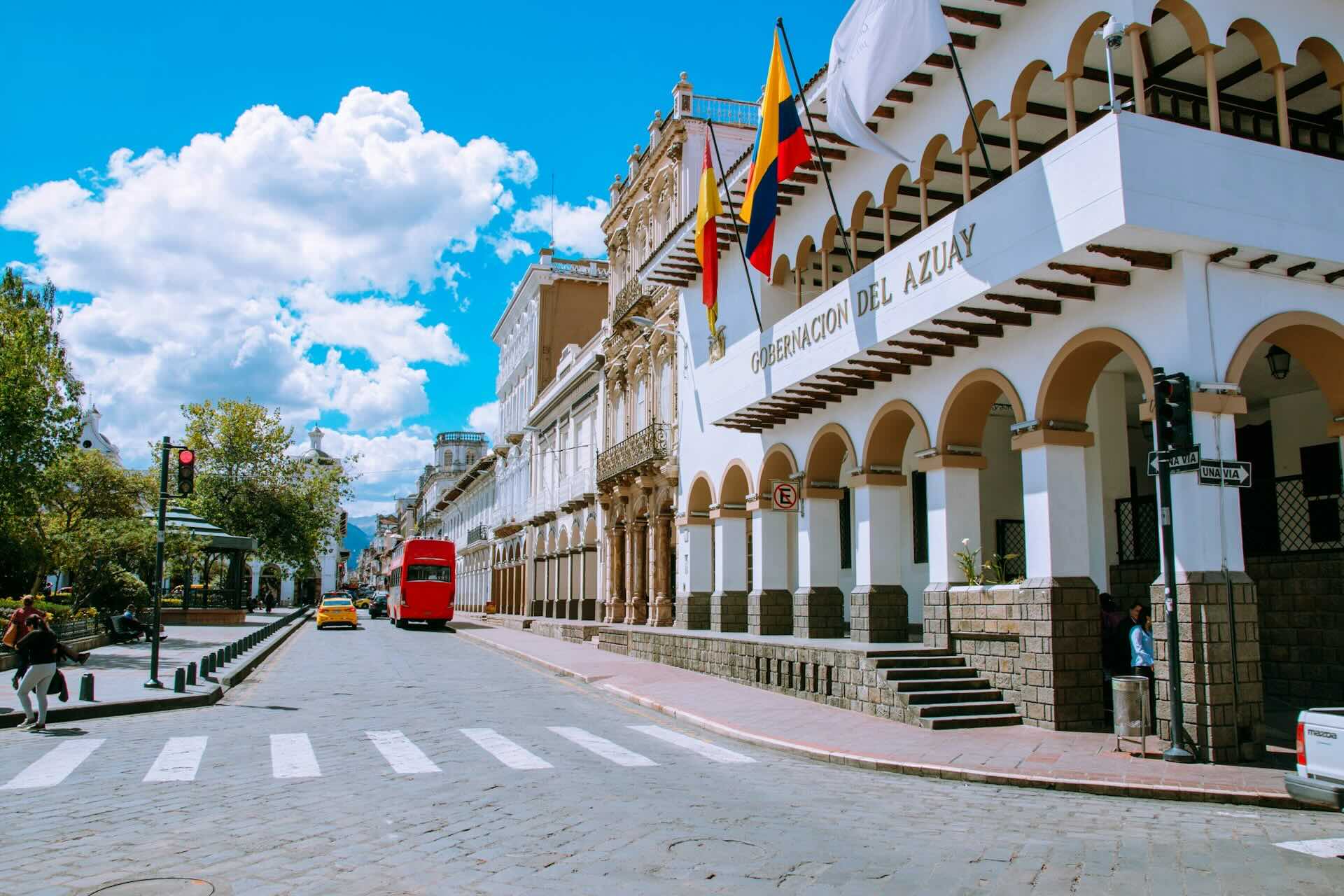
    Cuenca, Ecuador river gorges and colonial elegance come together in a city that feels graceful, historic, and closely tied to its landscape. Cuenca is one of Ecuador’s most appealing cities for travelers who enjoy architecture, walkable streets, mountain air, artisan traditions, and a slower pace. Its charm comes through cobblestone lanes, church domes, riverside paths, old bridges, tiled rooftops, and dramatic terrain carved by water.

    Why Cuenca Feels So Distinct

    Cuenca stands out because it feels refined without feeling staged. The historic center has colonial architecture, churches, plazas, balconies, and formal streets, but the city still feels lived in and practical. Local markets, cafés, shops, schools, and daily routines give it warmth.

    This balance gives Cuenca lasting appeal. It has enough beauty to feel special, but enough everyday life to feel real. Travelers can enjoy the city without feeling rushed through a checklist.

    River Gorges Shape the Setting

    The phrase river gorges fits Cuenca because water and terrain help define the city’s character. The city is crossed and bordered by rivers that create natural edges, walking routes, and scenic breaks between neighborhoods.

    These river areas add depth to the experience. After walking through the historic center, travelers can follow riverside paths, cross bridges, and see how the city sits within a highland landscape. The water softens the urban setting and gives Cuenca a calm rhythm.

    Colonial Elegance Defines the Mood

    Cuenca’s colonial elegance comes through in its old streets, church facades, plazas, courtyards, and balconies. The architecture feels graceful, but not overly grand. It has a measured beauty that works well with the city’s slower pace.

    This elegance is one of Cuenca’s strongest qualities. The city does not need constant spectacle. Its beauty builds through repetition, texture, proportion, and the quiet pleasure of walking through well preserved streets.

    The Historic Center Rewards Slow Walking

    Cuenca’s historic center is compact and walkable. Plazas, churches, cafés, museums, shops, and artisan studios sit close together, making the city easy to explore without a strict plan.

    This walkability is central to Cuenca’s appeal. A good day can include morning coffee, church visits, market stops, riverside walking, and a relaxed dinner. The city feels best when travelers give it time.

    Churches and Domes Create the Skyline

    Cuenca’s churches give the city much of its visual identity. Domes, towers, stone facades, and religious interiors create strong landmarks throughout the historic center. These buildings help organize the city and add depth to its streets.

    The cathedral area is especially important. It gives Cuenca a formal center and a strong sense of place. Around it, daily life continues in plazas, cafés, shops, and shaded sidewalks.

    Riverside Paths Add Calm

    Cuenca’s riverside paths give the city a quieter side. Trees, bridges, stone walls, water, and open views create a peaceful contrast to the busier streets of the historic center.

    These paths make Cuenca feel especially livable. They give travelers space to slow down, walk without traffic, and see the city from a different angle. The river corridors are part of what makes Cuenca feel balanced.

    Artisan Traditions Add Local Character

    Cuenca has strong artisan traditions, including textiles, ceramics, metalwork, and hat making. These crafts give the city a deeper cultural identity and connect travelers to local skill rather than mass tourism.

    This artisan culture matters because it gives Cuenca texture. Shops, workshops, markets, and small studios help visitors understand the city through materials, techniques, and regional pride.

    Highland Air and Andean Light

    Cuenca’s highland setting gives it clear light, cooler air, and a different atmosphere from Ecuador’s coastal and jungle regions. The city feels bright, calm, and open, especially when viewed from higher points or along the rivers.

    This Andean quality shapes the mood of a visit. Cuenca feels restful but not dull. The light, altitude, and surrounding terrain make the city feel connected to the broader landscape of southern Ecuador.

    Food, Markets, and Daily Rhythm

    Cuenca’s food scene adds comfort and local flavor. Markets, bakeries, cafés, traditional restaurants, and casual lunch spots make the city easy to enjoy at a slower pace. Meals feel connected to daily life rather than designed only for visitors.

    This gives Cuenca warmth. The city invites travelers to settle in, repeat favorite walks, return to the same café, and experience a rhythm that feels personal.

    A Base for Southern Ecuador

    Cuenca also works well as a base for exploring southern Ecuador. Nearby viewpoints, villages, artisan towns, national parks, and highland landscapes add variety to a stay. This makes the city useful for travelers who want culture and nature in one trip.

    Its base value is important, but Cuenca should not be treated only as a stopover. The city itself has enough architecture, atmosphere, and local identity to deserve several days.

    Who Cuenca Is Best For

    Cuenca is best for travelers who enjoy colonial cities, river walks, artisan culture, architecture, markets, and slower highland travel. It works well for couples, solo travelers, families, long-stay visitors, and anyone exploring Ecuador beyond the most familiar routes.

    This is not a city built around speed or spectacle. Cuenca works through balance, beauty, craft, and calm. That makes it especially rewarding for travelers who prefer depth over noise.

    The Lasting Appeal of Cuenca

    Cuenca stays memorable because it feels elegant, human scaled, and deeply connected to its setting. The river gorges give it movement. The colonial elegance gives it grace. The churches, markets, bridges, artisans, and highland light give the city its lasting character.

    For travelers who want an Ecuadorian city with history, walkability, mountain atmosphere, and quiet beauty, Cuenca is a strong choice. It proves that some cities are most rewarding when they invite visitors to slow down and stay longer.
    Plan a trip to Cuenca today.

  • Arequipa, Peru White Stone and Andean Light

    Arequipa, Peru White Stone and Andean Light

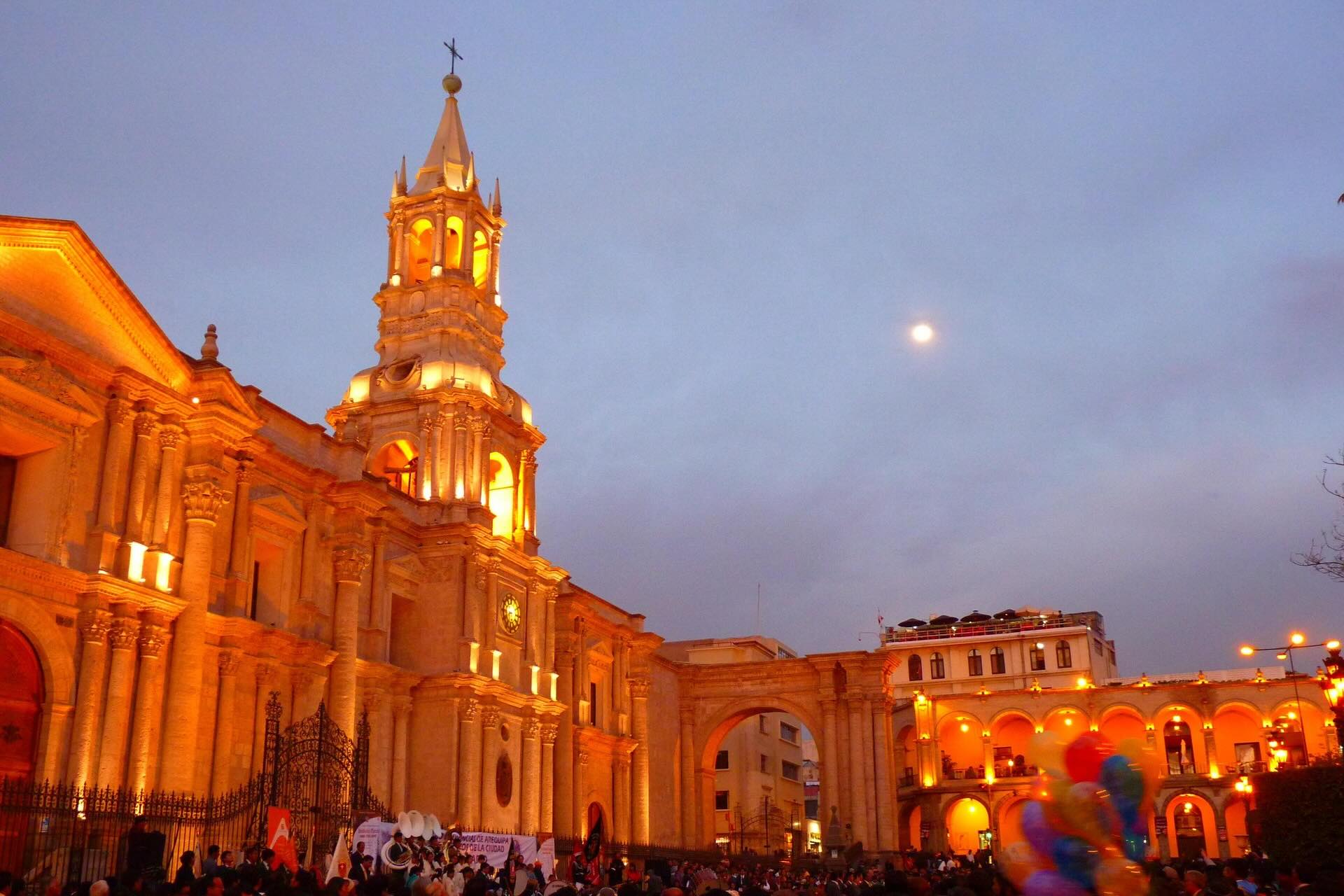
    Arequipa, Peru white stone and Andean light come together in a city that feels bright, elegant, and deeply rooted in place. Arequipa has a distinct beauty shaped by volcanic stone, mountain views, colonial architecture, strong regional food, and a calm rhythm that feels different from Peru’s larger travel centers. It is a city of courtyards, plazas, arches, churches, and clear highland air.

    Why Arequipa Feels So Distinct

    Arequipa stands out because its setting and materials give it a strong identity. The city’s historic center is known for pale volcanic stone, which creates a luminous look under the Andean sun. The result feels clean, warm, and quietly dramatic.

    This makes Arequipa visually memorable. It does not feel like a copy of another colonial city. Its color, light, altitude, and mountain backdrop give it a character that feels unmistakably its own.

    White Stone Shapes the City

    The phrase white stone belongs naturally to Arequipa. Much of the city’s historic beauty comes from sillar, a pale volcanic stone used in churches, mansions, arches, and civic buildings. The material gives the city a soft brightness that changes with the light.

    This stone is more than a visual detail. It connects Arequipa to the volcanoes and landscape around it. The city feels built from its own environment, which gives its architecture more depth and meaning.

    Andean Light Defines the Mood

    Arequipa’s Andean light gives the city much of its atmosphere. The high elevation, open sky, and surrounding mountains make the light feel sharp and clear. White stone walls, red rooftops, and shaded courtyards all respond beautifully to that brightness.

    This light changes the experience of walking through the city. Streets, plazas, churches, and facades can feel different throughout the day. Arequipa rewards travelers who notice how the sun shapes its surfaces.

    Plaza de Armas and Historic Calm

    Arequipa’s Plaza de Armas gives the city a graceful center. Arcades, palm trees, cathedral views, and surrounding architecture create a balanced and inviting public space. It is one of the best places to understand the city’s calm confidence.

    The plaza works because it feels both formal and lived in. Travelers, locals, families, cafés, and daily routines all share the same space. That mix gives Arequipa warmth beneath its architectural elegance.

    Courtyards, Arches, and Colonial Texture

    Arequipa’s historic center is rich with courtyards, arches, thick walls, carved stone, and old interiors. These spaces create a sense of shade and retreat from the strong highland sun. The city’s architecture feels practical and beautiful at the same time.

    This texture is central to Arequipa’s charm. Its best details are often found behind doorways, inside courtyards, or along quieter streets. The city rewards slow and observant walking.

    Volcano Views Add Drama

    Arequipa’s volcano views give the city a powerful natural backdrop. The presence of nearby peaks adds scale and makes the city feel closely connected to the Andes. The mountains are not separate from the urban experience. They frame it.

    This backdrop gives Arequipa more visual force than many historic cities. White stone and mountain silhouettes work together to create a setting that feels both refined and elemental.

    A Serious Food City

    Arequipa has one of Peru’s strongest regional food cultures. Local dishes, picanterías, markets, soups, stews, corn, peppers, and traditional cooking give the city a culinary identity that feels proud and specific.

    This food culture adds another reason to stay longer. Arequipa is not only a beautiful stop between major destinations. It is a place where travelers can understand Peru through regional flavor, local ingredients, and long culinary tradition.

    A Walkable Historic Center

    Arequipa’s historic center works well on foot. The main plaza, churches, museums, shops, cafés, courtyards, and side streets connect naturally. Walking lets travelers experience the city’s material beauty up close.

    This walkability makes Arequipa easy to enjoy without a rushed schedule. A simple day of exploring streets, sitting in plazas, and eating regional food can feel complete.

    A Gateway to Southern Peru

    Arequipa also works as a gateway to southern Peru. Many travelers use it before or after visiting nearby canyons, highland landscapes, or broader Andean routes. That makes the city practical as well as beautiful.

    Its gateway role adds value, but Arequipa deserves attention on its own. The city has enough architecture, food, history, and atmosphere to stand as more than a stopover.

    Who Arequipa Is Best For

    Arequipa is best for travelers who enjoy architecture, mountain settings, food, historic centers, plazas, and slower cultural travel. It works well for couples, solo travelers, families, and anyone exploring Peru beyond the most familiar routes.

    This is not a city that needs constant spectacle. Arequipa works through light, stone, food, and atmosphere. That makes it especially rewarding for travelers who appreciate subtle beauty with real regional character.

    The Lasting Appeal of Arequipa

    Arequipa stays memorable because it feels shaped by its landscape. The white stone gives it brightness. The Andean light gives it clarity. The volcanoes, courtyards, food, plazas, and old streets give the city its lasting identity.

    For travelers who want a Peruvian city with elegance, mountain presence, and strong local culture, Arequipa is a strong choice. It proves that some destinations become unforgettable because their architecture, food, and landscape all speak the same language.

    Plan a trip to Arequipa today.