Tag: Argentina travel

  • Why Buenos Aires Feels Familiar and New at the Same Time

    Why Buenos Aires Feels Familiar and New at the Same Time

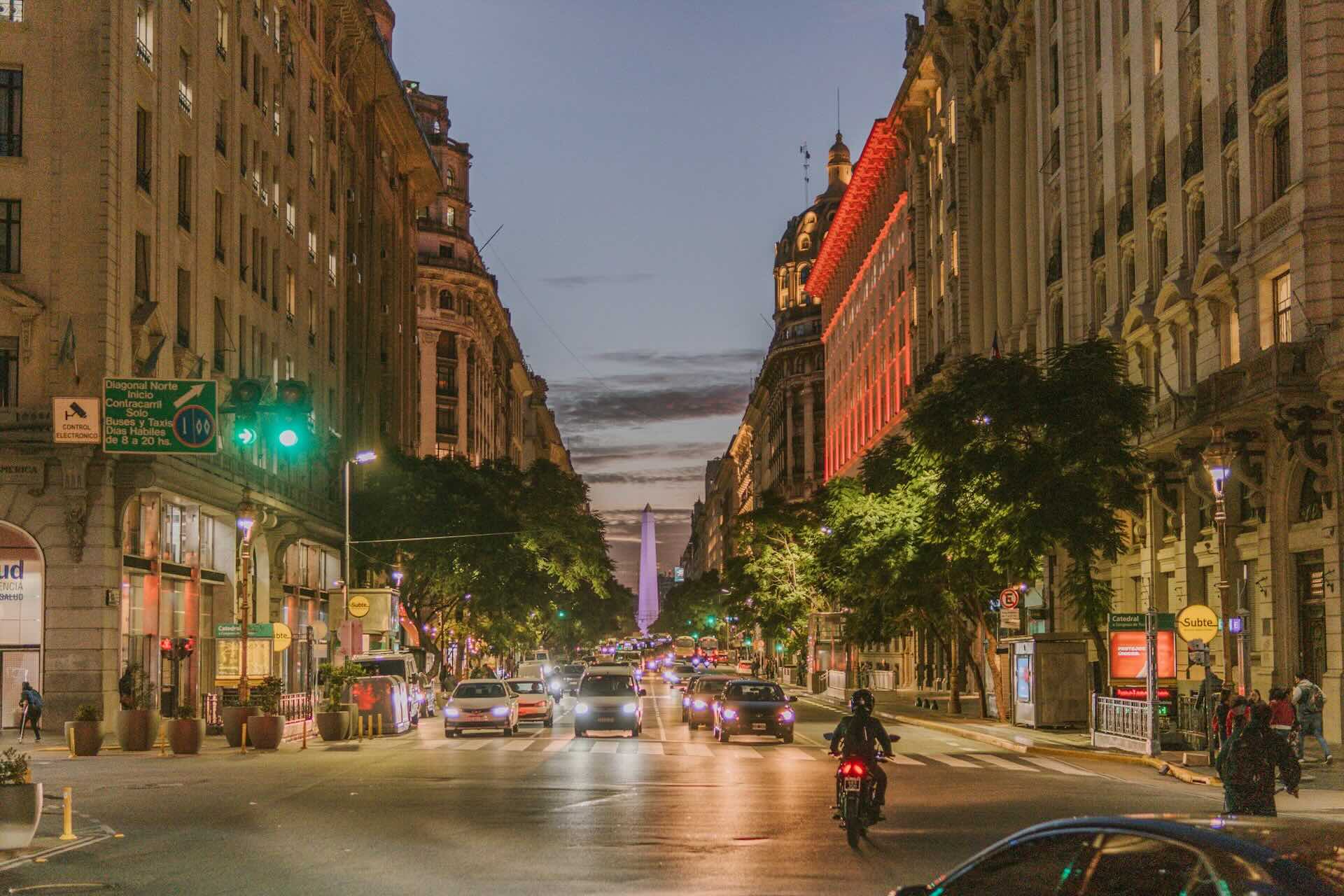
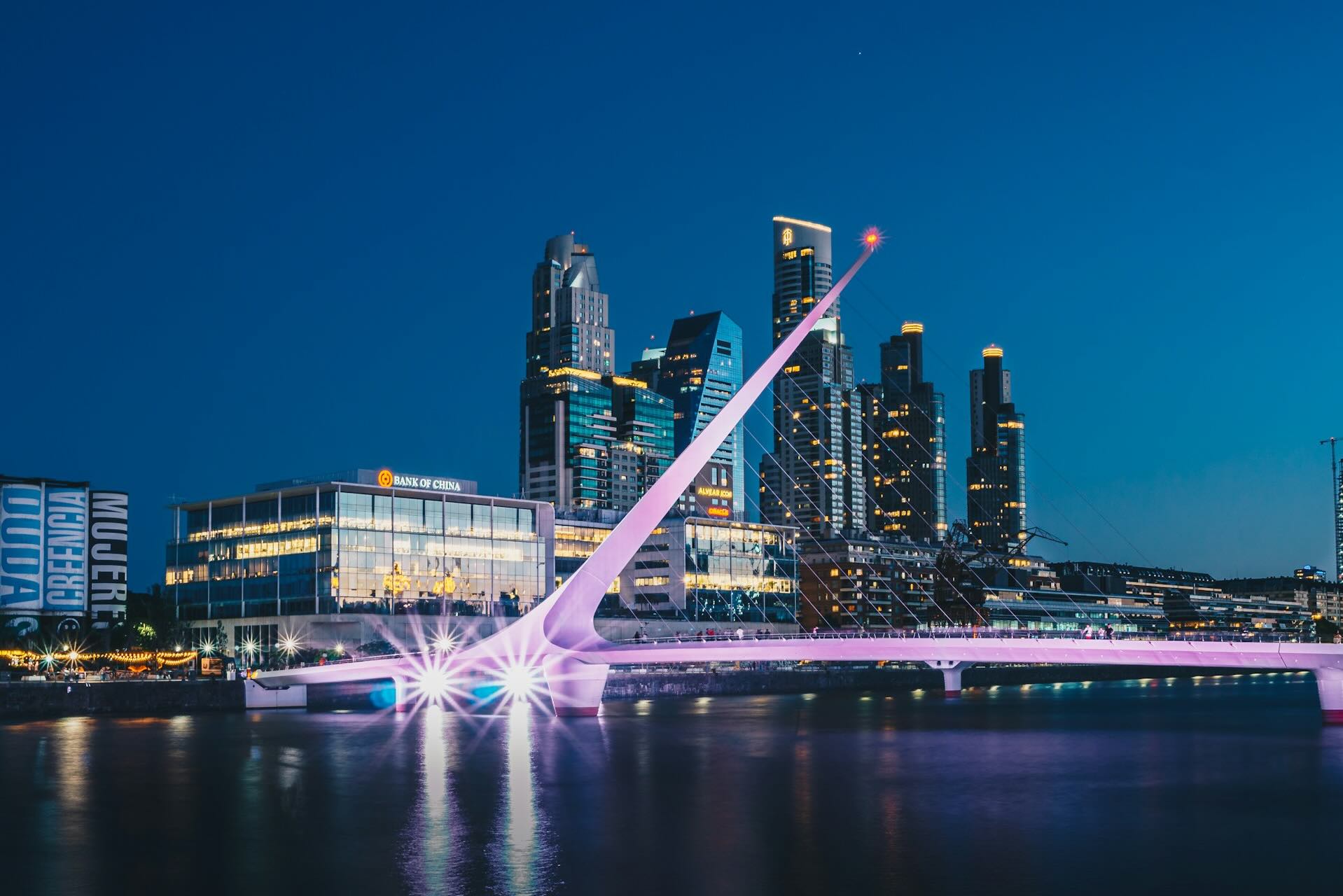
    Buenos Aires has a rare ability to feel instantly recognizable while constantly surprising you, and why Buenos Aires feels familiar and completely new at the same time becomes clear within your first few days. The city carries European influences in its architecture, cafés, and rhythms, yet its energy, emotion, and cultural expression feel unmistakably Latin American. This tension creates a place that is easy to settle into and endlessly engaging to explore.

    For travelers who enjoy culture, food, music, and everyday city life, Buenos Aires offers comfort without predictability. You feel grounded quickly, but never bored.

    A City That Feels European at First Glance

    Many first impressions of Buenos Aires feel familiar to travelers who have spent time in Europe. Wide boulevards, historic buildings, and neighborhood cafés recall cities like Paris, Madrid, or Milan.

    Sidewalk cafés spill onto tree lined streets. Elegant facades frame everyday routines. Public spaces feel designed for walking, talking, and lingering.

    This familiarity helps visitors relax. You intuitively understand how the city works. You know where to sit, how to order coffee, and how to spend an afternoon without a plan.

    Yet this surface familiarity is only the entry point.

    Latin American Energy Beneath the Surface

    As you spend more time in Buenos Aires, its distinct character reveals itself. Conversations grow animated. Emotions feel closer to the surface. Time stretches differently.

    Argentine culture values expression, debate, and connection. People speak passionately, even casually. Opinions are shared openly. Humor, irony, and intensity coexist comfortably.

    This emotional openness contrasts with the more reserved tone of many European cities. It gives Buenos Aires warmth and immediacy that feels fresh and alive.

    Neighborhoods That Shape the Experience

    Buenos Aires is best understood through its neighborhoods. Each one feels like a small city with its own rhythm, values, and aesthetic.

    Palermo feels creative and social. Cafés, bookstores, parks, and restaurants encourage long afternoons and late nights. It often becomes a base for visitors because it balances comfort with energy.

    Recoleta feels refined and historic. Architecture and public spaces reflect tradition and elegance. It offers a quieter pace without feeling distant from city life.

    San Telmo feels atmospheric and expressive. Cobblestone streets, antique shops, and street performances create a sense of layered history and everyday art.

    La Boca feels colorful and intense. Music, movement, and visual expression dominate. It reminds you that Buenos Aires embraces drama and creativity openly.

    Moving between neighborhoods highlights the city’s dual nature. Familiar patterns shift into something distinctly local.

    Food That Feels Comforting and Distinct

    Food in Buenos Aires often feels familiar at first. European influences appear in bakeries, cafés, and dining habits. Pasta, pastries, and espresso culture feel recognizable.

    Then the differences emerge. Portions are generous. Meals stretch longer. Meat plays a central role, prepared with simplicity and pride.

    Parrillas focus on quality rather than variety. Ingredients speak for themselves. Dining feels social, not rushed or transactional.

    Late dinners are normal. Conversations linger. Food becomes a reason to gather rather than just refuel.

    This blend of familiarity and difference makes eating in Buenos Aires deeply satisfying.

    Music, Movement, and Emotional Expression

    Music and movement play a visible role in Buenos Aires life. Tango is the most famous expression, but it is only one part of the city’s emotional language.

    You see music and dance practiced in public spaces, not just on stages. Performances feel participatory rather than polished.

    Live music scenes extend beyond tradition. Rock, electronic, and experimental sounds reflect the city’s evolving identity.

    Expression matters here. People sing, dance, argue, and celebrate with intensity. This openness creates moments that feel raw and memorable.

    A City That Lives Late

    Buenos Aires operates on a schedule that often surprises visitors. Days start slowly and stretch late into the night.

    Afternoons feel unhurried. Evenings begin late. Dinners often start after nine. Social gatherings extend past midnight.

    This rhythm can feel familiar to travelers used to Southern Europe, yet it carries a different emotional tone. Nights feel social and expressive rather than formal.

    Adapting to this schedule helps the city make sense. Once you do, time feels generous rather than constrained.

    Architecture That Tells a Story

    Buenos Aires architecture reflects ambition, influence, and adaptation. European styles appear prominently, but they are shaped by local context and climate.

    Grand buildings sit beside modest homes. Wear and restoration coexist. History feels visible rather than preserved behind barriers.

    This architectural mix reinforces the city’s dual identity. It honors what came before while remaining actively lived in.

    Walking through the city becomes a visual narrative rather than a checklist of landmarks.

    Cultural Confidence Without Pretension

    Buenos Aires carries cultural confidence, but it rarely feels performative. The city does not try to impress visitors with spectacle.

    Culture exists for those who live there first. Visitors are welcomed into it rather than catered to.

    This authenticity allows the city to feel familiar without being generic. You sense that life would continue unchanged if you were not there.

    That honesty makes experiences feel earned and personal.

    Daily Life That Feels Relatable

    Part of why Buenos Aires feels familiar is its emphasis on daily routines. People meet friends regularly. Cafés serve as extensions of home.

    Public spaces are used actively. Parks fill with conversation and activity. Streets feel lived in rather than purely functional.

    These patterns resonate with travelers who value everyday experiences over highlights. You recognize the importance of simple moments.

    At the same time, the emotional intensity and social openness add a layer that feels new.

    Why Buenos Aires Resonates With Modern Travelers

    Buenos Aires appeals to travelers seeking depth without discomfort. It offers cultural richness without forcing constant adjustment.

    You feel comfortable quickly, yet challenged enough to stay engaged. The city invites participation rather than observation.

    This balance feels especially meaningful now, as many travelers look for connection rather than spectacle.

    Buenos Aires delivers that connection naturally.

    How to Experience the City Fully

    To experience Buenos Aires at its best, allow time to settle in. Choose a neighborhood and return to the same places.

    Balance wandering with routine. Sit in cafés. Walk without destinations. Let conversations unfold.

    Avoid trying to see everything. Focus on how the city feels day to day.

    This approach reveals why the city feels both familiar and completely new.

    Why the Feeling Stays With You

    Buenos Aires stays with travelers because it mirrors something recognizable while expanding it. You see parts of places you know, filtered through a different emotional lens.

    The city does not ask you to reinvent yourself. It invites you to engage more fully.

    That combination creates memories that feel personal and lasting.

    Why Buenos Aires feels familiar and completely new at the same time comes down to one truth. It welcomes you in, then gently challenges you to see differently.
    Plan a trip to Buenos Aires today.

  • Patagonia: A Journey to the Edge of the World

    Patagonia: A Journey to the Edge of the World

    Patagonia is one of the most breathtaking and remote destinations on Earth. Spanning both Argentina and Chile, this region is defined by dramatic mountains, vast glaciers, and endless windswept plains. Travelers who visit Patagonia in 2025 can expect an adventure that feels like stepping into another world. It is a land of contrasts where snow-capped peaks rise above turquoise lakes, and wildlife roams freely across open landscapes.

    Why Patagonia Stands Out

    Patagonia remains a dream destination because of its unmatched natural beauty. Unlike many places shaped by urban growth, much of Patagonia is untouched wilderness. This creates opportunities for adventure seekers and nature lovers who want to experience raw landscapes far from crowded cities.

    A Vast and Varied Region

    Patagonia stretches over 400,000 square miles, covering both southern Argentina and Chile. The eastern side, in Argentina, features windswept steppes, deserts, and vast grazing lands. The western side, in Chile, is known for jagged mountains, fjords, and glaciers. Together, these regions offer an unparalleled variety of scenery.

    A Culture of Exploration

    From early explorers like Ferdinand Magellan to modern trekkers, Patagonia has always drawn adventurers. Local communities preserve traditions through crafts, food, and festivals. Visitors not only encounter landscapes but also a way of life shaped by isolation and resilience.

    Best Time to Visit Patagonia

    The best time to travel to Patagonia depends on what you want to experience.

    Spring and Summer

    From October to March, Patagonia enjoys milder weather. This is the high season for hiking, trekking, and glacier visits. Long daylight hours allow travelers to spend more time outdoors, though winds remain strong.

    Fall and Winter

    From April to September, temperatures drop, and snow covers parts of the region. While some trails close, this season offers unique opportunities. Skiing in Bariloche or simply enjoying Patagonia with fewer visitors can make winter travel rewarding.

    Top Destinations in Patagonia

    Travelers to Patagonia will find world-class parks, towns, and natural wonders.

    Torres del Paine National Park

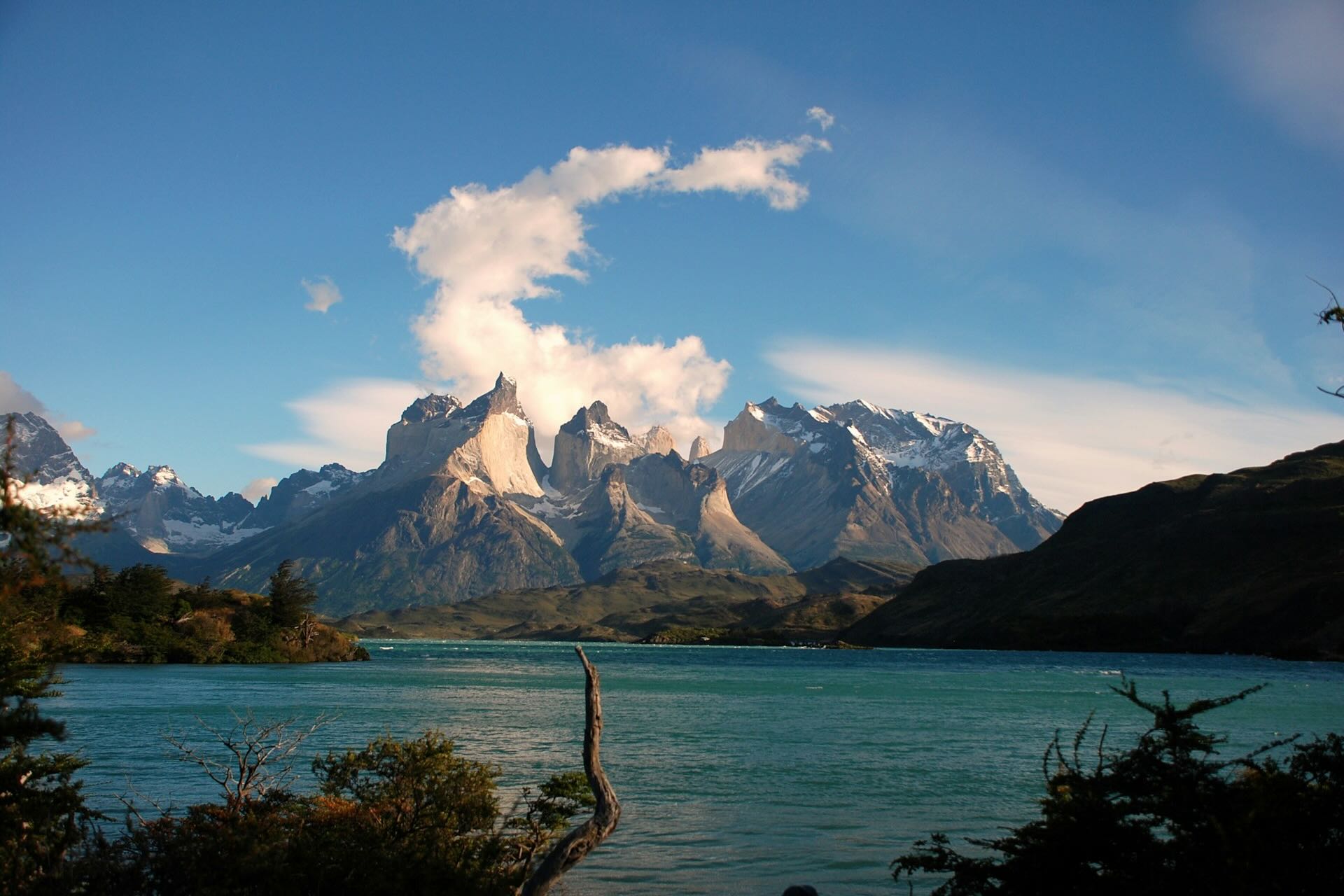
    Located in Chile, Torres del Paine is perhaps the most famous site in Patagonia. Its jagged granite peaks, glacial lakes, and wildlife such as guanacos and condors make it a must-visit. The W Trek and O Circuit attract hikers from around the globe.

    Los Glaciares National Park

    In Argentina, Los Glaciares is home to the stunning Perito Moreno Glacier. Unlike many glaciers retreating due to climate change, Perito Moreno advances steadily. Visitors can take boat trips or even guided ice treks to experience its towering ice walls.

    Ushuaia

    Known as the southernmost city in the world, Ushuaia sits at the gateway to Antarctica. Surrounded by the Martial Mountains and the Beagle Channel, the city offers hiking, cruises, and cultural museums.

    El Chaltén

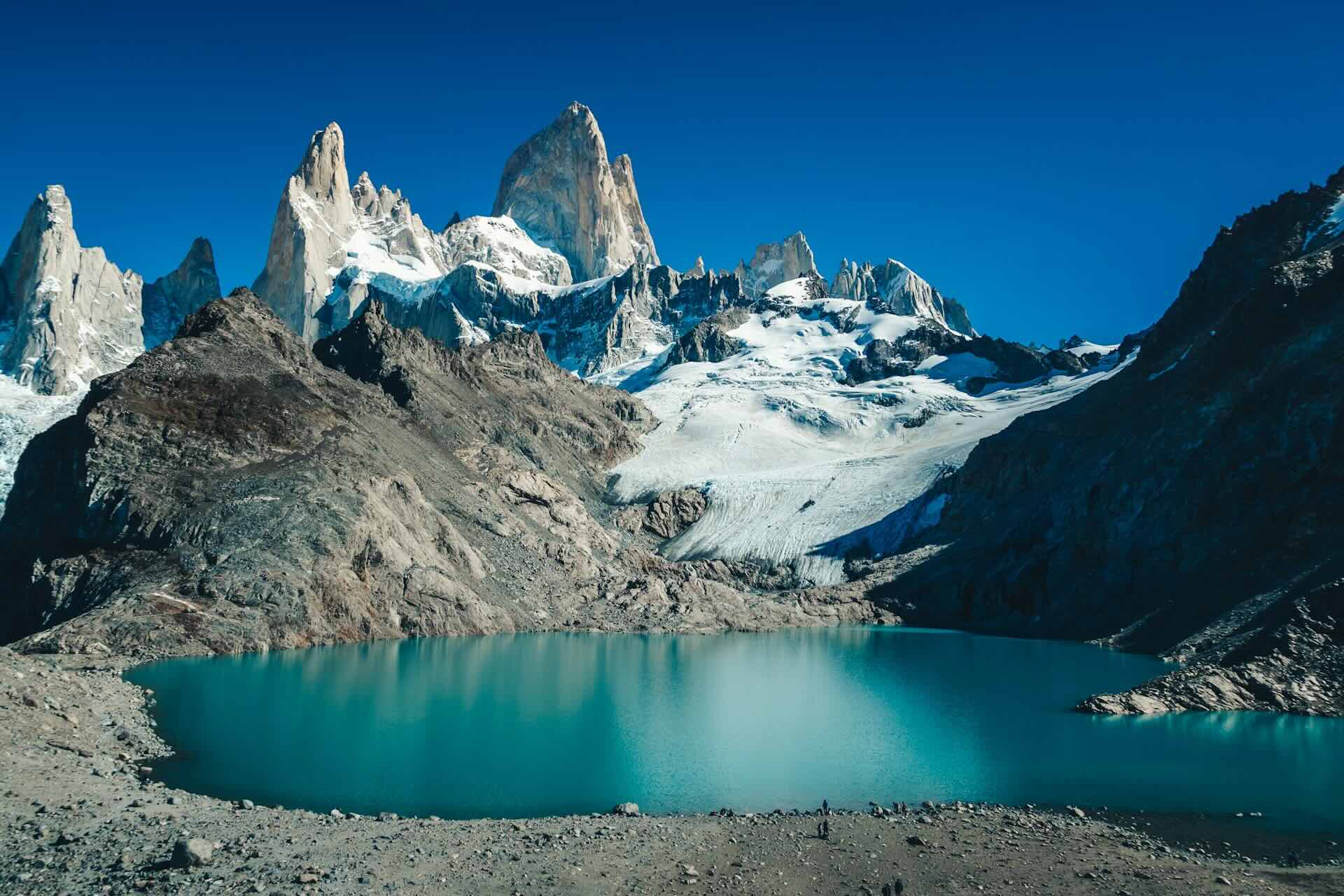
    This small town in Argentina is considered the trekking capital of Patagonia. Trails lead to iconic peaks like Mount Fitz Roy, where dramatic sunrises reward hikers. El Chaltén maintains a welcoming atmosphere with lodges, cafes, and gear shops.

    Bariloche

    Bariloche, in Argentina’s Lake District, is famous for its alpine-style architecture and chocolate shops. In fall and winter, it becomes a ski destination. In spring and summer, it is a hub for hiking, fishing, and lake cruises.

    Outdoor Adventures

    Patagonia is best known for outdoor activities that immerse travelers in its vast landscapes.

    Hiking and Trekking

    Trails in Torres del Paine, El Chaltén, and Los Glaciares attract adventurers from around the world. Multi-day treks allow travelers to camp under star-filled skies while shorter hikes still offer stunning views.

    Glacier Exploration

    Boat tours to Grey Glacier or Perito Moreno let travelers witness massive ice walls up close. In some areas, guided ice-climbing and trekking tours are available for those seeking more adventure.

    Wildlife Viewing

    Patagonia is home to diverse species, from guanacos and rheas to pumas and Andean condors. On the coast, visitors may spot penguins, sea lions, and even whales depending on the season.

    Kayaking and Boating

    Fjords, lakes, and channels make Patagonia a paradise for kayaking. Paddling through icy waters provides a perspective that few experiences can match. Cruises along the Beagle Channel also reveal remote islands and wildlife.

    Where to Stay in Patagonia

    Accommodations in Patagonia range from rustic to luxurious.

    Eco-Lodges

    Many eco-lodges emphasize sustainability, blending comfort with environmental care. They often provide guided tours and gourmet meals, all within spectacular settings.

    Refugios

    Along popular trekking routes, refugios (mountain huts) provide simple lodging for hikers. They are ideal for travelers seeking community and affordability.

    City Hotels

    Towns such as El Calafate, Puerto Natales, and Bariloche offer hotels, guesthouses, and hostels to fit every budget. Staying in these towns allows easy access to surrounding attractions.

    Cultural Experiences

    Patagonia’s culture adds depth to any visit.

    Local Cuisine

    Try traditional dishes like Patagonian lamb, grilled over open flames, or trout caught fresh from rivers. In Argentina, sample Malbec wine, while Chile offers excellent seafood paired with local wines.

    Festivals

    Small towns often host cultural festivals celebrating heritage, food, and music. These events provide insight into community traditions and local pride.

    Indigenous Heritage

    Patagonia is home to indigenous groups such as the Mapuche and Tehuelche. Learning about their history and traditions adds another dimension to understanding the region.

    Travel Tips for Patagonia

    Planning ahead is essential when traveling to such a remote region.

    Packing Essentials

    Weather can change quickly, so pack layers, waterproof clothing, and sturdy boots. A good camera, reusable water bottle, and trekking poles enhance the experience.

    Transportation

    Distances are vast, so flights between cities save time. Buses connect towns, but schedules can be long. Renting a car provides flexibility for exploring remote areas.

    Entry and Permits

    Most national parks require entry fees. These fees contribute to conservation efforts and can usually be paid online or at park entrances.

    Health and Safety

    Weather conditions can be extreme. Always inform someone of your plans when trekking. Carry maps, snacks, and enough water.

    Why Patagonia Belongs on Your List

    Patagonia is more than a destination. It is an adventure into the heart of nature. From glaciers that thunder into lakes to mountains that glow pink at sunrise, every moment feels extraordinary. Travelers leave Patagonia not just with photographs but with a deeper appreciation for wilderness, resilience, and the raw beauty of the Earth.

    For those seeking a place that challenges and inspires, Patagonia is unmatched. Whether you trek iconic trails, cruise icy fjords, or simply stand in awe of endless skies, this region offers experiences that stay with you forever.

    Plan a trip to Patagonia at TravelPal.ai

  • Buenos Aires to Patagonia: Planning the Ultimate Argentina Adventure

    Buenos Aires to Patagonia: Planning the Ultimate Argentina Adventure

    Argentina is a land of bold contrasts—from the tango-filled streets of Buenos Aires to the glacial landscapes of Patagonia. Traveling from the country’s capital to its southern frontier is one of the world’s great journeys, offering culture, cuisine, and breathtaking scenery along the way.

    Whether you’re starting with city life or ending with a trek across ice fields, this route delivers unforgettable experiences. With Travel Pal, you can create a custom itinerary that flows smoothly from urban exploration to wild adventure.

    Here’s how to plan the ultimate Argentina adventure from Buenos Aires to Patagonia.

    Start in Buenos Aires: Culture, Cafés, and Tango

    Begin your journey in Argentina’s capital, a city that blends European elegance with South American spirit.

    Top experiences:

    San Telmo
    Wander cobblestone streets and browse the famous Sunday market.

    Palermo
    Home to boutique hotels, trendy cafes, and colorful street art.

    Recoleta
    See Evita’s resting place and explore the city’s most beautiful cemetery.

    Tango
    Watch a professional show or take a lesson at a local milonga.

    Café culture
    Linger over cortados and medialunas in historic cafes like Café Tortoni or Las Violetas.

    Travel Pal helps you build an efficient city itinerary that balances museums, food, and neighborhood walks.

    Flying South: Where to Begin in Patagonia

    Patagonia is vast, stretching from the Andes to the Atlantic. Most travelers choose between two main hubs:

    El Calafate
    Fly here to explore Los Glaciares National Park, home to the famous Perito Moreno Glacier.

    Bariloche
    Known for its lakes, forests, and chocolate shops, this northern Patagonian town is perfect for scenic drives and day hikes.

    Other options include Ushuaia, the world’s southernmost city, and El Chaltén, Argentina’s trekking capital.

    Travel Pal helps you compare distances, flight options, and travel times between destinations to make the most of your trip.

    Highlights in Patagonia

    Perito Moreno Glacier

    This massive, advancing glacier is one of the few in the world you can get close to—by boat, walkway, or even trekking on top.

    El Chaltén and Mount Fitz Roy

    A haven for hikers, with trails ranging from half-day walks to multi-day treks, all with spectacular mountain views.

    Torres del Paine (Chile)

    Close to the border, this world-renowned park is a popular side trip for those based in El Calafate.

    Bariloche’s Seven Lakes Route

    Rent a car or take a tour to explore one of Argentina’s most scenic drives, with stops at mountain lakes and small alpine towns.

    Ushuaia and Tierra del Fuego

    The gateway to Antarctica, Ushuaia also offers glacier treks, penguin tours, and windswept coastal hikes.

    Travel Pal helps you arrange logistics like national park passes, guided hikes, boat tours, and regional flights—all in one place.

    What to Eat Along the Way

    Argentina’s culinary landscape is as diverse as its geography.

    In Buenos Aires:
    Empanadas, steak, milanesa, choripán, and helado (Argentine gelato)

    In Patagonia:
    Lamb cooked over open fire (cordero patagónico)
    Fresh trout and salmon
    Craft beers from local microbreweries
    Chocolate in Bariloche

    Travel Pal includes meal suggestions and maps out recommended stops near your route and accommodations.

    Best Time to Travel

    Summer (December to February)
    Ideal for hiking, glacier tours, and long daylight hours.

    Spring (October to November) and Fall (March to April)
    Shoulder seasons with fewer crowds and good weather.

    Winter (June to August)
    Great for snow sports in Bariloche but limited access to some Patagonian parks.

    Travel Pal helps adjust your itinerary to the season with recommendations tailored to weather, park access, and local festivals.

    Build Your Argentina Itinerary with Travel Pal

    From city lights to windswept wilderness, Argentina offers one of the most compelling travel experiences in South America. With Travel Pal, you can:

    Plan smooth connections between regions
    Book domestic flights and key excursions
    Map out hiking, sightseeing, and cultural stops
    Balance adventure with downtime
    Avoid common planning mistakes in remote regions

    Plan a trip to Argentina today at TravelPal.ai.

  • Exploring Buenos Aires: Tango, Cafes, and Hidden Courtyards

    Exploring Buenos Aires: Tango, Cafes, and Hidden Courtyards

    Buenos Aires is a city that speaks to the senses. The birthplace of tango and the land of literary cafes, this Argentine capital seduces travelers with its blend of old-world elegance, vibrant street life, and irresistible style.

    European architecture meets Latin passion in Buenos Aires, creating an atmosphere unlike anywhere else. With grand boulevards, leafy plazas, sultry dance halls, and hidden courtyards, the city invites exploration. And with Travel Pal, you can create an itinerary that brings Buenos Aires to life in a way that fits your pace and interests.

    Here is how to uncover the soul of Buenos Aires.

    Neighborhoods Full of Character

    Each barrio in Buenos Aires has its own story and charm. A well-planned itinerary lets you experience their distinct personalities.

    San Telmo
    The heart of old Buenos Aires. Wander cobbled streets, browse antique markets, and sip coffee in atmospheric cafes. Sundays bring the famous San Telmo Market.

    Palermo
    Creative and ever-evolving. Palermo Soho and Palermo Hollywood are filled with boutique shops, street art, cool cafes, and buzzing nightlife.

    Recoleta
    Known for its grand European architecture and the iconic Recoleta Cemetery, where Argentina’s history is carved in stone.

    La Boca
    Colorful, working-class roots with deep tango history. Visit Caminito Street for bright facades and live performances, but explore beyond for a more authentic experience.

    Travel Pal helps you create efficient walking and transit routes to make the most of your time in each neighborhood.

    Tango: The City’s Beating Heart

    Tango is everywhere in Buenos Aires, from impromptu street performances to elegant milongas (dance halls). Even if you do not dance, watching a live show is a must.

    Ways to experience tango:

    Attend a traditional milonga
    Take a beginner’s lesson
    Watch a professional stage show
    See street tango in San Telmo or La Boca

    Travel Pal can help you time your nights to catch the best tango performances in the city.

    The Cafe Culture

    Cafes are an essential part of life in Buenos Aires. Many of the city’s oldest cafes feel like stepping back in time, with marble counters, mirrored walls, and rich literary history.

    Iconic cafes:

    Café Tortoni
    A Buenos Aires institution since 1858, once frequented by writers and artists.

    Las Violetas
    Known for its stunning stained-glass ceilings and classic afternoon teas.

    El Gato Negro
    A spice shop and cafe in one, perfect for coffee lovers.

    Travel Pal helps you include the best cafes for breaks between sightseeing, so you can soak in the city’s timeless atmosphere.

    Hidden Courtyards and Architectural Gems

    Beyond the grand avenues, Buenos Aires hides secret courtyards, leafy patios, and unexpected architectural beauty.

    Seek out:

    Pasaje Rivarola
    A European-style passageway in the city center.

    Palacio Barolo
    A building inspired by Dante’s Divine Comedy with rooftop tours available.

    Palermo patios
    Many of the best bars and restaurants in Palermo are tucked behind unmarked doors or inside courtyards.

    Travel Pal helps you uncover these quiet corners and integrate them into your city walks.

    Art, Markets, and Street Life

    Buenos Aires pulses with creative energy.

    Visit:

    MALBA
    Museum of Latin American Art with rotating contemporary exhibitions.

    Usina del Arte
    An arts center in a restored factory in La Boca.

    Feria de Mataderos
    A lively weekend market celebrating Argentine folk culture.

    Recoleta’s weekend craft market
    A perfect place to browse local art and handmade goods.

    Travel Pal helps you track market schedules and museum hours so you catch the city’s cultural highlights.

    When to Visit

    Spring (September to November) and fall (March to May) offer the best weather, with blooming jacaranda trees or golden leaves lining the streets. Summers are hot and humid, while winters are mild and quieter.

    Travel Pal helps tailor your Buenos Aires itinerary to the season, adding the best festivals and seasonal events.

    Build Your Buenos Aires Adventure with Travel Pal

    Buenos Aires invites you to wander, linger, and dance. With Travel Pal, you can:

    Balance iconic sights with hidden gems
    Time your visits to markets, milongas, and museums
    Find authentic cafes and quiet courtyards
    Discover neighborhoods beyond the guidebooks
    Build an itinerary that reflects your style and interests

    Plan a trip to Buenos Aires today at TravelPal.ai.