Tag: Australia city guide

  • Sydney Where City Life Meets the Coast

    Sydney Where City Life Meets the Coast

    Sydney where city life meets the coast defines the experience from the moment you see the harbor. This is a city shaped by water, light, and movement. Skyscrapers rise near the shoreline. Ferries cut across open water. Beaches sit within easy reach of the urban core.

    Sydney feels expansive without losing structure. It offers the energy of a major city alongside the openness of the Pacific coast.

    The Harbor as the Centerpiece

    Sydney Harbour anchors the entire city.

    The Sydney Opera House and Harbour Bridge create one of the most recognizable skylines in the world. But beyond the landmarks, the harbor functions as a living space.

    Ferries, walkways, and waterfront parks make the water part of daily life.

    Movement across the harbor feels natural, not just scenic.

    Beaches That Shape Daily Routine

    Sydney’s beaches are not separate destinations.

    They are part of everyday life.

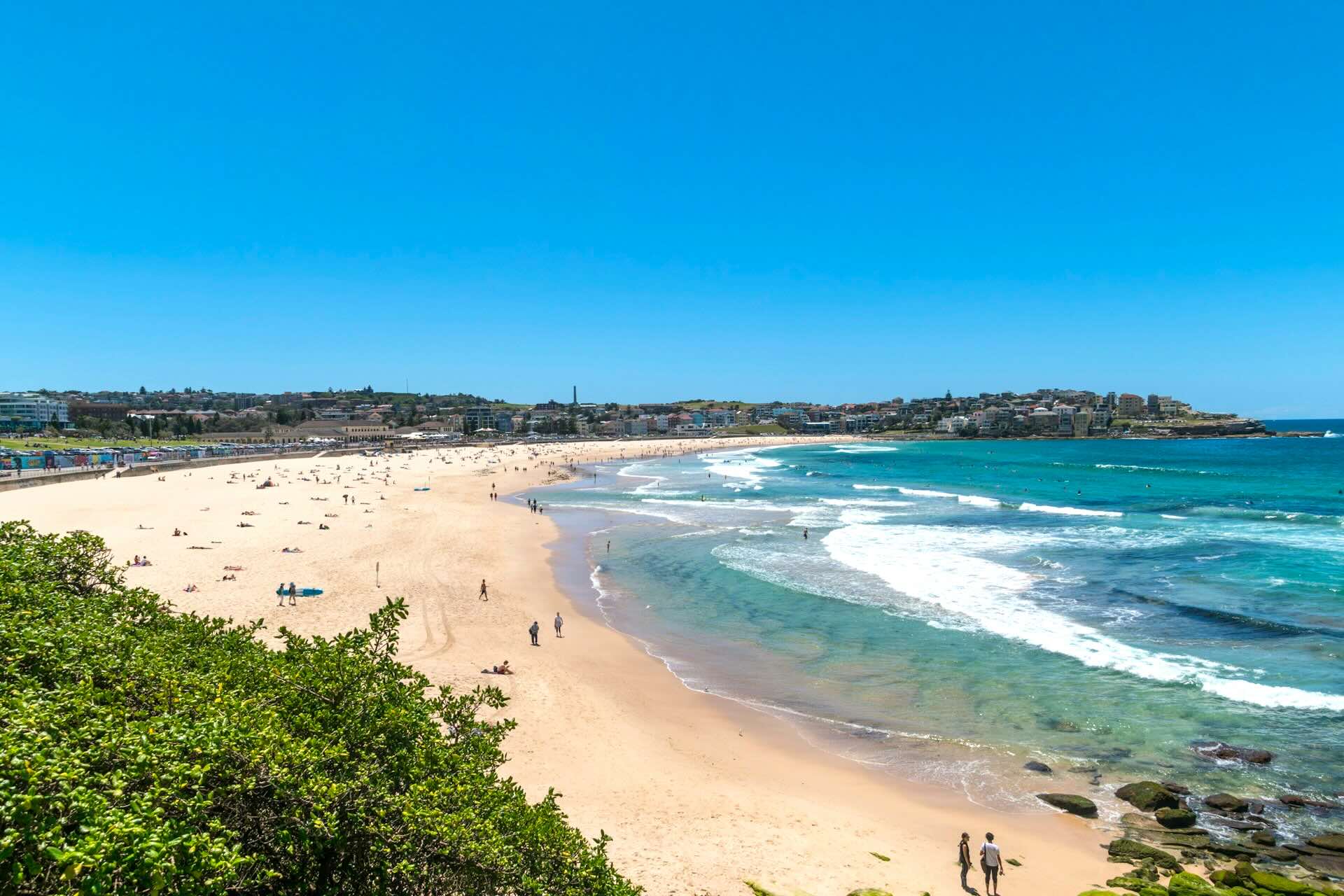
    Bondi Beach and Manly Beach offer different perspectives. Bondi feels active and social. Manly feels slightly more relaxed, with a slower rhythm.

    Surf culture, coastal walks, and outdoor cafés define the atmosphere.

    The beach becomes part of the daily schedule.

    Coastal Walks Connect City and Nature

    Sydney’s coastal paths provide a direct link between urban and natural environments.

    The Bondi to Coogee walk stands out for its views, connecting beaches, cliffs, and open ocean.

    Walking these routes reveals how closely the city is tied to its coastline.

    Nature is not distant.

    It is integrated into movement.

    Neighborhoods Offer Distinct Perspectives

    Sydney’s neighborhoods shape how you experience the city.

    The Rocks introduces historic character near the harbor. Surry Hills offers cafés and a creative atmosphere. Darlinghurst adds nightlife and dining variety.

    Each area feels connected yet distinct.

    This structure allows for layered exploration.

    Food Reflects Coastal Influence

    Sydney’s dining scene reflects its geography.

    Seafood is central, often served simply to highlight freshness. Outdoor dining is common, with patios and waterfront views shaping the experience.

    Cafés focus on quality coffee and relaxed meals.

    Food feels aligned with the environment.

    Outdoor Living as a Lifestyle

    Sydney encourages time outside.

    Parks, beaches, and waterfront spaces support an active lifestyle. Running, swimming, and walking are part of daily routines.

    The climate allows for consistent outdoor activity.

    This contributes to the city’s overall sense of balance.

    The Pace Feels Energetic but Manageable

    Sydney moves with purpose but not chaos.

    Transit systems and ferry routes create structure. Streets remain active without feeling overwhelming.

    You can experience both energy and calm within the same day.

    This balance defines the city’s appeal.

    Cultural Landmarks Add Depth

    Beyond the harbor, Sydney offers cultural experiences.

    Museums, galleries, and performance spaces provide insight into both Australian and global perspectives.

    The Opera House functions as more than an architectural icon.

    It remains an active cultural venue.

    Why Sydney Feels So Balanced

    Sydney where city life meets the coast works because neither element dominates.

    The city does not overpower the coastline. The coastline does not isolate the city.

    They operate together.

    This integration creates a lifestyle that feels both dynamic and relaxed.

    How to Experience Sydney Fully

    Use ferries to move between neighborhoods and see the harbor from different angles.

    Visit both Bondi and Manly to understand the range of beach culture.

    Walk along coastal paths to connect different parts of the city.

    Spend time in both busy districts and quieter parks.

    Let the water guide your movement.

    Final Thoughts on Sydney

    Sydney offers a rare combination.

    It provides the structure of a global city alongside the openness of a coastal destination.

    The harbor connects everything. The beaches extend the experience.

    Together, they create a place that feels complete.
    Plan a trip to Sydney today.

  • Why Melbourne Feels Designed for Everyday Life

    Why Melbourne Feels Designed for Everyday Life

    Melbourne often ranks high on global livability lists, but statistics only tell part of the story. Why Melbourne feels designed for everyday life becomes clear the moment you step into its neighborhoods. The city balances culture, green space, food, transit, and public design in a way that supports routine as much as spectacle.

    Melbourne does not overwhelm you with grandeur. Instead, it functions beautifully at a human scale. It is a city built for walking, sitting, eating, commuting, and lingering. That everyday comfort is what makes it memorable.

    Walkability Shapes the Experience

    Melbourne’s central grid and surrounding neighborhoods encourage movement on foot.

    Wide sidewalks, protected tram lines, and pedestrian friendly crossings reduce friction. You can move from a café to a bookstore to a park without feeling rushed.

    The city center feels compact without feeling crowded.

    Walkability changes how you experience a place. When you can move easily, you engage more deeply.

    Public Transport Feels Integrated

    Melbourne’s tram network is both practical and iconic.

    Free tram zones in the central business district make short trips simple. Beyond the center, trains and buses connect neighborhoods efficiently.

    You do not need a car to function here.

    Ease of movement supports daily life and reduces stress for visitors and residents alike.

    Neighborhood Identity Matters

    Melbourne’s character lives in its neighborhoods.

    Fitzroy leans creative and independent. Carlton blends Italian heritage with academic energy. South Yarra feels polished yet relaxed.

    Each district has its own rhythm, yet they connect seamlessly.

    This layered structure allows you to choose the pace and atmosphere that fits your mood.

    Coffee Culture Anchors Routine

    Coffee in Melbourne is not an afterthought.

    Independent cafés line streets across the city. Locals treat coffee as ritual rather than transaction.

    Baristas take pride in craft. Customers linger instead of rushing out.

    This culture encourages pause in the middle of busy days.

    Green Space Is Part of the Design

    Parks are not hidden away.

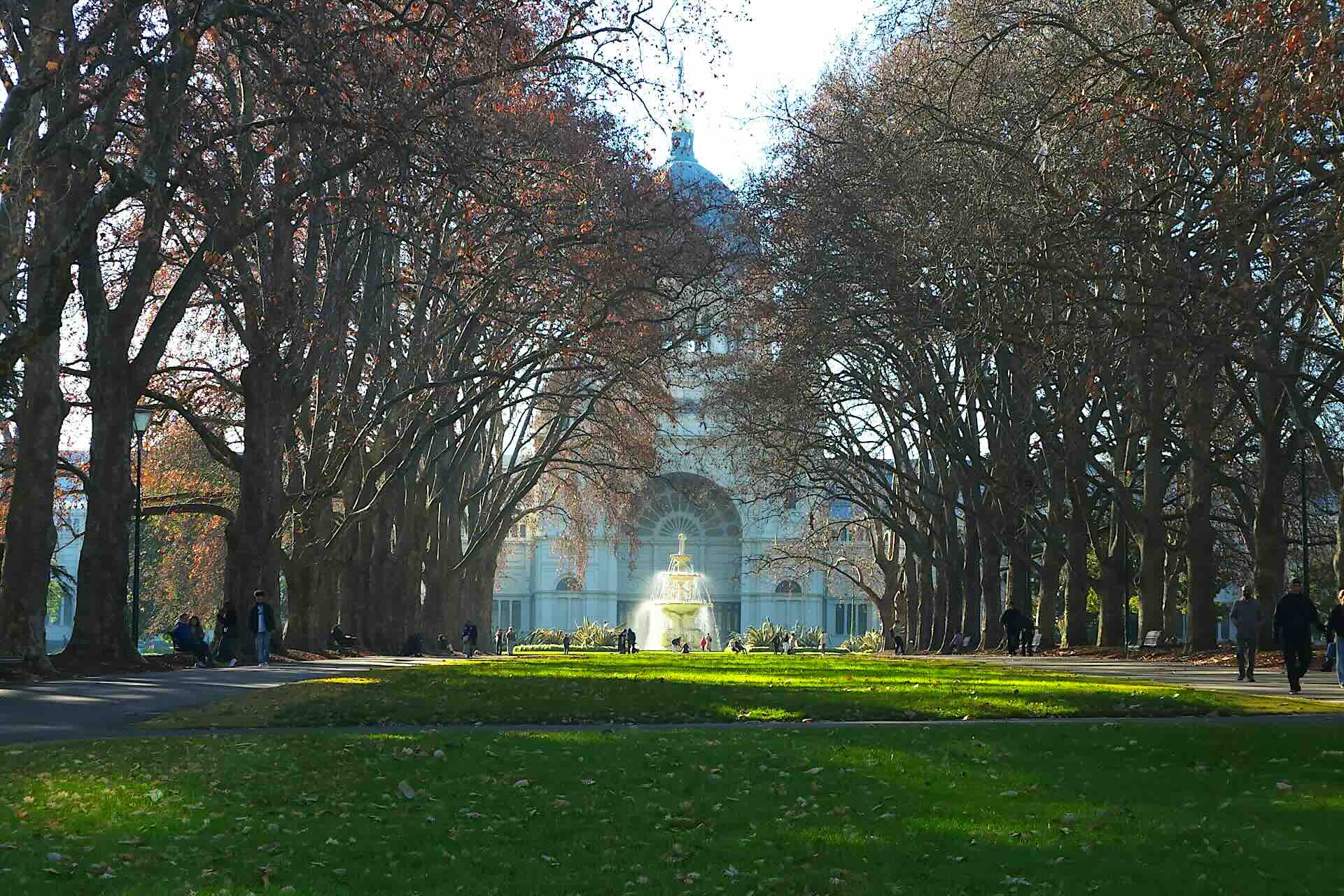
    The Royal Botanic Gardens, riverside paths along the Yarra, and neighborhood green spaces provide daily access to nature.

    You can shift from urban streets to open lawns within minutes.

    This balance between density and greenery supports both energy and calm.

    Food Reflects Cultural Diversity

    Melbourne’s dining scene mirrors its multicultural population.

    You can find Vietnamese, Greek, Italian, Ethiopian, and contemporary Australian cuisine within short distances.

    Restaurants range from simple neighborhood spots to refined dining rooms.

    Food here feels integrated into daily life rather than reserved for special occasions.

    Architecture Blends Old and New

    Melbourne’s streets combine Victorian era buildings with modern glass structures.

    Laneways reveal street art and hidden bars. Wide boulevards frame historic facades.

    The city respects its past while continuing to evolve.

    This architectural layering creates visual depth without chaos.

    The Pace Feels Sustainable

    Melbourne moves steadily, not frantically.

    Work life exists, but it does not dominate the entire atmosphere.

    People gather in parks after work. Outdoor seating remains active. Weekends stretch into markets and festivals.

    The city supports productivity without sacrificing quality of life.

    Everyday Amenities Feel Accessible

    Grocery stores, pharmacies, gyms, and markets sit within residential neighborhoods.

    You do not need to travel far to meet daily needs.

    Accessibility reduces stress and creates comfort.

    Even as a visitor, you sense how smoothly life operates.

    Arts and Culture Feel Approachable

    Melbourne hosts festivals, galleries, and live music throughout the year.

    Yet these experiences rarely feel exclusive.

    Small venues, local performances, and community events sit alongside major institutions.

    Culture feels woven into routine rather than isolated in formal spaces.

    Why Visitors Notice the Difference

    Travelers often describe Melbourne as easy.

    Ease comes from thoughtful design, reliable systems, and neighborhood cohesion.

    You do not constantly navigate confusion.

    Instead, you spend more time enjoying cafés, parks, and conversation.

    How to Experience Melbourne’s Everyday Design

    Stay in a residential neighborhood rather than only the central business district.

    Use trams instead of rideshare services.

    Spend time in parks without an agenda.

    Visit local markets and independent shops.

    Observe how residents move through their day.

    Final Thoughts on Melbourne’s Livability

    Why Melbourne feels designed for everyday life is not about one landmark or event.

    It is about how small elements connect seamlessly.

    Walkability, public transport, coffee culture, green space, and neighborhood identity work together.

    The result is a city that feels comfortable, human, and quietly confident.

    Plan a trip to Melbourne today.