Tag: Balkan city breaks

  • Sofia, Bulgaria Golden Churches and Mountain Framing

    Sofia, Bulgaria Golden Churches and Mountain Framing

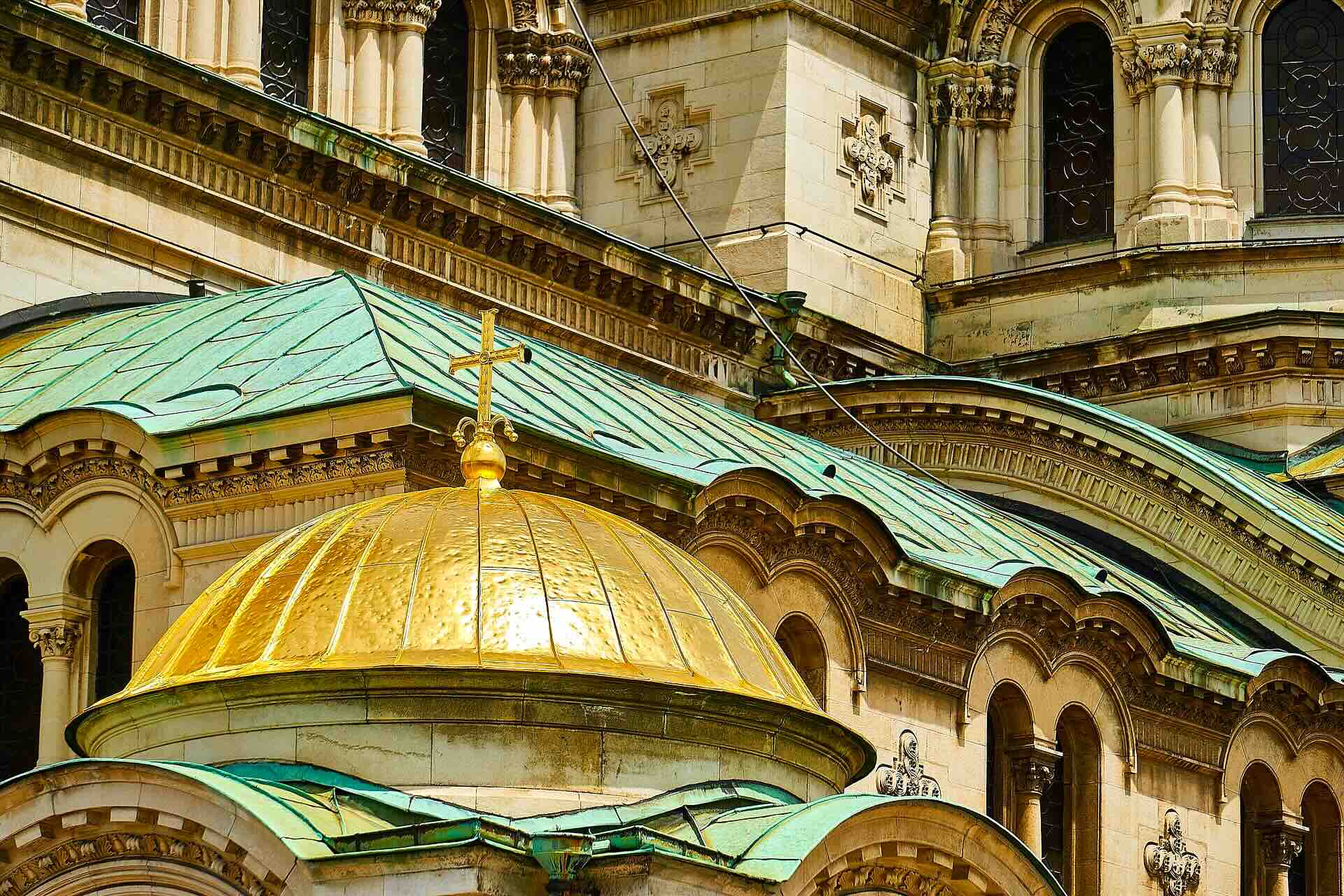
    Sofia, Bulgaria golden churches and mountain framing come together in a city that feels layered, grounded, and quietly compelling. Sofia is one of Europe’s oldest capitals, but it does not present its history in a polished or predictable way. Its appeal comes through Orthodox domes, Roman ruins, mineral springs, broad boulevards, café culture, communist-era architecture, and the steady presence of Mount Vitosha behind the city.

    Why Sofia Feels So Distinct

    Sofia stands out because it feels ancient and modern at the same time. Roman remains, Byzantine influences, Ottoman traces, Orthodox churches, socialist buildings, and contemporary cafés all exist close together. The result is not always seamless, but it is deeply interesting.

    This layered quality gives Sofia real character. It is not a city that feels curated only for visitors. It feels lived in, complex, and shaped by many historical periods that still remain visible.

    Golden Churches Shape the City

    The phrase golden churches fits Sofia because Orthodox architecture gives the city some of its strongest visual moments. Domes, icons, frescoes, candles, stone, and gold details create spaces that feel calm, sacred, and atmospheric.

    These churches do more than decorate the skyline. They give Sofia emotional depth. They also create quiet places within a busy capital, where travelers can feel the city’s spiritual and cultural identity more clearly.

    Mountain Framing Defines the Mood

    Mount Vitosha gives Sofia one of its most distinctive features. The mountain rises just beyond the city and creates a natural frame around the urban landscape. It makes Sofia feel open, grounded, and closely connected to the outdoors.

    This mountain backdrop changes the travel experience. Even in the city center, Vitosha adds scale and perspective. It reminds travelers that nature is never far away.

    Alexander Nevsky Cathedral Adds Grandeur

    Alexander Nevsky Cathedral is Sofia’s most iconic landmark. Its golden domes, large scale, and central presence give the city a powerful architectural anchor. It is one of the clearest expressions of Sofia’s Orthodox identity.

    The cathedral also helps define the city’s atmosphere. It feels monumental, but not detached. Streets, parks, museums, and civic buildings gather around it, making it part of Sofia’s daily rhythm.

    Ancient History Beneath the Streets

    Sofia’s history often appears below or beside modern life. Roman ruins, old walls, archaeological remains, and ancient routes show how long the city has been inhabited. These layers make Sofia more substantial than many travelers expect.

    This is one of the city’s strengths. Sofia does not hide its past in one museum district. History appears in fragments throughout the center, creating a sense of discovery during ordinary walks.

    Cafés, Parks, and Daily Life

    Sofia has a relaxed café culture that softens its urban edges. Outdoor tables, bakeries, coffee shops, restaurants, and green spaces make the city feel approachable. Parks and broad public areas add room to pause between historic sites.

    This daily rhythm matters because Sofia can feel visually mixed at first. Cafés and parks help travelers settle into the city. They reveal a warmer, more comfortable side of the capital.

    Architecture With Many Layers

    Sofia’s architecture is varied and sometimes uneven, but that is part of its character. Grand civic buildings, Orthodox churches, socialist blocks, Art Nouveau details, Roman ruins, and modern structures all appear across the city.

    This mix gives Sofia a different beauty from more uniform European capitals. It is not always tidy, but it feels honest. The city’s architecture shows its history without smoothing away the contrasts.

    Vitosha Boulevard and Urban Energy

    Vitosha Boulevard gives Sofia a social center. Shops, cafés, restaurants, and pedestrian space create a lively but manageable urban rhythm. The mountain often appears beyond the street, adding a scenic backdrop to everyday city life.

    This combination works well. Sofia offers city energy without losing its connection to the landscape. The mountain view makes even a simple walk feel more distinctive.

    A Gateway to Bulgarian Culture

    Sofia is a strong starting point for understanding Bulgaria. It connects travelers to Orthodox tradition, Balkan history, regional food, mountain landscapes, and a capital city still changing in visible ways.

    The city also works well as a base for nearby day trips and outdoor escapes. This makes Sofia useful for travelers who want both culture and nature in one itinerary.

    Who Sofia Is Best For

    Sofia is best for travelers who enjoy layered cities, Orthodox churches, mountain backdrops, cafés, history, and places with real local character. It works well for solo travelers, couples, culture focused visitors, and anyone interested in the Balkans.

    This is not a city built around perfect polish. Sofia works through contrast, depth, and atmosphere. That makes it especially rewarding for travelers who prefer substance over surface.

    The Lasting Appeal of Sofia

    Sofia stays memorable because it feels complex and grounded. The golden churches give it beauty. The mountain framing gives it scale. The ruins, cafés, parks, boulevards, and mixed architecture give the city its lasting personality.

    For travelers who want a European capital with history, faith, nature, and Balkan character, Sofia is a strong choice. It proves that some cities are most interesting when they show their layers clearly.
    Plan a trip to Sofia today.

  • Belgrade, Serbia River Confluence and Night Energy

    Belgrade, Serbia River Confluence and Night Energy

    Belgrade, Serbia river confluence and night energy come together in a city that feels raw, lively, and full of personality. Belgrade is not polished in the way many European capitals try to be. Its appeal comes through history, rivers, strong public life, cafés, music, old fortifications, and a nightlife culture that gives the city real momentum after dark.

    Why Belgrade Feels So Distinct

    Belgrade stands out because it feels direct and unfiltered. The city has grand streets, historic corners, river views, and old neighborhoods, but it also carries a rougher urban edge. That mix gives Belgrade a sense of honesty.

    Travelers often remember Belgrade because it feels alive. It is not a city that sits quietly for visitors. It moves, argues, eats, drinks, listens to music, and keeps going late into the night.

    The River Confluence Shapes the City

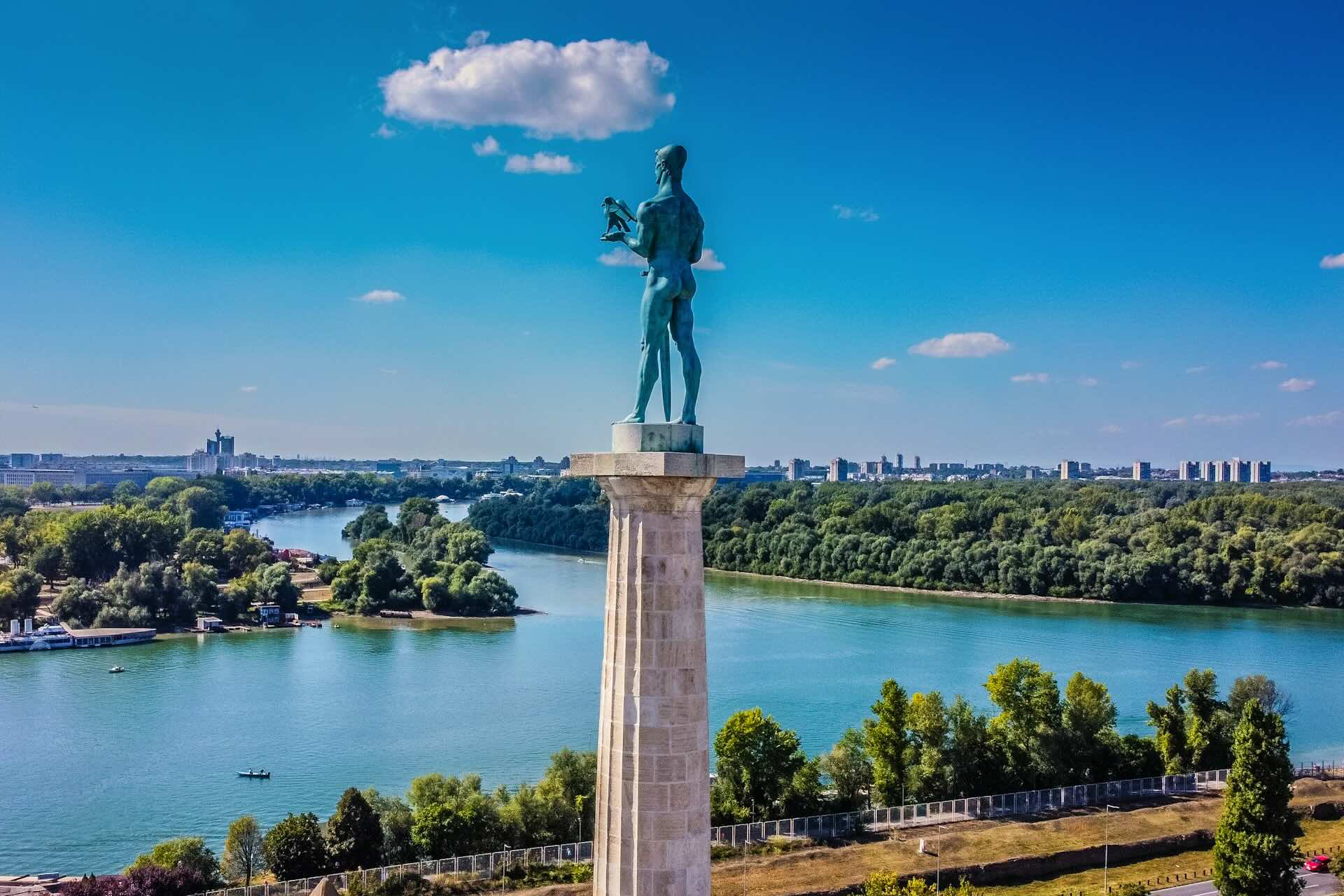
    The meeting of the Sava and Danube gives Belgrade one of its defining features. The river confluence creates space, views, and a sense of movement. It also gives the city a natural landmark that feels larger than any single street or square.

    This river setting matters because it softens the city’s intensity. Belgrade can feel energetic and dense, but the rivers open it up. Walks near the water give travelers room to breathe and a different way to understand the city.

    Kalemegdan and the View Over History

    Kalemegdan is one of Belgrade’s strongest travel experiences. The fortress area sits above the rivers and gives the city a dramatic historic anchor. From here, travelers can see why Belgrade has mattered for centuries.

    The view is not only scenic. It helps explain the city’s identity. Rivers, walls, parks, and skyline all meet in one place. That makes Kalemegdan one of the best starting points for understanding Belgrade.

    Night Energy Defines the Mood

    The phrase night energy fits Belgrade perfectly. The city is famous for staying active after dark. Bars, clubs, river venues, restaurants, and late conversations all shape its personality. Nightlife is not just an extra here. It is part of the city’s identity.

    That energy makes Belgrade different from quieter capitals. The city often feels more confident at night. Streets fill, music spreads, and the social rhythm becomes easier to understand.

    A City of Cafés and Conversation

    Belgrade’s café culture adds another layer to its appeal. The city has a strong habit of lingering. People meet, talk, drink coffee, eat, and let time stretch. This gives Belgrade a relaxed social texture during the day.

    That café rhythm helps balance the night energy. Belgrade is not only about intensity. It is also about conversation, routine, and daily life. Travelers who slow down often enjoy the city more.

    Streets With Character

    Belgrade’s streets are not always picture perfect, but they have strong character. Some areas feel elegant. Others feel worn, creative, or transitional. That variety gives the city a real urban texture.

    This is part of Belgrade’s charm. It does not feel overly curated. It feels like a capital still changing in visible ways. For travelers who like cities with edge, this can be more interesting than polish.

    Architecture With Layers

    Belgrade’s architecture reflects many eras and influences. Ottoman traces, Austro-Hungarian touches, socialist blocks, modern buildings, and older civic landmarks all appear across the city. The result can feel uneven, but also compelling.

    That unevenness is important. Belgrade’s beauty often comes from contrast rather than harmony. The city shows its history openly, and that gives it depth.

    River Life and Open Air Spaces

    The rivers give Belgrade more than views. They also create social space. Waterfront walks, floating venues, parks, and riverfront areas help define how people use the city. In warmer months, this outdoor rhythm becomes especially important.

    This makes Belgrade feel more open than its streets alone suggest. The rivers give the city a second layer, one built around movement, air, and long evenings by the water.

    A Balkan Capital With Edge

    Belgrade offers a strong introduction to the Balkans. It feels historic, social, affordable compared with many Western capitals, and full of mood. It is not always easy to summarize, which is part of the reason it stays interesting.

    The city works best for travelers who enjoy character over perfection. Belgrade rewards curiosity, flexibility, and a willingness to explore beyond postcard beauty.

    Who Belgrade Is Best For

    Belgrade is best for travelers who like nightlife, river cities, history, cafés, music, and urban energy. It works well for solo travelers, friend groups, couples, and anyone interested in Balkan culture. It is also a strong fit for travelers who prefer cities that feel real rather than overly polished.

    This is not the right city for travelers seeking quiet elegance at every turn. It is better for those who want atmosphere, social life, and a destination with visible layers.

    The Lasting Appeal of Belgrade

    Belgrade stays memorable because it has force. The river confluence gives it geography. The night energy gives it movement. The cafés, streets, fortress, and neighborhoods give it texture. Together, they create a city that feels alive in a very specific way.

    For travelers who want a European capital with edge, rhythm, and strong local character, Belgrade is a rewarding choice. It may not always be graceful, but it is rarely dull. That is exactly what makes it worth visiting.

    Plan a trip to Belgrade today.

  • Sarajevo, Bosnia and Herzegovina Ottoman and Mountain Soul

    Sarajevo, Bosnia and Herzegovina Ottoman and Mountain Soul

    Sarajevo, Bosnia and Herzegovina Ottoman layers and mountain soul come together in a city that feels intimate, resilient, and unlike anywhere else in Europe. Sarajevo does not give you one clean identity. It gives you several at once, Ottoman streets, Austro Hungarian facades, religious landmarks, steep hillsides, and the constant presence of mountains holding the city in place. That complexity is exactly what makes Sarajevo memorable. Its beauty is real, but its deeper power comes from how history, geography, and daily life still press closely against one another.

    Why Sarajevo Feels So Distinct

    Some cities are easy to read at first glance. Sarajevo is not. It feels layered from the moment you arrive. The city carries visible traces of different empires, different faiths, and different eras, yet it still feels coherent rather than fragmented. That gives Sarajevo a stronger emotional weight than cities built around a single dominant identity.

    This matters because Sarajevo is not only beautiful. It feels lived through. Travelers who want a city with atmosphere, cultural depth, and real historical gravity often connect with it quickly.

    Ottoman Layers Shape the City’s Identity

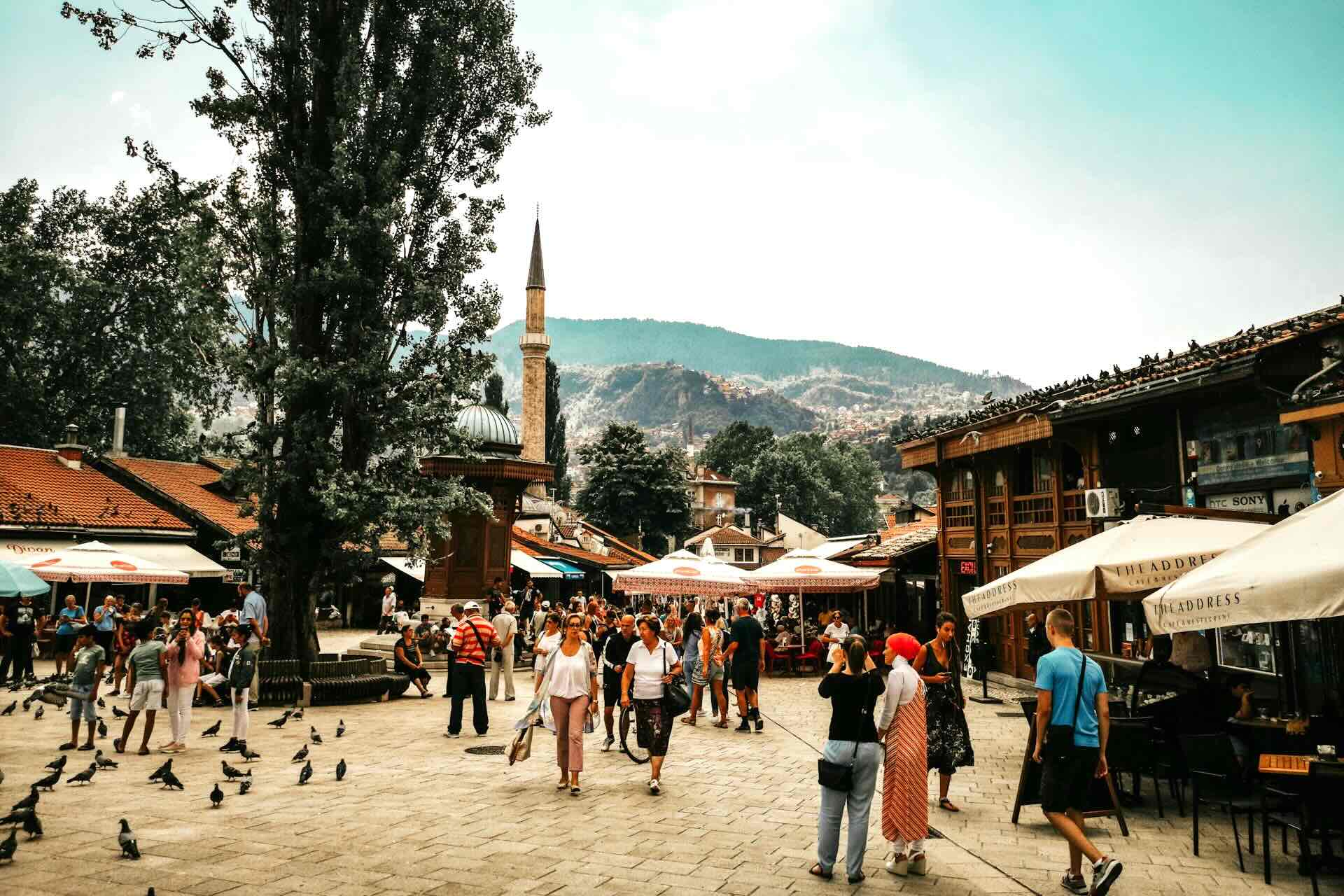
    The phrase Ottoman layers fits Sarajevo because the city still holds that inheritance visibly and emotionally. In the older parts of the city, the streets, markets, mosques, courtyards, and urban scale all carry a distinctly Ottoman rhythm. This is not a small decorative trace. It is one of the main ways Sarajevo understands itself.

    That matters because it gives the city a texture many European destinations do not have. Sarajevo does not feel uniform. Its Ottoman layers create intimacy, warmth, and a sense of continuity that still shapes the experience of walking through it.

    Mountain Soul Gives the City Its Atmosphere

    Sarajevo’s mountain soul is just as central as its built history. The city sits in a valley, and the surrounding mountains are never far from view or feeling. They give Sarajevo enclosure, perspective, and a stronger emotional tone than flatter cities usually have. The landscape does not sit outside the city. It shapes its mood directly.

    This matters because geography changes how history is felt. In Sarajevo, the mountains make the city seem more protected and more exposed at the same time. That tension gives the place much of its power.

    A City of Close Contrasts

    Sarajevo is one of those cities where contrasts sit very near each other. Ottoman streets and later European facades, quiet courtyards and busier central avenues, religious buildings from different traditions, and older city textures alongside more modern movement all exist within a very walkable range.

    This is one reason the city stays so interesting. Sarajevo never feels one note. It keeps shifting, but it does not lose coherence. That makes the urban experience feel rich without becoming confusing.

    More Than a Historical Symbol

    It would be easy to approach Sarajevo mainly through history, but that would undersell it. The city also works because it has rhythm, food, neighborhoods, conversation, and daily life that continue beyond the major narratives people bring with them. Sarajevo is not only a place to interpret. It is a place to inhabit.

    That matters because the city’s emotional force becomes stronger when it is not reduced to a lesson. Sarajevo feels alive in the present, and that living quality is central to its appeal.

    Streets That Reward Slow Walking

    Sarajevo is best understood on foot. Its streets reveal the city’s layers gradually, market areas, older alleys, broader boulevards, river stretches, and streets that begin to climb toward the hills. Walking here is not only practical. It is one of the main ways the city makes sense.

    This matters because Sarajevo is not a city that should be rushed. Its atmosphere deepens through slower movement, repeated views, and noticing how much history and daily life still share the same urban space.

    The Old Core Carries Real Warmth

    Sarajevo’s older center has a warmth that keeps the city from feeling too heavy. The human scale of the streets, the closeness of cafés and shops, and the more intimate urban texture all make the city feel accessible. Even with so much history present, the older core still feels social and welcoming.

    That balance is one of Sarajevo’s greatest strengths. A city with this much emotional weight could easily feel overwhelming. Instead, it remains open enough to invite people in.

    A Place Where Different Worlds Meet

    Sarajevo feels important because it has long been a meeting point. East and west, empire and nation, religion and daily coexistence all seem to leave visible marks on the city. That meeting point quality is not abstract. You can feel it in the architecture, the public spaces, and the cultural atmosphere.

    This matters because it gives Sarajevo a kind of depth that is hard to imitate. The city does not feel generic at all. It feels like a place shaped by encounter, tension, and continuity.

    Resilience Is Part of the City’s Character

    Sarajevo also carries a visible sense of endurance. Without reducing the city to suffering, it is impossible to ignore that resilience is part of its identity. The city feels like a place that has absorbed history rather than been erased by it. That gives the streets and buildings a stronger emotional register.

    This is part of what makes Sarajevo so affecting. It is not polished in a shallow way. It has beauty, but also memory, and those two things are constantly close to one another.

    Why the City Feels So Human

    For all its complexity, Sarajevo remains deeply human in scale. Its central areas are walkable, its streets often feel intimate, and its urban experience rarely turns impersonal. This makes the city easier to connect with on a personal level than larger and more formal capitals.

    That human scale matters because it allows the city’s layers to feel personal rather than abstract. Sarajevo is easier to feel than to summarize, and that is part of its lasting appeal.

    When Sarajevo Feels Best

    Sarajevo is especially rewarding when travelers allow enough time to move slowly, notice the Ottoman layers, and look outward toward the mountains as part of the same experience. The city works best when there is room for walking, eating, pausing, and letting its atmosphere build gradually.

    Its appeal is not simple, but it is very strong. Ottoman layers and mountain soul are not just attractive words here. They describe the city’s identity with unusual precision.

    Who Sarajevo Is Best For

    Sarajevo suits travelers who appreciate history, layered cities, and destinations with emotional depth. It works especially well for solo travelers, couples, and culturally curious visitors who want a city with visible complexity and real atmosphere. It is also a strong fit for travelers who care about geography as much as architecture.

    This is a city for people who want more than surface beauty. Sarajevo gives that in full.

    The Lasting Appeal of Sarajevo

    Sarajevo stays with people because it feels rich in every direction. The Ottoman layers give it texture. The mountain soul gives it gravity. The city’s daily life gives it warmth. Together, they create one of Europe’s most memorable urban experiences.

    That is what makes Sarajevo more than simply a historically important city. It feels like a place where memory, geography, and culture still support one another naturally. For travelers who want atmosphere, depth, and a city with real human presence, Sarajevo remains unforgettable.

    Plan a trip to Sarajevo today.