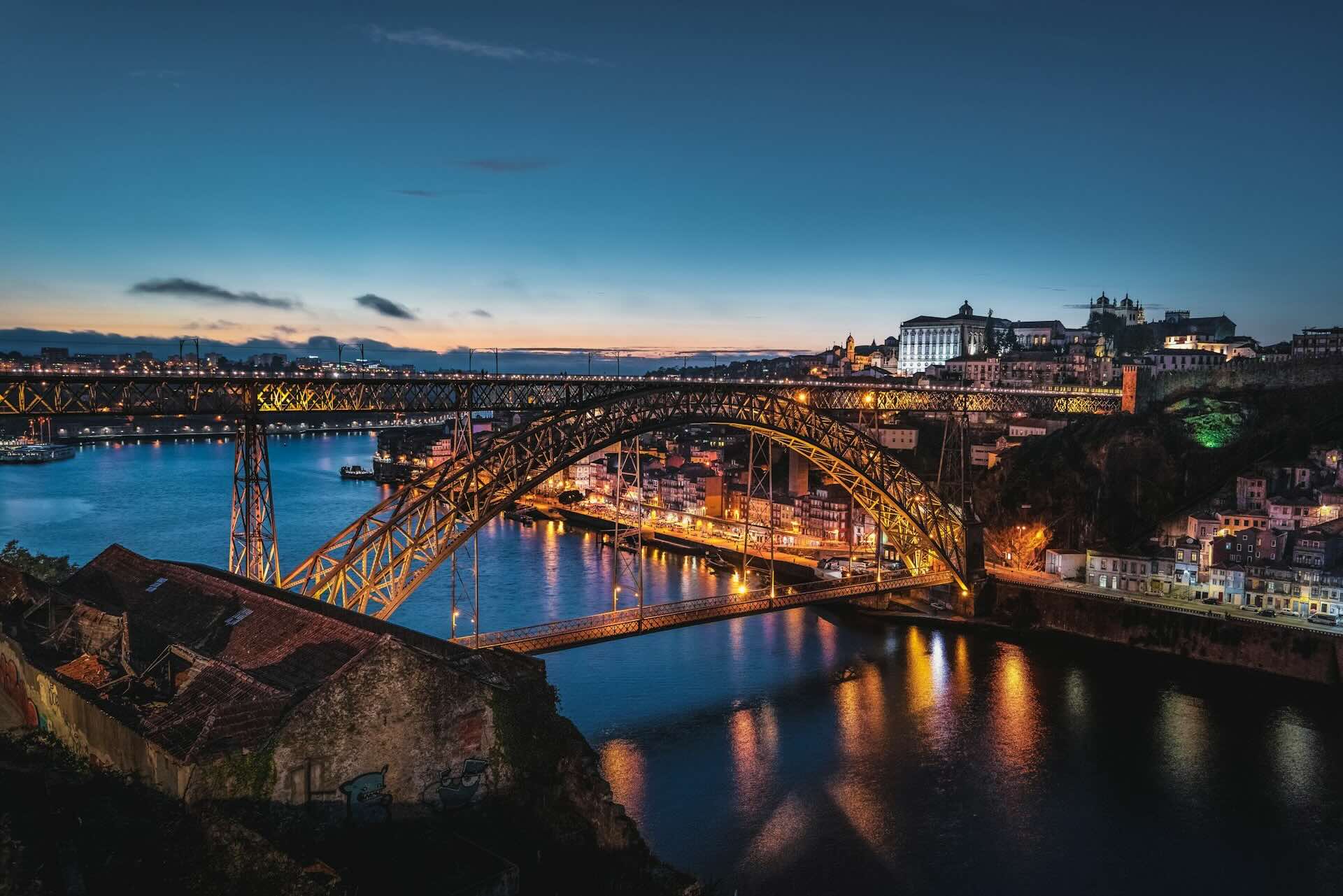
Bergen, Norway fjords, colorful houses, and coastal life come together in a city that feels dramatic, welcoming, and deeply tied to the landscape around it. On Norway’s west coast, Bergen blends maritime history, old wooden streets, and a working harbor atmosphere with easy access to some of the country’s most famous fjord scenery. The result is a city that feels both urban and elemental, shaped as much by water, weather, and mountains as by architecture or culture.
Why Bergen Feels So Memorable
Some cities impress through monumentality. Bergen works through atmosphere. The city feels compressed between sea and mountains, and that setting gives everything more intensity. Light changes quickly. Weather moves in and out. The harbor remains central to daily life. Even a simple walk through town can feel cinematic because the surrounding landscape never disappears for long. Bergen is also compact enough to explore on foot, which makes its shifts in mood and scenery easier to absorb.
That physical setting is a big part of Bergen’s identity, but it is not the only reason the city stays with people. Bergen also has a strong cultural and historical personality. It feels lived in rather than staged. The city has beauty, but it also has texture, working life, and a certain weathered confidence that gives it more depth than a simple postcard view.
A City Framed by Fjords and Mountains
Bergen is widely positioned as the heart of the fjords, with direct access to fjord excursions and a location between major fjord regions including Sognefjord to the north and Hardangerfjord to the south. That gateway role matters because the city does not treat the fjords as a distant side trip. They are part of Bergen’s larger identity.
The mountains matter just as much. Visit Bergen describes the city as nestled between the fjord and seven mountains, and that topography shapes the entire experience of being there. You feel the closeness of nature even when standing in the center. Views open suddenly. Hills rise behind the old town. The city feels held by the landscape, which gives Bergen a stronger emotional presence than many other coastal destinations.
Bryggen and the Colorful Face of Coastal Life Bergen
Bryggen is the image most travelers associate with Bergen, and it earns that status. The old Hanseatic wharf, with its leaning wooden buildings and narrow passageways, is part of UNESCO’s World Heritage List and is one of the most recognizable historic areas in Norway. However, Bryggen works because it is more than a pretty façade. It carries the city’s trading history and gives Bergen a distinct visual identity that feels rooted in centuries of maritime exchange.
What makes Bryggen so satisfying is the combination of color, irregularity, and age. The wooden fronts are iconic, but the smaller alleyways and interior passages often leave the stronger impression. They make Bergen feel intimate, textured, and human in scale. This part of the city suggests trade, weather, craft, and persistence, all at once.
Coastal Life and the Harbor Rhythm
Bergen’s coastal life identity goes far beyond scenery. It is built into the city’s habits and history. The Fish Market has existed since the 1200s and has long been a meeting place for merchants, fishermen, locals, and visitors. That continuity gives Bergen a working harbor atmosphere that still feels real today.
This maritime rhythm gives the city much of its character. Bergen does not feel like a polished resort. It feels like a place shaped by commerce, fishing, seafaring, and weather. Seafood naturally plays a visible role in the city’s food culture, and the harbor areas still feel active rather than decorative. That is part of Bergen’s appeal. It remains connected to the practical life of the coast.
Walking Through Bergen
Bergen is a very satisfying city to explore on foot. Its compact layout makes it easy to move between the harbor, Bryggen, the market area, older neighborhoods, and viewpoints without exhausting distances. Visit Bergen highlights that the city is easy to navigate and well suited to walking, and that is one of its greatest strengths for travelers.
Walking also lets you notice how Bergen shifts from one texture to another. One moment you are near the waterfront with broad views and open sky. The next, you are in narrower streets with old wooden houses and a more intimate atmosphere. The city never feels monotonous. It reveals itself in layers, and that makes wandering especially rewarding.
Views From Above a Coastal Life
Bergen becomes even more compelling from higher ground. Mount Fløyen is one of the city’s best known viewpoints, and from the top you can see Bergen below with fjords, sea, and mountains stretching into the distance. This perspective clarifies what makes the city so distinctive. Bergen is not only attractive at street level. It also sits within a larger landscape that gives it scale and drama.
These elevated views also reinforce the city’s balance. Bergen feels urban enough to stay engaging for several days, but natural enough to prevent it from feeling closed in. That combination is rare. It gives the city both energy and calm.
Food, Seafood, and Everyday Warmth
Bergen’s food culture makes sense within the city’s setting. Seafood is the obvious anchor, and the Fish Market remains one of the best known places to experience that side of local life. However, the broader appeal is not just about one market or one dish. It is about how naturally food, harbor life, and climate come together.
Bergen also feels well suited to slower pleasures. Coffee, warm indoor spaces, and unhurried meals feel especially right here because the city’s atmosphere encourages pause. Weather is part of the experience, so stepping into a café or sitting down for a good meal feels less like a break from sightseeing and more like part of understanding the place.
Bergen as a Gateway and a Destination
Many travelers first think of Bergen as a starting point for fjord tours, and it does serve that role exceptionally well. The city offers a wide range of fjord tours, including routes into some of Norway’s most dramatic scenery. That makes Bergen practical for itinerary planning, but it would be a mistake to treat it only as a launch point.
Bergen stands on its own because it has a complete personality. The city offers heritage, views, walkability, food culture, and strong visual character before you ever board a boat or train. Travelers who stay long enough to experience both the city and the fjord landscape around it usually get the most from the region.
When Bergen Feels Best
Bergen works in several seasons, but the feel of the city does change with light and weather. Brighter months bring longer days, more visible harbor life, and easier access to mountain walks and fjord excursions. At the same time, Bergen’s moody weather is part of its identity, so overcast skies or shifting rain do not necessarily diminish the experience. In many ways, they reinforce it.
This is not a city that depends on perfect weather to succeed. Bergen feels strongest when travelers accept its coastal life temperament rather than resist it. That makes the city especially rewarding for people who appreciate atmosphere as much as sunshine.
Who Bergen Is Best For
Bergen suits travelers who care about landscape, walkability, and places with clear identity. It works especially well for people who want a city experience that stays connected to nature. Couples, solo travelers, and culturally curious visitors can all do well here, especially if they like destinations with a little weather, a little history, and a lot of character.
It is also ideal for travelers who want to combine urban exploration with fjord access. Very few places offer that combination so naturally. Bergen feels substantial enough to anchor a trip, yet open enough to connect you quickly to the wider west coast landscape.
The Lasting Appeal of Bergen
Bergen stays with people because it feels inseparable from its setting. The harbor, the old wooden wharf, the market life, the mountains, and the fjord access all reinforce one another. The city does not need to choose between history and nature, or between beauty and utility. It holds those qualities together with unusual ease.
That is what makes Bergen more than a scenic stop in Norway. It feels like a real coastal city with weather in its bones and water at its center. For travelers who want dramatic surroundings, strong local character, and a destination that remains vivid long after the trip ends, Bergen earns its reputation quickly.
Plan a trip to Bergen today.