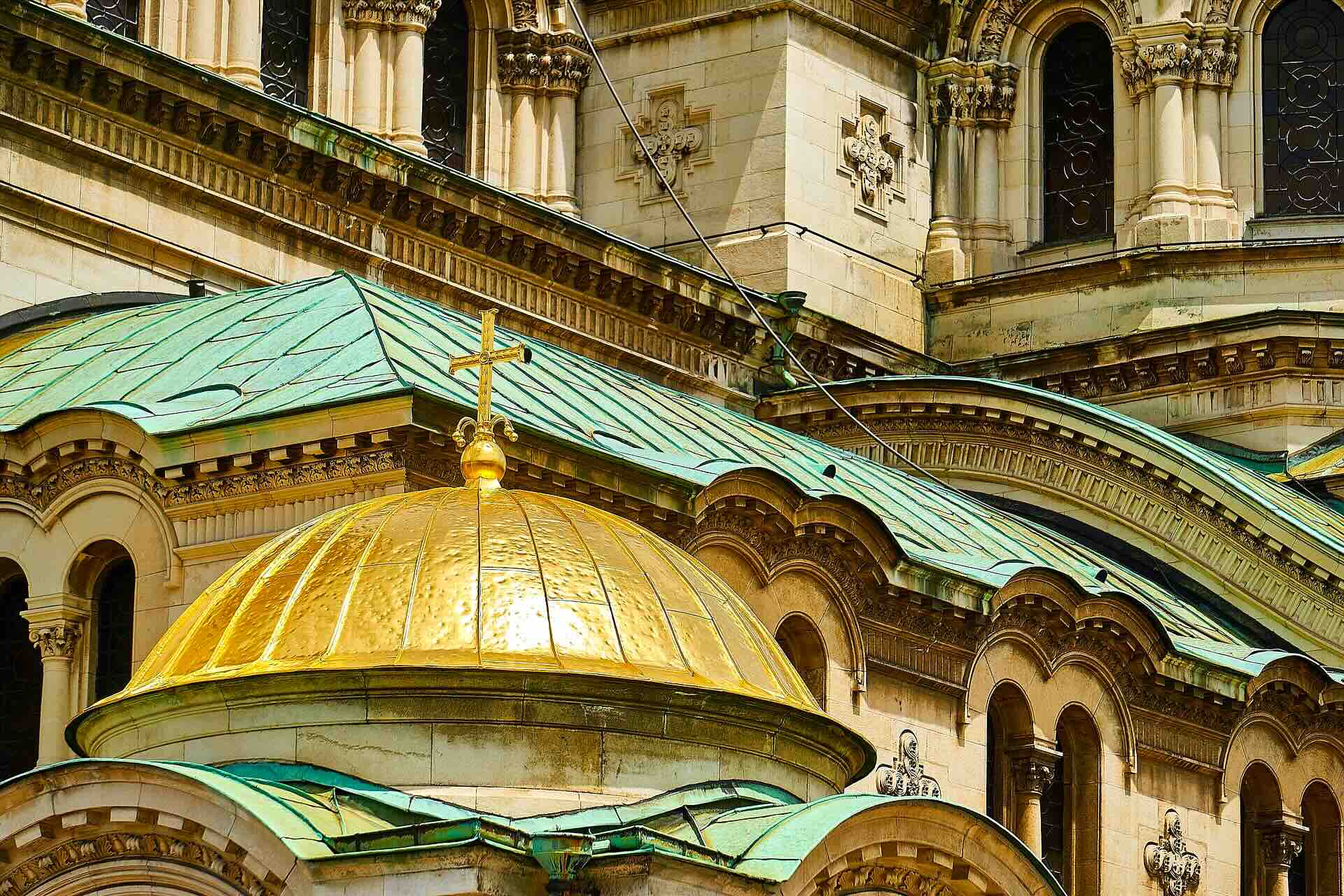
Sofia, Bulgaria golden churches and mountain framing come together in a city that feels layered, grounded, and quietly compelling. Sofia is one of Europe’s oldest capitals, but it does not present its history in a polished or predictable way. Its appeal comes through Orthodox domes, Roman ruins, mineral springs, broad boulevards, café culture, communist-era architecture, and the steady presence of Mount Vitosha behind the city.
Why Sofia Feels So Distinct
Sofia stands out because it feels ancient and modern at the same time. Roman remains, Byzantine influences, Ottoman traces, Orthodox churches, socialist buildings, and contemporary cafés all exist close together. The result is not always seamless, but it is deeply interesting.
This layered quality gives Sofia real character. It is not a city that feels curated only for visitors. It feels lived in, complex, and shaped by many historical periods that still remain visible.
Golden Churches Shape the City
The phrase golden churches fits Sofia because Orthodox architecture gives the city some of its strongest visual moments. Domes, icons, frescoes, candles, stone, and gold details create spaces that feel calm, sacred, and atmospheric.
These churches do more than decorate the skyline. They give Sofia emotional depth. They also create quiet places within a busy capital, where travelers can feel the city’s spiritual and cultural identity more clearly.
Mountain Framing Defines the Mood
Mount Vitosha gives Sofia one of its most distinctive features. The mountain rises just beyond the city and creates a natural frame around the urban landscape. It makes Sofia feel open, grounded, and closely connected to the outdoors.
This mountain backdrop changes the travel experience. Even in the city center, Vitosha adds scale and perspective. It reminds travelers that nature is never far away.
Alexander Nevsky Cathedral Adds Grandeur
Alexander Nevsky Cathedral is Sofia’s most iconic landmark. Its golden domes, large scale, and central presence give the city a powerful architectural anchor. It is one of the clearest expressions of Sofia’s Orthodox identity.
The cathedral also helps define the city’s atmosphere. It feels monumental, but not detached. Streets, parks, museums, and civic buildings gather around it, making it part of Sofia’s daily rhythm.
Ancient History Beneath the Streets
Sofia’s history often appears below or beside modern life. Roman ruins, old walls, archaeological remains, and ancient routes show how long the city has been inhabited. These layers make Sofia more substantial than many travelers expect.
This is one of the city’s strengths. Sofia does not hide its past in one museum district. History appears in fragments throughout the center, creating a sense of discovery during ordinary walks.
Cafés, Parks, and Daily Life
Sofia has a relaxed café culture that softens its urban edges. Outdoor tables, bakeries, coffee shops, restaurants, and green spaces make the city feel approachable. Parks and broad public areas add room to pause between historic sites.
This daily rhythm matters because Sofia can feel visually mixed at first. Cafés and parks help travelers settle into the city. They reveal a warmer, more comfortable side of the capital.
Architecture With Many Layers
Sofia’s architecture is varied and sometimes uneven, but that is part of its character. Grand civic buildings, Orthodox churches, socialist blocks, Art Nouveau details, Roman ruins, and modern structures all appear across the city.
This mix gives Sofia a different beauty from more uniform European capitals. It is not always tidy, but it feels honest. The city’s architecture shows its history without smoothing away the contrasts.
Vitosha Boulevard and Urban Energy
Vitosha Boulevard gives Sofia a social center. Shops, cafés, restaurants, and pedestrian space create a lively but manageable urban rhythm. The mountain often appears beyond the street, adding a scenic backdrop to everyday city life.
This combination works well. Sofia offers city energy without losing its connection to the landscape. The mountain view makes even a simple walk feel more distinctive.
A Gateway to Bulgarian Culture
Sofia is a strong starting point for understanding Bulgaria. It connects travelers to Orthodox tradition, Balkan history, regional food, mountain landscapes, and a capital city still changing in visible ways.
The city also works well as a base for nearby day trips and outdoor escapes. This makes Sofia useful for travelers who want both culture and nature in one itinerary.
Who Sofia Is Best For
Sofia is best for travelers who enjoy layered cities, Orthodox churches, mountain backdrops, cafés, history, and places with real local character. It works well for solo travelers, couples, culture focused visitors, and anyone interested in the Balkans.
This is not a city built around perfect polish. Sofia works through contrast, depth, and atmosphere. That makes it especially rewarding for travelers who prefer substance over surface.
The Lasting Appeal of Sofia
Sofia stays memorable because it feels complex and grounded. The golden churches give it beauty. The mountain framing gives it scale. The ruins, cafés, parks, boulevards, and mixed architecture give the city its lasting personality.
For travelers who want a European capital with history, faith, nature, and Balkan character, Sofia is a strong choice. It proves that some cities are most interesting when they show their layers clearly.