Tag: Central Europe travel

  • Brno, Czech Republic Modernist Edge and Moravian Character

    Brno, Czech Republic Modernist Edge and Moravian Character

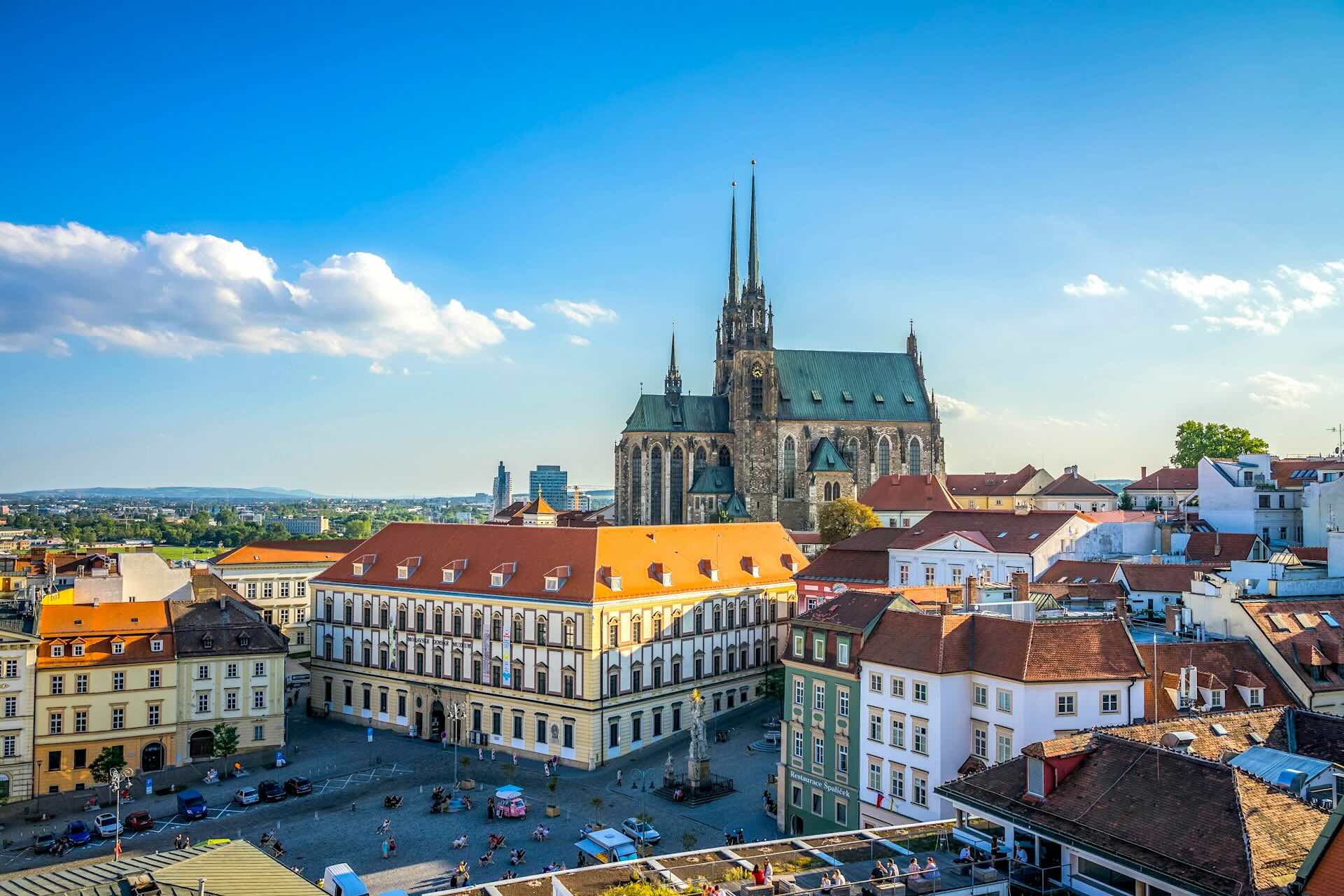
    Brno, Czech Republic modernist edge and Moravian character come together in a city that feels creative, grounded, and quietly distinctive. Brno does not have the immediate postcard fame of Prague, but that gives it more room to feel local. Its appeal comes through functionalist architecture, student energy, cafés, hilltop views, old squares, underground history, and a strong regional identity shaped by Moravia.

    Why Brno Feels So Distinct

    Brno stands out because it feels both historic and forward looking. The city has churches, castles, old streets, and traditional squares, but it also has a clear modernist streak. That mix gives Brno a sharper personality than many travelers expect.

    This makes Brno especially rewarding for visitors who like cities with layers. It is not only beautiful in the obvious sense. It is interesting, practical, youthful, and full of quiet confidence.

    Modernist Edge Shapes the City

    The phrase modernist edge fits Brno because the city has a strong connection to modern architecture and design. Clean lines, functionalist buildings, and thoughtful urban spaces give Brno a visual identity that feels different from more ornate Central European cities.

    This modernist side adds depth to the travel experience. Brno is not just about old town charm. It also shows how design, architecture, and everyday life can create a city that feels intelligent and contemporary.

    Moravian Character Gives Brno Warmth

    Brno’s Moravian character is one of its greatest strengths. The city feels Czech, but with a regional identity that gives it warmth, food culture, wine traditions, and a slightly softer rhythm. It feels less formal than Prague and more connected to local life.

    This makes Brno feel approachable. Travelers can enjoy cafés, markets, restaurants, and public spaces without feeling surrounded by heavy tourism. The city’s personality feels lived in rather than performed.

    A Walkable Center With Historic Layers

    Brno’s center is easy to explore on foot. Squares, churches, shops, cafés, museums, and historic streets connect naturally. The city is compact enough for relaxed wandering but layered enough to stay interesting.

    This walkability helps Brno reveal itself slowly. A simple route can move from medieval streets to modern architecture, from café terraces to hilltop views, and from busy squares to quiet side lanes.

    Cafés and Student Energy

    Brno has a strong student presence, and that gives the city energy. Cafés, bars, cultural spaces, bookstores, and casual restaurants all benefit from the younger rhythm. The result feels lively without becoming overwhelming.

    This energy matters because it keeps Brno fresh. The city has deep history, but it does not feel stuck in the past. Students and creative locals help give Brno a current and social atmosphere.

    Špilberk Castle and City Views

    Špilberk Castle gives Brno one of its strongest historic landmarks. Its hilltop position adds views, green space, and a clear sense of the city’s shape. From above, Brno feels both compact and varied.

    The castle also adds weight to Brno’s history. It reminds travelers that the city has long held strategic and cultural importance. The view makes that history easier to understand.

    Underground History and Unexpected Depth

    Brno has an underground side that adds mystery and depth. Cellars, crypts, tunnels, and older spaces beneath the city reveal another layer of its past. This gives Brno more than surface appeal.

    That hidden history makes the city especially interesting for travelers who enjoy places with surprises. Brno does not always announce its best details immediately. It rewards curiosity.

    Food, Wine, and Regional Flavor

    Brno’s food and wine culture help define its Moravian identity. The city has casual restaurants, traditional dishes, wine bars, markets, and a growing modern dining scene. It feels less tourist driven and more connected to regional habits.

    This culinary side gives Brno warmth. Meals and drinks feel like a natural part of exploring the city, not a separate activity. Travelers who enjoy local flavor will find Brno especially satisfying.

    A Different Side of the Czech Republic

    Brno offers a different side of the Czech Republic than Prague. It has fewer crowds, a more relaxed pace, and a stronger sense of local routine. It also provides a gateway into Moravia, with nearby wine country, villages, castles, and cultural landscapes.

    This makes Brno a practical and rewarding stop. It works as a city break, a cultural base, or part of a broader Central Europe itinerary. It adds variety to any trip through the region.

    Who Brno Is Best For

    Brno is best for travelers who enjoy architecture, cafés, student cities, regional food, historic streets, and places with local character. It works well for solo travelers, couples, culture focused visitors, and anyone who wants to see the Czech Republic beyond Prague.

    This is not a city built around one overwhelming landmark. Brno works through texture, design, atmosphere, and regional identity. That makes it especially rewarding for travelers who prefer depth over obvious fame.

    The Lasting Appeal of Brno

    Brno stays memorable because it feels intelligent and grounded. The modernist edge gives it sharpness. The Moravian character gives it warmth. The cafés, castle, old streets, student life, and regional food culture give the city its lasting personality.

    For travelers who want a Czech city with design, history, and a more local rhythm, Brno is a strong choice. It proves that some of Central Europe’s most rewarding destinations are not always the most famous. They are the ones with enough confidence to feel completely themselves.
    Plan a trip to Brno today.

  • Wroclaw, Poland A Colorful City of River Islands and Bridges

    Wroclaw, Poland A Colorful City of River Islands and Bridges

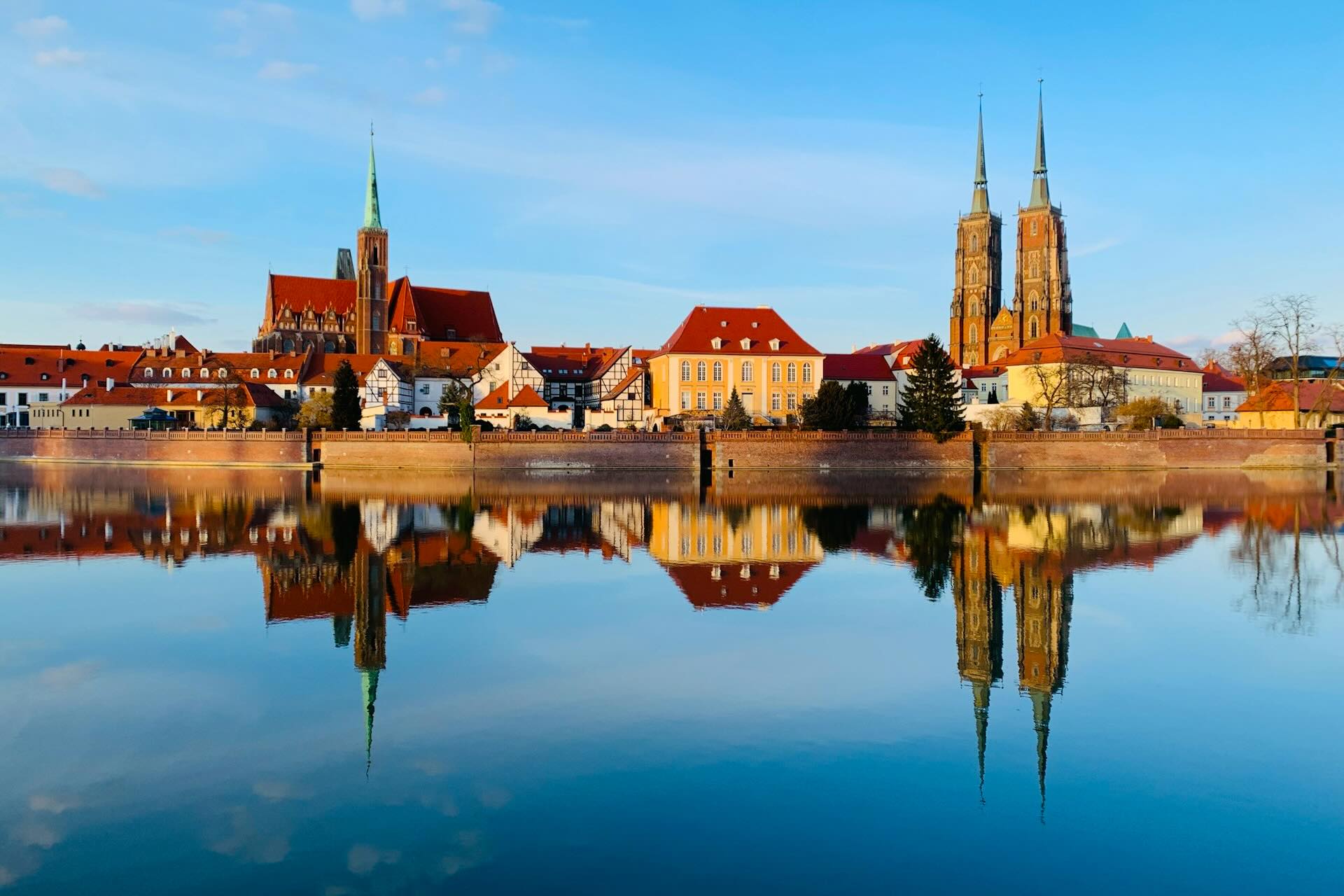
    Wroclaw, Poland a colorful city of river islands and bridges feels lively, walkable, and full of character from the moment you arrive. Set along the Oder River, Wroclaw stands apart because water shapes the city in visible ways. Bridges connect neighborhoods, islands break up the urban landscape, and the historic core feels both graceful and energetic. Add bright façades, market squares, church towers, and a strong student presence, and Wroclaw becomes a city that feels layered without becoming heavy.

    Why Wroclaw Feels So Distinct

    Some Central European cities impress through grand scale or a more formal kind of beauty. Wroclaw works differently. It feels lighter on its feet. The color of the buildings, the movement across the bridges, and the river setting all give the city a more open and playful identity.

    That balance is a large part of its appeal. Wroclaw has enough history to feel substantial, but it also feels social and alive in the present. Travelers who want architecture, atmosphere, and a city that is easy to enjoy on foot often connect with Wroclaw very quickly.

    The River Gives the City Its Shape

    Wroclaw makes the most sense once you notice how much the water matters. The Oder and its channels create a city that feels broken into smaller, more interesting pieces. Islands, embankments, and bridges all shape the rhythm of movement and make ordinary walking more visually rewarding.

    This matters because the river is not just decorative. It changes how the city feels. Wroclaw seems more breathable, more dynamic, and more varied because of the water. Even short walks can shift in mood as the city opens toward another bridge, another island, or another stretch of riverbank.

    A City of Bridges With Real Personality

    Wroclaw’s bridges are one of its defining features, but their appeal is not just practical. They give the city character. Moving through Wroclaw often means crossing water, changing perspectives, and seeing the city from slightly different angles over and over again.

    That repeated movement is part of what makes the city so satisfying. Wroclaw never feels flat. The bridges help turn it into a sequence of views and transitions. The city reveals itself gradually, and that gives it more charm than a place that presents everything at once.

    Color Brings Warmth to the Historic Core

    Wroclaw’s colorful façades are one of the first things people notice, and for good reason. They give the old center a warmth and brightness that make the city feel more approachable. Historic architecture can sometimes feel heavy or severe. In Wroclaw, the color softens that effect.

    This is especially clear around the market square and nearby streets, where the bright buildings help create a city that feels visually cheerful without becoming artificial. The color is not a gimmick. It is part of the city’s atmosphere and one of the reasons it lingers in memory.

    The Market Square Anchors Everything

    Wroclaw’s market square gives the city a strong civic center. It is broad, active, and visually rich, with enough space to feel important while still remaining human in scale. Surrounded by colorful buildings and historic architecture, it provides the city with a center of gravity that is both beautiful and usable.

    What makes the square work so well is that it still feels lived in. It is not only something to admire. It is a place people cross, meet in, sit near, and return to. That gives Wroclaw a stronger sense of everyday urban life than some preserved old towns manage.

    Islands Make the City Feel Layered

    The islands are one of Wroclaw’s quiet strengths. They give the city a different kind of structure, making it feel more varied and more textured than a city built around one continuous core. Some parts feel lively and central. Others feel calmer, more reflective, and more tied to churches, riverbanks, or older buildings.

    This layered quality is part of what makes Wroclaw so enjoyable over several days. It offers contrast without losing coherence. The city stays connected to itself, but it never feels too uniform.

    A Historic City That Still Feels Young

    One reason Wroclaw feels so fresh is that it has real youthful energy. The presence of students, cafés, bars, and active public spaces helps prevent the city from feeling too formal or too inward looking. History remains visible, but the present is equally clear.

    That matters because it gives Wroclaw range. The city can feel elegant and historic in one moment, then easygoing and social in the next. This makes it especially attractive for travelers who want a city with beauty and culture, but not one that feels overly solemn.

    Walking Is the Best Way to Understand It

    Wroclaw is at its best on foot. Walking lets you feel the shift between islands, squares, churches, and bridges in a way that other forms of transport flatten out. The city rewards wandering because each crossing and each turn tends to reveal another angle, another color, or another part of the river.

    This walkability also makes the city feel more accessible. Wroclaw is substantial enough to stay interesting, but compact enough to absorb without strain. That balance gives it a strong appeal for shorter stays and longer city breaks alike.

    More Than a Pretty Old Town

    It would be easy to describe Wroclaw only through color and architecture, but that would undersell it. The city also works because of its structure, its river setting, and its sense of momentum. It feels like a real place, not just a preserved historic backdrop.

    That combination gives Wroclaw staying power. It is attractive immediately, but it also gets better once you begin to understand how the water, the islands, and the public spaces all support one another.

    Cafés, River Walks, and Everyday Ease

    Wroclaw is also a city that suits a slower travel rhythm. Coffee near the square, a walk along the river, an evening crossing one of the bridges, or a quiet meal in one of the older streets can all feel like central parts of the experience. The city does not need to be rushed.

    This makes Wroclaw especially rewarding for travelers who value atmosphere as much as sightseeing. It offers enough to do, but also enough room to simply enjoy being there. That kind of balance is one of its strongest qualities.

    When Wroclaw Feels Best

    Wroclaw works especially well when the weather supports walking, riverside time, and longer afternoons in public spaces. In those conditions, the bridges, islands, and colorful façades all feel more vivid. The city becomes easier to read and even more enjoyable to move through.

    Still, Wroclaw’s appeal is not only seasonal. Its deeper strengths, structure, color, and river setting, remain clear beyond any one time of year. The mood may shift, but the identity stays strong.

    Who Wroclaw Is Best For

    Wroclaw suits travelers who appreciate walkable cities, river settings, and destinations with both history and everyday life. It works especially well for couples, solo travelers, and culturally curious visitors who want a Central European city with warmth and personality.

    It is also a strong fit for travelers who enjoy cities that feel visually distinctive without becoming too grand or too formal. Wroclaw has beauty, but it also has ease.

    The Lasting Appeal of Wroclaw

    Wroclaw stays with people because it feels balanced in a rare way. The islands give it structure. The bridges give it movement. The colorful buildings give it warmth. The social life gives it energy. Nothing feels disconnected from the rest.

    That is what makes Wroclaw more than simply a beautiful city in Poland. It feels like a place where water, architecture, and everyday urban life still support one another naturally. For travelers who want color, walkability, and a city with real charm, Wroclaw remains one of the most rewarding destinations in Central Europe.

    Plan a trip to Wroclaw today.

  • Trieste, Italy Where Central Europe Meets the Sea

    Trieste, Italy Where Central Europe Meets the Sea

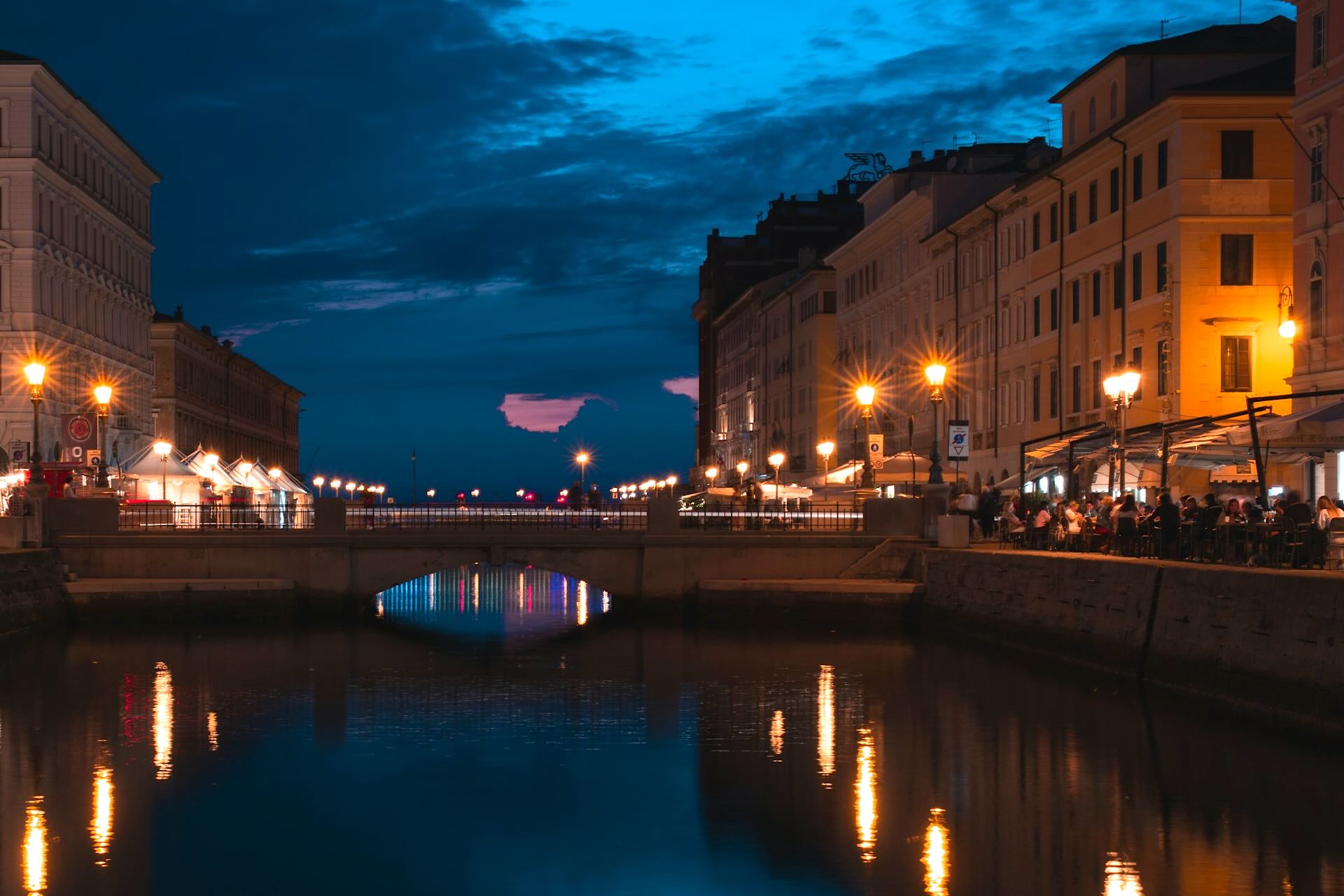
    Trieste, Italy where Central Europe meets the sea is more than a poetic phrase. It captures the city’s identity with unusual precision. Trieste sits at the northeastern edge of Italy, but it never feels entirely like the rest of the country. The city carries Italian language and Adriatic light, yet it also reflects Austro Hungarian history, Central European culture, and a borderland sensibility that gives it depth. Trieste feels elegant, literary, windswept, and intellectually alive, all at once.

    Why Trieste Feels So Distinct

    Many Italian cities are defined by one dominant image. Some are about ruins. Others center on art, food, or coastlines. Trieste resists that kind of simplification. It feels like a meeting point rather than a single note destination. You notice it in the architecture, the cafés, the accents, and the pacing of daily life.

    That layered identity gives Trieste unusual character. The city looks outward toward the sea, but it also feels connected to inland Europe. You can sense the tension between openness and formality, between Mediterranean ease and Central European structure. That balance makes Trieste memorable for travelers who want something more complex than a standard coastal city.

    A Port City With a Different Rhythm

    The sea shapes Trieste, but not in the soft, beach town way some travelers might expect. This is a port city, and that history matters. The waterfront feels broad, exposed, and purposeful. The air often carries wind, movement, and a sense of distance. Trieste’s relationship to the Adriatic feels intellectual as much as scenic.

    Piazza Unità d’Italia expresses that identity beautifully. The square opens dramatically toward the water, which gives it a scale and confidence that few urban spaces can match. It feels civic, elegant, and slightly theatrical, yet never artificial. Standing there, you understand that Trieste has always been a place of exchange, not just a place of leisure.

    This port city character also gives Trieste a more contemplative mood than many seaside destinations. It invites observation rather than spectacle. You do not come only for sun and views. You come for atmosphere, contradiction, and a sense of cultural overlap.

    The Central European Side of Trieste

    Trieste’s past under Habsburg rule still shapes the city deeply. You can see it in the architecture, which often feels more Vienna than southern Italy. Grand façades, orderly boulevards, and stately buildings create an atmosphere of restraint and seriousness that sets Trieste apart.

    This Central European influence is not just visual. It also lives in the city’s café culture, intellectual tradition, and general tone. Trieste feels like a place where reading, conversation, and introspection belong naturally to daily life. There is something measured about the city, something that values ideas as much as appearances.

    That quality gives Trieste a strong appeal for travelers who enjoy cities with literary and historical texture. It does not perform identity in an obvious way. Instead, it reveals itself through accumulated details and subtle shifts in mood.

    Cafés, Writers, and Intellectual Life

    Trieste is one of those rare cities where cafés feel essential to understanding the place. They are not just stops between attractions. They are part of the city’s cultural structure. Historic cafés in Trieste carry a Central European spirit, with polished interiors, old world atmosphere, and a sense that people once came not merely to drink coffee, but to think, write, and debate.

    The city’s literary associations deepen that impression. Writers and intellectuals have long been drawn to Trieste because it feels like a threshold city, a place shaped by language, migration, and ambiguity. That has given it a reflective character that still lingers.

    Even today, sitting in a café here feels different from doing the same in a more hurried or tourist driven city. Trieste encourages pause. It rewards attention. It asks you to absorb its mood rather than rush past it.

    Walking the City From Sea to Hill

    Trieste reveals itself best on foot. The waterfront gives you one version of the city, broad, open, and full of maritime presence. Move inland, and you find neoclassical buildings, narrow streets, churches, and layered urban spaces that begin to feel more intimate. Climb higher, and the city shifts again, offering views across rooftops, hillsides, and the Adriatic.

    This vertical variety matters. Trieste is not flat in character or topography. The city rises and folds into itself, which creates changing perspectives and a stronger sense of place. Some streets feel stately and formal. Others feel older, quieter, and more local.

    San Giusto, with its hilltop setting, cathedral, and castle, adds another dimension. From there, Trieste looks both coastal and continental. You see the sea, but you also understand the city’s relationship to the land behind it. That duality is central to Trieste’s identity.

    The Adriatic Setting

    Trieste’s seaside setting is central to its appeal, but it feels different from the softer beauty of resort towns further down the coast. The sea here can seem expansive, silvery, and slightly austere. It adds light and drama, but it also gives the city emotional range.

    On some days, the water looks calm and elegant. On others, wind transforms the atmosphere entirely. Trieste is famous for its strong bora winds, which contribute to the city’s intensity. That weather pattern is not a small detail. It helps shape how the city feels. Trieste is beautiful, but it is not passive. It has force.

    That makes the coastline here especially compelling for travelers who like places with mood and edge. The sea is not just a backdrop. It is an active presence in the life of the city.

    Food and Flavor in a Borderland City

    Trieste’s food reflects its position between worlds. You can eat well here in ways that feel recognizably Italian, but also in ways that reflect Central European and regional influences. That combination adds richness to the city’s culinary identity.

    Coffee is especially important. Trieste has a serious coffee culture, and it fits the city perfectly. Ordering coffee here feels less like a routine and more like participation in a long tradition. Beyond that, the broader food scene often reflects a mix of Adriatic seafood, hearty inland dishes, and cross cultural habits that make Trieste feel distinct from other Italian destinations.

    This borderland quality makes dining in Trieste especially interesting. Meals do not feel disconnected from history. They feel like another expression of the city’s layered character.

    A Gateway to More Than One World

    Trieste also appeals because it feels connected to several regions at once. It belongs to Italy, clearly, but it also points toward Slovenia, Austria, and the wider Central European world. That geographic position gives the city strategic and cultural importance, but it also gives travelers a sense of possibility.

    You can feel that openness in the language, the architecture, and the overall orientation of the city. Trieste does not seem inward looking. It feels shaped by arrivals, departures, and overlapping identities. That makes it especially rewarding for travelers building a broader itinerary through northeastern Italy or nearby parts of Central Europe.

    Even when used as a base, Trieste never feels secondary. It holds its own because its identity is so singular.

    When Trieste Feels Best

    Trieste works especially well in spring and early fall, when the air feels fresh and the city’s walkable scale becomes even more enjoyable. During these seasons, you can appreciate the waterfront, cafés, and elevated viewpoints without the heavier pressure of peak summer travel.

    Summer can still be appealing, especially for travelers combining Trieste with a wider Adriatic itinerary. However, Trieste often feels strongest when there is enough coolness in the air to sharpen its elegance. A slightly brisk day suits the city.

    Winter can also flatter Trieste, especially for travelers who enjoy literary cities, moody coastlines, and historic cafés. The city does not depend on warm weather to be compelling. In fact, a little atmospheric drama often makes it feel even more itself.

    Who Trieste Is Best For

    Trieste suits travelers who appreciate subtlety, history, and layered identity. It works well for people who enjoy architecture, café culture, coastal views, and cities that feel intellectually alive. It is especially good for those who have already seen more obvious Italian destinations and want something more nuanced.

    Couples, solo travelers, writers, and culturally curious visitors often respond strongly to Trieste. It may not satisfy travelers who want nonstop nightlife or a classic beach escape. That is part of its strength. Trieste attracts people who value atmosphere, context, and places that do not flatten themselves for easy consumption.

    The Lasting Appeal of Trieste

    Trieste stays with people because it feels uncommon. It is elegant without vanity, coastal without softness, and Italian without fitting neatly into the usual image of Italy. The city offers beauty, but it also offers thoughtfulness, ambiguity, and emotional texture.

    That is what makes Trieste so rewarding. It sits at a real crossroads, geographic, cultural, and historical, and that position gives it unusual depth. For travelers who are drawn to destinations with strong identity and quiet complexity, Trieste offers one of the most distinctive experiences in Europe.

    Plan a trip to Trieste today.