Tag: Colmar France

  • Colmar, France Half Timbered Beauty and Alsace Charm

    Colmar, France Half Timbered Beauty and Alsace Charm

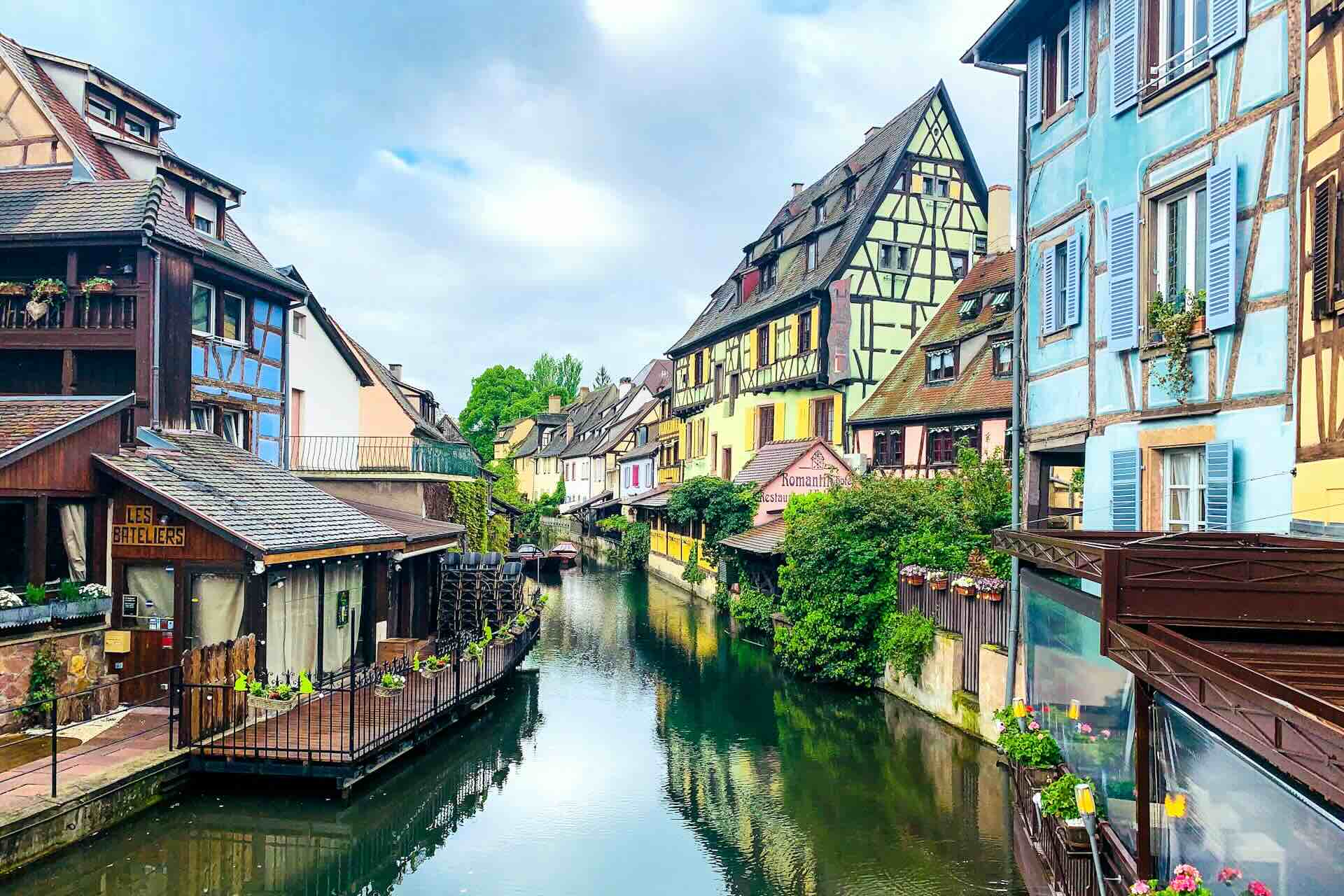
    Colmar, France half timbered beauty and Alsace charm come together in a town that feels colorful, romantic, and deeply rooted in regional identity. Colmar is one of France’s most picturesque destinations, known for canals, flower lined streets, painted facades, old merchant houses, wine culture, and a strong blend of French and German influence.

    Why Colmar Feels So Distinct

    Colmar stands out because it feels intimate, decorative, and full of local character. Its historic center is compact, but the streets are rich with detail. Half timbered houses, cobbled lanes, shop signs, bridges, and canals create a setting that feels unusually complete.

    This gives Colmar immediate visual appeal. The town is beautiful at first glance, but it becomes more rewarding when travelers slow down and notice its architecture, food, wine, and Alsatian traditions.

    Half Timbered Beauty Shapes the Town

    The phrase half timbered beauty fits Colmar perfectly. The town’s colorful houses, exposed beams, steep roofs, shutters, and flower boxes create one of the strongest architectural identities in eastern France.

    These buildings do more than create a postcard scene. They reflect Alsace’s history, climate, craftsmanship, and cross border identity. Colmar’s beauty feels tied to the region rather than designed only for visitors.

    Alsace Charm Defines the Mood

    Colmar’s Alsace charm comes through in its food, wine, architecture, language influences, seasonal traditions, and village like atmosphere. The town feels French, but with a strong regional character that sets it apart from Paris, Provence, or the Riviera.

    This charm gives Colmar warmth. It feels inviting, walkable, and easy to enjoy without a complicated schedule. A visit can be built around wandering, eating, tasting wine, and returning to the same pretty streets at different hours.

    Little Venice Adds Canal Romance

    Little Venice is one of Colmar’s most recognizable areas. Canals, bridges, waterside houses, flowers, and reflections create a softer and more romantic side of the town. It is especially appealing for slow walks and quiet views.

    This area matters because it gives Colmar movement and atmosphere. The canals break up the dense historic streets and add another layer of beauty to the old town.

    A Walkable Historic Center

    Colmar’s historic center is easy to explore on foot. Churches, museums, cafés, shops, restaurants, canals, and squares sit close together, making the town ideal for relaxed walking.

    This walkability is central to Colmar’s appeal. Travelers do not need to rush from one major attraction to another. The streets themselves are the experience.

    Wine Culture Gives Colmar Depth

    Colmar sits in the heart of Alsace wine country, and that gives the town more than visual beauty. Local wines, tasting rooms, wine bars, vineyard routes, and nearby villages all shape the travel experience.

    This wine culture makes Colmar especially rewarding for travelers who want a regional trip. The town works well as a base for exploring vineyards and smaller Alsatian villages nearby.

    Food Adds Regional Warmth

    Colmar’s food culture reflects Alsace’s strong identity. Travelers can find hearty regional dishes, pastries, cheeses, sausages, tarte flambée, wine focused restaurants, and cozy winstubs. Meals often feel generous, traditional, and tied to the seasons.

    This culinary side adds comfort to the town’s beauty. Colmar is not only a place to photograph. It is a place to sit, eat, drink, and enjoy the slower rhythm of Alsatian life.

    Seasonal Beauty Changes the Experience

    Colmar changes strongly with the seasons. Spring and summer bring flowers, outdoor dining, and long walks. Autumn connects the town to wine harvest energy. Winter brings one of Europe’s most atmospheric holiday settings.

    This seasonal variety gives Colmar repeat value. The same streets can feel bright, golden, festive, or quiet depending on the time of year.

    Nearby Villages Add More Alsace Character

    Colmar is also a useful base for visiting nearby Alsatian villages. Smaller towns, vineyards, castles, and scenic roads make it easy to build a broader itinerary around the region.

    This makes Colmar practical as well as beautiful. Travelers can enjoy the town itself, then use it as a starting point for deeper exploration of Alsace.

    Who Colmar Is Best For

    Colmar is best for travelers who enjoy historic towns, architecture, wine, food, canals, photography, and romantic European settings. It works well for couples, families, solo travelers, and anyone planning a slower trip through eastern France.

    This is not a destination built around speed or spectacle. Colmar works through charm, detail, color, and regional culture. That makes it especially rewarding for travelers who enjoy beautiful places with a strong sense of identity.

    The Lasting Appeal of Colmar

    Colmar stays memorable because it feels both storybook and deeply regional. The half timbered beauty gives it color. The Alsace charm gives it warmth. The canals, wine, food, flowers, and historic streets give the town its lasting character.

    For travelers who want a French destination with beauty, flavor, and old world atmosphere, Colmar is a strong choice. It proves that some places make the biggest impression through detail, tradition, and quiet charm.
    Plan a trip to Colmar today.

  • TravelPal’s Top 100 Places to Visit Countdown 70-61

    TravelPal’s Top 100 Places to Visit Countdown 70-61

    TravelPal’s Top 100 Places to Visit Countdown 70-61 moves into destinations with stronger atmosphere, richer visual identity, and a more lasting sense of place. These destinations have not appeared in the earlier countdown sections listed above. Each one brings a different kind of beauty, from Baltic architecture and alpine lakes to mountain towns, island walls, painted streets, and historic centers shaped by centuries of culture.

    70. Riga, Latvia Countdown 70-61

    Riga earns its place through Baltic atmosphere, Art Nouveau facades, and a historic center with real visual depth. The city feels elegant, layered, and quietly grand. Its beauty comes from detail, scale, and the contrast between ornate architecture and northern restraint.

    Riga also feels more substantial than many travelers expect. It has old streets, broad public spaces, and a confident cultural rhythm. That balance makes it one of Northern Europe’s most rewarding city breaks.

    69. Colmar, France

    Colmar feels almost unreal at first glance. Painted houses, canals, flower boxes, and Alsatian charm create a setting that feels highly concentrated. The city’s beauty is colorful and intimate, but it still feels rooted in regional culture.

    That matters because Colmar can look storybook without feeling empty. Its appeal comes from the whole atmosphere, not just the photo angles. It is one of Europe’s most visually charming small cities.

    68. Charleston, South Carolina

    Charleston stands out through pastel homes, old streets, gardens, and coastal Southern atmosphere. The city feels graceful without needing dramatic scenery. Its beauty comes from texture, proportion, and the slow rhythm of walking through historic neighborhoods.

    Charleston also has a strong sense of place. Porches, ironwork, courtyards, and harbor air all shape the experience. The city rewards travelers who enjoy atmosphere as much as landmarks.

    67. Alesund, Norway

    Alesund rises through Art Nouveau architecture and a dramatic coastal setting. Water, islands, mountains, and painted facades give the city a rare visual identity. It feels crisp, northern, and deeply shaped by its landscape.

    The beauty of Alesund comes from how complete the setting feels. The town, sea, and surrounding peaks all support one another. It is one of Norway’s most distinctive urban landscapes.

    66. Bled, Slovenia

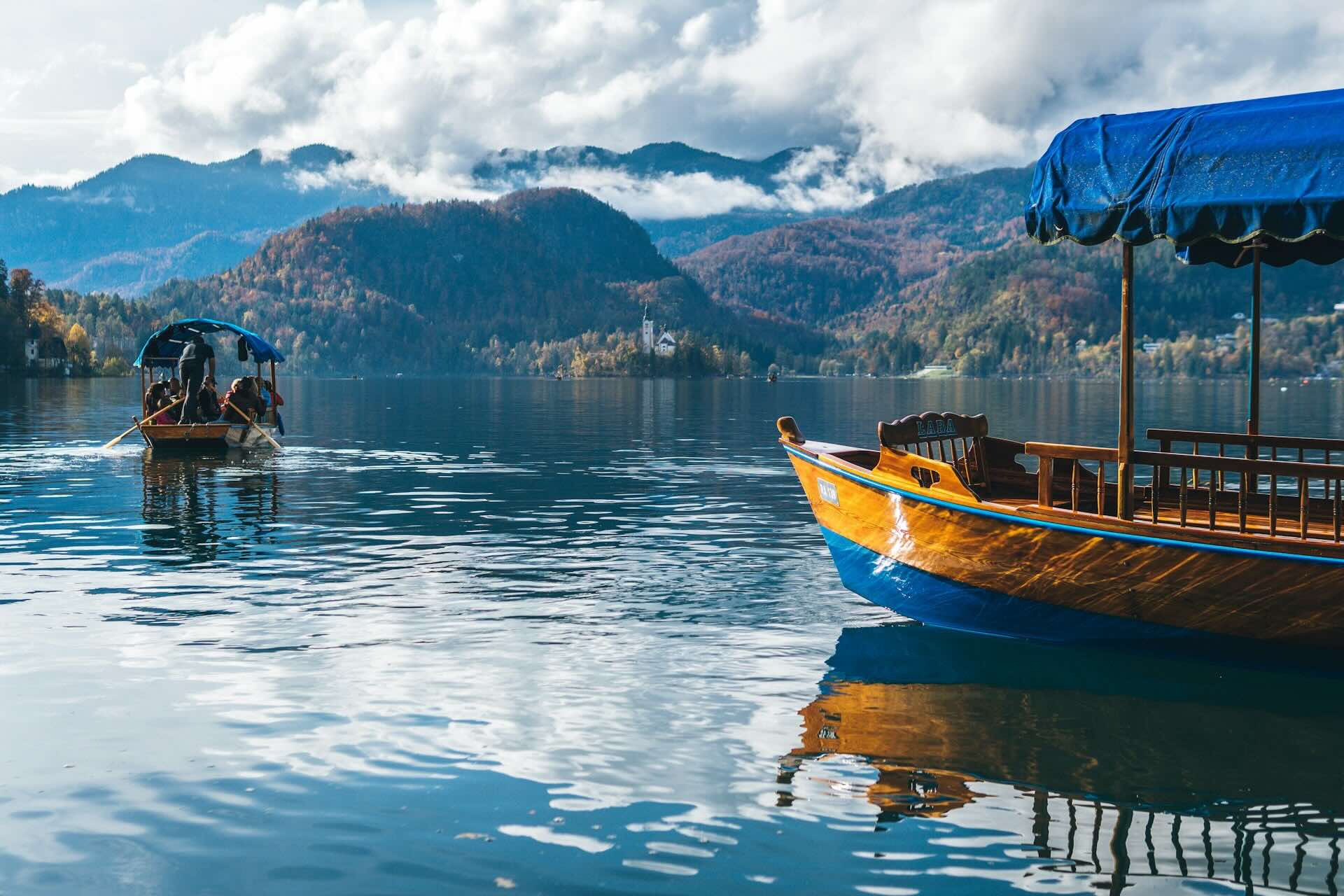
    Bled earns its place through lake beauty, alpine framing, and one of Europe’s most recognizable small landscapes. The island, castle, water, and surrounding mountains create a scene that feels almost perfectly composed. Its beauty is immediate and easy to understand.

    Bled also works because it feels calm without feeling flat. The setting has romance, clarity, and just enough drama. It remains one of Central Europe’s most memorable natural travel scenes.

    65. Chefchaouen, Morocco

    Chefchaouen stands out through blue streets, mountain light, and a calm visual identity unlike anywhere else. The color gives the city its signature image, but the setting gives it depth. It feels peaceful, textured, and highly memorable.

    Its beauty is not only about blue walls. The mountain backdrop, narrow lanes, and slower pace all matter. Chefchaouen feels like a place where color and landscape work together naturally.

    64. Rhodes, Greece Countdown 70-61

    Rhodes brings together medieval walls, island light, and Aegean atmosphere. The old town feels strong, enclosed, and full of history, while the surrounding island adds warmth and coastal appeal. Its beauty works through both architecture and setting.

    Rhodes also offers contrast in a very satisfying way. It can feel historic in one moment and sunlit in the next. That range gives the destination more staying power than a simple beach escape.

    63. Sintra, Portugal

    Sintra earns its place through misty hills, palaces, gardens, and a romantic landscape that feels separate from nearby city life. The beauty here is lush, unusual, and slightly dreamlike. It feels built for wandering, views, and surprise.

    Sintra is especially memorable because it does not feel like a typical historic town. The hills, vegetation, and palaces create a theatrical quality. The whole place feels designed around atmosphere.

    62. Matera, Italy

    Matera rises through stone dwellings, steep lanes, and one of Europe’s most powerful ancient cityscapes. The city feels carved from the landscape rather than placed on top of it. Its beauty is raw, textured, and deeply atmospheric.

    Matera does not depend on polish. Its power comes from stone, shadow, age, and form. It feels ancient in a way few cities can match.

    61. Cusco, Peru

    Cusco closes this section with mountain setting, colonial streets, Inca foundations, and a strong sense of cultural continuity. The city feels historic, elevated, and visually dense. Its beauty comes from the meeting of landscape, architecture, and living tradition.

    Cusco also carries real emotional weight. The altitude, stonework, plazas, and surrounding mountains all shape the experience. It is not just a gateway to famous sites. It is a powerful destination in its own right.

    Why These Places Rank Here

    The destinations ranked 70 to 61 stand out because each one has a clear identity. None of them feel interchangeable. Riga brings northern elegance. Colmar brings color and charm. Bled brings lake perfection. Matera brings ancient texture. Cusco brings mountain depth and cultural force.

    That variety matters in a countdown like this. The best places to visit are not all beautiful in the same way. Some feel polished, some feel rugged, and some feel almost surreal. These ten destinations prove that beauty can come from many different sources.

    What Comes Next

    The next section moves further up the ranking with destinations that feel even more visually powerful and widely memorable. But this group already carries real weight. Each place has enough character to anchor a trip and enough atmosphere to stay in memory.

    That is what makes this part of the countdown work. These places are not just pretty stops. They are destinations with a strong sense of place.

    Plan your next trip today.