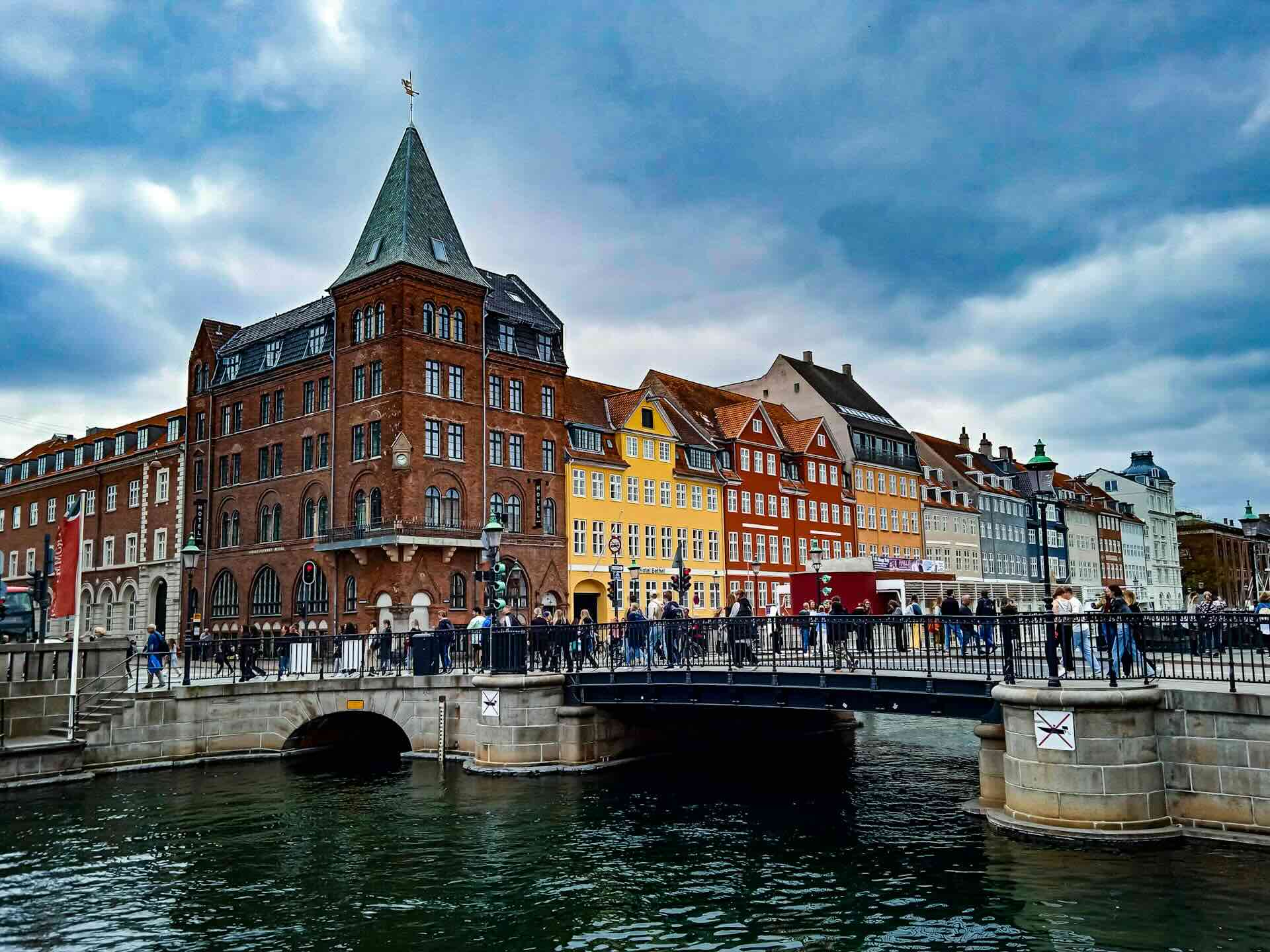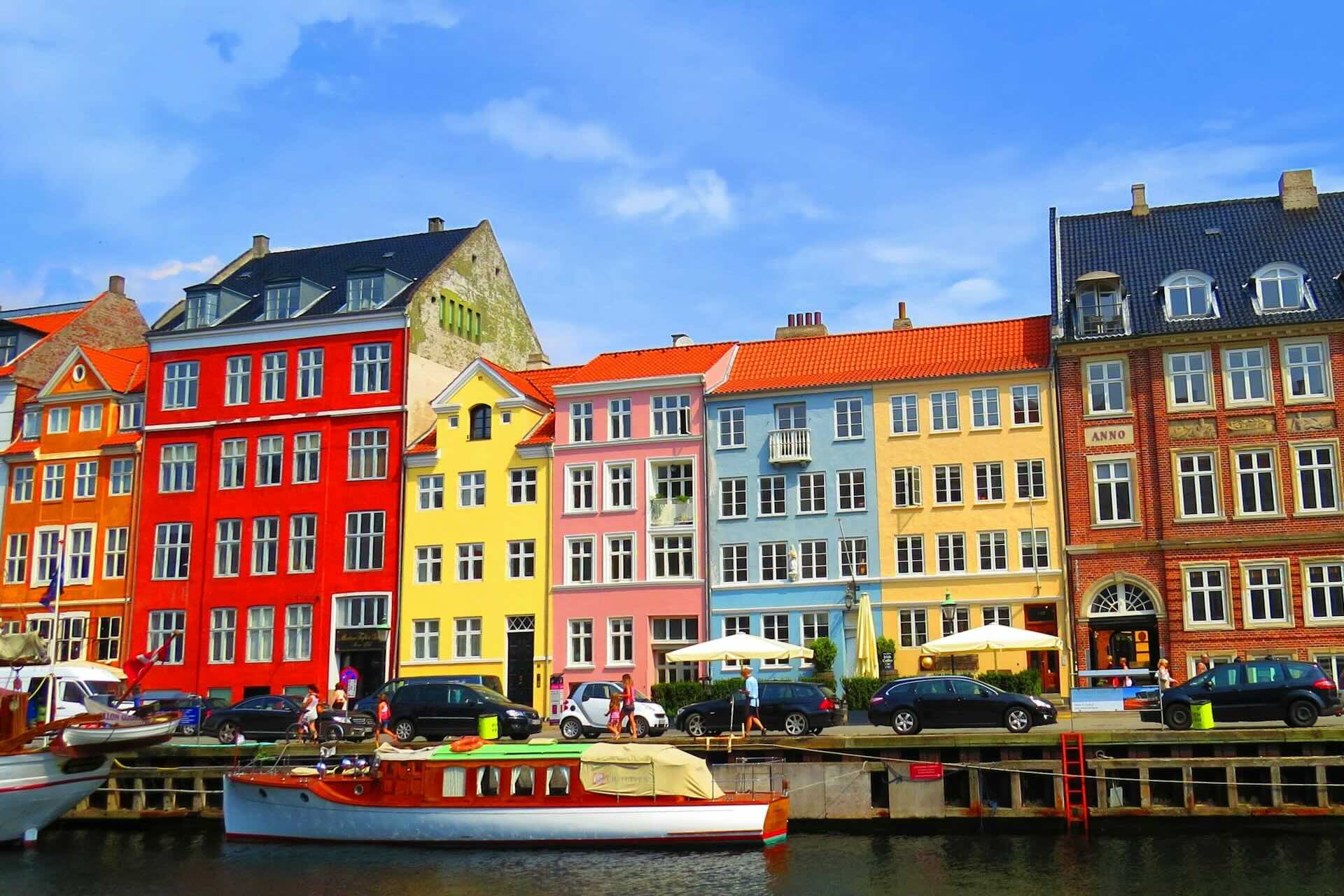
Copenhagen surprises many first time visitors, and what it’s like to spend a week in Copenhagen often feels calmer, richer, and more human than expected. This city blends design, food, history, and daily life in a way that feels effortless. You are not rushing from attraction to attraction. You are settling into a rhythm that values quality, balance, and presence.
A week is an ideal amount of time here. It gives you space to explore neighborhoods, enjoy long meals, and experience the city beyond highlights. Copenhagen rewards curiosity and patience. The more time you give it, the more it gives back.
First Impressions and Getting Oriented
Copenhagen feels immediately livable. The city is clean, compact, and intuitive. You notice bikes everywhere, wide sidewalks, and people moving at an unhurried pace. Even central areas feel calm compared to other European capitals.
Most visitors base themselves near the city center or in nearby neighborhoods like Vesterbro or Nørrebro. No matter where you stay, getting around is simple. Public transportation is efficient, but walking and biking often feel easier and more enjoyable.
English is widely spoken, which lowers stress on arrival. Locals are polite and helpful, though not overly chatty. There is a quiet respect for personal space that makes navigating the city comfortable.
Exploring Neighborhoods, Not Just Attractions
One of the best parts of spending a week in Copenhagen is exploring its neighborhoods. Each area has a distinct personality, and none feel overly touristy when you step a few streets away from main corridors.
Indre By, the historic center, is where you find classic landmarks, canals, and older architecture. It is lively during the day and calmer at night. This is where many first time visitors spend their first day or two.
Vesterbro feels creative and relaxed. Formerly industrial, it now mixes cafes, bakeries, galleries, and local shops. It is a great place to wander without a plan and stop when something catches your eye.
Nørrebro feels youthful and multicultural. You find vintage stores, global food, and green spaces filled with locals. This area shows a more everyday side of Copenhagen that many visitors miss.
Østerbro feels residential and polished. It is quieter, with parks, waterfront paths, and cafes that cater to locals. It is ideal for slow mornings and long walks.
Food Culture and How It Shapes the Week
Food plays a central role in daily life here, but not in a flashy way. Copenhagen’s food culture values ingredients, simplicity, and intention. Meals are experiences, even when they are casual.
Breakfast often starts with strong coffee and fresh baked bread. Bakeries are everywhere, and quality is consistently high. You might find yourself returning to the same place several mornings in a row.
Lunch tends to be lighter. Open faced sandwiches, soups, or simple plates are common. Many people eat slowly, even on workdays, which changes how the city feels midday.
Dinner is where Copenhagen really shines. Restaurants range from neighborhood bistros to globally recognized kitchens. Even simple places focus on seasonal ingredients and thoughtful preparation. Reservations are common, especially on weekends.
A week gives you time to mix styles. You can enjoy a few standout dinners while also discovering casual spots that feel personal and local.
Daily Pace and How the City Feels Over Time
Copenhagen does not overwhelm you on day one. It unfolds gradually. The longer you stay, the more you notice small details that shape the experience.
Days tend to start calmly. People walk or bike to work, stop for coffee, and greet each other quietly. Mornings feel purposeful but not rushed.
Afternoons invite wandering. You might visit a museum, stroll along the water, or sit in a park. Even busy areas have pockets of calm.
Evenings feel social but grounded. People gather with friends, share meals, and enjoy long conversations. Nightlife exists, but it rarely feels chaotic or excessive.
By midweek, many visitors feel less like tourists and more like temporary residents. You recognize streets, favorite cafes, and familiar faces. That sense of belonging is part of Copenhagen’s appeal.
Design, Architecture, and Everyday Beauty
Design is not just something you see in museums here. It is woven into everyday life. Buildings, furniture, signage, and public spaces reflect a focus on function and beauty.
Architecture ranges from historic structures to modern buildings with clean lines. Nothing feels out of place. Old and new coexist comfortably.
Public spaces are thoughtfully designed. Parks, waterfronts, and plazas invite people to linger. Seating, lighting, and layout feel intentional.
Inside cafes and shops, design is warm and understated. Natural materials, soft lighting, and simple forms create spaces that feel welcoming without trying too hard.
Spending a week allows you to notice how design shapes daily experiences, not just visual impressions.
Culture, Museums, and Creative Energy
Copenhagen has a strong cultural scene, but it never feels overwhelming. Museums are well curated and approachable. You can visit a few without feeling museum fatigue.
Art, design, and history are presented in ways that connect past and present. Exhibits often emphasize context and storytelling rather than spectacle.
Live music, theater, and small performances are common. You might stumble into a show without planning, which often becomes a highlight.
Creative energy shows up in unexpected places. Bookstores, record shops, and independent galleries feel like extensions of daily life rather than tourist stops.
Weather, Seasons, and What to Expect
Weather plays a role in how the city feels. Summers are mild and bright, with long daylight hours that stretch evenings well past dinner. This is when outdoor cafes and waterfront areas feel most alive.
Spring and fall bring cooler temperatures and fewer crowds. These seasons feel intimate and reflective, ideal for slow exploration.
Winter is colder and darker, but still appealing. Indoor spaces become cozier, and the city leans into warmth and comfort. If you enjoy atmosphere over activity, winter can feel special.
A week gives you time to adapt to the season rather than fight it.
Costs and Practical Considerations
Copenhagen is known for being expensive, and that reputation is not entirely wrong. Food, accommodations, and transportation cost more than in many cities.
That said, quality often matches price. Portions are fair, service is strong, and experiences feel intentional.
You can balance costs by mixing experiences. Enjoy a few special meals, then balance them with bakeries and casual spots. Walk or bike instead of relying on taxis.
Planning ahead helps, but flexibility matters more. Copenhagen rewards thoughtful choices over packed schedules.
Why a Week Feels Just Right
Spending a week in Copenhagen gives you time to settle in. You are not rushing through highlights or checking boxes. You are experiencing a city that values balance, quality, and everyday joy.
By the end of the week, many visitors feel reluctant to leave. The city does not exhaust you. It leaves you feeling refreshed and inspired.
If you want a trip that blends culture, food, design, and daily life without pressure, Copenhagen delivers.
Plan a trip to Copenhagen today.