Tag: Croatia coastal cities

  • Split, Croatia Roman History and Coastal Living

    Split, Croatia Roman History and Coastal Living

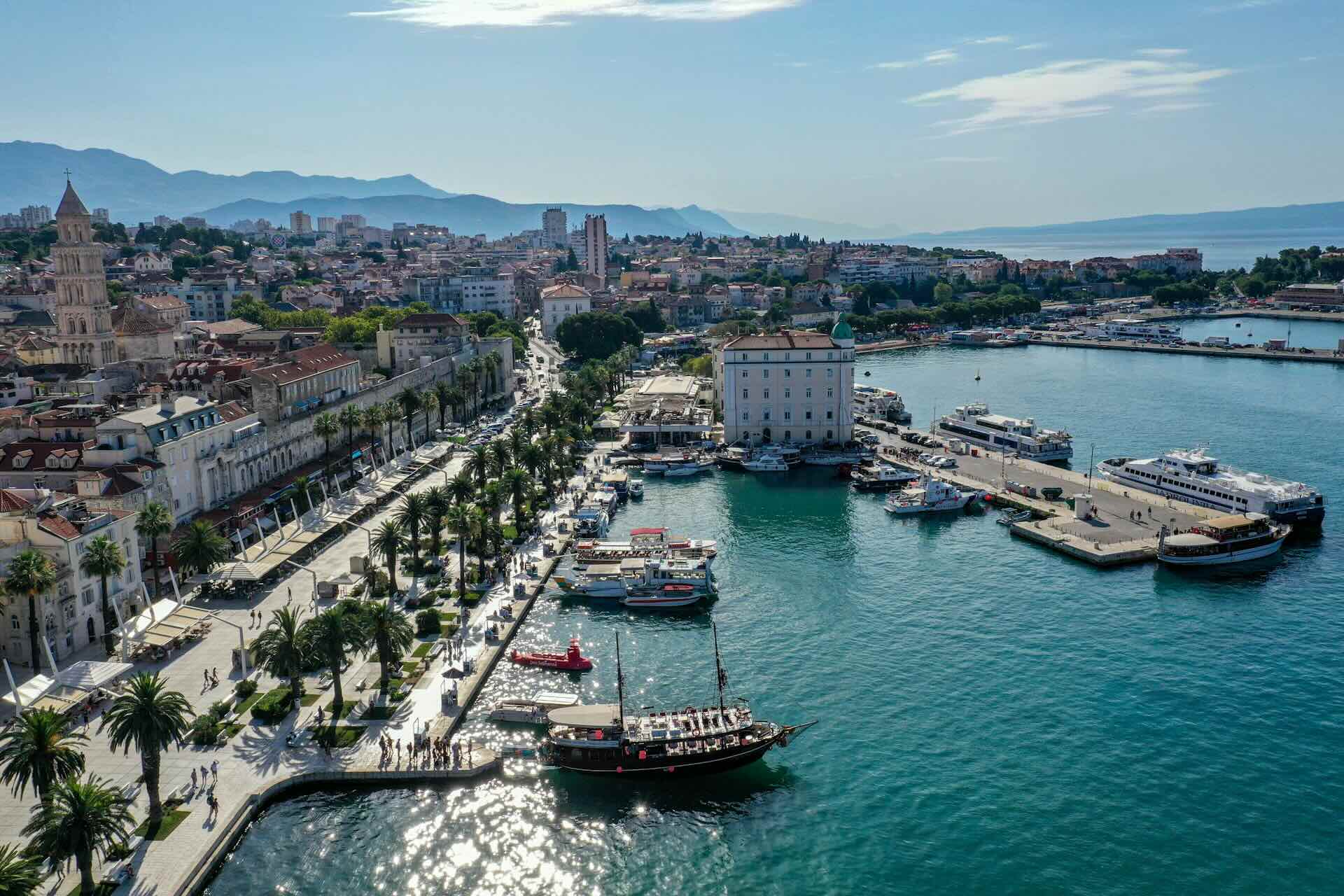
    Split, Croatia Roman history and coastal living come together in a city that feels ancient, social, and remarkably alive. Few places blend historical depth and everyday Mediterranean rhythm as naturally as Split. At the center of the city, Roman stone still shapes the streets, the squares, and the flow of daily life. Around it, cafés fill, ferries come and go, waterfront walks stretch into the evening, and the Adriatic keeps everything feeling open and bright. Split is not a city where history sits apart from the present. It is a place where the past still functions inside ordinary life.

    Why Split Feels So Distinct

    Some coastal cities are mostly about views. Some historic cities are mostly about monuments. Split is more interesting because it does both at once. The city gives you real archaeological weight, but it also feels lived in, informal, and social. You can spend the morning walking through Roman remains and the evening by the water with no sense of transition. That is part of its strength.

    This balance gives Split unusual energy. It feels grounded in history, but never static. It feels Mediterranean, but not sleepy. Travelers who want both atmosphere and movement often connect with Split very quickly because the city feels active from the start without losing its deeper identity.

    A Roman Core That Still Shapes the City

    The defining fact about Split is that its historic center is not simply near a Roman site. It is built through one. The old core grew around the remains of Diocletian’s Palace, and that gives the city a structure unlike almost anywhere else in Europe. The palace is not a separated attraction you visit once and leave behind. It remains part of the city’s daily urban fabric.

    That is what makes Split so memorable. Roman walls, courtyards, passages, and stone surfaces do not feel remote or ceremonial. They are still part of how people move, gather, shop, eat, and live. History here is not staged. It is occupied.

    Diocletian’s Palace and Everyday Life

    Diocletian’s Palace is the heart of Split, but the most impressive thing about it is how alive it feels. The architecture carries real gravity, but the space around it is full of cafés, apartments, shops, and constant movement. This makes the palace feel less like a ruin and more like a framework for the modern city.

    That creates a very different experience from the one travelers get in places where ancient sites are preserved at a distance. In Split, the old stone is still woven into ordinary routines. That closeness gives the city a kind of depth that is hard to fake. It also means that wandering becomes more rewarding than checklist sightseeing.

    Streets Made for Wandering

    Split is best experienced on foot, especially in and around the old center. Narrow stone lanes, small squares, arches, courtyards, and sudden openings toward the sea all create a city that reveals itself through movement. You do not need a rigid plan to enjoy Split. In fact, the city often feels better when you let it unfold gradually.

    This matters because Split’s charm comes not only from major sites, but from the spaces between them. A side street inside the old core, a staircase with worn stone, a quiet church wall, or a shaded square can leave as strong an impression as any formal landmark. The city’s texture does much of the work.

    Coastal Living as Part of the Identity

    Split’s Adriatic setting shapes the whole mood of the city. The water is not just a scenic edge. It is central to the city’s identity and daily rhythm. Ferries, boats, harbor movement, and the broad waterfront all keep Split feeling open and connected.

    This coastal side gives the city a lighter emotional tone than some historic destinations. The Roman core brings weight, but the sea keeps the city from feeling too enclosed by its own past. That contrast is one of Split’s best qualities. It can feel ancient and easygoing at the same time.

    The Riva and the Social Face of Split

    The Riva, Split’s waterfront promenade, is one of the clearest expressions of the city’s character. This is where coastal living becomes visible. People gather, walk, sit, talk, and linger here in a way that makes the city feel social and confident. The promenade is open, bright, and full of movement, but it rarely feels rushed.

    What makes the Riva so important is that it balances the tighter, older streets of the historic core. After moving through stone lanes and palace walls, the waterfront gives the city air and space. It also reinforces the idea that Split is not only about history. It is also about public life, ease, and time spent outside.

    Mediterranean Rhythm Without Too Much Performance

    Split has a strong coastal rhythm, but it does not feel overly curated. That helps the city. Meals stretch longer, evenings begin later, and the waterfront atmosphere feels natural rather than manufactured. The city supports the slower pleasures of Mediterranean life without turning them into a performance.

    This gives Split real appeal for travelers who want to experience the coast without losing the sense of a functioning city. It feels active, but not too polished. Stylish, but not self conscious. The result is a place that feels welcoming without trying too hard.

    More Than a Historic Stop on the Adriatic

    It would be easy to treat Split as a gateway to islands or a useful stop along the Croatian coast, but that would undersell it. Split has enough identity, beauty, and urban energy to stand on its own. The combination of Roman history and coastal life gives it a stronger personality than many cities that might look more polished at first glance.

    This is one reason Split tends to surprise people. It is not only visually interesting. It also feels complete. The old core, the harbor, the promenade, and the everyday social life all reinforce one another in a way that makes the city feel coherent.

    A City With Real Range

    Split can appeal to very different travelers because it offers more than one version of itself. History focused visitors can spend time in the old core and still feel challenged by its complexity. Food minded travelers can settle into the city’s restaurants, cafés, and slower rhythm. Coastal travelers can enjoy the waterfront and the broader Adriatic setting. Few of these experiences feel disconnected from one another.

    That range is one of Split’s biggest strengths. It allows the trip to have texture without losing focus. The city is layered, but not scattered. That makes it easy to enjoy over several days.

    When Split Feels Best

    Split works especially well when the weather supports walking, outdoor dining, and time on the waterfront. In these conditions, the city’s Roman stone, sea light, and public spaces feel especially vivid. The old center becomes more atmospheric, and the coastal side becomes more central to the experience.

    At the same time, Split’s appeal is not only seasonal. Its deeper strengths, urban form, historical weight, and relationship to the sea, remain visible beyond peak summer conditions. The mood may change, but the city still holds together.

    Who Split Is Best For

    Split suits travelers who appreciate walkability, layered history, and coastal cities that still feel like real cities. It works especially well for couples, solo travelers, and culturally curious visitors who want beauty and atmosphere without having to choose between archaeology and everyday pleasure.

    It is also a strong fit for travelers who want Croatia with more substance than a straightforward beach destination. Split offers sea, yes, but it also offers structure, memory, and a city that continues to live inside its own past.

    The Lasting Appeal of Split

    Split stays with people because it feels integrated. The Roman core gives it depth. The waterfront gives it openness. The old streets give it texture. The Mediterranean pace gives it ease. Nothing feels separated from the rest.

    That is what makes Split more than simply another beautiful city on the Adriatic. It feels like a place where ancient architecture and modern coastal life still support one another every day. For travelers who want history, sea air, and a city with genuine character, Split remains one of the most rewarding destinations in Croatia.
    Plan a trip to Split today.

  • Zadar, Croatia Where History Meets the Sea Organ

    Zadar, Croatia Where History Meets the Sea Organ

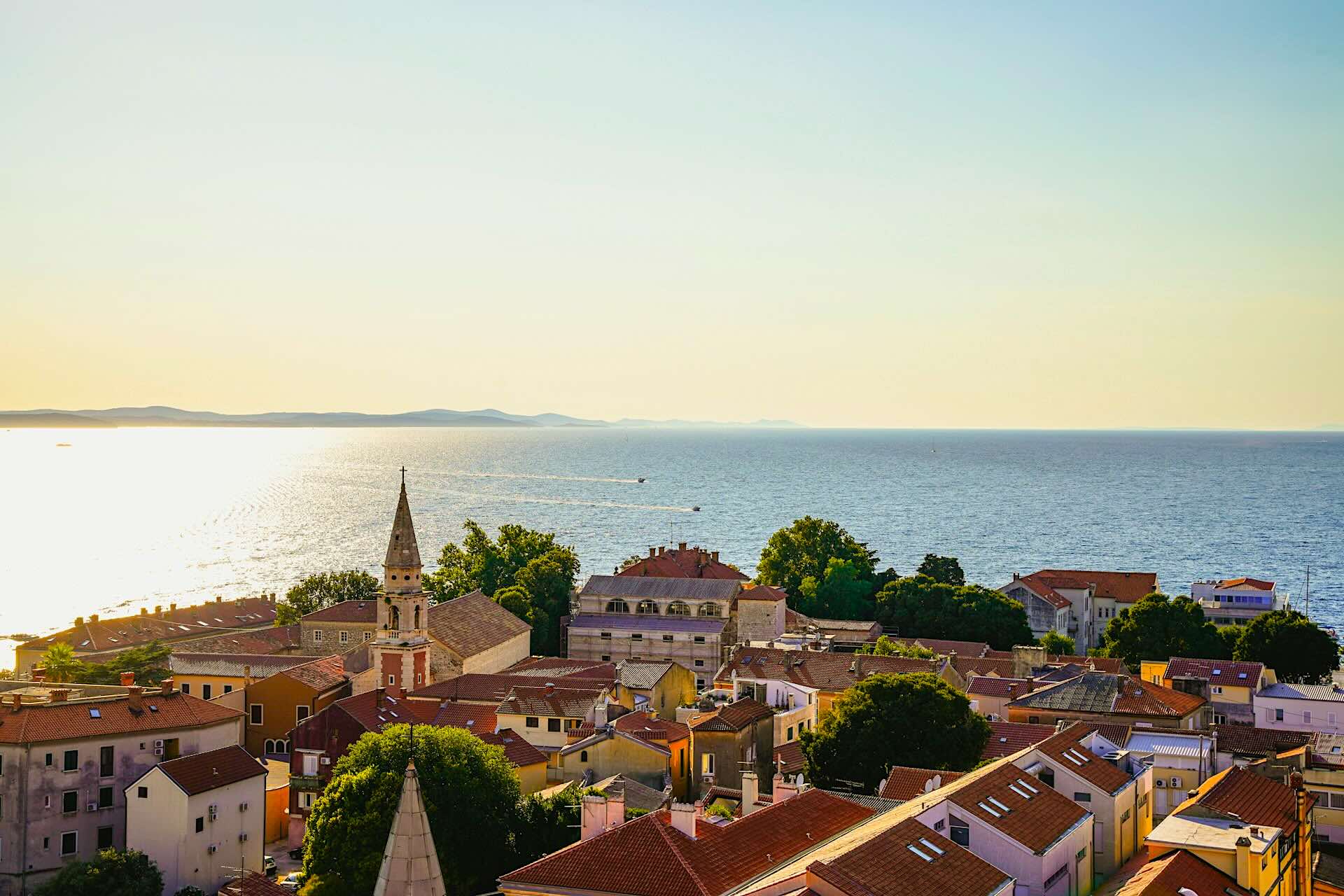
    Zadar, Croatia where history meets the Sea Organ feels bright, textured, and quietly original from the moment you reach the waterfront. This Adriatic city carries Roman foundations, medieval churches, Venetian traces, and a long maritime identity, yet it also has a contemporary side that gives it a different energy from more predictable coastal destinations. Zadar does not rely only on old stone and scenic views. It also offers public spaces and modern interventions that make the sea feel like part of the city’s living rhythm.

    Why Zadar Feels So Distinct

    Some Croatian coastal cities win people over through obvious beauty alone. Zadar works through contrast. It feels ancient and open to experimentation at the same time. You can walk through Roman remains and old churches, then end the day at a waterfront installation that turns wind and waves into sound. That kind of layering gives the city more personality than a simple historic port.

    Zadar also feels less polished in a conventional sense, and that helps it. The city has beauty, but it does not feel over arranged for visitors. It still carries the atmosphere of a place shaped by real urban life, weather, sea light, and centuries of change.

    A City Built on Layers of History

    Zadar’s past is visible throughout the old town. Roman traces, medieval structures, church towers, and older stone streets all contribute to a city that feels historically dense without becoming heavy. The old center sits on a peninsula, which gives the historic core both clarity and a strong relationship to the sea.

    This layering is part of what makes Zadar rewarding to explore. The city does not depend on a single signature monument. Instead, it builds its effect through accumulation. One street offers Roman fragments, another opens into a church square, and another leads toward the sea. The result is a place that feels shaped over time rather than packaged into one era.

    The Sea Organ and Zadar’s Modern Identity

    The Sea Organ is one of the clearest signs that Zadar is not only interested in preserving the past. Built directly into the waterfront, it transforms the movement of the sea into sound, giving the city a public space that feels both elemental and designed. It is one of those ideas that sounds simple but leaves a strong impression once experienced in person.

    What makes it so effective is that it does not fight the setting. It works with the Adriatic rather than against it. The installation turns the waterfront into a place of listening as well as looking. That gives Zadar a more creative and contemporary identity than many historic coastal cities manage to achieve.

    The Waterfront as Daily Theater

    Zadar’s waterfront is central to the experience of the city. It provides openness, movement, and a visual break from the tighter streets of the old town. This is where the city breathes. Light stretches across the Adriatic, people gather along the edge, and the sound of the water becomes part of the city’s daily atmosphere.

    The waterfront also gives Zadar a slightly more relaxed emotional tone. The history here is real, but the sea keeps the city from feeling too enclosed by its own past. That balance between old stone and open water is one of Zadar’s greatest strengths.

    A Peninsula Old Town Made for Walking

    Zadar works best on foot. Its old town is compact enough to explore without strain, and walking lets you experience the constant interplay between architecture, public squares, and glimpses of the sea. The city’s scale helps everything feel connected. You do not need long transitions to move from Roman remains to church façades to harbor views.

    This walkability makes Zadar especially satisfying for travelers who enjoy gradual discovery. The city reveals itself through rhythm rather than spectacle. It is not about racing to one headline attraction after another. It is about noticing how urban life and coastal life overlap.

    Churches, Stone, and Quiet Civic Beauty

    Zadar has a strong ecclesiastical presence, and that gives the city another layer of gravity. Church architecture, old squares, and weathered façades create a civic beauty that feels older and more grounded than the brighter modern waterfront. These older elements give the city continuity and structure.

    What makes this especially appealing is that the city’s historic side does not feel frozen. It remains part of the flow of daily life. Cafés, shops, and ordinary movement continue around these older buildings, which helps Zadar feel lived in rather than staged for admiration alone.

    Sea Light and the Character of the Adriatic

    The Adriatic shapes Zadar in ways that go beyond scenery. It affects the quality of light, the feel of the air, and the city’s emotional atmosphere. The sea here is not only decorative. It gives the city its openness and much of its sense of calm.

    This is one reason Zadar lingers in the mind. The city feels historical, but never sealed off. Sea light moves across the stone and changes the mood of the streets. Evening along the waterfront can feel especially memorable because the city seems to shift from archaeological and architectural interest into something more sensory and reflective.

    A City That Blends Past and Present Well

    Many historic destinations struggle to integrate the contemporary world without weakening their older identity. Zadar handles this well. The city’s modern touches do not erase the past. They sharpen it. The Sea Organ and the waterfront atmosphere show that Zadar is not content to remain only a heritage setting. It still wants to create new experiences that belong to the city itself.

    That is what gives Zadar its edge. It respects history, but it also understands that a city must remain alive in the present. Travelers who like destinations with both substance and a little creativity often connect with Zadar very quickly.

    Food, Evenings, and the Slower Coastal Pace

    Zadar also benefits from the slower pleasures of coastal life. Meals, waterfront walks, and long evenings fit naturally into the city’s rhythm. Seafood, local wine, and a relaxed Adriatic pace all make sense here, not as travel clichés, but as real extensions of the setting.

    This is part of why Zadar works so well for travelers who do not want to rush. It offers enough history and architecture to stay interesting, but it also encourages presence. Sitting by the water, listening to the Sea Organ, and letting the light change can be as meaningful as formal sightseeing.

    More Than a Stop on the Croatian Coast

    Zadar is sometimes treated as a convenient stop between larger names on the Croatian coast, but that undersells it. The city has its own identity, and that identity feels unusually coherent. It offers Roman and medieval depth, a working relationship to the sea, and a contemporary cultural gesture that few historic cities can match.

    That combination makes Zadar more memorable than many places that might appear more obvious at first glance. It is not only beautiful. It feels thoughtful. It has a point of view.

    When Zadar Feels Best

    Zadar works especially well when the weather allows the waterfront to become a central part of the day. In warmer and shoulder seasons, walking the peninsula, lingering by the sea, and staying out later all feel especially natural. These are the times when the city’s balance of history and coast becomes clearest.

    Still, Zadar’s appeal does not depend entirely on perfect beach weather. Its old town, architectural texture, and strong urban form give it enough depth to remain engaging beyond the height of summer. That makes it a more flexible destination than a pure resort town.

    Who Zadar Is Best For

    Zadar suits travelers who like layered coastal cities rather than straightforward beach destinations. It works especially well for people who appreciate history, walkability, and places with a little creative intelligence built into the setting. Couples, solo travelers, and culturally curious visitors can all do very well here.

    It is also a strong fit for travelers who want an Adriatic city with personality, but without the pressure of a more overtly glamorous destination. Zadar feels confident without trying too hard.

    The Lasting Appeal of Zadar

    Zadar stays with people because it brings together elements that do not always coexist so naturally. It is historic, but not frozen. Coastal, but not shallow. Creative, but not self conscious. The city lets Roman ruins, medieval stone, and contemporary sea facing design all belong to the same place.

    That is what makes Zadar more than simply another stop in Croatia. It feels like a city that still knows how to listen to its own setting. For travelers who want history, atmosphere, and a memorable relationship with the sea, Zadar offers one of the most distinctive experiences on the Adriatic.

    Plan a trip to Zadar today.