Tag: cultural city travel

  • Why Hanoi Rewards Slow, Curious Travelers

    Why Hanoi Rewards Slow, Curious Travelers

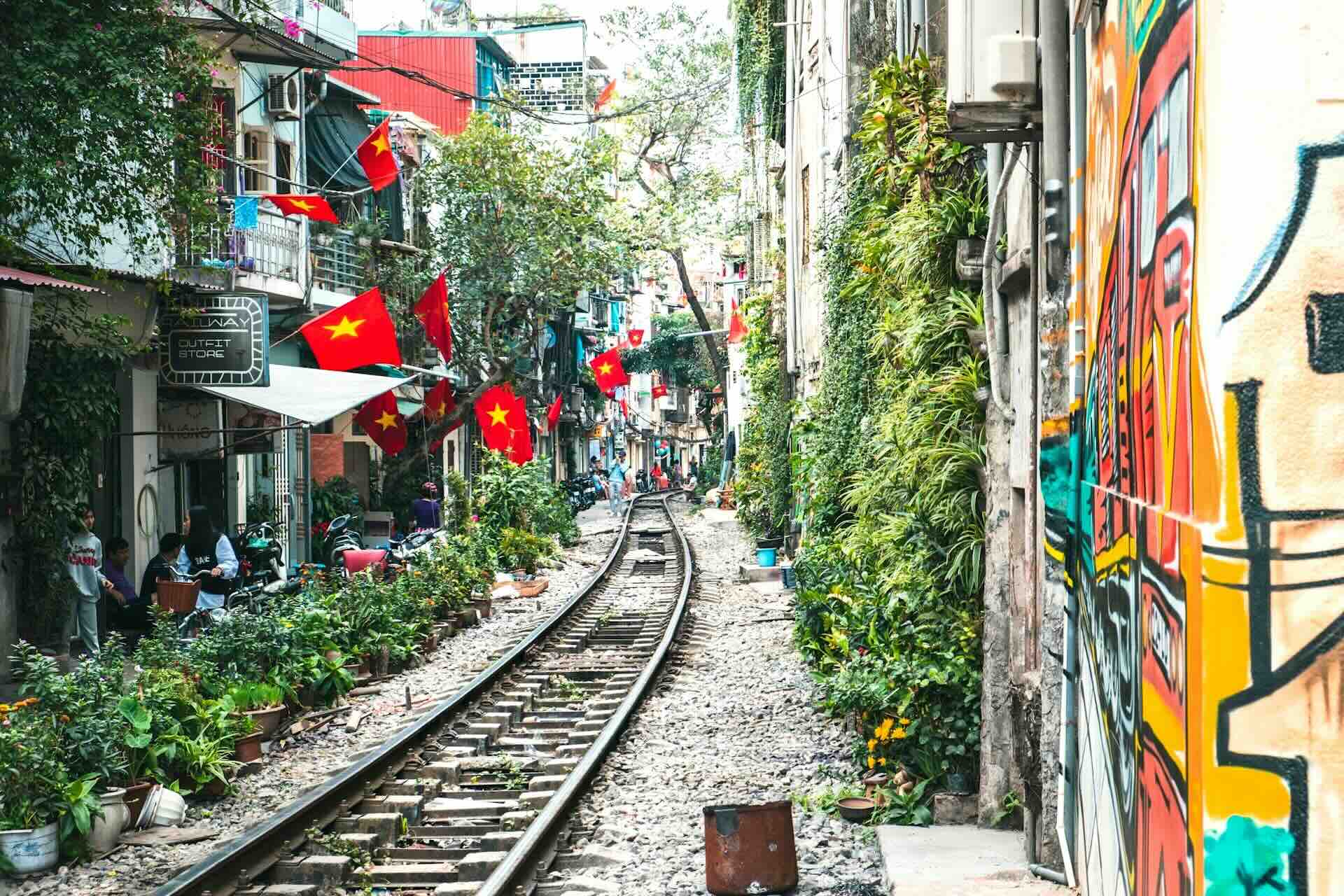
    Hanoi reveals itself best at an unhurried pace, and why Hanoi rewards slow, curious travelers becomes clear as soon as you stop trying to see everything. This is a city where daily life unfolds in layers, shaped by routine, memory, and quiet observation. Hanoi does not perform for visitors. It invites attention, patience, and presence.

    For travelers drawn to culture, food, neighborhoods, and everyday moments, Hanoi offers depth that grows with time. The city feels richer when you linger, listen, and let curiosity guide you.

    A City Built on Continuity

    Hanoi’s character comes from continuity rather than spectacle. Life here follows patterns refined over generations.

    Mornings begin early. Sidewalks fill with movement, conversation, and purpose. Afternoons soften. Evenings gather gently around food and shared space.

    History feels embedded rather than displayed. You sense it in street layouts, courtyards, and rituals that repeat daily.

    This continuity rewards travelers who watch closely. The city explains itself through repetition, not explanation.

    Neighborhoods That Invite Observation

    Hanoi is best understood through its neighborhoods, each offering a distinct rhythm.

    The Old Quarter feels dense and kinetic. Streets specialize in trades and routines. Movement feels purposeful, not chaotic.

    Ba Dinh feels spacious and reflective. Wide streets, trees, and institutions create a calmer tone.

    Tay Ho feels open and residential. Lakeside walks and cafés invite lingering and conversation.

    Moving slowly between these areas reveals how varied and cohesive the city feels. You begin to recognize patterns and preferences.

    Food as a Daily Language

    Food in Hanoi is woven into daily life, not reserved for special occasions. Eating is frequent, casual, and social.

    Meals are simple and focused. Ingredients matter. Preparation reflects habit and care rather than performance.

    Street food plays a central role. Vendors often serve one dish, refined through repetition. Eating becomes an act of trust and familiarity.

    Slow travelers learn when and where to eat by observing locals. Curiosity replaces reservations and lists.

    Cafés as Cultural Anchors

    Cafés in Hanoi offer more than coffee. They provide rhythm and reflection.

    People linger. Conversations stretch. Silence is comfortable.

    Spaces range from street level stools to tucked away rooms above shops. Each offers a different vantage point.

    Returning to the same café creates continuity. Faces become familiar. The city feels less anonymous.

    These pauses help the day breathe. They turn wandering into understanding.

    Sound, Movement, and Stillness

    Hanoi has a distinct soundscape that reveals itself over time.

    Morning brings engines, footsteps, and conversation. Afternoons soften. Evenings hum with shared meals and social life.

    Moments of stillness appear unexpectedly. Courtyards, lakes, and side streets offer quiet contrast.

    Slow travel allows you to notice these shifts. You hear the city change rather than dominate.

    Sound becomes texture rather than noise.

    History That Feels Present

    Hanoi’s history feels present without demanding attention. It exists alongside daily routines.

    Colonial buildings, traditional homes, and modern structures coexist naturally. No era overwhelms another.

    Memorials and historic sites feel integrated rather than isolated. They are part of the city’s fabric.

    Curious travelers learn by proximity. History reveals itself through context and continuity.

    Daily Life as the Main Attraction

    In Hanoi, daily life is the experience. Watching routines becomes as meaningful as visiting landmarks.

    People gather around food, conversation, and shared space. Sidewalks function as living rooms.

    Markets pulse with rhythm and repetition. Parks host quiet movement and reflection.

    Slow travelers find satisfaction in observation. The city rewards attention with understanding.

    A Different Relationship With Time

    Hanoi operates on a flexible sense of time. Schedules adapt to circumstance and connection.

    Meals happen when they happen. Conversations end when they end.

    This fluidity challenges travelers used to efficiency. It also frees them from pressure.

    Time feels generous rather than constrained. Days feel full without being rushed.

    Curiosity as the Best Guide

    Hanoi does not require a complex plan. It responds better to curiosity.

    Follow movement. Pause when something draws attention. Ask simple questions.

    Let routines guide decisions. Eat where locals eat. Walk where life feels active.

    This approach reveals the city’s deeper rhythms.

    Why Hanoi Feels Especially Rewarding Right Now

    Many travelers seek meaning over momentum. Hanoi aligns naturally with that desire.

    It offers culture without spectacle, food without performance, and connection without urgency.

    The city asks for presence rather than consumption. In return, it offers perspective.

    This exchange feels increasingly valuable.

    How to Experience Hanoi Slowly

    Choose one neighborhood as a base. Explore outward gradually.

    Balance walking with sitting. Observe more than you photograph.

    Return to places you enjoy. Repetition builds familiarity.

    Allow days to unfold. Trust that the city will provide enough.

    Why the Experience Lasts

    Travelers often remember Hanoi not for a list of sights, but for how it felt to be there.

    The warmth of routine. The comfort of familiarity. The satisfaction of understanding without explanation.

    Why Hanoi rewards slow, curious travelers comes down to one truth. The city reveals its character to those willing to wait.
    Plan a trip to Hanoi today.

  • Why Buenos Aires Feels Familiar and New at the Same Time

    Why Buenos Aires Feels Familiar and New at the Same Time

    Buenos Aires has a rare ability to feel instantly recognizable while constantly surprising you, and why Buenos Aires feels familiar and completely new at the same time becomes clear within your first few days. The city carries European influences in its architecture, cafés, and rhythms, yet its energy, emotion, and cultural expression feel unmistakably Latin American. This tension creates a place that is easy to settle into and endlessly engaging to explore.

    For travelers who enjoy culture, food, music, and everyday city life, Buenos Aires offers comfort without predictability. You feel grounded quickly, but never bored.

    A City That Feels European at First Glance

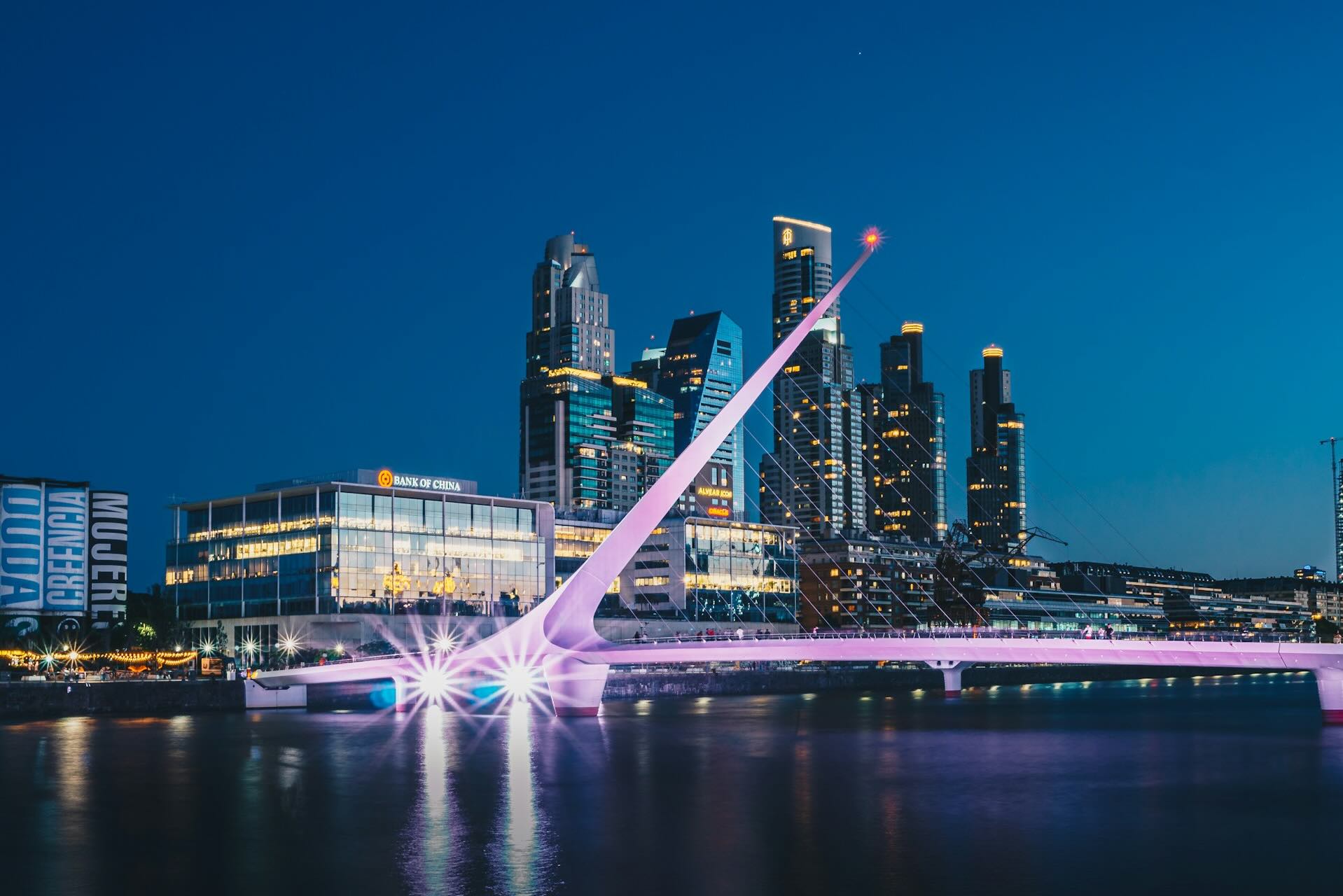
    Many first impressions of Buenos Aires feel familiar to travelers who have spent time in Europe. Wide boulevards, historic buildings, and neighborhood cafés recall cities like Paris, Madrid, or Milan.

    Sidewalk cafés spill onto tree lined streets. Elegant facades frame everyday routines. Public spaces feel designed for walking, talking, and lingering.

    This familiarity helps visitors relax. You intuitively understand how the city works. You know where to sit, how to order coffee, and how to spend an afternoon without a plan.

    Yet this surface familiarity is only the entry point.

    Latin American Energy Beneath the Surface

    As you spend more time in Buenos Aires, its distinct character reveals itself. Conversations grow animated. Emotions feel closer to the surface. Time stretches differently.

    Argentine culture values expression, debate, and connection. People speak passionately, even casually. Opinions are shared openly. Humor, irony, and intensity coexist comfortably.

    This emotional openness contrasts with the more reserved tone of many European cities. It gives Buenos Aires warmth and immediacy that feels fresh and alive.

    Neighborhoods That Shape the Experience

    Buenos Aires is best understood through its neighborhoods. Each one feels like a small city with its own rhythm, values, and aesthetic.

    Palermo feels creative and social. Cafés, bookstores, parks, and restaurants encourage long afternoons and late nights. It often becomes a base for visitors because it balances comfort with energy.

    Recoleta feels refined and historic. Architecture and public spaces reflect tradition and elegance. It offers a quieter pace without feeling distant from city life.

    San Telmo feels atmospheric and expressive. Cobblestone streets, antique shops, and street performances create a sense of layered history and everyday art.

    La Boca feels colorful and intense. Music, movement, and visual expression dominate. It reminds you that Buenos Aires embraces drama and creativity openly.

    Moving between neighborhoods highlights the city’s dual nature. Familiar patterns shift into something distinctly local.

    Food That Feels Comforting and Distinct

    Food in Buenos Aires often feels familiar at first. European influences appear in bakeries, cafés, and dining habits. Pasta, pastries, and espresso culture feel recognizable.

    Then the differences emerge. Portions are generous. Meals stretch longer. Meat plays a central role, prepared with simplicity and pride.

    Parrillas focus on quality rather than variety. Ingredients speak for themselves. Dining feels social, not rushed or transactional.

    Late dinners are normal. Conversations linger. Food becomes a reason to gather rather than just refuel.

    This blend of familiarity and difference makes eating in Buenos Aires deeply satisfying.

    Music, Movement, and Emotional Expression

    Music and movement play a visible role in Buenos Aires life. Tango is the most famous expression, but it is only one part of the city’s emotional language.

    You see music and dance practiced in public spaces, not just on stages. Performances feel participatory rather than polished.

    Live music scenes extend beyond tradition. Rock, electronic, and experimental sounds reflect the city’s evolving identity.

    Expression matters here. People sing, dance, argue, and celebrate with intensity. This openness creates moments that feel raw and memorable.

    A City That Lives Late

    Buenos Aires operates on a schedule that often surprises visitors. Days start slowly and stretch late into the night.

    Afternoons feel unhurried. Evenings begin late. Dinners often start after nine. Social gatherings extend past midnight.

    This rhythm can feel familiar to travelers used to Southern Europe, yet it carries a different emotional tone. Nights feel social and expressive rather than formal.

    Adapting to this schedule helps the city make sense. Once you do, time feels generous rather than constrained.

    Architecture That Tells a Story

    Buenos Aires architecture reflects ambition, influence, and adaptation. European styles appear prominently, but they are shaped by local context and climate.

    Grand buildings sit beside modest homes. Wear and restoration coexist. History feels visible rather than preserved behind barriers.

    This architectural mix reinforces the city’s dual identity. It honors what came before while remaining actively lived in.

    Walking through the city becomes a visual narrative rather than a checklist of landmarks.

    Cultural Confidence Without Pretension

    Buenos Aires carries cultural confidence, but it rarely feels performative. The city does not try to impress visitors with spectacle.

    Culture exists for those who live there first. Visitors are welcomed into it rather than catered to.

    This authenticity allows the city to feel familiar without being generic. You sense that life would continue unchanged if you were not there.

    That honesty makes experiences feel earned and personal.

    Daily Life That Feels Relatable

    Part of why Buenos Aires feels familiar is its emphasis on daily routines. People meet friends regularly. Cafés serve as extensions of home.

    Public spaces are used actively. Parks fill with conversation and activity. Streets feel lived in rather than purely functional.

    These patterns resonate with travelers who value everyday experiences over highlights. You recognize the importance of simple moments.

    At the same time, the emotional intensity and social openness add a layer that feels new.

    Why Buenos Aires Resonates With Modern Travelers

    Buenos Aires appeals to travelers seeking depth without discomfort. It offers cultural richness without forcing constant adjustment.

    You feel comfortable quickly, yet challenged enough to stay engaged. The city invites participation rather than observation.

    This balance feels especially meaningful now, as many travelers look for connection rather than spectacle.

    Buenos Aires delivers that connection naturally.

    How to Experience the City Fully

    To experience Buenos Aires at its best, allow time to settle in. Choose a neighborhood and return to the same places.

    Balance wandering with routine. Sit in cafés. Walk without destinations. Let conversations unfold.

    Avoid trying to see everything. Focus on how the city feels day to day.

    This approach reveals why the city feels both familiar and completely new.

    Why the Feeling Stays With You

    Buenos Aires stays with travelers because it mirrors something recognizable while expanding it. You see parts of places you know, filtered through a different emotional lens.

    The city does not ask you to reinvent yourself. It invites you to engage more fully.

    That combination creates memories that feel personal and lasting.

    Why Buenos Aires feels familiar and completely new at the same time comes down to one truth. It welcomes you in, then gently challenges you to see differently.

    Plan a trip to Buenos Aires today.

  • What to Expect on Your First Trip to Rome

    What to Expect on Your First Trip to Rome

    Rome leaves a strong first impression, and what to expect on your first trip to Rome often includes moments of awe, confusion, delight, and deep appreciation. This is a city where history is not confined to museums. It surrounds you in daily life. You walk past ruins on your way to coffee. You eat dinner beside buildings older than many countries.

    For first time visitors, Rome can feel intense at first. It is busy, layered, and unapologetically itself. With the right expectations, it becomes one of the most rewarding cities you will ever visit.

    First Impressions and the Energy of the City

    Rome feels alive from the moment you arrive. Streets buzz with movement, conversation, and sound. Scooters weave through traffic. Locals speak with expressive gestures. The city does not whisper its presence. It announces it.

    This energy can feel overwhelming initially, especially if you expect quiet order. Rome operates on rhythm rather than rules. Once you accept that, the city starts to make sense.

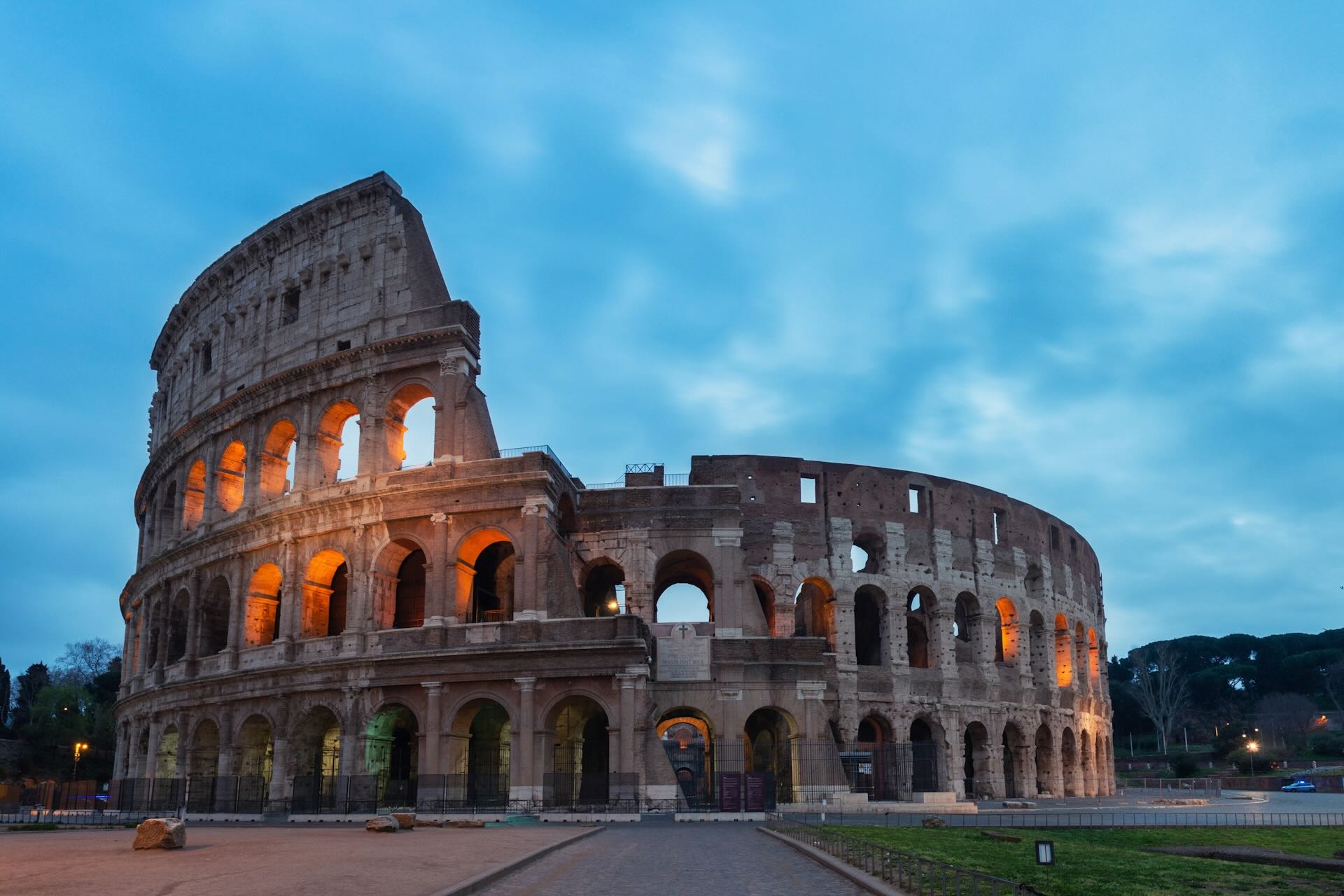
    The visual impact is immediate. Ancient ruins, baroque fountains, churches, and everyday buildings coexist without separation. You are rarely more than a few steps from something historically significant, even when you are not looking for it.

    Navigating a City Built Over Time

    Rome was not designed as a modern city. Streets curve, narrow, and intersect unpredictably. This is part of its charm and its challenge.

    Walking is the best way to experience Rome, but expect uneven pavement and cobblestones. Comfortable shoes are essential. Distances can look short on a map but feel longer on foot due to crowds and layout.

    Public transportation exists, but many visitors rely more on walking. Buses and metro lines are useful, but they do not reach every area easily. Taxis are available, but traffic can be slow.

    Getting lost is common and often rewarding. Some of Rome’s best moments happen when you wander off course and discover a quiet square or local café.

    The Pace of Daily Life

    Rome moves at its own pace, and adjusting to it improves your experience. Mornings start calmly. Cafés fill with locals standing at the bar for espresso. Midday brings more activity, especially around popular sites.

    Afternoons can feel slower. Many shops close briefly. This pause is part of the rhythm, not an inconvenience.

    Evenings stretch late. Dinner starts later than many visitors expect. Restaurants often fill after eight. Meals are meant to be enjoyed, not rushed.

    Understanding this flow helps you plan without frustration.

    Food and What First Time Visitors Learn Quickly

    Food in Rome is both simple and deeply traditional. The city takes pride in a small number of classic dishes, prepared well and repeated often.

    Menus may look similar from place to place, but quality varies. Restaurants focused on locals often have shorter menus and fewer flashy signs.

    Meals are structured. Courses come in sequence, and bread may arrive without butter. Water is usually bottled unless you ask otherwise.

    Coffee culture follows clear norms. Cappuccino is typically a morning drink. Espresso is quick and often consumed standing.

    Food becomes part of how you understand the city. Eating well in Rome is about respect for tradition rather than novelty.

    History That Feels Immediate

    Rome’s history does not feel distant. You interact with it constantly. Ancient ruins sit beside modern apartments. Churches house layers of art and architecture accumulated over centuries.

    Museums and landmarks are impressive, but history also appears unexpectedly. A construction site may reveal ruins. A quiet street may hide a centuries old façade.

    This proximity to the past creates perspective. You begin to feel time differently. A first trip often reshapes how visitors think about age, continuity, and legacy.

    Churches, Art, and Cultural Depth

    Churches play a major role in Rome’s cultural landscape. They are not just places of worship. They are repositories of art, architecture, and history.

    Many are free to enter, offering access to world class works without crowds or tickets. Dress modestly, as rules are enforced.

    Art in Rome spans eras. You see ancient sculptures, Renaissance paintings, and baroque masterpieces, sometimes in a single afternoon.

    The city does not curate this experience neatly. You encounter art unexpectedly, which makes it feel personal rather than academic.

    Crowds and How to Manage Them

    Crowds are part of Rome, especially on a first trip. Popular sites attract visitors year round. Timing matters.

    Early mornings and late afternoons offer quieter moments. Exploring less famous neighborhoods provides relief from busy corridors.

    A balanced itinerary helps. Pair major sights with slower experiences like wandering, sitting in a piazza, or enjoying a long meal.

    Rome rewards patience. When you stop fighting the crowds and work around them, the city opens up.

    Neighborhoods and Where Rome Feels Local

    Rome is a collection of neighborhoods, each with its own character. Spending time outside major tourist zones deepens your experience.

    Trastevere feels lively and social, especially in the evenings. Narrow streets, small restaurants, and local energy define the area.

    Testaccio offers a more residential feel. It is known for food culture and everyday life rather than landmarks.

    Monti blends history and creativity. Boutiques, cafes, and small streets create a relaxed atmosphere close to major sites.

    Choosing a neighborhood to return to each day helps Rome feel manageable and familiar.

    Practical Expectations for First Time Visitors

    Rome can be less predictable than some cities. Service may feel informal. Processes may take time. This is not inefficiency, but cultural difference.

    English is widely spoken in tourist areas, but learning basic Italian phrases is appreciated.

    Water fountains provide clean drinking water throughout the city. Carry a refillable bottle.

    Pickpocketing can occur in crowded areas. Awareness is usually enough to avoid issues.

    Accepting these realities makes your first trip smoother and more enjoyable.

    Why Rome Leaves a Lasting Impression

    Rome does not try to please everyone. It remains unapologetically complex. That honesty is why it stays with you.

    Your first trip often feels emotional. You experience beauty, chaos, history, and daily life intertwined.

    You leave with memories that feel layered rather than linear. Rome does not give you a single story. It gives you many, unfolding at once.

    Understanding what to expect on your first trip to Rome helps you appreciate the city for what it is, not what you imagined.

    Plan a trip to Rome today.