Tag: cultural travel Balkans

  • Mostar, Bosnia and Herzegovina A Bridge Between Cultures

    Mostar, Bosnia and Herzegovina A Bridge Between Cultures

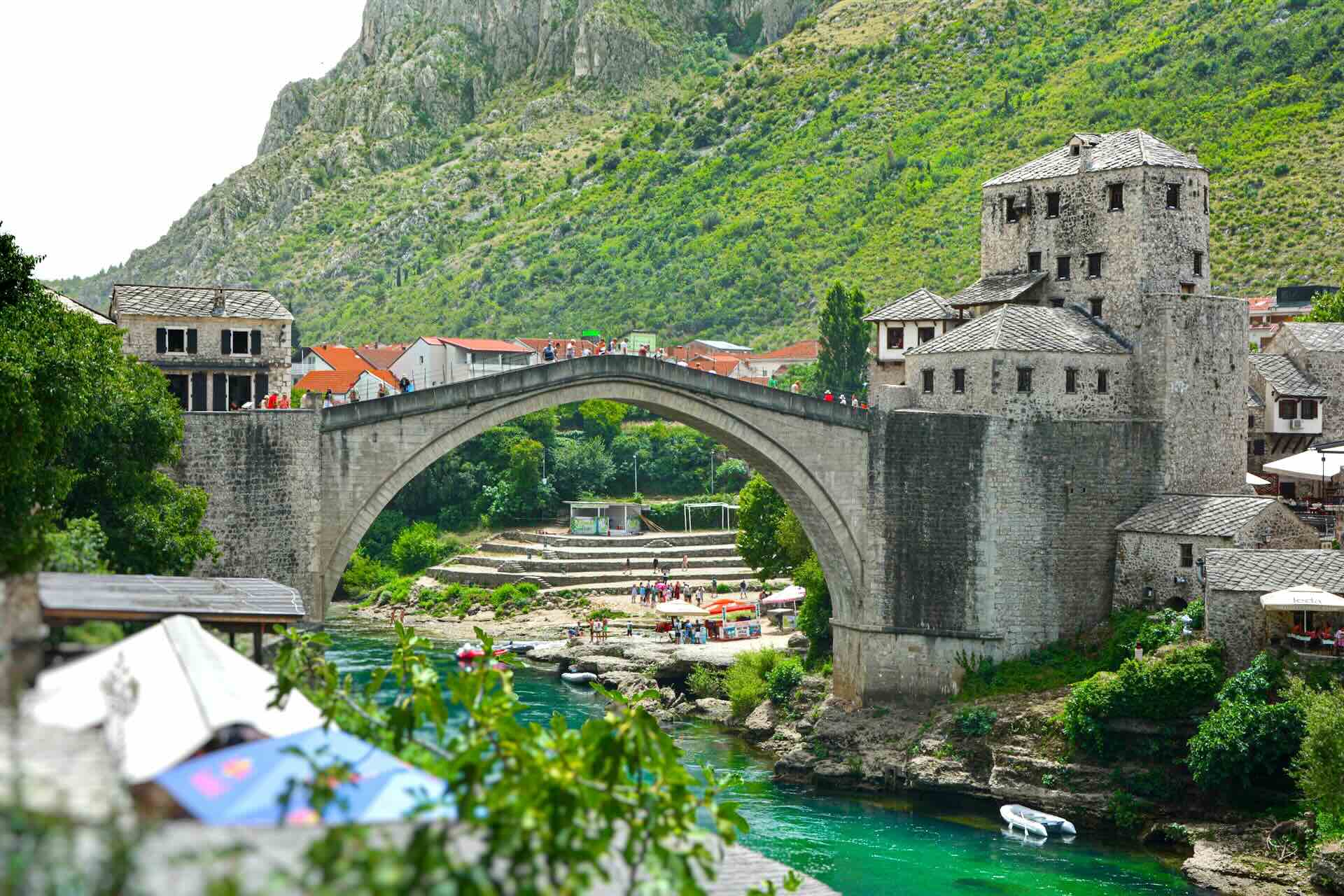
    Mostar, Bosnia and Herzegovina a bridge between cultures feels visually dramatic and emotionally layered from the moment you see the Neretva cutting through the city. Mostar’s historic identity is closely tied to the Old Bridge, Stari Most, and to a townscape shaped by Ottoman and later Austro Hungarian influence. The city feels intimate in scale, yet large in emotional presence, with stone streets, river views, and a sense that history here is never far from the surface.

    Why Mostar Feels So Distinct

    Some historic cities impress through monuments alone. Mostar works through symbolism, geography, and atmosphere at the same time. The river gives the city a dramatic centerline, and the bridge gives it meaning beyond architecture. This is a place where stone, water, and memory all carry weight.

    That is part of what makes Mostar so memorable. It is beautiful, clearly, but it is not beauty without context. The old town, the riverbanks, and the bridge itself all suggest connection, division, recovery, and endurance. Very few places carry those ideas so visibly.

    The Old Bridge as the Heart of the City

    Stari Most defines Mostar. The bridge is the city’s emotional and visual center, and everything around it seems to draw strength from that presence. It is an architectural icon, but it is also something more human and symbolic, a structure that has come to represent resilience and the possibility of reconnection.

    What makes the bridge so powerful is that it works on several levels at once. It is elegant in form, dramatic in setting, and rich in meaning. The arc over the Neretva gives Mostar its most unforgettable image, but the bridge also gives the city its deepest sense of identity.

    A City Shaped by the River

    The Neretva does more than add scenery. It shapes the entire experience of Mostar. The river cuts through a deep valley, and the old city gathers around that geography in a way that makes every viewpoint feel more dramatic.

    This geography gives Mostar an intensity that many small historic towns do not have. The city feels concentrated. The river below, the arch of the bridge, and the old stone streets above all work together to create a setting that feels theatrical, but still real.

    Ottoman Roots and Layered Identity

    Mostar’s old town carries a strong Ottoman imprint, and that gives the city much of its character. Stone lanes, historic houses, old market streets, and the overall rhythm of the urban fabric reflect a cultural world that still feels present in the city’s atmosphere.

    That combination matters because it keeps Mostar from feeling one note. The city is not only Ottoman, not only Balkan, and not only Mediterranean. It sits at a cultural meeting point, and you can feel that in the architecture, the street life, and the broader atmosphere. This layered identity is what makes the title a bridge between cultures feel genuinely earned rather than simply poetic.

    The Old Town and the Pleasure of Walking

    Mostar is best experienced on foot. The old center is compact enough to absorb slowly, and walking allows you to notice how the city changes from one angle to another. Narrow lanes open toward the bridge. Stone houses, small shops, and river views create a rhythm that feels both historic and lived in.

    This kind of walking matters in Mostar because the city’s appeal is not limited to one postcard view. The bridge may be the anchor, but the wider urban fabric is what gives the city depth. It is the relationship between the bridge and the surrounding streets that makes the experience feel complete.

    A Bridge With Living Traditions

    Mostar’s identity is not only architectural. It is also social and performative. The tradition of diving from the Old Bridge into the Neretva has long been associated with courage, spectacle, and local identity, and it adds another layer to the city’s connection with the bridge.

    That tradition makes the bridge feel even more alive. It is not just something to admire from a distance. It remains part of the city’s living culture. Even when visitors do not witness a dive themselves, the knowledge that the bridge continues to function as a stage for ritual and local pride gives it more energy and meaning.

    More Than a Symbol of the Past

    It would be easy to approach Mostar only through the lens of history and conflict, but that would miss the city’s present day atmosphere. Mostar is also social, walkable, and visually inviting. Cafés, terraces, and market streets give it everyday warmth. The city’s beauty is not only solemn. It also includes hospitality, movement, and the pleasure of being beside the river as the light changes.

    That balance is important. Mostar carries memory, but it is not trapped by it. The city feels reflective, yet still open. That is part of what gives it lasting emotional force.

    Why the Multicultural Story Matters

    Mostar’s deeper significance comes from more than the bridge itself. The city feels like a meeting point, where different histories, faiths, and cultural influences have all left visible marks. This is not abstract. It is present in the architecture, the urban layout, and the emotional tone of the place.

    This is one reason Mostar resonates beyond its size. The city’s importance is not only visual or historic. It is also symbolic. For travelers who care about places with deeper meaning, Mostar offers something stronger than surface charm.

    When Mostar Feels Best

    Mostar works especially well when the weather supports long walks through the old town and lingering by the river. In those conditions, the bridge, the stone streets, and the surrounding hills feel especially vivid. Still, the city’s appeal does not depend only on ideal weather. Its deeper power comes from setting, symbolism, and structure.

    Travelers who stay long enough to move beyond the bridge viewpoint often get more from Mostar. The city reveals more when treated as a place to absorb slowly rather than just photograph.

    Who Mostar Is Best For

    Mostar suits travelers who appreciate places with history, atmosphere, and visible cultural depth. It works especially well for people who enjoy walkable old towns, meaningful landmarks, and destinations that feel emotionally charged without becoming inaccessible. Couples, solo travelers, and culturally curious visitors can all do well here.

    It is also a strong choice for travelers who want a city that offers beauty with context. Mostar is scenic, but it is not shallow. That makes it linger in memory more than many cities of similar size.

    The Lasting Appeal of Mostar

    Mostar stays with people because the bridge at its center means more than crossing from one side to another. The city carries visible layers of coexistence, memory, and resilience, and all of that gives the place a power that goes beyond architecture alone.

    That is what makes Mostar more than a beautiful stop in Bosnia and Herzegovina. It feels like a city where geography, architecture, memory, and identity all meet in one visible form. For travelers who want beauty, meaning, and a place with real symbolic weight, Mostar offers one of the most memorable urban experiences in the Balkans.
    Plan a trip to Mostar today.

  • Ohrid, North Macedonia Lakeside Calm and Ancient Churches

    Ohrid, North Macedonia Lakeside Calm and Ancient Churches

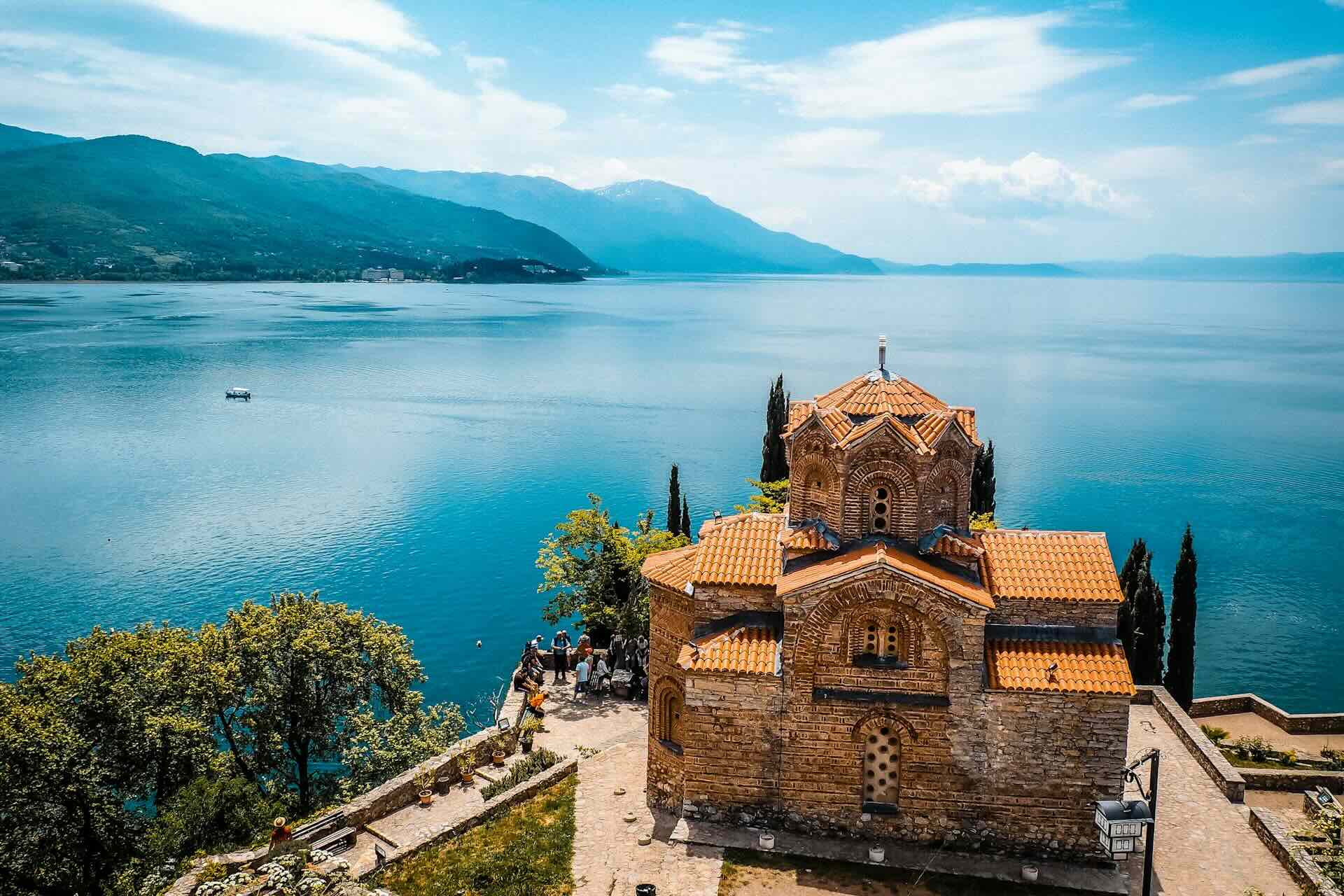
    Ohrid, North Macedonia lakeside calm and ancient churches come together in a place that feels serene, historic, and unusually complete. Set along the shore of Lake Ohrid, the town carries both natural and cultural weight, which is part of what makes it so memorable. UNESCO describes the Ohrid region as a rare combination of exceptional natural value and deep cultural heritage, and that balance is exactly what travelers feel on the ground. 

    Why Ohrid Feels So Distinct

    Some historic towns impress through monuments alone. Ohrid works through atmosphere. The lake softens everything. Light reflects off the water, the old town rises gently above the shore, and church silhouettes give the place a sense of continuity that feels older than most modern travel experiences. The result is a city that feels calm without becoming sleepy, and historic without becoming stiff.

    That balance is what gives Ohrid its staying power. It is easy to admire quickly, but it becomes more rewarding when you slow down. The town feels shaped by faith, landscape, and long memory, yet it still remains walkable, welcoming, and emotionally open.

    A Town With Deep Cultural Weight

    Ohrid is often described as one of the oldest human settlements in Europe, and UNESCO notes that the town was built mainly between the 7th and 19th centuries. The same UNESCO listing also highlights the area’s major religious and artistic heritage, including the oldest Slav monastery and a remarkable tradition of Byzantine style icons. 

    This history matters because Ohrid does not feel like a place with only one preserved monument or one famous church. It feels like a town whose identity has been formed over centuries through spiritual life, architecture, and its relationship to the lake. That gives it a stronger and more layered character than many small scenic destinations.

    The Calm Power of the Lake

    Lake Ohrid is central to the experience. UNESCO describes it as one of the world’s oldest lakes, a deep ancient lake of tectonic origin that has existed continuously for roughly two to three million years, and a refuge for many endemic species. That age gives the setting unusual gravity. The lake is beautiful, but it also feels ancient in a way that changes the mood of the town beside it. 

    The water shapes everything in Ohrid. It opens the horizon, softens the stone, and gives the town a quieter rhythm than inland historic cities often have. You do not simply visit the shoreline once and move on. The lake remains part of the emotional atmosphere throughout the stay.

    Ancient Churches and a Sacred Landscape

    Churches are one of Ohrid’s defining features, and they are part of why the town feels so spiritually charged. UNESCO’s description of the town emphasizes its sacred buildings and monastic legacy, which help explain why Ohrid can feel both intimate and monumental at the same time. 

    What makes this especially effective is the way the churches sit within the landscape. They do not feel disconnected from the town around them. They rise from the old urban fabric, overlook the lake, and reinforce the sense that Ohrid has been shaped by devotion as much as by commerce or strategy. The result is a destination where architecture and atmosphere strengthen each other constantly.

    A Historic Center Made for Walking

    Ohrid works best on foot. The old town rises with the terrain, and that gives the experience more texture. UNESCO’s periodic reporting describes the old town center as a uniquely preserved urban entity, adapted to its lakeside position and terrain, with exceptional sacred and secular architecture. 

    That adaptation is part of what makes wandering here so satisfying. Streets, stairways, viewpoints, and older houses all seem to respond to the slope of the land and the pull of the water below. Ohrid feels coherent because its built form and natural setting never seem at odds with one another.

    More Than a Pretty Lakeside Stop

    It would be easy to reduce Ohrid to scenery, but that would miss what makes it so special. This is not only a beautiful lake town. It is a place where natural significance and cultural heritage genuinely overlap. UNESCO’s framing of the region as both natural and cultural is not abstract language, it describes the actual experience of being there. 

    That gives Ohrid unusual depth. You can come for the water and the views, but you stay engaged because the town also offers memory, symbolism, and architectural continuity. Few small destinations hold those qualities together so naturally.

    The Mood of Lakeside Calm

    The phrase lakeside calm fits Ohrid because the town encourages a slower kind of travel. The lake invites lingering. The churches and old streets invite attention. The overall pace feels less rushed than in many better known European historic centers. Ohrid rewards travelers who are willing to sit, walk, and absorb rather than simply move from site to site.

    This atmosphere is one of the town’s strongest assets. Calm here does not mean emptiness. It means clarity. Ohrid gives travelers room to notice light, water, stone, and silence, and that can feel increasingly rare.

    A Place Shaped by Both Nature and Faith

    Ohrid’s identity becomes strongest when you understand that neither the lake nor the churches alone tell the full story. The lake gives the town scale and stillness. The sacred architecture gives it memory and structure. Together they create a place that feels older, deeper, and more integrated than many other lakeside destinations.

    That is why Ohrid leaves such a strong impression. It feels geographically beautiful, but also culturally anchored. It is scenic, but not superficial. It is historic, but still gentle and open to everyday life.

    When Ohrid Feels Best

    Ohrid works especially well when the weather supports long walks by the lake and slower movement through the old town. In those conditions, the relationship between water, churches, and hillside streets becomes even more vivid. Still, the town does not depend entirely on ideal weather. Its deeper appeal comes from form, mood, and setting, which remain strong beyond peak season.

    Travelers who give Ohrid enough time to settle in often get more from it than those who treat it as a quick stop. The town is best experienced with some patience.

    Who Ohrid Is Best For

    Ohrid suits travelers who appreciate atmosphere, history, and places where landscape and culture are inseparable. It works especially well for people who like old towns with spiritual depth, beautiful water, and a pace that encourages presence rather than speed. Couples, solo travelers, and culturally curious visitors can all do very well here.

    It is also a strong choice for travelers who want a destination that feels meaningful without being overstated. Ohrid has beauty, but it comes with weight and quiet confidence rather than spectacle.

    The Lasting Appeal of Ohrid

    Ohrid stays with people because it feels balanced in a rare way. The lake gives it openness. The churches give it gravity. The old town gives it intimacy. UNESCO’s long standing recognition of the region’s combined natural and cultural significance helps explain why it feels so complete. 

    That is what makes Ohrid more than simply a beautiful place in North Macedonia. It feels like a town where landscape, faith, and history still live in visible conversation with one another. For travelers who want calm, depth, and a setting that carries real meaning, Ohrid is one of the most rewarding destinations in the Balkans.

    Plan a trip to Ohrid today.