Tag: Delft Netherlands

  • TravelPal’s Top 100 Most Beautiful Places to Visit: 100-91

    TravelPal’s Top 100 Most Beautiful Places to Visit: 100-91

    TravelPal’s Top 100 Most Beautiful Places to Visit: 100-91 begins with cities and landscapes that feel distinctive, atmospheric, and deeply rewarding to experience in person. These destinations may not always dominate every mainstream travel list, but each one offers a powerful sense of place. Some stand out for architecture and urban texture. Others win through coastline, light, mountains, or cultural depth. Together, they set the tone for a ranking built around beauty that lasts beyond a quick photo.

    100. Lublin, Poland

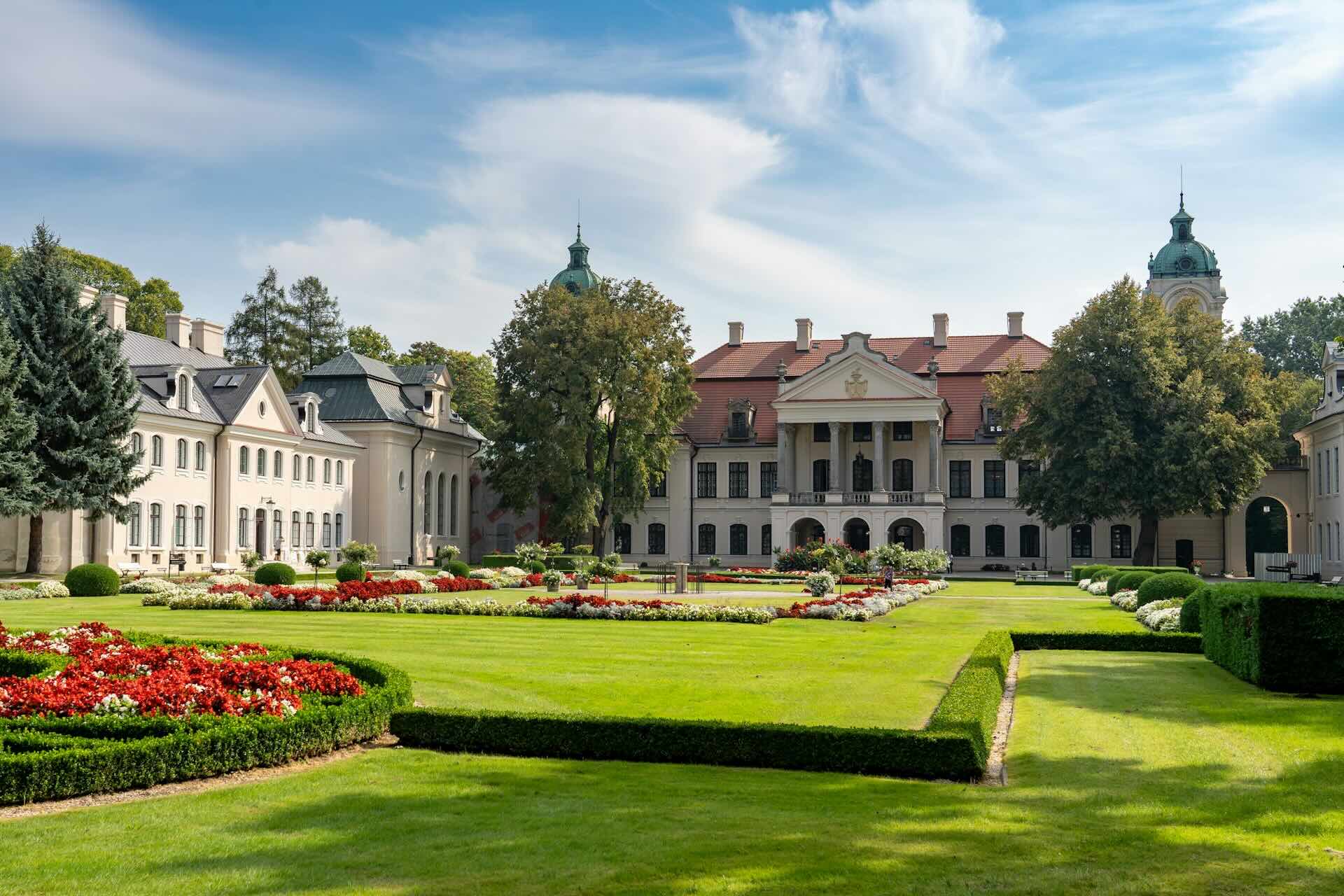
    Lublin feels warm, walkable, and quietly memorable. Its old town has color, intimacy, and a softer rhythm than many larger Central European cities. The streets feel historic without becoming overly formal. Lublin stands out because its beauty feels human in scale.

    99. Pécs, Hungary

    Pécs offers sunlit squares, layered history, and a distinctly southern Hungarian mood. The city feels relaxed, cultured, and less expected than Budapest. Its appeal comes from warmth, atmosphere, and a historic center that invites slower travel.

    98. Delft, Netherlands

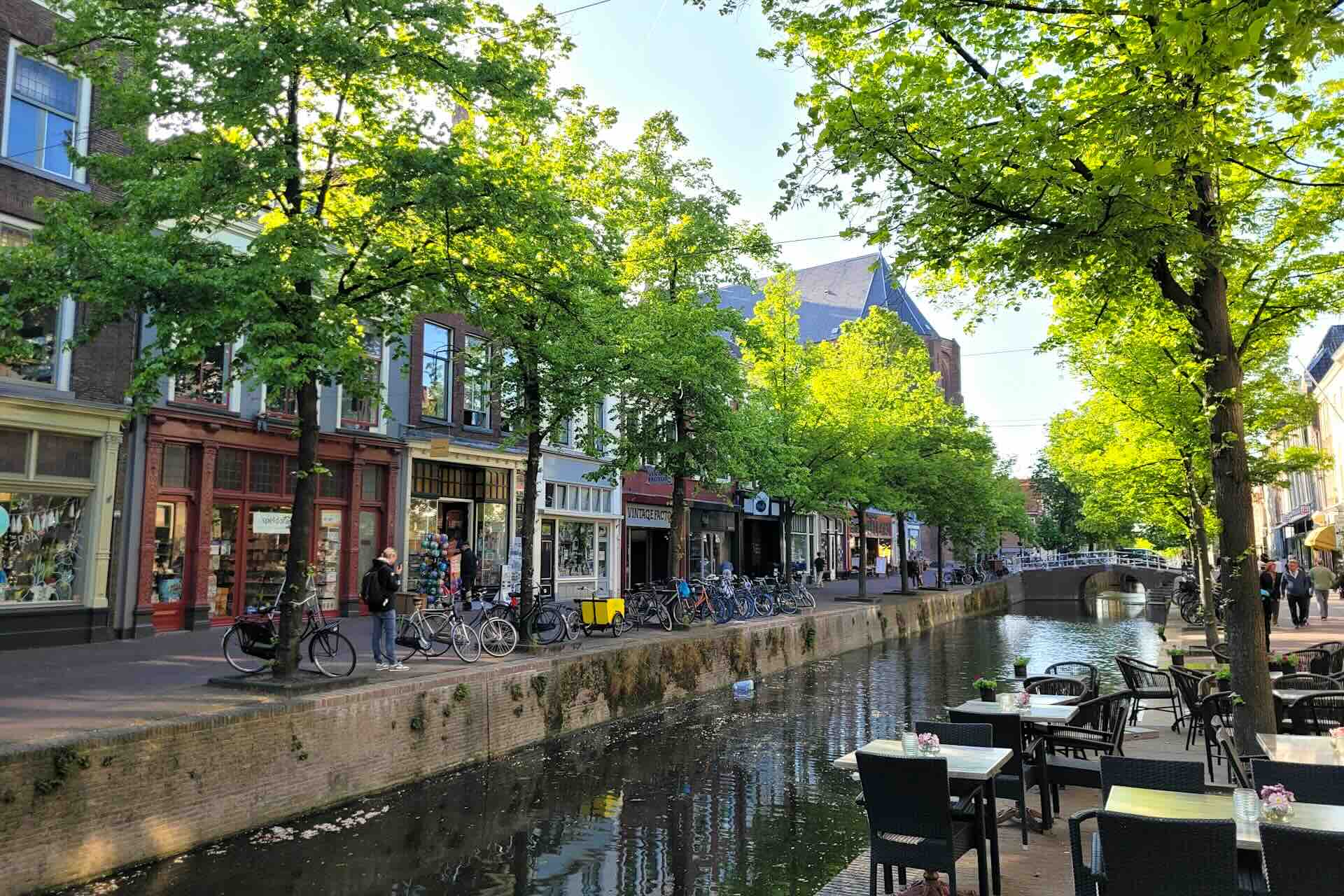
    Delft is one of the most graceful small cities in Europe. Its canals, church towers, and blue and white identity give it an immediate visual calm. The city feels refined without trying too hard. Delft proves that quiet beauty can be just as powerful as spectacle.

    97. Galway, Ireland

    Galway has music, color, and the restless energy of Ireland’s Atlantic coast. The city feels expressive and social from the first walk through its streets. What makes Galway beautiful is not perfection. It is the mix of weather, culture, and movement that gives the place its soul.

    96. Sarajevo, Bosnia and Herzegovina

    Sarajevo is one of Europe’s most layered and emotionally powerful cities. Ottoman streets, Austro Hungarian facades, and mountain views all sit close together. The city carries visible history, but it also feels alive in the present. Its beauty comes through complexity, resilience, and atmosphere.

    95. Graz, Austria

    Graz blends design, courtyards, and regional character in a way that feels subtle and highly satisfying. The city has a strong old town, but it also has contemporary confidence. Graz stands out because it feels both cultured and deeply livable.

    94. Antwerp, Belgium

    Antwerp combines Flemish grandeur with fashion, trade history, and urban confidence. It feels richer and more forceful than many travelers expect. Grand squares, stylish streets, and cultural edge all give the city lasting visual and emotional power.

    93. Bern, Switzerland

    Bern is beautiful in a calmer and more measured way. Its arcades, river curves, and old town rhythm create one of Europe’s most composed urban experiences. The city feels balanced in every direction. Bern earns its place here through elegance, calm, and remarkable coherence.

    92. Nice, France

    Nice brings together sea light, old town warmth, and Riviera grace with unusual ease. The city feels polished, but still lived in. The promenade, the color, and the Mediterranean brightness give Nice a strong sense of identity. It remains one of the most attractive coastal cities in Europe.

    91. Granada, Spain

    Granada closes this first section with one of the strongest atmospheres anywhere in southern Europe. Moorish beauty, hillside streets, and mountain light give the city unusual depth. Granada feels romantic, but also deeply rooted in history and landscape. It is a city that stays with people long after the trip ends.

    Why These Destinations Matter

    The places ranked from 100 to 91 are not filler. They set the tone for what this list values. Beauty is not only about fame. It is about atmosphere, emotional clarity, and the way a place holds together in memory. Each of these cities offers something visually distinctive and culturally real.

    That is also the challenge for travelers. Too many people chase only the most obvious names and miss places that may suit them even better. These ten destinations reward people who care about texture, place, and a deeper kind of beauty.

    What Comes Next

    The next part of the ranking moves further up the list with places that become even more visually striking, iconic, and unforgettable. But this opening group already shows the range of what beauty can mean in travel. It can be graceful, rugged, atmospheric, colorful, quiet, or intense.

    That range is what makes a list like this worth building carefully. The most beautiful places are not all beautiful in the same way.
    Plan your next trip today.

  • Delft, Netherlands Blue and White Beauty and Canal Calm

    Delft, Netherlands Blue and White Beauty and Canal Calm

    Delft, Netherlands blue and white beauty and canal calm come together in a city that feels delicate, ordered, and deeply soothing to move through. Delft has the kind of beauty that does not need to raise its voice. Its canals, brick facades, church towers, and slower rhythm create an atmosphere of balance from the start. The city is visually graceful, but what makes it memorable is how naturally its blue and white beauty and canal calm shape the entire experience.

    Why Delft Feels So Distinct

    Some Dutch cities impress through scale or energy. Delft works through refinement. It feels smaller, quieter, and more intimate than Amsterdam or Rotterdam, and that difference is part of its strength. The city does not try to overwhelm visitors. It draws them in through proportion, light, and a very clear sense of place.

    That matters because Delft feels complete almost immediately. The streets, canals, squares, and facades all support one another. Travelers who want a city with beauty, but without too much noise or pressure, often connect with Delft very quickly.

    Blue and White Beauty Gives the City Its Identity

    The phrase blue and white beauty fits Delft because the city’s visual identity is tied so strongly to that palette. It suggests not only Delftware, but also a broader feeling of elegance, clarity, and restraint. Even when the famous ceramics are not directly in view, the association shapes how the city is experienced.

    This matters because cities often need a visual language that goes beyond architecture alone. Delft has one. The idea of blue and white beauty adds softness and refinement to the way people remember the city. It becomes part of the atmosphere rather than simply a decorative reference.

    Canal Calm Shapes the Mood

    The canal calm in Delft is one of the city’s strongest qualities. The water moves gently through the urban fabric and gives the city breathing room. Canals change how a place sounds, how it reflects light, and how walking through it feels. In Delft, they create a slower and more measured emotional rhythm.

    That matters because calm is not always easy to achieve in a historic city. Delft manages it naturally. The canals help keep the whole setting balanced, and they make even ordinary walks feel more graceful.

    A City Built Around Proportion

    One of Delft’s pleasures is its sense of proportion. The city does not rely on extremes. Buildings, streets, and canals all feel measured in relation to one another. That gives the city a harmony that is difficult to fake and easy to enjoy.

    This is one reason Delft stays with people. It feels composed rather than assembled. The beauty comes not from one spectacular gesture, but from how well everything fits together.

    More Than a Pretty Dutch Town

    It would be easy to reduce Delft to charm alone, but that would undersell it. The city also has cultural depth, historical significance, and a stronger visual identity than many similarly attractive towns. Delft feels more serious than a postcard, even though it can look like one.

    That gives the city more staying power. It is immediately appealing, but it also rewards slower attention. The beauty is not shallow. It has structure behind it.

    Streets and Canals Reward Walking

    Delft is especially satisfying on foot. The city’s scale makes wandering feel natural, and the canals keep changing the perspective just enough to hold attention. A turn in the street, a bridge, a reflection in the water, or a church tower rising above the roofs can all become part of the pleasure of moving through the city.

    This matters because Delft is not a destination that depends on rushing between major sights. It works best when you let the streets and canals gradually shape the experience.

    Dutch Order With Softness

    Delft has the order and neatness many travelers associate with the Netherlands, but it also has softness. The water, the light, and the smaller scale keep the city from feeling rigid. It is tidy, but not cold. Elegant, but not distant.

    That balance is one of its great strengths. The city feels easy to trust. Its order supports the calm rather than flattening it.

    The Light Feels Gentle Here

    Light plays an important role in Delft’s atmosphere. The canals reflect it, the facades soften it, and the city often feels touched by a gentle brightness rather than a harsher glare. This gives Delft a quieter and more contemplative beauty than cities built around stronger drama.

    That matters because travelers often remember light as much as landmarks. In Delft, the gentle visual tone is part of what makes the city so emotionally clear.

    A Historic Center That Still Feels Lived In

    Delft’s center works because it still feels inhabited rather than staged. The beauty remains connected to ordinary life, shops, cafés, streets in use, and a daily rhythm that feels steady rather than performative. That makes the city more convincing.

    This is important because some beautiful places begin to feel too curated. Delft avoids that. It remains graceful without losing its everyday life.

    Why the City Feels So Memorable

    Many canal cities are attractive, but Delft stays in memory because its identity feels so precise. The blue and white beauty gives it refinement. The canal calm gives it emotional clarity. Together, they create a city that feels both visually distinct and deeply restful.

    That memorability matters. It means Delft offers more than a pleasant day trip. It offers a place with a clear and lasting atmosphere.

    When Delft Feels Best

    Delft is especially rewarding when travelers allow enough time to walk slowly, cross bridges, and notice how the canals, towers, and streets keep supporting the same calm mood. The city feels strongest when it is not rushed and when the blue and white beauty and canal calm are allowed to emerge naturally.

    Its appeal is not loud, but it is very durable. Delft gives exactly what the title suggests, and it gives it with unusual consistency.

    Who Delft Is Best For

    Delft suits travelers who appreciate smaller historic cities, canal settings, and destinations with refinement rather than spectacle. It works especially well for couples, solo travelers, and culturally curious visitors who want a Dutch city with elegance, but without the pressure of a larger urban pace. It is also a strong fit for travelers who care about atmosphere as much as major attractions.

    This is a city for people who enjoy walking, observing, and letting a place settle in gradually. Delft rewards that approach.

    The Lasting Appeal of Delft

    Delft stays with people because it feels balanced in a very convincing way. The blue and white beauty gives it identity. The canal calm gives it ease. Together, they create one of the Netherlands’ most quietly rewarding city experiences.

    That is what makes Delft more than simply a beautiful canal town. It feels like a place where light, water, and urban grace still support one another naturally. For travelers who want refinement, calm, and a city with lasting charm, Delft remains unforgettable.

    Plan a trip to Delft today.