Tag: Denmark travel

  • Odense, Denmark Storybook Streets and Danish Calm

    Odense, Denmark Storybook Streets and Danish Calm

    Odense, Denmark storybook streets and Danish calm come together in a city that feels gentle, literary, and quietly rewarding. Odense does not overwhelm travelers with scale or drama. Its appeal comes through walkable streets, soft colors, historic corners, green spaces, and a relaxed Danish rhythm. It is a city that feels easy to enter and pleasant to stay with.

    Why Odense Feels So Distinct

    Odense stands out because it feels charming without trying too hard. The city has history, culture, and attractive streets, but it keeps a calm and accessible mood. It does not feel like a place built only for visitors. It feels like a real Danish city with a softer travel personality.

    That makes Odense especially satisfying for slower travel. It invites walking, browsing, pausing, and noticing small details. The city’s beauty works through atmosphere more than spectacle.

    Storybook Streets Shape the Mood

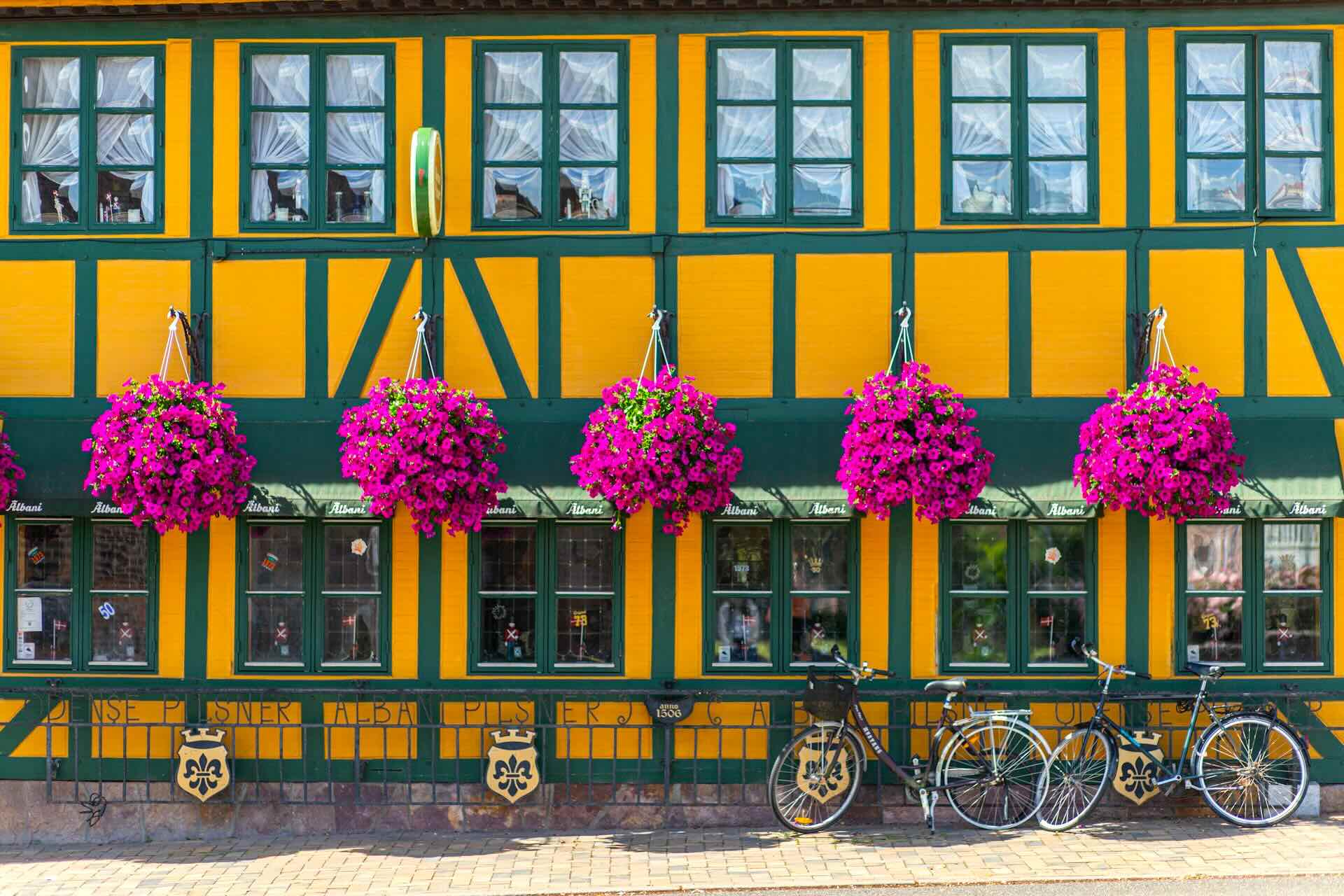
    The phrase storybook streets fits Odense naturally. The older parts of the city have a warm, intimate quality. Low houses, cobbled lanes, colorful facades, and quiet corners give parts of Odense a fairytale feeling. The effect is charming, but not artificial.

    That matters because Odense is deeply tied to imagination and storytelling. Its streets help support that identity. Travelers can feel the connection between place, memory, and story without needing every moment explained.

    Danish Calm Makes Odense Easy to Enjoy

    Odense also carries a strong sense of Danish calm. The city feels orderly, relaxed, and comfortable. Public spaces are pleasant, the pace is manageable, and the center works well on foot. Nothing feels overly rushed.

    This calm gives Odense much of its appeal. It is the kind of city where a simple day can feel complete. A walk through the old streets, a café stop, a museum visit, and time in a park can make the trip feel balanced.

    A City With Literary Character

    Odense is closely associated with storytelling, and that gives the city a distinct cultural identity. Its literary character adds depth to the charming streets and historic setting. The city feels connected to childhood imagination, folklore, and the kind of quiet detail that rewards attention.

    This does not make Odense feel trapped in the past. Instead, it gives the city another layer. Travelers can enjoy it as both a historic Danish city and a place shaped by creative memory.

    Walkable, Soft, and Human in Scale

    Odense works well because it feels human in scale. The city center is easy to navigate, and its best moments often appear between larger stops. Side streets, courtyards, small squares, and green spaces all contribute to the experience.

    That makes Odense a good fit for travelers who dislike rushed itineraries. The city does not demand constant movement. It rewards a slower pace and a more observant way of exploring.

    Green Spaces and Everyday Beauty

    Odense has a softer beauty that often comes through green spaces and daily life. Parks, gardens, and riverside areas add calm to the city’s historic texture. They make Odense feel open and livable rather than dense or crowded.

    This everyday beauty is important. Odense feels attractive because it is comfortable as much as picturesque. The city has a peaceful rhythm that helps travelers settle in quickly.

    A Gentler Side of Denmark

    Odense offers a gentler version of Denmark than Copenhagen. It has culture and style, but with less intensity. It also feels more intimate, which can make the experience easier and more personal.

    That makes Odense valuable for travelers who want to see beyond the country’s capital. It gives a clearer sense of Danish town life, regional identity, and quiet charm. It is not trying to be bigger than it is, and that honesty works in its favor.

    Cafés, Streets, and Slow Afternoons

    Odense is well suited to slow afternoons. Its cafés, pedestrian areas, shops, and quieter lanes create an easy rhythm. Travelers can spend time without feeling like they are missing a major checklist item.

    That kind of travel experience can be more memorable than it sounds. Odense allows space for the small moments that often define a trip. A quiet street, a warm drink, or a soft evening walk can become the strongest memory.

    Who Odense Is Best For

    Odense is best for travelers who enjoy charming streets, literary history, calm cities, and slower European travel. It works well for couples, solo travelers, families, and anyone interested in Denmark beyond Copenhagen. It also suits travelers who prefer atmosphere over crowds.

    This is not a city for people chasing huge landmarks at every turn. It is a city for travelers who appreciate mood, detail, and a gentle sense of place.

    The Lasting Appeal of Odense

    Odense stays memorable because it offers a softer kind of beauty. Its storybook streets create charm. Its Danish calm creates ease. And its literary identity adds meaning, while its walkable scale makes the city feel personal.

    For travelers who want a peaceful Danish city with character, Odense is a strong choice. It proves that a destination does not need grand drama to feel special. Sometimes the quietest cities leave the clearest impression.
    Plan a trip to Odense today.

  • What It’s Like to Spend a Week in Copenhagen

    What It’s Like to Spend a Week in Copenhagen

    Copenhagen surprises many first time visitors, and what it’s like to spend a week in Copenhagen often feels calmer, richer, and more human than expected. This city blends design, food, history, and daily life in a way that feels effortless. You are not rushing from attraction to attraction. You are settling into a rhythm that values quality, balance, and presence.

    A week is an ideal amount of time here. It gives you space to explore neighborhoods, enjoy long meals, and experience the city beyond highlights. Copenhagen rewards curiosity and patience. The more time you give it, the more it gives back.

    First Impressions and Getting Oriented

    Copenhagen feels immediately livable. The city is clean, compact, and intuitive. You notice bikes everywhere, wide sidewalks, and people moving at an unhurried pace. Even central areas feel calm compared to other European capitals.

    Most visitors base themselves near the city center or in nearby neighborhoods like Vesterbro or Nørrebro. No matter where you stay, getting around is simple. Public transportation is efficient, but walking and biking often feel easier and more enjoyable.

    English is widely spoken, which lowers stress on arrival. Locals are polite and helpful, though not overly chatty. There is a quiet respect for personal space that makes navigating the city comfortable.

    Exploring Neighborhoods, Not Just Attractions

    One of the best parts of spending a week in Copenhagen is exploring its neighborhoods. Each area has a distinct personality, and none feel overly touristy when you step a few streets away from main corridors.

    Indre By, the historic center, is where you find classic landmarks, canals, and older architecture. It is lively during the day and calmer at night. This is where many first time visitors spend their first day or two.

    Vesterbro feels creative and relaxed. Formerly industrial, it now mixes cafes, bakeries, galleries, and local shops. It is a great place to wander without a plan and stop when something catches your eye.

    Nørrebro feels youthful and multicultural. You find vintage stores, global food, and green spaces filled with locals. This area shows a more everyday side of Copenhagen that many visitors miss.

    Østerbro feels residential and polished. It is quieter, with parks, waterfront paths, and cafes that cater to locals. It is ideal for slow mornings and long walks.

    Food Culture and How It Shapes the Week

    Food plays a central role in daily life here, but not in a flashy way. Copenhagen’s food culture values ingredients, simplicity, and intention. Meals are experiences, even when they are casual.

    Breakfast often starts with strong coffee and fresh baked bread. Bakeries are everywhere, and quality is consistently high. You might find yourself returning to the same place several mornings in a row.

    Lunch tends to be lighter. Open faced sandwiches, soups, or simple plates are common. Many people eat slowly, even on workdays, which changes how the city feels midday.

    Dinner is where Copenhagen really shines. Restaurants range from neighborhood bistros to globally recognized kitchens. Even simple places focus on seasonal ingredients and thoughtful preparation. Reservations are common, especially on weekends.

    A week gives you time to mix styles. You can enjoy a few standout dinners while also discovering casual spots that feel personal and local.

    Daily Pace and How the City Feels Over Time

    Copenhagen does not overwhelm you on day one. It unfolds gradually. The longer you stay, the more you notice small details that shape the experience.

    Days tend to start calmly. People walk or bike to work, stop for coffee, and greet each other quietly. Mornings feel purposeful but not rushed.

    Afternoons invite wandering. You might visit a museum, stroll along the water, or sit in a park. Even busy areas have pockets of calm.

    Evenings feel social but grounded. People gather with friends, share meals, and enjoy long conversations. Nightlife exists, but it rarely feels chaotic or excessive.

    By midweek, many visitors feel less like tourists and more like temporary residents. You recognize streets, favorite cafes, and familiar faces. That sense of belonging is part of Copenhagen’s appeal.

    Design, Architecture, and Everyday Beauty

    Design is not just something you see in museums here. It is woven into everyday life. Buildings, furniture, signage, and public spaces reflect a focus on function and beauty.

    Architecture ranges from historic structures to modern buildings with clean lines. Nothing feels out of place. Old and new coexist comfortably.

    Public spaces are thoughtfully designed. Parks, waterfronts, and plazas invite people to linger. Seating, lighting, and layout feel intentional.

    Inside cafes and shops, design is warm and understated. Natural materials, soft lighting, and simple forms create spaces that feel welcoming without trying too hard.

    Spending a week allows you to notice how design shapes daily experiences, not just visual impressions.

    Culture, Museums, and Creative Energy

    Copenhagen has a strong cultural scene, but it never feels overwhelming. Museums are well curated and approachable. You can visit a few without feeling museum fatigue.

    Art, design, and history are presented in ways that connect past and present. Exhibits often emphasize context and storytelling rather than spectacle.

    Live music, theater, and small performances are common. You might stumble into a show without planning, which often becomes a highlight.

    Creative energy shows up in unexpected places. Bookstores, record shops, and independent galleries feel like extensions of daily life rather than tourist stops.

    Weather, Seasons, and What to Expect

    Weather plays a role in how the city feels. Summers are mild and bright, with long daylight hours that stretch evenings well past dinner. This is when outdoor cafes and waterfront areas feel most alive.

    Spring and fall bring cooler temperatures and fewer crowds. These seasons feel intimate and reflective, ideal for slow exploration.

    Winter is colder and darker, but still appealing. Indoor spaces become cozier, and the city leans into warmth and comfort. If you enjoy atmosphere over activity, winter can feel special.

    A week gives you time to adapt to the season rather than fight it.

    Costs and Practical Considerations

    Copenhagen is known for being expensive, and that reputation is not entirely wrong. Food, accommodations, and transportation cost more than in many cities.

    That said, quality often matches price. Portions are fair, service is strong, and experiences feel intentional.

    You can balance costs by mixing experiences. Enjoy a few special meals, then balance them with bakeries and casual spots. Walk or bike instead of relying on taxis.

    Planning ahead helps, but flexibility matters more. Copenhagen rewards thoughtful choices over packed schedules.

    Why a Week Feels Just Right

    Spending a week in Copenhagen gives you time to settle in. You are not rushing through highlights or checking boxes. You are experiencing a city that values balance, quality, and everyday joy.

    By the end of the week, many visitors feel reluctant to leave. The city does not exhaust you. It leaves you feeling refreshed and inspired.

    If you want a trip that blends culture, food, design, and daily life without pressure, Copenhagen delivers.

    Plan a trip to Copenhagen today.

  • A Weekend in Copenhagen: Design, Food, and Nordic Cool

    A Weekend in Copenhagen: Design, Food, and Nordic Cool

    Copenhagen is the kind of city that makes a lasting impression in just a few days. With minimalist design, bold cuisine, bike-friendly streets, and a deep sense of hygge, a weekend in Copenhagen is both effortlessly cool and completely welcoming.

    Whether you’re drawn to its colorful waterfront, groundbreaking restaurants, or Scandinavian style, Copenhagen delivers a weekend escape that blends beauty and substance. With Travel Pal, you can build a two-day itinerary that flows naturally between neighborhoods, cultural landmarks, and moments of laid-back charm.

    Here’s how to make the most of a weekend in Copenhagen.

    Day 1: Classic Copenhagen and Iconic Views

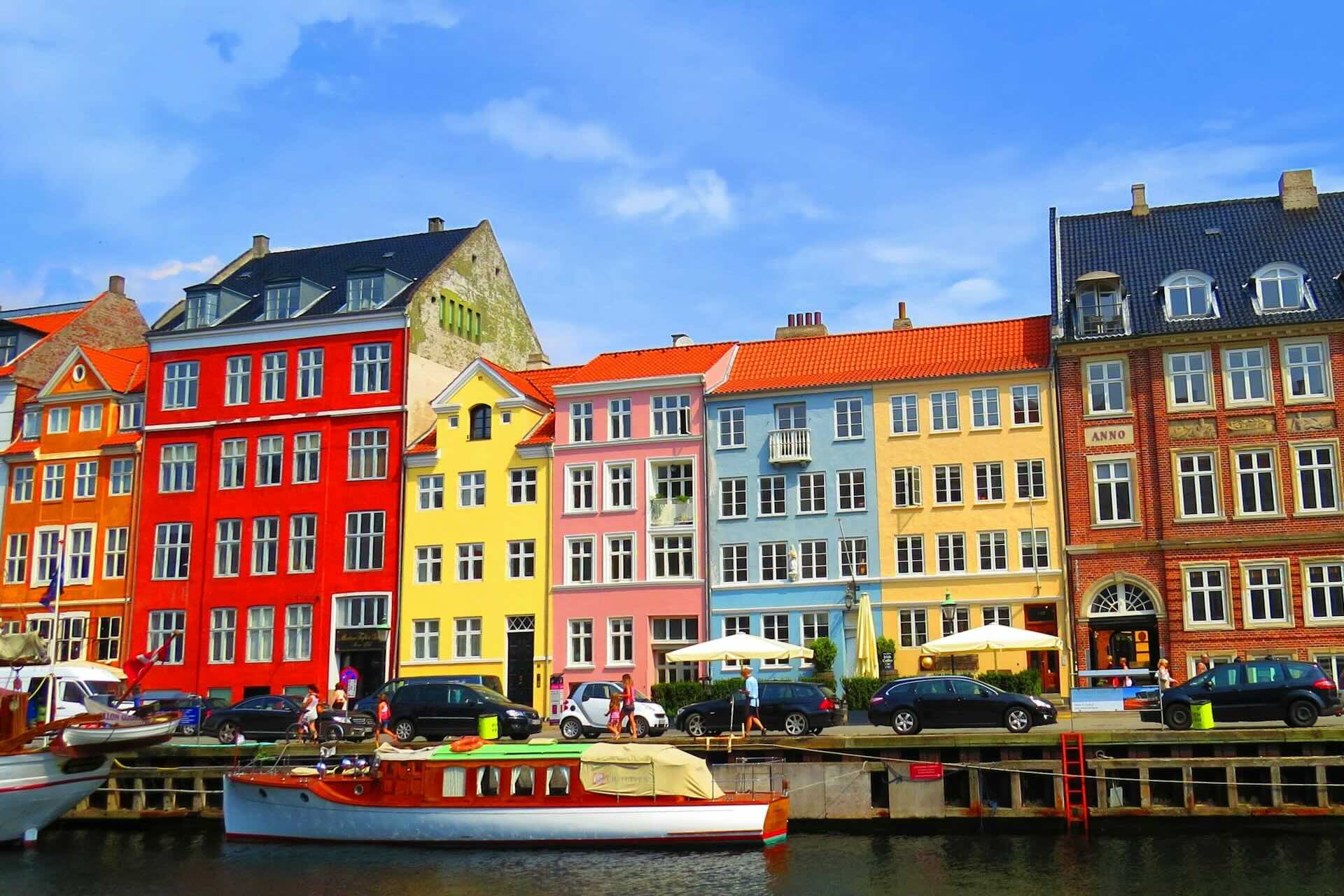
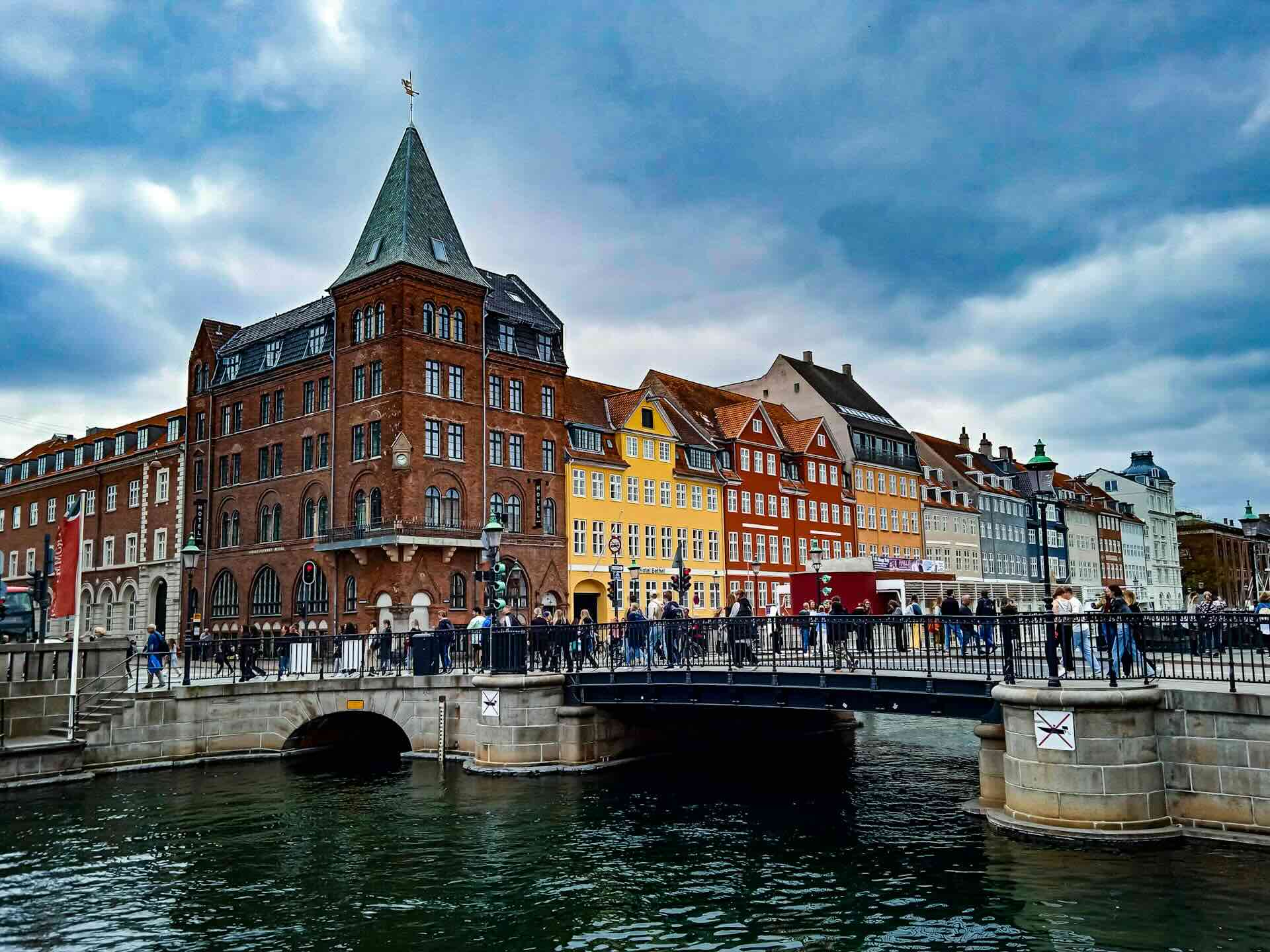
    Start in Nyhavn, Copenhagen’s postcard-perfect harbor, where colorful 17th-century buildings line the canal.

    What to do:

    Stroll along Nyhavn and grab coffee from a dockside café.
    Take a boat tour to see the city from the water.
    Walk to Amalienborg Palace to watch the changing of the guard.
    Visit the Marble Church and nearby Frederik’s Church.
    See the Little Mermaid statue on the waterfront.

    Travel Pal helps you time your route so you avoid peak crowds and see key sights efficiently on foot or bike.

    Design, Architecture, and Shopping

    Copenhagen is a design lover’s dream—minimalist, functional, and beautiful in every detail.

    Top spots:

    Designmuseum Danmark.
    A showcase of Danish furniture, fashion, and industrial design.

    Strøget.
    One of Europe’s longest pedestrian shopping streets, home to fashion, design, and Danish brands like Hay and Ganni.

    The Round Tower.
    Climb the spiral ramp to sweeping city views.

    Travel Pal links your stops by neighborhood and even suggests where to pause for a stylish coffee break or lunch.

    Where to Eat on Day 1

    Copenhagen’s culinary scene has evolved far beyond Nordic minimalism. It’s now a hub for innovation, local ingredients, and bold flavors.

    Try:

    Smørrebrød (open-faced sandwiches) at Aamanns or Hallernes.
    Dinner at a New Nordic bistro like Höst or Kødbyens Fiskebar.
    Craft cocktails in the Meatpacking District after dark.

    Travel Pal helps you secure reservations and time your meals so they sync with sightseeing.

    Day 2: Local Life and Modern Culture

    Start your second day in Nørrebro, a multicultural neighborhood filled with bakeries, boutiques, and community energy.

    What to do:

    Walk through Assistens Cemetery, where Hans Christian Andersen is buried.
    Visit the cafes and indie shops of Jægersborggade.
    Explore Superkilen Park, a celebration of global urban design.

    Then head to Christianshavn, a canal district that mixes Dutch architecture with a relaxed vibe. Don’t miss:

    Church of Our Saviour.
    Climb the twisting spire for panoramic views.

    Freetown Christiania.
    An autonomous art-filled neighborhood with murals, markets, and counterculture history.

    Travel Pal helps you pair these neighborhoods into a smooth day with plenty of stops for photos, pastries, and people-watching.

    Where to Eat on Day 2

    Start with a cinnamon roll or cardamom bun from Meyers Bageri or Juno the Bakery.
    Have lunch at Torvehallerne, a gourmet food hall with everything from Danish seafood to tacos.
    End your weekend with a memorable meal—try a tasting menu at Amass, or something cozy and candlelit in Vesterbro.

    Travel Pal helps you avoid touristy spots and guides you to authentic culinary highlights.

    When to Visit

    Late spring through early fall offers the best weather for biking, boat rides, and outdoor dining. Winters are quieter, with cozy cafés, Christmas markets, and a real sense of hygge.

    Travel Pal adjusts your weekend plan based on season, daylight hours, and local events.

    Plan Your Weekend in Copenhagen with Travel Pal

    A weekend in Copenhagen is about slowing down and soaking up the details. With Travel Pal, you can:

    Build a smart, walkable itinerary through the city’s best districts.
    Balance design museums, cultural sites, and casual bike rides.
    Book great meals without wasting time or missing out.
    Enjoy both famous sights and local experiences.

    Plan a trip to Copenhagen today at TravelPal.ai.