Tag: design cities in Europe

  • Graz, Austria Design, Courtyards, and Styrian Character

    Graz, Austria Design, Courtyards, and Styrian Character

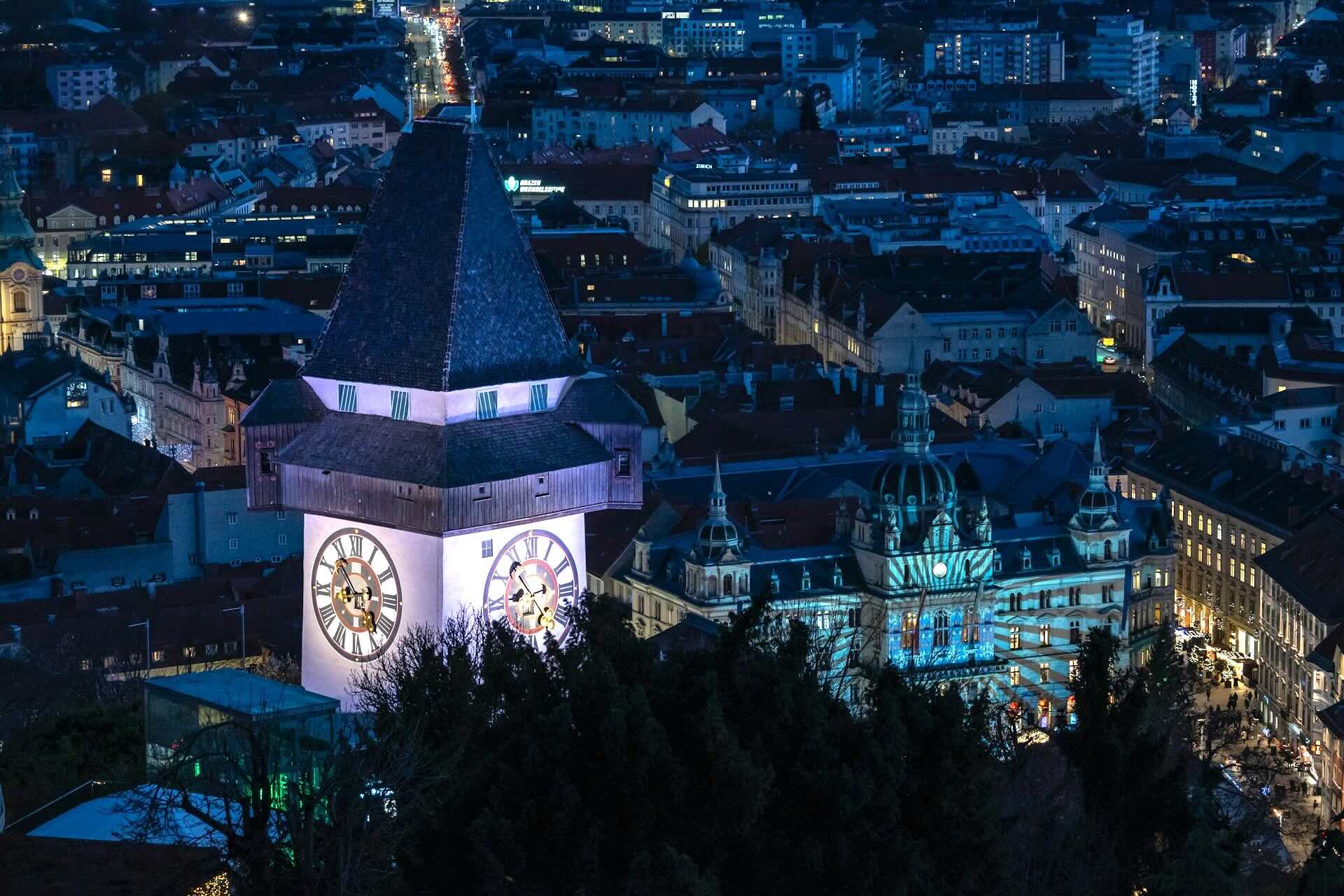
    Graz, Austria design, courtyards, and Styrian character come together in a city that feels refined, livable, and quietly distinctive. Graz does not compete with Vienna through grandeur or Salzburg through postcard romance. Instead, it wins through atmosphere, urban intelligence, and a strong sense that old and new still belong to the same place. The city’s design culture feels real, its courtyards create moments of calm, and its Styrian character gives everything a warmer and more grounded identity than many travelers expect.

    Why Graz Feels So Distinct

    Some Austrian cities are immediately theatrical. Graz works in a more layered way. It feels cultured without showing off, historic without becoming static, and modern without losing the older fabric that gives it weight. The result is a city that reveals itself gradually, then stays with people because it feels so complete.

    That matters because Graz has a stronger personality than its quieter reputation suggests. Travelers who want a city with style, walkability, and a more lived in kind of elegance often connect with it quickly.

    Design Is Part of Daily Life Here

    The title begins with design for a reason. Graz feels shaped by design not only in its contemporary architecture, but in the broader way the city handles space, proportion, and texture. Public life, interiors, facades, and the relationship between older and newer buildings all suggest a city that values thoughtful form.

    This matters because design in Graz does not feel decorative. It feels integrated into the life of the city. That gives Graz a more convincing modern identity than places where design appears only as an isolated district or cultural slogan.

    Courtyards Change the Rhythm of the City

    Courtyards are one of Graz’s quiet pleasures. They give the city depth and softness, especially within older streets and buildings where the exterior can feel more formal. Step inside, and the atmosphere often shifts. You move from public urban rhythm into more intimate spaces of stone, shade, and stillness.

    That matters because courtyards create contrast. Graz feels more layered because it keeps revealing these smaller interior worlds. They give the city a stronger emotional texture and make walking through it feel more rewarding.

    Styrian Character Gives the City Warmth

    The phrase Styrian character belongs in the title because Graz feels different from Austria’s more polished and more internationally legible city identities. There is something warmer, more grounded, and more regionally specific here. The food, the tone of the city, the pace, and the broader atmosphere all feel rooted in Styria rather than smoothed into a generic Central European elegance.

    This matters because regional identity gives Graz more staying power. The city feels like itself. It does not simply borrow its charm from old buildings or Alpine proximity. It has a character that comes from place.

    A Historic Core With Real Life Inside It

    Graz’s old town is one of the city’s strongest assets, but what makes it work so well is that it still feels fully inhabited. Streets, squares, courtyards, cafés, and local movement all keep the center from feeling preserved only for visitors. The city is attractive, but it is also clearly being used.

    That is one reason Graz feels stronger over several days. It is not just a beautiful historic center. It is a city where the old core still supports ordinary life, and that makes the beauty more credible.

    The Old and New Stay in Conversation

    One of Graz’s most appealing qualities is how naturally it holds older and newer elements together. Historic streets and contemporary design are not pushed into separate worlds. They often sit within visible reach of one another, creating a city that feels current without losing memory.

    This balance matters because it keeps Graz from feeling trapped by its own heritage. The city respects its old fabric, but it also continues to think and build in the present. That gives it a stronger and more dynamic identity.

    A City That Rewards Slower Walking

    Graz works especially well on foot. The scale is manageable, and the streets often lead naturally from one mood to another, an older square, a hidden courtyard, a modern intervention, a river crossing, a more local stretch of daily life. The city reveals itself through movement.

    That is one reason Graz can surprise people. It does not announce everything at once. It asks to be walked and noticed. For travelers who enjoy cities that unfold gradually, that is a major part of the appeal.

    More Than a Smaller Vienna

    It would be easy to treat Graz as a secondary Austrian city beside Vienna or Salzburg, but that would miss what makes it distinct. Graz is not compelling because it resembles those places on a smaller scale. It is compelling because it has its own rhythm, its own regional character, and its own relationship between history and design.

    That makes the city more interesting than a comparison could suggest. Graz does not need to compete directly. Its strength comes from being more understated and more coherent on its own terms.

    The River and the Hills Add Another Layer

    Graz also benefits from the way its landscape shapes the city. The river and the elevated views from above the center help create a stronger sense of form and orientation. This is not a flat city in mood or geography. It has enough variation to make the urban experience feel more dimensional.

    That matters because landscape and city begin to support one another. Graz feels more memorable because it is not only a collection of attractive buildings. It is a place with topography, movement, and perspective.

    Why It Feels So Livable

    Graz often leaves the impression of being deeply livable. The city seems designed not only to be admired, but to function well for daily life. Streets, public spaces, cafés, courtyards, and the relationship between central and quieter areas all support that feeling.

    This is one of Graz’s great strengths. A lot of beautiful cities can feel harder to inhabit than to visit. Graz feels like it does both well, and that makes the atmosphere more convincing.

    When Graz Feels Best

    Graz is especially rewarding when travelers allow enough time for walking, sitting in courtyards, and noticing how old and new continue to interact across the city. It works best when the days are not packed too tightly and the design, courtyards, and Styrian character are allowed to emerge gradually.

    Its appeal is not loud, but it is deep. The title words sound measured, and that is appropriate. Graz is a city of details that strengthen over time.

    Who Graz Is Best For

    Graz suits travelers who appreciate design, walkable old towns, and destinations with a strong regional identity. It works especially well for solo travelers, couples, and culturally curious visitors who want an Austrian city with depth, but without overwhelming scale or obvious theatricality. It is also a strong fit for people who enjoy architecture and urban texture more than major landmark chasing.

    This is a city for travelers who notice how places hold together. Graz rewards that kind of attention.

    The Lasting Appeal of Graz

    Graz stays with people because it feels balanced in a subtle and convincing way. Design gives it freshness. Courtyards give it intimacy. Styrian character gives it warmth. Together, they create one of Austria’s most quietly rewarding city experiences.

    That is what makes Graz more than simply a beautiful old town with a modern side. It feels like a place where regional identity, architectural intelligence, and daily life still support one another naturally. For travelers who want an Austrian city with depth, calm, and real personality, Graz remains unforgettable.
    Plan a trip to Graz today.

  • Reykjavik, Iceland A Capital Shaped by Nature

    Reykjavik, Iceland A Capital Shaped by Nature

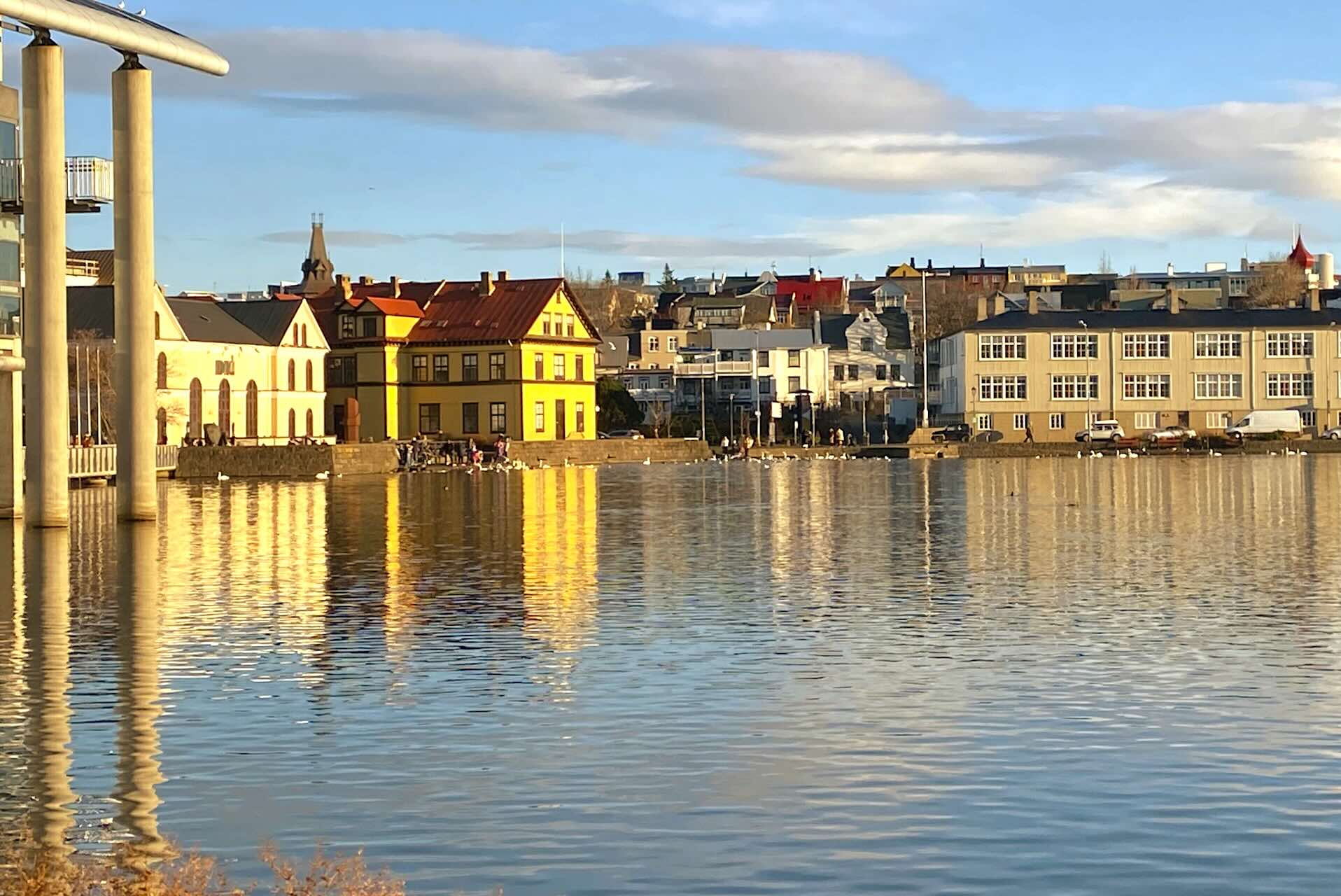
    Reykjavik, Iceland a capital shaped by nature feels open, elemental, and unlike most cities of its size. The first impression is often one of light, air, and space. Even in the center, Reykjavik does not feel cut off from the landscape around it. The sea is close, mountains sit on the horizon, geothermal energy shapes daily life, and the weather itself seems to participate in the identity of the place. Reykjavik is a capital, but it rarely feels dense or heavy. It feels like a city constantly in conversation with the natural world around it.

    Why Reykjavik Feels So Distinct

    Some capitals impress through monumentality or sheer urban force. Reykjavik works through atmosphere and contrast. It feels small for a capital, but not limited. It feels modern, but also raw at the edges. The city offers design, culture, music, and food, yet the surrounding environment always remains part of the experience.

    That is what makes Reykjavik so memorable. It does not try to outcompete larger cities on scale. Instead, it offers something more specific, a capital where urban life still feels deeply shaped by weather, geology, coastline, and light. Travelers who want a city with personality and a strong sense of place often connect with Reykjavik immediately.

    Nature Is Never Far Away

    One of Reykjavik’s strongest qualities is how close nature feels at all times. The city sits beside the water, with views that often include mountains, open sky, and shifting weather systems. Even a short walk through town can remind you that this is not an isolated urban environment. It is a city set directly inside a larger natural frame.

    This matters because it changes the emotional tone of the trip. Reykjavik feels less sealed off than many capitals. There is more air in the experience, more horizon, and more awareness of the land and sea. That openness gives the city a quieter kind of power.

    A Capital Built on Light, Weather, and Space

    Reykjavik’s atmosphere depends heavily on light and season. The city can feel bright and expansive under long summer days, then more intimate and moody when the skies darken and winter settles in. Few capitals change character so visibly through the year, and that seasonal transformation is part of the appeal.

    Weather also shapes the city in a more direct way than in many destinations. Wind, cold, shifting clouds, and sudden brightness all affect how the streets feel. This is not a flaw in the experience. It is part of what gives Reykjavik its identity. The city feels alive because the environment around it remains so present.

    A Coastal City With Northern Clarity

    Reykjavik’s waterfront gives the city some of its clearest beauty. The coastline opens the urban experience outward and reinforces the sense that the sea is part of daily life here. Harbors, walking paths, and views across the bay all help make Reykjavik feel broader than its size would suggest.

    That coastal setting also supports the city’s emotional tone. Reykjavik feels cleaner and sharper than many capitals, partly because the air, the water, and the light all work together. The city has an almost stripped back visual quality at times, and that clarity is one of its main strengths.

    Design, Simplicity, and Everyday Icelandic Style

    Reykjavik has a design minded quality that feels deeply connected to Icelandic culture. The city does not usually rely on grand ornament or excessive display. Instead, much of its appeal comes through simplicity, functionality, and careful visual choices. Cafés, shops, cultural spaces, and public buildings often reflect this approach.

    This design culture helps the city feel current without becoming generic. Reykjavik does not look like every other European capital. It has its own logic, one shaped by northern light, local materials, climate, and a preference for cleaner forms. That makes the city feel thoughtful in a way that many travelers notice quickly.

    A Small Capital With Cultural Energy

    Despite its modest scale, Reykjavik has real cultural momentum. Music, literature, design, nightlife, and food all contribute to a city that feels more creative than its size might suggest. This helps balance the quieter and more elemental side of the place.

    That balance matters. Without its cultural energy, Reykjavik might feel too sparse for some travelers. Without its natural setting, it might feel like a smaller city trying too hard to compete. Together, those two sides create a capital that feels distinct and surprisingly complete.

    The Built Environment Feels Human in Scale

    Reykjavik is one of those capitals that feels approachable almost immediately. The center is manageable, walkable, and easy to read. Streets do not feel overwhelming, and major points of interest are often close enough together to make the city enjoyable without constant logistical effort.

    This human scale is part of what makes Reykjavik so appealing for a shorter stay. You can absorb a lot without exhaustion. At the same time, the city still has enough variety in mood and neighborhood texture to keep it interesting beyond the first day.

    Geothermal Life and a Different Sense of Comfort

    Part of what makes Reykjavik feel so shaped by nature is that Iceland’s geology does not sit in the background. It affects how people live. Geothermal energy, pools, baths, heated spaces, and the general relationship between climate and comfort all contribute to the city’s identity in practical ways.

    This is important because it makes nature feel functional rather than purely scenic. Reykjavik is not just near dramatic landscapes. Daily life has adapted to the realities and opportunities of that environment. That gives the city a more integrated and more believable relationship to the land around it.

    More Than a Gateway to Iceland

    Many travelers first think of Reykjavik as the starting point for the rest of Iceland, and it certainly works well in that role. But treating it only as a base undersells it. Reykjavik has enough character, cultural life, and atmospheric strength to matter on its own.

    This is one of the city’s quiet advantages. It may not dominate an itinerary the way a larger capital would, but it can anchor a trip emotionally. The pace, the design, the sea, and the weather often become part of how people remember Iceland as a whole.

    A City That Rewards Slower Exploration

    Reykjavik works especially well when you do not rush it. A walk by the water, a long coffee, a museum visit, an evening meal, and time spent noticing the light can reveal more than trying to force too much into one day. The city’s pleasures are often cumulative rather than dramatic.

    This is where Reykjavik becomes more than simply interesting. It becomes absorbing. The quieter parts of the city, its texture, rhythm, and relationship to the landscape, begin to register more strongly when you let them.

    When Reykjavik Feels Best

    Reykjavik can be rewarding across the year because each season reveals something different about the city. Summer emphasizes openness, long daylight, and a greater sense of spatial freedom. Winter sharpens the contrast between darkness, warmth, and the city’s smaller pools of light and activity.

    The better question is not which season is objectively best. It is which version of Reykjavik you want. Brighter months make the city feel expansive and airy. Darker months can make it feel moodier, more intimate, and even more tied to the natural forces around it.

    Who Reykjavik Is Best For

    Reykjavik suits travelers who appreciate walkable capitals, design conscious cities, and places where nature still feels present in daily life. It works especially well for solo travelers, couples, and culturally curious visitors who want something more atmospheric than purely monumental.

    It is also a strong fit for travelers who value cities with a clear identity. Reykjavik does not try to be everything. It offers a very specific combination of northern light, urban calm, and environmental presence, and that is exactly why it works.

    The Lasting Appeal of Reykjavik

    Reykjavik stays with people because it feels shaped by forces larger than itself. The sea gives it openness. The weather gives it movement. The geology gives it depth. The cultural life gives it warmth and expression. Nothing about the city feels entirely separate from the natural setting around it.

    That is what makes Reykjavik more than simply Iceland’s capital. It feels like a city where nature is not outside the story, but inside it. For travelers who want a destination with clarity, atmosphere, and a strong relationship between urban life and landscape, Reykjavik remains one of Europe’s most distinctive capitals.

    Plan a trip to Reykjavik today.