Belgrade, Serbia river confluence and night energy come together in a city that feels raw, lively, and full of personality. Belgrade is not polished in the way many European capitals try to be. Its appeal comes through history, rivers, strong public life, cafés, music, old fortifications, and a nightlife culture that gives the city real momentum after dark.
Why Belgrade Feels So Distinct
Belgrade stands out because it feels direct and unfiltered. The city has grand streets, historic corners, river views, and old neighborhoods, but it also carries a rougher urban edge. That mix gives Belgrade a sense of honesty.
Travelers often remember Belgrade because it feels alive. It is not a city that sits quietly for visitors. It moves, argues, eats, drinks, listens to music, and keeps going late into the night.
The River Confluence Shapes the City
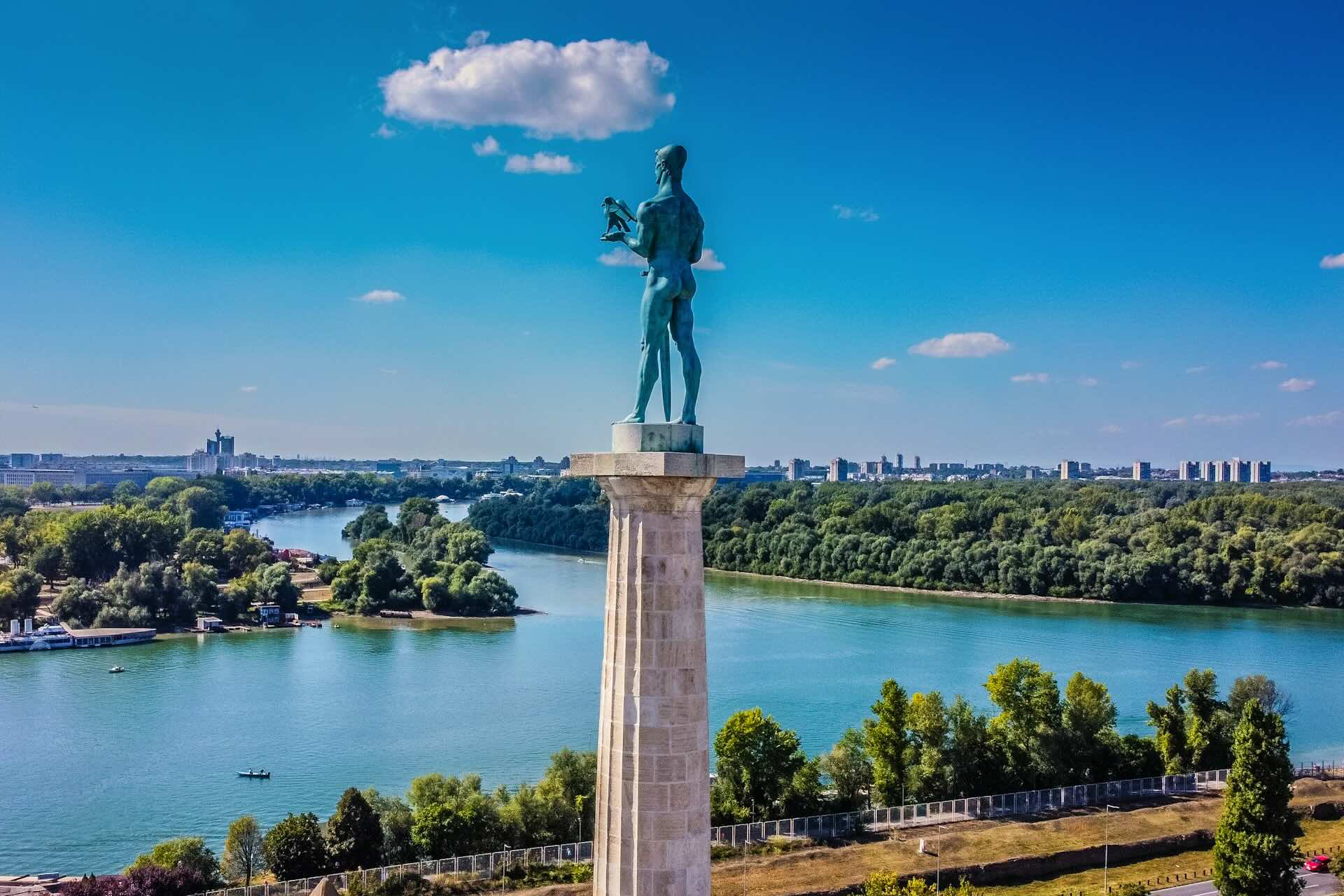
The meeting of the Sava and Danube gives Belgrade one of its defining features. The river confluence creates space, views, and a sense of movement. It also gives the city a natural landmark that feels larger than any single street or square.
This river setting matters because it softens the city’s intensity. Belgrade can feel energetic and dense, but the rivers open it up. Walks near the water give travelers room to breathe and a different way to understand the city.
Kalemegdan and the View Over History
Kalemegdan is one of Belgrade’s strongest travel experiences. The fortress area sits above the rivers and gives the city a dramatic historic anchor. From here, travelers can see why Belgrade has mattered for centuries.
The view is not only scenic. It helps explain the city’s identity. Rivers, walls, parks, and skyline all meet in one place. That makes Kalemegdan one of the best starting points for understanding Belgrade.
Night Energy Defines the Mood
The phrase night energy fits Belgrade perfectly. The city is famous for staying active after dark. Bars, clubs, river venues, restaurants, and late conversations all shape its personality. Nightlife is not just an extra here. It is part of the city’s identity.
That energy makes Belgrade different from quieter capitals. The city often feels more confident at night. Streets fill, music spreads, and the social rhythm becomes easier to understand.
A City of Cafés and Conversation
Belgrade’s café culture adds another layer to its appeal. The city has a strong habit of lingering. People meet, talk, drink coffee, eat, and let time stretch. This gives Belgrade a relaxed social texture during the day.
That café rhythm helps balance the night energy. Belgrade is not only about intensity. It is also about conversation, routine, and daily life. Travelers who slow down often enjoy the city more.
Streets With Character
Belgrade’s streets are not always picture perfect, but they have strong character. Some areas feel elegant. Others feel worn, creative, or transitional. That variety gives the city a real urban texture.
This is part of Belgrade’s charm. It does not feel overly curated. It feels like a capital still changing in visible ways. For travelers who like cities with edge, this can be more interesting than polish.
Architecture With Layers
Belgrade’s architecture reflects many eras and influences. Ottoman traces, Austro-Hungarian touches, socialist blocks, modern buildings, and older civic landmarks all appear across the city. The result can feel uneven, but also compelling.
That unevenness is important. Belgrade’s beauty often comes from contrast rather than harmony. The city shows its history openly, and that gives it depth.
River Life and Open Air Spaces
The rivers give Belgrade more than views. They also create social space. Waterfront walks, floating venues, parks, and riverfront areas help define how people use the city. In warmer months, this outdoor rhythm becomes especially important.
This makes Belgrade feel more open than its streets alone suggest. The rivers give the city a second layer, one built around movement, air, and long evenings by the water.
A Balkan Capital With Edge
Belgrade offers a strong introduction to the Balkans. It feels historic, social, affordable compared with many Western capitals, and full of mood. It is not always easy to summarize, which is part of the reason it stays interesting.
The city works best for travelers who enjoy character over perfection. Belgrade rewards curiosity, flexibility, and a willingness to explore beyond postcard beauty.
Who Belgrade Is Best For
Belgrade is best for travelers who like nightlife, river cities, history, cafés, music, and urban energy. It works well for solo travelers, friend groups, couples, and anyone interested in Balkan culture. It is also a strong fit for travelers who prefer cities that feel real rather than overly polished.
This is not the right city for travelers seeking quiet elegance at every turn. It is better for those who want atmosphere, social life, and a destination with visible layers.
The Lasting Appeal of Belgrade
Belgrade stays memorable because it has force. The river confluence gives it geography. The night energy gives it movement. The cafés, streets, fortress, and neighborhoods give it texture. Together, they create a city that feels alive in a very specific way.
For travelers who want a European capital with edge, rhythm, and strong local character, Belgrade is a rewarding choice. It may not always be graceful, but it is rarely dull. That is exactly what makes it worth visiting.