Tag: European city travel

  • What It’s Like to Wander Through Prague Without a Plan

    What It’s Like to Wander Through Prague Without a Plan

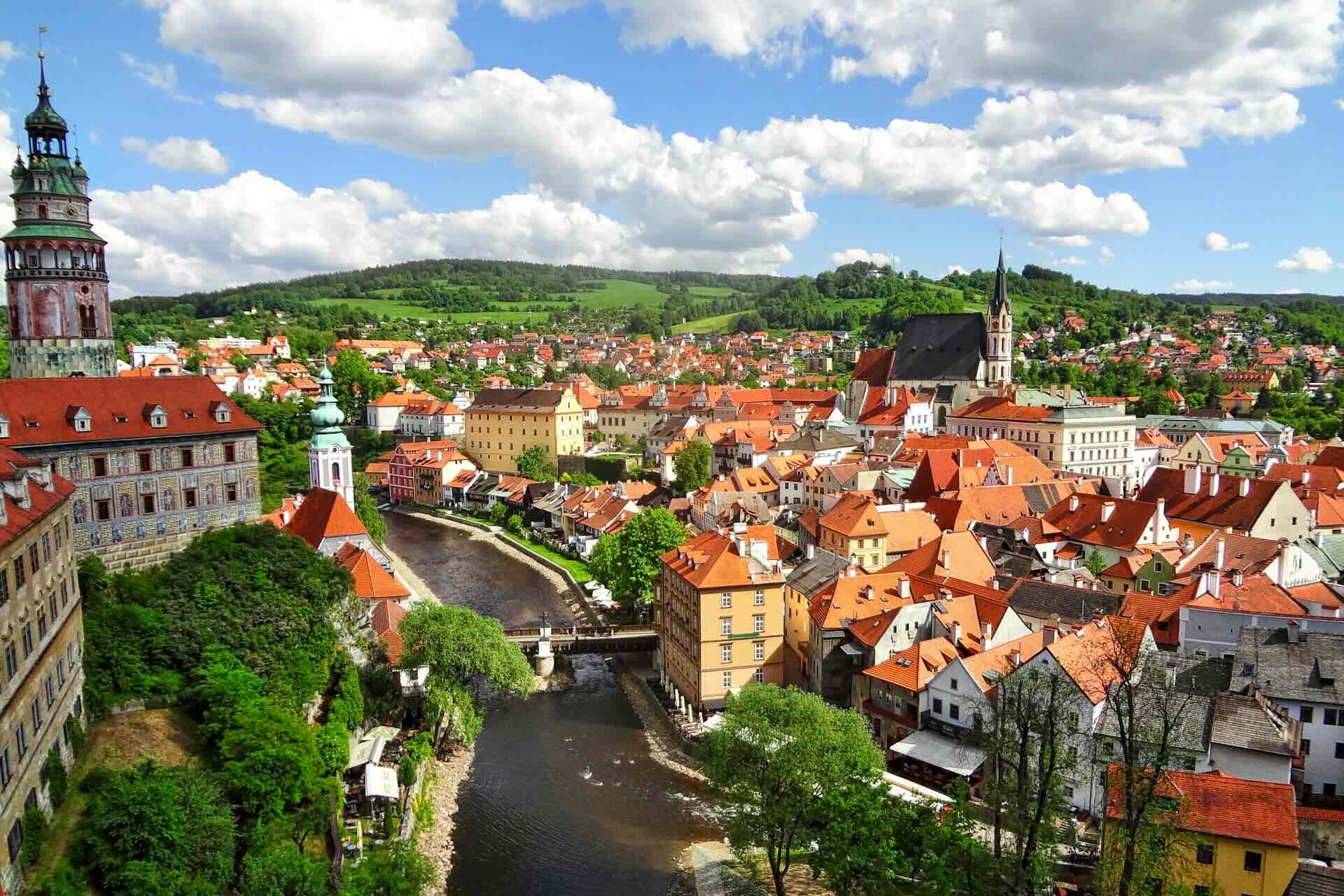
    Prague invites a different kind of travel, and what it’s like to wander through Prague without a plan quickly becomes one of the city’s greatest strengths. This is a place where structure matters less than curiosity. Streets curve unexpectedly, views open suddenly, and history appears without warning. You do not need an itinerary to experience Prague. You need time, attention, and a willingness to follow where the city leads.

    For travelers who enjoy atmosphere, culture, and discovery, Prague rewards unstructured exploration more than careful scheduling. The city feels designed for wandering, not optimizing.

    A City That Encourages Getting Lost

    Prague’s layout naturally resists rigid planning. Medieval streets twist and narrow. Neighborhoods blend into one another. Landmarks appear, disappear, and reappear from different angles.

    Maps help, but they are rarely necessary. The city is compact and walkable. Crossing bridges, climbing small hills, and moving between districts feels intuitive rather than confusing.

    Getting lost in Prague rarely feels stressful. Streets are lively but not overwhelming. There is always somewhere to pause, sit, or recalibrate. Wandering feels safe, calm, and engaging.

    This freedom allows you to experience the city at eye level, not through a checklist.

    First Impressions That Keep Changing

    Prague reveals itself gradually. Your first impression might center on historic architecture and postcard views. As you keep walking, the tone shifts.

    Grand buildings give way to quieter streets. Tourist corridors open into residential areas. The city becomes less performative and more personal.

    Without a plan, you notice details more closely. Doorways, courtyards, small cafés, and unexpected viewpoints become moments rather than stops.

    Each turn slightly redefines how the city feels. Prague does not offer a single mood. It offers layers.

    Neighborhoods That Reward Curiosity

    Wandering through Prague naturally leads you across neighborhoods, each with a distinct energy.

    Old Town feels dense and historic. Even here, stepping a block away from main squares reveals quieter streets and local routines.

    Lesser Town feels intimate and atmospheric. Slopes, stairways, and tucked away gardens create moments of calm amid history.

    Vinohrady and Žižkov feel residential and lived in. Cafés serve locals. Streets feel relaxed. Life unfolds at a slower pace.

    Letná offers space and perspective. Parks and viewpoints encourage lingering and reflection.

    Moving between these areas without an agenda reveals how varied and cohesive Prague truly is.

    Architecture as a Constant Companion

    Architecture defines the wandering experience in Prague. Styles overlap naturally, telling stories through proximity rather than explanation.

    Gothic, baroque, and art nouveau buildings coexist without hierarchy. You are not directed from one era to another. You encounter them simultaneously.

    Buildings feel close and human scaled. You look up often, not because something demands attention, but because beauty feels woven into daily surroundings.

    Without a plan, architecture becomes part of the walk rather than the destination.

    Cafés as Anchors, Not Stops

    Cafés play an important role when wandering without direction. They offer pause, warmth, and orientation without pressure.

    You might sit briefly or stay longer. You might return to the same place more than once, simply because it feels right.

    Cafés in Prague often feel timeless. Interiors are comfortable rather than trendy. Conversations linger. Time stretches naturally.

    These pauses shape the day. They help wandering feel intentional rather than aimless.

    Food That Fits the Rhythm of Exploration

    Eating without a plan in Prague works surprisingly well. The city offers many options that fit naturally into wandering days.

    Meals feel hearty and grounding. Food restores energy rather than interrupting movement.

    You eat when hunger appears, not when schedules dictate. This flexibility keeps the day fluid.

    Food becomes part of the rhythm rather than a focal point.

    Sound, Stillness, and Atmosphere

    Prague’s atmosphere shifts subtly throughout the day. Mornings feel calm and reflective. Afternoons feel social and observant. Evenings feel warm and inviting.

    Street sounds remain present but rarely overwhelming. Conversations, footsteps, and distant music create texture without noise.

    Moments of stillness appear often. Courtyards, side streets, and river paths provide quiet contrast to busier areas.

    Wandering allows you to experience these shifts organically rather than forcing them into time slots.

    Crossing the City Through Its Bridges

    Bridges in Prague are more than crossings. They are transitions between moods.

    Crossing the river changes perspective. Views widen. The city feels larger, then closer again.

    Bridges invite lingering. You stop, look, and reflect without intention.

    They help orient you emotionally rather than geographically.

    A Different Relationship With Time

    Without a plan, time in Prague feels generous. Hours pass without urgency. Days feel full without being exhausting.

    You stop measuring productivity, counting sights and focus on presence.

    This shift often becomes the most memorable part of the trip. Prague encourages slowing down without boredom.

    Time feels spent, not used.

    Why Wandering Works Especially Well in Prague

    Some cities demand planning to avoid frustration. Prague does the opposite.

    The city’s scale, safety, beauty, and cohesion make unstructured exploration rewarding.

    You rarely feel you are missing something. You feel you are discovering something.

    This creates confidence. You trust your instincts. You follow interest rather than obligation.

    Letting the City Lead the Experience

    Wandering without a plan changes how you engage with a place. You notice patterns instead of highlights, recognize streets and develop preferences. You build familiarity.

    Prague responds well to this approach. It reveals character through repetition and observation.

    The city becomes less about where you go and more about how you feel moving through it.

    Why This Experience Stays With You

    Many travelers remember Prague not for specific sights, but for how it felt to be there.

    The sense of ease. The beauty without effort. The discovery without pressure.

    Wandering through Prague without a plan creates memories rooted in atmosphere rather than accomplishment.

    That feeling stays long after details fade.

    How to Embrace Unplanned Travel in Prague

    Start walking with no destination. Cross the river without reason. Turn when something catches your attention.

    Sit often. Observe quietly. Let curiosity guide movement.

    Resist the urge to optimize. Allow repetition. Trust that the city will offer enough.

    Prague rewards openness more than efficiency.

    Why Prague Feels Made for Wandering

    What it’s like to wander through Prague without a plan comes down to one truth. The city supports exploration without demanding structure.

    It offers beauty, safety, culture, and calm in equal measure.

    You do not need to chase experiences here. They meet you where you are.

    That balance is what makes Prague unforgettable.
    Plan a trip to Prague today.

  • Why Amsterdam Is About More Than Canals and Bikes

    Why Amsterdam Is About More Than Canals and Bikes

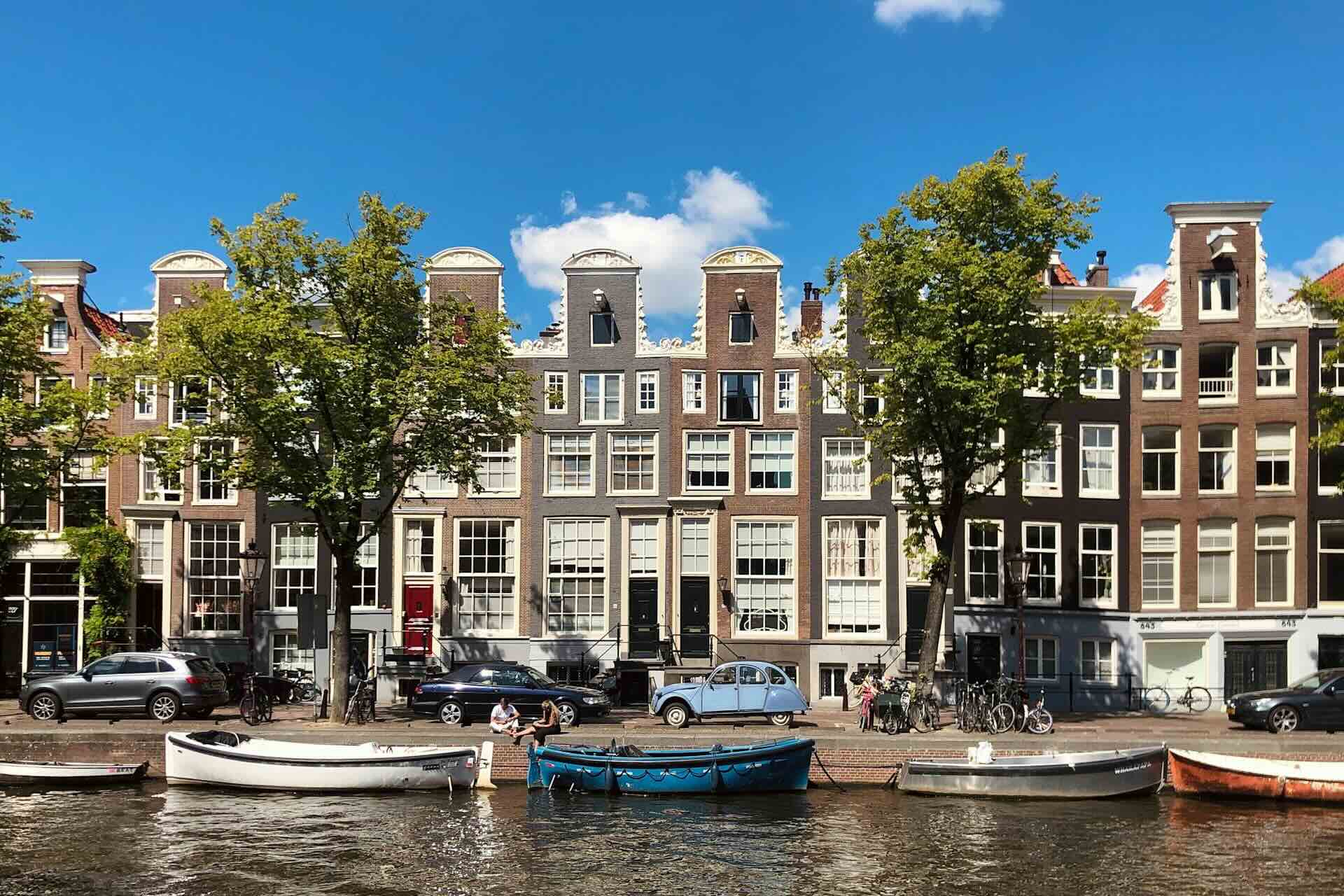
    Amsterdam is often reduced to a postcard image, and why Amsterdam is about more than canals and bikes becomes clear once you move past first impressions. The waterways and cycling culture are real, but they are only the surface of a city shaped by ideas, tolerance, design, and everyday rituals that feel quietly intentional. Amsterdam reveals itself through how people live, not just what they pass by.

    For travelers who value culture, food, neighborhoods, and lived experience, Amsterdam offers depth without drama. It feels approachable, yet layered enough to reward time and attention.

    A City Built on Ideas, Not Just Infrastructure

    Amsterdam’s identity is rooted in values as much as visuals. Openness, pragmatism, and individual freedom shape how the city functions.

    Historically, Amsterdam thrived as a trading city that welcomed different cultures, beliefs, and perspectives. That openness became a defining trait rather than a temporary strategy.

    You still feel this today. Differences are accommodated rather than spotlighted. Daily life feels designed to work for people with varied needs and lifestyles.

    This mindset explains much of what visitors notice, from urban planning to social norms. The city prioritizes coexistence over spectacle.

    Neighborhoods That Define Daily Life

    Amsterdam’s character lives in its neighborhoods. Each area carries a distinct tone that goes beyond scenery.

    The Jordaan feels intimate and lived in. Narrow streets, local cafés, and small shops create a sense of community. It is a place to slow down and observe daily routines.

    De Pijp feels energetic and multicultural. Food from around the world, busy markets, and casual social life give the area constant motion.

    Oud West blends residential calm with creative energy. Independent stores, bakeries, and green spaces make it feel balanced and practical.

    Amsterdam Noord feels experimental and evolving. Creative spaces, waterfront views, and repurposed industrial areas show how the city adapts without erasing its past.

    Spending time across neighborhoods reveals a city built around living well rather than impressing visitors.

    Food Culture Beyond Expectations

    Amsterdam’s food scene often surprises travelers who expect simplicity. While traditional dishes remain important, the city’s culinary identity reflects global influence and thoughtful execution.

    Local cafés focus on quality and consistency. Coffee culture emphasizes care and atmosphere rather than speed.

    Markets play a central role. They bring together food, conversation, and community. Walking through them offers insight into daily preferences and habits.

    Restaurants range widely in style and price, but many share an emphasis on seasonal ingredients and balance. Meals feel intentional without feeling precious.

    Food in Amsterdam supports daily life. It complements routines rather than dominating schedules.

    Design as a Way of Thinking

    Design in Amsterdam is not limited to museums or galleries. It shapes everyday experiences.

    Buildings balance form and function. Interiors feel calm and purposeful. Public spaces prioritize usability and comfort.

    This approach reflects a broader cultural value placed on practicality and restraint. Beauty emerges from usefulness rather than excess.

    Design choices support how people move, gather, and rest. You notice how naturally spaces work together.

    Spending time in the city helps you understand design as mindset rather than aesthetic.

    Culture That Feels Integrated, Not Staged

    Amsterdam’s cultural offerings feel integrated into daily life. Museums and institutions are important, but culture also exists outside formal settings.

    Art appears in public spaces, small galleries, and unexpected corners. Creativity feels accessible rather than elevated.

    Music, film, and performance often happen in intimate venues. Experiences feel personal and participatory.

    Cultural engagement does not require planning or expertise. Curiosity is enough.

    This integration makes culture feel lived rather than displayed.

    A Different Relationship With Time

    Amsterdam operates with a steady, balanced pace. The city does not rush, but it also does not linger aimlessly.

    Work and leisure coexist clearly. People make time for rest, social connection, and personal interests.

    Evenings feel relaxed. Meals are enjoyed without pressure. Conversations take precedence over schedules.

    This rhythm shapes how visitors experience the city. You feel encouraged to slow down without disengaging.

    Time feels well spent rather than filled.

    Social Norms That Shape the Experience

    Amsterdam’s social culture values directness, respect, and independence. People communicate clearly and expect personal responsibility.

    This honesty can feel refreshing. Interactions are straightforward and grounded.

    At the same time, privacy is respected. Personal space matters. Social engagement happens by choice, not obligation.

    These norms create a sense of ease. You know where you stand, and you are free to move at your own pace.

    Nature and Urban Balance

    Green space plays an important role in Amsterdam. Parks, waterways, and tree lined streets soften the urban environment.

    People use these spaces actively. Picnics, walks, and quiet reflection are common parts of daily life.

    Water shapes movement and mood. It provides calm and continuity throughout the city.

    This balance between nature and urban life contributes to Amsterdam’s livability.

    Why Amsterdam Feels Familiar Yet Distinct

    Many travelers feel comfortable in Amsterdam quickly. The city is navigable, friendly, and intuitive.

    Yet it also feels different. Values around openness, design, and balance create subtle contrasts with other cities.

    You recognize patterns, but the tone shifts. That combination makes exploration rewarding without stress.

    Amsterdam does not demand adaptation. It invites understanding.

    Moving Past the Stereotypes

    Canals and bikes are part of Amsterdam’s identity, but they are not its essence.

    Reducing the city to visuals misses its deeper character. The real experience lies in routines, values, and everyday interactions.

    When you move past stereotypes, Amsterdam feels richer and more personal.

    You stop collecting images and start noticing patterns of life.

    How to Experience Amsterdam More Fully

    To experience Amsterdam beyond the surface, allow time for routine. Return to the same café. Walk the same street at different times of day.

    Explore neighborhoods rather than landmarks alone. Sit and observe. Notice how people use space.

    Balance popular sights with unplanned wandering. Let curiosity guide choices.

    This approach reveals the city’s quieter strengths.

    Why Amsterdam Stays With You

    Amsterdam stays with travelers because it models a way of living that feels intentional and humane.

    It shows how cities can be functional without feeling cold, cultural without feeling performative, and social without feeling forced.

    Why Amsterdam is about more than canals and bikes comes down to this. The city prioritizes how life feels.

    That focus leaves a lasting impression.

    Plan a trip to Amsterdam today.