Tag: France travel

  • Avignon, France Historic Walls and Provençal Warmth

    Avignon, France Historic Walls and Provençal Warmth

    Avignon, France historic walls and Provençal warmth come together in a city that feels fortified, sunlit, and deeply atmospheric. Avignon has the visual weight of medieval stone, but it also carries the softer rhythm of southern France. Its appeal comes through old ramparts, papal history, shaded squares, café terraces, narrow streets, river views, and the warm light of Provence.

    Why Avignon Feels So Distinct

    Avignon stands out because its history is immediately visible. The city walls still give the old center a strong sense of enclosure and identity. Entering the historic core feels like stepping into a place with clear edges, deep memory, and a strong connection to the past.

    Yet Avignon does not feel cold or severe. The stone is balanced by Provençal warmth, outdoor dining, local markets, and easy southern rhythm. This mix gives the city both grandeur and approachability.

    Historic Walls Shape the City

    The phrase historic walls fits Avignon naturally. The ramparts give the city a powerful first impression and help define its old world character. They make Avignon feel protected, structured, and visually distinct from many other French cities.

    These walls also change the way travelers experience the city. The historic center feels compact and walkable, with streets, squares, churches, shops, and cafés gathered inside a clear medieval frame. The result feels immersive without being overwhelming.

    Provençal Warmth Defines the Mood

    Avignon’s Provençal warmth comes through in its light, pace, food, and public life. The city feels southern in the best way. Cafés spill into squares, meals last longer, and the atmosphere invites travelers to slow down.

    This warmth matters because Avignon could easily feel dominated by its history. Instead, daily life softens the old stone. The city feels lived in, social, and relaxed beneath its medieval surface.

    The Palace Gives Avignon Grandeur

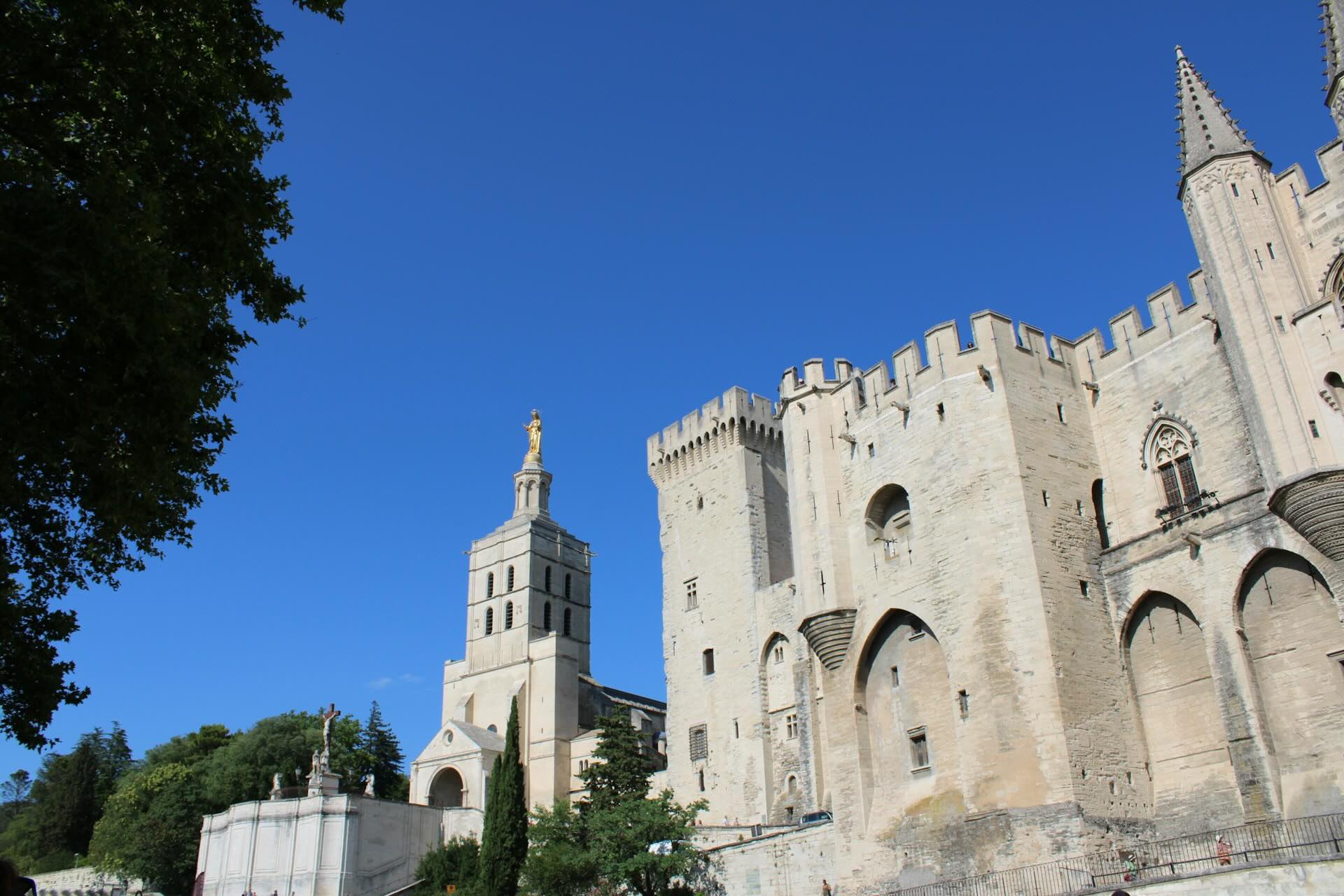
    The Palais des Papes gives Avignon one of its strongest landmarks. Its scale and stone presence make the city’s former papal importance easy to understand. The palace feels massive, serious, and deeply tied to European history.

    This grandeur gives Avignon weight. The city is not only charming. It has real historical force, and the palace anchors that identity at the center of the old town.

    Old Streets and Quiet Corners

    Avignon rewards slow walking. Narrow lanes, small squares, courtyards, old facades, and shaded passages all give the city texture. The best moments are not limited to the major sights.

    This is where Avignon becomes more personal. A quiet street, a café table, or a sunlit wall can feel just as memorable as a landmark. The city’s charm builds through details.

    River Views and Open Space

    The Rhône River adds space and air to Avignon’s historic setting. After moving through enclosed streets and stone walls, the river gives the city a wider perspective. Views toward the water help balance the dense old center.

    This contrast gives Avignon more variety. The city has both medieval intimacy and open riverfront atmosphere. That makes it easier to spend more than a quick stop here.

    Food, Markets, and Southern Flavor

    Avignon’s food culture reflects its Provençal setting. Markets, cafés, wine, produce, olive oil, herbs, bread, and simple regional dishes all help define the experience. Food feels closely tied to season, light, and place.

    This makes Avignon especially satisfying for travelers who enjoy slower meals and local flavor. The city is not only something to see. It is something to taste and settle into.

    A Strong Base for Provence

    Avignon works well as a base for exploring Provence. Nearby villages, vineyards, Roman sites, lavender country, and countryside drives make the city practical for a broader itinerary. It gives travelers history in the center and regional access beyond it.

    That base value is important. Avignon can be both a destination and a starting point. It offers enough atmosphere for its own visit while also helping travelers reach some of southern France’s most appealing landscapes.

    A City That Changes With the Light

    Avignon’s mood changes throughout the day. Morning light softens the stone. Afternoon brings stronger Provençal brightness. Evening turns the squares, walls, and terraces warmer and more relaxed.

    This changing light is part of the city’s appeal. Avignon is not only about monuments. It is about atmosphere, timing, and the way southern France makes old stone feel alive.

    Who Avignon Is Best For

    Avignon is best for travelers who enjoy history, architecture, food, wine, walkable old towns, and southern French atmosphere. It works well for couples, solo travelers, culture focused visitors, and anyone building a Provence itinerary.

    This is not a city that needs to impress through speed or size. Avignon works through history, warmth, and setting. That makes it especially rewarding for travelers who enjoy depth with an easy pace.

    The Lasting Appeal of Avignon

    Avignon stays memorable because it combines strength and softness. The historic walls give it structure. The Provençal warmth gives it life. The palace, river, cafés, markets, and old streets give the city its lasting character.

    For travelers who want a French city with medieval presence and southern charm, Avignon is a strong choice. It proves that history feels most powerful when it is still surrounded by daily life, good food, and warm light.

    Plan a trip to Avignon today.

  • Lyon, France River Life and Serious Food Culture

    Lyon, France River Life and Serious Food Culture

    Lyon, France river life and serious food culture come together in a city that feels elegant, grounded, and deeply satisfying. Lyon is one of France’s most rewarding cities for travelers who care about food, history, architecture, and daily rhythm. Its appeal comes through two rivers, old passageways, lively markets, hilltop views, grand squares, and a culinary culture that feels central to the city’s identity.

    Why Lyon Feels So Distinct

    Lyon stands out because it feels important without feeling overwhelming. It has the beauty and depth of a major French city, but it moves with a more local rhythm than Paris. The city feels refined, but not distant.

    That balance gives Lyon real strength. Travelers can explore historic neighborhoods, eat exceptionally well, walk along the rivers, and enjoy the city without feeling rushed by constant spectacle.

    River Life Shapes the City

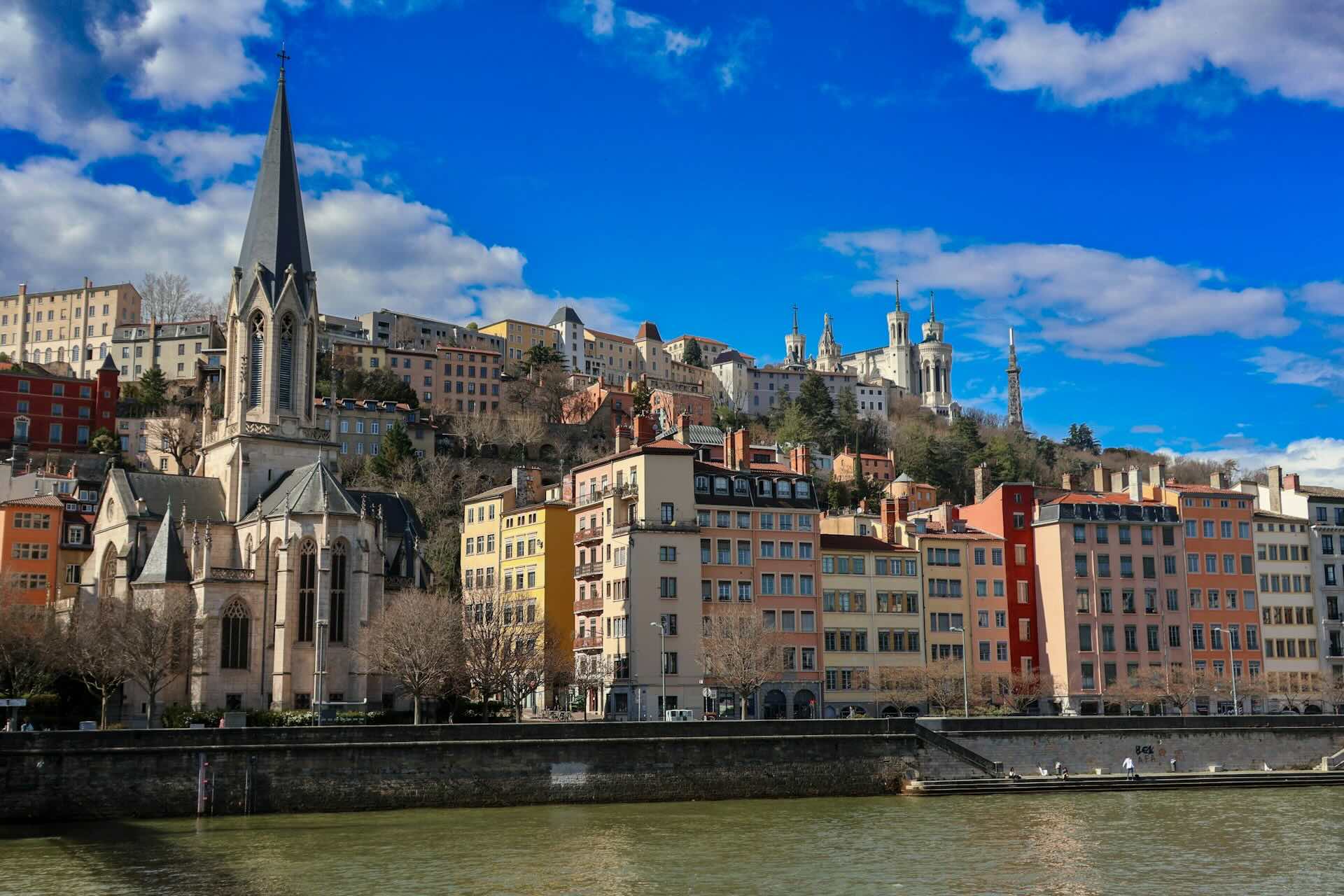
    The phrase river life fits Lyon because the Rhône and Saône give the city structure, movement, and atmosphere. The rivers divide neighborhoods, frame walks, and create open views through the urban center.

    This river setting makes Lyon feel more relaxed than its size suggests. Bridges, quays, paths, and waterfront spaces give travelers room to move and pause. The rivers make the city feel connected and easy to read.

    Serious Food Culture Defines Lyon

    Lyon’s food culture is one of its strongest identities. The city has a long reputation for serious cooking, traditional restaurants, markets, charcuterie, sauces, pastries, and regional dishes. Food here is not a side activity. It is one of the main reasons to visit.

    This culinary depth gives Lyon a clear sense of place. Meals feel tied to local tradition, skill, and pride. Travelers who enjoy food will find Lyon especially rewarding because the city treats eating as part of daily culture.

    Bouchons and Local Tradition

    Lyon’s bouchons are central to its food identity. These traditional restaurants serve hearty local dishes in warm, informal settings. They give visitors a direct way to experience the city’s culinary roots.

    The appeal is not only the food. It is also the atmosphere. A bouchon feels social, generous, and deeply local. It gives Lyon’s food culture a personality that is both serious and approachable.

    Old Lyon and Historic Texture

    Vieux Lyon gives the city much of its historic charm. Renaissance buildings, narrow streets, courtyards, and passageways create a rich old quarter that rewards slow walking. The area feels layered, compact, and atmospheric.

    This historic texture adds depth to Lyon’s elegance. The city is not only grand squares and river views. It also has hidden corridors, old facades, and quieter spaces that make exploration more personal.

    Traboules and Hidden Passageways

    Lyon’s traboules are one of its most distinctive features. These covered passageways connect streets through buildings and courtyards. They add mystery and intimacy to the city’s historic fabric.

    This makes Lyon especially interesting for travelers who like cities with secrets. The traboules turn a walk into discovery. They also show how history, architecture, and daily use can overlap in one urban detail.

    Hills, Views, and City Shape

    Lyon’s hills give the city strong viewpoints and a sense of depth. From higher areas, travelers can see rooftops, rivers, bridges, church towers, and the broader urban landscape. These views help connect the city’s different parts.

    The hills also add variety. Lyon is not flat or visually repetitive. It shifts between riverbanks, old streets, formal squares, and elevated views, which keeps the city engaging across a longer stay.

    Markets and Everyday Eating

    Lyon’s markets help explain why the city’s food culture feels so serious. Fresh produce, cheese, meats, breads, pastries, wine, and prepared foods all show how closely the city connects daily life with eating well.

    This everyday side matters. Lyon’s culinary identity is not only about famous chefs or formal meals. It is also about shopping, cooking, tasting, and treating food as a normal part of quality living.

    A Strong Base for French Travel

    Lyon works well as a standalone city break, but it also fits easily into a broader France itinerary. Its location makes it practical for travelers moving between Paris, Provence, Burgundy, the Alps, or Switzerland.

    That makes Lyon useful as well as beautiful. It can serve as a cultural stop, a food destination, or a slower place to pause between bigger travel regions. The city gives substance to almost any French itinerary.

    Who Lyon Is Best For

    Lyon is best for travelers who enjoy food, rivers, architecture, markets, history, and walkable neighborhoods. It works well for couples, solo travelers, culture focused visitors, and anyone who wants a French city with depth beyond the obvious routes.

    This is not a city that needs to shout. Lyon works through flavor, rhythm, craft, and confidence. That makes it especially satisfying for travelers who appreciate substance over surface.

    The Lasting Appeal of Lyon

    Lyon stays memorable because it feels complete. The river life gives it movement. The serious food culture gives it identity. The old streets, markets, hills, bridges, and restaurants give the city its lasting depth.

    For travelers who want a French city built around history, daily life, and exceptional food, Lyon is a strong choice. It proves that some of France’s best travel experiences are found not only in beauty, but in the way a city lives, eats, and gathers.

    Plan a trip to Lyon today.

  • Strasbourg, France Canal Views and French German Character

    Strasbourg, France Canal Views and French German Character

    Strasbourg, France canal views and French German character come together in a city that feels layered, picturesque, and deeply atmospheric. Strasbourg sits at a cultural crossroads, and that gives it a personality unlike most French cities. Its beauty comes through timbered houses, waterways, grand squares, church spires, bridges, cafés, and a strong sense of regional identity.

    Why Strasbourg Feels So Distinct

    Strasbourg stands out because it does not feel purely French or purely German. It carries both influences in its architecture, food, streets, and rhythm. That mix gives the city real depth. It feels familiar in parts, but never generic.

    This is what makes Strasbourg so rewarding for travelers. The city has postcard beauty, but also a deeper cultural texture. It feels historic, walkable, and full of character without losing its everyday ease.

    Canal Views Shape the City

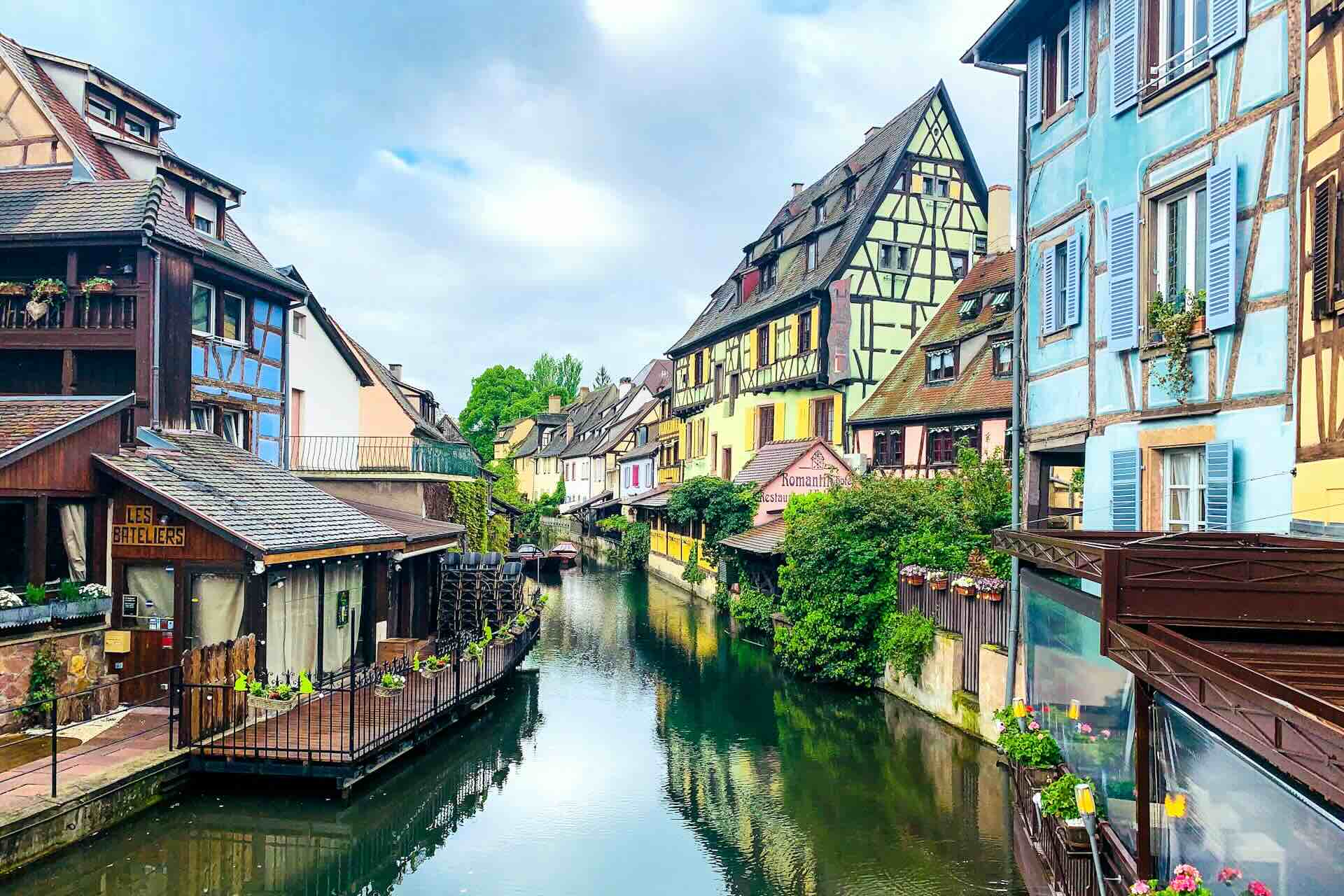
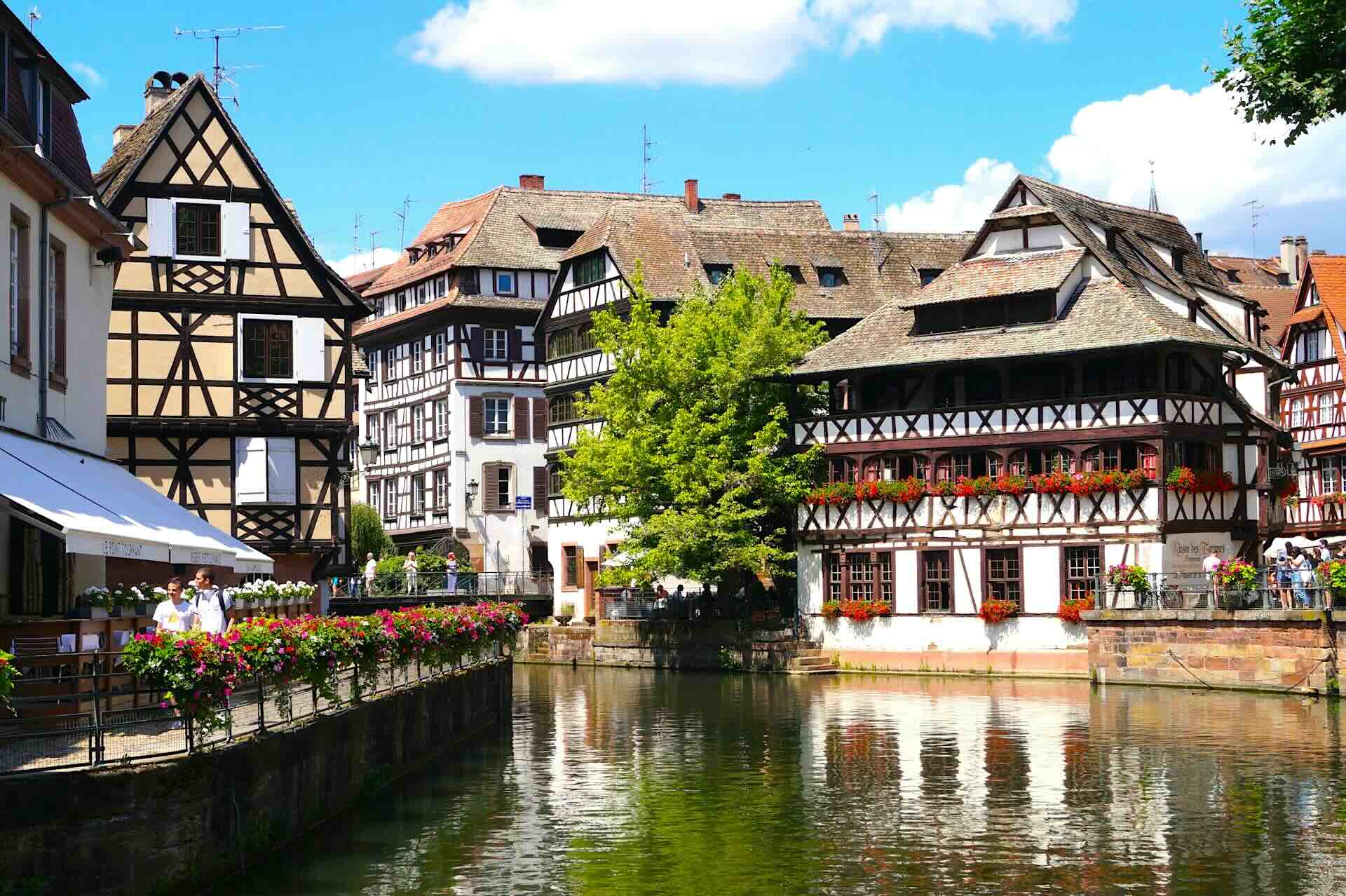
    The canal views are central to Strasbourg’s appeal. Water curves around historic streets, half timbered houses, bridges, and small islands. Reflections soften the architecture and give the city a slower visual rhythm.

    This water setting makes Strasbourg feel especially romantic. The canals do not only decorate the city. They shape how travelers move through it, where they pause, and how the historic center reveals itself.

    French German Character Gives Strasbourg Depth

    Strasbourg’s French German character gives the city its strongest identity. You can feel it in the buildings, menus, street names, traditions, and local atmosphere. The city feels refined, but also hearty. It feels elegant, but still grounded.

    That blend makes Strasbourg different from more typical French destinations. It has French grace, Alsatian warmth, and Central European structure. The result feels highly specific and easy to remember.

    A Historic Center Built for Wandering

    Strasbourg’s historic center works beautifully on foot. Narrow streets, canals, bridges, squares, and old facades create a compact but richly detailed experience. The best way to see the city is often without moving too quickly.

    Walking gives Strasbourg its full effect. A quiet lane can open toward a canal. A small bridge can lead to a lively square. A church tower can appear suddenly above rooftops. The city rewards slow movement.

    Petite France and Picture Perfect Charm

    Petite France is one of Strasbourg’s most recognizable areas. Its timbered houses, waterside views, and narrow streets give the city much of its storybook image. The district feels charming, but it also reflects the city’s older working history.

    That makes the beauty feel more meaningful. Petite France is not just a pretty backdrop. It is a place where Strasbourg’s canals, architecture, and regional identity come together clearly.

    The Cathedral Gives the City Grandeur

    Strasbourg’s cathedral adds vertical drama to the city’s softer canal scenes. Its stonework, height, and presence give Strasbourg a powerful historic anchor. The surrounding streets make the approach feel even more impressive.

    This contrast is important. Strasbourg has gentle beauty at water level, but the cathedral gives it scale and intensity. Together, they make the city feel complete.

    Food, Cafés, and Alsatian Warmth

    Strasbourg’s food culture adds warmth to the travel experience. Alsatian dishes, bakeries, wine, cafés, and traditional restaurants give the city a strong sense of place. The cuisine reflects the same French German blend that shapes the architecture.

    This matters because Strasbourg is not only beautiful to look at. It is also satisfying to sit in, taste, and experience slowly. Meals become part of the city’s atmosphere.

    A City That Changes With the Seasons

    Strasbourg feels appealing in many seasons. Spring and summer bring canal walks, outdoor dining, and bright facades. Autumn adds softer color and a quieter rhythm. Winter gives the city a more festive and intimate mood.

    That seasonal flexibility makes Strasbourg especially useful for travel planning. It can work as a romantic weekend, a cultural city break, or a stop on a broader Alsace itinerary.

    More Than a Pretty Old Town

    Strasbourg is often admired for its historic beauty, but it is more than an old town. It has a strong civic identity, a living university culture, and a wider urban life beyond the most photographed streets. That keeps the city from feeling static.

    This gives Strasbourg more depth than a simple scenic stop. Travelers can enjoy the famous views, then continue into neighborhoods, parks, museums, restaurants, and quieter local streets.

    Who Strasbourg Is Best For

    Strasbourg is best for travelers who enjoy canals, architecture, food, regional culture, and walkable cities. It works well for couples, solo travelers, families, and anyone interested in European cities with blended identities.

    This is also a strong destination for travelers who want charm without losing substance. Strasbourg is beautiful, but it also has cultural weight. That combination makes it especially rewarding.

    The Lasting Appeal of Strasbourg

    Strasbourg stays memorable because it has a clear and unusual identity. The canal views give it softness. The French German character gives it depth. The cathedral, timbered houses, food, and streets give the city its lasting atmosphere.

    For travelers who want a city that feels romantic, historic, and culturally layered, Strasbourg is a strong choice. It offers beauty with texture and charm with real regional meaning.

    Plan a trip to Strasbourg today.