Tag: historic cities Europe

  • Bucharest, Romania Belle Époque Grandeur and New Energy

    Bucharest, Romania Belle Époque Grandeur and New Energy

    Bucharest, Romania Belle Époque grandeur and new energy come together in a capital that feels layered, surprising, and full of contrast. Bucharest is a city of wide boulevards, ornate facades, Orthodox churches, garden restaurants, communist-era scale, creative neighborhoods, and a growing urban confidence. It does not reveal itself all at once, but that is part of its appeal.

    Why Bucharest Feels So Distinct

    Bucharest stands out because it blends elegance, history, grit, and reinvention. Some streets feel grand and theatrical. Others feel worn, practical, and in transition. The result is a city with real texture.

    This contrast gives Bucharest depth. It is not a perfectly polished capital, and that makes it more interesting. Travelers who enjoy cities with layers, change, and strong local life often find Bucharest more rewarding than expected.

    Belle Époque Grandeur Shapes the City

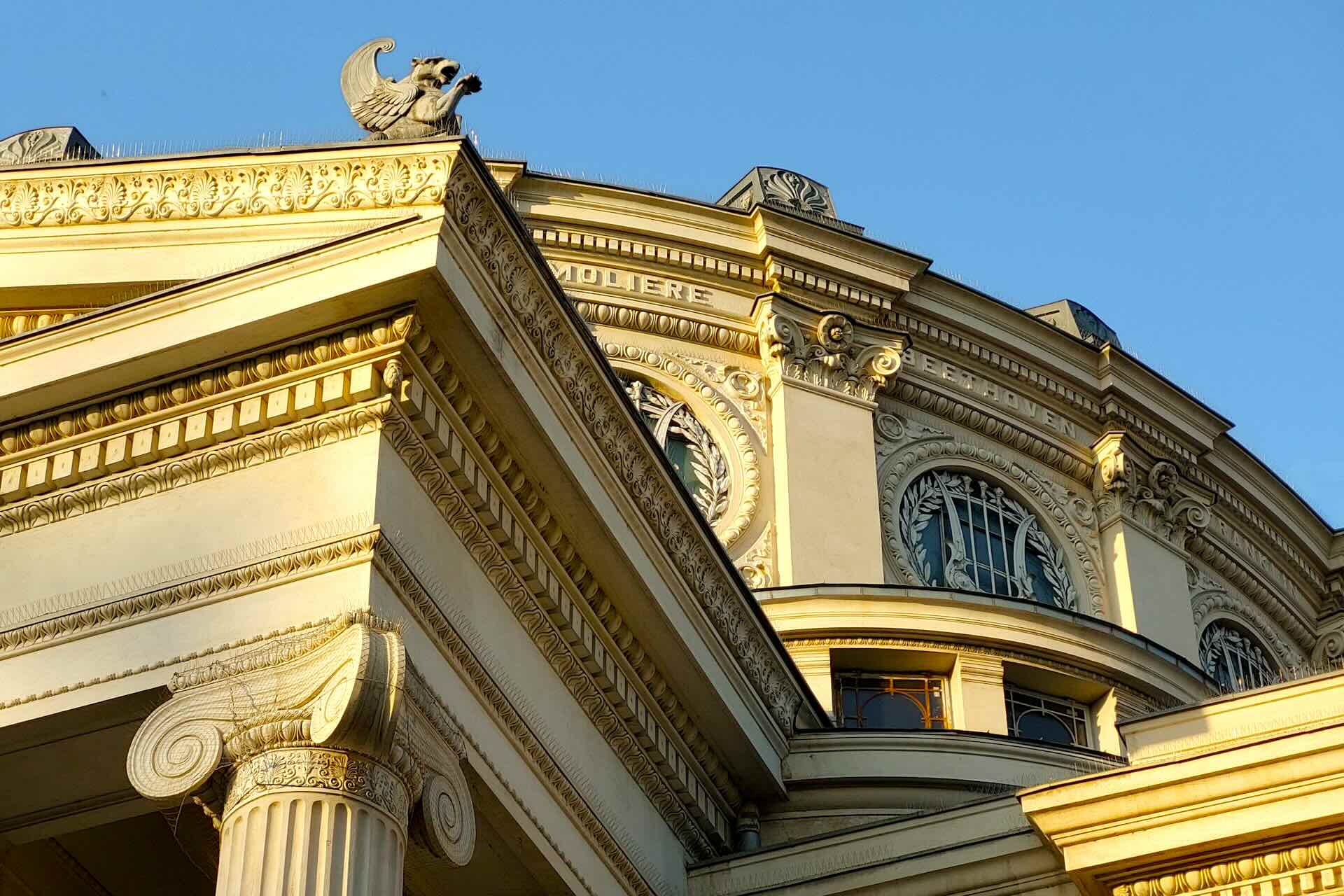
    The phrase Belle Époque grandeur fits Bucharest because parts of the city still show the elegance that once earned it comparisons to Paris. Ornate buildings, formal avenues, historic mansions, balconies, and old hotels give Bucharest a graceful architectural side.

    This grandeur gives the city visual drama. Even when buildings show age, they still carry character. Bucharest’s older architecture often feels romantic, atmospheric, and full of memory.

    New Energy Defines the Mood

    Bucharest’s new energy comes through in its cafés, restaurants, galleries, nightlife, design spaces, and creative districts. The city feels active and evolving, with younger locals reshaping old buildings and underused areas into social and cultural spaces.

    This energy matters because Bucharest is not only a city of the past. It is changing in visible ways. Travelers can feel that momentum in its food scene, coffee culture, independent shops, and nightlife.

    The Old Town Adds Lively Contrast

    Bucharest’s Old Town gives the city one of its busiest visitor areas. Streets filled with restaurants, bars, churches, historic facades, and nightlife create a lively contrast to the city’s broader boulevards and quieter neighborhoods.

    The Old Town can feel energetic and uneven, but it shows an important side of Bucharest. It brings together tourism, local social life, restored buildings, and remnants of older commercial streets.

    Grand Boulevards and Monumental Scale

    Bucharest has a strong sense of scale. Wide boulevards, large squares, official buildings, and major civic spaces show how different political periods shaped the city. Some areas feel elegant. Others feel massive and severe.

    This scale adds complexity to Bucharest. The city is not only charming streets and cafés. It also carries the weight of twentieth-century history, urban planning, and political ambition.

    Orthodox Churches Add Quiet Beauty

    Bucharest’s Orthodox churches offer some of the city’s most peaceful moments. Small churches, painted interiors, courtyards, icons, and candlelit spaces appear throughout the urban fabric. They often sit close to busy streets, creating sudden pockets of calm.

    These churches give Bucharest emotional depth. They balance the city’s grand avenues and modern energy with intimacy, faith, and tradition.

    Parks and Gardens Soften the Capital

    Bucharest has parks and gardens that make the city easier to enjoy at a slower pace. Green spaces, lakes, shaded paths, and outdoor cafés help soften the density and traffic of the capital.

    This balance is important. Bucharest can feel intense in places, but its parks give travelers room to pause. They also show a more relaxed and local side of the city.

    Cafés, Restaurants, and Local Rhythm

    Bucharest’s café and dining scene adds warmth to the travel experience. Coffee shops, wine bars, traditional restaurants, modern kitchens, bakeries, and garden terraces all help define the city’s new rhythm.

    This food and café culture makes Bucharest especially enjoyable for travelers who like to settle into a city. The best moments are often simple: a long lunch, a quiet courtyard, a strong coffee, or an evening walk between neighborhoods.

    Architecture With Many Eras

    Bucharest’s architecture moves between Belle Époque buildings, Art Deco details, Orthodox churches, socialist apartment blocks, monumental state projects, and contemporary design. This variety can feel messy, but it is central to the city’s identity.

    The city’s beauty is not always uniform. It works through contrast. Bucharest asks travelers to look closely rather than expect every street to match.

    A Gateway to Romania

    Bucharest also works well as a starting point for exploring Romania. From the capital, travelers can build routes toward Transylvania, mountain towns, castles, monasteries, wine regions, and the Black Sea coast.

    That makes Bucharest useful as more than an arrival city. It can anchor a broader Romania trip while offering its own culture, history, nightlife, and architecture.

    Who Bucharest Is Best For

    Bucharest is best for travelers who enjoy architecture, cafés, nightlife, history, urban contrast, and cities in transition. It works well for solo travelers, couples, culture focused visitors, and anyone curious about Eastern Europe beyond the most familiar routes.

    This is not a city built around perfect order. Bucharest works through grandeur, change, memory, and momentum. That makes it especially rewarding for travelers who prefer character over polish.

    The Lasting Appeal of Bucharest

    Bucharest stays memorable because it feels grand, complicated, and alive. The Belle Époque grandeur gives it elegance. The new energy gives it movement. The churches, parks, boulevards, cafés, nightlife, and mixed architecture give the city its lasting personality.

    For travelers who want a European capital with history, contrast, and creative momentum, Bucharest is a strong choice. It proves that some cities become more interesting when they show both their scars and their ambition.
    Plan a trip to Bucharest today.

  • Sofia, Bulgaria Golden Churches and Mountain Framing

    Sofia, Bulgaria Golden Churches and Mountain Framing

    Sofia, Bulgaria golden churches and mountain framing come together in a city that feels layered, grounded, and quietly compelling. Sofia is one of Europe’s oldest capitals, but it does not present its history in a polished or predictable way. Its appeal comes through Orthodox domes, Roman ruins, mineral springs, broad boulevards, café culture, communist-era architecture, and the steady presence of Mount Vitosha behind the city.

    Why Sofia Feels So Distinct

    Sofia stands out because it feels ancient and modern at the same time. Roman remains, Byzantine influences, Ottoman traces, Orthodox churches, socialist buildings, and contemporary cafés all exist close together. The result is not always seamless, but it is deeply interesting.

    This layered quality gives Sofia real character. It is not a city that feels curated only for visitors. It feels lived in, complex, and shaped by many historical periods that still remain visible.

    Golden Churches Shape the City

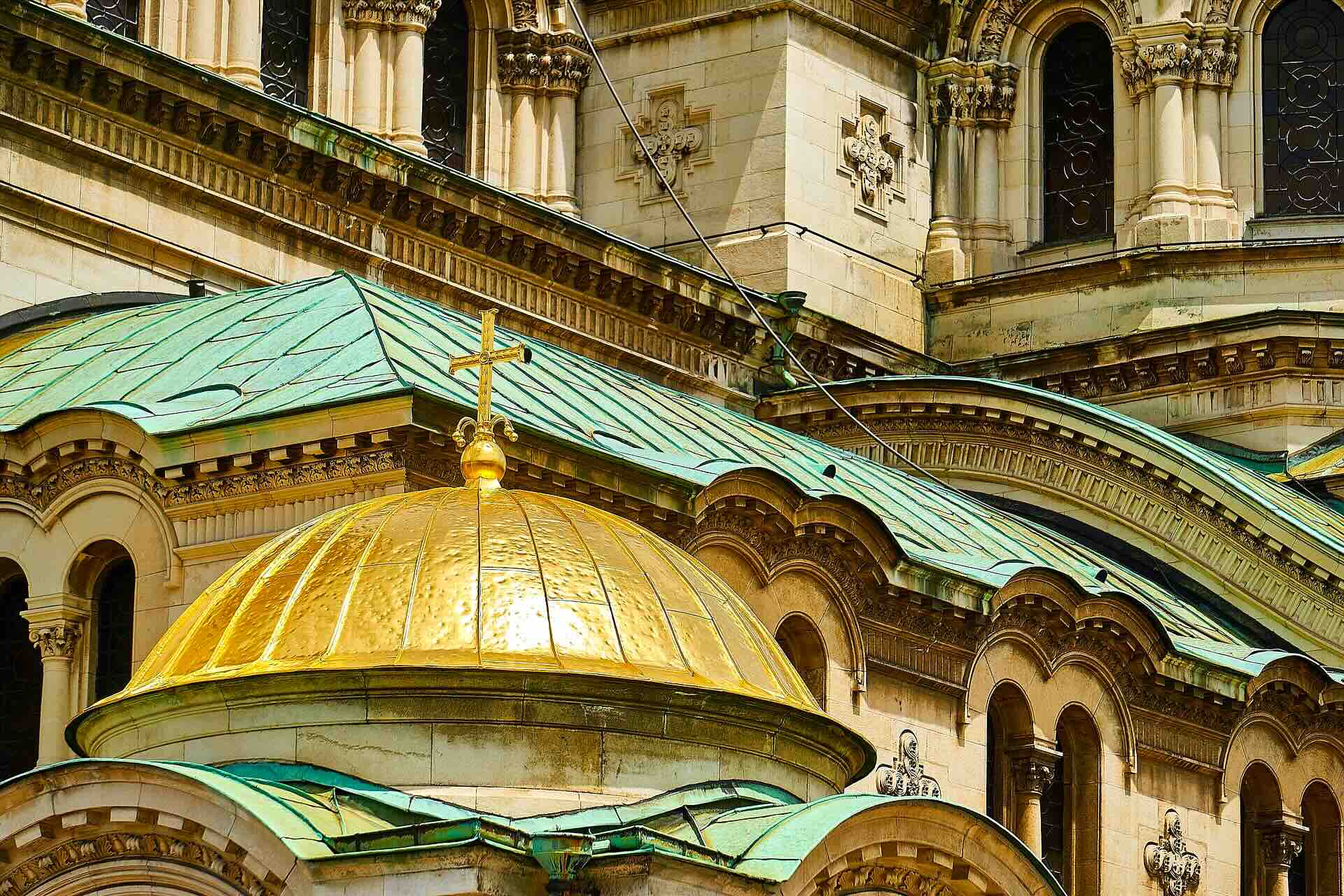
    The phrase golden churches fits Sofia because Orthodox architecture gives the city some of its strongest visual moments. Domes, icons, frescoes, candles, stone, and gold details create spaces that feel calm, sacred, and atmospheric.

    These churches do more than decorate the skyline. They give Sofia emotional depth. They also create quiet places within a busy capital, where travelers can feel the city’s spiritual and cultural identity more clearly.

    Mountain Framing Defines the Mood

    Mount Vitosha gives Sofia one of its most distinctive features. The mountain rises just beyond the city and creates a natural frame around the urban landscape. It makes Sofia feel open, grounded, and closely connected to the outdoors.

    This mountain backdrop changes the travel experience. Even in the city center, Vitosha adds scale and perspective. It reminds travelers that nature is never far away.

    Alexander Nevsky Cathedral Adds Grandeur

    Alexander Nevsky Cathedral is Sofia’s most iconic landmark. Its golden domes, large scale, and central presence give the city a powerful architectural anchor. It is one of the clearest expressions of Sofia’s Orthodox identity.

    The cathedral also helps define the city’s atmosphere. It feels monumental, but not detached. Streets, parks, museums, and civic buildings gather around it, making it part of Sofia’s daily rhythm.

    Ancient History Beneath the Streets

    Sofia’s history often appears below or beside modern life. Roman ruins, old walls, archaeological remains, and ancient routes show how long the city has been inhabited. These layers make Sofia more substantial than many travelers expect.

    This is one of the city’s strengths. Sofia does not hide its past in one museum district. History appears in fragments throughout the center, creating a sense of discovery during ordinary walks.

    Cafés, Parks, and Daily Life

    Sofia has a relaxed café culture that softens its urban edges. Outdoor tables, bakeries, coffee shops, restaurants, and green spaces make the city feel approachable. Parks and broad public areas add room to pause between historic sites.

    This daily rhythm matters because Sofia can feel visually mixed at first. Cafés and parks help travelers settle into the city. They reveal a warmer, more comfortable side of the capital.

    Architecture With Many Layers

    Sofia’s architecture is varied and sometimes uneven, but that is part of its character. Grand civic buildings, Orthodox churches, socialist blocks, Art Nouveau details, Roman ruins, and modern structures all appear across the city.

    This mix gives Sofia a different beauty from more uniform European capitals. It is not always tidy, but it feels honest. The city’s architecture shows its history without smoothing away the contrasts.

    Vitosha Boulevard and Urban Energy

    Vitosha Boulevard gives Sofia a social center. Shops, cafés, restaurants, and pedestrian space create a lively but manageable urban rhythm. The mountain often appears beyond the street, adding a scenic backdrop to everyday city life.

    This combination works well. Sofia offers city energy without losing its connection to the landscape. The mountain view makes even a simple walk feel more distinctive.

    A Gateway to Bulgarian Culture

    Sofia is a strong starting point for understanding Bulgaria. It connects travelers to Orthodox tradition, Balkan history, regional food, mountain landscapes, and a capital city still changing in visible ways.

    The city also works well as a base for nearby day trips and outdoor escapes. This makes Sofia useful for travelers who want both culture and nature in one itinerary.

    Who Sofia Is Best For

    Sofia is best for travelers who enjoy layered cities, Orthodox churches, mountain backdrops, cafés, history, and places with real local character. It works well for solo travelers, couples, culture focused visitors, and anyone interested in the Balkans.

    This is not a city built around perfect polish. Sofia works through contrast, depth, and atmosphere. That makes it especially rewarding for travelers who prefer substance over surface.

    The Lasting Appeal of Sofia

    Sofia stays memorable because it feels complex and grounded. The golden churches give it beauty. The mountain framing gives it scale. The ruins, cafés, parks, boulevards, and mixed architecture give the city its lasting personality.

    For travelers who want a European capital with history, faith, nature, and Balkan character, Sofia is a strong choice. It proves that some cities are most interesting when they show their layers clearly.

    Plan a trip to Sofia today.

  • Matera, Italy and Its Timeless Cave City Living

    Matera, Italy and Its Timeless Cave City Living

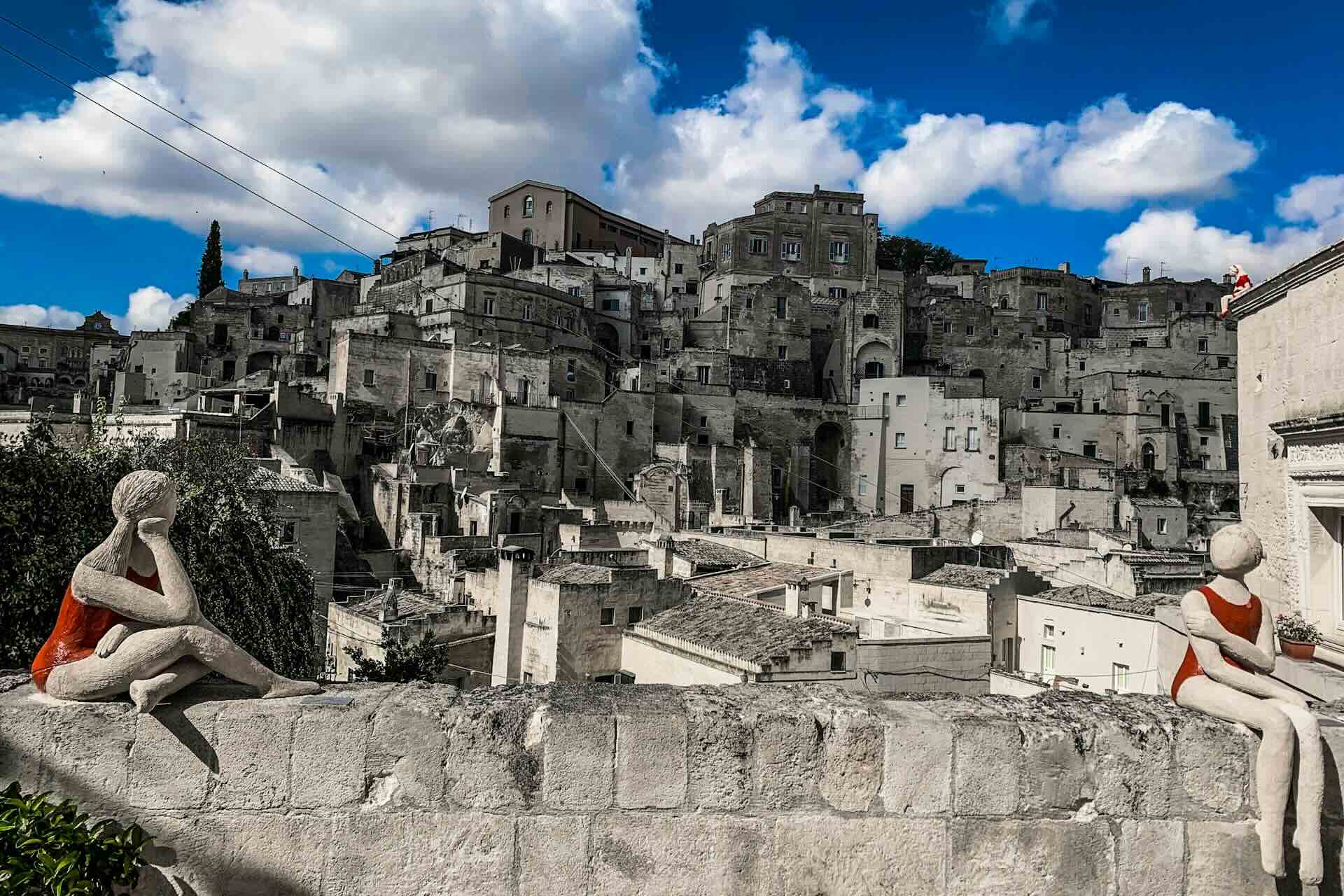
    Matera, Italy and its timeless cave city living delivers one of the most visually distinct experiences in Europe. In southern Basilicata, the Sassi define Matera as ancient cave dwellings carved directly into limestone rock. The city does not just preserve these spaces. It uses them. Homes, hotels, restaurants, and galleries operate inside caves that people have inhabited for thousands of years.

    When you walk through Matera, you move through layers of history that remain active. The city does not separate past from present. It combines them.

    The Sassi Shape Daily Life

    The Sassi districts, Sasso Caveoso and Sasso Barisano, form the core of Matera.

    These cave dwellings date back thousands of years, and residents continue to adapt them. People convert caves into living spaces, businesses, and cultural venues. Life happens inside the same stone walls that supported earlier generations.

    You do not observe history here. You move through it.

    The City Uses the Landscape Instead of Fighting It

    Matera’s layout follows the natural shape of the land.

    Builders carved homes, staircases, and churches directly into rock rather than constructing separate structures. Narrow pathways, terraces, and layered streets create a city that reveals itself gradually.

    Sunlight changes the appearance of the stone throughout the day.

    Morning light softens the edges. Evening light deepens the color.

    Cave Hotels Turn History Into Experience

    Visitors can stay inside the Sassi.

    Many cave dwellings now function as boutique hotels. Designers combine raw stone with modern comforts to create spaces that feel both historic and refined.

    These rooms stay quiet and insulated.

    Staying in a cave allows you to experience the city rather than just see it.

    Churches Carved Into Stone Add Depth

    Matera includes numerous cave churches carved directly into rock.

    Artists painted frescoes inside these spaces centuries ago, and many remain visible today. Soft lighting and compact interiors create an atmosphere that feels intimate and reflective.

    These churches show how spiritual life developed alongside daily life.

    Walking Reveals the City Best

    Matera encourages exploration on foot.

    Cars remain limited in many parts of the Sassi, so you rely on walking to move through the city. You climb staircases, pass through narrow streets, and discover viewpoints without planning them.

    Each turn reveals a new perspective.

    The experience feels immersive and physical.

    Food Reflects the Region

    Matera’s cuisine uses simple, local ingredients.

    Bread, olive oil, vegetables, and cheeses form the foundation of many dishes. Restaurants often operate inside stone spaces, reinforcing the connection between food and environment.

    Meals feel grounded and direct.

    They match the character of the city.

    Evening Transforms the Atmosphere

    At night, Matera changes tone.

    Lights illuminate the Sassi, creating layers of glowing stone across the hillside. Shadows deepen the structure of the city.

    The atmosphere becomes quieter and more reflective.

    Evening reveals details that daylight does not emphasize.

    The City Tells a Story of Renewal

    Matera has not always thrived.

    In the twentieth century, authorities considered the Sassi uninhabitable and relocated many residents. Over time, restoration efforts revived the city and reactivated these spaces.

    Today, Matera demonstrates how a place can evolve without losing its identity.

    Matera Feels Timeless Because It Never Reset

    Matera, Italy and its timeless cave city living feels continuous.

    The city did not rebuild itself in a modern format. It adapted its original structure to new uses.

    That continuity creates a sense of permanence.

    You feel connected to something that has not been interrupted.

    How to Experience Matera Fully

    Stay within the Sassi to understand the layout.

    Walk through both Sasso Caveoso and Sasso Barisano.

    Visit cave churches to see how art and architecture combine.

    Explore without a strict plan and allow the city to unfold.

    Spend time outside at night to see how light reshapes the landscape.

    Final Thoughts on Matera

    Matera offers a rare kind of experience.

    The city functions as a living environment shaped by history, not separated from it.

    Stone, light, and daily life come together in a way that feels cohesive and real.

    Matera does not present history as something distant.

    It places you inside it.

    Plan a trip to Matera today.