Victoria, Canada coastal beauty and British influence come together in a city that feels polished, walkable, and quietly distinctive from the moment you arrive. Set at the southern tip of Vancouver Island, Victoria combines waterfront views, heritage architecture, gardens, and a slower urban rhythm that makes it feel different from many other North American cities. The city has an undeniable British imprint, but it does not feel like a copy of somewhere else. It feels like its own version of coastal elegance, shaped by the Pacific, by history, and by a way of life that values charm without excess.
Why Victoria Feels So Distinct
Some cities are memorable because they overwhelm you. Victoria works through ease and coherence. The harbor, the historic core, the public buildings, and the broader coastal setting all fit together naturally. That gives the city a strong identity without making it feel heavy.
This is one reason Victoria appeals to so many different kinds of travelers. It offers enough history and atmosphere to feel substantial, but it remains relaxed enough to enjoy without strain. The city feels composed rather than restless. For travelers who want beauty, walkability, and a calmer pace, that can be a major strength.
A Coastal City With Real Grace
Victoria’s relationship to the water shapes nearly everything about the experience. The harbor is not just a scenic edge to the city. It is central to how the city presents itself and how visitors understand it. Boats, seaplanes, promenades, and harbor facing landmarks all reinforce the sense that Victoria is a coastal city first.
That coastal setting gives Victoria openness and softness. Even when you are in the historic center, the city rarely feels boxed in. Light reflects off the water, the air feels maritime, and the whole downtown core carries a sense of space that makes it easy to settle into. Victoria feels urban, but never overly compressed.
The Inner Harbour and the City’s Public Face
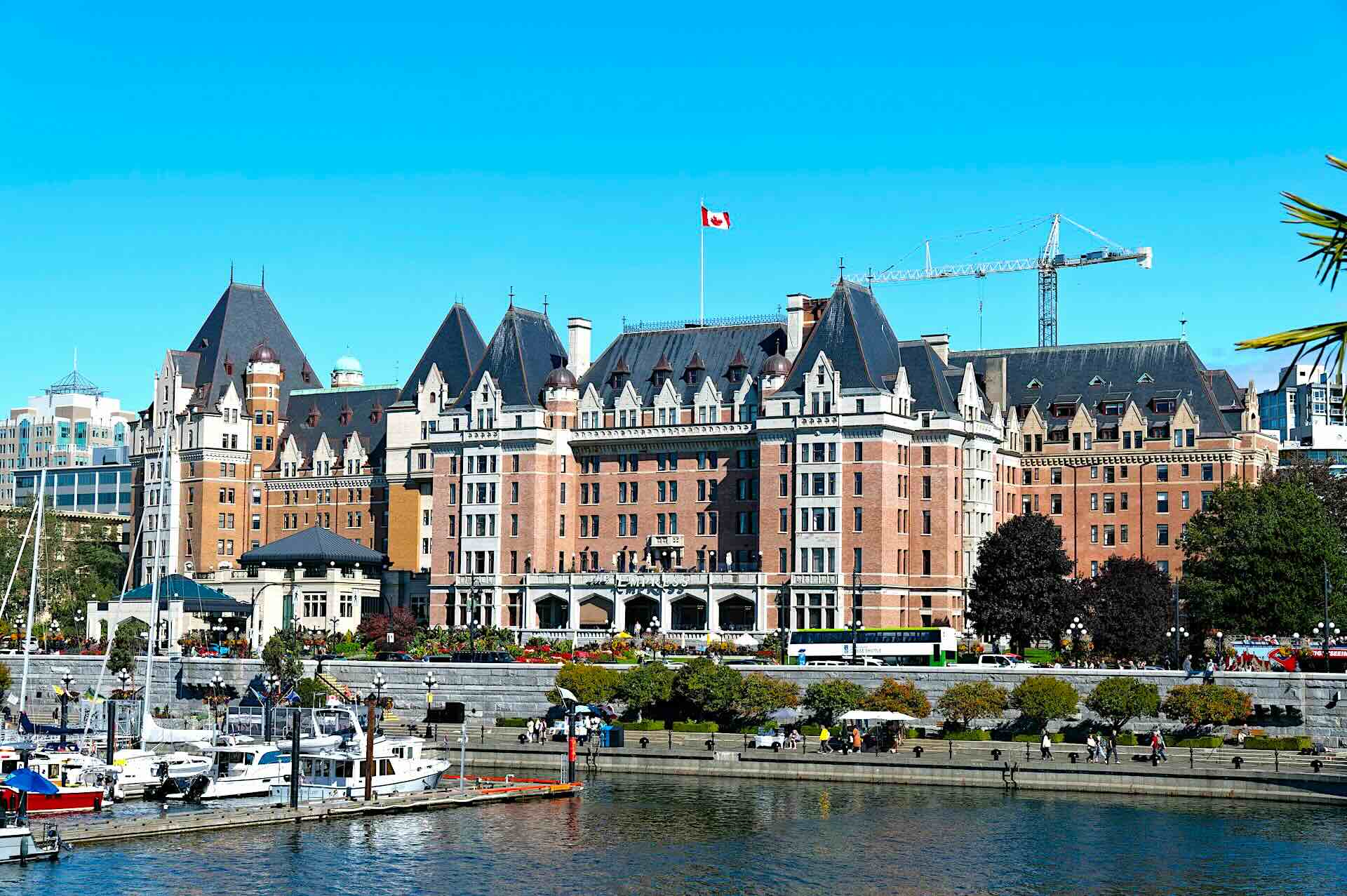
The Inner Harbour is where Victoria becomes most legible. It gathers together many of the features that define the city, the waterfront, the parliament buildings, the grand hotel presence, and the walkable core. This area gives Victoria its civic and visual center.
What makes the harbor so effective is that it feels both beautiful and usable. It is not only something to look at. It is somewhere people walk, gather, depart from, and return to. The waterfront gives the city movement, but also a sense of order. It helps Victoria feel elegant without becoming formal in an intimidating way.
British Influence Without Feeling Staged
Victoria’s British influence is obvious, but it works best because it feels woven into the city rather than pasted onto it. You notice it in the architecture, in garden culture, in traditions around tea and public formality, and in the general civility of the urban atmosphere. The city carries these elements naturally.
That distinction matters. Victoria does not feel like a themed version of Britain on the Pacific coast. It feels like a Canadian city whose history left behind a particular urban character, one that still shapes the look and rhythm of the place today. That makes the British influence feel more believable and more appealing.
Heritage Architecture and a Strong Sense of Place
Victoria’s built environment helps give the city much of its personality. Heritage buildings, older storefronts, and grand public architecture create a setting that feels established and visually coherent. The city’s most recognizable buildings do not overpower the downtown. Instead, they anchor it.
This helps Victoria feel more complete than cities where the historical elements have been reduced to a few isolated landmarks. Here, the older architecture still contributes to the mood of ordinary walking. It is not just there for photographs. It shapes the city’s identity at street level.
Gardens, Green Space, and Soft Urban Beauty
Victoria is also known for its gardens and green spaces, and that contributes significantly to its appeal. The city does not feel hard edged. Public parks, landscaped areas, and floral detail soften the built environment and make the city feel more welcoming.
This greener quality matters because it changes how the city is experienced. Victoria feels less about rushing between attractions and more about enjoying the spaces in between. A walk through a park, a garden stop, or even a tree lined street can become part of the reason the city stays with people. The beauty here is not only architectural. It is also cultivated and seasonal.
A City That Rewards Walking
Victoria is especially satisfying on foot. The downtown and harbor areas connect naturally, and the city’s scale makes it easy to move from landmark spaces to quieter streets without much friction. Walking here does not feel like a logistical compromise. It feels like the proper way to understand the city.
That walkability changes the tone of a trip. You can notice transitions more clearly, from harbor openness to heritage streets, from civic grandeur to smaller local corners. The city reveals itself gently. That is often where Victoria is at its best.
More Than a Pretty Harbour City
It would be easy to reduce Victoria to scenery and charm, but that would miss what gives it depth. The city also carries historical weight, a strong civic identity, and a broader regional importance that prevent it from feeling merely decorative. It is attractive, yes, but it also feels rooted.
This is part of what makes Victoria more satisfying over several days than some visitors expect. The city has enough texture to support slower discovery. It is not only a pretty first impression. It also has continuity, structure, and a more layered urban life beneath its polished surface.
Coastal Ease and Everyday Pleasure
Victoria works particularly well for travelers who enjoy the quieter pleasures of a city. Coffee near the harbor, a long walk through the center, an unhurried meal, or an afternoon in a garden all feel especially natural here. The city supports that kind of travel because its pace encourages presence rather than urgency.
That makes Victoria attractive to travelers who are less interested in nonstop spectacle and more interested in atmosphere. The city does not need to exhaust itself to keep attention. Its strength lies in how comfortable it feels to inhabit, even briefly.
When Victoria Feels Best
Victoria can work across much of the year, but it is especially appealing when the weather encourages time outdoors and longer waterfront walks. In these conditions, the relationship between harbor, gardens, and historic core becomes even clearer. The city feels brighter, softer, and more open.
At the same time, Victoria’s appeal is not entirely seasonal. Its architectural character and coastal setting give it enough shape to remain attractive even when the skies turn grayer. The mood changes, but the city still holds together.
Who Victoria Is Best For
Victoria suits travelers who care about walkability, atmosphere, gardens, and cities that feel elegant without becoming overwhelming. It works especially well for couples, solo travelers, and culturally curious visitors who want a destination with beauty, history, and a strong sense of place.
It is also a very good fit for travelers who want a coastal city with refinement, but without the pace and scale of a much larger urban center. Victoria offers presence without pressure, which is not as common as it should be.
The Lasting Appeal of Victoria
Victoria stays with people because it feels balanced. The harbor gives it openness. The British influence gives it character. The gardens give it softness. The heritage core gives it continuity. Nothing feels disconnected from the rest.
That is what makes Victoria more than simply a charming city in Canada. It feels like a place where coastal beauty and historical influence have settled into one coherent urban experience. For travelers who want grace, scenery, and a city that feels both polished and personal, Victoria remains one of the strongest destinations on the Pacific coast.