Tag: historic cities in Europe

  • Riga, Latvia Art Nouveau and Baltic Identity

    Riga, Latvia Art Nouveau and Baltic Identity

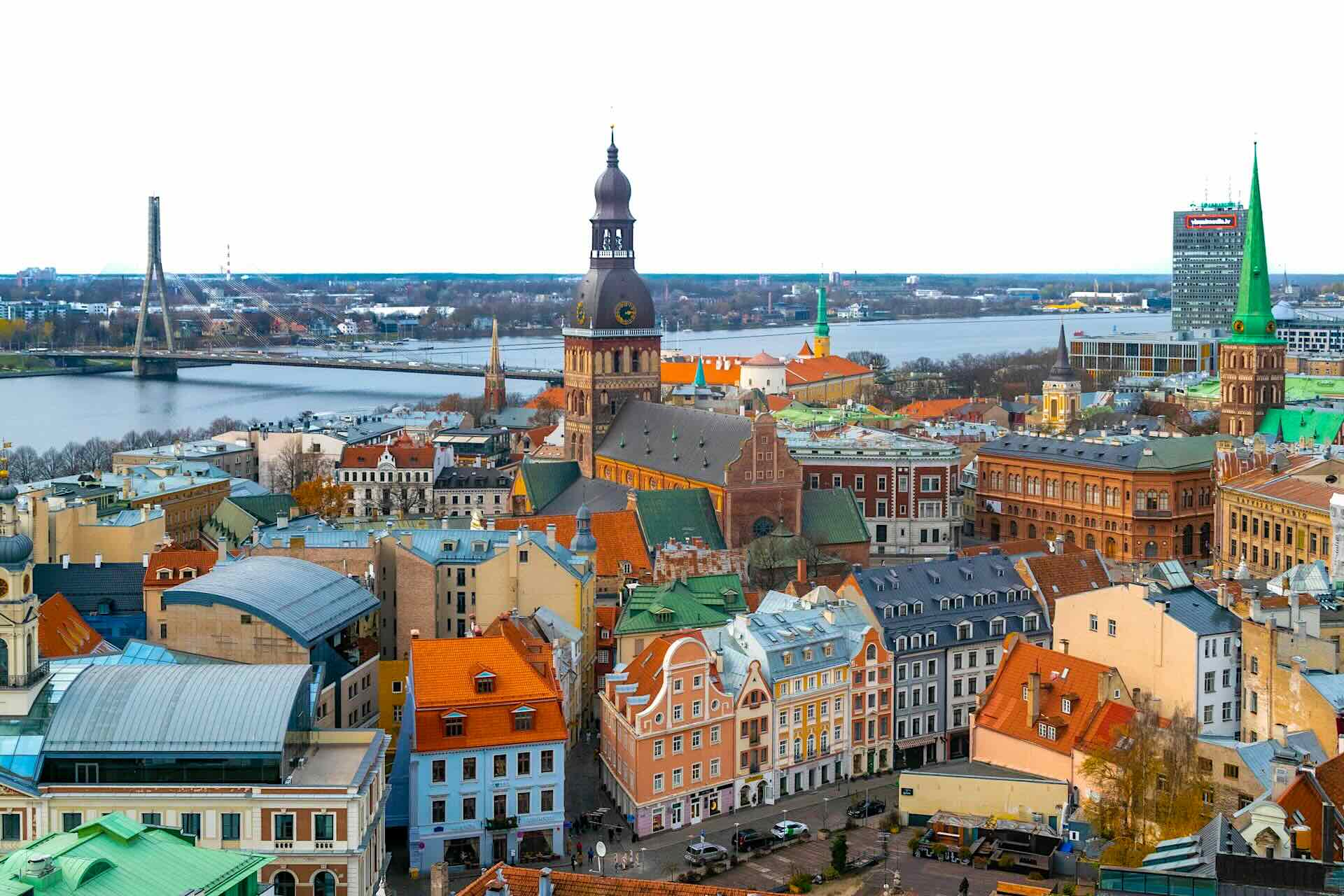
    Riga, Latvia art nouveau and Baltic identity come together in a city that feels elegant, layered, and far more expressive than many first time visitors expect. Riga is known for its historic center and for one of Europe’s strongest concentrations of Art Nouveau architecture, but what makes the city memorable is not just the beauty of its façades. It is the way old merchant city gravity, Baltic restraint, and a more contemporary urban energy all hold together in one place. The result is a capital that feels cultured without stiffness, and visually rich without becoming overwhelming.

    Why Riga Feels So Distinct

    Some European capitals make their impression through monumentality. Riga works through texture and atmosphere. The city can feel grand in parts, especially around its older core and major boulevards, but it also feels walkable and human in scale. That balance is one of its biggest strengths.

    Riga also carries a strong sense of regional identity. It does not feel like a copy of a larger European capital. It feels Baltic in temperament, measured, design conscious, and slightly more reserved on the surface, but with a deeper artistic and historical richness underneath. That combination is what gives the city its staying power.

    A Historic Center With Real Presence

    Riga’s old center gives the city much of its structure and emotional weight. The medieval street pattern, church towers, squares, and older civic buildings create a historic core that still feels immersive rather than symbolic. This is not a city with one old district surrounded by total disconnection. The historic center still shapes how the city is understood and experienced.

    What makes this especially effective is that the old city still feels active. Cafés, shops, bars, and ordinary movement keep the area alive. Riga’s history remains visible, but it is not trapped behind glass. That gives the city more warmth and more credibility.

    Art Nouveau as Everyday Urban Beauty

    Art Nouveau is one of Riga’s defining pleasures, and it is central to why the city feels so visually memorable. This matters because Art Nouveau in Riga is not limited to one isolated landmark. It shapes entire streets and whole stretches of the city. Decorative faces, floral motifs, sculptural details, balconies, and expressive façades make walking feel unusually rewarding.

    The architecture gives Riga elegance, but also personality. It never feels neutral. Even when you are simply moving from one neighborhood to another, the buildings do part of the work of keeping the city interesting.

    The Quiet Centre and the City’s Refined Side

    One of the best expressions of Riga’s architectural identity is the Quiet Centre, where many of the city’s most celebrated Art Nouveau buildings are concentrated. This part of the city shows how bold and theatrical Riga’s architecture can be without losing urban coherence.

    What makes this area so satisfying is not just its beauty, but its rhythm. The buildings do not feel random. They create a district with its own mood, quieter, more composed, and slightly more refined than the medieval heart of the city. This contrast gives Riga range.

    A Baltic Capital With More Than One Layer

    Riga is not only about Art Nouveau. Its appeal comes from layering. Medieval structures, 19th century wooden architecture, broad boulevards, and early 20th century design all contribute to the city’s identity.

    That layered quality keeps Riga from feeling too easy to summarize. It has gravity, but also movement. It has history, but also a more modern urban polish. Travelers who enjoy cities that reveal themselves gradually often find Riga especially rewarding.

    Streets Made for Walking

    Riga works very well on foot. The Old Town encourages slow exploration, while the walk from the historic center into the Art Nouveau district is short enough to feel natural rather than demanding.

    This walkability changes the trip in a meaningful way. You can move between distinct moods, medieval streets, elegant boulevards, quieter architectural zones, without losing the feeling of one coherent city. That makes Riga especially attractive for travelers who care about atmosphere as much as individual sights.

    Riga’s Identity Feels Baltic, Not Generic

    The phrase Baltic identity matters here because Riga feels rooted in its region. The city has beauty, but not in an overly sentimental way. It has style, but also restraint. There is a certain seriousness to the place that makes the elegance feel more convincing.

    That is part of why Riga often appeals so strongly to travelers who prefer cities with a clear local character. It does not flatten itself into a generic European city break. It feels like Riga, and that is a major part of its value.

    More Than an Architecture Destination

    It would be easy to market Riga only through architecture, but that would undersell it. The city also has social energy, cafés, museums, bars, and a contemporary cultural layer that keeps it from becoming a destination only for design enthusiasts.

    That broader urban life matters. It gives the city flexibility. You can come for the buildings and still leave remembering the pace, the atmosphere, and the ease of moving through the city. Riga works because it offers more than one kind of reward.

    When Riga Feels Best

    Riga can work across multiple seasons, but it is especially appealing when the city’s walkable structure and architectural detail can be enjoyed at a slower pace outdoors. In milder weather, the contrast between the Old Town and the Quiet Centre becomes even more enjoyable, and the city’s broader streets and façades have more room to register visually.

    Still, Riga’s appeal is not only seasonal. Its deeper strengths, architecture, scale, and identity, remain strong beyond any one time of year. The city has enough structure and mood to carry itself well in different conditions.

    Who Riga Is Best For

    Riga suits travelers who appreciate architecture, history, and cities that still feel manageable on foot. It works especially well for people who want a European capital with cultural substance, but without the constant pressure and scale of a much larger destination. Couples, solo travelers, and culturally curious visitors can all do very well here.

    It is also a strong fit for travelers who value cities with a clear design language. Riga does not just contain beautiful buildings. It feels shaped by them.

    The Lasting Appeal of Riga

    Riga stays with people because it feels complete. The historic core gives it continuity. The Art Nouveau district gives it visual force. The Baltic character gives it emotional clarity. Very few cities combine those elements so comfortably.

    That is what makes Riga more than simply a beautiful capital in northern Europe. It feels like a city where architecture and identity still support one another in everyday life. For travelers who want elegance, atmosphere, and a place with strong regional character, Riga remains one of the most rewarding city experiences in the Baltics.
    Plan a trip to Riga today.

  • Valletta, Malta A Historic Capital by the Sea

    Valletta, Malta A Historic Capital by the Sea

    Valletta, Malta a historic capital by the sea, is one of those cities that feels both fortified and graceful at the same time. Malta’s capital sits on a narrow peninsula between two major harbors, and its compact scale makes the city feel concentrated, dramatic, and easy to absorb on foot. The city still carries the imprint of the Knights of St John, while its limestone streets, sea views, and formal urban layout give it a distinct Mediterranean elegance. Valletta feels historic from the first moment, but it also feels alive, walkable, and visually complete.

    Why Valletta Feels So Striking

    Some capitals impress through size. Valletta does the opposite. It feels memorable because so much history, architecture, and visual drama are compressed into a relatively small space. The city’s fortifications, baroque character, and dense urban fabric give it unusual intensity. You are rarely far from a bastion wall, a church dome, a sea view, or a steep stone street catching the light.

    That concentration gives Valletta a stronger personality than many larger capitals. It feels ceremonial, but it never feels empty. It works as both a historic capital and a lived in urban setting. That balance is part of what makes the city so rewarding.

    A Capital Built From Strategy and Power

    Valletta’s origins still shape the way the city feels today. It was built as a fortified capital, and that decision gave the city its disciplined layout and defensive character. You can sense that purpose in the geometry of the streets and the placement of its walls and elevated edges.

    This history matters because Valletta was never meant to be decorative first. Its beauty grew out of planning, defense, and authority. That gives the city a stronger backbone than many coastal capitals. It may look elegant, but it also feels deliberate, structured, and resilient.

    Baroque Stone and Urban Drama

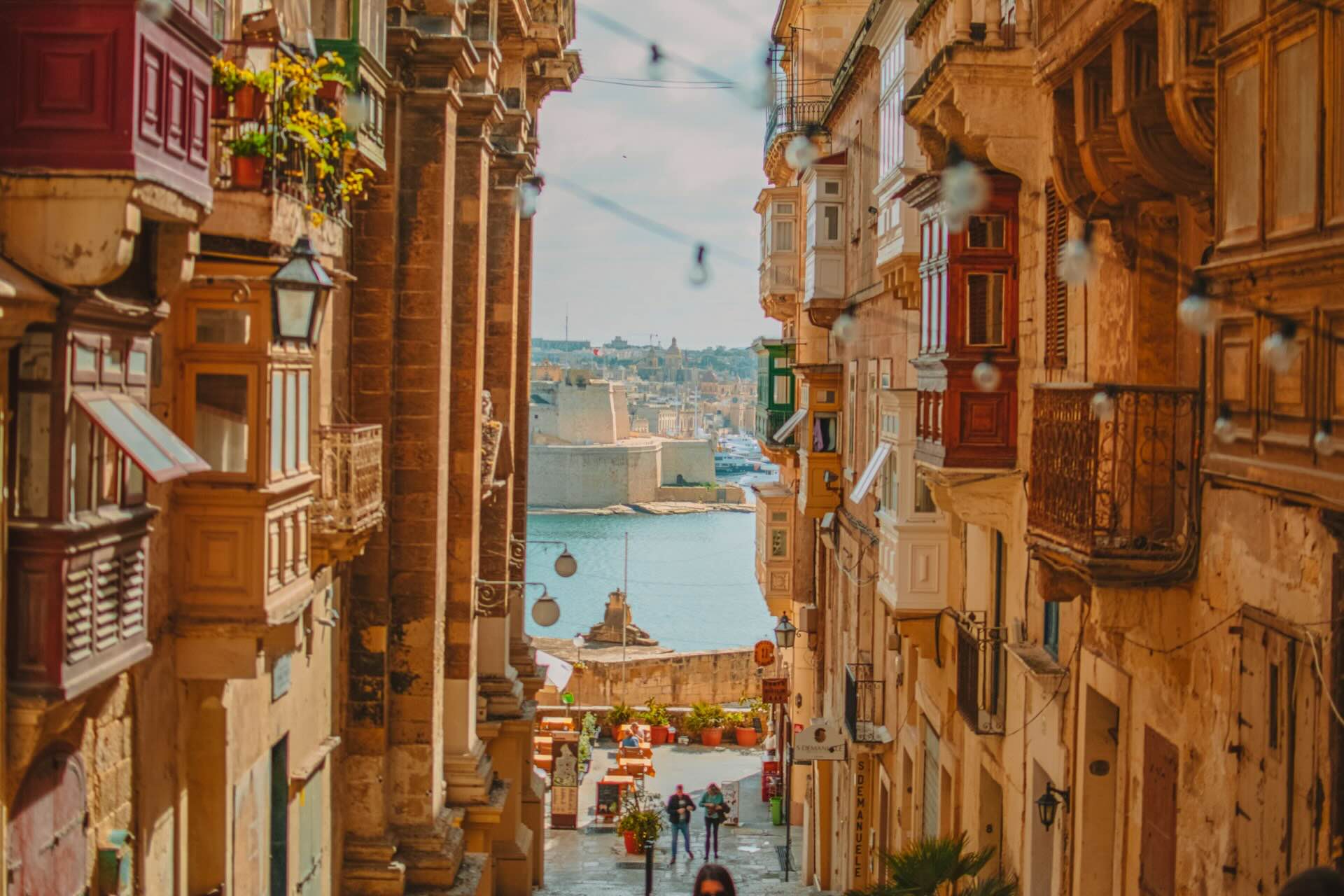
    Valletta’s architecture is one of its greatest pleasures. Limestone façades, enclosed wooden balconies, church interiors, and monumental civic buildings all contribute to a cityscape that feels cohesive and visually rich. The city has a strong baroque presence, but it also carries layers from later periods that add texture without weakening its identity.

    What makes Valletta so satisfying is not only its monuments. It is the continuity of the streetscape. A short walk can bring together stairways, arcades, façades, harbor openings, and sudden views toward domes and spires. The city rewards slow walking because it reveals itself in sequences rather than isolated highlights.

    The Sea Is Always Present

    Valletta’s relationship to the sea is constant. The city sits between two harbors, and that setting gives it openness on both sides. The water is not just scenic. It shapes the emotional feel of the place and softens the density of the stone architecture.

    That maritime setting keeps Valletta from feeling too heavy, despite its fortified edges and monumental buildings. Light reflects off the water. Breezes move through the streets. Viewpoints open suddenly toward boats, harbor walls, and neighboring shorelines. The city feels historic, but never sealed off. The sea keeps it bright and breathable.

    Views, Terraces, and Harbor Light

    One of Valletta’s great strengths is how often it invites you to stop and look outward. Terraces, bastions, and elevated points make the harbor part of the daily visual rhythm. The city’s dramatic siting becomes unmistakable when you stand at one of these edges and look across the water.

    From these points, Valletta feels less like a museum piece and more like a stage set above the Mediterranean. You begin to understand why the city held such strategic importance for centuries. However, the appeal is not only historical. It is also aesthetic. The contrast between warm stone, blue water, and layered harbor structures gives Valletta a visual identity that is hard to confuse with anywhere else.

    A City Made for Walking

    Valletta is one of the easiest capitals to explore on foot. Its compact size means walking is not just practical, it is essential to understanding the city. The grid plan, the rise and fall of the streets, and the repeated openings toward the sea create a satisfying sense of rhythm.

    This walkability changes the travel experience in a meaningful way. Valletta does not require constant transit decisions or long distances between major sites. Instead, it encourages drifting, pausing, and returning to the same places at different times of day. Morning light, late afternoon shadows, and evening illumination can make the same street feel entirely different each time you pass through it.

    Cafés, Culture, and Everyday Life

    Although Valletta is deeply historic, it does not feel trapped in its past. The city still functions as a capital, which helps keep it active beyond tourism. Cafés, restaurants, small hotels, and public spaces exist within a living urban setting, not a preserved shell.

    That makes a difference in how the city feels. You can spend time in a formal square, then slip into a quieter side street for coffee or a relaxed lunch. Valletta’s pleasures often come through this balance, historical gravity on one hand, everyday ease on the other. The city feels serious, but never rigid.

    More Than a City of the Knights

    The Knights of St John shaped Valletta decisively, but the city also carries later influences that add to its depth. These later layers matter because they keep Valletta from feeling too singular or simplified. The city has adapted across changing periods, yet it has retained a strong sense of itself.

    That continuity gives Valletta emotional weight. It is not only a grand historical showpiece. It is also a city that has endured and continued to function through change. That sense of survival and adaptation adds substance to its visual beauty.

    When Valletta Feels Best

    Valletta can work well in multiple seasons because its appeal is architectural, atmospheric, and urban as much as it is coastal. Mild weather tends to flatter the city, especially when walking feels comfortable and harbor views stay clear. At the same time, Valletta does not depend on beach conditions to succeed.

    This makes it especially attractive for travelers who want a Mediterranean destination with more structure and cultural depth. Valletta can anchor a wider Malta itinerary, but it also rewards travelers who slow down and let the city unfold at its own pace.

    Who Valletta Is Best For

    Valletta suits travelers who care about history, architecture, walkability, and setting. It is especially strong for people who enjoy compact cities with real visual cohesion. Couples often respond to its harbor views and evening atmosphere, while solo travelers and culturally curious visitors tend to appreciate its scale, clarity, and depth.

    It is less about nonstop activity and more about layered experience. Valletta works best when approached with attention. The city gives back more to travelers who notice proportion, light, texture, and the relationship between streets and sea.

    The Lasting Appeal of Valletta

    Valletta stays with people because it feels unusually complete. It has a strong origin story, a highly distinctive urban form, and a coastal setting that softens its fortified edges. It feels formal, but never lifeless. It feels historic, but still useful and inhabited.

    That combination is rare. Valletta offers the drama of a fortified city, the elegance of baroque architecture, and the brightness of a Mediterranean capital in one compact setting. For travelers who want a destination with visual power and historical depth, Valletta earns its place quickly.

    Plan a trip to Valletta today.