Tag: historic cities in Poland

  • Lublin, Poland Old Town Warmth and Eastern Polish Charm

    Lublin, Poland Old Town Warmth and Eastern Polish Charm

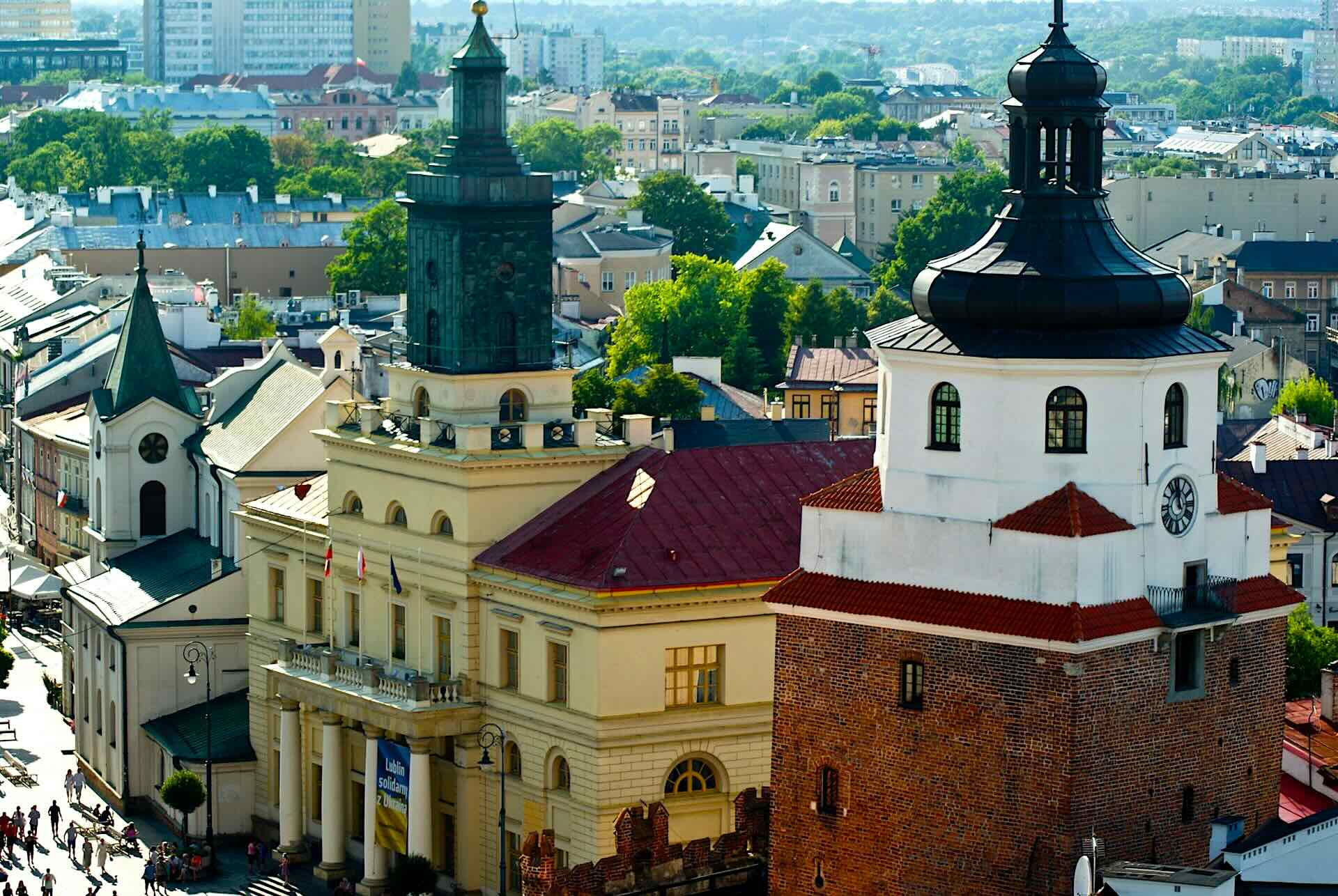
    Lublin, Poland old town warmth and eastern Polish charm come together in a city that feels intimate, layered, and quietly memorable. In eastern Poland, Lublin offers a different kind of urban beauty from larger and more internationally familiar cities. Its old town has warmth rather than grandeur for grandeur’s sake, and the city’s broader atmosphere feels shaped by history, culture, and a more grounded regional identity. Lublin is appealing at first glance, but what makes it stay with people is the way its streets, squares, and mood all feel deeply connected.

    Why Lublin Feels So Distinct

    Some historic cities impress through size or spectacle. Lublin works through character. The city feels smaller in scale than places like Kraków or Prague, but that smaller scale is part of the attraction. It allows the atmosphere to come through more clearly and gives the historic center a more personal rhythm.

    That matters because Lublin does not feel like a place performing its history. It feels like a city still living with it. Travelers who want beauty, walkability, and a destination with more intimacy than pressure often connect with Lublin very quickly.

    Old Town Warmth Defines the Experience

    The phrase old town warmth fits Lublin because the historic center feels inviting rather than severe. The streets, facades, and squares carry age and beauty, but they also feel approachable. There is color, texture, and enough human scale to make the city feel comfortable from the start.

    This matters because some old towns can feel too polished or too formal. Lublin avoids that. Its historic core has charm, but also softness. That gives the city a more welcoming emotional tone and makes wandering feel easy.

    Eastern Polish Charm Gives the City Its Identity

    Lublin’s eastern Polish charm is central to what makes it so memorable. The city feels distinct from western or central European urban beauty because it carries a slightly different rhythm and sensibility. It feels grounded, culturally layered, and less shaped by outside expectations.

    That difference gives Lublin more personality. It is not simply attractive in a generic Central European way. It feels rooted in eastern Poland, and that regional identity gives the city stronger staying power.

    A Historic Core With Real Texture

    Lublin’s old center works because it has texture as well as beauty. The streets and buildings do not feel flattened into a perfect postcard. They carry age, irregularity, and a sense of accumulated history that makes the place feel more convincing. The city feels lived in rather than arranged.

    This is one reason Lublin becomes more appealing with time. The first impression may be visual, but the deeper impression comes from texture and atmosphere. The city has enough imperfection to feel real.

    Streets and Squares That Reward Walking

    Lublin is especially satisfying on foot. Its old town is compact enough to feel manageable, but rich enough to stay interesting. Streets open into squares, facades shift in tone and scale, and the city reveals itself through short walks rather than long effort.

    That matters because Lublin’s appeal depends heavily on movement through it. This is not a destination that needs a rushed checklist. It works best when travelers give themselves time to wander and notice how the city’s older parts hold together.

    More Than a Pretty Old Town

    It would be easy to describe Lublin only through its old town, but that would undersell it. The city also carries cultural depth and a broader historical presence that give the beauty more meaning. Lublin feels like a place where memory, identity, and architecture still reinforce one another.

    That gives the city more strength than places that rely only on charm. Lublin has warmth, yes, but it also has seriousness. That combination is one of the reasons it lingers in memory.

    A City With Quiet Emotional Weight

    Lublin does not overwhelm visitors, but it does have weight. The city’s history and its place in eastern Poland give it a deeper emotional register than its smaller size might suggest. That feeling is not always loud, but it is present beneath the beauty of the streets and buildings.

    This matters because it keeps Lublin from becoming too light or decorative. The city feels gentle on the surface, but there is depth underneath, and that balance is one of its strongest qualities.

    Architecture With Warmth Rather Than Grandeur

    Lublin’s architecture does not usually aim for monumental force. Instead, it offers proportion, color, and a more intimate kind of beauty. That makes the city feel less intimidating and often more emotionally accessible than destinations built around grander visual statements.

    This is part of what makes the title so accurate. The old town warmth is not just a phrase. It is built into the architectural feel of the place. Lublin’s beauty is calmer and more human in scale.

    Why the City Feels So Welcoming

    One of Lublin’s greatest strengths is that it feels welcoming without becoming bland. The pace is manageable, the center is walkable, and the old town has a warmth that encourages slower travel. You do not need to work hard to like the city. It opens itself gradually and naturally.

    That welcoming quality matters because it makes Lublin especially rewarding for travelers who enjoy atmosphere over spectacle. The city gives back more when you let its quieter strengths come forward.

    A Different Side of Poland

    Lublin is also appealing because it shows a different side of Poland. It expands the idea of what a Polish city break can feel like. Rather than relying on the more internationally famous rhythms of Warsaw or Kraków, it offers something more intimate, regional, and quietly distinctive.

    That makes the city especially valuable for travelers who want depth without crowds or overfamiliarity. Lublin feels like a discovery precisely because it does not overstate itself.

    When Lublin Feels Best

    Lublin is especially rewarding when travelers allow enough time to move slowly through the old town and let the city’s atmosphere build. It works best with walking, lingering in squares, and paying attention to the smaller details that create the sense of warmth and charm in the title.

    Its appeal may sound understated, but that is part of its strength. Lublin offers a more intimate kind of urban beauty, and it does so very well.

    Who Lublin Is Best For

    Lublin suits travelers who appreciate walkable historic centers, regional identity, and cities with emotional warmth. It works especially well for solo travelers, couples, and culturally curious visitors who want a Polish destination with charm, but without the pressure of a larger tourist center. It is also a strong fit for travelers who enjoy places that reveal themselves gradually.

    This is a city for people who value atmosphere and texture as much as major landmarks. Lublin rewards that kind of attention.

    The Lasting Appeal of Lublin

    Lublin stays with people because it feels balanced in a quiet and convincing way. The old town warmth gives it softness. The eastern Polish charm gives it identity. Together, they create one of Poland’s most inviting and memorable city experiences.

    That is what makes Lublin more than simply a pretty historic destination. It feels like a place where architecture, history, and regional character still support one another naturally. For travelers who want intimacy, beauty, and a different side of Poland, Lublin remains a deeply rewarding city to experience.
    Plan a trip to Lublin today.

  • Wroclaw, Poland A Colorful City of River Islands and Bridges

    Wroclaw, Poland A Colorful City of River Islands and Bridges

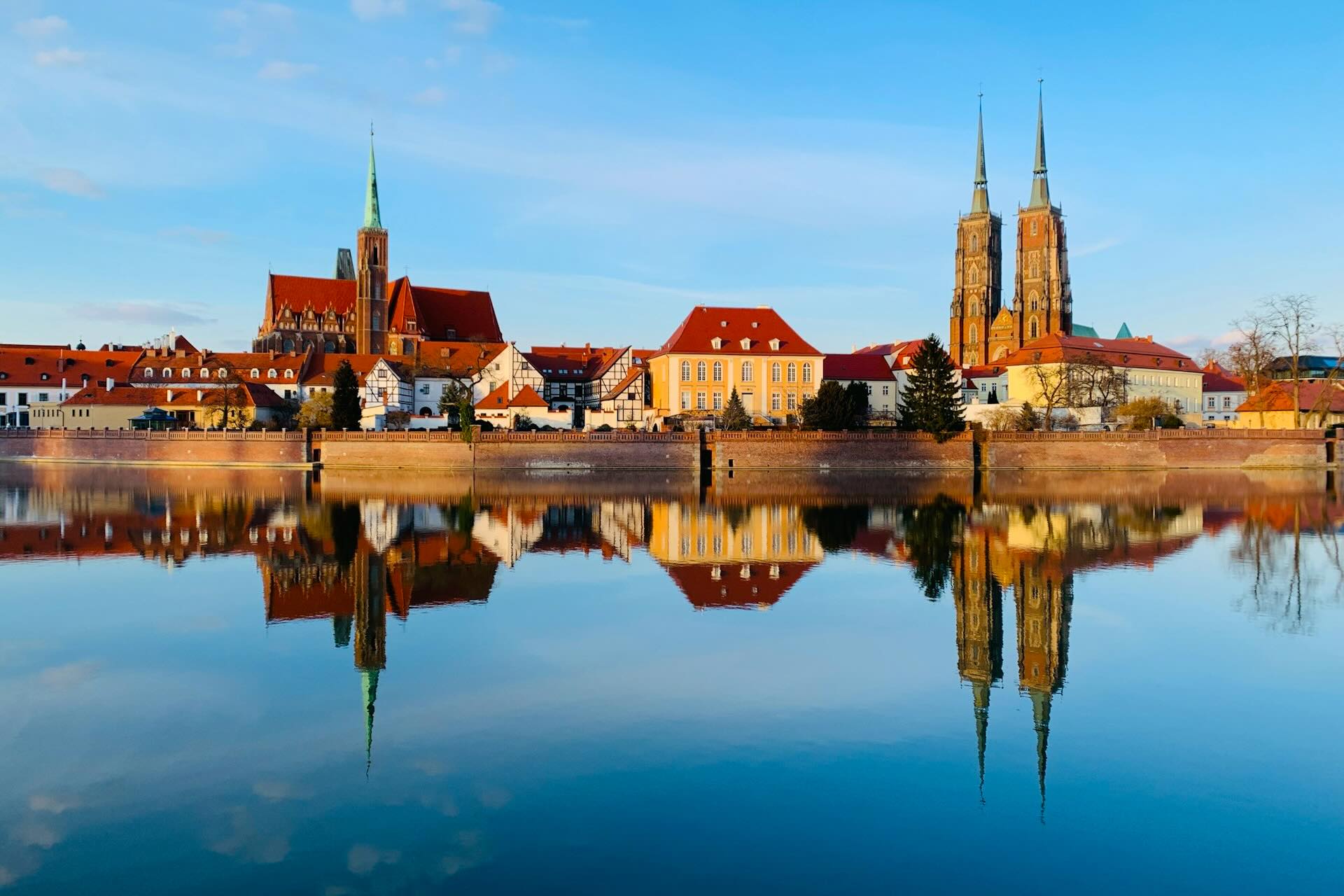
    Wroclaw, Poland a colorful city of river islands and bridges feels lively, walkable, and full of character from the moment you arrive. Set along the Oder River, Wroclaw stands apart because water shapes the city in visible ways. Bridges connect neighborhoods, islands break up the urban landscape, and the historic core feels both graceful and energetic. Add bright façades, market squares, church towers, and a strong student presence, and Wroclaw becomes a city that feels layered without becoming heavy.

    Why Wroclaw Feels So Distinct

    Some Central European cities impress through grand scale or a more formal kind of beauty. Wroclaw works differently. It feels lighter on its feet. The color of the buildings, the movement across the bridges, and the river setting all give the city a more open and playful identity.

    That balance is a large part of its appeal. Wroclaw has enough history to feel substantial, but it also feels social and alive in the present. Travelers who want architecture, atmosphere, and a city that is easy to enjoy on foot often connect with Wroclaw very quickly.

    The River Gives the City Its Shape

    Wroclaw makes the most sense once you notice how much the water matters. The Oder and its channels create a city that feels broken into smaller, more interesting pieces. Islands, embankments, and bridges all shape the rhythm of movement and make ordinary walking more visually rewarding.

    This matters because the river is not just decorative. It changes how the city feels. Wroclaw seems more breathable, more dynamic, and more varied because of the water. Even short walks can shift in mood as the city opens toward another bridge, another island, or another stretch of riverbank.

    A City of Bridges With Real Personality

    Wroclaw’s bridges are one of its defining features, but their appeal is not just practical. They give the city character. Moving through Wroclaw often means crossing water, changing perspectives, and seeing the city from slightly different angles over and over again.

    That repeated movement is part of what makes the city so satisfying. Wroclaw never feels flat. The bridges help turn it into a sequence of views and transitions. The city reveals itself gradually, and that gives it more charm than a place that presents everything at once.

    Color Brings Warmth to the Historic Core

    Wroclaw’s colorful façades are one of the first things people notice, and for good reason. They give the old center a warmth and brightness that make the city feel more approachable. Historic architecture can sometimes feel heavy or severe. In Wroclaw, the color softens that effect.

    This is especially clear around the market square and nearby streets, where the bright buildings help create a city that feels visually cheerful without becoming artificial. The color is not a gimmick. It is part of the city’s atmosphere and one of the reasons it lingers in memory.

    The Market Square Anchors Everything

    Wroclaw’s market square gives the city a strong civic center. It is broad, active, and visually rich, with enough space to feel important while still remaining human in scale. Surrounded by colorful buildings and historic architecture, it provides the city with a center of gravity that is both beautiful and usable.

    What makes the square work so well is that it still feels lived in. It is not only something to admire. It is a place people cross, meet in, sit near, and return to. That gives Wroclaw a stronger sense of everyday urban life than some preserved old towns manage.

    Islands Make the City Feel Layered

    The islands are one of Wroclaw’s quiet strengths. They give the city a different kind of structure, making it feel more varied and more textured than a city built around one continuous core. Some parts feel lively and central. Others feel calmer, more reflective, and more tied to churches, riverbanks, or older buildings.

    This layered quality is part of what makes Wroclaw so enjoyable over several days. It offers contrast without losing coherence. The city stays connected to itself, but it never feels too uniform.

    A Historic City That Still Feels Young

    One reason Wroclaw feels so fresh is that it has real youthful energy. The presence of students, cafés, bars, and active public spaces helps prevent the city from feeling too formal or too inward looking. History remains visible, but the present is equally clear.

    That matters because it gives Wroclaw range. The city can feel elegant and historic in one moment, then easygoing and social in the next. This makes it especially attractive for travelers who want a city with beauty and culture, but not one that feels overly solemn.

    Walking Is the Best Way to Understand It

    Wroclaw is at its best on foot. Walking lets you feel the shift between islands, squares, churches, and bridges in a way that other forms of transport flatten out. The city rewards wandering because each crossing and each turn tends to reveal another angle, another color, or another part of the river.

    This walkability also makes the city feel more accessible. Wroclaw is substantial enough to stay interesting, but compact enough to absorb without strain. That balance gives it a strong appeal for shorter stays and longer city breaks alike.

    More Than a Pretty Old Town

    It would be easy to describe Wroclaw only through color and architecture, but that would undersell it. The city also works because of its structure, its river setting, and its sense of momentum. It feels like a real place, not just a preserved historic backdrop.

    That combination gives Wroclaw staying power. It is attractive immediately, but it also gets better once you begin to understand how the water, the islands, and the public spaces all support one another.

    Cafés, River Walks, and Everyday Ease

    Wroclaw is also a city that suits a slower travel rhythm. Coffee near the square, a walk along the river, an evening crossing one of the bridges, or a quiet meal in one of the older streets can all feel like central parts of the experience. The city does not need to be rushed.

    This makes Wroclaw especially rewarding for travelers who value atmosphere as much as sightseeing. It offers enough to do, but also enough room to simply enjoy being there. That kind of balance is one of its strongest qualities.

    When Wroclaw Feels Best

    Wroclaw works especially well when the weather supports walking, riverside time, and longer afternoons in public spaces. In those conditions, the bridges, islands, and colorful façades all feel more vivid. The city becomes easier to read and even more enjoyable to move through.

    Still, Wroclaw’s appeal is not only seasonal. Its deeper strengths, structure, color, and river setting, remain clear beyond any one time of year. The mood may shift, but the identity stays strong.

    Who Wroclaw Is Best For

    Wroclaw suits travelers who appreciate walkable cities, river settings, and destinations with both history and everyday life. It works especially well for couples, solo travelers, and culturally curious visitors who want a Central European city with warmth and personality.

    It is also a strong fit for travelers who enjoy cities that feel visually distinctive without becoming too grand or too formal. Wroclaw has beauty, but it also has ease.

    The Lasting Appeal of Wroclaw

    Wroclaw stays with people because it feels balanced in a rare way. The islands give it structure. The bridges give it movement. The colorful buildings give it warmth. The social life gives it energy. Nothing feels disconnected from the rest.

    That is what makes Wroclaw more than simply a beautiful city in Poland. It feels like a place where water, architecture, and everyday urban life still support one another naturally. For travelers who want color, walkability, and a city with real charm, Wroclaw remains one of the most rewarding destinations in Central Europe.

    Plan a trip to Wroclaw today.