Tag: historic cities in Spain

  • Granada, Spain Moorish Beauty and Mountain Light

    Granada, Spain Moorish Beauty and Mountain Light

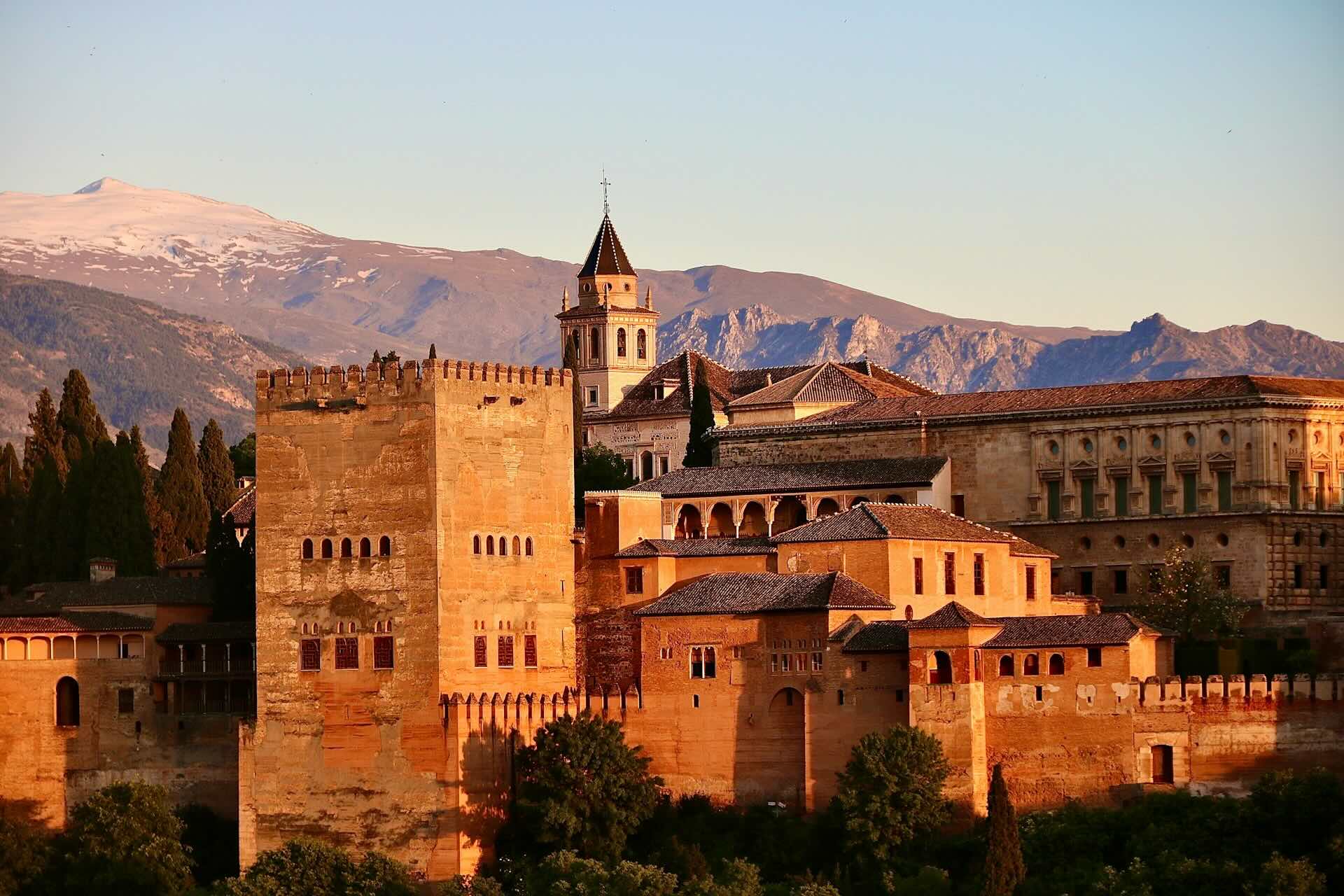
    Granada, Spain Moorish beauty and mountain light come together in a city that feels layered, luminous, and emotionally charged. In southern Spain, Granada offers one of those rare urban settings where architecture, landscape, and atmosphere all seem to heighten one another. The city carries visible Moorish influence, deep historical texture, and a setting shaped by the Sierra Nevada beyond it. Granada is beautiful at first glance, but what makes it memorable is how naturally its elegance, light, and topography work together.

    Why Granada Feels So Distinct

    Some historic cities impress through monuments alone. Granada does something more complete. It gives you beauty, but also contrast. The city feels intimate in some streets, expansive in others, and always touched by the presence of history and terrain. That combination gives Granada a stronger emotional pull than many destinations that are beautiful in a simpler way.

    This matters because Granada does not feel flat. It feels layered in every sense. Travelers who want a city with both atmosphere and real historical presence often connect with it very quickly.

    Moorish Beauty Shapes the City’s Identity

    The phrase Moorish beauty fits Granada because Islamic influence remains one of the strongest parts of the city’s visual and emotional identity. Courtyards, arches, gardens, patterned surfaces, and the broader sense of architectural refinement all contribute to a city that feels shaped by a very specific cultural inheritance. That beauty is not isolated to one landmark. It radiates through the wider atmosphere of Granada.

    This matters because the city’s elegance has texture and history behind it. Granada does not only look beautiful. It feels like a place where beauty was built with intention. That gives the city more depth than a pretty surface alone ever could.

    Mountain Light Changes Everything

    Granada’s mountain light is one of the reasons the city feels so unforgettable. The Sierra Nevada nearby helps shape the visual atmosphere, giving the city a brightness and a kind of lifted clarity that changes across the day. Morning can feel crisp and pale. Late afternoon often brings warmer tones and longer shadows that make the city seem even more dramatic.

    This matters because light is not just a background detail in Granada. It is part of the experience. It changes how stone, facades, and hillsides feel. That makes the city more dynamic and more emotionally vivid.

    A City Where Landscape Still Matters

    Granada feels stronger because the landscape around it remains visible and important. The city is not sealed off from its environment. Hills, viewpoints, and the distant mountains all help shape the experience of moving through it. This gives Granada a wider sense of scale than many historic cities of similar size.

    That broader landscape presence also keeps the city from feeling too enclosed by its own past. However rich the history may be, the natural setting keeps Granada open. That balance is one of its greatest strengths.

    Streets, Hills, and the Pleasure of Wandering

    Granada is a city that rewards walking. Its streets, rises, and neighborhood transitions all make wandering especially satisfying. Some routes feel intimate and shaded. Others open suddenly into a view or a brighter plaza. The city has enough variation in elevation and mood to make walking feel like discovery rather than routine.

    This is one reason Granada stays with people. The experience does not rely only on one major site. The city itself is part of the attraction. The streets carry beauty, tension, and atmosphere of their own.

    More Than a Monument City

    It would be easy to reduce Granada to its most famous architecture, but that would undersell it. The city also works because of its rhythm, its neighborhoods, and the way ordinary life still moves through such a historically charged setting. Cafés, plazas, local streets, and quieter corners all help keep Granada from becoming too monumental.

    That gives the city more staying power. It does not only impress. It remains inhabitable. Travelers often remember not just what they saw, but how it felt to move through the place.

    Moorish Influence and Southern Warmth

    Granada’s identity is not only historical. It is also southern. The warmth of Andalusia remains visible in the pace, the public spaces, and the broader social atmosphere. This softens the city’s grandeur and keeps it from feeling too severe. Granada has depth, but it also has warmth.

    That combination matters. A city with only beauty can feel distant. A city with only warmth can feel less memorable. Granada manages both, and that is part of why it feels so complete.

    Architecture With Real Emotional Force

    Granada’s architecture works because it does more than decorate the city. It shapes the emotional tone of the place. Stone, arches, courtyards, walls, and changing light all create a setting that feels contemplative and vivid at once. The city is visually rich, but it is also emotionally textured.

    This is one reason Granada often feels more powerful in person than expected. The beauty is not passive. It has mood, memory, and weight behind it.

    A City of Views and Perspectives

    Granada also excels because perspective changes so often. Hills, terraces, and openings in the urban fabric give the city a stronger relationship to viewpoint than many flatter cities can offer. Looking across rooftops, toward a historic facade, or out toward the mountains becomes part of the pleasure of being there.

    That helps make the city feel more layered over time. Granada is not only something you move through. It is also something you keep seeing differently from one angle to the next.

    Why It Feels So Complete

    Granada works because so many of its elements support one another. The Moorish beauty gives it refinement. The mountain light gives it atmosphere. The hills give it shape. The southern rhythm gives it warmth. Nothing feels entirely separate from the rest.

    That coherence is rare. It makes Granada feel like a fully formed place rather than a city with a few beautiful fragments. The whole setting carries the same emotional logic.

    When Granada Feels Best

    Granada is especially rewarding when travelers allow enough time to move through its streets slowly and watch the city change with the light. It works best when the trip is not rushed and there is room for walking, pausing, and letting the landscape and architecture deepen the experience. That is when the Moorish beauty and mountain light become most visible together.

    Its appeal sounds romantic, but it is also very real. Granada gives exactly that combination when approached with enough attention.

    Who Granada Is Best For

    Granada suits travelers who appreciate architecture, history, and cities with a strong emotional atmosphere. It works especially well for couples, solo travelers, and culturally curious visitors who want beauty with more depth behind it. It is also a strong fit for travelers who care about light, landscape, and the feeling of a place as much as its major landmarks.

    Granada rewards travelers who want more than a checklist. It is a city to absorb, not only to complete.

    The Lasting Appeal of Granada

    Granada stays with people because it feels rich in every direction. The Moorish beauty gives it grace. The mountain light gives it glow. The streets and hills give it movement. Together, they create one of Spain’s most memorable urban experiences.

    That is what makes Granada more than simply a beautiful city in Andalusia. It feels like a place where history, light, and landscape still support one another naturally. For travelers who want a city with depth, elegance, and real atmosphere, Granada remains unforgettable.
    Plan a trip to Granada today.

  • Seville, Spain Orange Trees and Andalusian Grandeur

    Seville, Spain Orange Trees and Andalusian Grandeur

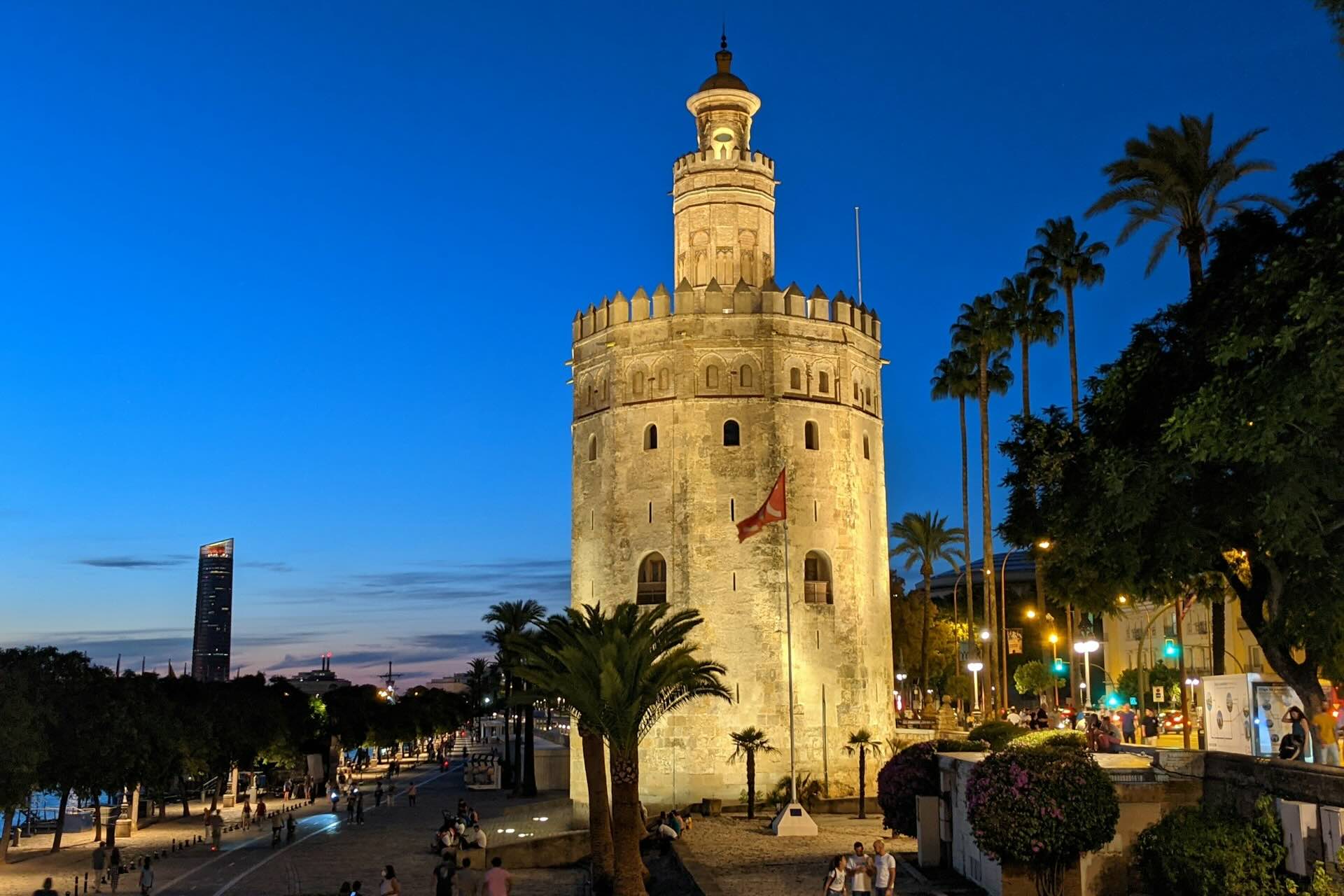
    Seville, Spain orange trees and Andalusian grandeur come together in a city that feels sunlit, theatrical, and deeply rooted in its own identity. Seville has the kind of presence that many historic cities spend centuries trying to achieve. It feels warm in color, generous in space, and unmistakably southern in mood. The city’s beauty is immediate, but what gives it real power is how naturally its architecture, courtyards, plazas, and daily rhythm support the sense of grandeur in the title.

    Why Seville Feels So Distinct

    Some cities impress through monumentality alone. Seville does something richer. It combines elegance with heat, scale with intimacy, and historical weight with visible everyday life. The result is a city that feels grand without becoming remote.

    That matters because Seville does not feel like a place you only admire from a distance. It invites movement through it. The streets, squares, and gardens all carry the same atmosphere. Travelers who want a city with emotional force and visual beauty often connect with Seville almost immediately.

    Orange Trees Shape the Mood

    Orange trees are one of Seville’s quiet signatures. They soften the city visually and give the streets a kind of repeating grace. Their presence helps connect plazas, courtyards, and avenues into one coherent urban mood. Even when they are not the main focus, they remain part of how Seville feels.

    This matters because trees change the emotional texture of a city. In Seville, they add shade, color, and rhythm. They make the city feel more fragrant, more lived in, and more distinctly Andalusian. The orange trees are not decoration. They are part of the atmosphere.

    Andalusian Grandeur Is Real Here

    The phrase Andalusian grandeur fits Seville because the city carries itself with unusual confidence. Churches, palaces, civic buildings, and broad public spaces all contribute to a place that feels historically important and visually complete. Yet the grandeur rarely feels cold. Seville has ceremony, but it also has warmth.

    That combination is one of the city’s greatest strengths. A grand setting can sometimes become too formal. Seville avoids that by remaining open, social, and human in scale even when the architecture is monumental.

    A City Built for Light and Heat

    Seville is inseparable from light. The sun shapes the color of the stone, the tone of the streets, and the rhythm of daily life. It is a city where brightness and shadow both matter. Arcades, courtyards, and trees all become more meaningful because they help the city manage heat as well as beauty.

    This matters because climate is not separate from the city’s identity. It is built into the architecture and the pace. Seville feels the way it does partly because generations adapted to light and temperature with style, not just necessity.

    Courtyards, Plazas, and Urban Drama

    One of Seville’s greatest pleasures is the way public and semi private spaces structure the city. Courtyards, plazas, patios, and garden like corners give the urban experience more variety and more beauty. The city does not rely only on major landmarks. It works through sequences of spaces that feel carefully shaped and deeply enjoyable.

    This gives Seville a stronger rhythm than many other historic cities. A walk here rarely feels flat. One square gives way to a narrow lane, then a courtyard feeling, then another burst of openness. The city reveals itself through movement.

    Architecture With Texture and Weight

    Seville’s architecture gives the city much of its force. The built environment feels layered, with Moorish influence, religious grandeur, and southern Spanish color all contributing to one strong visual language. The city has texture, not only beauty. That texture is what keeps it from feeling too polished or too simple.

    This matters because Seville does not only photograph well. It also feels convincing in person. The stone, tile, ironwork, and spatial richness all reinforce the sense that the city has developed a real and lasting character over time.

    More Than a Monument City

    It would be easy to describe Seville only through its major landmarks, but that would undersell it. The city also works through mood, public life, and the smaller details that hold the whole atmosphere together. Cafés, shaded streets, neighborhood corners, and the movement of daily life all keep the city from becoming too monumental.

    That gives Seville more staying power. It is beautiful right away, but it continues to reward attention once the obvious sights have been absorbed. The city feels like a place, not just a collection of attractions.

    A Social Rhythm That Feels Southern

    Seville has a distinctly social and southern pace. Meals, evening walks, plaza life, and slower transitions through the day all seem to fit the city naturally. This is not a place that wants to be rushed. The city feels better when you allow the rhythm of the day to open gradually.

    That matters because atmosphere in Seville comes partly from timing. Late light, evening movement, and the life of the streets all help make the city feel fuller. A rushed itinerary can flatten that. A slower one lets the city become itself.

    A Place of Beauty and Performance

    Seville is also a city where performance, gesture, and visual presence feel culturally natural. Even without centering any one art form, you can feel that the city values drama, expression, and ceremonial beauty. This helps explain why Seville often feels more emotionally vivid than other cities of similar age and scale.

    That quality gives the city force. Seville does not feel passive. It feels expressive. That expression is one reason it remains so memorable.

    Why It Feels So Complete

    Seville works because so many of its strongest elements align. The orange trees soften the grandeur. The grandeur gives the city structure. The courtyards and plazas keep the scale human. The heat and light shape the rhythm. Nothing feels disconnected from the rest.

    That kind of coherence is rare. It makes Seville feel not just beautiful, but fully formed. The city has a very strong sense of itself, and travelers feel that quickly.

    When Seville Feels Best

    Seville is especially rewarding when travelers give it enough time to move slowly through its plazas, gardens, and older streets. The city works best when the days are not packed too tightly and there is room for wandering, pausing, and letting the atmosphere deepen. That is when the orange trees and Andalusian grandeur start to feel fully connected.

    Its core appeal is not subtle, but it does deepen with time. The title sounds romantic, yet it is also accurate. Seville really does offer both.

    Who Seville Is Best For

    Seville suits travelers who appreciate architecture, atmosphere, and cities that carry emotional as well as visual power. It works especially well for couples, solo travelers, and culturally curious visitors who want a destination with warmth, beauty, and real historical presence.

    It is also a strong fit for travelers who care about urban mood. Seville is not only about seeing great things. It is about moving through a city that feels consistently and convincingly itself.

    The Lasting Appeal of Seville

    Seville stays with people because it feels rich in every direction. The orange trees give it softness. The Andalusian grandeur gives it presence. The plazas and courtyards give it rhythm. Together, they create one of southern Europe’s most memorable urban experiences.

    That is what makes Seville more than simply a beautiful city in Spain. It feels like a place where light, architecture, and daily life still support one another in a deeply satisfying way. For travelers who want warmth, elegance, and a city with real emotional color, Seville remains unforgettable.

    Plan a trip to Seville today.