Tag: historic travel

  • Istanbul to Cappadocia, Why Turkey Captivates Travelers

    Istanbul to Cappadocia, Why Turkey Captivates Travelers

    From ancient Istanbul to Cappadocia, why Turkey captivates travelers becomes clear the moment you start moving through the country. Turkey sits at the intersection of continents, cultures, and centuries. It blends history with daily life in ways that feel natural rather than staged. One moment you walk through ancient streets shaped by empires. The next, you watch sunrise balloons drift above otherworldly landscapes. Turkey rewards curiosity, patience, and openness. It offers depth without feeling overwhelming, and variety without losing identity.

    Why Turkey Feels Different From Other Destinations

    Layers of history feel alive

    Turkey does not separate history from daily life. Ancient ruins, mosques, markets, and neighborhoods exist side by side.

    The past feels present.

    East and west blend naturally

    Cultural influences from Europe, the Middle East, and Central Asia meet seamlessly. Food, music, and architecture reflect this mix.

    Contrast feels harmonious.

    Travel feels immersive

    Experiences in Turkey engage all senses. Sound, scent, texture, and taste shape each day.

    Memory forms quickly.

    Istanbul, A City Built on Civilizations

    A crossroads of empires

    Istanbul served as capital for Roman, Byzantine, and Ottoman empires. Each era left visible marks.

    History feels layered, not distant.

    Neighborhoods define the experience

    Areas like Sultanahmet, Beyoglu, and Kadikoy each feel distinct. Moving between them changes the rhythm of the city.

    Variety shapes understanding.

    Water shapes daily life

    The Bosphorus divides continents and connects neighborhoods. Ferries act as daily transport rather than tourist attractions.

    Movement feels purposeful.

    Why Istanbul captivates

    Few cities balance scale, intimacy, and history so effectively.

    The city feels endless yet personal.

    Istanbul’s Food Culture Tells a Story

    Street food anchors daily life

    Simit carts, fish sandwiches, and stuffed mussels appear everywhere. These foods connect locals and visitors alike.

    Accessibility builds connection.

    Traditional meals reward patience

    Long breakfasts, shared meze, and slow dinners encourage conversation.

    Time becomes part of the meal.

    Tea culture binds everything

    Tea appears in homes, shops, and offices. Conversations often begin and end with it.

    Ritual creates comfort.

    Why food matters here

    Eating in Istanbul teaches rhythm, generosity, and balance.

    Food explains culture.

    Moving Beyond Istanbul

    Distance changes perspective

    Leaving Istanbul reveals quieter landscapes and slower routines.

    Contrast enhances appreciation.

    Regional identity feels strong

    Each area of Turkey carries its own customs, flavors, and pace.

    Diversity feels authentic.

    Travel remains manageable

    Domestic flights, buses, and trains connect regions efficiently.

    Movement feels accessible.

    Cappadocia, Landscapes Unlike Anywhere Else

    Geography shapes wonder

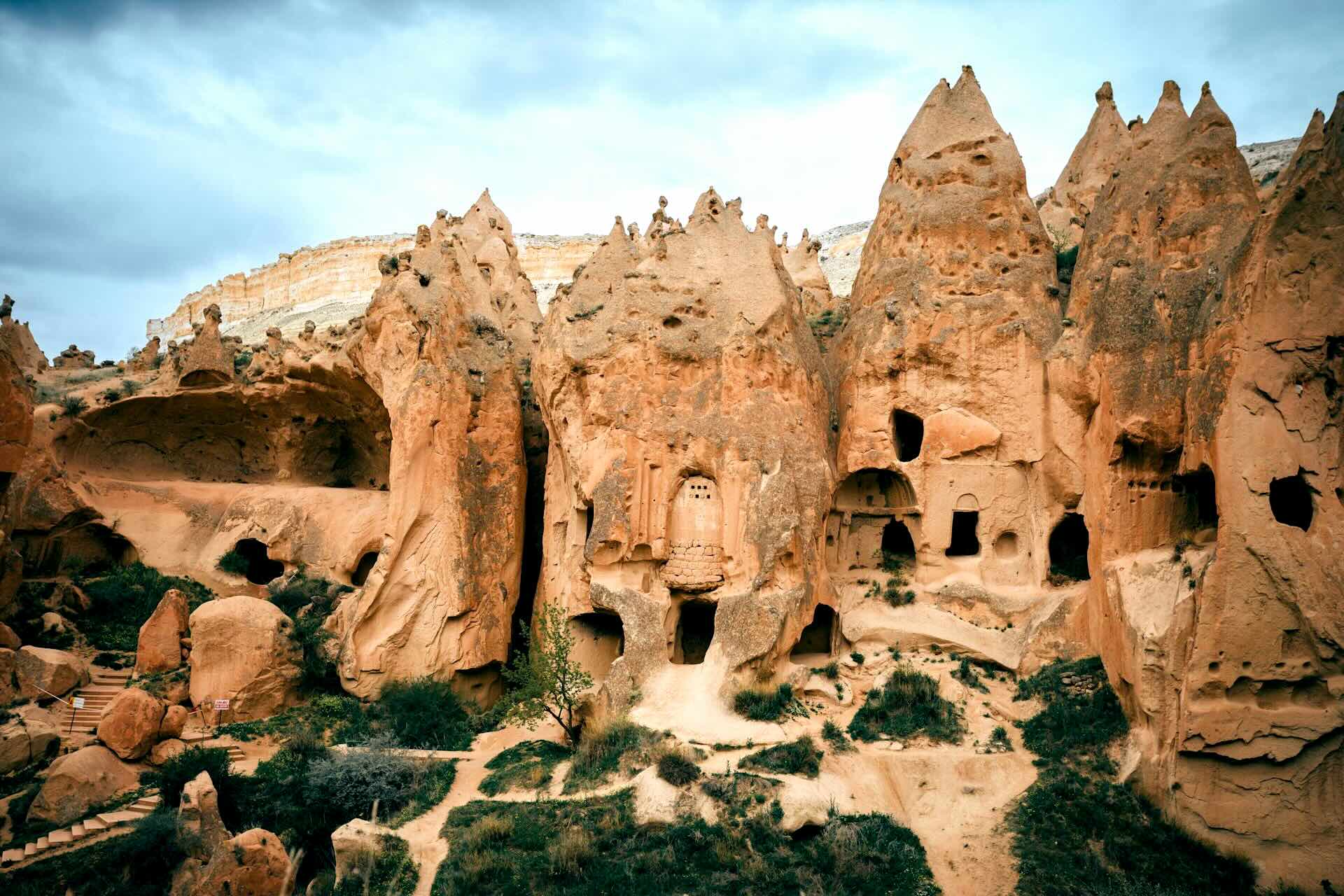
    Cappadocia’s rock formations formed through volcanic activity and erosion. The result feels surreal.

    Nature feels imaginative.

    Sunrise defines the experience

    Hot air balloons lift over valleys at dawn. Watching from the ground feels just as powerful.

    Stillness amplifies emotion.

    Ancient living spaces remain visible

    Cave dwellings, churches, and underground cities show how people adapted to the landscape.

    Human ingenuity stands out.

    Why Cappadocia feels unforgettable

    The environment forces reflection and presence.

    Time slows naturally.

    Staying in Cappadocia

    Cave hotels redefine lodging

    Many hotels integrate directly into rock formations. Rooms feel grounded and quiet.

    Design respects environment.

    Evenings feel peaceful

    Once daylight fades, villages grow quiet. Stars dominate the sky.

    Silence feels rare.

    Why accommodation matters

    Staying within the landscape deepens connection.

    Location shapes memory.

    Turkish Hospitality Feels Personal

    Guests receive warmth

    Hospitality in Turkey emphasizes generosity. Hosts often treat visitors like extended family.

    Kindness feels genuine.

    Conversations flow easily

    Language barriers rarely prevent connection. Gestures and shared meals bridge gaps.

    Communication feels human.

    Why this stands out

    Many travelers remember interactions as much as landmarks.

    People shape experience.

    Markets and Bazaars Offer Insight

    Commerce blends with culture

    Markets function as social spaces, not just places to buy goods.

    Interaction feels natural.

    Bargaining feels expected

    Negotiation occurs respectfully and often playfully.

    Exchange builds rapport.

    Products reflect craftsmanship

    Textiles, ceramics, spices, and jewelry tell regional stories.

    Objects carry meaning.

    Why markets matter

    They show everyday Turkey rather than curated highlights.

    Reality feels textured.

    Religious and Cultural Balance

    Faith remains visible yet inclusive

    Mosques call to prayer while cafes stay busy. Religion coexists with modern life.

    Balance feels natural.

    Visitors feel welcome

    Non locals often receive guidance rather than restriction.

    Respect flows both ways.

    Why this matters

    Cultural openness encourages exploration without discomfort.

    Curiosity feels safe.

    Nature Beyond Cappadocia

    Coastlines offer contrast

    Turkey’s coastline features clear water, small villages, and slower living.

    Calm replaces intensity.

    Mountains invite adventure

    Hiking, paragliding, and scenic drives appear across regions.

    Movement feels expansive.

    Thermal waters support wellness

    Natural hot springs reflect ancient traditions of rest and healing.

    Rest feels intentional.

    Why Turkey Appeals Right Now

    Value remains strong

    Turkey offers depth and quality without excessive cost.

    Accessibility matters.

    Experiences feel genuine

    Many places retain local character despite popularity.

    Authenticity remains intact.

    Social media highlights beauty

    Images spread quickly, but the reality often exceeds expectations.

    Experience surpasses image.

    How to Plan a Balanced Turkey Trip

    Combine cities and landscapes

    Mix Istanbul’s energy with Cappadocia’s calm.

    Contrast enhances satisfaction.

    Allow time for adjustment

    Cultural rhythms differ. Slowing down improves comfort.

    Patience pays off.

    Avoid rushing regions

    Depth comes from staying longer in fewer places.

    Focus improves connection.

    Best Times to Visit Turkey

    Spring and fall feel ideal

    Mild temperatures support walking and exploration.

    Comfort improves enjoyment.

    Summer suits coastal travel

    Beach areas thrive during warmer months.

    Season shapes itinerary.

    Winter adds atmosphere

    Snow in Cappadocia and quieter cities offer intimacy.

    Mood shifts pleasantly.

    Who Turkey Is Best For

    Curious travelers

    Those who enjoy history, food, and conversation feel rewarded.

    Engagement matters.

    Couples and solo travelers

    Both benefit from safety, hospitality, and variety.

    Flexibility supports exploration.

    Repeat visitors

    Turkey reveals more with each return.

    Depth increases over time.

    Common Mistakes to Avoid

    Treating Turkey as one experience

    Regional differences matter.

    Variety deserves attention.

    Over planning every hour

    Spontaneity leads to meaningful moments.

    Space improves discovery.

    Staying only in tourist zones

    Local neighborhoods reveal everyday life.

    Exploration adds richness.

    Why Turkey Leaves a Lasting Impression

    Turkey does not rush visitors. It invites them to observe, taste, listen, and feel. From ancient Istanbul to Cappadocia, the country offers continuity rather than contrast. History informs the present, and landscapes encourage reflection.

    Travel here feels grounding rather than exhausting.

    Final Thoughts

    From ancient Istanbul to Cappadocia, why Turkey captivates travelers becomes clear through experience, not explanation. The country offers history that breathes, landscapes that feel unreal, and hospitality that feels personal. Turkey does not demand attention. It earns it quietly.

    For travelers seeking meaning alongside beauty, Turkey delivers depth that stays long after the journey ends.

    Plan a trip to Turkey today at TravelPal.ai.
  • Historic Buildings Beautifully Restored

    Historic Buildings Beautifully Restored

    Traveling isn’t just about sightseeing—it’s about time travel. Standing inside a restored historic landmark lets you feel the past with all your senses. Across the world, historic buildings have been rescued from decay, fire, war, and neglect. Today, they shine brighter than ever.

    With TravelPal.ai, you can plan a trip that connects you to the world’s most awe-inspiring architectural revivals—from ancient churches to 19th-century train stations. These structures aren’t just beautiful—they’re living stories worth stepping into.

    Elbphilharmonie – Hamburg, Germany

    What began as a nondescript red-brick warehouse has become one of the most iconic buildings in modern Germany. The Elbphilharmonie sits on the edge of Hamburg’s harbor like a shimmering glass wave. Designed by Herzog & de Meuron, it incorporates the original Kaispeicher A warehouse base.

    This ambitious restoration and expansion took years to complete but now houses concert halls, restaurants, and sweeping views of the city. It’s a symbol of Hamburg’s rebirth and one of the most acoustically perfect venues on Earth.

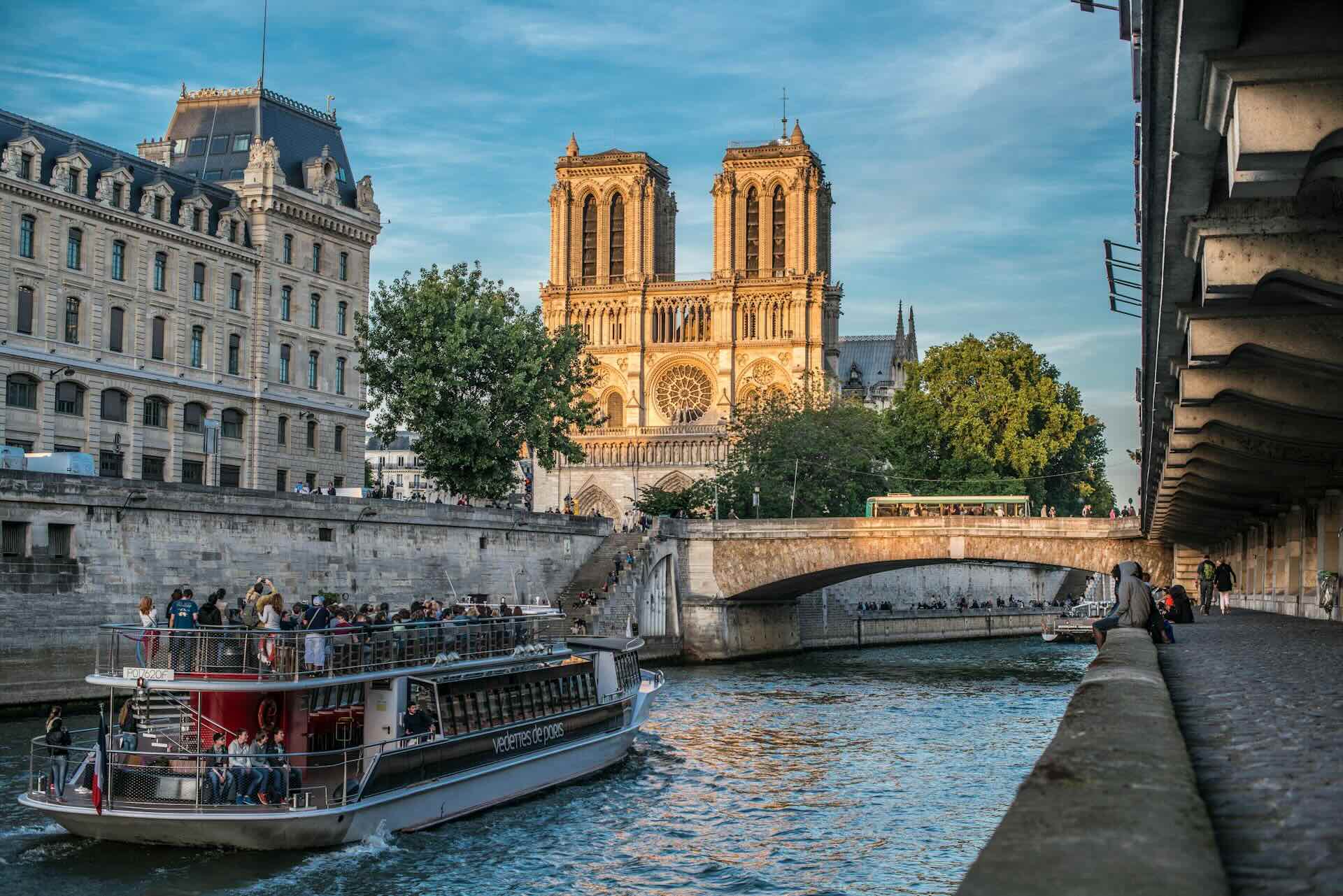
    Notre-Dame Cathedral – Paris, France

    The world watched in horror as Notre-Dame Cathedral burned in April 2019. Flames tore through its ancient wooden beams, collapsing the spire and threatening centuries of history. But in the years since, Notre-Dame has become a global symbol of resilience and rebirth.

    Paris has committed to restoring every detail—from stained glass windows to carved gargoyles. Craftspeople from across Europe are rebuilding the cathedral using traditional methods and materials. When it reopens, it will honor its Gothic roots while showcasing 21st-century restoration at its best.

    Grand Central Terminal – New York City, USA

    In the 1970s, developers wanted to demolish Grand Central Terminal to make room for a skyscraper. Fortunately, New Yorkers rallied to save it. Thanks to the efforts of preservationists like Jacqueline Kennedy Onassis, the terminal underwent a major restoration in the 1990s.

    Today, its celestial ceiling sparkles once again, its brass chandeliers glow, and its Beaux-Arts architecture makes every commute feel grand. You can dine, shop, or simply people-watch beneath its arches, where old-world glamour meets urban bustle.

    Teatro Colón – Buenos Aires, Argentina

    One of the world’s most renowned opera houses, Teatro Colón blends Italian, French, and German architectural styles. Over a century old, its acoustics are still ranked among the best globally. But by the early 2000s, the building showed signs of serious aging.

    A meticulous renovation took over five years, restoring the original stage machinery, stained glass, and frescoes. Now, the theater shines again—welcoming opera fans, architecture lovers, and curious travelers into a space where every seat feels royal.

    Frauenkirche – Dresden, Germany

    The Frauenkirche was destroyed during World War II and left in ruins for decades—a haunting monument in the heart of Dresden. In the 1990s, a movement to reconstruct it took shape. Using original stones salvaged from the rubble, builders pieced it together like a puzzle.

    Completed in 2005, the rebuilt Frauenkirche is now both a place of worship and a powerful symbol of reconciliation. Climb its dome for panoramic views of a city that knows the cost—and value—of rebuilding.

    The Royal Palace – Madrid, Spain

    Spain’s Royal Palace is the largest functioning royal residence in Europe. Though not ruined, it required serious care to preserve its intricate tapestries, gilded moldings, and priceless artifacts. Restoration efforts over the years have made it a dazzling stop on any Madrid itinerary.

    Visitors can walk through opulent rooms, grand staircases, and the Royal Armory, where centuries of Spanish history are on full display. It’s a place where history isn’t just remembered—it’s still alive.

    St. Pancras Renaissance Hotel – London, UK

    Originally opened in 1873, the St. Pancras train station and hotel became a Victorian masterpiece. But by the mid-20th century, it was neglected and nearly demolished. After decades of planning, a massive restoration turned it into one of London’s most beloved landmarks.

    The Gothic spires and iron arches were preserved, and modern upgrades were added to accommodate Eurostar trains and luxury travelers. Whether you’re checking in or catching a train, the magic of this restored gem is undeniable.

    Rijksmuseum – Amsterdam, Netherlands

    The Rijksmuseum closed for ten years to undergo one of Europe’s most ambitious museum renovations. Every fresco, tile, and sculpture was cleaned or restored. Architects brought natural light back into darkened galleries, allowing Rembrandt and Vermeer to shine under the sky once more.

    Now reopened, the museum blends its 19th-century grandeur with sleek, modern functionality. It feels historic but never outdated—offering art lovers an unforgettable journey through Dutch culture.

    Raffles Hotel – Singapore

    A legendary hotel that once hosted Hemingway and Chaplin, Raffles was closed in 2017 for a top-to-bottom restoration. The goal? Update the infrastructure while preserving its colonial charm. The result is seamless.

    High ceilings, antique fans, and white-linen elegance remain. But behind the scenes, everything has been modernized. Afternoon tea under palm trees and Singapore Slings at the Long Bar never felt more luxurious.

    Ellis Island Immigration Museum – New York Harbor, USA

    After processing 12 million immigrants, Ellis Island closed in 1954 and fell into decay. But in the 1990s, restoration efforts revived the main building as a museum. Visitors can now walk through restored halls, viewing old photos, suitcases, and documents that tell stories of American beginnings.

    The Great Hall’s vaulted ceilings and tile floors have been preserved with care. It’s a moving, deeply personal place—made all the more powerful by its transformation from ruin to remembrance.

    Nearby Day Trips with Restored Charm

    From Madrid, take a short train ride to Toledo, where the restored Alcázar blends medieval military history with sweeping views. From New York City, explore Philadelphia’s Independence Hall, also meticulously preserved. Near London, hop to Canterbury to see its restored cathedral and charming streets.

    These neighboring gems show how restoration spans cities and regions—offering countless opportunities to connect with history, not just observe it.

    Why Restoration Matters to Travelers

    Visiting restored sites is more than a photo op. It’s a deeper connection to humanity’s ability to rebuild and honor its past. It’s about stepping where others once stood, seeing what they saw, and feeling what they felt.

    These buildings were saved because they mattered. Today, they matter even more—offering comfort, inspiration, and perspective to every traveler who walks through their doors.

    Plan a trip to your favorite historic city today at TravelPal.ai and experience history rebuilt—one brick at a time.