Tag: Italy travel

  • Bologna, Italy Porticoes and One of Italy’s Best Food Cities

    Bologna, Italy Porticoes and One of Italy’s Best Food Cities

    Bologna, Italy porticoes and one of Italy’s best food cities come together in a destination that feels rich, grounded, and deeply satisfying. Bologna does not rely on the same postcard fame as Rome, Florence, or Venice. Its appeal comes through covered walkways, red brick streets, university energy, medieval towers, market lanes, and a food culture that feels serious without becoming precious.

    Why Bologna Feels So Distinct

    Bologna stands out because it feels authentic and lived in. It has major history, beautiful architecture, and exceptional food, but it still feels like a real working city. Students, locals, shopkeepers, cooks, and visitors all share the same streets.

    That balance gives Bologna its strength. It feels cultural without being stiff. It feels beautiful without being overly polished. Travelers who want Italy with depth and daily rhythm often find Bologna especially rewarding.

    Porticoes Shape the City

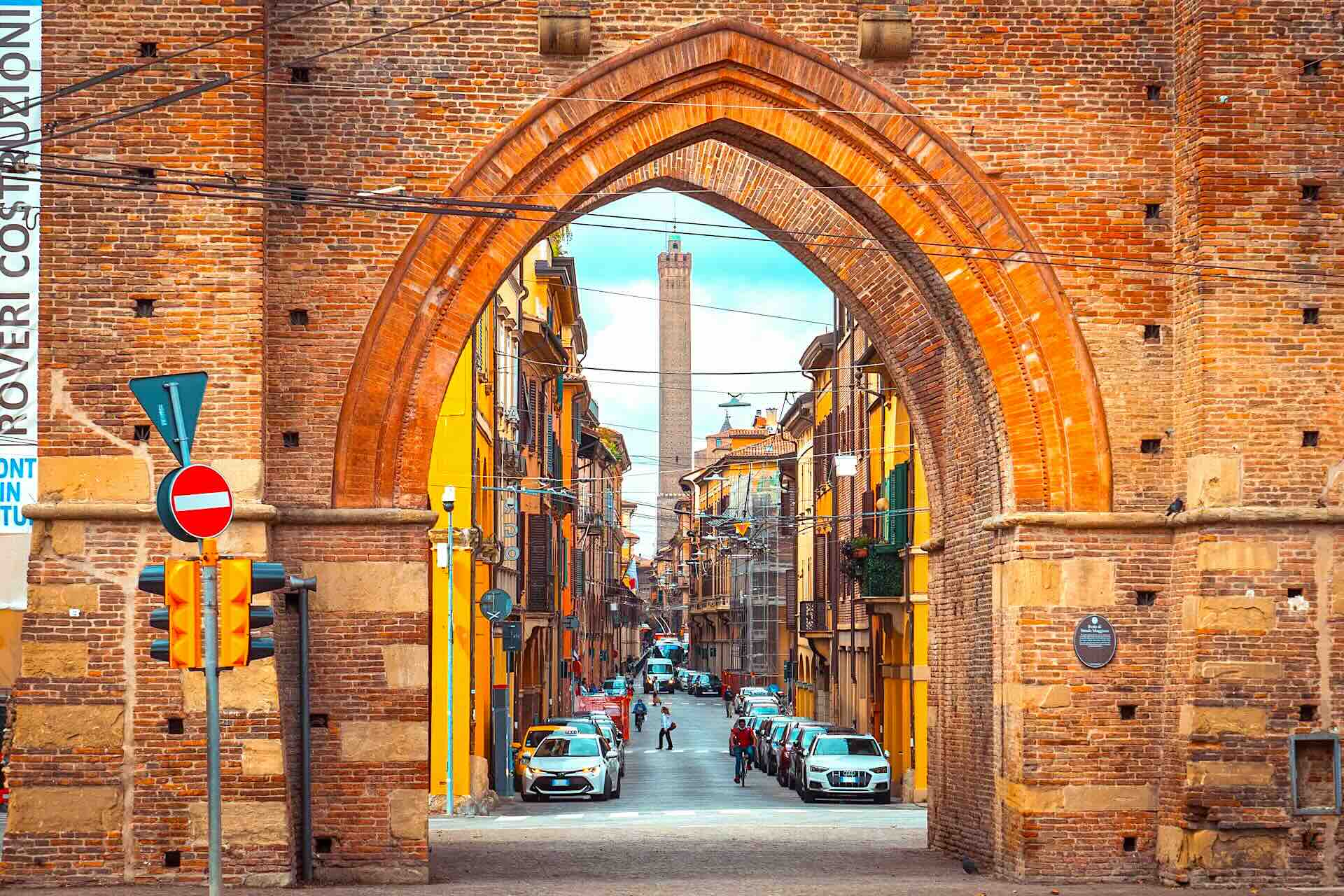
    The phrase porticoes belongs naturally to Bologna. The city’s long covered walkways are one of its defining features. They create shade, shelter, rhythm, and a strong architectural identity. Walking under them feels like moving through the city’s own interior world.

    These porticoes also make Bologna practical and atmospheric. They protect travelers from sun and rain, but they also frame shops, cafés, streets, and piazzas with a sense of continuity. Few cities make walking feel so connected.

    One of Italy’s Best Food Cities

    Bologna’s food reputation is not casual. The city sits at the heart of Emilia-Romagna, one of Italy’s great culinary regions. Pasta, ragù, mortadella, tortellini, Parmigiano Reggiano, balsamic vinegar, and regional wines all help define the local table.

    This makes Bologna a serious destination for food focused travelers. Eating here is not just something to do between sights. It is one of the main reasons to visit.

    Markets and Food Streets

    Bologna’s market streets give the city much of its flavor. Small shops, fresh pasta counters, cheese displays, meats, produce, bakeries, and wine bars create a dense food culture that feels active and local.

    This market energy matters because it shows how food fits into daily life. Bologna’s culinary identity is not only found in restaurants. It is also found in shopping, cooking, tasting, and talking about what comes next.

    Pasta Culture With Real Depth

    Pasta is central to Bologna’s identity. Fresh egg pasta, filled pasta, and slow cooked sauces all show the city’s care for craft and tradition. The food can feel comforting, but it is also precise.

    This is part of what makes Bologna so memorable. The city’s best dishes often look simple, but they reflect deep technique and strong regional pride. Travelers who slow down for meals will understand the city better.

    Medieval Towers and Red Brick Beauty

    Bologna’s skyline and streets carry a strong medieval character. Towers, brick facades, arcades, old churches, and narrow lanes give the city a warm, historic texture. The red tones of the buildings create a visual identity that feels instantly recognizable.

    This brick beauty gives Bologna a different mood from many Italian cities. It feels earthy and elegant at the same time. The architecture supports the city’s grounded personality.

    University Energy Keeps Bologna Young

    Bologna has one of Europe’s great university traditions, and that academic presence still shapes the city. Students bring movement, conversation, nightlife, cafés, bookstores, and a younger rhythm to the historic center.

    This energy keeps Bologna from feeling static. The city has centuries of history, but it also feels active and contemporary. That contrast makes it more interesting over a longer stay.

    Piazza Life and Everyday Italy

    Bologna’s piazzas give the city a strong social rhythm. People gather for coffee, lunch, evening drinks, conversations, and public life. The squares feel grand enough to impress, but comfortable enough to use.

    This is where Bologna’s everyday Italian character becomes clear. The city’s beauty is not separated from its routines. It lives in the way people move through markets, sit under porticoes, and meet in public spaces.

    A Strong Base for Emilia-Romagna

    Bologna works well as a base for exploring Emilia-Romagna. Nearby cities and food destinations make it easy to build a broader regional itinerary. Travelers can use Bologna for culture, food, rail connections, and day trips.

    That practicality adds to its appeal. Bologna is not only beautiful and delicious. It is also useful for trip planning, especially for travelers who want to go beyond Italy’s most obvious routes.

    Who Bologna Is Best For

    Bologna is best for travelers who enjoy food, architecture, markets, university cities, historic streets, and walkable Italian travel. It works well for couples, solo travelers, culture focused visitors, and anyone who wants a more grounded side of Italy.

    This is not a city built around one famous image. Bologna works through flavor, texture, rhythm, and depth. That makes it especially satisfying for travelers who prefer substance over spectacle.

    The Lasting Appeal of Bologna

    Bologna stays memorable because it feels complete and generous. The porticoes give it structure. The food culture gives it identity. The markets, towers, piazzas, university life, and red brick streets give the city its lasting character.

    For travelers who want Italy through meals, architecture, walking, and local rhythm, Bologna is a strong choice. It proves that one of the country’s best travel experiences can come from a city that feels confident, practical, and deeply itself.
    Plan a trip to Bologna today.

  • Turin, Italy Arcades, Cafés, and Quiet Elegance

    Turin, Italy Arcades, Cafés, and Quiet Elegance

    Turin, Italy arcades, cafés, and quiet elegance come together in a city that feels refined, historic, and deeply underrated. Turin does not have the immediate fame of Rome, Florence, or Venice, but that gives it a different kind of appeal. Its beauty comes through long covered walkways, grand squares, chocolate shops, historic cafés, Alpine views, and a polished northern Italian atmosphere.

    Why Turin Feels So Distinct

    Turin stands out because it feels elegant without being loud. The city has wide avenues, formal architecture, graceful piazzas, and a strong sense of order. It feels more reserved than many Italian cities, but that restraint gives it character.

    This makes Turin especially rewarding for travelers who enjoy slower discovery. The city does not reveal itself all at once. It becomes more interesting through walking, sitting, tasting, and noticing the details that shape its daily rhythm.

    Arcades Shape the City Experience

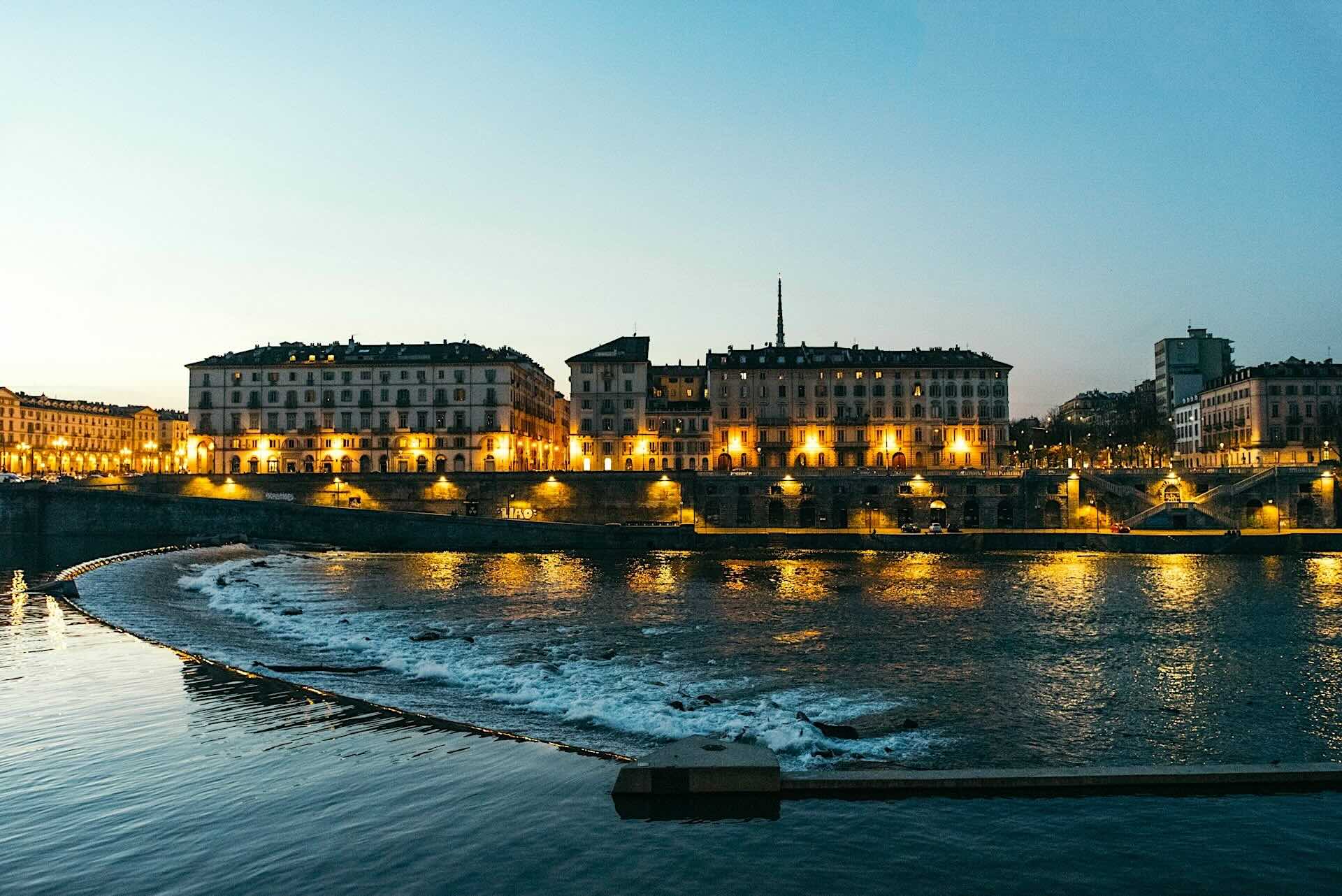
    The phrase arcades belongs naturally to Turin. The city’s covered walkways create shade, shelter, and architectural rhythm. They make walking feel comfortable and cinematic, especially around the historic center.

    These arcades also give Turin a distinctive visual identity. They frame shops, cafés, streets, and squares with a sense of quiet grandeur. Few Italian cities make everyday walking feel so composed.

    Historic Cafés Define the Mood

    Turin’s cafés are central to its charm. They feel old, elegant, and deeply connected to the city’s social life. Coffee, chocolate, pastries, and aperitivo culture all help define the travel experience here.

    The cafés give Turin warmth beneath its formal surface. They make the city feel less distant and more personal. Sitting inside one can feel like stepping into a slower, more polished version of Italian life.

    Quiet Elegance Sets Turin Apart

    Turin’s quiet elegance is one of its strongest qualities. The city does not need constant drama to make an impression. Its beauty comes through proportion, symmetry, stone, light, and atmosphere.

    That quietness matters because it gives travelers space. Turin rarely feels like it is performing for visitors. It feels confident, lived in, and rich with understated style.

    Grand Squares and Northern Italian Style

    Turin’s squares help give the city its formal beauty. Broad piazzas, historic facades, and carefully arranged streets create a sense of order. The architecture often feels more royal and European than what travelers may expect from Italy.

    This northern Italian style gives Turin a clear identity. It feels Italian, but with a stately rhythm that reflects its history and geography. The result is a city that feels both familiar and surprising.

    Chocolate, Aperitivo, and Culinary Ease

    Turin has a strong food culture that adds depth to any visit. Chocolate is part of the city’s identity, and its cafés help make that tradition easy to enjoy. Aperitivo also feels natural here, giving evenings a relaxed social rhythm.

    This culinary side makes Turin more than an architectural destination. Travelers can build a day around coffee, lunch, museums, chocolate, and an evening drink without forcing the schedule. The city supports that kind of easy pleasure.

    Museums and Cultural Depth

    Turin has serious cultural depth. Its museums, galleries, palaces, churches, and historic buildings give the city more substance than many travelers expect. It is a destination that rewards curiosity.

    This cultural strength works well with Turin’s calmer mood. Visitors can move through major sights without feeling swallowed by crowds. The experience often feels thoughtful and manageable.

    A City With Alpine Backdrop

    Turin’s setting adds another layer to its appeal. The Alps sit beyond the city and give the skyline a dramatic natural edge. On clear days, the mountain backdrop makes Turin feel even more distinctive.

    This contrast works beautifully. The city itself feels structured and elegant, while the mountains add scale and atmosphere. Together, they create a travel setting that feels both urban and scenic.

    Less Obvious Than Italy’s Biggest Stops

    Turin is a strong choice for travelers who already know Italy’s most famous cities. It offers history, food, architecture, and culture, but with fewer clichés. The city feels sophisticated without feeling overexposed.

    That makes Turin especially satisfying. It gives travelers a different version of Italy. One shaped by royal history, café culture, industry, design, chocolate, and northern restraint.

    Who Turin Is Best For

    Turin is best for travelers who enjoy elegant cities, historic cafés, architecture, museums, food, and walkable streets. It works well for couples, solo travelers, culture focused visitors, and anyone who prefers slower Italian travel.

    This is not a city that depends on spectacle. Turin works through texture, confidence, and quiet style. That makes it especially rewarding for travelers who appreciate atmosphere over noise.

    The Lasting Appeal of Turin

    Turin stays memorable because it feels refined and calm. The arcades give it structure. The cafés give it warmth. The quiet elegance gives it identity. Together, they create one of Italy’s most graceful city experiences.

    For travelers who want Italy with depth, style, and a slower pace, Turin is a strong choice. It proves that some of the country’s most rewarding cities are the ones that do not need to announce themselves loudly.

    Plan a trip to Turin today.

  • Verona, Italy Roman Stones and Romantic Streets

    Verona, Italy Roman Stones and Romantic Streets

    Verona, Italy Roman stones and romantic streets come together in a city that feels elegant, historic, and deeply atmospheric. Verona has the beauty travelers expect from Italy, but with a softer pace than Rome, Florence, or Venice. Its appeal comes through ancient walls, warm stone, graceful piazzas, river views, and streets that feel made for slow walking.

    Why Verona Feels So Distinct

    Verona stands out because it blends Roman history, medieval texture, and romantic atmosphere with unusual ease. The city feels rich without feeling overwhelming. It has major landmarks, but its strongest charm often comes from the way everything connects.

    This makes Verona especially rewarding for travelers who want beauty without pressure. You can explore historic streets, sit in wide piazzas, cross bridges, and enjoy the city without feeling rushed from one sight to another.

    Roman Stones Shape the City

    The phrase Roman stones fits Verona because ancient history is still part of the city’s daily presence. The arena, gates, walls, and old streets give Verona a sense of endurance. These places do not feel isolated from the modern city. They sit naturally inside it.

    That is part of Verona’s power. Ancient stone does not feel distant here. It becomes part of the walk, part of the skyline, and part of the city’s atmosphere.

    Romantic Streets Define the Mood

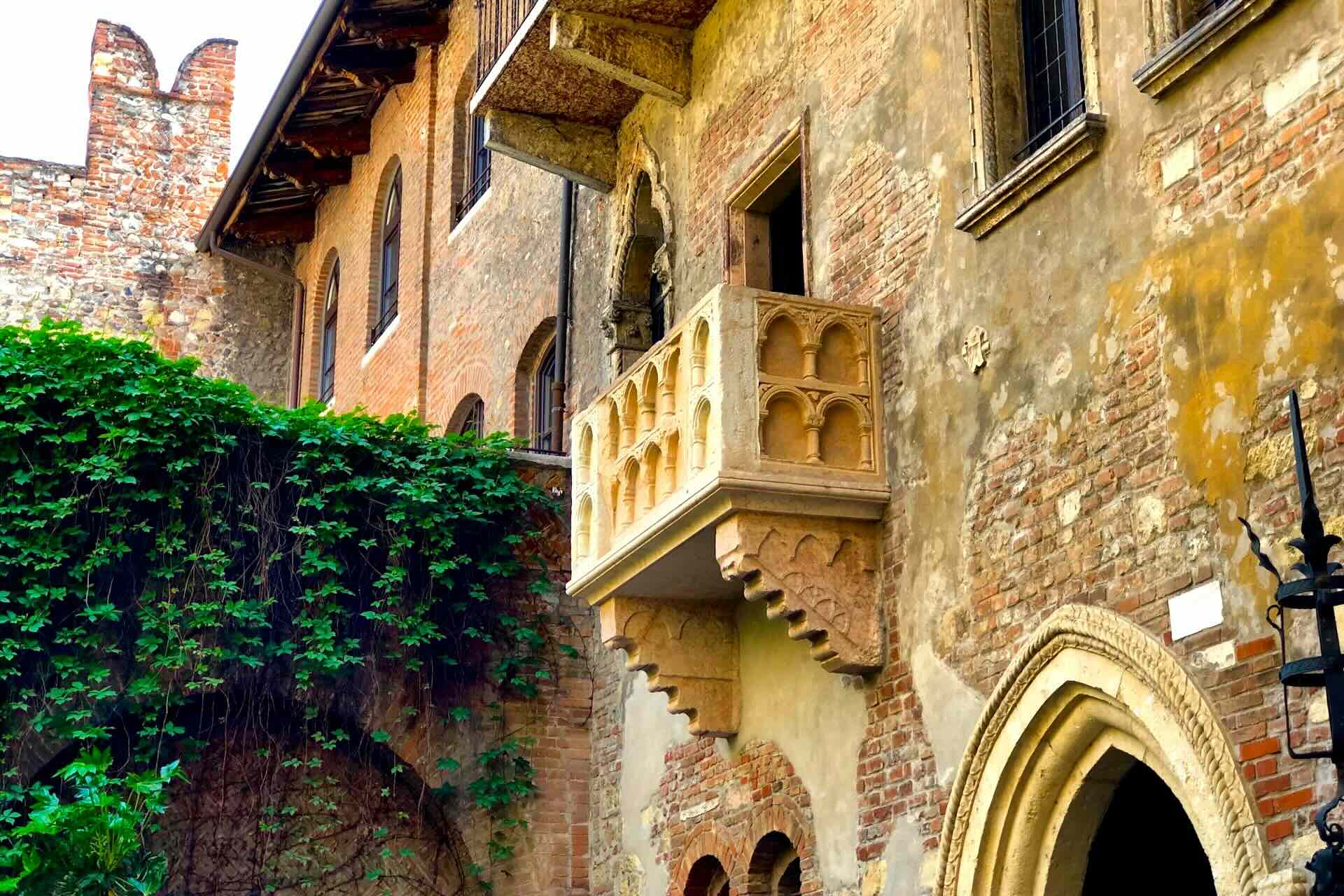
    Verona is strongly tied to romance, but its romantic feeling goes beyond famous associations. The streets themselves help create the mood. Narrow lanes, warm facades, balconies, courtyards, and river views all give the city a graceful intimacy.

    This romance feels more natural than staged. Verona is beautiful because its scale supports wandering. The city invites travelers to move slowly, look upward, and let small details carry the experience.

    Piazza Life and Italian Ease

    Verona’s piazzas are central to its appeal. They create space, movement, and a relaxed social rhythm. Cafés, markets, restaurants, and evening walks all give the city a lively but manageable feeling.

    This piazza life makes Verona feel deeply Italian. The city’s beauty is not only in monuments. It is also in people gathering, talking, eating, and moving through public spaces with ease.

    The Arena and Ancient Drama

    Verona’s arena gives the city one of its most powerful landmarks. Its scale, stonework, and central location create an immediate connection to the Roman past. It feels both monumental and integrated into the life of the city.

    That combination matters. The arena is not just a historic object to admire. It helps define Verona’s identity. It gives the city weight, presence, and a dramatic anchor.

    A City Made for Slow Walking

    Verona rewards walking more than rushing. Its streets, bridges, churches, shops, and river bends all feel connected at a comfortable pace. Travelers can move from Roman remains to medieval lanes and elegant squares without needing a complicated plan.

    That walkability gives Verona a personal quality. The city reveals itself gradually. A side street, shaded corner, or quiet bridge can become as memorable as a major landmark.

    The Adige River Adds Movement

    The Adige River gives Verona shape and softness. It curves around the historic center and adds views, bridges, and a sense of movement. The river also helps the city feel more open than its narrow streets might suggest.

    This balance is important. Verona has dense historic texture, but the river gives it air and light. It creates some of the city’s most graceful moments.

    Warm Stone and Northern Italian Elegance

    Verona’s beauty often comes from color and material. Warm stone, soft facades, arcades, and tiled roofs create a calm visual identity. The city feels elegant, but not overly formal.

    This makes Verona distinct from more dramatic Italian destinations. It does not need constant spectacle. Its beauty builds through harmony, proportion, and atmosphere.

    More Than a Romeo and Juliet Stop

    Verona is often connected with Romeo and Juliet, but the city is much more than that story. The romantic association helps bring people in, but the deeper reward comes from the city’s architecture, public spaces, Roman history, and daily rhythm.

    This matters because Verona deserves to be seen as a full destination. It has enough depth for a long weekend or as part of a broader northern Italy itinerary. It should not be treated only as a quick photo stop.

    Who Verona Is Best For

    Verona is best for travelers who enjoy historic cities, romantic streets, architecture, food, and walkable Italian travel. It works well for couples, solo travelers, culture focused visitors, and anyone who wants an Italian city with beauty and calm.

    This is not a city that needs to overwhelm you. Verona works through atmosphere, scale, and lasting elegance. That makes it especially satisfying for travelers who prefer depth over noise.

    The Lasting Appeal of Verona

    Verona stays memorable because it feels complete. The Roman stones give it strength. The romantic streets give it softness. The piazzas, river, bridges, and warm facades give the city a relaxed Italian rhythm.

    For travelers who want history, romance, and walkable beauty in one place, Verona is a strong choice. It proves that Italy’s most rewarding cities are not always the largest or loudest. Sometimes the best ones are the cities that let beauty unfold slowly.

    Plan a trip to Verona today.

  • What to Expect on Your First Trip to Rome

    What to Expect on Your First Trip to Rome

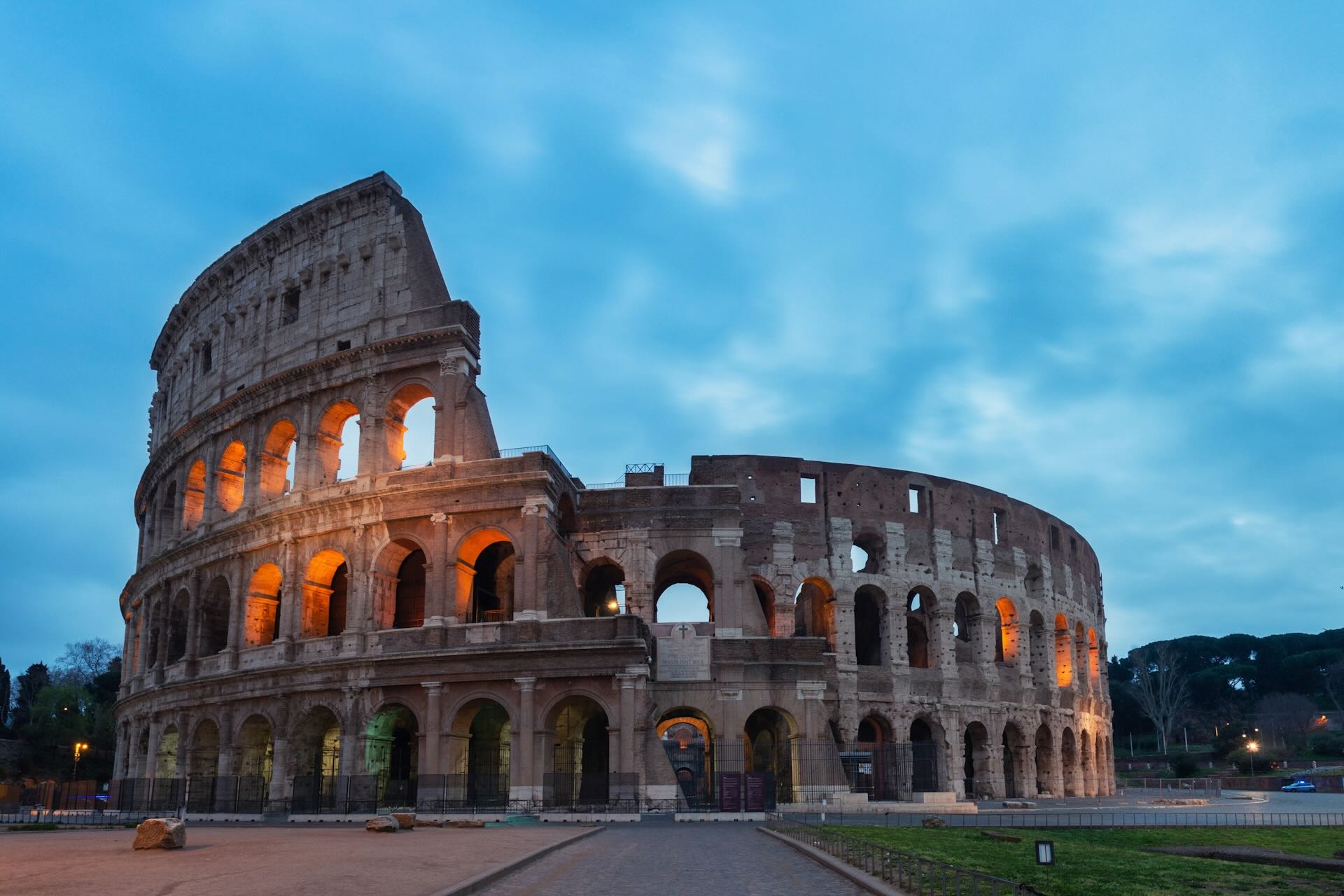
    Rome leaves a strong first impression, and what to expect on your first trip to Rome often includes moments of awe, confusion, delight, and deep appreciation. This is a city where history is not confined to museums. It surrounds you in daily life. You walk past ruins on your way to coffee. You eat dinner beside buildings older than many countries.

    For first time visitors, Rome can feel intense at first. It is busy, layered, and unapologetically itself. With the right expectations, it becomes one of the most rewarding cities you will ever visit.

    First Impressions and the Energy of the City

    Rome feels alive from the moment you arrive. Streets buzz with movement, conversation, and sound. Scooters weave through traffic. Locals speak with expressive gestures. The city does not whisper its presence. It announces it.

    This energy can feel overwhelming initially, especially if you expect quiet order. Rome operates on rhythm rather than rules. Once you accept that, the city starts to make sense.

    The visual impact is immediate. Ancient ruins, baroque fountains, churches, and everyday buildings coexist without separation. You are rarely more than a few steps from something historically significant, even when you are not looking for it.

    Navigating a City Built Over Time

    Rome was not designed as a modern city. Streets curve, narrow, and intersect unpredictably. This is part of its charm and its challenge.

    Walking is the best way to experience Rome, but expect uneven pavement and cobblestones. Comfortable shoes are essential. Distances can look short on a map but feel longer on foot due to crowds and layout.

    Public transportation exists, but many visitors rely more on walking. Buses and metro lines are useful, but they do not reach every area easily. Taxis are available, but traffic can be slow.

    Getting lost is common and often rewarding. Some of Rome’s best moments happen when you wander off course and discover a quiet square or local café.

    The Pace of Daily Life

    Rome moves at its own pace, and adjusting to it improves your experience. Mornings start calmly. Cafés fill with locals standing at the bar for espresso. Midday brings more activity, especially around popular sites.

    Afternoons can feel slower. Many shops close briefly. This pause is part of the rhythm, not an inconvenience.

    Evenings stretch late. Dinner starts later than many visitors expect. Restaurants often fill after eight. Meals are meant to be enjoyed, not rushed.

    Understanding this flow helps you plan without frustration.

    Food and What First Time Visitors Learn Quickly

    Food in Rome is both simple and deeply traditional. The city takes pride in a small number of classic dishes, prepared well and repeated often.

    Menus may look similar from place to place, but quality varies. Restaurants focused on locals often have shorter menus and fewer flashy signs.

    Meals are structured. Courses come in sequence, and bread may arrive without butter. Water is usually bottled unless you ask otherwise.

    Coffee culture follows clear norms. Cappuccino is typically a morning drink. Espresso is quick and often consumed standing.

    Food becomes part of how you understand the city. Eating well in Rome is about respect for tradition rather than novelty.

    History That Feels Immediate

    Rome’s history does not feel distant. You interact with it constantly. Ancient ruins sit beside modern apartments. Churches house layers of art and architecture accumulated over centuries.

    Museums and landmarks are impressive, but history also appears unexpectedly. A construction site may reveal ruins. A quiet street may hide a centuries old façade.

    This proximity to the past creates perspective. You begin to feel time differently. A first trip often reshapes how visitors think about age, continuity, and legacy.

    Churches, Art, and Cultural Depth

    Churches play a major role in Rome’s cultural landscape. They are not just places of worship. They are repositories of art, architecture, and history.

    Many are free to enter, offering access to world class works without crowds or tickets. Dress modestly, as rules are enforced.

    Art in Rome spans eras. You see ancient sculptures, Renaissance paintings, and baroque masterpieces, sometimes in a single afternoon.

    The city does not curate this experience neatly. You encounter art unexpectedly, which makes it feel personal rather than academic.

    Crowds and How to Manage Them

    Crowds are part of Rome, especially on a first trip. Popular sites attract visitors year round. Timing matters.

    Early mornings and late afternoons offer quieter moments. Exploring less famous neighborhoods provides relief from busy corridors.

    A balanced itinerary helps. Pair major sights with slower experiences like wandering, sitting in a piazza, or enjoying a long meal.

    Rome rewards patience. When you stop fighting the crowds and work around them, the city opens up.

    Neighborhoods and Where Rome Feels Local

    Rome is a collection of neighborhoods, each with its own character. Spending time outside major tourist zones deepens your experience.

    Trastevere feels lively and social, especially in the evenings. Narrow streets, small restaurants, and local energy define the area.

    Testaccio offers a more residential feel. It is known for food culture and everyday life rather than landmarks.

    Monti blends history and creativity. Boutiques, cafes, and small streets create a relaxed atmosphere close to major sites.

    Choosing a neighborhood to return to each day helps Rome feel manageable and familiar.

    Practical Expectations for First Time Visitors

    Rome can be less predictable than some cities. Service may feel informal. Processes may take time. This is not inefficiency, but cultural difference.

    English is widely spoken in tourist areas, but learning basic Italian phrases is appreciated.

    Water fountains provide clean drinking water throughout the city. Carry a refillable bottle.

    Pickpocketing can occur in crowded areas. Awareness is usually enough to avoid issues.

    Accepting these realities makes your first trip smoother and more enjoyable.

    Why Rome Leaves a Lasting Impression

    Rome does not try to please everyone. It remains unapologetically complex. That honesty is why it stays with you.

    Your first trip often feels emotional. You experience beauty, chaos, history, and daily life intertwined.

    You leave with memories that feel layered rather than linear. Rome does not give you a single story. It gives you many, unfolding at once.

    Understanding what to expect on your first trip to Rome helps you appreciate the city for what it is, not what you imagined.

    Plan a trip to Rome today.

  • How to Spend 24 Hours in Positano, Italy

    How to Spend 24 Hours in Positano, Italy

    Positano feels like a living postcard, with pastel houses stacked above the sea, winding staircases, and shimmering Mediterranean views. Even with just 24 hours in Positano, you can experience the magic that makes this Amalfi Coast town unforgettable. This itinerary balances sightseeing, relaxation, food, and scenic moments, giving you a full taste of Positano without rushing. Late spring, especially April or May, offers comfortable weather, fewer crowds, and lower rainfall than peak summer.

    Morning in Upper Positano

    Start with Views and Quiet Streets

    Begin your day early in Upper Positano, before day trippers arrive. Morning light softens the colors of the houses and gives you peaceful views of the coastline. Walk down the narrow staircases that connect neighborhoods, stopping often to admire the sea framed between buildings.

    As you descend, browse small shops selling ceramics, linen clothing, handmade sandals, and local art. Many shops open early, and wandering without crowds lets you enjoy the details that make Positano special.

    Breakfast with a View

    Stop at a café overlooking the water for breakfast. Choose a cornetto, fresh fruit, yogurt, or a simple espresso. Sitting on a terrace with the sea below sets the tone for a relaxed but memorable day.

    Late Morning at Spiaggia Grande

    Enjoy Positano’s Main Beach

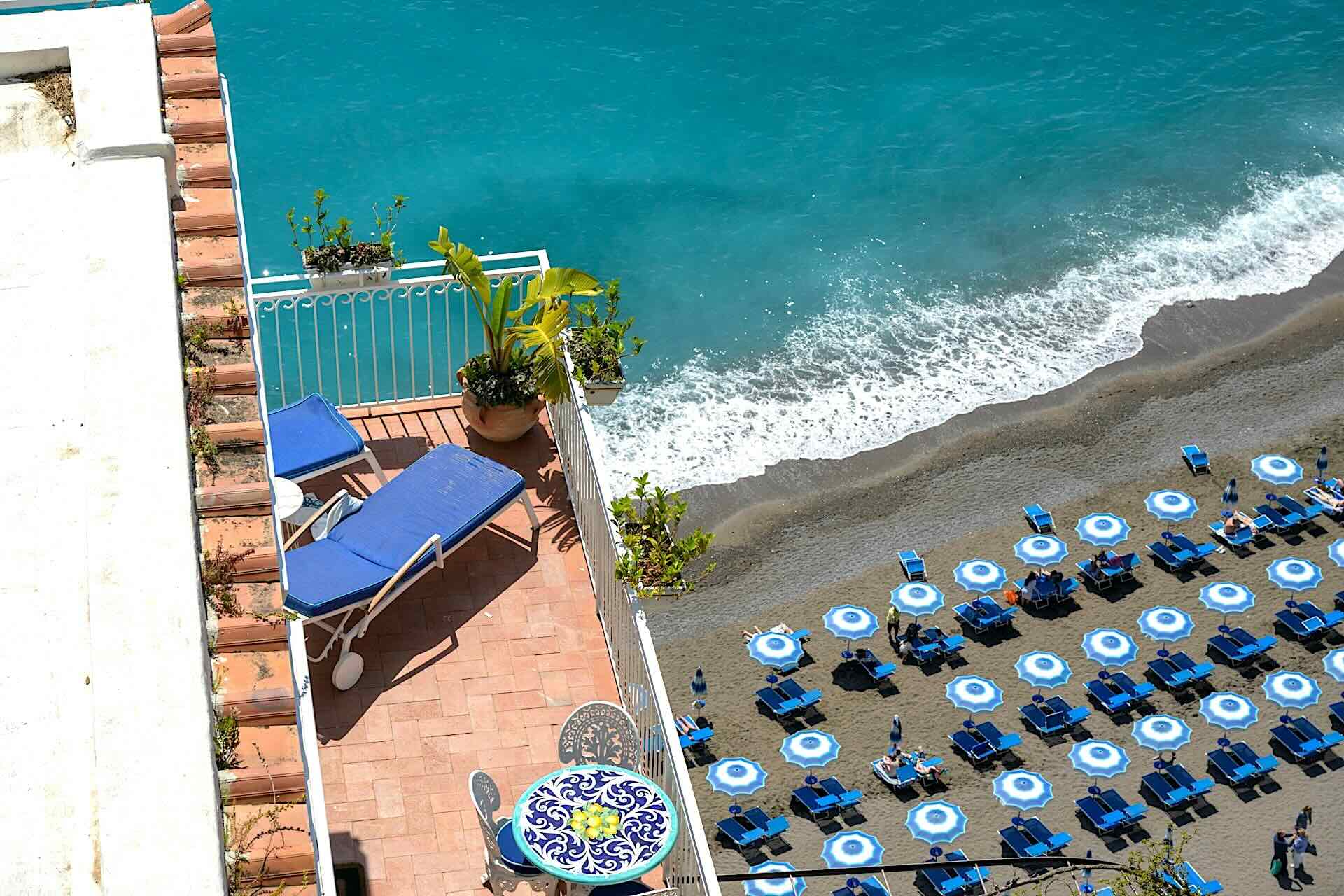
    Continue down to Spiaggia Grande, Positano’s main beach. The wide stretch of pebbles sits directly below the town, offering postcard views back toward the colorful hillside. Rent a lounger if you want comfort, or lay out a towel closer to the water.

    Spend time swimming, relaxing, or simply watching boats come and go. The beach atmosphere feels lively but still elegant, especially during late morning before peak crowds arrive.

    Lunch by the Sea

    Fresh Italian Flavors

    For lunch, choose a seaside restaurant near the beach. Look for menus featuring seafood, pasta, grilled vegetables, and local lemon based dishes. A plate of spaghetti with clams or a simple Caprese salad pairs perfectly with the setting.

    Take your time and enjoy the view. Positano meals feel less about speed and more about savoring the moment, especially when you sit just steps from the water.

    Early Afternoon Boat Experience

    See Positano from the Water

    After lunch, take a short boat ride along the coast. Even a one hour trip gives you a new perspective of Positano and the surrounding cliffs. From the water, you see the town rising dramatically from the sea, which often becomes a highlight of the visit.

    Some tours stop for swimming in hidden coves or offer views toward nearby villages like Praiano. The gentle motion of the boat and open sea breeze make this an ideal midday activity.

    Mid Afternoon Stroll Through Town

    Explore Local Streets and Shops

    Return to shore and spend the afternoon exploring the central streets. Walk up and down staircases that connect the town, stopping to shop or rest in shaded corners.

    Visit the Church of Santa Maria Assunta, known for its iconic dome and historic artwork. The interior offers a quiet break from the sun and a glimpse into Positano’s spiritual history.

    Late Afternoon Coffee or Gelato Break

    Slow Down Before Evening

    Pause at a café or gelateria for an afternoon break. Enjoy lemon gelato, espresso, or a refreshing drink while watching life unfold around you. This slower moment helps you recharge before the evening.

    Sunset at a Scenic Terrace

    One of the Best Views on the Amalfi Coast

    As evening approaches, head to a terrace bar or viewpoint above the town. Sunset in Positano transforms the landscape as the sky shifts through soft pinks and oranges. The sea reflects the light, and the town begins to glow.

    This moment often becomes the highlight of the day. Bring your camera, but also take time to simply watch the colors change.

    Dinner in Positano

    End the Day with Italian Hospitality

    For dinner, choose a restaurant overlooking the sea or tucked into the hillside. Menus often feature regional specialties, including fresh fish, handmade pasta, and local wine.

    Dinner in Positano feels romantic and relaxed. The combination of warm lights, gentle evening air, and coastal views creates a memorable ending to your day.

    Evening Walk Through Town

    A Quiet Finale

    After dinner, take a slow walk through town. The crowds thin, lights soften, and Positano feels calmer. Stroll past quiet staircases and listen to the distant sound of the sea before heading back to your accommodation.

    Tips for a Perfect 24 Hours in Positano

    • Wear comfortable shoes for stairs and uneven paths
    • Start early to enjoy quieter streets and beaches
    • Book boat tours and dinner reservations in advance
    • Pack light layers for cooler evenings
    • Visit in spring or early fall for better weather and fewer crowds

    Positano offers beauty, charm, and unforgettable scenery at every turn. With this one day itinerary, you can experience its highlights while still embracing its relaxed coastal rhythm.

    Plan a trip to Positano with TravelPal.ai.