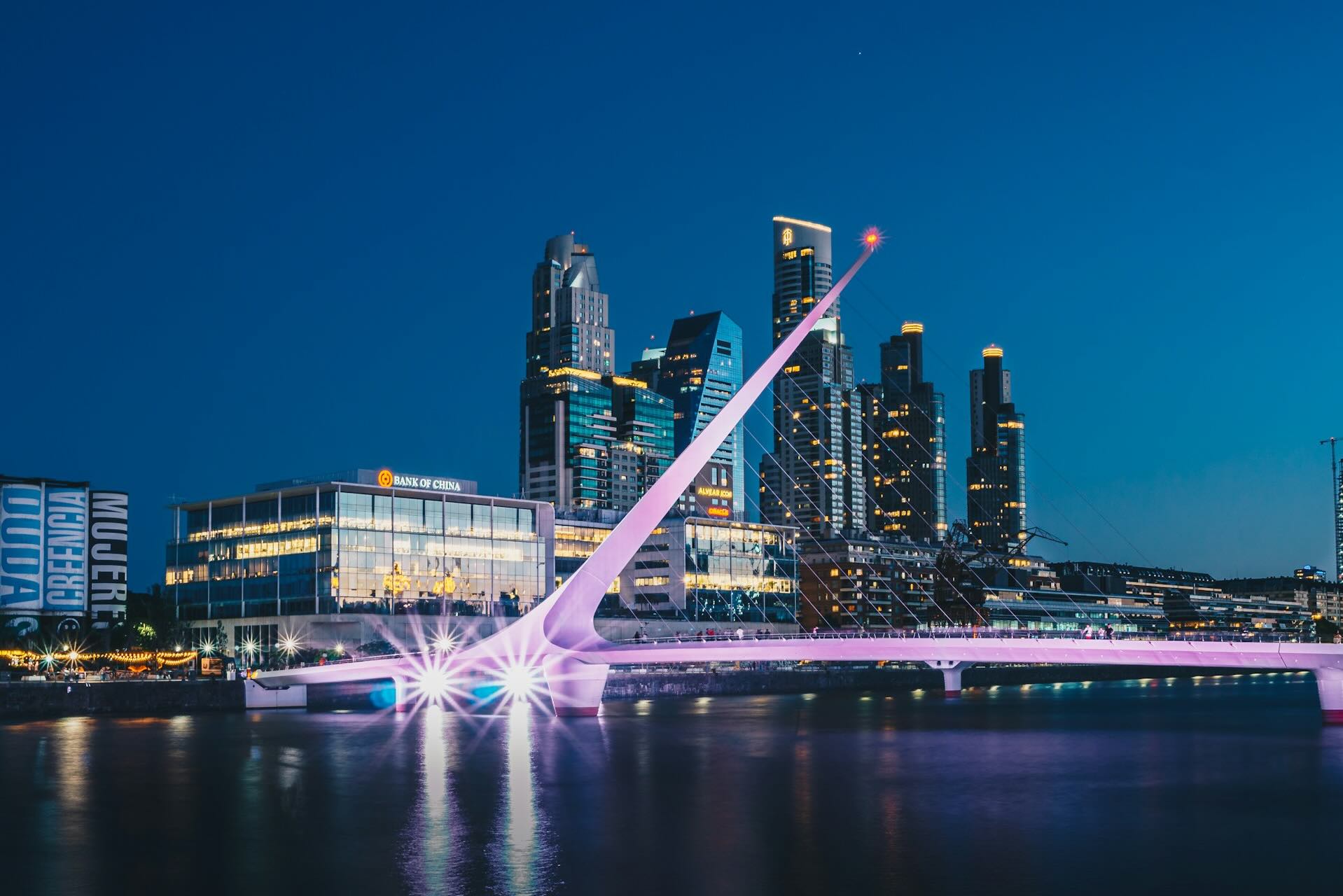
Buenos Aires has a rare ability to feel instantly recognizable while constantly surprising you, and why Buenos Aires feels familiar and completely new at the same time becomes clear within your first few days. The city carries European influences in its architecture, cafés, and rhythms, yet its energy, emotion, and cultural expression feel unmistakably Latin American. This tension creates a place that is easy to settle into and endlessly engaging to explore.
For travelers who enjoy culture, food, music, and everyday city life, Buenos Aires offers comfort without predictability. You feel grounded quickly, but never bored.
A City That Feels European at First Glance
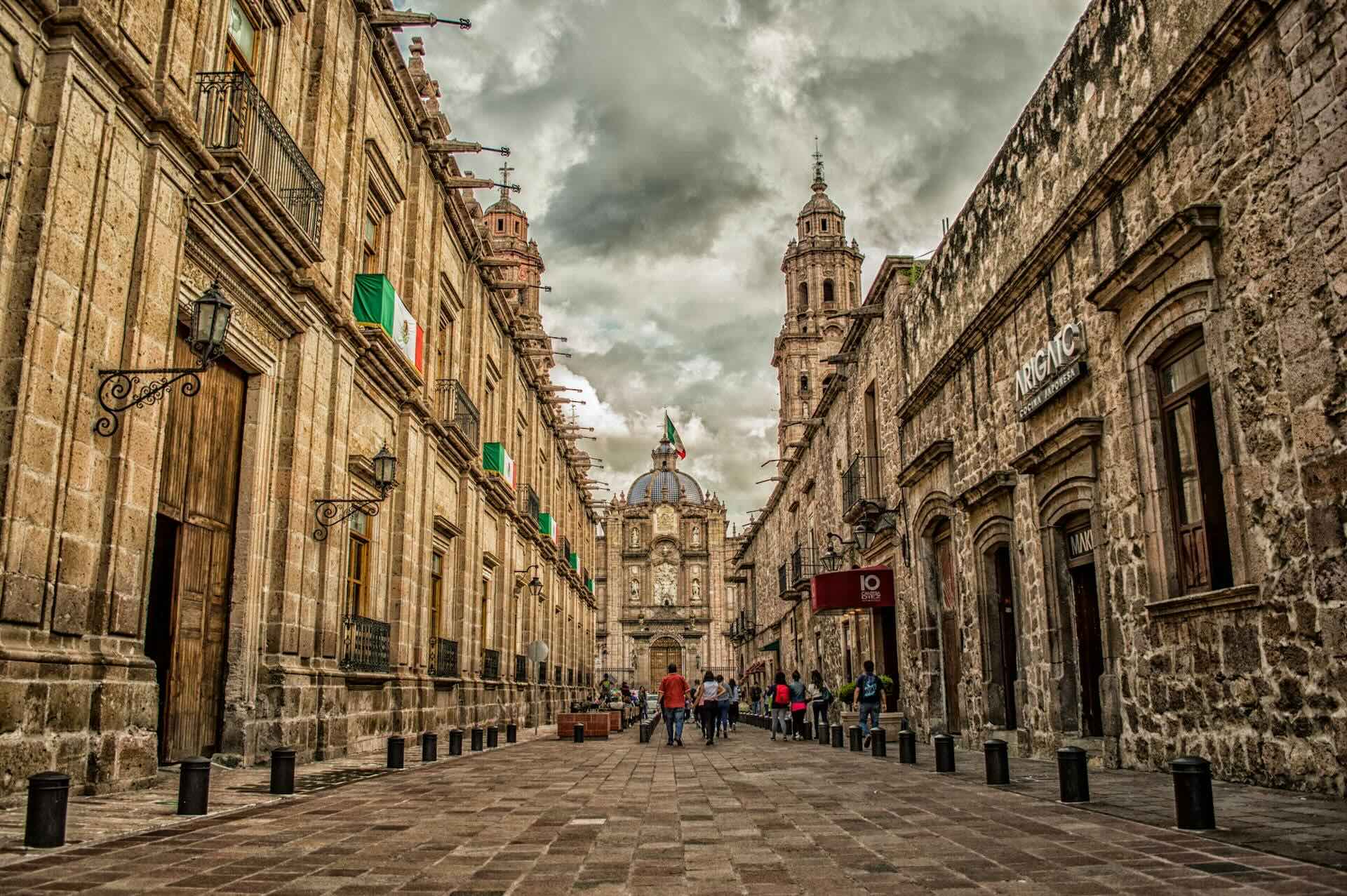
Many first impressions of Buenos Aires feel familiar to travelers who have spent time in Europe. Wide boulevards, historic buildings, and neighborhood cafés recall cities like Paris, Madrid, or Milan.
Sidewalk cafés spill onto tree lined streets. Elegant facades frame everyday routines. Public spaces feel designed for walking, talking, and lingering.
This familiarity helps visitors relax. You intuitively understand how the city works. You know where to sit, how to order coffee, and how to spend an afternoon without a plan.
Yet this surface familiarity is only the entry point.
Latin American Energy Beneath the Surface
As you spend more time in Buenos Aires, its distinct character reveals itself. Conversations grow animated. Emotions feel closer to the surface. Time stretches differently.
Argentine culture values expression, debate, and connection. People speak passionately, even casually. Opinions are shared openly. Humor, irony, and intensity coexist comfortably.
This emotional openness contrasts with the more reserved tone of many European cities. It gives Buenos Aires warmth and immediacy that feels fresh and alive.
Neighborhoods That Shape the Experience
Buenos Aires is best understood through its neighborhoods. Each one feels like a small city with its own rhythm, values, and aesthetic.
Palermo feels creative and social. Cafés, bookstores, parks, and restaurants encourage long afternoons and late nights. It often becomes a base for visitors because it balances comfort with energy.
Recoleta feels refined and historic. Architecture and public spaces reflect tradition and elegance. It offers a quieter pace without feeling distant from city life.
San Telmo feels atmospheric and expressive. Cobblestone streets, antique shops, and street performances create a sense of layered history and everyday art.
La Boca feels colorful and intense. Music, movement, and visual expression dominate. It reminds you that Buenos Aires embraces drama and creativity openly.
Moving between neighborhoods highlights the city’s dual nature. Familiar patterns shift into something distinctly local.
Food That Feels Comforting and Distinct
Food in Buenos Aires often feels familiar at first. European influences appear in bakeries, cafés, and dining habits. Pasta, pastries, and espresso culture feel recognizable.
Then the differences emerge. Portions are generous. Meals stretch longer. Meat plays a central role, prepared with simplicity and pride.
Parrillas focus on quality rather than variety. Ingredients speak for themselves. Dining feels social, not rushed or transactional.
Late dinners are normal. Conversations linger. Food becomes a reason to gather rather than just refuel.
This blend of familiarity and difference makes eating in Buenos Aires deeply satisfying.
Music, Movement, and Emotional Expression
Music and movement play a visible role in Buenos Aires life. Tango is the most famous expression, but it is only one part of the city’s emotional language.
You see music and dance practiced in public spaces, not just on stages. Performances feel participatory rather than polished.
Live music scenes extend beyond tradition. Rock, electronic, and experimental sounds reflect the city’s evolving identity.
Expression matters here. People sing, dance, argue, and celebrate with intensity. This openness creates moments that feel raw and memorable.
A City That Lives Late
Buenos Aires operates on a schedule that often surprises visitors. Days start slowly and stretch late into the night.
Afternoons feel unhurried. Evenings begin late. Dinners often start after nine. Social gatherings extend past midnight.
This rhythm can feel familiar to travelers used to Southern Europe, yet it carries a different emotional tone. Nights feel social and expressive rather than formal.
Adapting to this schedule helps the city make sense. Once you do, time feels generous rather than constrained.
Architecture That Tells a Story
Buenos Aires architecture reflects ambition, influence, and adaptation. European styles appear prominently, but they are shaped by local context and climate.
Grand buildings sit beside modest homes. Wear and restoration coexist. History feels visible rather than preserved behind barriers.
This architectural mix reinforces the city’s dual identity. It honors what came before while remaining actively lived in.
Walking through the city becomes a visual narrative rather than a checklist of landmarks.
Cultural Confidence Without Pretension
Buenos Aires carries cultural confidence, but it rarely feels performative. The city does not try to impress visitors with spectacle.
Culture exists for those who live there first. Visitors are welcomed into it rather than catered to.
This authenticity allows the city to feel familiar without being generic. You sense that life would continue unchanged if you were not there.
That honesty makes experiences feel earned and personal.
Daily Life That Feels Relatable
Part of why Buenos Aires feels familiar is its emphasis on daily routines. People meet friends regularly. Cafés serve as extensions of home.
Public spaces are used actively. Parks fill with conversation and activity. Streets feel lived in rather than purely functional.
These patterns resonate with travelers who value everyday experiences over highlights. You recognize the importance of simple moments.
At the same time, the emotional intensity and social openness add a layer that feels new.
Why Buenos Aires Resonates With Modern Travelers
Buenos Aires appeals to travelers seeking depth without discomfort. It offers cultural richness without forcing constant adjustment.
You feel comfortable quickly, yet challenged enough to stay engaged. The city invites participation rather than observation.
This balance feels especially meaningful now, as many travelers look for connection rather than spectacle.
Buenos Aires delivers that connection naturally.
How to Experience the City Fully
To experience Buenos Aires at its best, allow time to settle in. Choose a neighborhood and return to the same places.
Balance wandering with routine. Sit in cafés. Walk without destinations. Let conversations unfold.
Avoid trying to see everything. Focus on how the city feels day to day.
This approach reveals why the city feels both familiar and completely new.
Why the Feeling Stays With You
Buenos Aires stays with travelers because it mirrors something recognizable while expanding it. You see parts of places you know, filtered through a different emotional lens.
The city does not ask you to reinvent yourself. It invites you to engage more fully.
That combination creates memories that feel personal and lasting.
Why Buenos Aires feels familiar and completely new at the same time comes down to one truth. It welcomes you in, then gently challenges you to see differently.