Tag: luxury travel

  • Where to Eat in Courchevel

    Where to Eat in Courchevel

    Where to eat in Courchevel becomes an important question once you realize food shapes the entire alpine experience. Courchevel offers more than world class skiing. It delivers refined dining, mountain comfort food, and stylish après ski meals that rival major cities. When you spend time here, meals become part of the destination rather than a break between activities. This guide explains where to eat in Courchevel, how dining changes by altitude, and how to choose spots that match your travel style.

    Understanding Courchevel’s Dining Scene

    Dining reflects altitude and lifestyle

    Courchevel stretches across multiple villages, each with its own dining personality. Courchevel 1850 leans luxury focused and international. Lower villages feel more traditional and relaxed.

    Where you stay often shapes where you eat.

    Food matches the rhythm of ski days

    Meals align with ski schedules. Long lunches matter as much as elegant dinners. Après ski dining bridges the gap between slopes and nightlife.

    Timing influences atmosphere.

    Dining in Courchevel 1850

    Fine dining defines the village

    Courchevel 1850 offers some of the Alps’ most refined dining. Michelin starred restaurants, chef driven menus, and polished service dominate.

    These venues attract travelers who treat dining as a highlight.

    Le 1947 at Cheval Blanc

    Le 1947 delivers an elevated tasting experience focused on precision and creativity. The dining room feels intimate and serene.

    This restaurant suits celebratory evenings.

    L’Apogée restaurants

    Dining at L’Apogée combines alpine elegance with modern French cuisine. Menus emphasize seasonal ingredients and careful presentation.

    The setting matches the cuisine’s sophistication.

    When to choose fine dining

    Plan fine dining for non ski evenings. Reservations matter, especially during peak season.

    Allow time to enjoy the experience.

    Mountain Restaurants for Ski Lunch

    On slope dining feels essential

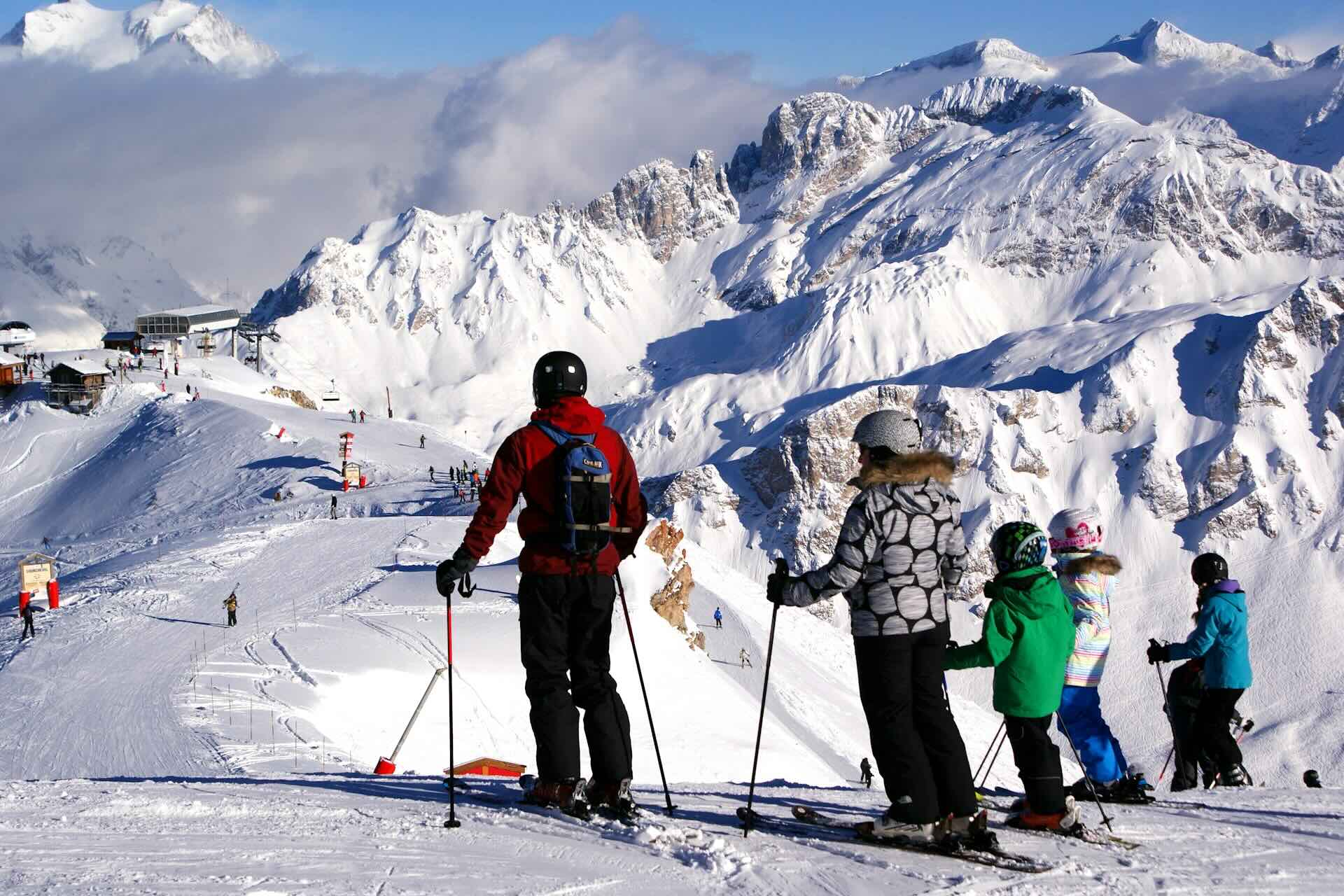
    Courchevel excels at mountain restaurants that serve memorable lunches. These meals recharge skiers while offering scenic views.

    Lunch becomes an event.

    La Soucoupe

    La Soucoupe sits slopeside and serves generous alpine classics. The atmosphere feels lively, especially midday.

    Fondue and grilled meats dominate menus.

    Cap Horn

    Cap Horn blends mountain dining with a cosmopolitan feel. Sushi appears alongside French dishes, creating variety.

    Its terrace attracts a social crowd.

    Timing matters for lunch

    Arrive early or late to avoid crowds. Midday peaks feel busy.

    Flexible timing improves enjoyment.

    Traditional Savoyard Cuisine

    Local dishes define comfort

    Savoyard cuisine focuses on warmth and richness. Cheese, potatoes, and cured meats dominate.

    These dishes suit cold mountain days.

    Raclette and fondue experiences

    Several restaurants specialize in raclette and fondue. These meals encourage slow dining and conversation.

    They work best after long ski days.

    Where to find authenticity

    Lower villages and family run spots often deliver the most traditional flavors.

    Simplicity defines quality.

    Dining in Courchevel Moriond and Village

    A more relaxed atmosphere

    Courchevel Moriond and Courchevel Village offer approachable dining. Prices feel slightly lower, and crowds feel less formal.

    These areas suit families and casual travelers.

    Bistro style restaurants

    Bistros serve hearty lunches and relaxed dinners. Menus balance French classics with alpine staples.

    Service feels friendly and efficient.

    Why choose lower villages

    These areas offer authenticity without sacrificing quality. Dining feels less performative.

    Comfort replaces spectacle.

    Après Ski Dining

    Food bridges skiing and nightlife

    Après ski in Courchevel blends drinks and food. Small plates, shared dishes, and quick bites dominate.

    This moment feels social rather than formal.

    Le Cap Horn Bar

    Le Cap Horn transitions smoothly from lunch to après ski. Music, cocktails, and snacks attract a lively crowd.

    Energy builds naturally.

    La Folie Douce nearby influence

    While not strictly Courchevel dining, nearby après ski culture influences menus and music across the area.

    Fun and flavor mix.

    International Cuisine in Courchevel

    Global tastes appear everywhere

    Courchevel attracts international travelers, and menus reflect that diversity. Italian, Japanese, and Mediterranean dishes appear frequently.

    Variety prevents repetition.

    Sushi and Asian fusion

    Several venues offer sushi and Asian inspired cuisine. These lighter options appeal after heavy alpine meals.

    They add balance to dining plans.

    When international cuisine works best

    Alternate local and international meals to avoid palate fatigue.

    Variety enhances longer stays.

    Family Friendly Dining Options

    Casual settings matter

    Families benefit from restaurants offering space and flexible menus. Early dinner options help.

    Lower villages excel here.

    Menus designed for all ages

    Many restaurants offer simplified dishes alongside traditional fare.

    This inclusivity supports relaxed meals.

    Timing helps families

    Dining earlier avoids crowds and noise.

    Comfort improves experience.

    Romantic Dining Experiences

    Intimate settings shine

    Couples seeking romance find candlelit dining rooms and quiet corners. Mountain views enhance mood.

    Fine dining suits special evenings.

    Quiet nights feel magical

    Snowfall, soft lighting, and attentive service create memorable moments.

    Atmosphere becomes part of the meal.

    How Dining Changes by Season

    Winter dining feels energetic

    During ski season, restaurants buzz with energy. Reservations feel essential.

    Menus emphasize warmth and indulgence.

    Shoulder seasons feel quieter

    Outside peak winter, dining feels more relaxed. Staff have more time to engage.

    These periods suit slower travelers.

    How to Plan Your Dining

    Balance reservations and spontaneity

    Reserve key dinners but leave room for discovery. Some of the best meals happen unplanned.

    Flexibility adds surprise.

    Match dining to ski intensity

    Plan lighter meals after hard ski days. Save indulgent dinners for restful evenings.

    Listening to your body improves enjoyment.

    Ask locals and staff

    Hotel staff often recommend excellent dining spots. These insights feel valuable.

    Local knowledge saves time.

    Common Dining Mistakes to Avoid

    Overbooking dinners

    Too many reservations create pressure. Leave space to rest.

    Quality beats quantity.

    Ignoring altitude differences

    Dining options change significantly between villages. Consider transportation time.

    Planning avoids frustration.

    Skipping lunch planning

    Lunch crowds surprise many visitors. Choose timing carefully.

    Preparation prevents waiting.

    Why Courchevel Dining Feels Unique

    Courchevel combines alpine tradition with global luxury. Few ski destinations offer this range of quality and atmosphere.

    Food becomes a core memory.

    Dining here feels intentional rather than incidental. Whether enjoying fondue after skiing or a refined tasting menu, meals reflect the destination’s character.

    Understanding where to eat in Courchevel helps you shape the entire trip. Thoughtful dining choices enhance skiing, social time, and relaxation.

    Plan a trip to Courchevel today at TravelPal.ai.
  • Chase Travel’s Top 26 for 2026: TravelPal’s Take

    Chase Travel’s Top 26 for 2026: TravelPal’s Take

    Chase Travel has released its Top 26 Places to Visit in 2026, and the list perfectly captures the spirit of modern travel. It balances timeless destinations with new discoveries, appealing to travelers who value culture, sustainability, and unique experiences. From the Albanian Riviera to New York’s Upper East Side, the list shows how travel is shifting toward deeper, more meaningful experiences.

    At TravelPal.ai, we examined this list through the lens of real data and traveler behavior.

    What Chase Got Right

    Chase Travel’s 2026 list stands out for its balance between emerging and iconic destinations. Each choice reveals a different facet of global travel trends, and collectively, they illustrate how the definition of luxury and adventure continues to expand.

    The Appeal of Hidden Gems

    One of the strongest choices on the list is the Albanian Riviera. Long overshadowed by its Mediterranean neighbors, it offers turquoise waters, quiet coastal towns, and authentic charm without the crowds. For travelers seeking natural beauty at a fraction of the price of Italy or Greece, Albania is quickly becoming Europe’s next must-visit region.

    The Atacama Desert in Chile represents another inspired pick. Known for its otherworldly landscapes and starlit skies, it appeals to adventurers and stargazers alike. Chase’s inclusion of Dominica also highlights a key trend, travelers moving toward eco-conscious Caribbean islands where sustainability is built into the experience.

    The Power of Nature and Conservation

    Chase recognized that travelers in 2026 are increasingly motivated by natural beauty and environmental awareness. Botswana has emerged as one of Africa’s most exclusive and conservation-focused safari destinations, offering pristine wilderness experiences that respect wildlife and local communities.

    Similarly, the Canadian Arctic captures the essence of untouched exploration. It appeals to those searching for remote adventure and a deeper connection to the environment. The British countryside, meanwhile, represents the opposite end of the spectrum, peaceful landscapes and heritage charm that attract travelers who crave simplicity and calm.

    Iconic Cities That Keep Reinventing Themselves

    Chase also included destinations that continue to evolve while maintaining their timeless appeal. Côte d’Azur and the Dolomites are perfect examples of European destinations that blend tradition and sophistication. Istanbul remains a crossroads of culture, design, and cuisine, while Egypt continues its remarkable tourism revival, supported by new archaeological discoveries and modern infrastructure.

    In Asia, Osaka earns its place as Japan’s culinary capital, and Taipei is gaining momentum as one of the most dynamic and creative cities in East Asia. The inclusion of New South Wales showcases Australia’s versatility, combining beaches, vineyards, and a thriving cultural scene.

    Rediscovering the Americas

    Closer to home, Chase celebrates the growing appeal of the Americas. Cartagena continues to rise as Colombia’s most romantic and colorful destination, combining colonial architecture with Caribbean vibrancy. Portland, Oregon, and Park City, Utah, each represent modern American travel values, creativity, outdoor recreation, and wellness.

    Route 66 speaks to nostalgia and freedom, capturing the enduring allure of the open road. Meanwhile, Valle de Guadalupe in Mexico is positioning itself as a serious competitor to Napa Valley, offering boutique vineyards and world-class cuisine.

    The Allure of the Tropics

    Destinations like SeychellesSouth Caicos, and Sri Lanka underscore the continued demand for tropical escapes that blend comfort with nature. These locations are ideal for travelers who want privacy and tranquility without sacrificing quality.

    Even the inclusion of the Upper East Side in New York reveals an appreciation for timeless urban luxury. It reflects a growing interest in experiences that combine culture, art, and lifestyle in established global cities.

    TravelPal’s Perspective

    At TravelPal.ai, we see clear alignment between Chase’s list and current traveler behavior. Travelers today are less interested in checking off landmarks and more focused on experiences that connect them to local culture, food, and nature.

    Our AI-driven insights reveal that travelers are extending trip durations, staying in fewer destinations, and choosing accommodations that match their values, from eco-resorts to design-forward boutique hotels. The desire to travel more meaningfully, rather than more frequently, defines this new era of exploration.

    The Rise of Sustainability and Conscious Travel

    Many destinations on Chase’s list highlight the importance of sustainability. From Dominica’s eco-lodges to Botswana’s low-impact safaris, the focus on environmental responsibility is not a niche interest anymore. It has become a standard expectation for many travelers.

    At TravelPal.ai, we have observed a steady increase in searches related to sustainable experiences and eco-friendly travel options. Travelers are now making choices that align with both environmental and cultural preservation.

    Culinary and Cultural Journeys

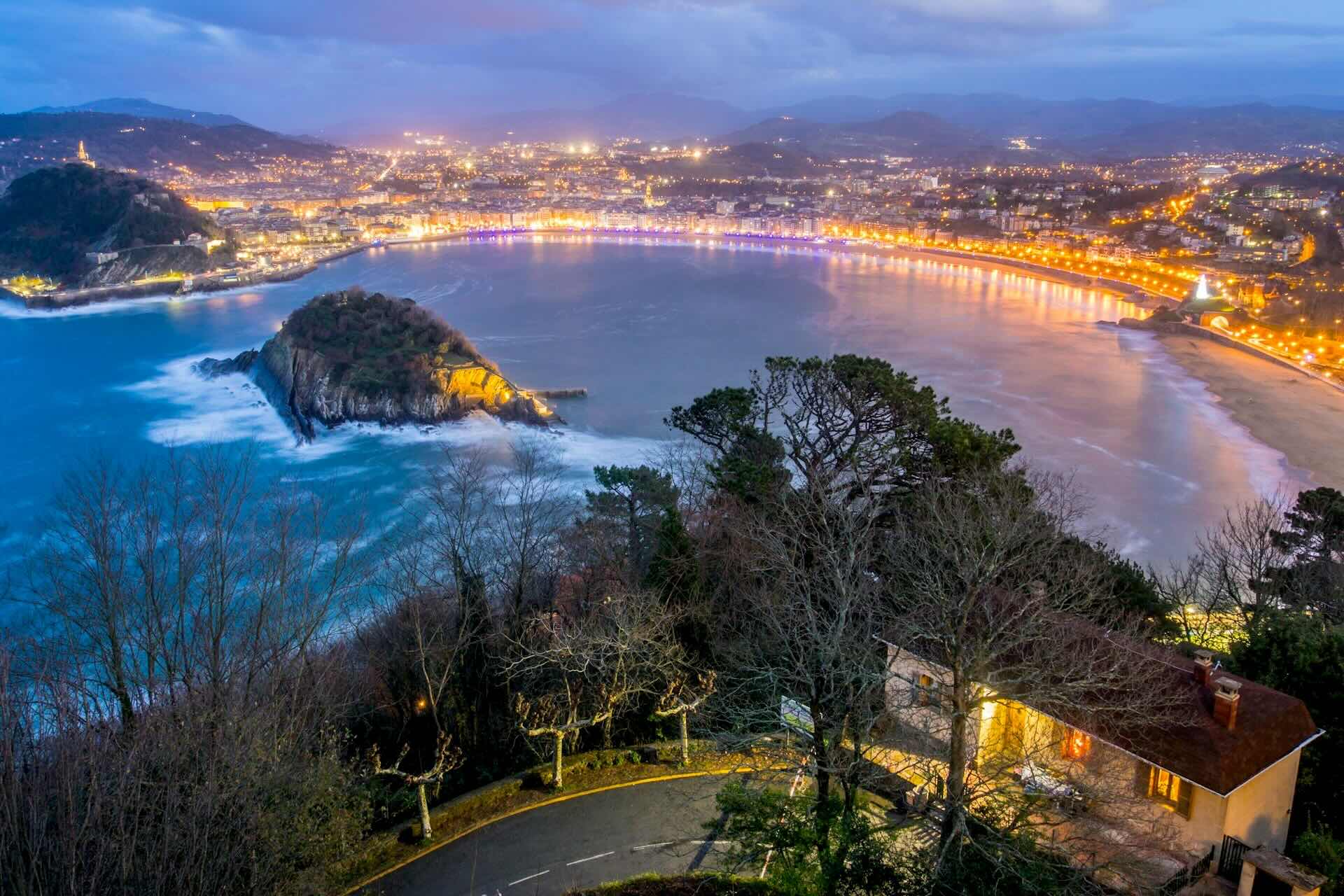
    Food remains one of the strongest motivators for global travel. Basque Country, Osaka, and Cartagena all reflect how culinary culture is shaping destination appeal. Rather than dining in luxury restaurants alone, travelers want to connect with authentic flavors, local markets, and food traditions that tell a story.

    Cultural depth also remains a top priority. Egypt, Istanbul, and the Golden Triangle in India each offer travelers the opportunity to experience living history in immersive ways. The most successful destinations in 2026 will be those that marry culinary excellence with cultural integrity.

    TravelPal.ai’s Additions

    While Chase’s list is strong, TravelPal.ai’s data highlights several destinations poised for growth. Oaxaca, Mexico stands out for its artistry and culinary scene, while Lisbon, Portugal continues to attract global attention for its design, affordability, and charm. Reykjavik, Iceland remains a top choice for sustainable adventure.

    Bali continues to appeal to wellness travelers and creative professionals alike. Kyoto offers cultural serenity that complements Osaka’s energy, and Montreal remains North America’s creative heartbeat. Tbilisi and Medellín represent a new class of affordable, safe, and inspiring cities that appeal to digital nomads and investors.

    The Future of Trip Planning

    Chase’s list inspires curiosity, but planning such trips requires organization and precision. That is where TravelPal.ai excels. The platform uses AI to build custom itineraries that adjust in real time based on traveler interests, budget, and schedule.

    From predicting ideal travel seasons to suggesting restaurants and boutique hotels, TravelPal.ai turns inspiration into actionable plans. It combines global data with personalization, helping travelers explore smarter, not harder.

    The Takeaway

    Chase Travel’s 2026 list captures the spirit of global discovery at a pivotal time. It reflects a world eager to reconnect through exploration and experience.

    At TravelPal.ai, we share that vision. The destinations that define 2026 are not just beautiful, they are meaningful. They encourage travelers to slow down, stay longer, and see deeper. With AI-driven planning, it is now possible to experience them all in a way that feels personal, efficient, and inspiring.

    Plan your next top adventure with TravelPal.ai

  • 9 Historic Hotels Every Traveler Should Visit

    9 Historic Hotels Every Traveler Should Visit

    Some hotels don’t just provide a place to rest—they tell stories. From grand halls where presidents once stayed to seaside resorts that inspired Hollywood legends, these 9 historic hotels capture the essence of a different era while continuing to offer world-class comfort. Whether you’re drawn to old-world luxury, architectural beauty, or the whispers of history echoing through elegant lobbies, these nine historic hotels are destinations every traveler should experience at least once.

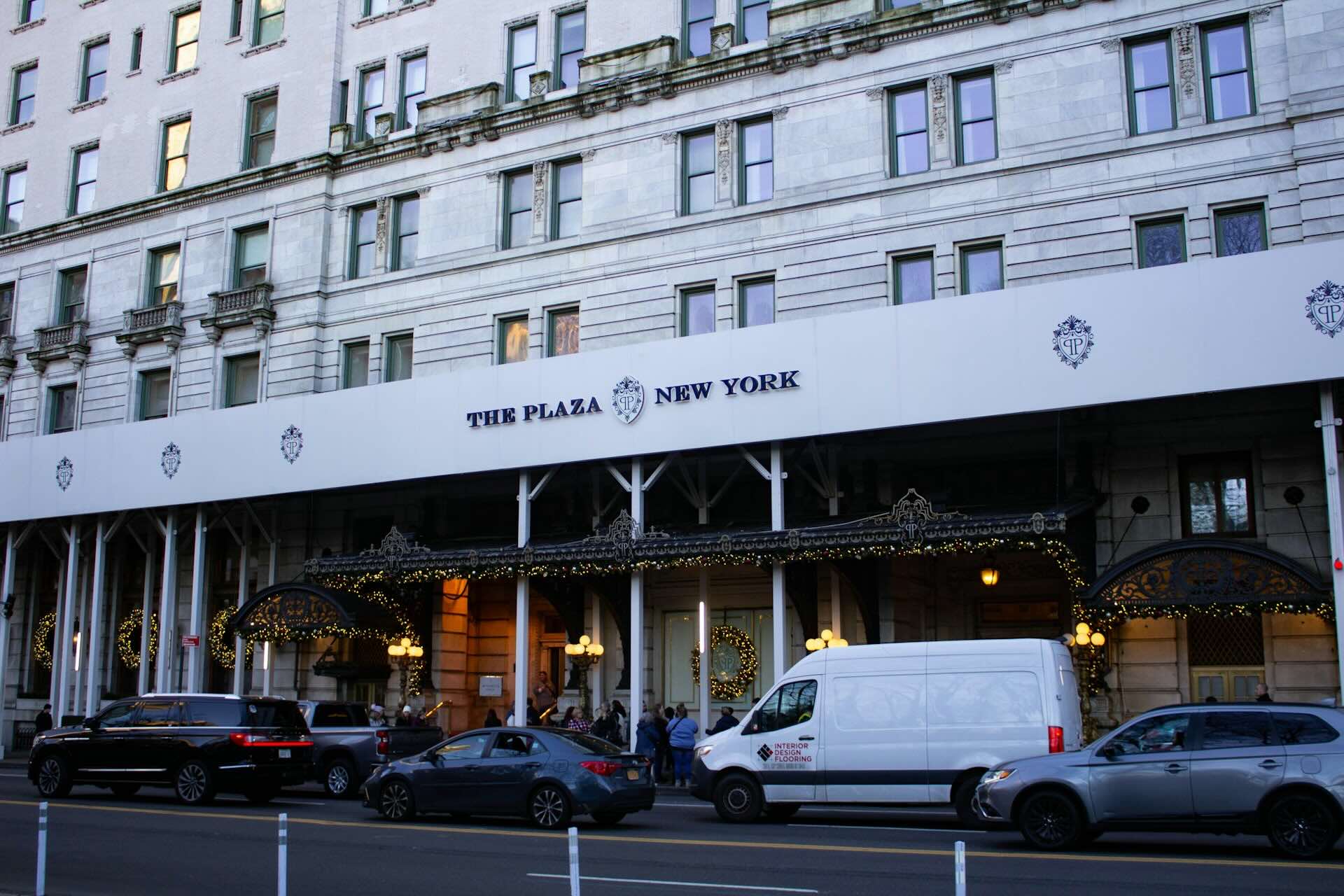
    The Plaza — New York City, New York

    Since opening its doors in 1907, The Plaza has become a symbol of New York sophistication. Overlooking Central Park, this legendary hotel has hosted royalty, movie stars, and literary icons for more than a century.

    Why It’s a Must-Visit

    The Plaza embodies the glamour of early 20th-century Manhattan, yet it feels timeless. From its gilded lobby to its marble staircases, every detail reflects a bygone era of elegance. It has appeared in countless films, including The Great Gatsby and Home Alone 2, cementing its place in pop culture.

    Don’t Miss

    • Afternoon tea under the glass dome of The Palm Court.
    • A walk through Central Park, just steps away.
    • The hotel’s in-house boutiques for luxury shopping.

    The Breakers — Palm Beach, Florida

    Built in 1896 by Henry Flagler, The Breakers is one of America’s most iconic oceanfront resorts. Designed in the Italian Renaissance style, the hotel combines grandeur with tropical beauty.

    Why It’s a Must-Visit

    The Breakers feels more like a palace than a hotel. Its hand-painted ceilings, imported marble, and ocean views make every corner breathtaking. Despite its historic charm, it offers modern amenities, private beaches, and fine dining that rival the best contemporary resorts.

    Don’t Miss

    • The elegant seafood at The Seafood Bar overlooking the ocean.
    • A walk through the ornate main lobby modeled after a Roman palace.
    • Exploring Palm Beach’s Worth Avenue for boutique shopping and art.

    Hotel del Coronado — Coronado, California

    With its red turrets, sprawling verandas, and oceanfront views, the Hotel del Coronado has been captivating guests since 1888. Known simply as “The Del,” it’s a masterpiece of Victorian architecture and one of California’s most beloved landmarks.

    Why It’s a Must-Visit

    Few hotels have such a fascinating mix of glamour and legend. Some Like It Hot, starring Marilyn Monroe, was filmed here, and stories of celebrity guests, presidents, and even a resident ghost add to its allure. Despite its fame, The Del maintains a warm, family-friendly atmosphere.

    Don’t Miss

    • Sunset dining on the beachfront terrace.
    • The guided history tour of the property.
    • A morning walk along Coronado Beach, one of the most beautiful in the U.S.

    The Greenbrier — White Sulphur Springs, West Virginia

    Known as “America’s Resort,” The Greenbrier is a grand estate that has hosted guests since 1778. Nestled in the Allegheny Mountains, it combines natural beauty, architectural splendor, and a touch of mystery.

    Why It’s a Must-Visit

    The Greenbrier is famous for its colorful interiors designed by Dorothy Draper and for its Cold War-era secret bunker, once meant to house members of Congress. The property spans 11,000 acres and offers everything from golf and spa treatments to falconry and horseback riding.

    Don’t Miss

    • The bunker tour beneath the hotel.
    • Afternoon tea in the Upper Lobby.
    • Exploring the resort’s lush gardens and walking trails.

    The Biltmore — Coral Gables, Florida

    When The Biltmore opened in 1926, it was the tallest building in Florida and the centerpiece of Coral Gables’ luxury lifestyle. Its Mediterranean Revival design, complete with a soaring bell tower and a massive swimming pool, continues to impress guests nearly a century later.

    Why It’s a Must-Visit

    The Biltmore blends tropical relaxation with European sophistication. Its guest list includes presidents, movie stars, and even gangster legends from the Jazz Age. Today, it remains one of America’s most beautiful historic hotels.

    Don’t Miss

    • The famous Sunday brunch in the grand ballroom.
    • A swim in the historic pool once graced by Esther Williams.
    • A round of golf on the adjacent 18-hole championship course.

    The Brown Palace — Denver, Colorado

    Opened in 1892, The Brown Palace is one of Denver’s most cherished landmarks. Its stunning atrium, triangular shape, and handcrafted details make it an architectural masterpiece.

    Why It’s a Must-Visit

    The Brown Palace captures the grandeur of the Gilded Age while offering modern luxury. Its long list of guests includes U.S. presidents, The Beatles, and countless dignitaries. The atmosphere feels both historic and vibrant, with live jazz and fine dining adding to its timeless appeal.

    Don’t Miss

    • Afternoon tea in the atrium accompanied by live harp music.
    • The guided historical tour of the property.
    • Cocktails at Churchill Bar, a favorite among locals.

    The Peabody — Memphis, Tennessee

    Known as the “South’s Grand Hotel,” The Peabody has been welcoming guests since 1869. Beyond its beauty and Southern charm, it’s best known for a one-of-a-kind tradition—the Peabody Ducks.

    Why It’s a Must-Visit

    Every morning and evening, a parade of trained ducks marches through the lobby to the hotel fountain, delighting guests of all ages. But beyond the novelty, The Peabody represents Southern hospitality at its finest, with impeccable service, history, and elegance.

    Don’t Miss

    • The daily Peabody Duck March at 11 a.m. and 5 p.m.
    • Live music and cocktails in the lobby lounge.
    • A short walk to Beale Street for Memphis barbecue and blues.

    The Stanley Hotel — Estes Park, Colorado

    Estes Park is nestled in the Rocky Mountains, The Stanley Hotel is a grand Colonial Revival property built in 1909. Its stately architecture and breathtaking mountain views make it one of the most memorable stays in the U.S.

    Why It’s a Must-Visit

    The Stanley is famous for inspiring Stephen King’s The Shining. While some guests come for its spooky reputation, most stay for its natural beauty, classic design, and elegant atmosphere. It’s the perfect mix of mountain serenity and literary intrigue.

    Don’t Miss

    • The ghost tour exploring its paranormal legends.
    • Scenic hikes in nearby Rocky Mountain National Park.
    • Dinner at the Cascades Restaurant featuring local ingredients.

    The Royal Hawaiian — Honolulu, Hawaii

    Known as the “Pink Palace of the Pacific,” The Royal Hawaiian in Honolulu, opened in 1927 and remains a symbol of Waikiki’s golden age. Its pastel façade and Spanish-Moorish design evoke a tropical fantasy brought to life.

    Why It’s a Must-Visit

    Few hotels blend history and paradise as seamlessly as The Royal Hawaiian. It once hosted Hawaiian royalty and early Hollywood stars, and today it continues to represent timeless island luxury. Its location on Waikiki Beach places you steps from sun, surf, and world-class dining.

    Don’t Miss

    • A beachfront luau under the stars.
    • Signature pink-hued pastries at The Royal Hawaiian Bakery.
    • Paddleboarding or sailing directly from the hotel’s private beach.

    Why Historic Hotels Still Matter

    Historic hotels are living works of art. They preserve craftsmanship, culture, and the stories that shaped travel across generations. Staying in one feels like walking through history while enjoying every modern comfort. Each lobby holds echoes of music, laughter, and conversations from travelers who came before—and each visit adds another chapter to that legacy.

    TravelPal helps travelers find these timeless stays effortlessly. Whether you’re drawn to the elegance of The Plaza, the ocean views of The Del, or the mountain mystique of The Stanley, TravelPal makes it simple to plan an unforgettable journey through history, architecture, and style.

    Plan a trip to one of these historic hotels at TravelPal.ai