Tag: medieval cities Europe

  • Toledo, Spain Stone Streets and Imperial Layers

    Toledo, Spain Stone Streets and Imperial Layers

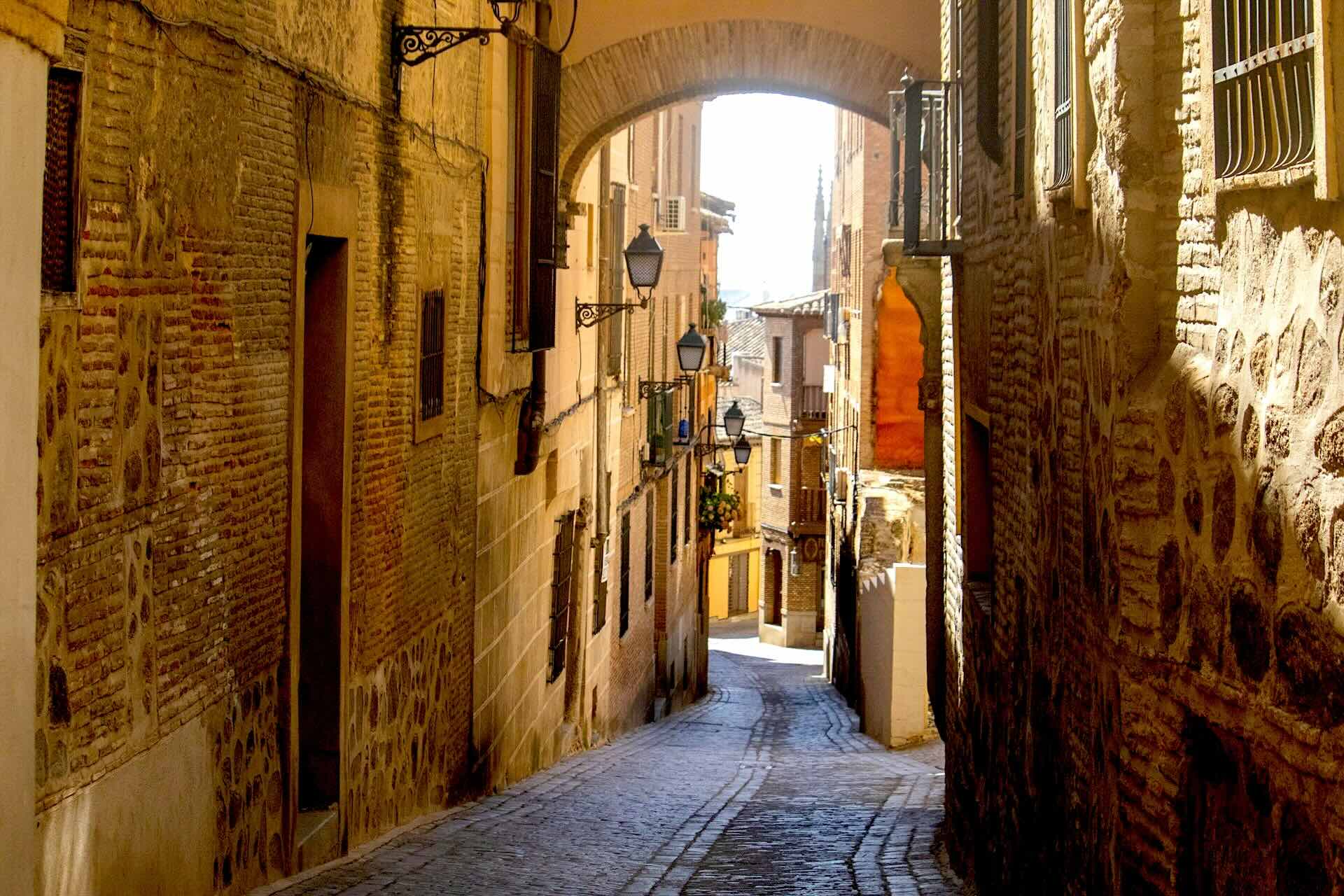
    Toledo, Spain stone streets and imperial layers come together in a city that feels ancient, dramatic, and deeply textured. Set above the Tagus River, Toledo is one of Spain’s most atmospheric historic cities, known for its winding lanes, fortress views, religious heritage, old walls, artisan traditions, and powerful mix of Christian, Jewish, and Islamic influence.

    Why Toledo Feels So Distinct

    Toledo stands out because history feels dense and visible. The city does not spread out gently. It rises above the river in a compact maze of steep streets, stone buildings, churches, synagogues, mosques, gates, and viewpoints.

    This gives Toledo immediate force. A walk through the old city feels layered, uneven, and memorable. It is not a polished modern capital. It is a place where centuries still press closely into the streets.

    Stone Streets Shape the Experience

    The phrase stone streets fits Toledo because the walking experience defines the city. Narrow lanes, steps, walls, arches, courtyards, and small plazas create a strong sense of enclosure. The city feels carved from stone and time.

    These streets reward slow movement. Toledo is not best understood by rushing from monument to monument. Its atmosphere builds through turns, shadows, doorways, views, and the texture of old stone underfoot.

    Imperial Layers Define the Mood

    Toledo’s imperial layers come from its long role in Spanish history. The city has been shaped by Roman, Visigothic, Islamic, Jewish, Christian, and royal influence. That mix gives Toledo a depth that feels larger than its physical size.

    This layered identity is central to the city’s appeal. Toledo does not tell one simple story. It shows how cultures, faiths, kingdoms, crafts, and power shaped the city across many centuries.

    The Cathedral Adds Grandeur

    Toledo Cathedral gives the city one of its strongest architectural anchors. Its scale, Gothic detail, chapels, art, and central position create a powerful sense of religious and civic importance.

    The cathedral matters because it reflects Toledo’s historic weight. It is not only a major landmark. It is a reminder that the city once stood near the center of Spanish power, faith, and cultural influence.

    The Alcázar Adds Strength and Scale

    The Alcázar rises above Toledo with a strong fortress presence. Its position gives the city a sense of authority and helps shape the skyline. From many angles, Toledo feels like a fortified city built to command the surrounding landscape.

    This monument adds visual strength. It balances the tightness of the old streets with a larger sense of military, royal, and political history.

    Jewish, Christian, and Islamic Heritage

    Toledo is often remembered for its interwoven religious heritage. Synagogues, churches, former mosques, decorative details, and historic neighborhoods show how different traditions shaped the city’s identity.

    This heritage gives Toledo more than beauty. It gives the city meaning. Travelers can see how architecture, art, language, and scholarship moved through different communities and left marks that still remain.

    Viewpoints Over the Tagus River

    Toledo’s setting above the Tagus River gives the city dramatic perspective. From outside the old walls, the city appears as a dense historic mass rising above the curve of the river. From inside, sudden viewpoints open toward water, hills, bridges, and sky.

    These views are essential to understanding Toledo. They show the city as both fortress and cultural center, protected by landscape and shaped by elevation.

    Artisan Traditions Add Local Character

    Toledo has long been associated with craft, metalwork, swords, ceramics, damascene work, and handmade goods. These traditions give the city a tactile identity that connects visitors to skill, material, and history.

    This artisan side matters because Toledo’s past is not only architectural. It is also practical and material. The city’s reputation was built through hands, workshops, tools, and techniques as much as through monuments.

    A Walkable City With Steep Rewards

    Toledo is compact, but its hills and stone lanes make walking feel physical. That is part of the experience. The city asks travelers to climb, pause, turn, and look back.

    This pace suits Toledo well. A good visit should include time for wandering, viewpoints, churches, small museums, cafés, and quiet lanes away from the busiest paths. The city reveals itself through effort and patience.

    More Than a Day Trip

    Toledo is often visited as a day trip from Madrid, but it deserves more time. Day visitors can see major landmarks, but overnight guests experience a quieter city after crowds leave.

    Evening light, empty lanes, softly lit monuments, and early morning views make Toledo feel more personal. Staying longer helps travelers move beyond the checklist and into the city’s atmosphere.

    Who Toledo Is Best For

    Toledo is best for travelers who enjoy historic cities, stone streets, religious heritage, architecture, viewpoints, art, and slower cultural travel. It works well for couples, solo travelers, families, photographers, and anyone interested in Spain’s layered past.

    This is not a city built around modern ease. Toledo works through density, history, stone, and drama. That makes it especially rewarding for travelers who like places with weight and character.

    The Lasting Appeal of Toledo

    Toledo stays memorable because it feels compact, powerful, and deeply layered. The stone streets give it texture. The imperial layers give it depth. The cathedral, Alcázar, river views, religious heritage, artisan traditions, and winding lanes give the city its lasting character.

    For travelers who want a Spanish city with historic force, architectural drama, and a strong sense of the past, Toledo is a strong choice. It proves that some destinations feel most compelling when every street seems to hold another century.
  • Ghent, Belgium Medieval Towers and Lively Canal Life

    Ghent, Belgium Medieval Towers and Lively Canal Life

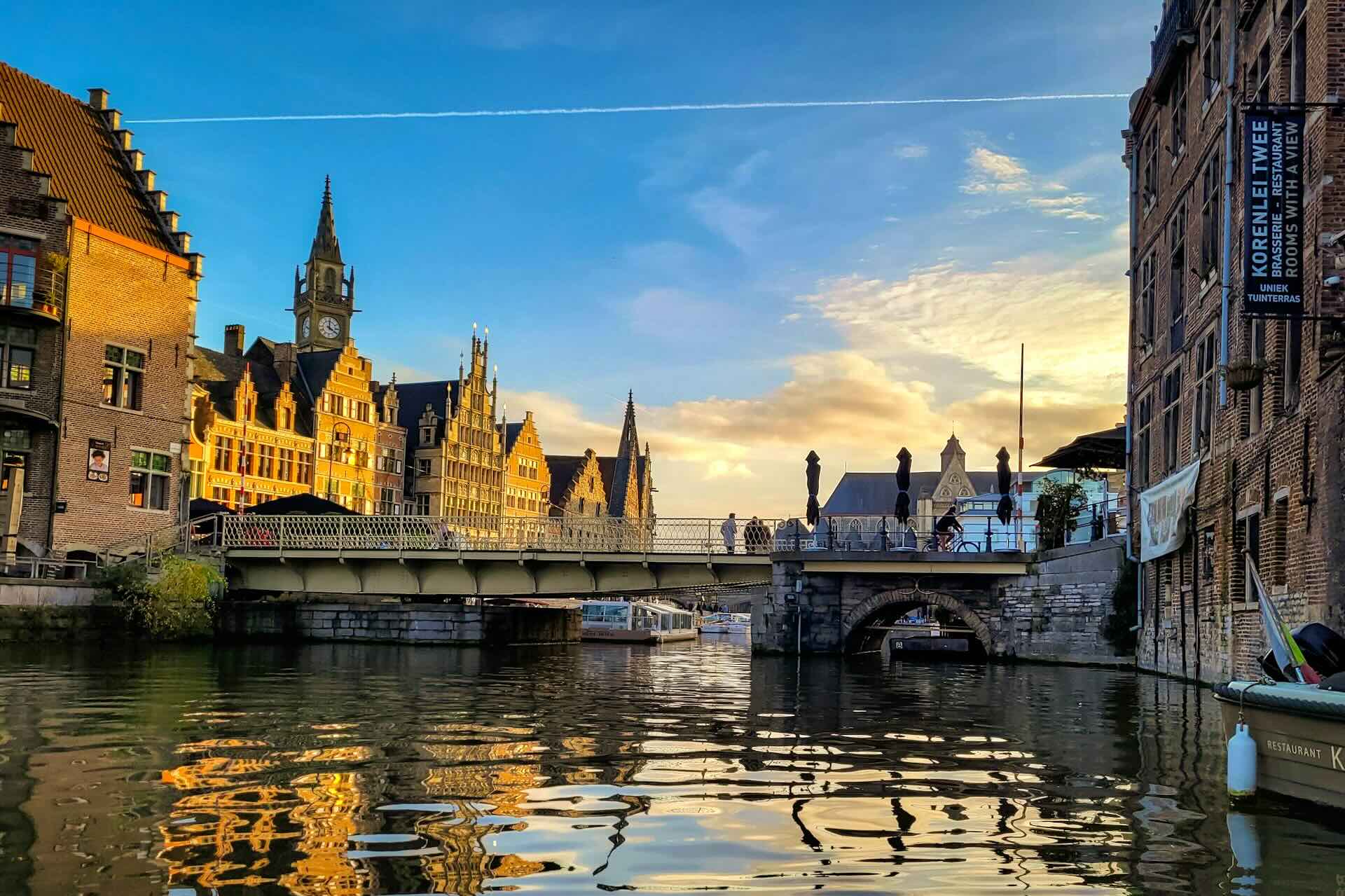
    Ghent, Belgium medieval towers and lively canal life come together in a city that feels historic, youthful, and full of movement. Ghent has the beauty of a classic Flemish city, but it also has student energy, creative neighborhoods, restaurants, bars, markets, museums, and a relaxed local rhythm that makes it feel more lived in than staged.

    Why Ghent Feels So Distinct

    Ghent stands out because it balances grandeur with everyday life. Its medieval center has dramatic towers, old guild houses, bridges, churches, and canals, but the city does not feel frozen in the past. Students, locals, cyclists, cafés, and cultural venues keep it active.

    This gives Ghent a strong travel appeal. It offers the visual beauty many travelers expect from Belgium, while feeling less polished and more dynamic than some smaller historic towns.

    Medieval Towers Shape the Skyline

    The phrase medieval towers fits Ghent because the city’s skyline is one of its defining features. Church towers, civic buildings, and old stone landmarks rise above the historic center, giving the city a strong vertical drama.

    These towers help organize the experience of walking through Ghent. They appear between rooftops, across canals, and at the end of streets, constantly reminding travelers of the city’s age and importance.

    Lively Canal Life Defines the Mood

    Ghent’s canals give the city movement and atmosphere. Waterside walks, bridges, cafés, boats, reflections, and historic facades make the canal areas some of the most memorable parts of the city.

    This canal life feels active rather than decorative. People gather by the water, eat outside, take boat rides, walk between neighborhoods, and use the canals as part of daily city life. The result feels social, scenic, and relaxed.

    Graslei and Korenlei Add Classic Beauty

    Graslei and Korenlei are among Ghent’s most recognizable waterfront areas. Historic guild houses, stepped facades, stone bridges, and canal views create one of the city’s strongest visual moments.

    These streets matter because they capture Ghent’s mix of trade history and present day energy. The old architecture remains powerful, but the area still feels alive with cafés, visitors, and local movement.

    Gravensteen Adds Historic Weight

    Gravensteen, Ghent’s medieval castle, gives the city another layer of drama. Its stone walls, towers, and central location create a rare castle presence within an active urban setting.

    The castle adds depth to Ghent’s story. It reminds travelers that the city was not only a commercial center. It also carried political power, defensive importance, and medieval authority.

    A Walkable Historic Center

    Ghent’s historic center is highly walkable. Churches, canals, museums, restaurants, shops, squares, and bridges sit close together, making the city easy to explore without a rigid plan.

    This walkability is central to Ghent’s appeal. A good visit can include major landmarks, quiet lanes, canal views, coffee stops, and evening drinks without requiring constant transportation.

    Student Energy Keeps Ghent Fresh

    Ghent has a large student population, and that gives the city youthful energy. Cafés, bars, music venues, affordable restaurants, bookstores, and creative spaces benefit from that rhythm.

    This energy keeps Ghent from feeling like a museum city. Its medieval setting is real, but the mood feels current. That combination makes the city especially appealing for travelers who want history with life around it.

    Food, Beer, and Local Flavor

    Ghent’s food and drink scene adds warmth to the city. Belgian beer, casual restaurants, bakeries, chocolate shops, vegetarian dining, markets, and waterside cafés make eating and drinking part of the travel experience.

    This culinary side helps travelers settle into the city. Ghent is not only a place to see. It is a place to sit, taste, talk, and enjoy the rhythm of Belgian city life.

    Museums and Cultural Depth

    Ghent has strong cultural depth, with museums, churches, galleries, design spaces, and historic collections that add substance beyond the skyline. The city works well for travelers who want both atmosphere and meaningful cultural stops.

    This makes Ghent more than a pretty canal city. Its art, architecture, religious history, and civic heritage give visitors plenty to explore over several days.

    A Strong Alternative to Bruges

    Ghent is often compared with Bruges, but the two cities feel different. Bruges is smaller and more storybook. Ghent is larger, livelier, and more urban. It has medieval beauty, but also a stronger sense of local routine.

    That makes Ghent a strong choice for travelers who want historic Belgium without feeling limited to postcard scenery. It offers beauty with more movement and variety.

    Who Ghent Is Best For

    Ghent is best for travelers who enjoy medieval architecture, canals, castles, food, beer, museums, and lively historic cities. It works well for couples, solo travelers, families, students, and anyone planning a Belgium itinerary beyond Brussels and Bruges.

    This is not a city that depends only on charm. Ghent works through scale, history, water, energy, and local life. That makes it especially rewarding for travelers who want a historic city that still feels active.

    The Lasting Appeal of Ghent

    Ghent stays memorable because it feels both grand and alive. The medieval towers give it drama. The lively canal life gives it movement. The castle, guild houses, cafés, museums, student energy, and food culture give the city its lasting character.

    For travelers who want a Belgian city with history, atmosphere, and real urban energy, Ghent is a strong choice. It proves that medieval beauty feels even more powerful when daily life still flows around it.

    Plan a trip to Ghent today.