Tag: Mediterranean city break

  • Split, Croatia Roman History and Coastal Living

    Split, Croatia Roman History and Coastal Living

    Split, Croatia Roman history and coastal living come together in a city that feels ancient, social, and remarkably alive. Few places blend historical depth and everyday Mediterranean rhythm as naturally as Split. At the center of the city, Roman stone still shapes the streets, the squares, and the flow of daily life. Around it, cafés fill, ferries come and go, waterfront walks stretch into the evening, and the Adriatic keeps everything feeling open and bright. Split is not a city where history sits apart from the present. It is a place where the past still functions inside ordinary life.

    Why Split Feels So Distinct

    Some coastal cities are mostly about views. Some historic cities are mostly about monuments. Split is more interesting because it does both at once. The city gives you real archaeological weight, but it also feels lived in, informal, and social. You can spend the morning walking through Roman remains and the evening by the water with no sense of transition. That is part of its strength.

    This balance gives Split unusual energy. It feels grounded in history, but never static. It feels Mediterranean, but not sleepy. Travelers who want both atmosphere and movement often connect with Split very quickly because the city feels active from the start without losing its deeper identity.

    A Roman Core That Still Shapes the City

    The defining fact about Split is that its historic center is not simply near a Roman site. It is built through one. The old core grew around the remains of Diocletian’s Palace, and that gives the city a structure unlike almost anywhere else in Europe. The palace is not a separated attraction you visit once and leave behind. It remains part of the city’s daily urban fabric.

    That is what makes Split so memorable. Roman walls, courtyards, passages, and stone surfaces do not feel remote or ceremonial. They are still part of how people move, gather, shop, eat, and live. History here is not staged. It is occupied.

    Diocletian’s Palace and Everyday Life

    Diocletian’s Palace is the heart of Split, but the most impressive thing about it is how alive it feels. The architecture carries real gravity, but the space around it is full of cafés, apartments, shops, and constant movement. This makes the palace feel less like a ruin and more like a framework for the modern city.

    That creates a very different experience from the one travelers get in places where ancient sites are preserved at a distance. In Split, the old stone is still woven into ordinary routines. That closeness gives the city a kind of depth that is hard to fake. It also means that wandering becomes more rewarding than checklist sightseeing.

    Streets Made for Wandering

    Split is best experienced on foot, especially in and around the old center. Narrow stone lanes, small squares, arches, courtyards, and sudden openings toward the sea all create a city that reveals itself through movement. You do not need a rigid plan to enjoy Split. In fact, the city often feels better when you let it unfold gradually.

    This matters because Split’s charm comes not only from major sites, but from the spaces between them. A side street inside the old core, a staircase with worn stone, a quiet church wall, or a shaded square can leave as strong an impression as any formal landmark. The city’s texture does much of the work.

    Coastal Living as Part of the Identity

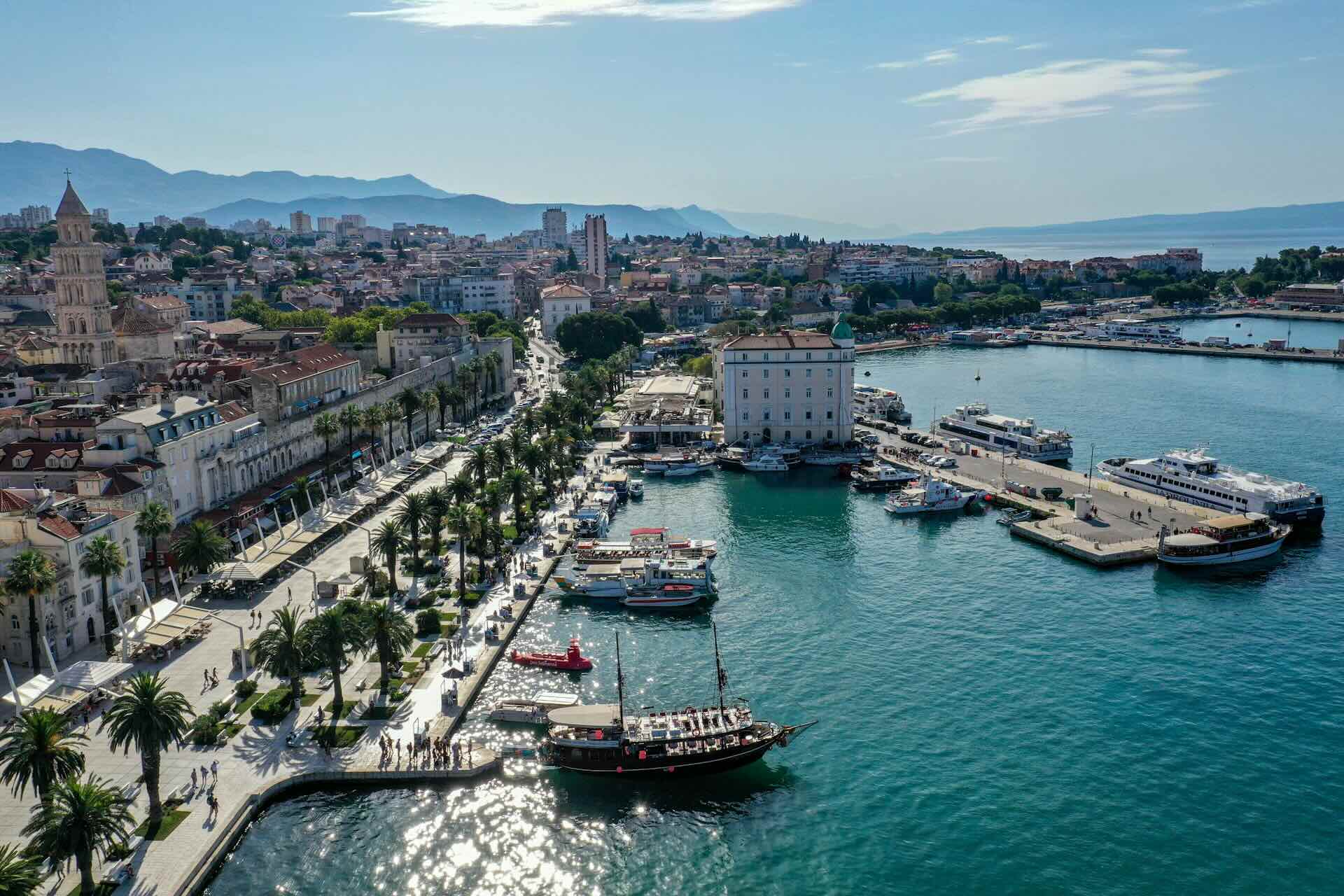
    Split’s Adriatic setting shapes the whole mood of the city. The water is not just a scenic edge. It is central to the city’s identity and daily rhythm. Ferries, boats, harbor movement, and the broad waterfront all keep Split feeling open and connected.

    This coastal side gives the city a lighter emotional tone than some historic destinations. The Roman core brings weight, but the sea keeps the city from feeling too enclosed by its own past. That contrast is one of Split’s best qualities. It can feel ancient and easygoing at the same time.

    The Riva and the Social Face of Split

    The Riva, Split’s waterfront promenade, is one of the clearest expressions of the city’s character. This is where coastal living becomes visible. People gather, walk, sit, talk, and linger here in a way that makes the city feel social and confident. The promenade is open, bright, and full of movement, but it rarely feels rushed.

    What makes the Riva so important is that it balances the tighter, older streets of the historic core. After moving through stone lanes and palace walls, the waterfront gives the city air and space. It also reinforces the idea that Split is not only about history. It is also about public life, ease, and time spent outside.

    Mediterranean Rhythm Without Too Much Performance

    Split has a strong coastal rhythm, but it does not feel overly curated. That helps the city. Meals stretch longer, evenings begin later, and the waterfront atmosphere feels natural rather than manufactured. The city supports the slower pleasures of Mediterranean life without turning them into a performance.

    This gives Split real appeal for travelers who want to experience the coast without losing the sense of a functioning city. It feels active, but not too polished. Stylish, but not self conscious. The result is a place that feels welcoming without trying too hard.

    More Than a Historic Stop on the Adriatic

    It would be easy to treat Split as a gateway to islands or a useful stop along the Croatian coast, but that would undersell it. Split has enough identity, beauty, and urban energy to stand on its own. The combination of Roman history and coastal life gives it a stronger personality than many cities that might look more polished at first glance.

    This is one reason Split tends to surprise people. It is not only visually interesting. It also feels complete. The old core, the harbor, the promenade, and the everyday social life all reinforce one another in a way that makes the city feel coherent.

    A City With Real Range

    Split can appeal to very different travelers because it offers more than one version of itself. History focused visitors can spend time in the old core and still feel challenged by its complexity. Food minded travelers can settle into the city’s restaurants, cafés, and slower rhythm. Coastal travelers can enjoy the waterfront and the broader Adriatic setting. Few of these experiences feel disconnected from one another.

    That range is one of Split’s biggest strengths. It allows the trip to have texture without losing focus. The city is layered, but not scattered. That makes it easy to enjoy over several days.

    When Split Feels Best

    Split works especially well when the weather supports walking, outdoor dining, and time on the waterfront. In these conditions, the city’s Roman stone, sea light, and public spaces feel especially vivid. The old center becomes more atmospheric, and the coastal side becomes more central to the experience.

    At the same time, Split’s appeal is not only seasonal. Its deeper strengths, urban form, historical weight, and relationship to the sea, remain visible beyond peak summer conditions. The mood may change, but the city still holds together.

    Who Split Is Best For

    Split suits travelers who appreciate walkability, layered history, and coastal cities that still feel like real cities. It works especially well for couples, solo travelers, and culturally curious visitors who want beauty and atmosphere without having to choose between archaeology and everyday pleasure.

    It is also a strong fit for travelers who want Croatia with more substance than a straightforward beach destination. Split offers sea, yes, but it also offers structure, memory, and a city that continues to live inside its own past.

    The Lasting Appeal of Split

    Split stays with people because it feels integrated. The Roman core gives it depth. The waterfront gives it openness. The old streets give it texture. The Mediterranean pace gives it ease. Nothing feels separated from the rest.

    That is what makes Split more than simply another beautiful city on the Adriatic. It feels like a place where ancient architecture and modern coastal life still support one another every day. For travelers who want history, sea air, and a city with genuine character, Split remains one of the most rewarding destinations in Croatia.
    Plan a trip to Split today.

  • Piran, Slovenia A Coastal Gem on the Adriatic

    Piran, Slovenia A Coastal Gem on the Adriatic

    Piran, Slovenia a coastal gem on the Adriatic feels intimate, luminous, and beautifully self contained from the moment you arrive. Set on a narrow peninsula along Slovenia’s short but memorable coastline, Piran combines Venetian style architecture, sea facing squares, and winding old streets in a way that feels both graceful and grounded. The city is small, but that is part of its strength. Piran does not need scale to make an impression. It works through atmosphere, proportion, and the steady presence of the sea at nearly every turn.

    Why Piran Feels So Special

    Some coastal towns rely on beaches alone. Piran offers something more layered. It gives you Adriatic light, historic stone streets, and a compact urban form that feels shaped by centuries of maritime life. The city is immediately attractive, but its real appeal comes from how coherent it feels. Architecture, water, public space, and daily rhythm all work together.

    That coherence gives Piran unusual charm. It feels romantic, but not artificial. Historic, but not frozen. The city welcomes slow travel because its pleasures are not rushed. A short walk can bring together church towers, polished facades, small lanes, harbor views, and open sky. Very little here feels accidental.

    A Peninsula City With a Strong Sense of Place

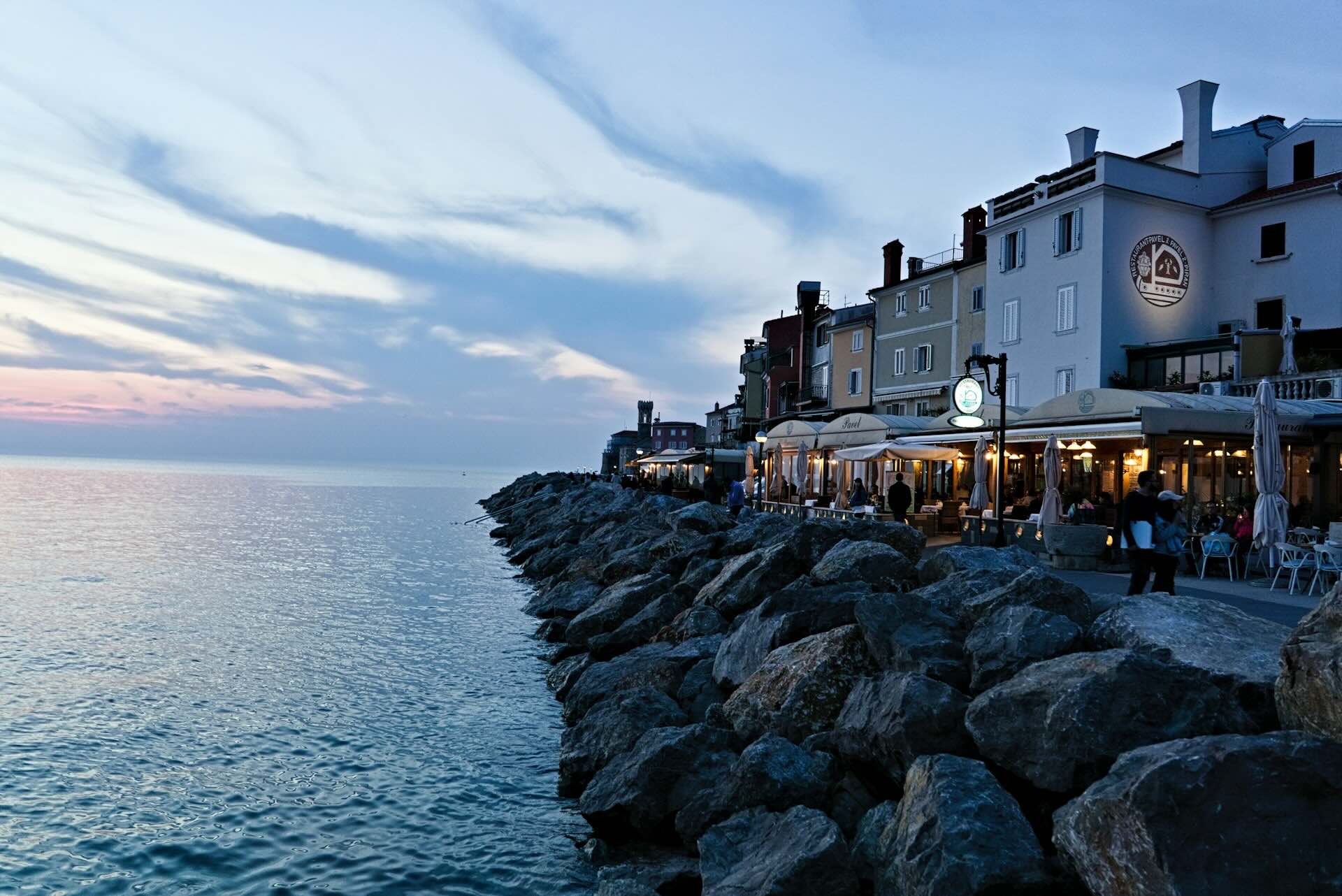
    Piran’s setting does much of the work. The city sits directly on the Adriatic, and that relationship to the water shapes everything from its light to its mood. Because the old town occupies a narrow peninsula, the sea feels constantly present. You do not visit one waterfront and then leave it behind. In Piran, the water remains part of the city’s identity in all directions.

    This geography gives the city a kind of natural drama without making it feel overwhelming. There is openness at the edges and intimacy in the center. That contrast is one of Piran’s greatest strengths. It feels protected and exposed at the same time, which gives it visual and emotional depth.

    Venetian Echoes and Adriatic Elegance

    Piran’s architecture reflects its long connection to Venice, and that influence gives the city much of its elegance. Facades, campaniles, narrow streets, and the overall rhythm of the old town all suggest a strong Venetian imprint, yet Piran never feels like a copy of another place. It has its own scale, its own pacing, and its own Adriatic softness.

    What makes this so appealing is that the beauty remains integrated into everyday life. Piran is not a city of isolated monuments. It is a place where the architecture continues to shape ordinary movement and experience. You notice it while turning down a side street, stepping into a square, or looking up toward the church from below. The city reveals itself gradually and consistently.

    Tartini Square and the Civic Heart of Piran

    Tartini Square anchors Piran with a sense of openness and civic grace. It is the kind of square that makes a small city feel larger in spirit. Surrounded by elegant buildings and shaped by the city’s maritime history, it gives Piran a center that feels both formal and inviting.

    This is one of the places where the city’s balance becomes clearest. The square has beauty and structure, but it also feels usable and alive. People cross it, pause in it, and return to it. It is not only a visual landmark. It is part of the city’s rhythm. In a town of winding lanes and tighter passages, Tartini Square provides light, breath, and clarity.

    Streets Made for Wandering

    Piran works best on foot. Its lanes, stairways, and passageways invite exploration in a way that makes strict planning feel unnecessary. This is a place where wandering is not a secondary activity. It is the main event. The city rewards curiosity because it is full of transitions, from quiet alleyways to small openings, from shaded stone streets to sudden sea views.

    That experience feels especially satisfying because Piran is so compact. You can absorb the city without feeling rushed, yet there is enough variation to keep walking interesting. One street may feel intimate and cool, another bright and open, another slightly elevated with a broader view. The city changes mood quickly, but never loses coherence.

    The Sea as Daily Companion

    In Piran, the Adriatic is more than scenery. It shapes the emotional tone of the entire stay. Light reflects off the water and softens the stone. Sea air moves through the streets. The harbor and edges of the peninsula remind you that this is a town formed by maritime life, not merely decorated by it.

    This matters because the sea gives Piran a sense of calm without making it sleepy. The city feels active, but never frantic. It encourages long pauses, evening walks, and unhurried meals with a view toward the water. Piran is one of those places where simply being near the sea becomes part of the pleasure of understanding the place.

    Views From Above and the Shape of the Town

    Piran becomes even more appealing from higher ground. Looking down from the church area or from elevated points around the old town reveals how tightly and beautifully the city fits onto its peninsula. Red roofs, pale stone, blue water, and the arc of the harbor all come together in a way that feels almost perfectly composed.

    These views do more than provide a photograph. They help explain the city’s identity. Piran is compact, but it does not feel cramped. Its relationship to the sea gives it visual space, and its historic form gives it coherence. Seeing the town from above makes that balance unmistakable.

    A Slower Adriatic Food Culture

    Piran’s food culture fits the city’s setting and scale. Seafood naturally plays a major role, and meals here often feel tied to the rhythm of the coast. The pleasure is not only in what you eat, but in how you eat it. Long lunches, dinners that stretch into evening, and restaurants that let the sea or the old town atmosphere do part of the work all feel especially right here.

    The city rewards patience. It is better approached as a place for savoring rather than rushing. A coffee in the square, a glass of wine near the water, or a simple seafood meal can reveal as much about Piran as any formal sightseeing stop. The town’s appeal is inseparable from that slower pace.

    More Than a Pretty Coastal Stop

    Piran is easy to admire quickly, but it becomes more rewarding when you stay long enough to notice its subtler qualities. The city has beauty, clearly, but it also has texture, memory, and a strong sense of place. It does not feel manufactured for visitors. It feels like a historic Adriatic town that still knows how to live with itself.

    That distinction matters. Many small coastal destinations can feel decorative. Piran feels inhabited. It retains enough weight and identity to keep the experience from becoming shallow. The result is a city that leaves a stronger impression than its size might suggest.

    When Piran Feels Best

    Piran works especially well in the warmer and shoulder seasons, when walking feels easy and the sea becomes even more central to the experience. These are the times when the town’s outdoor rhythm comes fully into view, with brighter light, longer evenings, and a stronger connection between the streets and the waterfront.

    At the same time, Piran’s architectural beauty and compact scale give it value beyond peak summer conditions. The city does not depend only on beach weather. Its charm comes from form, atmosphere, and setting, which can hold up very well even when the season is quieter.

    Who Piran Is Best For

    Piran suits travelers who appreciate atmosphere, walkability, and coastal towns with real architectural character. It works especially well for couples, solo travelers, and culturally curious visitors who prefer destinations that feel intimate rather than overstated. It is also a strong choice for travelers who want Adriatic beauty in a more compact and quietly elegant form.

    This is not a place built around nonstop activity. It is built around mood, place, and the pleasure of moving slowly through a beautiful environment. That makes Piran especially appealing to travelers who value quality of experience over quantity of attractions.

    The Lasting Appeal of Piran

    Piran stays with people because it feels complete. The sea, the square, the narrow streets, the Venetian echoes, and the old stone all reinforce one another. Nothing feels oversized or out of place. The city holds together with unusual ease.

    That is what makes Piran more than simply a pretty coastal town in Slovenia. It feels like a fully formed Adriatic world in miniature, one where maritime history, urban beauty, and everyday calm continue to shape the experience. For travelers who want a destination with elegance, intimacy, and lasting atmosphere, Piran is one of the most rewarding stops on the Adriatic.

    Plan a trip to Piran today.

  • Valletta, Malta A Historic Capital by the Sea

    Valletta, Malta A Historic Capital by the Sea

    Valletta, Malta a historic capital by the sea, is one of those cities that feels both fortified and graceful at the same time. Malta’s capital sits on a narrow peninsula between two major harbors, and its compact scale makes the city feel concentrated, dramatic, and easy to absorb on foot. The city still carries the imprint of the Knights of St John, while its limestone streets, sea views, and formal urban layout give it a distinct Mediterranean elegance. Valletta feels historic from the first moment, but it also feels alive, walkable, and visually complete.

    Why Valletta Feels So Striking

    Some capitals impress through size. Valletta does the opposite. It feels memorable because so much history, architecture, and visual drama are compressed into a relatively small space. The city’s fortifications, baroque character, and dense urban fabric give it unusual intensity. You are rarely far from a bastion wall, a church dome, a sea view, or a steep stone street catching the light.

    That concentration gives Valletta a stronger personality than many larger capitals. It feels ceremonial, but it never feels empty. It works as both a historic capital and a lived in urban setting. That balance is part of what makes the city so rewarding.

    A Capital Built From Strategy and Power

    Valletta’s origins still shape the way the city feels today. It was built as a fortified capital, and that decision gave the city its disciplined layout and defensive character. You can sense that purpose in the geometry of the streets and the placement of its walls and elevated edges.

    This history matters because Valletta was never meant to be decorative first. Its beauty grew out of planning, defense, and authority. That gives the city a stronger backbone than many coastal capitals. It may look elegant, but it also feels deliberate, structured, and resilient.

    Baroque Stone and Urban Drama

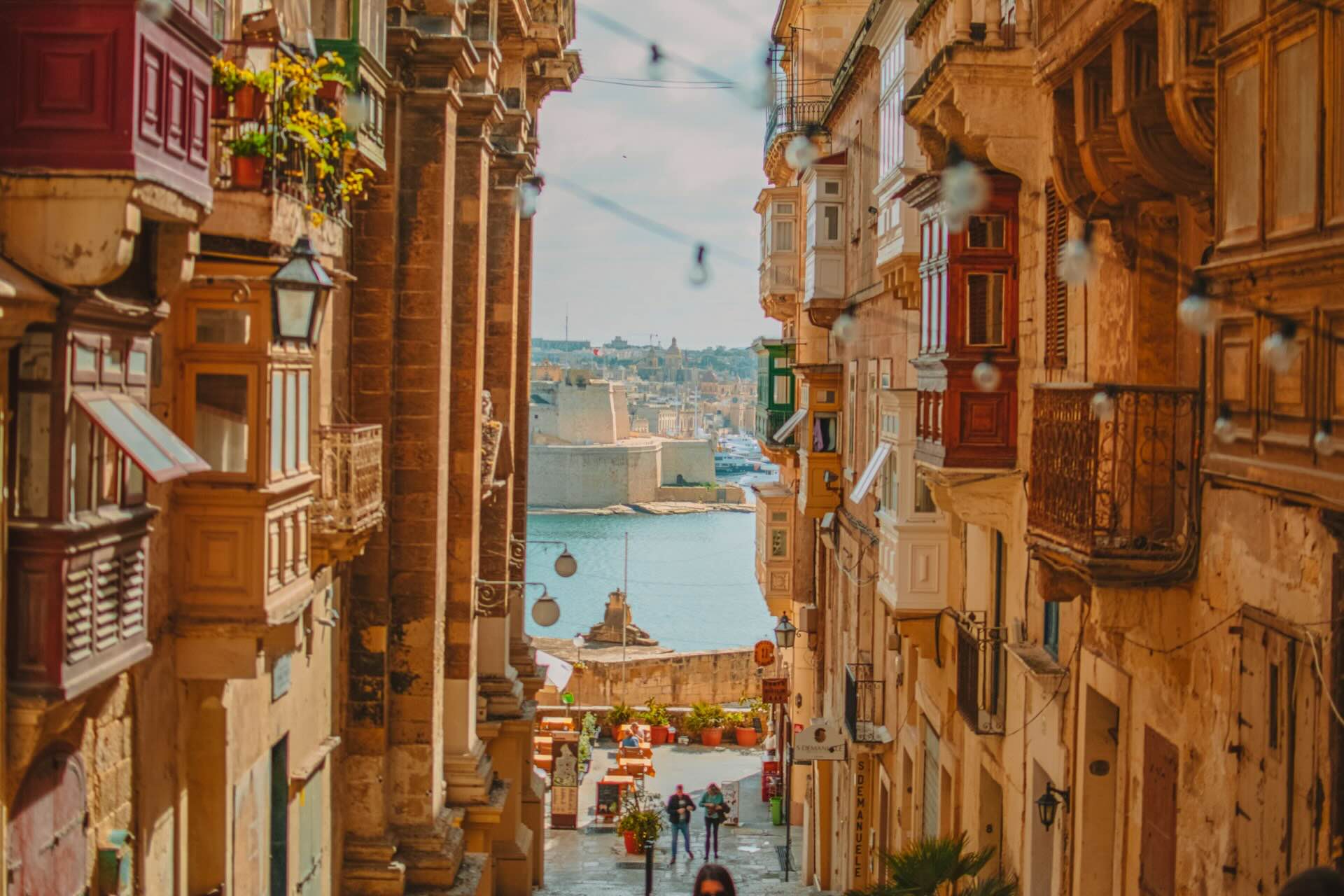
    Valletta’s architecture is one of its greatest pleasures. Limestone façades, enclosed wooden balconies, church interiors, and monumental civic buildings all contribute to a cityscape that feels cohesive and visually rich. The city has a strong baroque presence, but it also carries layers from later periods that add texture without weakening its identity.

    What makes Valletta so satisfying is not only its monuments. It is the continuity of the streetscape. A short walk can bring together stairways, arcades, façades, harbor openings, and sudden views toward domes and spires. The city rewards slow walking because it reveals itself in sequences rather than isolated highlights.

    The Sea Is Always Present

    Valletta’s relationship to the sea is constant. The city sits between two harbors, and that setting gives it openness on both sides. The water is not just scenic. It shapes the emotional feel of the place and softens the density of the stone architecture.

    That maritime setting keeps Valletta from feeling too heavy, despite its fortified edges and monumental buildings. Light reflects off the water. Breezes move through the streets. Viewpoints open suddenly toward boats, harbor walls, and neighboring shorelines. The city feels historic, but never sealed off. The sea keeps it bright and breathable.

    Views, Terraces, and Harbor Light

    One of Valletta’s great strengths is how often it invites you to stop and look outward. Terraces, bastions, and elevated points make the harbor part of the daily visual rhythm. The city’s dramatic siting becomes unmistakable when you stand at one of these edges and look across the water.

    From these points, Valletta feels less like a museum piece and more like a stage set above the Mediterranean. You begin to understand why the city held such strategic importance for centuries. However, the appeal is not only historical. It is also aesthetic. The contrast between warm stone, blue water, and layered harbor structures gives Valletta a visual identity that is hard to confuse with anywhere else.

    A City Made for Walking

    Valletta is one of the easiest capitals to explore on foot. Its compact size means walking is not just practical, it is essential to understanding the city. The grid plan, the rise and fall of the streets, and the repeated openings toward the sea create a satisfying sense of rhythm.

    This walkability changes the travel experience in a meaningful way. Valletta does not require constant transit decisions or long distances between major sites. Instead, it encourages drifting, pausing, and returning to the same places at different times of day. Morning light, late afternoon shadows, and evening illumination can make the same street feel entirely different each time you pass through it.

    Cafés, Culture, and Everyday Life

    Although Valletta is deeply historic, it does not feel trapped in its past. The city still functions as a capital, which helps keep it active beyond tourism. Cafés, restaurants, small hotels, and public spaces exist within a living urban setting, not a preserved shell.

    That makes a difference in how the city feels. You can spend time in a formal square, then slip into a quieter side street for coffee or a relaxed lunch. Valletta’s pleasures often come through this balance, historical gravity on one hand, everyday ease on the other. The city feels serious, but never rigid.

    More Than a City of the Knights

    The Knights of St John shaped Valletta decisively, but the city also carries later influences that add to its depth. These later layers matter because they keep Valletta from feeling too singular or simplified. The city has adapted across changing periods, yet it has retained a strong sense of itself.

    That continuity gives Valletta emotional weight. It is not only a grand historical showpiece. It is also a city that has endured and continued to function through change. That sense of survival and adaptation adds substance to its visual beauty.

    When Valletta Feels Best

    Valletta can work well in multiple seasons because its appeal is architectural, atmospheric, and urban as much as it is coastal. Mild weather tends to flatter the city, especially when walking feels comfortable and harbor views stay clear. At the same time, Valletta does not depend on beach conditions to succeed.

    This makes it especially attractive for travelers who want a Mediterranean destination with more structure and cultural depth. Valletta can anchor a wider Malta itinerary, but it also rewards travelers who slow down and let the city unfold at its own pace.

    Who Valletta Is Best For

    Valletta suits travelers who care about history, architecture, walkability, and setting. It is especially strong for people who enjoy compact cities with real visual cohesion. Couples often respond to its harbor views and evening atmosphere, while solo travelers and culturally curious visitors tend to appreciate its scale, clarity, and depth.

    It is less about nonstop activity and more about layered experience. Valletta works best when approached with attention. The city gives back more to travelers who notice proportion, light, texture, and the relationship between streets and sea.

    The Lasting Appeal of Valletta

    Valletta stays with people because it feels unusually complete. It has a strong origin story, a highly distinctive urban form, and a coastal setting that softens its fortified edges. It feels formal, but never lifeless. It feels historic, but still useful and inhabited.

    That combination is rare. Valletta offers the drama of a fortified city, the elegance of baroque architecture, and the brightness of a Mediterranean capital in one compact setting. For travelers who want a destination with visual power and historical depth, Valletta earns its place quickly.

    Plan a trip to Valletta today.