Mexico City is having a moment, and why Mexico City is one of the best cultural cities to visit right now becomes clear almost immediately. This is a place where history, creativity, food, and daily life blend naturally, without feeling staged or performative. You do not visit Mexico City to check boxes. You come to experience a living culture that feels confident, layered, and deeply human.
For travelers who care about art, music, food, neighborhoods, and real experiences, Mexico City delivers in a way few cities can. It rewards curiosity, openness, and time. The more you explore, the more it reveals.
A City Built on Layers of History
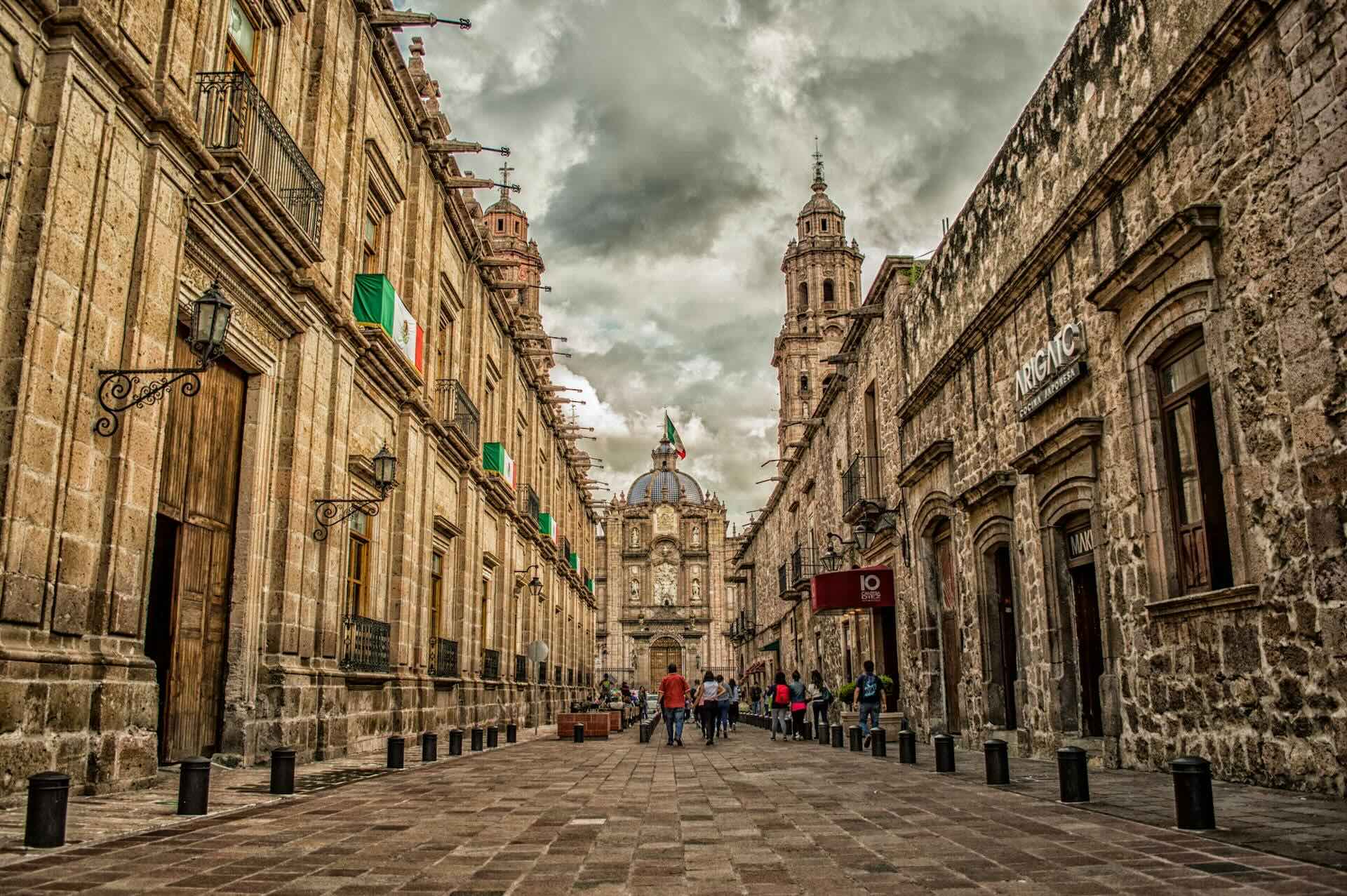
Mexico City’s cultural depth comes from its layers. Ancient, colonial, and modern influences coexist, often on the same street. This is not a city that hides its past. It builds on it.
You feel this in the architecture, where pre Hispanic ruins sit near colonial churches and modern buildings. Museums and public spaces often acknowledge multiple eras at once, creating a sense of continuity rather than nostalgia.
This layered history shapes how the city feels. You are constantly aware that life here has unfolded over centuries, not decades. That awareness gives everyday experiences more weight and meaning.
Neighborhoods That Define the Experience
Culture in Mexico City lives in its neighborhoods. Each area has a distinct personality, and exploring them is essential to understanding the city.
Roma and Condesa feel creative and relaxed. Tree lined streets, cafes, galleries, and parks invite slow wandering. These neighborhoods attract artists, designers, and travelers who want to settle into the city’s rhythm.
Centro Histórico is dense, energetic, and historic. It is where the city’s past feels most visible. Markets, plazas, and museums sit alongside daily commerce and street life. It can feel overwhelming at first, but it rewards patience.
Coyoacán feels intimate and reflective. Cobblestone streets, courtyards, and cultural landmarks give this area a village like atmosphere. It is a place to slow down and absorb history at a personal scale.
Polanco feels polished and modern. Museums, restaurants, and upscale shops reflect Mexico City’s contemporary confidence. It shows how tradition and global influence coexist without conflict.
Spending time across neighborhoods helps you see how culture is lived, not just displayed.
Food as a Cultural Language
Food is one of the strongest reasons Mexico City stands out culturally. Eating here is not just about flavor. It is about tradition, identity, and community.
Street food is essential. Tacos, tamales, and snacks reflect regional histories and local preferences. Vendors often specialize in one dish, refining it over years or generations. Eating at a street stand connects you directly to daily life.
Markets are cultural hubs. They bring together food, conversation, and commerce. Walking through a market teaches you more about the city than many museums.
Restaurants range from humble neighborhood spots to globally recognized kitchens. What unites them is respect for ingredients and heritage. Even modern interpretations remain grounded in tradition.
Food here invites participation. You learn by tasting, asking questions, and observing. A week of meals becomes a cultural education.
Art, Museums, and Creative Expression
Mexico City has one of the most vibrant art scenes in the world, and it feels accessible rather than exclusive. Museums cover history, art, design, and contemporary culture with depth and care.
Art is not confined to institutions. Murals, installations, and street art appear throughout the city. They comment on politics, identity, and daily life. Public art feels like conversation, not decoration.
Galleries showcase both established and emerging artists. Many focus on voices that reflect Mexico’s diversity and complexity. Visiting these spaces gives insight into how the city sees itself today.
Creative expression extends beyond visual art. Literature, film, and performance shape cultural dialogue. Bookstores, independent cinemas, and small venues feel woven into everyday routines.
Music, Sound, and Social Life
Music plays a subtle but powerful role in Mexico City’s culture. You encounter it in plazas, cafes, and neighborhoods, not just venues.
Traditional sounds coexist with contemporary genres. You might hear mariachi in one area and electronic or indie music in another. This range reflects the city’s openness to evolution.
Live music feels communal. Performances often draw mixed audiences, creating shared experiences rather than scenes defined by age or trend.
Nightlife exists, but it is not the city’s focus. Social life often centers on conversation, food, and connection. Evenings stretch naturally, without urgency.
Daily Life as Cultural Experience
One reason Mexico City feels culturally rich is that daily life itself feels meaningful. People linger. They talk. They observe.
Public spaces play an important role. Parks, plazas, and sidewalks are places for interaction and rest. You see families, couples, and individuals sharing space comfortably.
Mornings feel purposeful but unhurried. Afternoons invite pauses. Evenings unfold slowly. This rhythm shapes how visitors experience time.
Spending time here often changes how you travel. You stop trying to see everything. You start noticing how things feel.
Why Mexico City Feels Relevant Right Now
Mexico City resonates with travelers today because it offers depth without pretense. It does not package culture for consumption. It invites engagement.
The city feels confident in its identity. It does not chase trends. It sets them quietly, through creativity and authenticity.
For travelers tired of superficial experiences, Mexico City offers a reset. It asks you to be present, curious, and respectful. In return, it offers connection and perspective.
Planning a Cultural Trip That Feels Balanced
A cultural trip to Mexico City works best when you allow space. Do not overschedule. Choose a few anchor experiences and let the rest unfold.
Balance museums with wandering. Mix structured meals with spontaneous eating. Spend time sitting in parks or cafes, watching life move around you.
Staying in one neighborhood and exploring others gradually helps the city feel cohesive rather than fragmented.
This approach turns a visit into an experience rather than a checklist.
Why Travelers Leave Changed
Many travelers leave Mexico City with a sense of inspiration. The city shows how culture can be lived fully, without spectacle.
You return home with new perspectives on food, art, community, and pace. Mexico City does not overwhelm. It expands.
That is why Mexico City is one of the best cultural cities to visit right now. It offers richness without noise, depth without distance, and culture without filters.