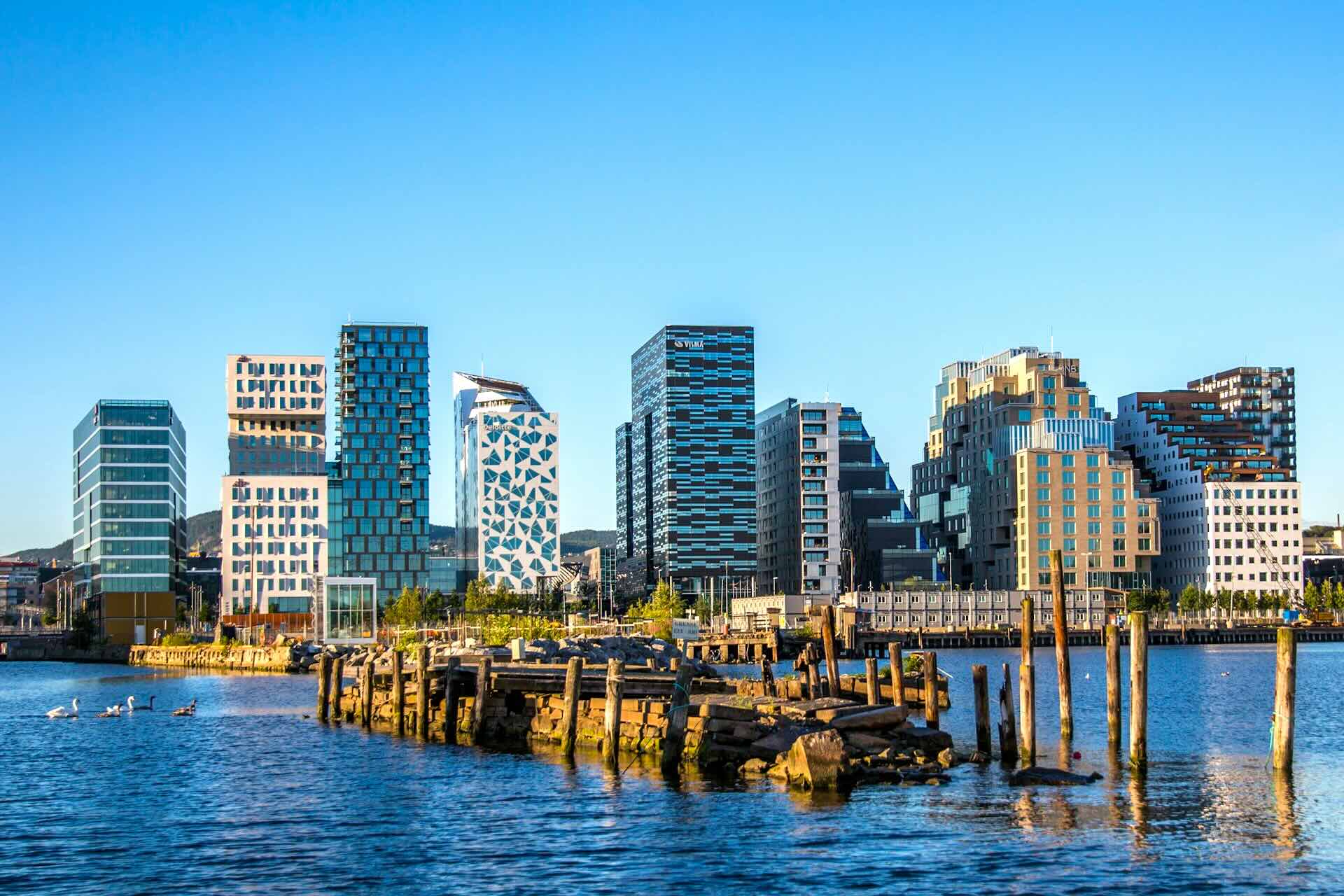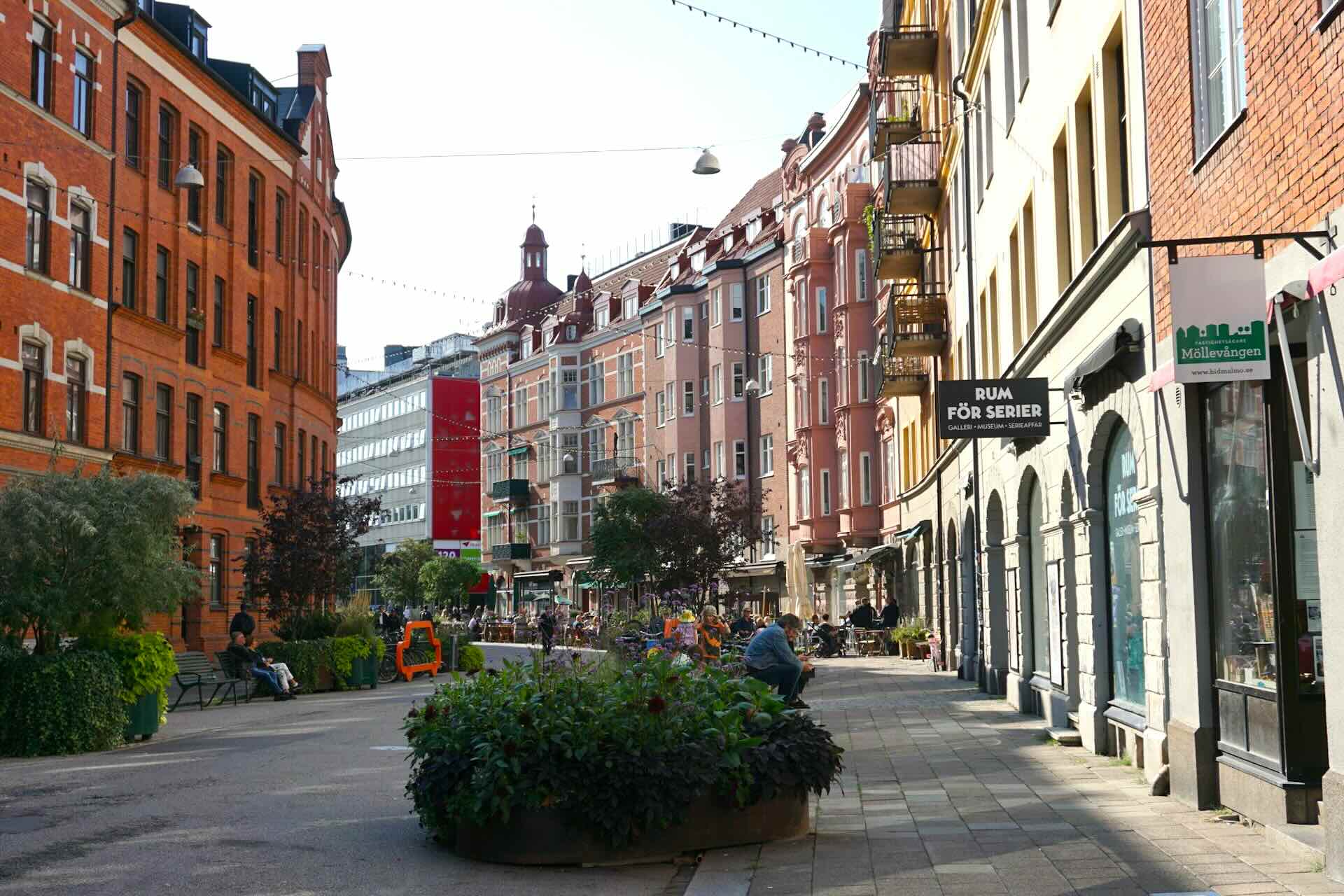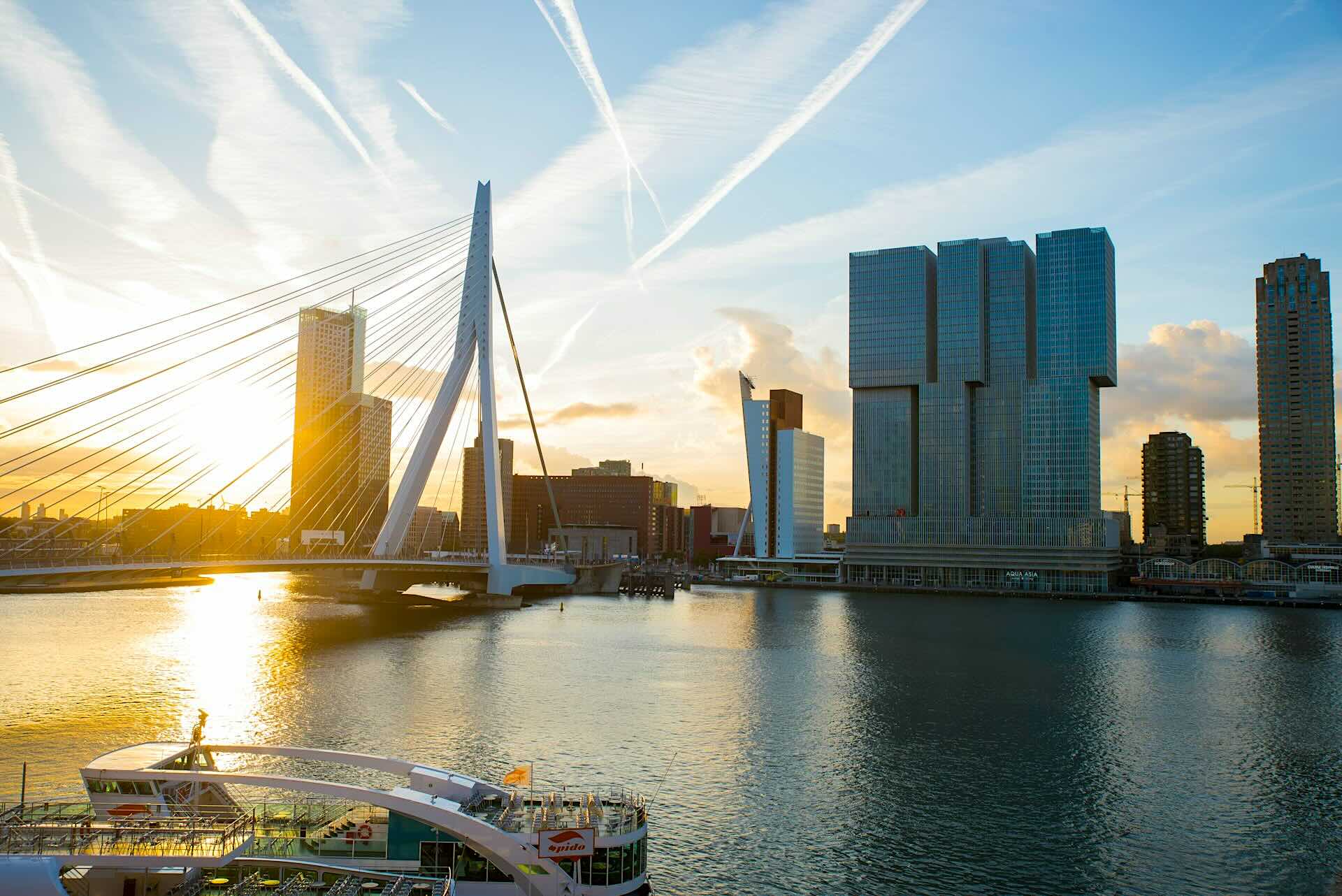
Rotterdam, Netherlands bold architecture and waterfront edge come together in a city that feels modern, experimental, and full of movement. Rotterdam offers a very different Dutch experience from Amsterdam, Utrecht, or Delft. Its appeal comes through striking buildings, harbor views, creative neighborhoods, bridges, food halls, museums, design culture, and a strong sense of urban reinvention.
Why Rotterdam Feels So Distinct
Rotterdam stands out because it does not depend on old canal beauty alone. The city has history, but its identity is strongly shaped by rebuilding, design, trade, and forward movement. That gives Rotterdam a sharper and more contemporary personality than many travelers expect from the Netherlands.
This makes the city especially rewarding for visitors who like architecture, waterfronts, creative energy, and places that feel alive rather than preserved. Rotterdam feels practical, ambitious, and visually bold.
Bold Architecture Shapes the City
The phrase bold architecture fits Rotterdam perfectly. The city is known for unusual buildings, modern towers, angled forms, bridges, cultural spaces, and experimental urban design. Its skyline feels more daring than most Dutch cities.
This architecture gives Rotterdam a clear identity. The city does not try to look old for visitors. It embraces change, scale, and design, which makes it one of Europe’s most interesting cities for architecture focused travel.
Waterfront Edge Defines the Mood
Rotterdam’s waterfront edge gives the city much of its energy. The Maas River, harbor areas, docks, bridges, and waterside districts all shape how the city feels. Rotterdam has a working maritime identity, not just decorative water views.
This makes the waterfront feel active and real. Ships, ferries, cranes, promenades, restaurants, and skyline views all remind travelers that Rotterdam is connected to trade, movement, and the sea.
Erasmus Bridge Adds Visual Drama
The Erasmus Bridge is one of Rotterdam’s defining landmarks. Its elegant shape links major parts of the city and creates one of the strongest visual moments along the river. It also helps connect Rotterdam’s modern skyline with its waterfront identity.
The bridge matters because it captures the city’s confidence. It is functional, memorable, and dramatic without feeling excessive. It gives Rotterdam a clear symbol of movement and modern design.
The Markthal Shows Rotterdam’s Creative Side
The Markthal gives Rotterdam one of its most recognizable modern spaces. Food stalls, apartments, restaurants, public art, and an unusual architectural form all come together in one building. It shows how the city mixes daily life with design.
This makes the Markthal useful for travelers. It is not only a place to eat. It is a place to understand Rotterdam’s ability to turn practical spaces into bold urban experiences.
Neighborhoods Add Local Texture
Rotterdam’s neighborhoods give the city variety. Areas with cafés, galleries, shops, bars, markets, and creative spaces help soften the larger scale of the city. Each district adds a different rhythm to the experience.
This neighborhood texture is important. Rotterdam can feel big and open at first, but its smaller streets and local areas reveal warmth, style, and personality.
Museums and Design Culture Add Depth
Rotterdam has strong cultural energy, especially around art, design, photography, architecture, and contemporary ideas. Museums, galleries, studios, festivals, and public art help make the city feel intellectually active.
This cultural side gives Rotterdam more than skyline appeal. The city is not only something to look at. It is a place where design and creativity shape how people live, gather, and move through urban space.
Harbor History Still Matters
Rotterdam’s port history is central to its identity. The city’s relationship with shipping, trade, industry, and migration gives it a different character from more traditional tourist cities. The harbor is part of Rotterdam’s past and present.
This history gives the city weight. Its modern look is not superficial. It grew from rebuilding, commerce, and a long connection to the water.
Food, Markets, and International Energy
Rotterdam’s food scene reflects its international character. Markets, casual restaurants, food halls, cafés, bakeries, and global kitchens make the city easy to enjoy through meals. The dining scene feels diverse, relaxed, and urban.
This food culture adds warmth to the city’s modern edge. Rotterdam may look sleek in places, but its food, markets, and neighborhoods keep it grounded in daily life.
A Different Dutch City Break
Rotterdam offers a different kind of Dutch city break. Instead of leaning on historic canals and old merchant houses, it offers architecture, waterfront scale, creative districts, and modern public spaces. That difference is the point.
This makes Rotterdam a strong addition to a Netherlands itinerary. It pairs well with more traditional Dutch cities because it shows another side of the country.
Who Rotterdam Is Best For
Rotterdam is best for travelers who enjoy modern architecture, waterfront cities, design, food markets, museums, and urban energy. It works well for solo travelers, couples, creative travelers, architecture lovers, and anyone who wants the Netherlands beyond postcard scenery.
This is not a city built around soft nostalgia. Rotterdam works through bold design, working water, and contemporary culture. That makes it especially rewarding for travelers who like cities with edge and momentum.
The Lasting Appeal of Rotterdam
Rotterdam stays memorable because it feels confident, modern, and closely tied to the water. The bold architecture gives it visual force. The waterfront edge gives it movement. The bridges, food halls, museums, neighborhoods, and harbor history give the city its lasting character.
For travelers who want a Dutch city with design, scale, creativity, and a strong maritime identity, Rotterdam is a strong choice. It proves that the Netherlands is not only about old canals and historic charm. It is also about reinvention, architecture, and forward-looking urban life.