Tag: Moroccan medina

  • Chefchaouen, Morocco Blue Streets and Rif Mountain Quiet

    Chefchaouen, Morocco Blue Streets and Rif Mountain Quiet

    Chefchaouen, Morocco blue streets and Rif Mountain quiet come together in a town that feels calm, atmospheric, and visually unforgettable. Known for its blue painted lanes, whitewashed walls, mountain backdrop, artisan shops, and slower rhythm, Chefchaouen offers a softer Moroccan experience than larger cities such as Marrakech or Fez.

    Why Chefchaouen Feels So Distinct

    Chefchaouen stands out because it feels both colorful and peaceful. The town’s blue streets give it immediate visual identity, while the Rif Mountains give it a sense of enclosure and calm. The result is a destination that feels intimate, scenic, and easy to absorb slowly.

    Unlike larger Moroccan cities, Chefchaouen does not depend on constant intensity. Its charm comes through quiet alleys, small squares, mountain air, painted doorways, textiles, cafés, and the simple pleasure of wandering without urgency.

    Blue Streets Shape the Experience

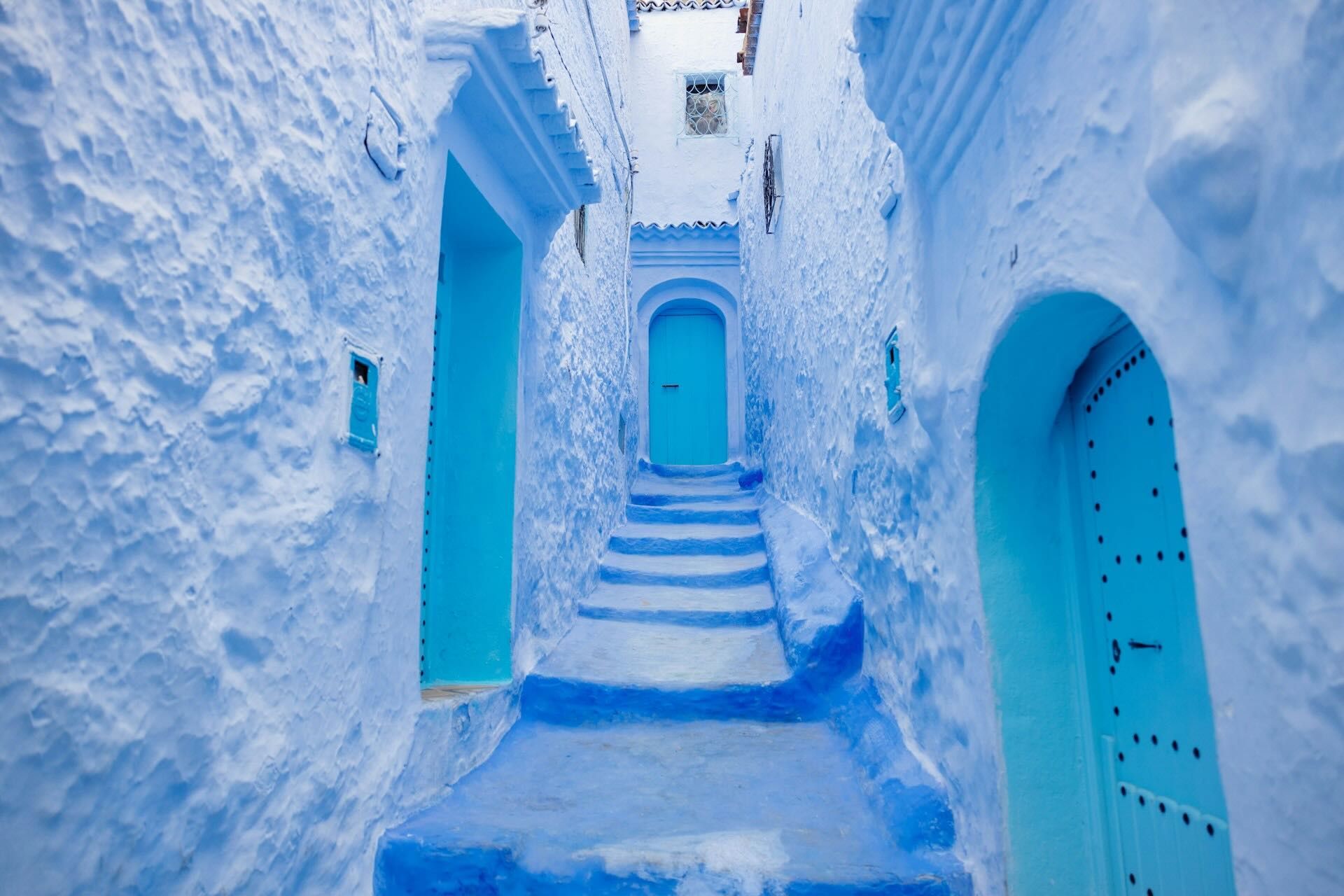
    The phrase blue streets fits Chefchaouen because color defines the town’s first impression. Blue walls, steps, doors, archways, and lanes create a dreamlike atmosphere that changes with light and shadow throughout the day.

    This blue color gives Chefchaouen its most recognizable beauty, but it also shapes the mood of the visit. The streets feel cooler, softer, and more reflective than many travelers expect. The town invites slow walking and close attention to detail.

    Rif Mountain Quiet Defines the Mood

    Chefchaouen’s Rif Mountain setting gives the town its calm. Hills rise around the medina, creating a natural frame that makes the streets feel protected and tucked away. The mountain air also gives the town a different rhythm from Morocco’s busier imperial cities.

    This quiet is central to Chefchaouen’s appeal. The town feels best when travelers give themselves time to sit, climb, pause, and return to the same lanes at different hours.

    The Medina Rewards Wandering

    Chefchaouen’s medina is compact, walkable, and full of visual detail. Narrow lanes, small staircases, painted walls, cats, shops, courtyards, and doorways create a setting that feels layered without becoming overwhelming.

    The medina works best without a rigid plan. A good visit can be built around wandering, stopping for tea, browsing textiles, taking in views, and letting the town reveal itself gradually.

    Mountain Views Add Depth

    The mountains around Chefchaouen add more than scenery. They give the town scale, contrast, and a stronger connection to northern Morocco’s landscape. Blue streets and rocky hills work together to create a setting that feels both delicate and rugged.

    This mountain presence also makes Chefchaouen appealing for travelers who want nature close to the town. Short walks, viewpoints, and surrounding trails can add variety to a stay.

    Artisan Shops and Local Texture

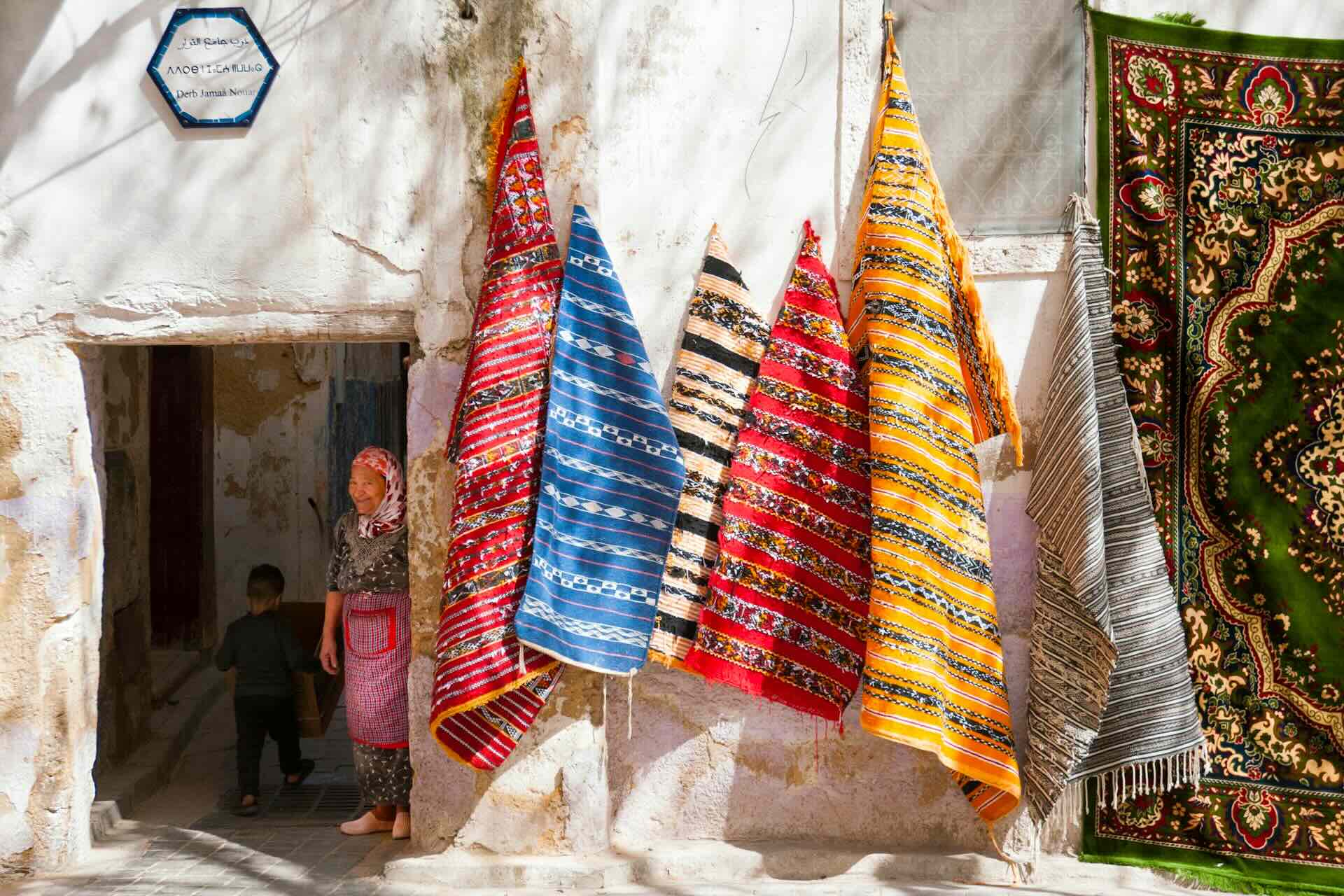
    Chefchaouen has a strong craft and market atmosphere, with textiles, leather goods, ceramics, woven blankets, jewelry, and handmade objects appearing throughout the medina. The shops add color and texture without overwhelming the town’s calm.

    This artisan side gives Chefchaouen cultural depth. It is not only a place to photograph blue walls. It is also a town shaped by regional materials, local commerce, and the craft traditions of northern Morocco.

    Cafés, Tea, and Slow Travel

    Chefchaouen’s cafés and tea spots add to its relaxed atmosphere. Small terraces, shaded corners, rooftop views, and simple meals make it easy to slow down between walks. The town does not demand a packed itinerary.

    This slower pace is one of its strengths. Chefchaouen is especially rewarding when travelers treat it as a place to stay and breathe rather than a quick photo stop.

    A Softer Side of Morocco

    Chefchaouen offers a different side of Morocco from Marrakech, Casablanca, or Fez. It feels smaller, cooler, quieter, and more closely tied to the mountains. That contrast makes it valuable within a broader Morocco itinerary.

    This does not mean Chefchaouen lacks energy. Its markets, cafés, and streets are active, but the pace feels gentler. The town’s beauty comes from atmosphere rather than scale.

    Who Chefchaouen Is Best For

    Chefchaouen is best for travelers who enjoy walkable towns, mountain settings, photography, craft markets, quiet streets, and slower cultural travel. It works well for couples, solo travelers, families, design lovers, and anyone who wants a calmer Moroccan destination.

    This is not a town built around major monuments or fast sightseeing. Chefchaouen works through color, mood, landscape, and stillness. That makes it especially rewarding for travelers who value atmosphere.

    The Lasting Appeal of Chefchaouen

    Chefchaouen stays memorable because it feels visually distinct and emotionally calm. The blue streets give it beauty. The Rif Mountain quiet gives it depth. The medina, cafés, craft shops, stairways, and viewpoints give the town its lasting character.

    For travelers who want a Moroccan destination with color, mountain air, and a slower rhythm, Chefchaouen is a strong choice. It proves that some places make their deepest impression through calm, color, and a clear sense of place.
    Plan a trip to Chefchaouen today.

  • Fez, Morocco Labyrinth Lanes and Timeless Craft

    Fez, Morocco Labyrinth Lanes and Timeless Craft

    Fez, Morocco labyrinth lanes and timeless craft come together in a city that feels ancient, intricate, and deeply alive. Fez is one of Morocco’s most atmospheric destinations, known for its medinas, artisans, religious heritage, markets, courtyards, carved wood, tile work, leather goods, and sensory intensity. It is a city best experienced slowly, with patience, curiosity, and a willingness to get lost.

    Why Fez Feels So Distinct

    Fez stands out because it feels less staged than many historic cities. Its old medina is not only a preserved attraction. It is a working urban world where craftspeople, shopkeepers, students, families, and travelers all move through narrow lanes that have carried daily life for centuries.

    This gives Fez unusual depth. The city can feel overwhelming at first, but that intensity is part of its power. Fez rewards travelers who look beyond the surface and notice its rhythms, skills, and layers.

    Labyrinth Lanes Shape the Experience

    The phrase labyrinth lanes fits Fez because the medina feels like a city within itself. Narrow passages twist past shops, mosques, workshops, homes, fountains, courtyards, and market stalls. Some lanes feel busy and loud. Others become quiet within seconds.

    These lanes define the travel experience. Fez is not a city to understand from a distance. It has to be walked, heard, smelled, and absorbed one turn at a time.

    Timeless Craft Gives Fez Its Soul

    Fez is closely tied to craft traditions. Leatherwork, metalwork, ceramics, textiles, carving, weaving, and tilework all remain visible throughout the city. These skills give Fez a strong sense of continuity.

    This craft culture matters because it keeps the medina from feeling like a museum. Travelers can see people making, repairing, selling, and using handmade objects. The city’s beauty comes from work as much as from architecture.

    The Medina Feels Fully Alive

    The medina is the heart of Fez. It is dense, historic, and full of movement. Markets, food stalls, workshops, schools, religious spaces, and residential areas all sit close together, creating an experience that feels layered and intense.

    This is where Fez becomes unforgettable. The medina does not offer a simple, polished version of Morocco. It offers texture, complexity, and real urban life.

    Courtyards and Riads Add Quiet

    Behind the busy lanes, Fez often opens into calm interior spaces. Riads, courtyards, fountains, tiled walls, carved plaster, and wooden details create a quieter side of the city. These spaces balance the energy of the medina.

    This contrast is essential to Fez. The city can feel crowded and immersive outside, then peaceful and refined inside. That shift gives Fez emotional range.

    Tilework, Wood, and Carved Detail

    Fez is rich in architectural detail. Geometric tilework, carved wood, plaster decoration, brass doors, and patterned surfaces appear throughout historic buildings and private interiors. The city’s craftsmanship often works through repetition and precision.

    These details reward close attention. Fez is not only impressive at large scale. It becomes more beautiful when travelers slow down and notice small surfaces, thresholds, and handmade patterns.

    Tanneries and Working Traditions

    Fez’s tanneries are among its most recognizable sights. They show a traditional process that connects the city to leatherwork and long-standing craft methods. The colors, textures, and activity make the tanneries one of Fez’s most memorable experiences.

    They also remind travelers that craft is not abstract here. It is labor, smell, material, and skill. Fez’s traditions remain physical and visible.

    Food, Markets, and Street Life

    Fez’s food culture adds another layer to the city. Street food, markets, bread ovens, spices, pastries, tagines, cafés, and family style cooking all help define the experience. The medina’s food life feels woven into daily movement.

    This makes Fez especially rewarding for travelers who like sensory cities. Food is not separate from the streets. It is part of how the city communicates warmth, routine, and local identity.

    A City of Learning and Heritage

    Fez has long been associated with scholarship, religion, and cultural heritage. Its historic institutions, mosques, madrasas, libraries, and traditional learning spaces give the city intellectual weight.

    This heritage adds seriousness to the travel experience. Fez is not only beautiful or exotic. It is a city with deep cultural importance, and that gives its streets a stronger sense of meaning.

    Why Fez Deserves Time

    Fez should not be rushed. A short visit can show the medina, shops, and major sights, but a slower stay reveals the city’s quieter side. Mornings, courtyards, guided walks, meals, and repeated routes help travelers make sense of its complexity.

    Time also makes Fez feel less overwhelming. The city becomes easier to appreciate once its patterns begin to emerge. What first feels confusing can become one of the trip’s most memorable qualities.

    Who Fez Is Best For

    Fez is best for travelers who enjoy historic cities, craft traditions, architecture, markets, food, and immersive cultural travel. It works well for couples, solo travelers, photographers, design lovers, and visitors who want a deeper Moroccan experience.

    This is not a city for travelers who want everything simple and predictable. Fez works through density, detail, and atmosphere. That makes it especially rewarding for curious travelers who enjoy places with strong identity.

    The Lasting Appeal of Fez

    Fez stays memorable because it feels old, skilled, and alive. The labyrinth lanes give it mystery. The timeless craft gives it soul. The medina, riads, tanneries, markets, food, and carved details give the city its lasting character.

    For travelers who want a Moroccan city with depth, tradition, and powerful atmosphere, Fez is a strong choice. It proves that some destinations are most unforgettable when they make visitors slow down, pay attention, and enter another rhythm.

    Plan a trip to Fez today.