Tag: Netherlands travel

  • Leiden, Netherlands Wind, Water, and Scholarly Charm

    Leiden, Netherlands Wind, Water, and Scholarly Charm

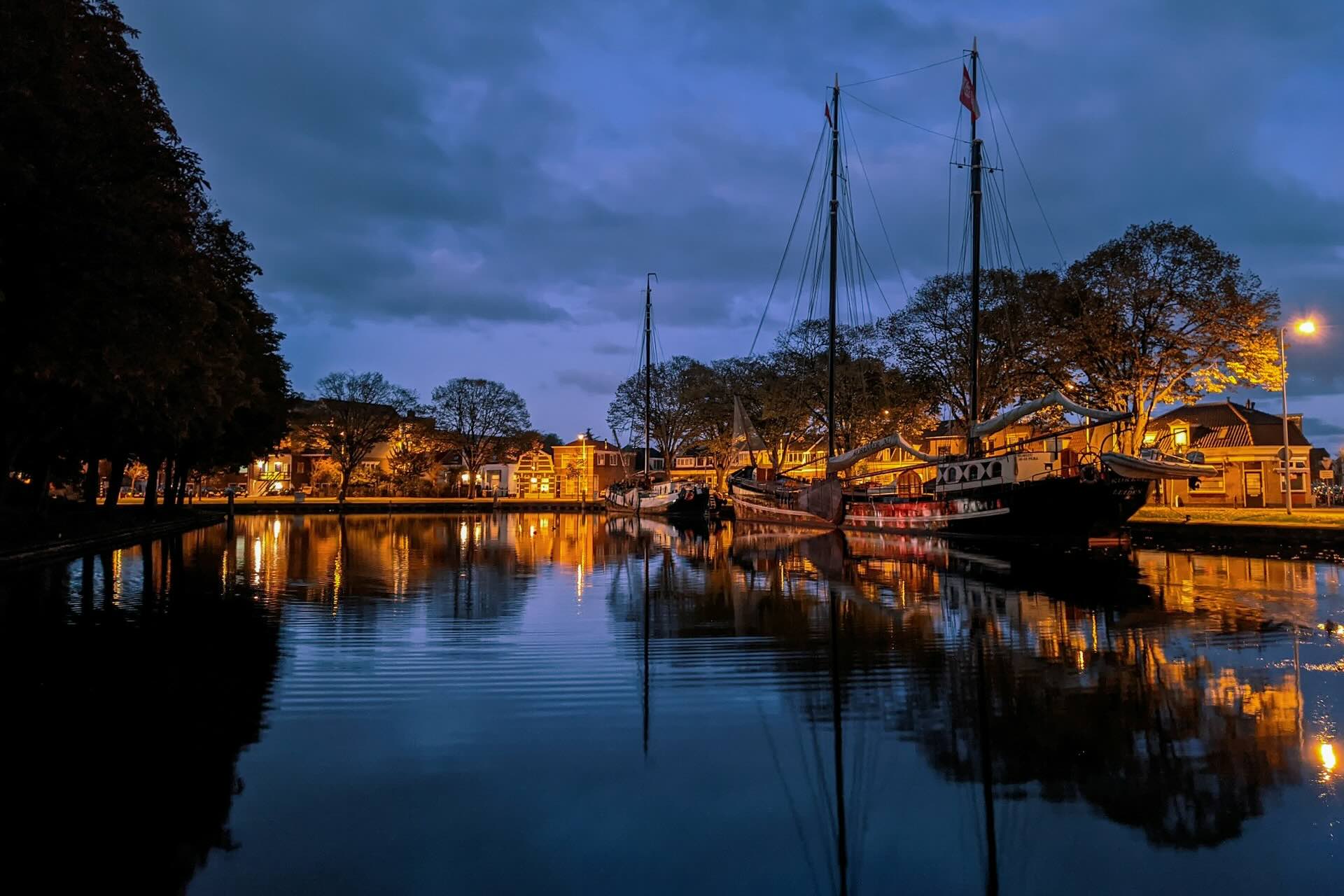
    Leiden, Netherlands wind, water, and scholarly charm come together in a city that feels calm, historic, and quietly refined. Leiden has the canals, bridges, and gabled buildings travelers expect from the Netherlands, but its university character gives it extra depth. Its appeal comes through old streets, museum culture, waterside walks, windmills, courtyards, cafés, and a thoughtful Dutch rhythm that rewards slow travel.

    Why Leiden Feels So Distinct

    Leiden stands out because it feels both beautiful and intelligent. The city has classic Dutch scenery, but it also carries the atmosphere of a long established university town. That gives Leiden a sense of curiosity and cultural depth.

    This makes the city especially rewarding for travelers who want more than a pretty canal view. Leiden offers beauty, history, scholarship, and daily life in a compact setting. It feels polished, but not overexposed.

    Wind and Water Shape the City

    The phrase wind and water fits Leiden naturally. Canals move through the historic center, while open skies and Dutch weather give the city a shifting mood. Bridges, boats, reflections, and waterside streets all create a strong sense of place.

    This water setting makes Leiden feel gentle and open. The canals are not only scenic. They shape the walking routes, connect neighborhoods, and give the city a calm visual rhythm.

    Scholarly Charm Gives Leiden Depth

    Leiden’s scholarly charm is central to its identity. The university presence gives the city a thoughtful atmosphere. Students, museums, libraries, academic buildings, and old courtyards all contribute to a city that feels shaped by learning.

    This scholarly energy is softer than nightlife driven student cities. Leiden feels reflective rather than loud. It has youth and movement, but also quiet corners and a strong sense of tradition.

    A Walkable Dutch City

    Leiden is easy to explore on foot. The historic center is compact, detailed, and full of small discoveries. Travelers can move from canals to churches, from museums to cafés, and from shopping streets to quiet lanes without much effort.

    This walkability gives Leiden much of its charm. The city does not require a strict itinerary. It is best experienced through wandering, pausing, and letting the streets reveal themselves slowly.

    Canals Without the Rush

    Leiden offers a canal city experience without the same pressure found in more famous Dutch destinations. The water views are beautiful, but the city often feels more relaxed and local. That makes it easier to settle into the atmosphere.

    This is one of Leiden’s strongest advantages. Travelers can enjoy bridges, boats, gabled houses, and waterside cafés with less noise and fewer distractions. The city feels generous rather than crowded.

    Museums and Cultural Weight

    Leiden has strong museum culture for a city of its size. Its collections and academic heritage give it more substance than many casual visitors expect. This makes Leiden a good fit for travelers who enjoy art, science, history, and cultural context.

    The museums also support the city’s scholarly identity. Leiden feels like a place where knowledge is part of daily life, not only something stored behind doors. That gives the travel experience added meaning.

    Windmills and Dutch Character

    Windmills add another layer to Leiden’s visual identity. They connect the city to classic Dutch imagery while still feeling rooted in local history. Seeing a windmill near canals and old streets reinforces Leiden’s strong sense of place.

    This matters because Leiden feels unmistakably Dutch without feeling like a cliché. The city has familiar elements, but they appear in a setting that feels authentic and lived in.

    Courtyards, Cafés, and Quiet Corners

    Leiden rewards travelers who notice small spaces. Courtyards, hidden lanes, quiet gardens, and modest cafés add intimacy to the city. These details make Leiden feel more personal than grand.

    The café culture also suits the city’s mood. A coffee, lunch, or slow drink near the water can feel like part of the main experience. Leiden is a city where stillness often feels productive.

    A Softer Alternative to Amsterdam

    Leiden works well for travelers who want Dutch beauty without the scale and intensity of Amsterdam. It has canals, history, museums, cycling culture, and attractive streets, but with a calmer pace.

    That does not make Leiden secondary. It has its own identity. The scholarly atmosphere, walkable center, and quieter canal life make it a strong destination on its own.

    Who Leiden Is Best For

    Leiden is best for travelers who enjoy canals, museums, university towns, historic streets, cafés, and slower Dutch travel. It works well for couples, solo travelers, families, and culture focused visitors. It is also a strong choice for travelers exploring the Netherlands beyond the most famous stops.

    This is not a city built around spectacle. Leiden works through intelligence, calm, water, and detail. That makes it especially satisfying for travelers who prefer atmosphere over crowds.

    The Lasting Appeal of Leiden

    Leiden stays memorable because it feels thoughtful and graceful. The wind and water give it movement. The scholarly charm gives it depth. The canals, museums, windmills, cafés, and old streets give the city its lasting character.

    For travelers who want a Dutch city with beauty, calm, and cultural substance, Leiden is a strong choice. It proves that the Netherlands’ most rewarding places are not always the loudest or most famous. Sometimes the quieter cities leave the strongest impression.

    Plan a trip to Leiden today.

  • Maastricht, Netherlands Cafés, History, and Southern Dutch Style

    Maastricht, Netherlands Cafés, History, and Southern Dutch Style

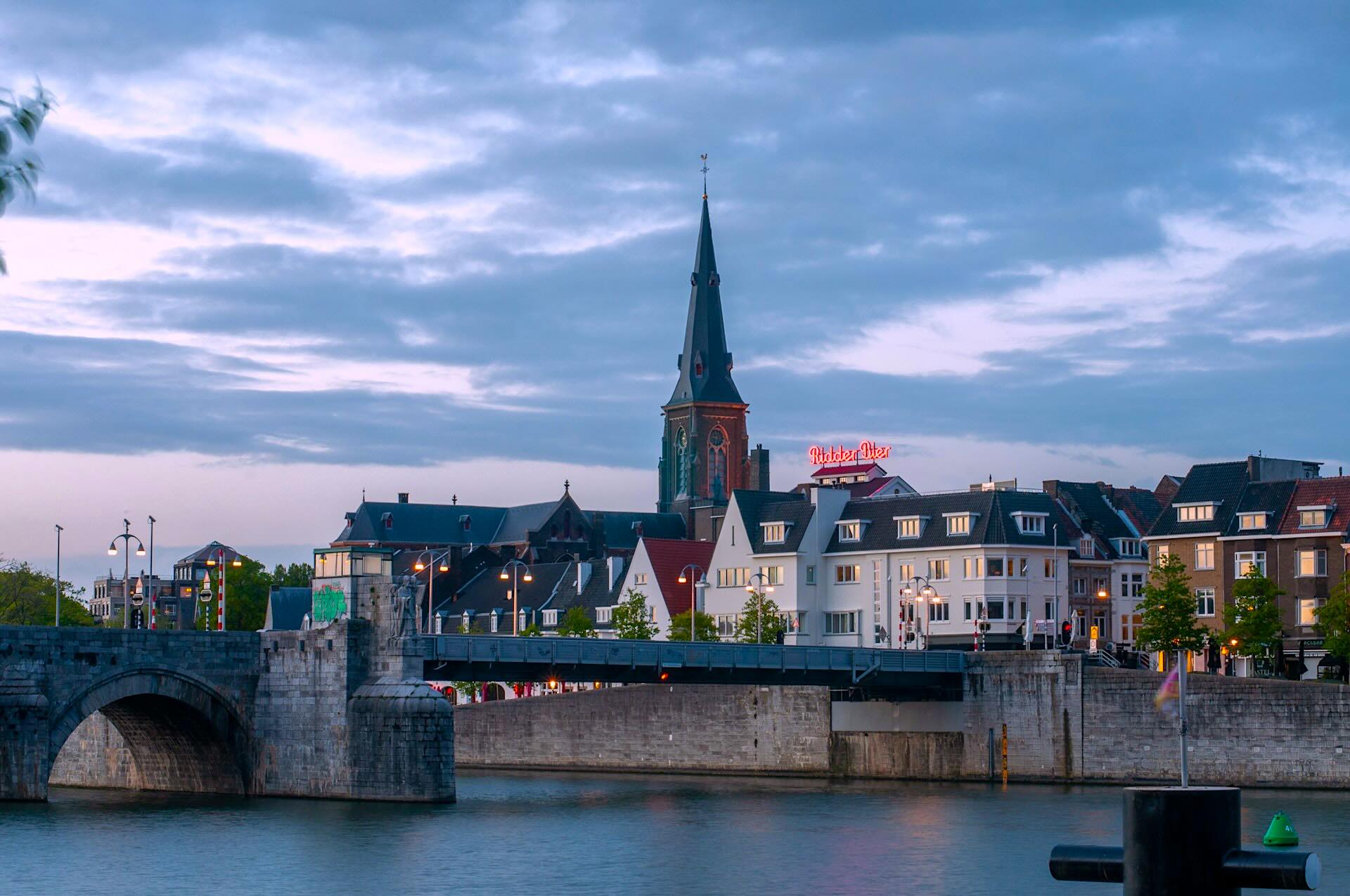
    Maastricht, Netherlands cafés, history, and Southern Dutch style come together in a city that feels relaxed, elegant, and quietly distinctive. Maastricht does not feel like the canal centered Dutch cities many travelers picture first. It has a warmer rhythm, a stronger café culture, old stone streets, riverside views, and a southern character shaped by its location near Belgium and Germany.

    Why Maastricht Feels So Distinct

    Maastricht stands out because it feels Dutch, but not in the expected way. The city has order, walkability, and calm, but it also has a more southern mood. Its streets feel older, warmer, and more relaxed than many cities farther north.

    That difference gives Maastricht real personality. It does not feel like a smaller version of Amsterdam or Utrecht. It feels like its own place, with its own pace and regional identity.

    Cafés Shape the City’s Rhythm

    The phrase cafés belongs naturally to Maastricht. This is a city where sitting outside, ordering coffee, having lunch, or lingering over dinner feels central to the experience. The café culture gives Maastricht much of its warmth.

    That matters because Maastricht rewards travelers who slow down. Its beauty is not only found in landmarks. It is found in the way people gather, talk, eat, and use the city’s squares throughout the day.

    History Gives Maastricht Its Depth

    Maastricht has a deep historic atmosphere. Old walls, churches, stone facades, narrow lanes, and historic squares give the city a strong sense of age. The past feels close, but not frozen.

    This makes Maastricht especially rewarding on foot. The city reveals its history gradually. A street corner, church door, bridge view, or quiet courtyard can suddenly make the city feel much older and richer.

    Southern Dutch Style Sets the Mood

    Maastricht’s Southern Dutch style gives it a different flavor from many other Netherlands destinations. The city feels more relaxed, more culinary, and more influenced by its position near several cultures. Its architecture and public life both reflect that blend.

    This regional character is one of Maastricht’s greatest strengths. It gives travelers a fuller view of the Netherlands. The country is not only canals, bicycles, and northern brick cities. Maastricht shows a softer and more European borderland identity.

    A Walkable City With Strong Atmosphere

    Maastricht is easy to explore without a strict plan. The historic center, riverfront, squares, shops, restaurants, and older streets connect naturally. Walking feels like the best way to understand the city.

    This walkability helps Maastricht feel personal. Travelers can move from busy café terraces to quiet lanes in minutes. The city has enough variety to stay interesting, but enough calm to remain easy.

    The River Adds Space and Light

    The Meuse River gives Maastricht a graceful sense of openness. It softens the historic center and adds views, bridges, and movement. The river also helps the city feel less enclosed than its older streets might suggest.

    This balance is important. Maastricht has dense historic texture, but the river gives it air. That contrast makes the city more satisfying to explore over a full day or weekend.

    Squares, Shops, and Everyday Elegance

    Maastricht’s squares are central to its appeal. They feel social, polished, and comfortable without becoming overly formal. Shops, cafés, restaurants, and markets add energy throughout the day.

    The city also has a refined shopping and dining atmosphere. It feels stylish, but not flashy. Maastricht’s elegance comes through proportion, routine, and the pleasure of daily life done well.

    A Border City With Cultural Layers

    Maastricht’s location helps shape its identity. Its closeness to Belgium and Germany gives the city a cross border character. You can feel that influence in food, language, architecture, and the general mood.

    That layered quality makes Maastricht more interesting than a simple pretty city. It feels connected to a wider region. Travelers who enjoy cultural blending will find the city especially rewarding.

    More Than a Quick Stop

    Maastricht can work as a short visit, but it deserves more time. A quick stop shows the historic streets and cafés. A longer stay reveals its evening mood, dining culture, riverside calm, and quieter neighborhoods.

    This is the kind of city that improves with unplanned time. Maastricht is best experienced through wandering, sitting, tasting, and returning to the same streets at different hours.

    Who Maastricht Is Best For

    Maastricht is best for travelers who enjoy cafés, history, regional culture, food, and walkable cities. It works well for couples, solo travelers, weekend visitors, and anyone exploring the Netherlands beyond the most famous stops.

    It is also a strong choice for travelers who prefer atmosphere over spectacle. Maastricht does not need to overwhelm. It wins through warmth, texture, and a very clear sense of place.

    The Lasting Appeal of Maastricht

    Maastricht stays memorable because it offers a different side of Dutch travel. The cafés give it warmth. The history gives it depth. The Southern Dutch style gives it personality. Together, they create a city that feels elegant, calm, and quietly rich.

    For travelers who want a Dutch city with old streets, riverside beauty, and a more relaxed southern rhythm, Maastricht is a strong choice. It proves that some of the Netherlands’ best travel experiences sit beyond the obvious route.

    Plan a trip to Maastricht today.

  • Utrecht, Netherlands Canal Wharves and Dutch Ease

    Utrecht, Netherlands Canal Wharves and Dutch Ease

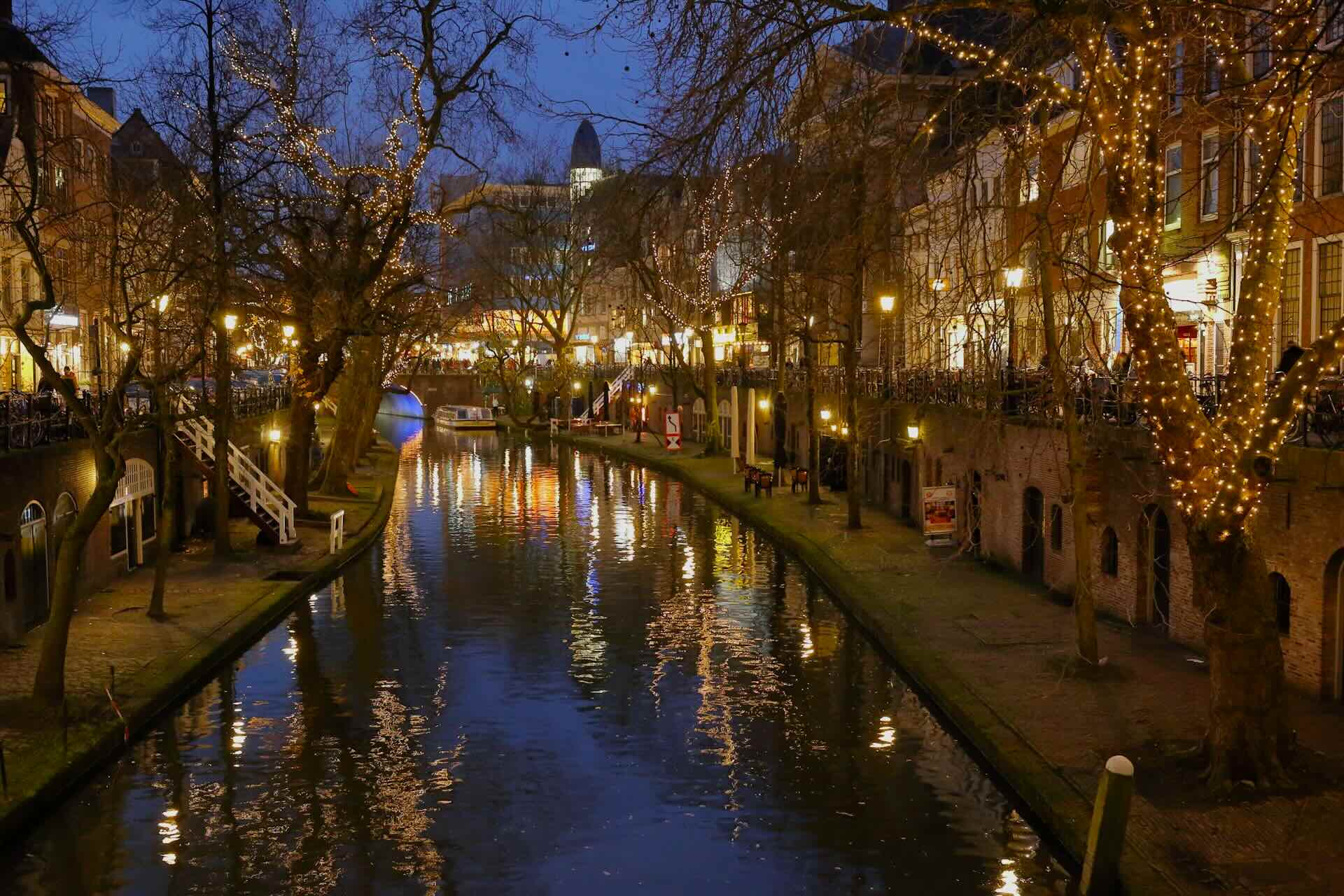
    Utrecht, Netherlands canal wharves and Dutch ease come together in a city that feels graceful, relaxed, and deeply livable. Utrecht has the canals travelers love in the Netherlands, but with a more grounded rhythm than Amsterdam. Its beauty feels less staged and more everyday. Historic streets, waterside terraces, bicycles, church towers, and student energy all create a city that is easy to enjoy without overplanning.

    Why Utrecht Feels So Distinct

    Utrecht stands out because it offers classic Dutch beauty with a softer pace. The city has canals, bridges, gabled buildings, and old streets, but it rarely feels overwhelming. It feels like a place made for walking, cycling, sitting by the water, and letting the day unfold naturally.

    That is part of Utrecht’s appeal. It does not need to compete with larger destinations. Its charm comes from balance, history, and an easy confidence that makes the city feel immediately comfortable.

    Canal Wharves Define the City

    Utrecht’s canal wharves give the city one of its most distinctive features. The lower waterside levels create a different kind of canal experience. Instead of simply looking down at the water, travelers can move closer to it. Cafés, terraces, and paths sit near the canal, making the water feel part of daily life.

    This gives Utrecht a warmer feeling than many canal cities. The canals are not only scenic. They are social spaces. People eat, drink, walk, and gather near them, which makes the city feel active without feeling rushed.

    Dutch Ease Shapes the Mood

    The phrase Dutch ease fits Utrecht well. The city feels organized but not stiff, historic but not overly formal, and lively without being chaotic. Bicycles move naturally through the streets. Cafés fill with students, locals, and visitors. The city center feels busy enough to stay interesting, but calm enough to feel manageable.

    That ease matters for travelers. Utrecht is the kind of place where a simple day can feel complete. A canal walk, a café stop, a church tower view, and a slow evening by the water can be enough.

    A Historic Center With Real Life

    Utrecht’s historic center has the beauty travelers expect from the Netherlands. Narrow streets, old facades, canals, courtyards, and church architecture all give the city visual depth. But the center does not feel frozen or overly curated. It still works as a living city.

    That makes Utrecht especially rewarding. Travelers can enjoy history without feeling separated from modern life. Shops, restaurants, markets, and university energy all keep the historic setting animated.

    A City Built for Walking and Cycling

    Utrecht is easy to experience slowly. The city center works well on foot, while the wider city supports cycling in a very natural way. This gives travelers freedom without much stress. You do not need a complicated itinerary to understand the city’s rhythm.

    Walking along the canals is one of the best ways to feel Utrecht’s character. The streets open into squares, bridges, side lanes, and waterside spaces. The city reveals itself gradually, which makes the experience feel personal.

    The Dom Tower and Vertical Beauty

    Utrecht’s skyline has a strong anchor in the Dom Tower. It gives the city a vertical point of reference and adds drama to the otherwise calm urban fabric. From many streets, the tower appears between buildings and reminds travelers how old and layered the city is.

    This matters because Utrecht’s beauty is often subtle. The tower adds height, history, and focus. It gives the city a stronger silhouette while keeping the surrounding streets intimate.

    Student Energy Without Losing Calm

    Utrecht has a youthful rhythm thanks to its university presence. Students add energy to cafés, streets, cultural spaces, and nightlife. The city feels smart, social, and active, but it still keeps its relaxed Dutch mood.

    This combination gives Utrecht real personality. It is not only a postcard city of canals and old buildings. It is a place where younger energy and long history share the same streets.

    More Than an Amsterdam Alternative

    Utrecht is often described as an alternative to Amsterdam, but that undersells it. The city has its own identity. The canal wharves, compact center, university life, and calmer pace make Utrecht feel distinct rather than secondary.

    That is why it deserves attention on its own terms. Travelers who come only because they want fewer crowds may leave appreciating something deeper. Utrecht feels complete, confident, and quietly beautiful.

    Who Utrecht Is Best For

    Utrecht is best for travelers who enjoy walkable cities, canals, cafés, and relaxed urban beauty. It works well for couples, solo travelers, students, families, and anyone who wants a Dutch city with atmosphere but less pressure. It also suits travelers who prefer places that feel lived in rather than overly touristic.

    This is not a city built around spectacle. It is a city built around rhythm. That makes it especially satisfying for slower travel.

    The Lasting Appeal of Utrecht

    Utrecht stays memorable because it makes beauty feel easy. The canal wharves create intimacy. The Dutch ease gives the city calm. The historic center adds depth, while the student energy keeps it fresh. Together, they create one of the Netherlands’ most satisfying city experiences.

    For travelers who want canals, culture, history, and a more relaxed Dutch rhythm, Utrecht is a strong choice. It offers beauty without strain and charm without needing to perform.

    Plan a trip to Utrecht today.

  • Why Amsterdam Is About More Than Canals and Bikes

    Why Amsterdam Is About More Than Canals and Bikes

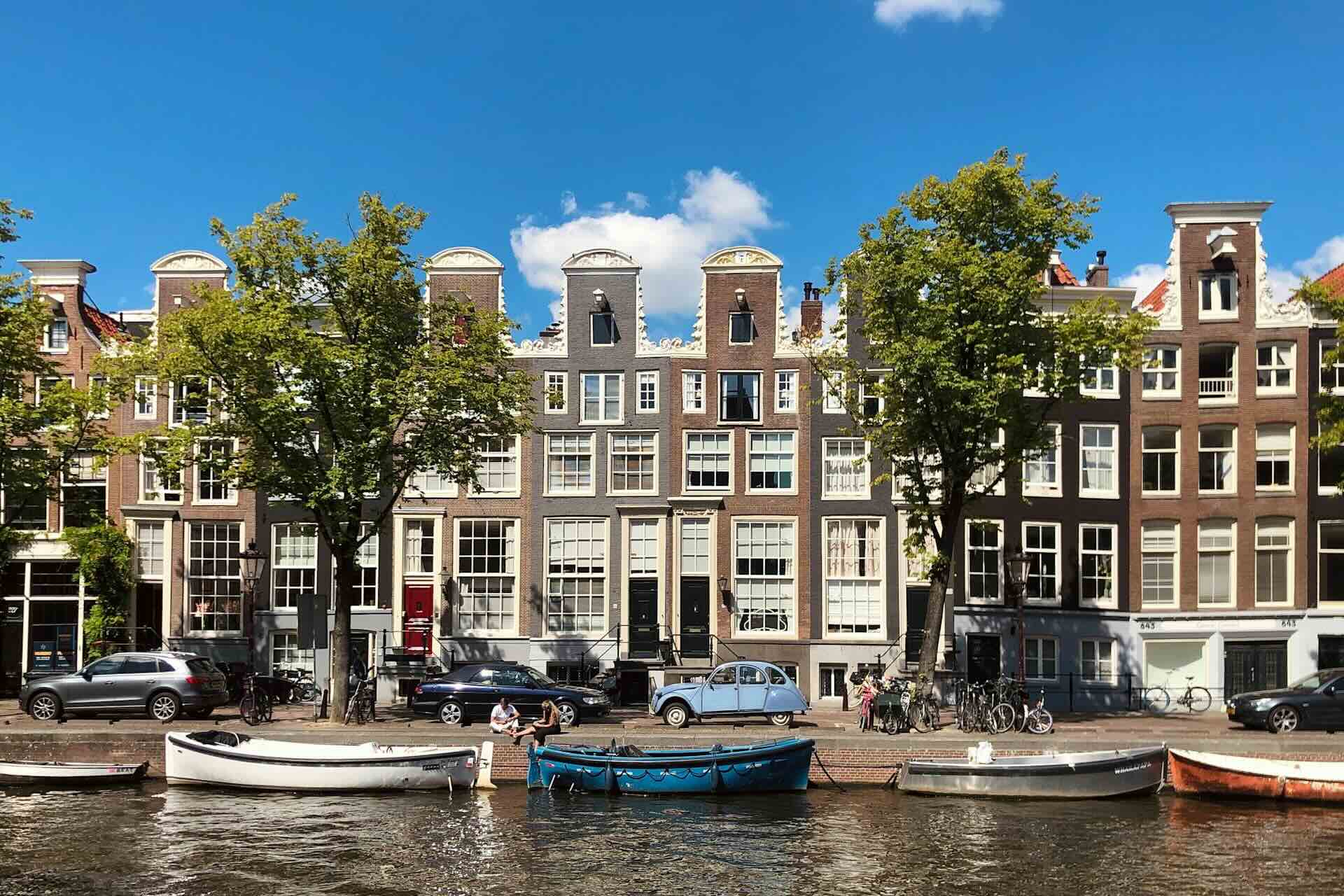
    Amsterdam is often reduced to a postcard image, and why Amsterdam is about more than canals and bikes becomes clear once you move past first impressions. The waterways and cycling culture are real, but they are only the surface of a city shaped by ideas, tolerance, design, and everyday rituals that feel quietly intentional. Amsterdam reveals itself through how people live, not just what they pass by.

    For travelers who value culture, food, neighborhoods, and lived experience, Amsterdam offers depth without drama. It feels approachable, yet layered enough to reward time and attention.

    A City Built on Ideas, Not Just Infrastructure

    Amsterdam’s identity is rooted in values as much as visuals. Openness, pragmatism, and individual freedom shape how the city functions.

    Historically, Amsterdam thrived as a trading city that welcomed different cultures, beliefs, and perspectives. That openness became a defining trait rather than a temporary strategy.

    You still feel this today. Differences are accommodated rather than spotlighted. Daily life feels designed to work for people with varied needs and lifestyles.

    This mindset explains much of what visitors notice, from urban planning to social norms. The city prioritizes coexistence over spectacle.

    Neighborhoods That Define Daily Life

    Amsterdam’s character lives in its neighborhoods. Each area carries a distinct tone that goes beyond scenery.

    The Jordaan feels intimate and lived in. Narrow streets, local cafés, and small shops create a sense of community. It is a place to slow down and observe daily routines.

    De Pijp feels energetic and multicultural. Food from around the world, busy markets, and casual social life give the area constant motion.

    Oud West blends residential calm with creative energy. Independent stores, bakeries, and green spaces make it feel balanced and practical.

    Amsterdam Noord feels experimental and evolving. Creative spaces, waterfront views, and repurposed industrial areas show how the city adapts without erasing its past.

    Spending time across neighborhoods reveals a city built around living well rather than impressing visitors.

    Food Culture Beyond Expectations

    Amsterdam’s food scene often surprises travelers who expect simplicity. While traditional dishes remain important, the city’s culinary identity reflects global influence and thoughtful execution.

    Local cafés focus on quality and consistency. Coffee culture emphasizes care and atmosphere rather than speed.

    Markets play a central role. They bring together food, conversation, and community. Walking through them offers insight into daily preferences and habits.

    Restaurants range widely in style and price, but many share an emphasis on seasonal ingredients and balance. Meals feel intentional without feeling precious.

    Food in Amsterdam supports daily life. It complements routines rather than dominating schedules.

    Design as a Way of Thinking

    Design in Amsterdam is not limited to museums or galleries. It shapes everyday experiences.

    Buildings balance form and function. Interiors feel calm and purposeful. Public spaces prioritize usability and comfort.

    This approach reflects a broader cultural value placed on practicality and restraint. Beauty emerges from usefulness rather than excess.

    Design choices support how people move, gather, and rest. You notice how naturally spaces work together.

    Spending time in the city helps you understand design as mindset rather than aesthetic.

    Culture That Feels Integrated, Not Staged

    Amsterdam’s cultural offerings feel integrated into daily life. Museums and institutions are important, but culture also exists outside formal settings.

    Art appears in public spaces, small galleries, and unexpected corners. Creativity feels accessible rather than elevated.

    Music, film, and performance often happen in intimate venues. Experiences feel personal and participatory.

    Cultural engagement does not require planning or expertise. Curiosity is enough.

    This integration makes culture feel lived rather than displayed.

    A Different Relationship With Time

    Amsterdam operates with a steady, balanced pace. The city does not rush, but it also does not linger aimlessly.

    Work and leisure coexist clearly. People make time for rest, social connection, and personal interests.

    Evenings feel relaxed. Meals are enjoyed without pressure. Conversations take precedence over schedules.

    This rhythm shapes how visitors experience the city. You feel encouraged to slow down without disengaging.

    Time feels well spent rather than filled.

    Social Norms That Shape the Experience

    Amsterdam’s social culture values directness, respect, and independence. People communicate clearly and expect personal responsibility.

    This honesty can feel refreshing. Interactions are straightforward and grounded.

    At the same time, privacy is respected. Personal space matters. Social engagement happens by choice, not obligation.

    These norms create a sense of ease. You know where you stand, and you are free to move at your own pace.

    Nature and Urban Balance

    Green space plays an important role in Amsterdam. Parks, waterways, and tree lined streets soften the urban environment.

    People use these spaces actively. Picnics, walks, and quiet reflection are common parts of daily life.

    Water shapes movement and mood. It provides calm and continuity throughout the city.

    This balance between nature and urban life contributes to Amsterdam’s livability.

    Why Amsterdam Feels Familiar Yet Distinct

    Many travelers feel comfortable in Amsterdam quickly. The city is navigable, friendly, and intuitive.

    Yet it also feels different. Values around openness, design, and balance create subtle contrasts with other cities.

    You recognize patterns, but the tone shifts. That combination makes exploration rewarding without stress.

    Amsterdam does not demand adaptation. It invites understanding.

    Moving Past the Stereotypes

    Canals and bikes are part of Amsterdam’s identity, but they are not its essence.

    Reducing the city to visuals misses its deeper character. The real experience lies in routines, values, and everyday interactions.

    When you move past stereotypes, Amsterdam feels richer and more personal.

    You stop collecting images and start noticing patterns of life.

    How to Experience Amsterdam More Fully

    To experience Amsterdam beyond the surface, allow time for routine. Return to the same café. Walk the same street at different times of day.

    Explore neighborhoods rather than landmarks alone. Sit and observe. Notice how people use space.

    Balance popular sights with unplanned wandering. Let curiosity guide choices.

    This approach reveals the city’s quieter strengths.

    Why Amsterdam Stays With You

    Amsterdam stays with travelers because it models a way of living that feels intentional and humane.

    It shows how cities can be functional without feeling cold, cultural without feeling performative, and social without feeling forced.

    Why Amsterdam is about more than canals and bikes comes down to this. The city prioritizes how life feels.

    That focus leaves a lasting impression.

    Plan a trip to Amsterdam today.