Tag: Nordic design travel

  • Malmö, Sweden Modern Calm and Coastal Simplicity

    Malmö, Sweden Modern Calm and Coastal Simplicity

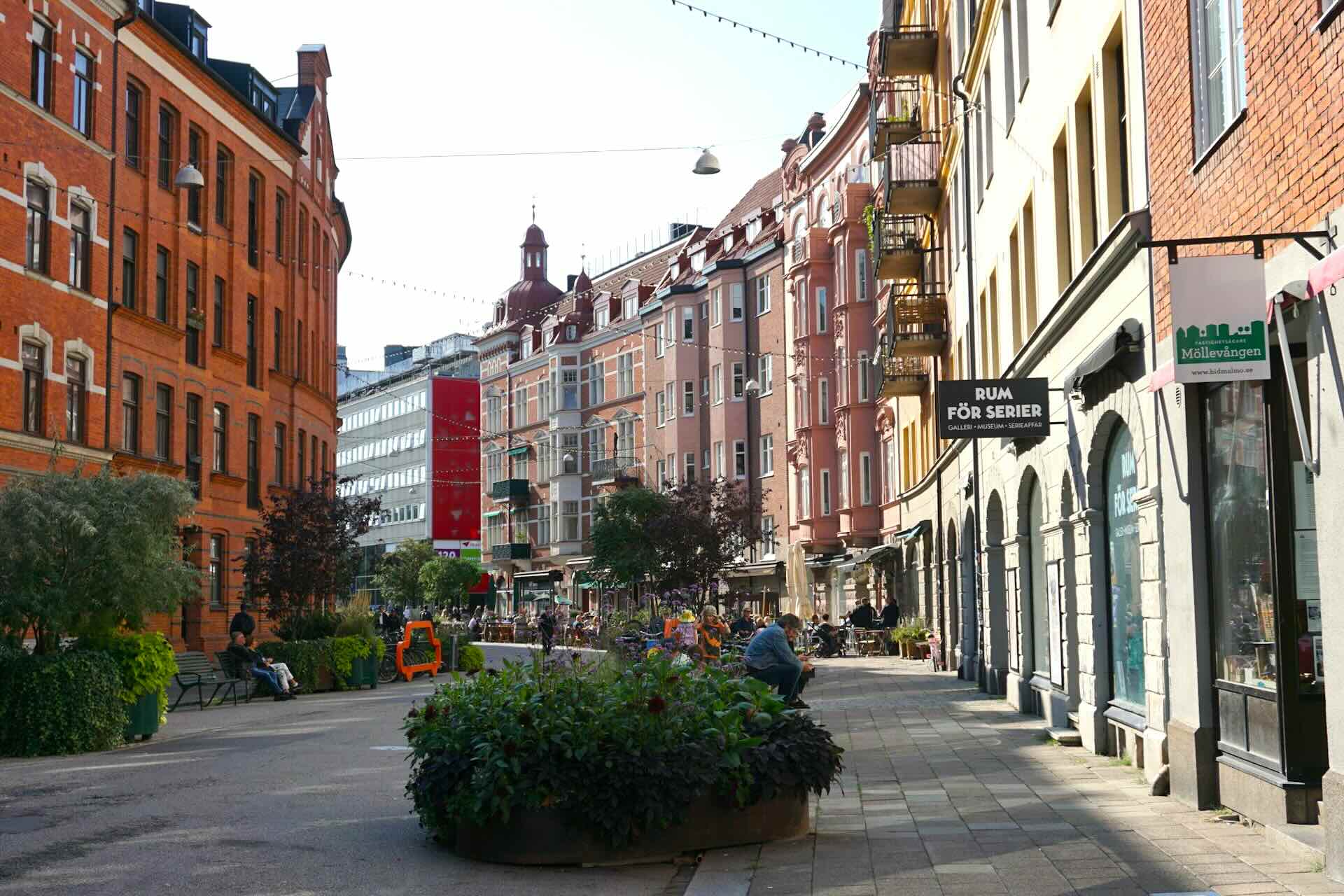
    Malmö, Sweden modern calm and coastal simplicity come together in a city that feels open, relaxed, and quietly stylish. Malmö does not rely on dramatic landmarks or heavy historic grandeur. Its appeal comes through clean design, sea air, bike friendly streets, parks, modern architecture, and a steady Scandinavian ease. It is a city that feels current without feeling cold.

    Why Malmö Feels So Distinct

    Malmö stands out because it offers a softer, more manageable version of urban Scandinavia. It has culture, design, restaurants, waterfront spaces, and historic pockets, but it rarely feels overwhelming. The city moves at a calm pace, even when its neighborhoods feel active.

    That balance gives Malmö real charm. It feels international, but still local. It feels modern, but not detached from everyday life. Travelers who enjoy cities with space, clarity, and a relaxed rhythm often connect with it quickly.

    Modern Calm Shapes the City

    The phrase modern calm fits Malmö because the city feels designed for ease. Public spaces are open. Streets are comfortable. Cycling feels natural. Contemporary buildings sit beside older neighborhoods without making the city feel forced or artificial.

    This modern calm changes the travel experience. Malmö does not demand constant sightseeing. It invites simple movement through neighborhoods, waterfront areas, cafés, parks, and squares. The city works best when travelers let it unfold slowly.

    Coastal Simplicity Gives Malmö Its Mood

    Malmö’s coastal setting is central to its appeal. The sea gives the city air, light, and space. Waterfront walks, open views, and breezy public areas make Malmö feel less dense than many European cities. Even when you are not directly on the water, the coastal mood stays present.

    That simplicity is one of Malmö’s strengths. The city does not overcomplicate its beauty. Water, sky, architecture, and clean public space create a calm visual identity that feels distinctly Swedish.

    A City of Design and Everyday Style

    Malmö has a strong design sensibility, but it feels practical rather than showy. Architecture, interiors, cafés, shops, and public spaces often share a clean, functional beauty. The result is a city that feels visually thoughtful without trying too hard.

    This is a key part of Malmö’s travel appeal. Beauty appears in ordinary places. A café corner, a bike lane, a courtyard, or a waterfront bench can feel carefully placed. The city’s style lives in its daily rhythm.

    Historic Pockets Add Texture

    Malmö is modern, but it still has historic texture. Older squares, brick buildings, cobbled streets, and traditional facades add warmth to the city. These areas keep Malmö from feeling too sleek or new.

    That contrast matters. The historic center gives travelers a sense of continuity, while newer districts show the city’s present identity. Malmö feels more complete because it carries both.

    Parks, Water, and Open Space

    Malmö is especially pleasant for travelers who like green space. Parks and waterfront areas help soften the city’s urban edges. They also make Malmö feel easy to enjoy without a strict plan.

    This open space gives the city a slower travel rhythm. You can walk, bike, sit outside, or move toward the coast without feeling rushed. Malmö’s beauty often comes from this feeling of room to breathe.

    A Walkable and Bike Friendly City

    Malmö is easy to explore at a human pace. Many of its most appealing areas connect naturally by foot or bike. That makes the city feel accessible and low stress. Travelers can experience it without complicated transportation decisions.

    Cycling also helps reveal Malmö’s personality. The city feels built around movement that is practical, calm, and local. This makes visitors feel more connected to daily life rather than separated from it.

    A Softer Side of Sweden

    Malmö gives travelers a different view of Sweden than Stockholm. It feels smaller, more relaxed, and more directly tied to the coast. The city has Nordic clarity, but also a warmer, more casual energy.

    That makes Malmö a strong fit for travelers exploring southern Sweden. It works well as a city break, a design focused stop, or part of a broader Scandinavian trip. It feels easy to enter and easy to enjoy.

    Who Malmö Is Best For

    Malmö is best for travelers who appreciate design, coastal cities, walkable neighborhoods, and calm urban travel. It works well for couples, solo travelers, families, and anyone who prefers atmosphere over spectacle. It also suits travelers who enjoy cafés, cycling, parks, and modern architecture.

    This is not a city built around loud drama. It is a city built around ease, clarity, and daily beauty. That makes it especially rewarding for slow travel.

    The Lasting Appeal of Malmö

    Malmö stays memorable because it makes modern life feel calm and attractive. Its coastal simplicity gives the city space. Its design culture gives it polish. And its parks, streets, and waterfront areas make it feel livable from the first day.

    For travelers who want a relaxed Swedish city with contemporary style and sea air, Malmö is a strong choice. It proves that a destination does not need to be grand to feel rewarding. Sometimes the clearest beauty comes from calm, space, and simplicity.
    Plan a trip to Malmö today.

  • Helsinki, Finland Nordic Design and Coastal Simplicity

    Helsinki, Finland Nordic Design and Coastal Simplicity

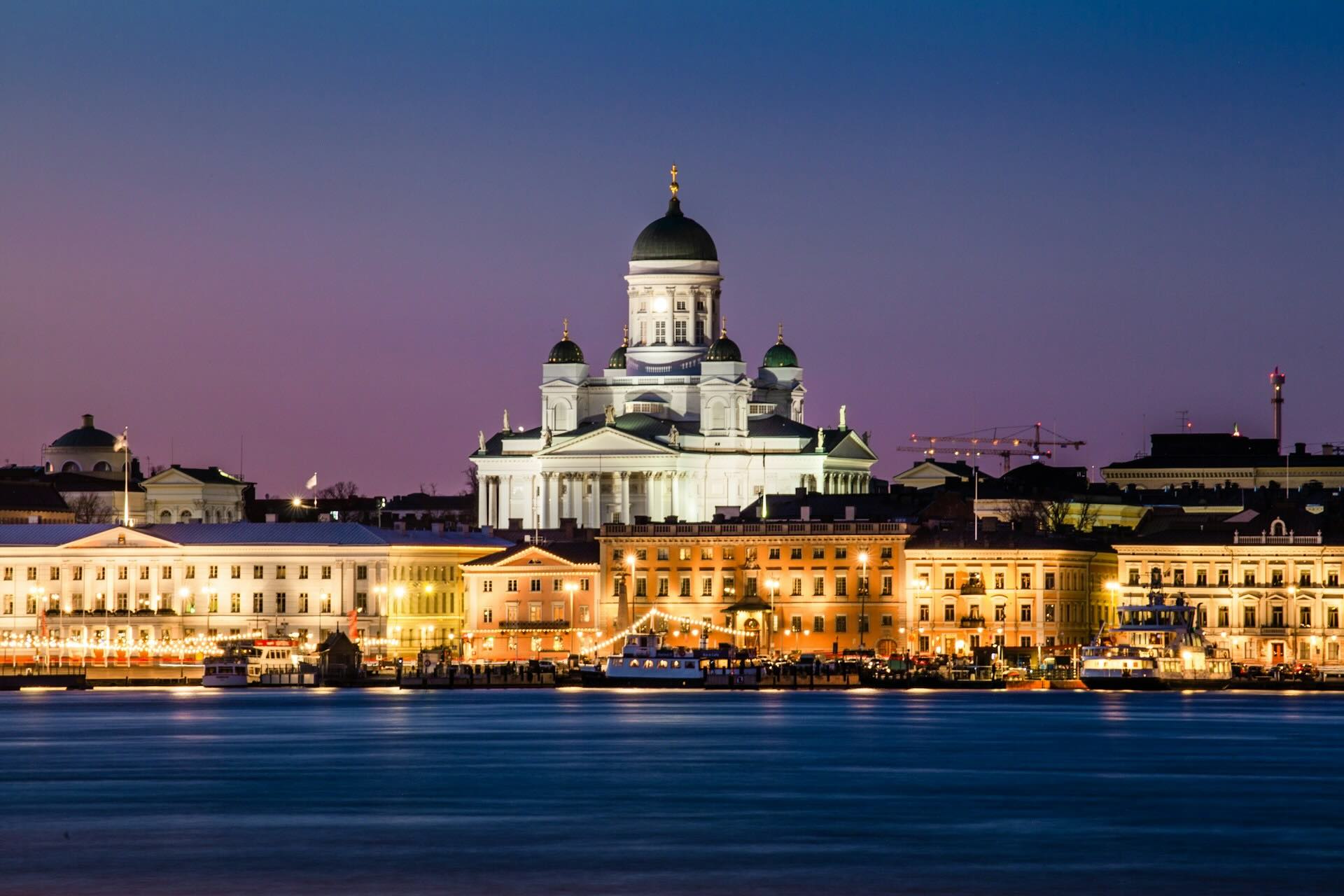
    Helsinki, Finland Nordic design and coastal simplicity come together in a city that feels calm, clear, and unusually well composed. Finland’s capital sits beside the Baltic with a rhythm that feels more spacious than many European cities of similar importance. The appeal is not loud. It comes through light, water, architecture, and the quiet confidence of a place that seems to know exactly what it is. Helsinki feels modern, but never sterile. It feels coastal, but never sleepy. That balance is what makes it so memorable.

    Why Helsinki Feels So Distinct

    Some capitals impress through scale or spectacle. Helsinki works through restraint. The city has beauty, but it rarely pushes for attention. Instead, it lets the coastline, the public spaces, and the design language do the work. This gives Helsinki a different kind of presence, one that tends to deepen the longer you stay.

    That matters because the city feels coherent from the start. The built environment, the sea, and the daily pace all support one another. Travelers who want a destination with atmosphere, clarity, and a strong sense of place often connect with Helsinki very quickly.

    Nordic Design Is Part of Daily Life

    Design in Helsinki is not just something stored inside a museum or design district. It feels built into the way the city works. Streets, interiors, public spaces, shops, cafés, and even small functional details often reflect the same design values, simplicity, usefulness, and visual calm.

    This matters because it changes the whole experience of being there. Helsinki does not feel designed for display alone. It feels designed for living well. That gives the city a more convincing and more livable elegance than places where style feels added on later.

    Coastal Simplicity Shapes the Mood

    The phrase coastal simplicity fits Helsinki because the sea is always part of the city’s identity, but never in an exaggerated way. The coastline gives the city openness, breathing room, and a certain emotional softness. Harbors, ferries, islands, and waterfront walks all help shape the mood, but the city does not turn them into spectacle. They simply remain part of daily life.

    That gives Helsinki a distinctive calm. The sea keeps the city from feeling too enclosed or too dense. Even in central areas, there is often a sense of light and air nearby. This is one of the reasons Helsinki feels so balanced.

    A Capital Built Around Space and Light

    One of Helsinki’s strongest qualities is how well it handles space. Streets often feel open rather than compressed. Buildings have room around them. Public squares and waterfront areas make the city feel breathable. Light also plays a major role, changing the mood of the city dramatically across the day and across the seasons.

    This matters because Helsinki’s appeal is inseparable from atmosphere. The city can feel crisp and bright in one season, softer and more reflective in another. That relationship between architecture and light gives Helsinki much of its character.

    The Waterfront Gives the City Its Rhythm

    Helsinki’s waterfront is not just scenic. It helps define how the city moves. Ferries, harbors, promenades, and coastal edges all contribute to a rhythm that feels different from inland capitals. The city stays connected to the Baltic in a practical and emotional sense.

    That coastal rhythm makes Helsinki feel more dynamic than its quiet reputation might suggest. The water is not a backdrop. It is part of the structure of the city. That helps make everyday movement more satisfying, whether you are walking near the harbor or heading toward one of the islands.

    Architecture With Restraint and Presence

    Helsinki has architecture that feels strong without becoming overbearing. Government buildings, churches, older facades, and modern structures all contribute to a city that feels visually disciplined. The city rarely relies on excess. Instead, it uses proportion, material, and clarity.

    This is one reason Helsinki feels so distinctly Nordic. The beauty here is not ornamental in the usual sense. It comes from confidence in simpler forms and better balance. That gives the city a lasting kind of elegance.

    A City That Rewards Walking

    Helsinki is especially satisfying on foot. Walking lets you feel the transitions between harbor areas, civic spaces, shopping streets, quieter residential blocks, and design minded corners. The city’s scale makes this easy, and the pace suits it. Helsinki is not a city that needs to be rushed.

    That is part of its appeal. A slower walk often reveals more than a packed itinerary would. The details matter, the light, the storefronts, the cafés, the shoreline, and the way the city opens and closes around the water.

    More Than a Design Destination

    It would be easy to describe Helsinki only through design, but that would undersell it. The city also has cultural depth, historical texture, and a broader urban personality that keeps it from feeling too controlled. Markets, libraries, restaurants, ferries, and island life all add to the experience.

    That gives Helsinki more range than some travelers expect. It is polished, yes, but not flat. The city has enough variation to keep it interesting over several days, especially for travelers who value atmosphere as much as headline attractions.

    Calm Does Not Mean Dull

    Helsinki’s calm is one of its greatest strengths, but it would be wrong to mistake that for dullness. The city has movement, but it is a cleaner kind of movement. Social life, food, culture, and design all exist here without turning the city into noise.

    This makes Helsinki especially appealing to travelers who like cities with intelligence and emotional ease. The destination does not try too hard. It does not need to. Its confidence comes from coherence, and coherence is often more memorable than intensity.

    The Islands Add Another Layer

    One of the pleasures of Helsinki is that the city’s coastal simplicity extends beyond the mainland center. The nearby islands and ferry connections make the capital feel more layered and more open to exploration. That island character strengthens the city’s identity and keeps the sea central to the experience.

    This matters because it gives Helsinki a broader horizon. The city does not end at its streets. It continues outward into the water, and that makes the destination feel more expansive than it first appears.

    When Helsinki Feels Best

    Helsinki can be rewarding in different seasons because the city changes mood so well. Brighter months emphasize the water, open air life, and longer walks. Colder months often sharpen the city’s quieter qualities and its relationship to light, warmth, and design.

    There is no single perfect season. The better question is what kind of Helsinki you want. Some travelers will prefer the brighter, coastal openness of summer. Others will respond more strongly to the city’s cooler, more introspective side.

    Who Helsinki Is Best For

    Helsinki suits travelers who appreciate design, walkability, waterfront settings, and cities that feel emotionally clear. It works especially well for solo travelers, couples, and culturally curious visitors who want a capital with character, but without the heaviness of a larger and more demanding city.

    It is also a strong fit for travelers who value pace. Helsinki does not force itself on you. It gives you room to meet it gradually, and that often leads to a stronger connection.

    The Lasting Appeal of Helsinki

    Helsinki stays with people because it feels composed. The design gives it clarity. The coast gives it openness. The architecture gives it structure. The pace gives it calm. Nothing seems disconnected from the rest.

    That is what makes Helsinki more than simply a beautiful Nordic capital. It feels like a place where design, sea, and everyday life still support one another naturally. For travelers who want a city with intelligence, atmosphere, and a strong sense of coastal identity, Helsinki remains one of northern Europe’s most rewarding destinations.

    Plan a trip to Helsinki today.