Tag: northern Europe travel

  • Tallinn, Estonia A Preserved Medieval City With Modern Energy

    Tallinn, Estonia A Preserved Medieval City With Modern Energy

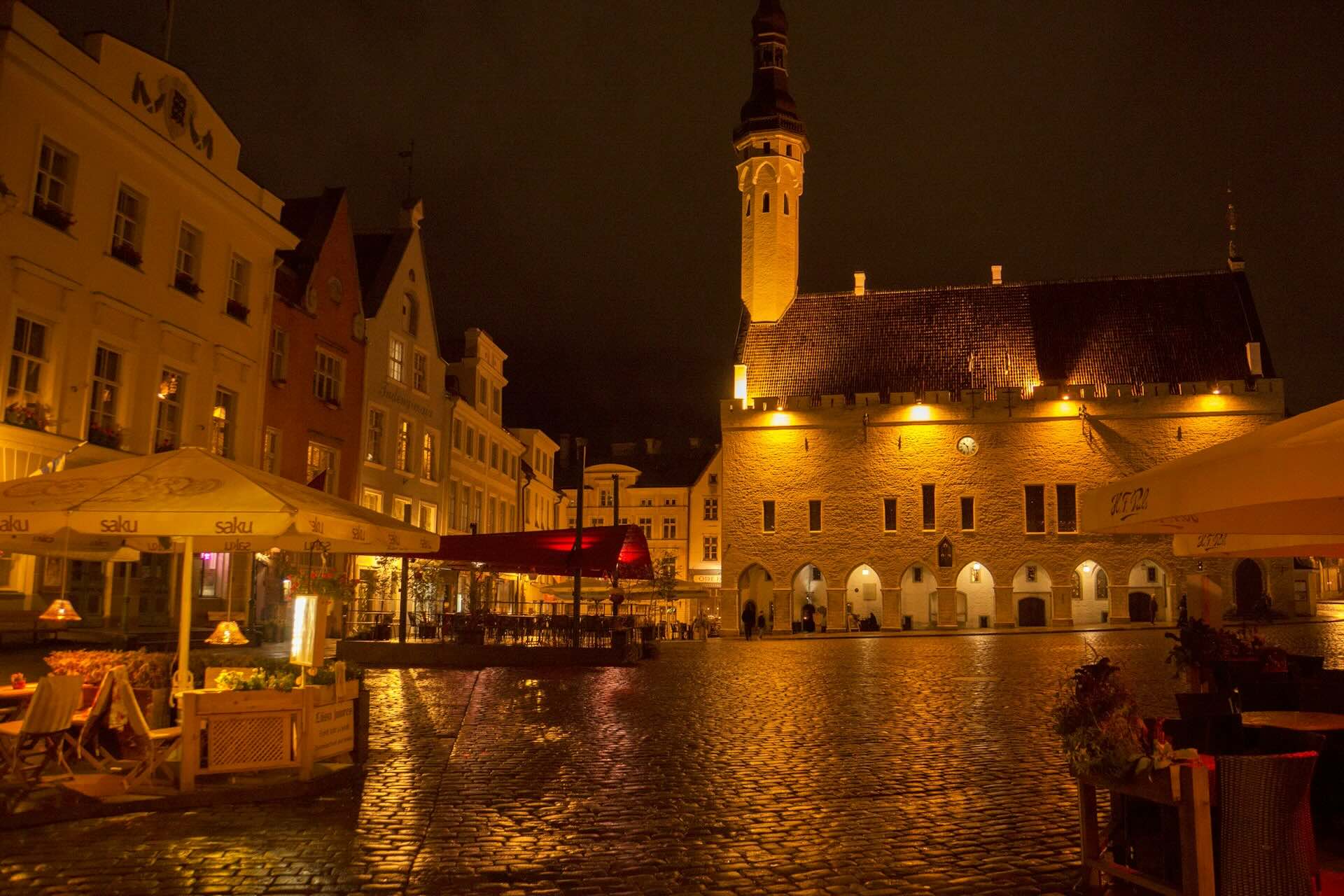
    Tallinn, Estonia a preserved medieval city with modern energy feels unusually complete from the first walk through its old center. The city is known for one of Europe’s best preserved medieval old towns, yet it also has a youthful, forward looking atmosphere shaped by design, technology, culture, and daily urban life. That contrast is what gives Tallinn its appeal. It feels historic without becoming frozen, and contemporary without losing its sense of place. Tallinn’s Old Town is a UNESCO World Heritage site, and official city materials consistently frame the city as both seaside and creative, which fits the experience on the ground. 

    Why Tallinn Feels So Distinct

    Many European cities offer old streets and historic squares. Tallinn stands out because its medieval core remains unusually intact while the rest of the city feels active, modern, and confident. You can move through cobbled lanes, towers, and courtyards, then shift quickly into a more contemporary rhythm of cafés, creative districts, waterfront spaces, and design minded urban life.

    That dual identity gives Tallinn real depth. It does not depend only on nostalgia. The old city provides atmosphere and structure, while the modern side keeps everything from feeling overly preserved. Travelers who like destinations with both character and momentum often respond strongly to Tallinn.

    One of Europe’s Strongest Medieval Settings

    Tallinn’s Old Town is the city’s anchor. UNESCO recognizes it for its historic importance, and official Tallinn tourism materials describe it as one of the best preserved medieval cities in Europe, with much of its old street network, walls, and defensive towers still standing. 

    What makes this so effective in practice is the continuity of the place. Tallinn does not give you a few isolated medieval landmarks surrounded by modern sprawl. Instead, the old town feels immersive. Curving streets, stone passages, towers, walls, church spires, and elevated viewpoints all work together. The city rewards walking because the atmosphere builds gradually through sequence and texture rather than through one single monument.

    Upper and Lower Town, Two Different Moods

    Tallinn becomes more interesting when you notice how its historic center shifts in tone. Lower Town feels more commercial, social, and street oriented. It is the part that draws you into squares, shops, cafés, and narrower pedestrian lanes. Toompea, the upper part of the old city, feels more elevated, formal, and strategic.

    That difference matters. Tallinn’s preserved character is not one note. It has movement and variation. As you climb and descend through the city, the mood changes. The result is a place that feels layered rather than staged. It also helps explain why Tallinn remains so satisfying even for travelers who usually lose interest in highly visited historic centers.

    Medieval Form With Modern Energy

    The phrase modern energy fits Tallinn because the city never feels trapped in heritage mode. Official Tallinn tourism guides highlight creative districts, seaside neighborhoods, and cultural life alongside the medieval center. That balance is part of the city’s current identity. 

    In practical terms, that means Tallinn appeals to more than history focused travelers. The city also works for people who enjoy design, café culture, urban experimentation, and destinations that feel current. There is a sense of momentum here. It is subtle, but noticeable. Tallinn feels like a place that respects its past while still building forward.

    A Seaside Capital With Breathing Room

    Tallinn’s coastal setting adds another important layer. This is not only a medieval inland city. It is also a seaside capital, and that helps keep the mood open and bright. Official tourism materials repeatedly emphasize Tallinn’s coastal and green character, which is part of why the city feels more spacious than some other old European centers. 

    The water also changes the emotional tone of the trip. It softens the density of the old stone city and adds a wider horizon to the experience. Even when you spend most of your time in historic areas, you still feel the presence of the coast in the city’s atmosphere.

    Architecture Beyond the Postcard View

    Tallinn’s appeal does not end with medieval architecture. Official city guides also point to its defense structures, wooden suburbs, and broader architectural contrasts as part of the experience. 

    That is one reason the city feels richer than a typical old town destination. Tallinn can satisfy travelers who want iconic towers and walls, but it also rewards people who like broader urban texture. The city’s identity comes from contrast, stone and wood, old and new, formal and creative, elevated and intimate. That wider architectural range helps Tallinn feel like a real city rather than a preserved historical set.

    Cafés, Courtyards, and Everyday Pleasure

    Tallinn works especially well at a slower pace. The old town’s courtyards, archways, and side streets encourage wandering rather than rushing. Official Tallinn materials highlight hidden courtyards, romantic streets, cafés, and gardens, and that is exactly the kind of experience the city supports best. 

    This matters because Tallinn is not only about checking landmarks off a list. It is also about tone. A café stop, a quiet square, a view from the walls, or a slow evening walk can reveal as much about the city as any formal attraction. Tallinn’s strength lies in how coherent it feels from hour to hour.

    Creative Districts and Contemporary Culture

    What keeps Tallinn from becoming overly romanticized is the presence of contemporary culture beyond the old center. Official tourism content now places creative districts alongside the medieval town and seaside neighborhoods as part of a fuller Tallinn experience. 

    That broader framing is useful because it reflects how the city actually works. Tallinn is not merely a place to admire from a medieval angle. It is also a place to engage in the present. For travelers who like cities with independent spirit, creative energy, and room to move between eras, Tallinn is especially rewarding.

    When Tallinn Feels Best

    Tallinn can work in multiple seasons, but it tends to be especially appealing when walking feels comfortable and daylight supports slower exploration. The city’s compact scale and rich atmosphere make it easy to enjoy in a short stay, but it also rewards travelers who give it enough time to move beyond the most obvious streets.

    The best visits usually balance the preserved old town with the city’s more contemporary side. That combination gives Tallinn its full force. Without the modern layer, it would be beautiful but incomplete. Without the old town, it would lose the character that makes it memorable.

    Who Tallinn Is Best For

    Tallinn suits travelers who want more than a pretty historic center. It works well for people who enjoy architecture, walkable cities, layered identity, and places that combine atmosphere with momentum. Couples, solo travelers, and culturally curious visitors can all do very well here.

    It is also a strong choice for travelers who have seen more obvious European capitals and want something with a clearer sense of contrast. Tallinn feels compact, distinctive, and easy to absorb, but never shallow.

    The Lasting Appeal of Tallinn

    Tallinn stays with people because it holds two identities together so well. It is preserved, but not static. Medieval, but not trapped in the past. Stylish, but not superficial. Very few cities combine those qualities as naturally.

    That is what makes Tallinn more than a well preserved old town. It feels like a living city with memory, intelligence, and creative momentum. For travelers who want history with real urban energy, Tallinn offers one of the most satisfying city experiences in northern Europe.

    Plan a trip to Tallinn today.

  • Aarhus, Denmark A Creative City by the Water

    Aarhus, Denmark A Creative City by the Water

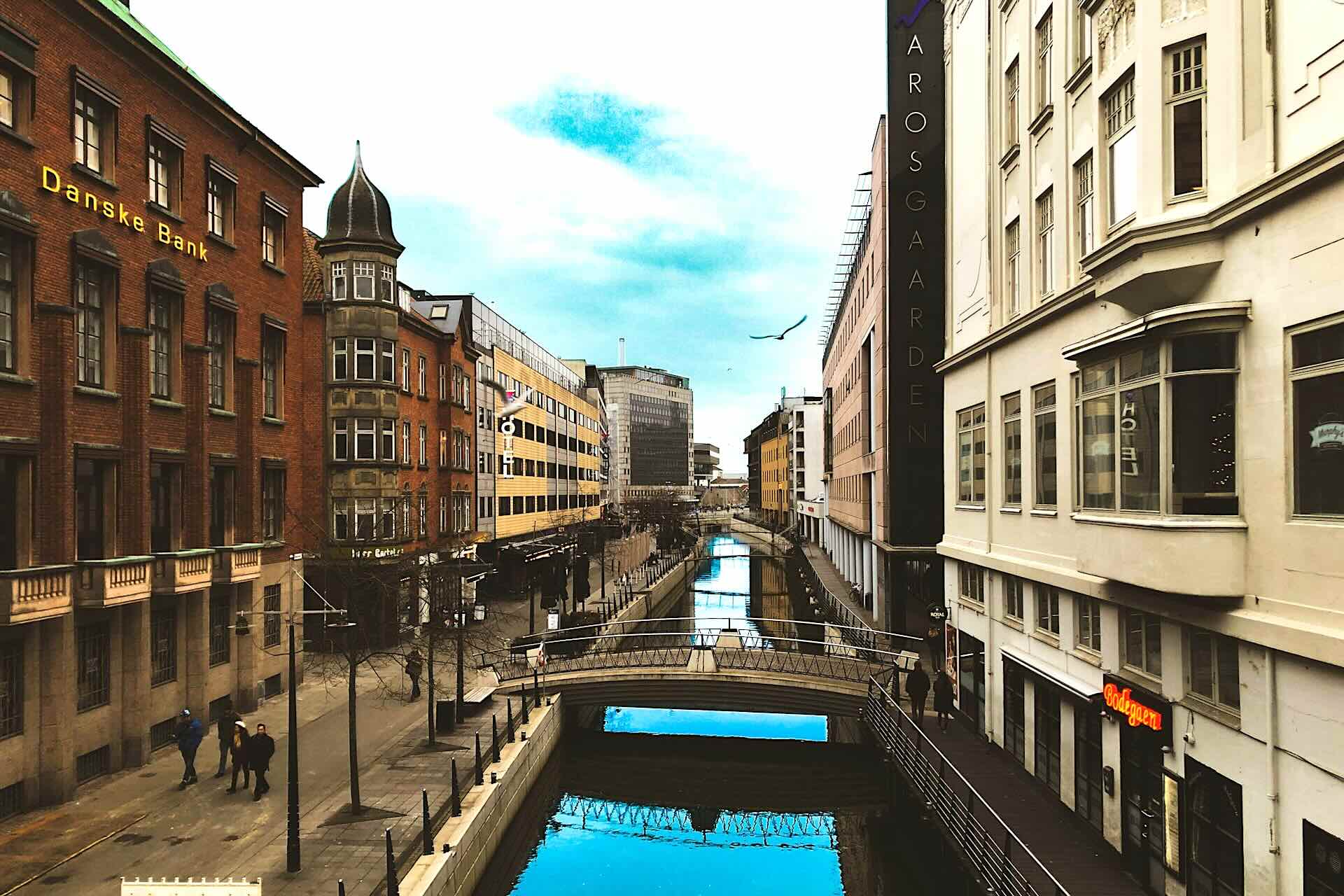
    Aarhus, Denmark a creative city by the water feels youthful, thoughtful, and quietly confident from the moment you arrive. Denmark’s second largest city sits along the coast with an energy that feels more intimate than a capital, yet still culturally ambitious and visually polished. Aarhus combines design, food, history, and waterfront life in a way that feels natural rather than forced. It is a city where modern architecture and old streets coexist easily, where students and creatives shape the atmosphere, and where the sea remains part of daily life.

    Why Aarhus Feels So Fresh

    Some cities impress with grandeur. Aarhus works through balance and clarity. It feels creative without trying too hard, stylish without becoming cold, and cultural without feeling overly formal. That makes it especially appealing to travelers who want a destination with substance but also ease.

    The city’s character comes from several elements working together. Aarhus has a strong student presence, a clear design sensibility, a growing culinary reputation, and a coastal setting that keeps the mood open and bright. These qualities do not compete with one another. They reinforce one another. The result is a city that feels contemporary, livable, and distinctly Scandinavian.

    A Waterfront That Shapes the City

    The water matters in Aarhus. It gives the city light, movement, and breathing room. The harbor and waterfront areas help define the city’s identity, not just as scenic features, but as active parts of urban life. Aarhus feels connected to the sea in a practical and emotional sense.

    This relationship to the water makes the city feel less dense and more flexible. Even when you are in the center, there is often a sense of openness nearby. The waterfront also gives Aarhus a slightly forward looking feel. It suggests exchange, movement, and possibility, which matches the city’s creative energy.

    Walking near the harbor, you notice how the city uses its coastline well. Contemporary buildings, public spaces, and wide views help the area feel integrated rather than separate. The water is not an afterthought. It is part of the city’s structure.

    A City With Youthful Energy

    Aarhus feels young in the best sense of the word. The student population helps give it momentum, and that energy shows up in cafés, cultural spaces, shops, and public life. The city feels active, but not frantic. It feels socially alive without being overwhelming.

    This youthful quality keeps Aarhus from becoming too polished or static. There is experimentation here, but it happens within a city that still values comfort and order. That balance makes Aarhus easy to enjoy. It has creative energy, yet it remains calm and approachable.

    Travelers often respond to this immediately. Aarhus feels like a place where people genuinely live well. The city does not seem built around spectacle. It seems built around quality of life, and that gives it credibility.

    Design, Architecture, and Modern Identity

    Aarhus has a strong visual identity shaped by contemporary design and clean urban planning. Modern architecture plays a visible role in the city, especially around the waterfront and newer districts, yet it rarely feels disconnected from the older city. Aarhus handles contrast well.

    This is one of the city’s strengths. You can move from historic streets and older buildings into modern cultural spaces and new developments without feeling a break in character. Everything still feels like part of one coherent place. The city values good design, but it also values continuity.

    That design minded atmosphere affects the travel experience in subtle ways. Cafés feel intentional. Shops feel curated. Public spaces feel functional and attractive at the same time. Aarhus does not rely on one famous building to make its point. Its appeal comes from the consistency of its visual and urban logic.

    A Historic Core With Real Warmth

    Although Aarhus has a modern reputation, it also has a historic side that adds warmth and texture. The older parts of the city bring human scale, narrow streets, and architectural detail that keep Aarhus from feeling too sleek. This older layer gives the city depth.

    Walking through the historic center, you get a different pace than you do near the waterfront. The streets feel more intimate, and the buildings carry a softer sense of time. This contrast matters. Aarhus is not compelling because it is only new or only old. It is compelling because it moves easily between those identities.

    That layered character also makes the city more memorable. Travelers can appreciate the clean lines and modern energy, but they also get moments of charm, quiet, and continuity.

    Food, Coffee, and Everyday Culture

    Aarhus has the kind of food and café scene that fits the city perfectly. It is thoughtful, stylish, and rooted in quality rather than excess. Coffee culture feels strong here, and cafés are not just functional stops. They are part of the city’s rhythm and social life.

    Dining in Aarhus often reflects the same values that shape the city more broadly. There is attention to ingredients, presentation, and atmosphere, but usually without unnecessary showiness. Meals can feel refined, yet relaxed. That makes the city especially rewarding for travelers who enjoy places where food culture feels integrated into daily life.

    The same goes for markets, bakeries, and casual places to eat. Aarhus often feels best when approached with patience. A coffee by the water, a slow lunch, or an evening meal in a well designed space can reveal as much about the city as any major attraction.

    Art, Culture, and Creative Thinking

    Creativity in Aarhus is not limited to one district or institution. It feels distributed across the city. Museums, galleries, music venues, and cultural spaces all contribute to an atmosphere that values ideas and expression. Aarhus feels intellectually and artistically engaged, but it does not feel exclusive.

    This matters because some cultural cities can feel intimidating or self serious. Aarhus avoids that trap. It presents culture as part of ordinary urban life. You do not need to be an expert to enjoy it. The city invites curiosity rather than demanding prior knowledge.

    That openness is part of why Aarhus feels so contemporary. Creativity here is not treated as decoration. It feels like part of the civic identity. The city seems to believe that design, art, and culture improve everyday life, and that belief shapes the atmosphere.

    A City That Rewards Walking

    Aarhus is a very satisfying city to explore on foot. Walking allows you to feel the shifts between waterfront openness, historic intimacy, shopping streets, quiet residential pockets, and cultural zones. The city’s scale is manageable, which makes it easier to absorb without feeling rushed.

    This walkability also helps reveal how coherent Aarhus is. The city does not depend on long distances or dramatic transitions to create interest. Instead, it builds variety through subtle changes in mood and setting. That makes wandering especially rewarding.

    You can begin the day near the harbor, move into the center for coffee or shopping, spend time in a museum or gallery, and end with dinner in a relaxed neighborhood atmosphere, all without the city ever feeling fragmented.

    When Aarhus Feels Best

    Aarhus works especially well in late spring, summer, and early fall, when the waterfront, public spaces, and outdoor life feel most active. These seasons bring out the city’s brightness and reinforce its connection to the sea. Long daylight hours can make the city feel even more open and inviting.

    However, Aarhus does not depend entirely on warm weather. Its cafés, museums, design culture, and compact scale also make it appealing in cooler months. In fact, a crisp day can suit the city’s clean lines and calm rhythm very well.

    The best time to visit depends partly on what kind of atmosphere you want. Summer highlights the city’s waterfront ease, while cooler seasons may emphasize its thoughtful, creative interior life.

    Who Aarhus Is Best For

    Aarhus suits travelers who appreciate design, walkability, food culture, and cities that feel lived in rather than performed. It is especially strong for people who enjoy places with modern energy but still want warmth and human scale. Couples, solo travelers, and culturally curious visitors can all do very well here.

    It is also a strong choice for travelers who want a Scandinavian city beyond the most obvious capitals. Aarhus feels substantial, but it remains manageable. That makes it attractive for people who want depth without the pressure and pace of a much larger destination.

    The Lasting Appeal of Aarhus

    Aarhus stays with people because it feels coherent. The waterfront gives it light and openness. The student population gives it energy. The design culture gives it polish. The historic core gives it texture. Very few cities combine these elements so comfortably.

    That is what makes Aarhus more than simply an appealing Danish city. It feels like a place where creativity has been folded into everyday life. It is calm, but not dull. It is modern, but not sterile. It is elegant, but still approachable. For travelers who want a city with intelligence, style, and real livability, Aarhus offers one of the most satisfying urban experiences in northern Europe.

    Plan a trip to Aarhus today.