Tag: northern Italy travel

  • Turin, Italy Arcades, Cafés, and Quiet Elegance

    Turin, Italy Arcades, Cafés, and Quiet Elegance

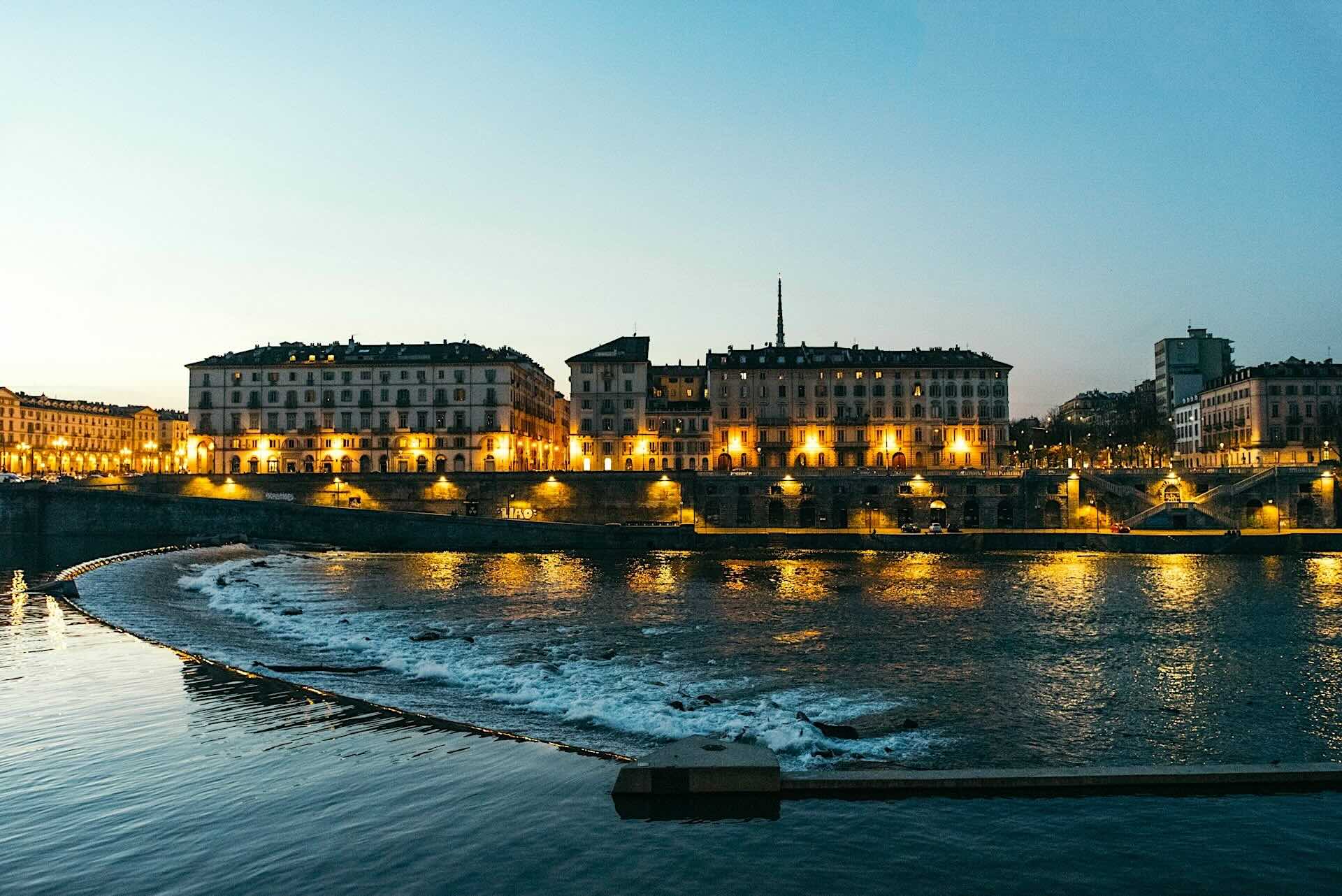
    Turin, Italy arcades, cafés, and quiet elegance come together in a city that feels refined, historic, and deeply underrated. Turin does not have the immediate fame of Rome, Florence, or Venice, but that gives it a different kind of appeal. Its beauty comes through long covered walkways, grand squares, chocolate shops, historic cafés, Alpine views, and a polished northern Italian atmosphere.

    Why Turin Feels So Distinct

    Turin stands out because it feels elegant without being loud. The city has wide avenues, formal architecture, graceful piazzas, and a strong sense of order. It feels more reserved than many Italian cities, but that restraint gives it character.

    This makes Turin especially rewarding for travelers who enjoy slower discovery. The city does not reveal itself all at once. It becomes more interesting through walking, sitting, tasting, and noticing the details that shape its daily rhythm.

    Arcades Shape the City Experience

    The phrase arcades belongs naturally to Turin. The city’s covered walkways create shade, shelter, and architectural rhythm. They make walking feel comfortable and cinematic, especially around the historic center.

    These arcades also give Turin a distinctive visual identity. They frame shops, cafés, streets, and squares with a sense of quiet grandeur. Few Italian cities make everyday walking feel so composed.

    Historic Cafés Define the Mood

    Turin’s cafés are central to its charm. They feel old, elegant, and deeply connected to the city’s social life. Coffee, chocolate, pastries, and aperitivo culture all help define the travel experience here.

    The cafés give Turin warmth beneath its formal surface. They make the city feel less distant and more personal. Sitting inside one can feel like stepping into a slower, more polished version of Italian life.

    Quiet Elegance Sets Turin Apart

    Turin’s quiet elegance is one of its strongest qualities. The city does not need constant drama to make an impression. Its beauty comes through proportion, symmetry, stone, light, and atmosphere.

    That quietness matters because it gives travelers space. Turin rarely feels like it is performing for visitors. It feels confident, lived in, and rich with understated style.

    Grand Squares and Northern Italian Style

    Turin’s squares help give the city its formal beauty. Broad piazzas, historic facades, and carefully arranged streets create a sense of order. The architecture often feels more royal and European than what travelers may expect from Italy.

    This northern Italian style gives Turin a clear identity. It feels Italian, but with a stately rhythm that reflects its history and geography. The result is a city that feels both familiar and surprising.

    Chocolate, Aperitivo, and Culinary Ease

    Turin has a strong food culture that adds depth to any visit. Chocolate is part of the city’s identity, and its cafés help make that tradition easy to enjoy. Aperitivo also feels natural here, giving evenings a relaxed social rhythm.

    This culinary side makes Turin more than an architectural destination. Travelers can build a day around coffee, lunch, museums, chocolate, and an evening drink without forcing the schedule. The city supports that kind of easy pleasure.

    Museums and Cultural Depth

    Turin has serious cultural depth. Its museums, galleries, palaces, churches, and historic buildings give the city more substance than many travelers expect. It is a destination that rewards curiosity.

    This cultural strength works well with Turin’s calmer mood. Visitors can move through major sights without feeling swallowed by crowds. The experience often feels thoughtful and manageable.

    A City With Alpine Backdrop

    Turin’s setting adds another layer to its appeal. The Alps sit beyond the city and give the skyline a dramatic natural edge. On clear days, the mountain backdrop makes Turin feel even more distinctive.

    This contrast works beautifully. The city itself feels structured and elegant, while the mountains add scale and atmosphere. Together, they create a travel setting that feels both urban and scenic.

    Less Obvious Than Italy’s Biggest Stops

    Turin is a strong choice for travelers who already know Italy’s most famous cities. It offers history, food, architecture, and culture, but with fewer clichés. The city feels sophisticated without feeling overexposed.

    That makes Turin especially satisfying. It gives travelers a different version of Italy. One shaped by royal history, café culture, industry, design, chocolate, and northern restraint.

    Who Turin Is Best For

    Turin is best for travelers who enjoy elegant cities, historic cafés, architecture, museums, food, and walkable streets. It works well for couples, solo travelers, culture focused visitors, and anyone who prefers slower Italian travel.

    This is not a city that depends on spectacle. Turin works through texture, confidence, and quiet style. That makes it especially rewarding for travelers who appreciate atmosphere over noise.

    The Lasting Appeal of Turin

    Turin stays memorable because it feels refined and calm. The arcades give it structure. The cafés give it warmth. The quiet elegance gives it identity. Together, they create one of Italy’s most graceful city experiences.

    For travelers who want Italy with depth, style, and a slower pace, Turin is a strong choice. It proves that some of the country’s most rewarding cities are the ones that do not need to announce themselves loudly.
    Plan a trip to Turin today.

  • Verona, Italy Roman Stones and Romantic Streets

    Verona, Italy Roman Stones and Romantic Streets

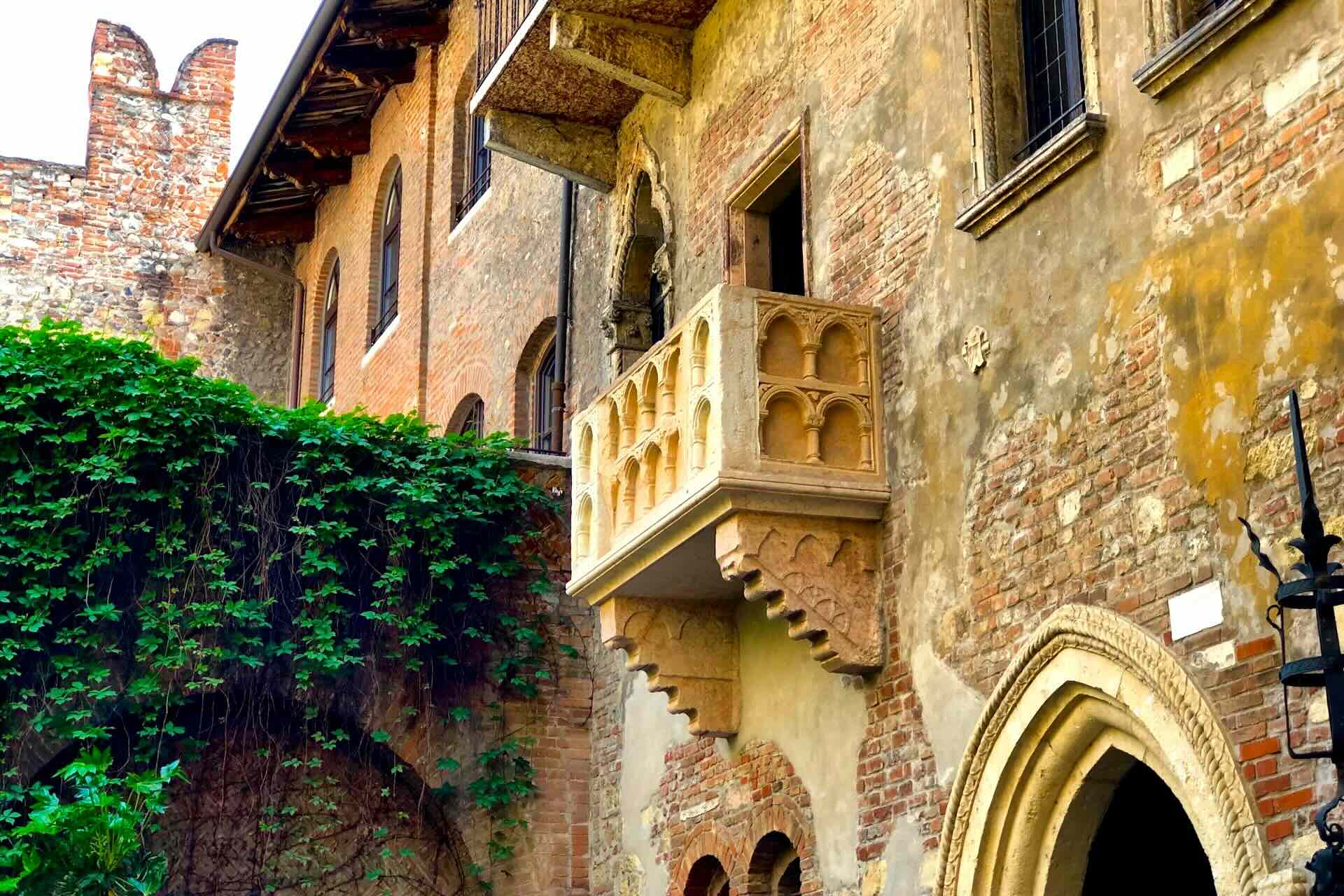
    Verona, Italy Roman stones and romantic streets come together in a city that feels elegant, historic, and deeply atmospheric. Verona has the beauty travelers expect from Italy, but with a softer pace than Rome, Florence, or Venice. Its appeal comes through ancient walls, warm stone, graceful piazzas, river views, and streets that feel made for slow walking.

    Why Verona Feels So Distinct

    Verona stands out because it blends Roman history, medieval texture, and romantic atmosphere with unusual ease. The city feels rich without feeling overwhelming. It has major landmarks, but its strongest charm often comes from the way everything connects.

    This makes Verona especially rewarding for travelers who want beauty without pressure. You can explore historic streets, sit in wide piazzas, cross bridges, and enjoy the city without feeling rushed from one sight to another.

    Roman Stones Shape the City

    The phrase Roman stones fits Verona because ancient history is still part of the city’s daily presence. The arena, gates, walls, and old streets give Verona a sense of endurance. These places do not feel isolated from the modern city. They sit naturally inside it.

    That is part of Verona’s power. Ancient stone does not feel distant here. It becomes part of the walk, part of the skyline, and part of the city’s atmosphere.

    Romantic Streets Define the Mood

    Verona is strongly tied to romance, but its romantic feeling goes beyond famous associations. The streets themselves help create the mood. Narrow lanes, warm facades, balconies, courtyards, and river views all give the city a graceful intimacy.

    This romance feels more natural than staged. Verona is beautiful because its scale supports wandering. The city invites travelers to move slowly, look upward, and let small details carry the experience.

    Piazza Life and Italian Ease

    Verona’s piazzas are central to its appeal. They create space, movement, and a relaxed social rhythm. Cafés, markets, restaurants, and evening walks all give the city a lively but manageable feeling.

    This piazza life makes Verona feel deeply Italian. The city’s beauty is not only in monuments. It is also in people gathering, talking, eating, and moving through public spaces with ease.

    The Arena and Ancient Drama

    Verona’s arena gives the city one of its most powerful landmarks. Its scale, stonework, and central location create an immediate connection to the Roman past. It feels both monumental and integrated into the life of the city.

    That combination matters. The arena is not just a historic object to admire. It helps define Verona’s identity. It gives the city weight, presence, and a dramatic anchor.

    A City Made for Slow Walking

    Verona rewards walking more than rushing. Its streets, bridges, churches, shops, and river bends all feel connected at a comfortable pace. Travelers can move from Roman remains to medieval lanes and elegant squares without needing a complicated plan.

    That walkability gives Verona a personal quality. The city reveals itself gradually. A side street, shaded corner, or quiet bridge can become as memorable as a major landmark.

    The Adige River Adds Movement

    The Adige River gives Verona shape and softness. It curves around the historic center and adds views, bridges, and a sense of movement. The river also helps the city feel more open than its narrow streets might suggest.

    This balance is important. Verona has dense historic texture, but the river gives it air and light. It creates some of the city’s most graceful moments.

    Warm Stone and Northern Italian Elegance

    Verona’s beauty often comes from color and material. Warm stone, soft facades, arcades, and tiled roofs create a calm visual identity. The city feels elegant, but not overly formal.

    This makes Verona distinct from more dramatic Italian destinations. It does not need constant spectacle. Its beauty builds through harmony, proportion, and atmosphere.

    More Than a Romeo and Juliet Stop

    Verona is often connected with Romeo and Juliet, but the city is much more than that story. The romantic association helps bring people in, but the deeper reward comes from the city’s architecture, public spaces, Roman history, and daily rhythm.

    This matters because Verona deserves to be seen as a full destination. It has enough depth for a long weekend or as part of a broader northern Italy itinerary. It should not be treated only as a quick photo stop.

    Who Verona Is Best For

    Verona is best for travelers who enjoy historic cities, romantic streets, architecture, food, and walkable Italian travel. It works well for couples, solo travelers, culture focused visitors, and anyone who wants an Italian city with beauty and calm.

    This is not a city that needs to overwhelm you. Verona works through atmosphere, scale, and lasting elegance. That makes it especially satisfying for travelers who prefer depth over noise.

    The Lasting Appeal of Verona

    Verona stays memorable because it feels complete. The Roman stones give it strength. The romantic streets give it softness. The piazzas, river, bridges, and warm facades give the city a relaxed Italian rhythm.

    For travelers who want history, romance, and walkable beauty in one place, Verona is a strong choice. It proves that Italy’s most rewarding cities are not always the largest or loudest. Sometimes the best ones are the cities that let beauty unfold slowly.

    Plan a trip to Verona today.

  • Trieste, Italy Where Central Europe Meets the Sea

    Trieste, Italy Where Central Europe Meets the Sea

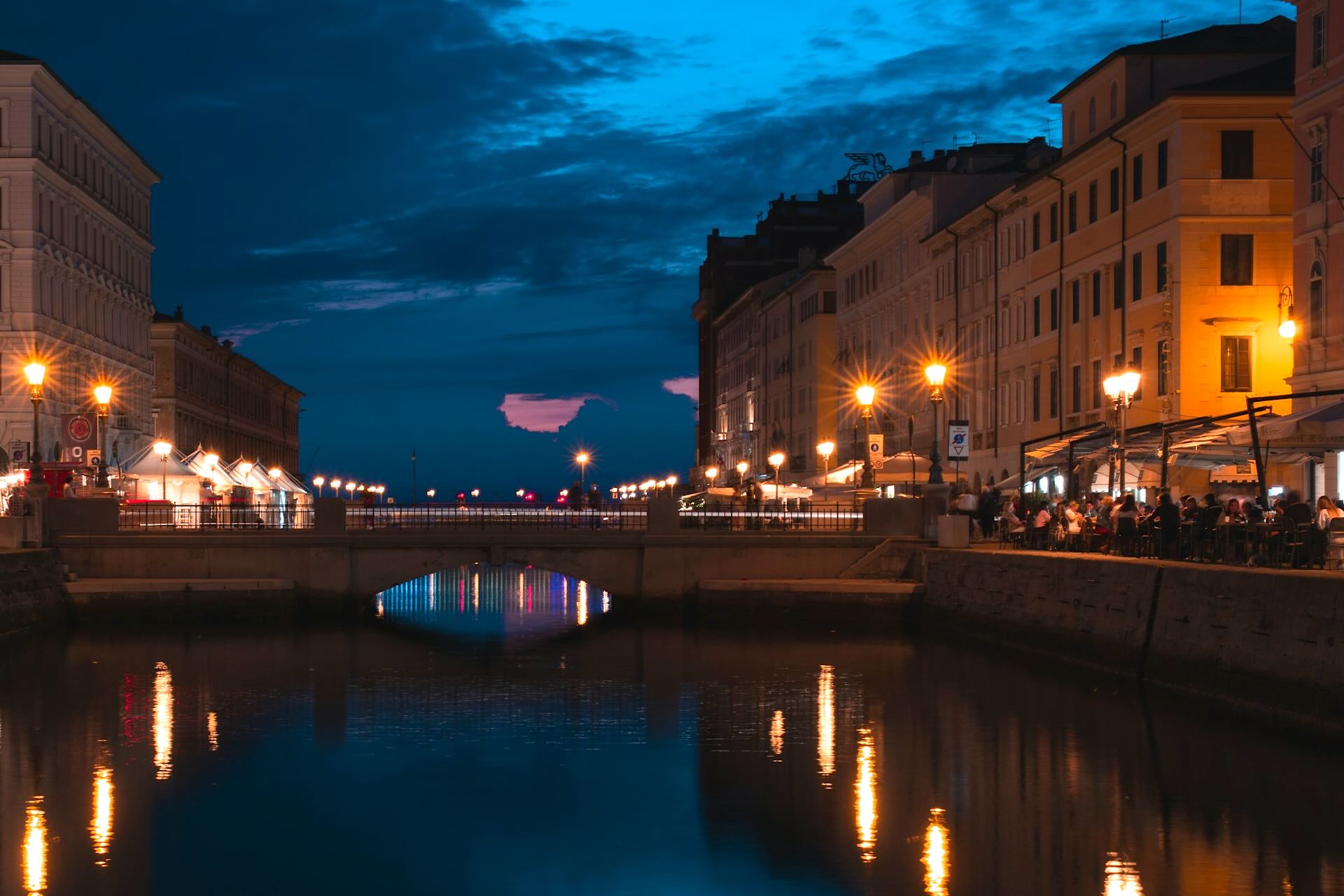
    Trieste, Italy where Central Europe meets the sea is more than a poetic phrase. It captures the city’s identity with unusual precision. Trieste sits at the northeastern edge of Italy, but it never feels entirely like the rest of the country. The city carries Italian language and Adriatic light, yet it also reflects Austro Hungarian history, Central European culture, and a borderland sensibility that gives it depth. Trieste feels elegant, literary, windswept, and intellectually alive, all at once.

    Why Trieste Feels So Distinct

    Many Italian cities are defined by one dominant image. Some are about ruins. Others center on art, food, or coastlines. Trieste resists that kind of simplification. It feels like a meeting point rather than a single note destination. You notice it in the architecture, the cafés, the accents, and the pacing of daily life.

    That layered identity gives Trieste unusual character. The city looks outward toward the sea, but it also feels connected to inland Europe. You can sense the tension between openness and formality, between Mediterranean ease and Central European structure. That balance makes Trieste memorable for travelers who want something more complex than a standard coastal city.

    A Port City With a Different Rhythm

    The sea shapes Trieste, but not in the soft, beach town way some travelers might expect. This is a port city, and that history matters. The waterfront feels broad, exposed, and purposeful. The air often carries wind, movement, and a sense of distance. Trieste’s relationship to the Adriatic feels intellectual as much as scenic.

    Piazza Unità d’Italia expresses that identity beautifully. The square opens dramatically toward the water, which gives it a scale and confidence that few urban spaces can match. It feels civic, elegant, and slightly theatrical, yet never artificial. Standing there, you understand that Trieste has always been a place of exchange, not just a place of leisure.

    This port city character also gives Trieste a more contemplative mood than many seaside destinations. It invites observation rather than spectacle. You do not come only for sun and views. You come for atmosphere, contradiction, and a sense of cultural overlap.

    The Central European Side of Trieste

    Trieste’s past under Habsburg rule still shapes the city deeply. You can see it in the architecture, which often feels more Vienna than southern Italy. Grand façades, orderly boulevards, and stately buildings create an atmosphere of restraint and seriousness that sets Trieste apart.

    This Central European influence is not just visual. It also lives in the city’s café culture, intellectual tradition, and general tone. Trieste feels like a place where reading, conversation, and introspection belong naturally to daily life. There is something measured about the city, something that values ideas as much as appearances.

    That quality gives Trieste a strong appeal for travelers who enjoy cities with literary and historical texture. It does not perform identity in an obvious way. Instead, it reveals itself through accumulated details and subtle shifts in mood.

    Cafés, Writers, and Intellectual Life

    Trieste is one of those rare cities where cafés feel essential to understanding the place. They are not just stops between attractions. They are part of the city’s cultural structure. Historic cafés in Trieste carry a Central European spirit, with polished interiors, old world atmosphere, and a sense that people once came not merely to drink coffee, but to think, write, and debate.

    The city’s literary associations deepen that impression. Writers and intellectuals have long been drawn to Trieste because it feels like a threshold city, a place shaped by language, migration, and ambiguity. That has given it a reflective character that still lingers.

    Even today, sitting in a café here feels different from doing the same in a more hurried or tourist driven city. Trieste encourages pause. It rewards attention. It asks you to absorb its mood rather than rush past it.

    Walking the City From Sea to Hill

    Trieste reveals itself best on foot. The waterfront gives you one version of the city, broad, open, and full of maritime presence. Move inland, and you find neoclassical buildings, narrow streets, churches, and layered urban spaces that begin to feel more intimate. Climb higher, and the city shifts again, offering views across rooftops, hillsides, and the Adriatic.

    This vertical variety matters. Trieste is not flat in character or topography. The city rises and folds into itself, which creates changing perspectives and a stronger sense of place. Some streets feel stately and formal. Others feel older, quieter, and more local.

    San Giusto, with its hilltop setting, cathedral, and castle, adds another dimension. From there, Trieste looks both coastal and continental. You see the sea, but you also understand the city’s relationship to the land behind it. That duality is central to Trieste’s identity.

    The Adriatic Setting

    Trieste’s seaside setting is central to its appeal, but it feels different from the softer beauty of resort towns further down the coast. The sea here can seem expansive, silvery, and slightly austere. It adds light and drama, but it also gives the city emotional range.

    On some days, the water looks calm and elegant. On others, wind transforms the atmosphere entirely. Trieste is famous for its strong bora winds, which contribute to the city’s intensity. That weather pattern is not a small detail. It helps shape how the city feels. Trieste is beautiful, but it is not passive. It has force.

    That makes the coastline here especially compelling for travelers who like places with mood and edge. The sea is not just a backdrop. It is an active presence in the life of the city.

    Food and Flavor in a Borderland City

    Trieste’s food reflects its position between worlds. You can eat well here in ways that feel recognizably Italian, but also in ways that reflect Central European and regional influences. That combination adds richness to the city’s culinary identity.

    Coffee is especially important. Trieste has a serious coffee culture, and it fits the city perfectly. Ordering coffee here feels less like a routine and more like participation in a long tradition. Beyond that, the broader food scene often reflects a mix of Adriatic seafood, hearty inland dishes, and cross cultural habits that make Trieste feel distinct from other Italian destinations.

    This borderland quality makes dining in Trieste especially interesting. Meals do not feel disconnected from history. They feel like another expression of the city’s layered character.

    A Gateway to More Than One World

    Trieste also appeals because it feels connected to several regions at once. It belongs to Italy, clearly, but it also points toward Slovenia, Austria, and the wider Central European world. That geographic position gives the city strategic and cultural importance, but it also gives travelers a sense of possibility.

    You can feel that openness in the language, the architecture, and the overall orientation of the city. Trieste does not seem inward looking. It feels shaped by arrivals, departures, and overlapping identities. That makes it especially rewarding for travelers building a broader itinerary through northeastern Italy or nearby parts of Central Europe.

    Even when used as a base, Trieste never feels secondary. It holds its own because its identity is so singular.

    When Trieste Feels Best

    Trieste works especially well in spring and early fall, when the air feels fresh and the city’s walkable scale becomes even more enjoyable. During these seasons, you can appreciate the waterfront, cafés, and elevated viewpoints without the heavier pressure of peak summer travel.

    Summer can still be appealing, especially for travelers combining Trieste with a wider Adriatic itinerary. However, Trieste often feels strongest when there is enough coolness in the air to sharpen its elegance. A slightly brisk day suits the city.

    Winter can also flatter Trieste, especially for travelers who enjoy literary cities, moody coastlines, and historic cafés. The city does not depend on warm weather to be compelling. In fact, a little atmospheric drama often makes it feel even more itself.

    Who Trieste Is Best For

    Trieste suits travelers who appreciate subtlety, history, and layered identity. It works well for people who enjoy architecture, café culture, coastal views, and cities that feel intellectually alive. It is especially good for those who have already seen more obvious Italian destinations and want something more nuanced.

    Couples, solo travelers, writers, and culturally curious visitors often respond strongly to Trieste. It may not satisfy travelers who want nonstop nightlife or a classic beach escape. That is part of its strength. Trieste attracts people who value atmosphere, context, and places that do not flatten themselves for easy consumption.

    The Lasting Appeal of Trieste

    Trieste stays with people because it feels uncommon. It is elegant without vanity, coastal without softness, and Italian without fitting neatly into the usual image of Italy. The city offers beauty, but it also offers thoughtfulness, ambiguity, and emotional texture.

    That is what makes Trieste so rewarding. It sits at a real crossroads, geographic, cultural, and historical, and that position gives it unusual depth. For travelers who are drawn to destinations with strong identity and quiet complexity, Trieste offers one of the most distinctive experiences in Europe.

    Plan a trip to Trieste today.