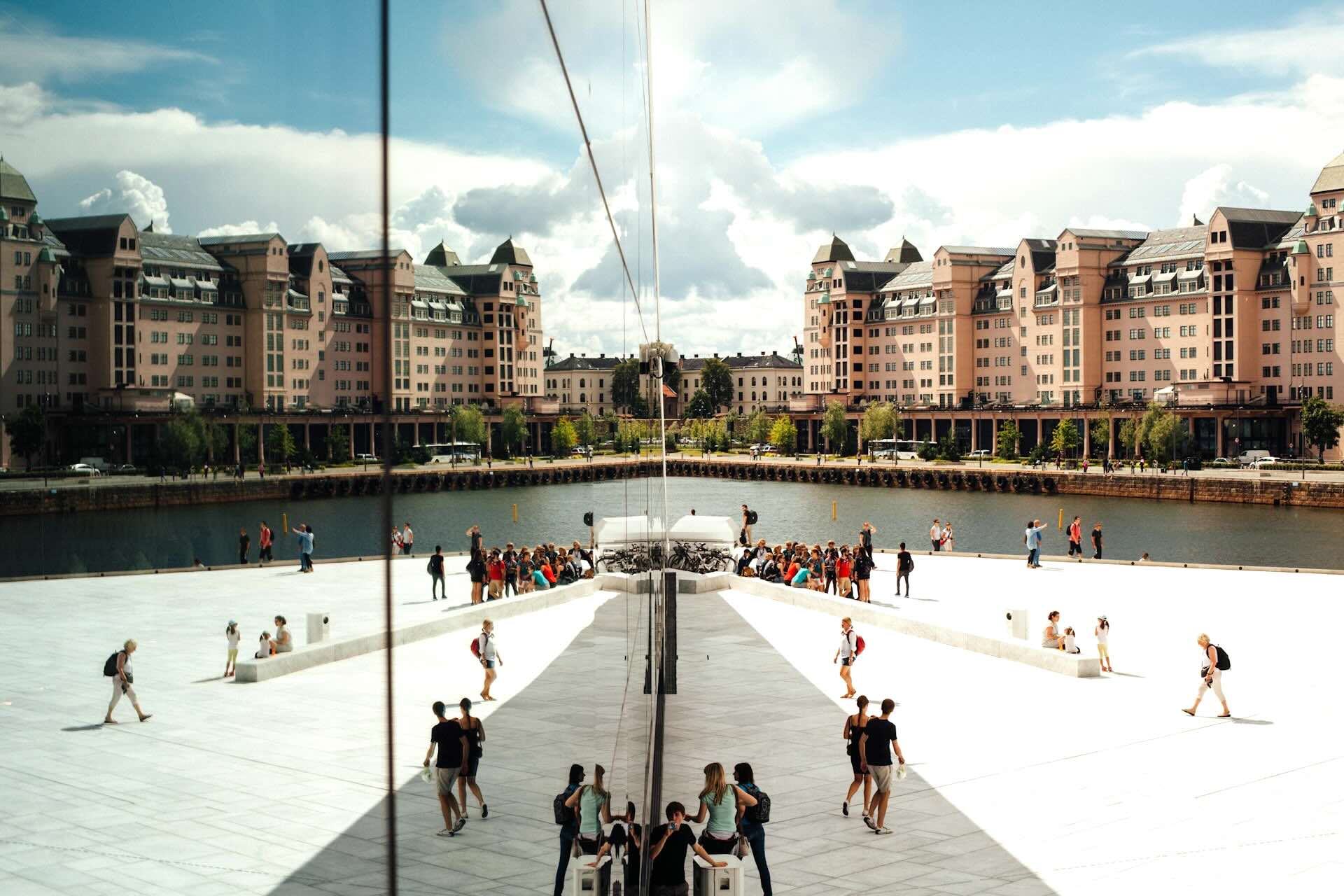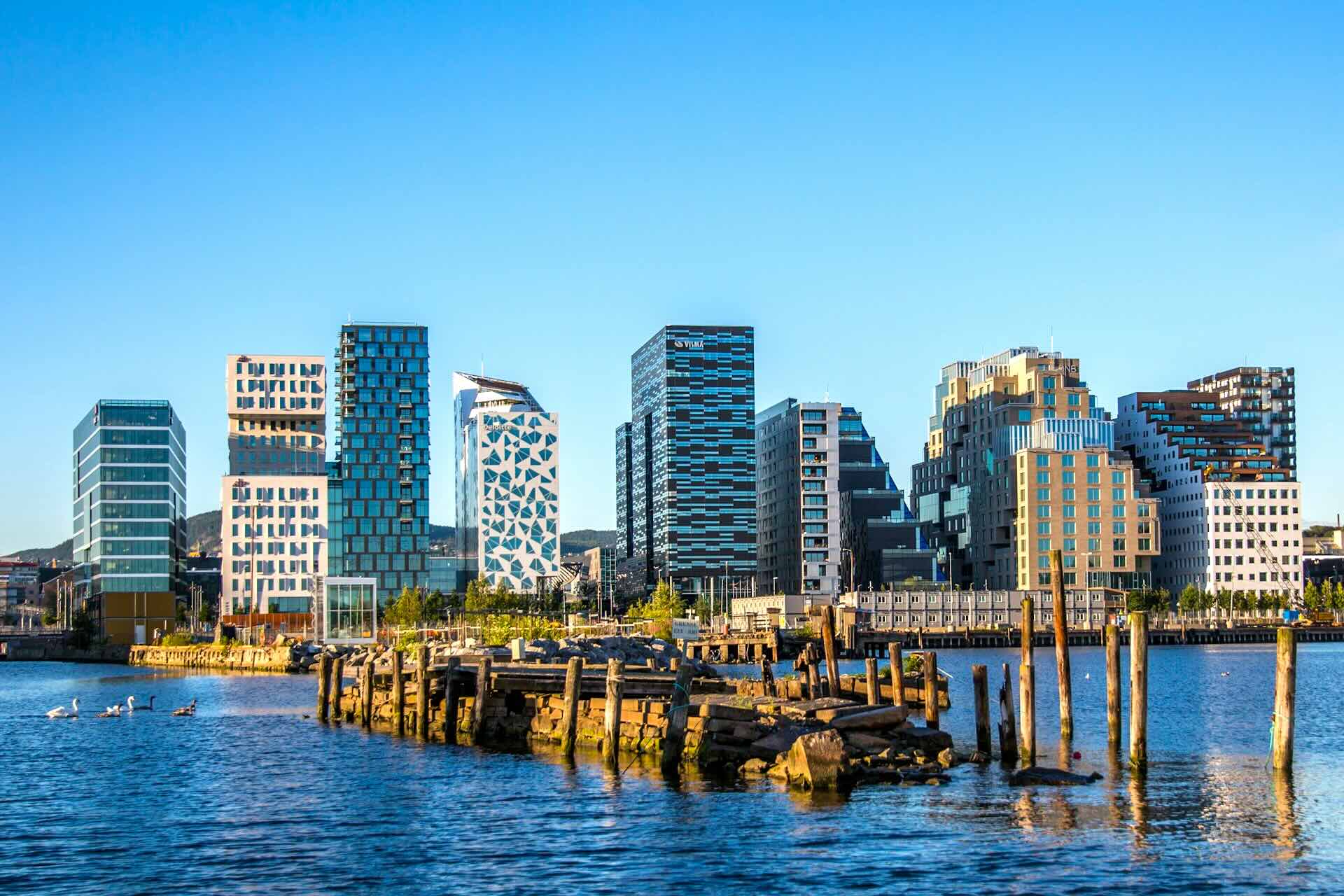
Oslo, Norway fjord views and quiet modernism come together in a city that feels clean, spacious, and deeply connected to nature. Oslo is a capital, but it does not feel crowded or overwhelming in the way many capitals do. Its appeal comes through waterfront walks, modern architecture, museums, forests, islands, cafés, public art, and the calm presence of the Oslofjord.
Why Oslo Feels So Distinct
Oslo stands out because it blends city life with natural access unusually well. The fjord, forests, parks, and hills are not distant escapes. They feel built into the rhythm of the city. This gives Oslo a sense of openness that many European capitals lack.
That openness shapes the travel experience. Visitors can move from museums and shopping streets to water views, sauna culture, boat trips, and forest paths without feeling like they have left the city behind.
Fjord Views Shape the City
The phrase fjord views fits Oslo because the Oslofjord gives the city much of its visual identity. The water adds light, space, and movement to the urban center. Boats, islands, promenades, and waterfront buildings all create a calm maritime atmosphere.
These fjord views make Oslo feel softer and more scenic than its size suggests. The water is not just a backdrop. It changes how the city feels, especially around the harbor, museums, and public spaces near the shoreline.
Quiet Modernism Defines the Mood
Oslo’s quiet modernism is one of its strongest qualities. The city has bold contemporary architecture, but much of it feels restrained and purposeful. Glass, wood, stone, clean lines, and open public spaces give Oslo a modern identity without making it feel cold.
This matters because Oslo’s design culture feels practical as well as beautiful. Modern buildings do not only exist to impress. They shape daily life, connect people to the water, and make the city feel accessible.
The Waterfront Shows Oslo’s New Identity
Oslo’s waterfront is one of the best places to understand the city’s modern direction. New cultural buildings, promenades, restaurants, beaches, floating saunas, and public spaces have made the harbor a major part of everyday life.
This waterfront energy gives Oslo a fresh feel. The city’s relationship with the fjord is not only historic. It is current, active, and central to how visitors experience Oslo today.
Museums Add Cultural Depth
Oslo has strong museum culture, with collections focused on art, exploration, history, ships, design, and Norwegian identity. These museums give the city depth beyond its scenery and architecture.
This cultural side is important. Oslo can feel calm on the surface, but its museums reveal a richer story. They connect the city to seafaring, polar exploration, modern art, folklore, and national history.
Parks and Forests Keep Oslo Grounded
Oslo’s green spaces are central to its appeal. Parks, forest trails, hills, and outdoor recreation areas make the city feel closely tied to the landscape. Nature is easy to reach and easy to include in a short stay.
This gives Oslo a healthy rhythm. A trip can include city walks, museum visits, coffee stops, and time outdoors in the same day. The result feels balanced rather than rushed.
Islands and Boat Trips Add Variety
The Oslofjord islands give travelers another way to experience the city. Short boat rides can lead to quiet shorelines, swimming spots, walking paths, and simple views back toward the capital.
This island access makes Oslo more flexible as a destination. Visitors can treat the fjord as part of the city rather than scenery viewed from a distance. It adds movement and freshness to the itinerary.
Cafés, Saunas, and Everyday Calm
Oslo’s quieter pleasures often come through cafés, bakeries, saunas, design shops, and waterside pauses. The city does not need constant noise to feel rewarding. Its best moments often feel simple and deliberate.
This everyday calm helps define Oslo. It is a city where a slow morning by the water, a museum visit, and a sauna session can feel like a complete travel day. The appeal comes through quality, not excess.
A Different Kind of Scandinavian Capital
Oslo offers a different capital experience than Copenhagen or Stockholm. It feels more directly tied to rugged nature and less concerned with urban polish alone. The fjord and forests give the city a more elemental character.
That makes Oslo especially useful for travelers who want both culture and outdoor access. It works as a city break, a starting point for Norway, or a softer landing before deeper fjord and mountain travel.
Who Oslo Is Best For
Oslo is best for travelers who enjoy modern architecture, water views, museums, outdoor access, cafés, design, and calm urban travel. It works well for couples, solo travelers, families, and anyone who wants a Scandinavian city with nature close by.
This is not a city built around constant spectacle. Oslo works through space, light, design, and restraint. That makes it especially rewarding for travelers who appreciate cities that feel clean, quiet, and connected to their setting.
The Lasting Appeal of Oslo
Oslo stays memorable because it feels modern without losing its natural soul. The fjord views give it openness. The quiet modernism gives it clarity. The museums, islands, forests, waterfront, and cafés give the city its lasting character.
For travelers who want a Scandinavian capital with calm design, water views, and easy access to nature, Oslo is a strong choice. It proves that a capital city can feel spacious, thoughtful, and deeply refreshing.