Tag: Poland travel

  • Gdańsk, Poland Baltic Beauty and Merchant Heritage

    Gdańsk, Poland Baltic Beauty and Merchant Heritage

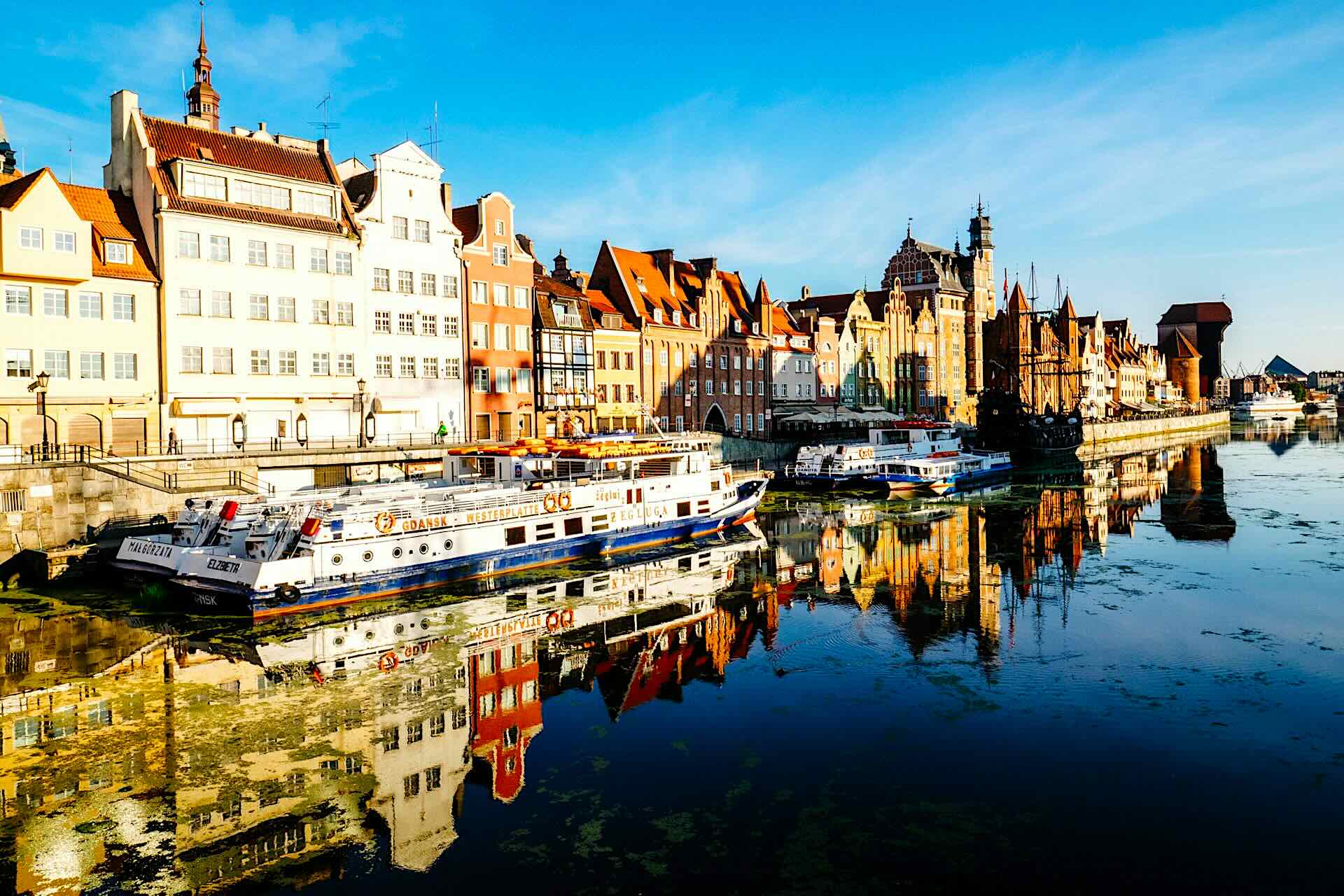
    Gdańsk, Poland Baltic beauty and merchant heritage come together in a city that feels maritime, colorful, and deeply layered. Gdańsk is one of Poland’s most distinctive destinations. Its appeal comes through tall facades, riverfront walks, historic gates, amber shops, shipyard memory, Baltic air, and a trading past that still shapes the city’s character.

    Why Gdańsk Feels So Distinct

    Gdańsk stands out because it does not feel like a typical inland Polish city. Its identity is tied to the sea, trade, movement, and international influence. The city has a Baltic mood that feels different from Kraków, Warsaw, or Wrocław.

    That difference gives Gdańsk real personality. It feels Polish, northern, maritime, and European all at once. Travelers feel that blend in the architecture, waterfront, food, museums, and public spaces.

    Baltic Beauty Shapes the City

    The phrase Baltic beauty fits Gdańsk because the city carries the look and mood of a northern port. The air feels different. The light feels cooler. The architecture has color, height, and ornament, but also a certain maritime restraint.

    This gives Gdańsk a strong visual identity. It is beautiful without feeling overly soft. Its beauty comes from water, brick, facades, gates, towers, and the steady sense that the sea is never far away.

    Merchant Heritage Gives Gdańsk Depth

    Gdańsk’s merchant heritage is central to its appeal. The city grew through trade, ship traffic, and commercial life, and that history still appears along its streets and waterfront. Tall merchant houses, warehouses, and riverfront cranes all help tell that story.

    This heritage gives the city more than surface charm. Gdańsk feels like a place shaped by exchange. Goods, people, ideas, and power all moved through it, leaving behind a rich and complex urban character.

    The Motława Riverfront Defines the Mood

    The Motława River gives Gdańsk one of its most memorable settings. The riverfront is lined with colorful buildings, restaurants, boats, bridges, and historic structures. It is one of the best places to understand the city’s maritime identity.

    This waterfront works because it feels both scenic and social. Travelers can walk, eat, watch boats, and take in the layered architecture at an easy pace. The river keeps the city open and animated.

    Long Market and Historic Facades

    Long Market gives Gdańsk much of its postcard beauty. The street and surrounding area are filled with ornate facades, grand civic buildings, and a strong sense of old wealth. The architecture reflects the city’s trading history and civic confidence.

    This area can feel polished, but it still carries emotional weight. Much of Gdańsk had to be rebuilt after wartime destruction, which makes its historic appearance even more meaningful. The beauty here reflects both memory and recovery.

    Amber, Shops, and Local Identity

    Amber is closely tied to Gdańsk’s identity. Shops, jewelry, museums, and craft traditions help connect the city to the Baltic coast. For many travelers, amber becomes part of the city’s visual and cultural memory.

    This detail matters because Gdańsk is not only a city of buildings. It is also a city of materials, trade, and craftsmanship. Amber gives that heritage a tangible form.

    Shipyard History and Modern Meaning

    Gdańsk also carries major modern historical weight. Its shipyard history gives the city a powerful connection to labor, politics, and change. This side of Gdańsk adds depth beyond the historic center.

    That contrast is important. The city is beautiful, but it is not only decorative. It has a serious modern story, and travelers who explore that side will understand Gdańsk more fully.

    A Walkable City With Layers

    Gdańsk is easy to enjoy on foot. The historic center, riverfront, gates, churches, museums, cafés, and shops connect naturally. Walking helps travelers move between beauty, history, and daily life without needing a rigid plan.

    This walkability makes Gdańsk especially rewarding. A single day can show the main highlights, but a longer stay reveals quieter streets, local restaurants, waterfront evenings, and nearby coastal escapes.

    A Strong Base for the Baltic Coast

    Gdańsk also works well as a base for exploring Poland’s Baltic coast. Nearby beaches, seaside towns, and neighboring cities add variety to the trip. This makes Gdańsk more than a standalone city break.

    That coastal access gives the city extra value. Travelers can combine historic streets with sea air, museums, beach walks, and regional food. The mix feels easy and practical.

    Who Gdańsk Is Best For

    Gdańsk is best for travelers who enjoy waterfront cities, history, architecture, maritime culture, museums, and walkable old towns. It works well for couples, solo travelers, families, and anyone interested in Poland beyond the most familiar routes.

    It is also a strong choice for travelers who want beauty with substance. Gdańsk has color and charm, but it also has trade history, wartime memory, shipyard history, and Baltic identity.

    The Lasting Appeal of Gdańsk

    Gdańsk stays memorable because it feels layered and specific. The Baltic beauty gives it atmosphere. The merchant heritage gives it depth. The waterfront, facades, amber, gates, and shipyard history give the city a strong and lasting identity.

    For travelers who want a Polish city with maritime character, historic beauty, and real cultural weight, Gdańsk is a strong choice. It proves that some of Europe’s most rewarding city breaks sit where rivers, trade, memory, and sea air meet.
    Plan a trip to Gdańsk today.

  • Visit Pedestrian Friendly Warsaw

    Visit Pedestrian Friendly Warsaw

    Warsaw surprises many travelers, and visit pedestrian friendly Warsaw reveals a city that has quietly become one of Europe’s easiest capitals to explore on foot. Wide sidewalks, connected neighborhoods, extensive green space, and thoughtful urban planning make walking not just possible, but enjoyable. Warsaw blends history, modern design, and everyday life in a way that rewards slow, ground level exploration.

    For travelers who enjoy cities where culture, food, and daily rhythm unfold naturally, Warsaw offers a walkable experience without the pressure or crowds of more established European capitals.

    Why Warsaw Works So Well for Walking

    Warsaw was rebuilt with intention after World War II, and that history shapes how the city functions today.

    Streets are wider than in many older European cities. Public squares are open and accessible. Pedestrian paths connect neighborhoods instead of isolating them.

    Crossings are logical. Signage is clear. Parks and riverside paths act as natural connectors rather than barriers.

    Walking feels safe, practical, and efficient, even for visitors experiencing the city for the first time.

    Old Town as a Pedestrian Core

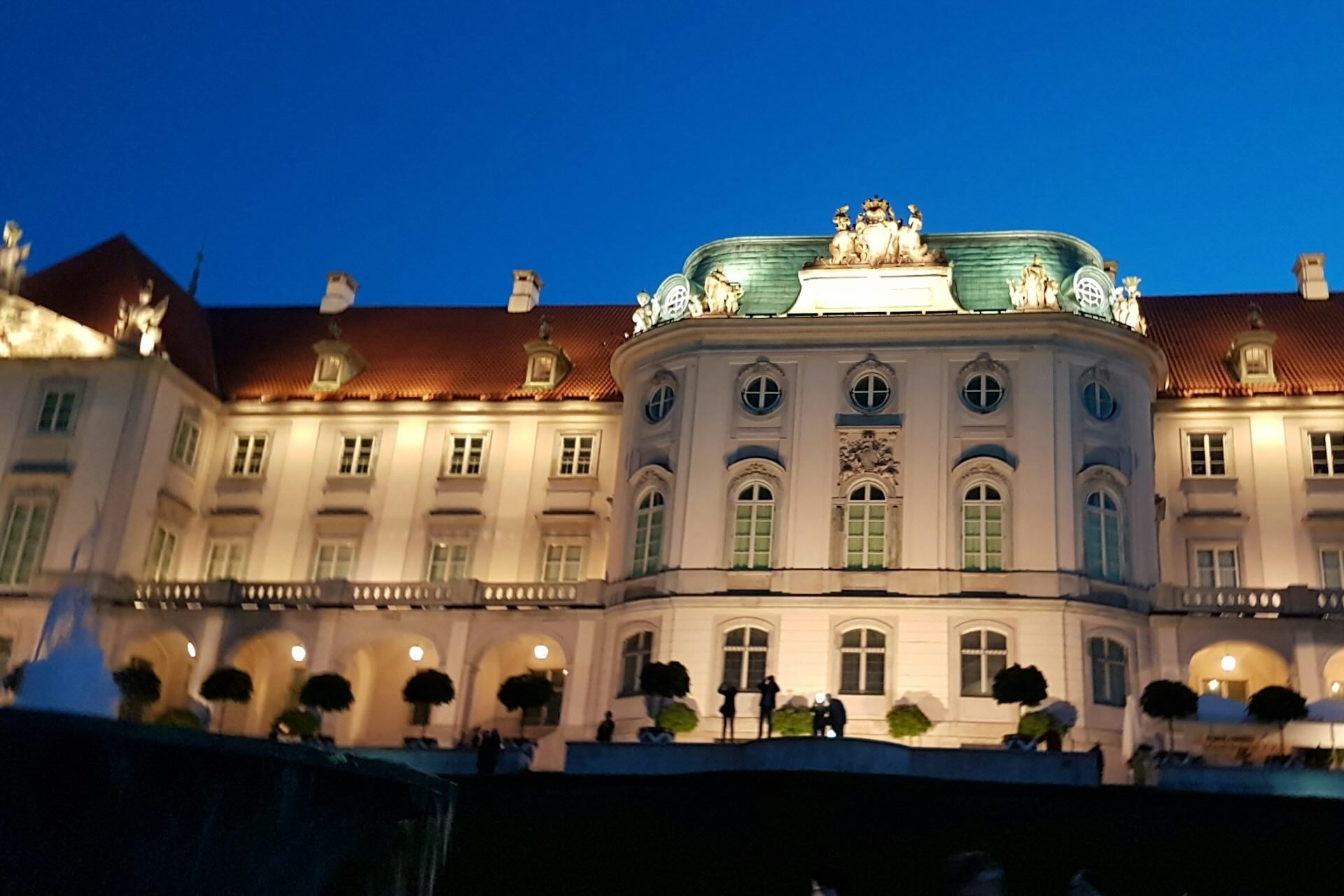
    Warsaw’s Old Town is fully pedestrian friendly and designed for wandering.

    Reconstructed with care, the area feels cohesive and human scaled. Cobblestone streets, small squares, and colorful facades invite slow movement.

    Everything sits close together. Cafés, museums, and viewpoints appear naturally along walking routes.

    This area works best when explored without a plan. Short loops turn into longer walks as curiosity takes over.

    Krakowskie Przedmieście and the Royal Route

    One of Warsaw’s most walkable stretches runs along Krakowskie Przedmieście.

    This historic boulevard connects major landmarks while remaining comfortable for pedestrians. Traffic is limited, sidewalks are generous, and public space feels social.

    Street performers, cafés, and cultural institutions line the route, making walking feel engaging rather than utilitarian.

    It is an ideal place to understand Warsaw’s rhythm and visual identity.

    Modern Warsaw and Everyday Walkability

    Beyond historic areas, Warsaw remains surprisingly walkable.

    Neighborhoods like Śródmieście and Powiśle blend residential streets with shops, food, and green space.

    Daily life happens at street level. Bakeries, markets, and cafés encourage short walks rather than long commutes.

    This balance makes walking feel like a natural part of how the city lives, not a tourist activity.

    Parks and Green Corridors

    Green space is one of Warsaw’s greatest strengths for pedestrians.

    Large parks, tree lined streets, and river paths create continuous walking routes across the city.

    Łazienki Park offers long, calm walks in a historic setting. The Vistula River paths provide open space for strolling, cycling, and sitting by the water.

    These green corridors reduce urban stress and make long walks feel restorative rather than tiring.

    Food and Walking Go Hand in Hand

    Warsaw’s food culture supports pedestrian exploration.

    Meals are accessible and frequent. Cafés and casual restaurants appear often, making it easy to pause and continue.

    Markets and bakeries reward wandering. You eat when you feel like it, not when logistics demand it.

    Food becomes part of the walk rather than a separate destination.

    Public Transportation as a Walking Companion

    Warsaw’s public transportation complements walking rather than replacing it.

    Short tram or metro rides connect walkable zones, allowing you to explore widely without needing a car.

    This combination makes the city feel compact even though it is large.

    You walk until you want a break, then resume somewhere new.

    Safety and Comfort for Pedestrians

    Walking in Warsaw feels secure and well organized.

    Lighting is strong. Sidewalks are maintained. Crossings are predictable.

    The city feels calm even in busy areas. Pedestrian flow is respected, and drivers are accustomed to walkers.

    This creates confidence, especially for solo travelers or first time visitors.

    Best Times of Year for Walking Warsaw

    Spring and early fall are ideal for walking, with mild weather and long daylight hours.

    Summer offers lively street life and extended evenings, though midday heat may encourage slower pacing.

    Winter is colder but still walkable, especially in central areas where sidewalks are well maintained.

    Each season offers a different atmosphere without changing the city’s walkable nature.

    Why Warsaw Feels Different From Other Capitals

    Warsaw does not overwhelm pedestrians with density or spectacle.

    It feels open, breathable, and balanced. History and modern life coexist without competing for attention.

    Walking becomes a way to understand the city rather than just move through it.

    This makes Warsaw especially appealing to travelers who value ease and observation.

    How to Experience Warsaw on Foot

    Choose a central base and explore outward.

    Start with Old Town, then follow major walking routes into modern neighborhoods.

    Use parks and riverside paths as connectors.

    Stop often. Sit when you want. Let curiosity guide direction.

    Warsaw rewards unstructured walking more than strict itineraries.

    Final Thoughts on Pedestrian Friendly Warsaw

    Visit pedestrian friendly Warsaw to experience a capital that values space, access, and everyday livability.

    The city proves that walkability is not just about old streets, but about thoughtful design and respect for how people move.

    Walking here feels natural, calm, and rewarding.

    It is one of Warsaw’s quiet strengths, and one of its most enjoyable.

    Plan a trip to Warsaw today.