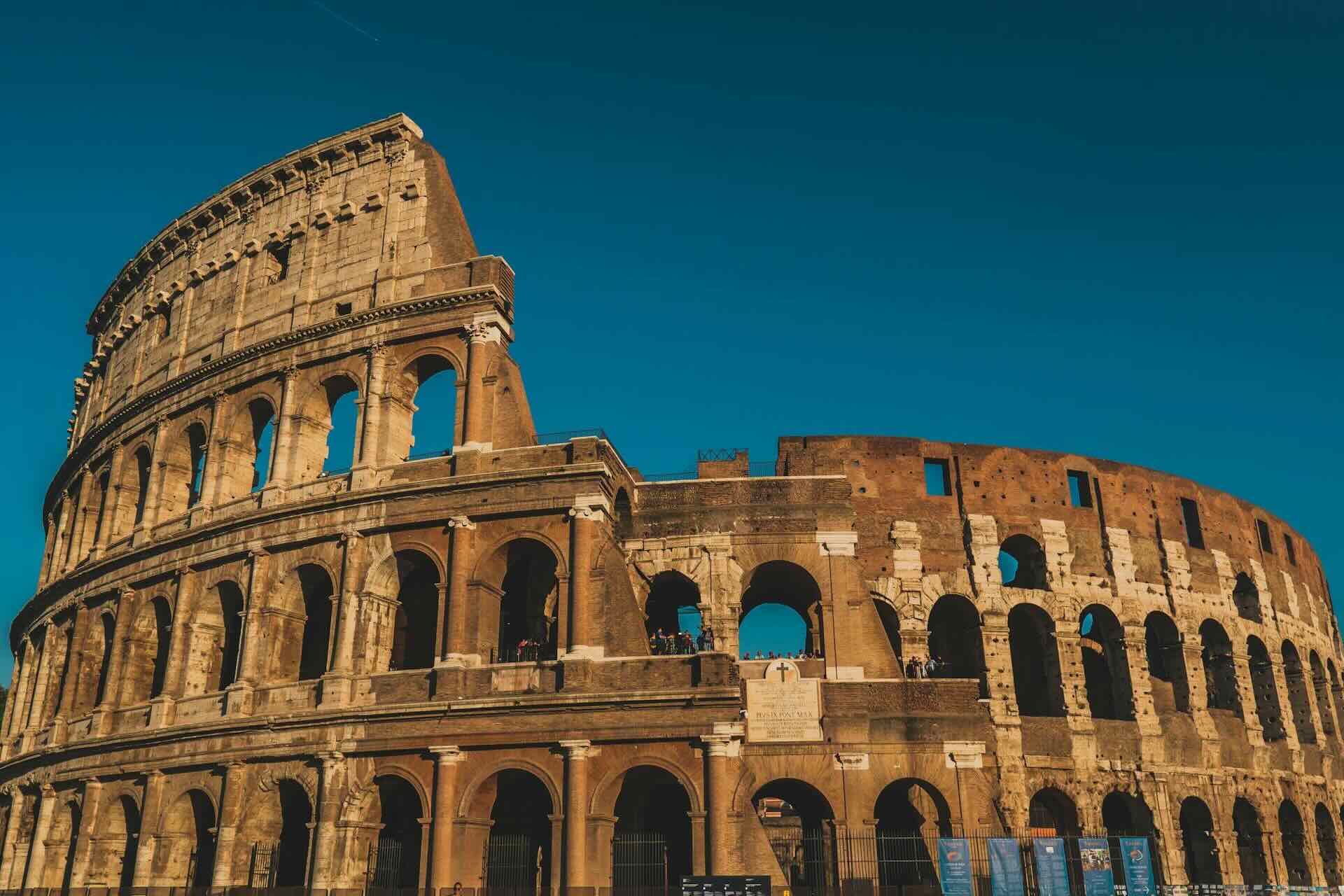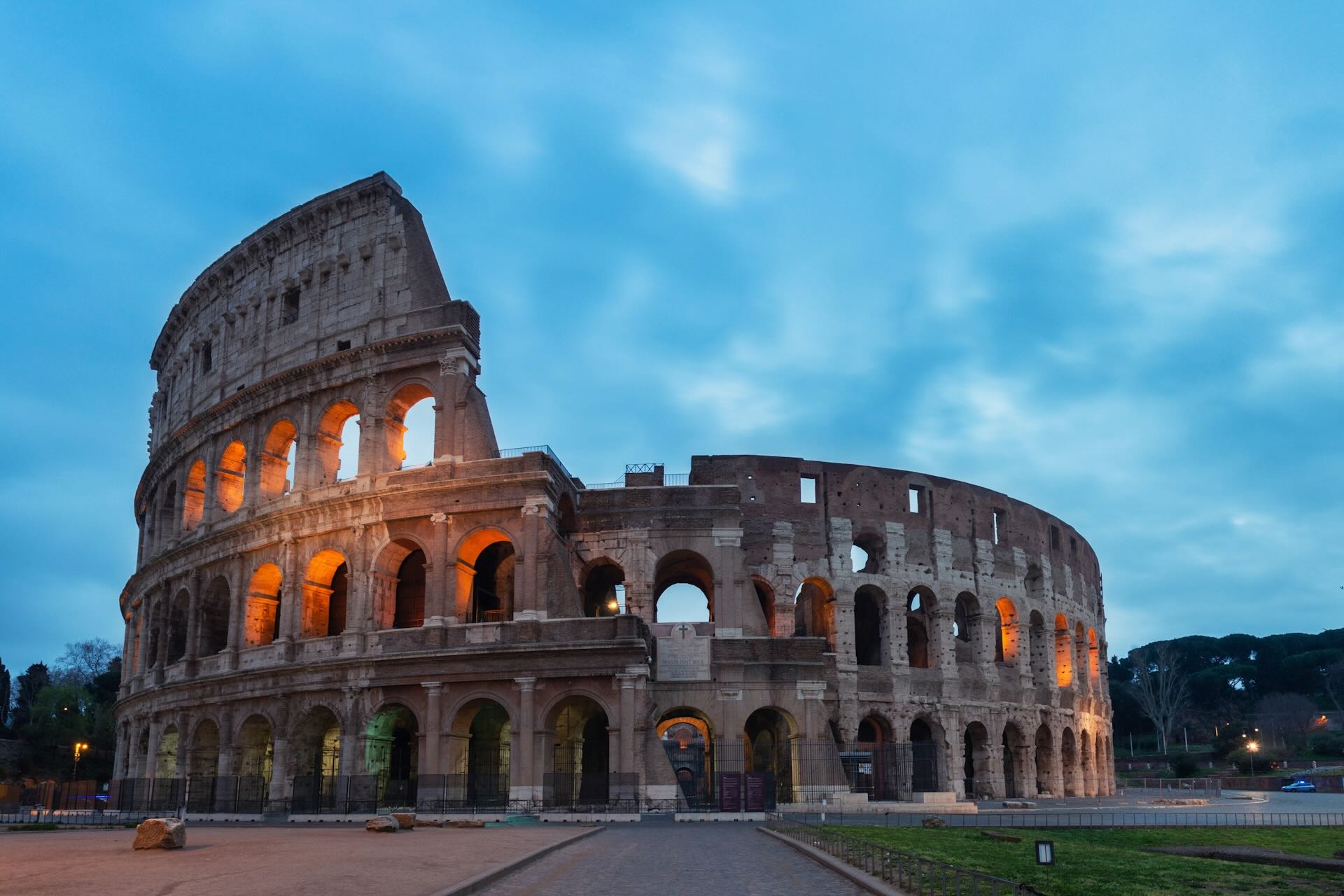
Rome leaves a strong first impression, and what to expect on your first trip to Rome often includes moments of awe, confusion, delight, and deep appreciation. This is a city where history is not confined to museums. It surrounds you in daily life. You walk past ruins on your way to coffee. You eat dinner beside buildings older than many countries.
For first time visitors, Rome can feel intense at first. It is busy, layered, and unapologetically itself. With the right expectations, it becomes one of the most rewarding cities you will ever visit.
First Impressions and the Energy of the City
Rome feels alive from the moment you arrive. Streets buzz with movement, conversation, and sound. Scooters weave through traffic. Locals speak with expressive gestures. The city does not whisper its presence. It announces it.
This energy can feel overwhelming initially, especially if you expect quiet order. Rome operates on rhythm rather than rules. Once you accept that, the city starts to make sense.
The visual impact is immediate. Ancient ruins, baroque fountains, churches, and everyday buildings coexist without separation. You are rarely more than a few steps from something historically significant, even when you are not looking for it.
Navigating a City Built Over Time
Rome was not designed as a modern city. Streets curve, narrow, and intersect unpredictably. This is part of its charm and its challenge.
Walking is the best way to experience Rome, but expect uneven pavement and cobblestones. Comfortable shoes are essential. Distances can look short on a map but feel longer on foot due to crowds and layout.
Public transportation exists, but many visitors rely more on walking. Buses and metro lines are useful, but they do not reach every area easily. Taxis are available, but traffic can be slow.
Getting lost is common and often rewarding. Some of Rome’s best moments happen when you wander off course and discover a quiet square or local café.
The Pace of Daily Life
Rome moves at its own pace, and adjusting to it improves your experience. Mornings start calmly. Cafés fill with locals standing at the bar for espresso. Midday brings more activity, especially around popular sites.
Afternoons can feel slower. Many shops close briefly. This pause is part of the rhythm, not an inconvenience.
Evenings stretch late. Dinner starts later than many visitors expect. Restaurants often fill after eight. Meals are meant to be enjoyed, not rushed.
Understanding this flow helps you plan without frustration.
Food and What First Time Visitors Learn Quickly
Food in Rome is both simple and deeply traditional. The city takes pride in a small number of classic dishes, prepared well and repeated often.
Menus may look similar from place to place, but quality varies. Restaurants focused on locals often have shorter menus and fewer flashy signs.
Meals are structured. Courses come in sequence, and bread may arrive without butter. Water is usually bottled unless you ask otherwise.
Coffee culture follows clear norms. Cappuccino is typically a morning drink. Espresso is quick and often consumed standing.
Food becomes part of how you understand the city. Eating well in Rome is about respect for tradition rather than novelty.
History That Feels Immediate
Rome’s history does not feel distant. You interact with it constantly. Ancient ruins sit beside modern apartments. Churches house layers of art and architecture accumulated over centuries.
Museums and landmarks are impressive, but history also appears unexpectedly. A construction site may reveal ruins. A quiet street may hide a centuries old façade.
This proximity to the past creates perspective. You begin to feel time differently. A first trip often reshapes how visitors think about age, continuity, and legacy.
Churches, Art, and Cultural Depth
Churches play a major role in Rome’s cultural landscape. They are not just places of worship. They are repositories of art, architecture, and history.
Many are free to enter, offering access to world class works without crowds or tickets. Dress modestly, as rules are enforced.
Art in Rome spans eras. You see ancient sculptures, Renaissance paintings, and baroque masterpieces, sometimes in a single afternoon.
The city does not curate this experience neatly. You encounter art unexpectedly, which makes it feel personal rather than academic.
Crowds and How to Manage Them
Crowds are part of Rome, especially on a first trip. Popular sites attract visitors year round. Timing matters.
Early mornings and late afternoons offer quieter moments. Exploring less famous neighborhoods provides relief from busy corridors.
A balanced itinerary helps. Pair major sights with slower experiences like wandering, sitting in a piazza, or enjoying a long meal.
Rome rewards patience. When you stop fighting the crowds and work around them, the city opens up.
Neighborhoods and Where Rome Feels Local
Rome is a collection of neighborhoods, each with its own character. Spending time outside major tourist zones deepens your experience.
Trastevere feels lively and social, especially in the evenings. Narrow streets, small restaurants, and local energy define the area.
Testaccio offers a more residential feel. It is known for food culture and everyday life rather than landmarks.
Monti blends history and creativity. Boutiques, cafes, and small streets create a relaxed atmosphere close to major sites.
Choosing a neighborhood to return to each day helps Rome feel manageable and familiar.
Practical Expectations for First Time Visitors
Rome can be less predictable than some cities. Service may feel informal. Processes may take time. This is not inefficiency, but cultural difference.
English is widely spoken in tourist areas, but learning basic Italian phrases is appreciated.
Water fountains provide clean drinking water throughout the city. Carry a refillable bottle.
Pickpocketing can occur in crowded areas. Awareness is usually enough to avoid issues.
Accepting these realities makes your first trip smoother and more enjoyable.
Why Rome Leaves a Lasting Impression
Rome does not try to please everyone. It remains unapologetically complex. That honesty is why it stays with you.
Your first trip often feels emotional. You experience beauty, chaos, history, and daily life intertwined.
You leave with memories that feel layered rather than linear. Rome does not give you a single story. It gives you many, unfolding at once.
Understanding what to expect on your first trip to Rome helps you appreciate the city for what it is, not what you imagined.