Tag: Scandinavian city breaks

  • Stockholm, Sweden Islands, Light, and Nordic Refinement

    Stockholm, Sweden Islands, Light, and Nordic Refinement

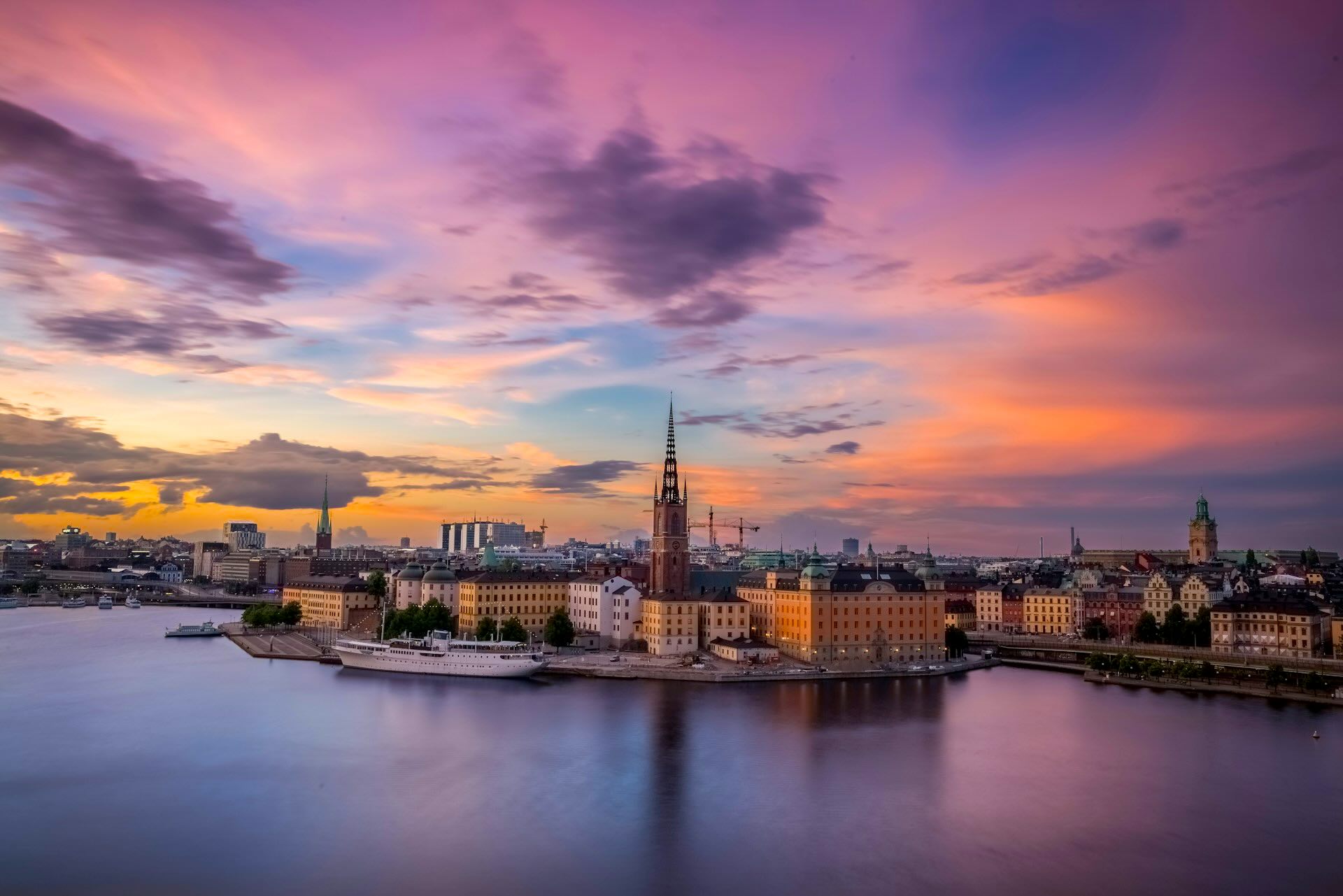
    Stockholm, Sweden islands, light, and Nordic refinement come together in a capital that feels elegant, calm, and closely tied to water. Built across islands and shaped by bridges, harbors, old streets, parks, museums, and clean design, Stockholm offers one of Scandinavia’s most graceful city experiences.

    Why Stockholm Feels So Distinct

    Stockholm stands out because water is part of the city’s structure. The capital does not simply sit beside a waterfront. It spreads across islands, creating constant shifts between streets, bridges, quays, ferries, parks, and wide views.

    This island setting gives Stockholm a sense of space and clarity. Even in the busy center, the city rarely feels closed in. Water, sky, and light keep the capital feeling open.

    Islands Shape the Experience

    The phrase islands fits Stockholm because each part of the city has its own mood. Some islands feel historic and formal. Others feel residential, creative, green, or waterfront focused. Moving between them gives the city natural variety.

    This makes Stockholm especially rewarding to explore over several days. A good visit can include the old town, museum districts, quiet parks, stylish neighborhoods, harbor walks, and boat trips without the city feeling repetitive.

    Light Defines the Mood

    Stockholm’s light gives the city much of its beauty. Long summer days, low winter sun, reflections on the water, and soft northern skies all shape the way the capital feels. The city often looks clean, bright, and composed.

    This light works beautifully with Stockholm’s architecture and natural setting. Facades, church towers, boats, bridges, and islands change throughout the day, making simple walks feel more memorable.

    Nordic Refinement Gives Stockholm Its Style

    Stockholm’s Nordic refinement comes through in its design, architecture, food, fashion, public spaces, and everyday order. The city feels stylish without being loud. Its beauty often comes from restraint, materials, proportion, and careful details.

    This refined quality gives Stockholm a calm confidence. It does not need constant spectacle. The city’s strongest moments often come through balance, comfort, and good design.

    Gamla Stan Adds Historic Texture

    Gamla Stan, Stockholm’s old town, gives the city one of its most atmospheric areas. Narrow lanes, colorful facades, churches, squares, cafés, shops, and royal landmarks create a compact historic core.

    This old town matters because it anchors Stockholm’s modern elegance in deeper history. It gives travelers a place to feel the city’s age before moving back into its cleaner, more contemporary districts.

    Waterfront Walks Are Essential

    Stockholm is best understood from the water’s edge. Quays, promenades, bridges, marinas, and viewpoints create some of the city’s most enjoyable routes. Walking near the water is not just scenic. It is central to the Stockholm experience.

    These waterfront areas give the city movement and calm at the same time. Ferries, sailboats, reflections, and open views make the capital feel active without becoming chaotic.

    Museums Add Cultural Depth

    Stockholm has strong museum culture, with art, design, maritime history, photography, royal history, and Nordic culture all represented across the city. Many museums sit in beautiful settings near water or green space.

    This cultural depth makes Stockholm more than a pretty capital. It gives travelers a fuller sense of Sweden’s history, creativity, craftsmanship, and relationship with the sea.

    Parks and Green Space Soften the Capital

    Stockholm’s parks and natural areas help the city feel balanced. Green islands, gardens, wooded paths, waterfront lawns, and quiet residential streets create space to slow down.

    This connection to nature is one of Stockholm’s strengths. The city feels polished, but not hard. Parks and water soften the urban experience and make the capital feel highly livable.

    Food, Cafés, and Swedish Comfort

    Stockholm’s food culture adds another layer of refinement. Cafés, bakeries, seafood, modern Nordic restaurants, markets, and cozy dining rooms all shape the experience. The city works well for travelers who enjoy long lunches, good coffee, and thoughtful meals.

    This culinary side reflects Stockholm’s character. Food often feels clean, seasonal, and carefully prepared. It adds warmth to the city’s cool northern elegance.

    The Archipelago Adds Range

    Stockholm’s archipelago gives the city rare travel range. Islands, ferries, summer houses, rocky shorelines, forests, and quiet water routes extend the capital far beyond its center.

    This makes Stockholm especially flexible. Visitors can enjoy a major European capital and still feel close to nature, boats, and island life. Few cities make that transition so smoothly.

    Who Stockholm Is Best For

    Stockholm is best for travelers who enjoy waterfront cities, design, museums, old towns, cafés, parks, architecture, and calm urban travel. It works well for couples, solo travelers, families, culture focused visitors, and anyone who wants a Scandinavian capital with strong natural beauty.

    This is not a city built around disorder or excess. Stockholm works through light, water, design, and balance. That makes it especially rewarding for travelers who appreciate cities that feel elegant and deeply composed.

    The Lasting Appeal of Stockholm

    Stockholm stays memorable because it feels refined, open, and shaped by water. The islands give it variety. The light gives it atmosphere. The Nordic refinement gives it style. The old town, museums, parks, waterfronts, cafés, and archipelago give the city its lasting character.

    For travelers who want a Scandinavian capital with beauty, culture, and calm, Stockholm is a strong choice. It proves that some cities make their strongest impression through clarity, proportion, and a close relationship with nature.
    Plan a trip to Stockholm today.

  • Oslo, Norway Fjord Views and Quiet Modernism

    Oslo, Norway Fjord Views and Quiet Modernism

    Oslo, Norway fjord views and quiet modernism come together in a city that feels clean, spacious, and deeply connected to nature. Oslo is a capital, but it does not feel crowded or overwhelming in the way many capitals do. Its appeal comes through waterfront walks, modern architecture, museums, forests, islands, cafés, public art, and the calm presence of the Oslofjord.

    Why Oslo Feels So Distinct

    Oslo stands out because it blends city life with natural access unusually well. The fjord, forests, parks, and hills are not distant escapes. They feel built into the rhythm of the city. This gives Oslo a sense of openness that many European capitals lack.

    That openness shapes the travel experience. Visitors can move from museums and shopping streets to water views, sauna culture, boat trips, and forest paths without feeling like they have left the city behind.

    Fjord Views Shape the City

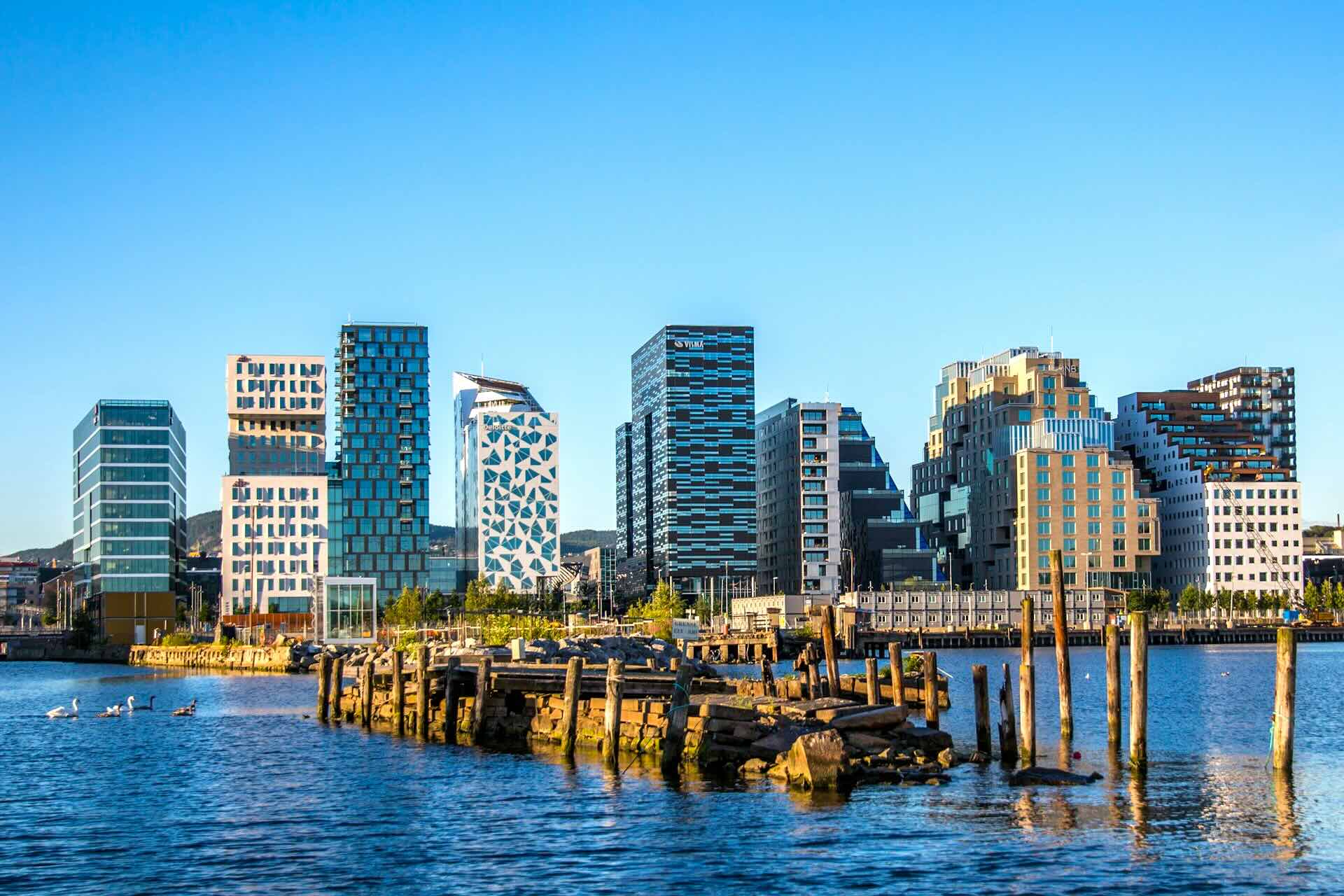
    The phrase fjord views fits Oslo because the Oslofjord gives the city much of its visual identity. The water adds light, space, and movement to the urban center. Boats, islands, promenades, and waterfront buildings all create a calm maritime atmosphere.

    These fjord views make Oslo feel softer and more scenic than its size suggests. The water is not just a backdrop. It changes how the city feels, especially around the harbor, museums, and public spaces near the shoreline.

    Quiet Modernism Defines the Mood

    Oslo’s quiet modernism is one of its strongest qualities. The city has bold contemporary architecture, but much of it feels restrained and purposeful. Glass, wood, stone, clean lines, and open public spaces give Oslo a modern identity without making it feel cold.

    This matters because Oslo’s design culture feels practical as well as beautiful. Modern buildings do not only exist to impress. They shape daily life, connect people to the water, and make the city feel accessible.

    The Waterfront Shows Oslo’s New Identity

    Oslo’s waterfront is one of the best places to understand the city’s modern direction. New cultural buildings, promenades, restaurants, beaches, floating saunas, and public spaces have made the harbor a major part of everyday life.

    This waterfront energy gives Oslo a fresh feel. The city’s relationship with the fjord is not only historic. It is current, active, and central to how visitors experience Oslo today.

    Museums Add Cultural Depth

    Oslo has strong museum culture, with collections focused on art, exploration, history, ships, design, and Norwegian identity. These museums give the city depth beyond its scenery and architecture.

    This cultural side is important. Oslo can feel calm on the surface, but its museums reveal a richer story. They connect the city to seafaring, polar exploration, modern art, folklore, and national history.

    Parks and Forests Keep Oslo Grounded

    Oslo’s green spaces are central to its appeal. Parks, forest trails, hills, and outdoor recreation areas make the city feel closely tied to the landscape. Nature is easy to reach and easy to include in a short stay.

    This gives Oslo a healthy rhythm. A trip can include city walks, museum visits, coffee stops, and time outdoors in the same day. The result feels balanced rather than rushed.

    Islands and Boat Trips Add Variety

    The Oslofjord islands give travelers another way to experience the city. Short boat rides can lead to quiet shorelines, swimming spots, walking paths, and simple views back toward the capital.

    This island access makes Oslo more flexible as a destination. Visitors can treat the fjord as part of the city rather than scenery viewed from a distance. It adds movement and freshness to the itinerary.

    Cafés, Saunas, and Everyday Calm

    Oslo’s quieter pleasures often come through cafés, bakeries, saunas, design shops, and waterside pauses. The city does not need constant noise to feel rewarding. Its best moments often feel simple and deliberate.

    This everyday calm helps define Oslo. It is a city where a slow morning by the water, a museum visit, and a sauna session can feel like a complete travel day. The appeal comes through quality, not excess.

    A Different Kind of Scandinavian Capital

    Oslo offers a different capital experience than Copenhagen or Stockholm. It feels more directly tied to rugged nature and less concerned with urban polish alone. The fjord and forests give the city a more elemental character.

    That makes Oslo especially useful for travelers who want both culture and outdoor access. It works as a city break, a starting point for Norway, or a softer landing before deeper fjord and mountain travel.

    Who Oslo Is Best For

    Oslo is best for travelers who enjoy modern architecture, water views, museums, outdoor access, cafés, design, and calm urban travel. It works well for couples, solo travelers, families, and anyone who wants a Scandinavian city with nature close by.

    This is not a city built around constant spectacle. Oslo works through space, light, design, and restraint. That makes it especially rewarding for travelers who appreciate cities that feel clean, quiet, and connected to their setting.

    The Lasting Appeal of Oslo

    Oslo stays memorable because it feels modern without losing its natural soul. The fjord views give it openness. The quiet modernism gives it clarity. The museums, islands, forests, waterfront, and cafés give the city its lasting character.

    For travelers who want a Scandinavian capital with calm design, water views, and easy access to nature, Oslo is a strong choice. It proves that a capital city can feel spacious, thoughtful, and deeply refreshing.

    Plan a trip to Oslo today.

  • Malmö, Sweden Modern Calm and Coastal Simplicity

    Malmö, Sweden Modern Calm and Coastal Simplicity

    Malmö, Sweden modern calm and coastal simplicity come together in a city that feels open, relaxed, and quietly stylish. Malmö does not rely on dramatic landmarks or heavy historic grandeur. Its appeal comes through clean design, sea air, bike friendly streets, parks, modern architecture, and a steady Scandinavian ease. It is a city that feels current without feeling cold.

    Why Malmö Feels So Distinct

    Malmö stands out because it offers a softer, more manageable version of urban Scandinavia. It has culture, design, restaurants, waterfront spaces, and historic pockets, but it rarely feels overwhelming. The city moves at a calm pace, even when its neighborhoods feel active.

    That balance gives Malmö real charm. It feels international, but still local. It feels modern, but not detached from everyday life. Travelers who enjoy cities with space, clarity, and a relaxed rhythm often connect with it quickly.

    Modern Calm Shapes the City

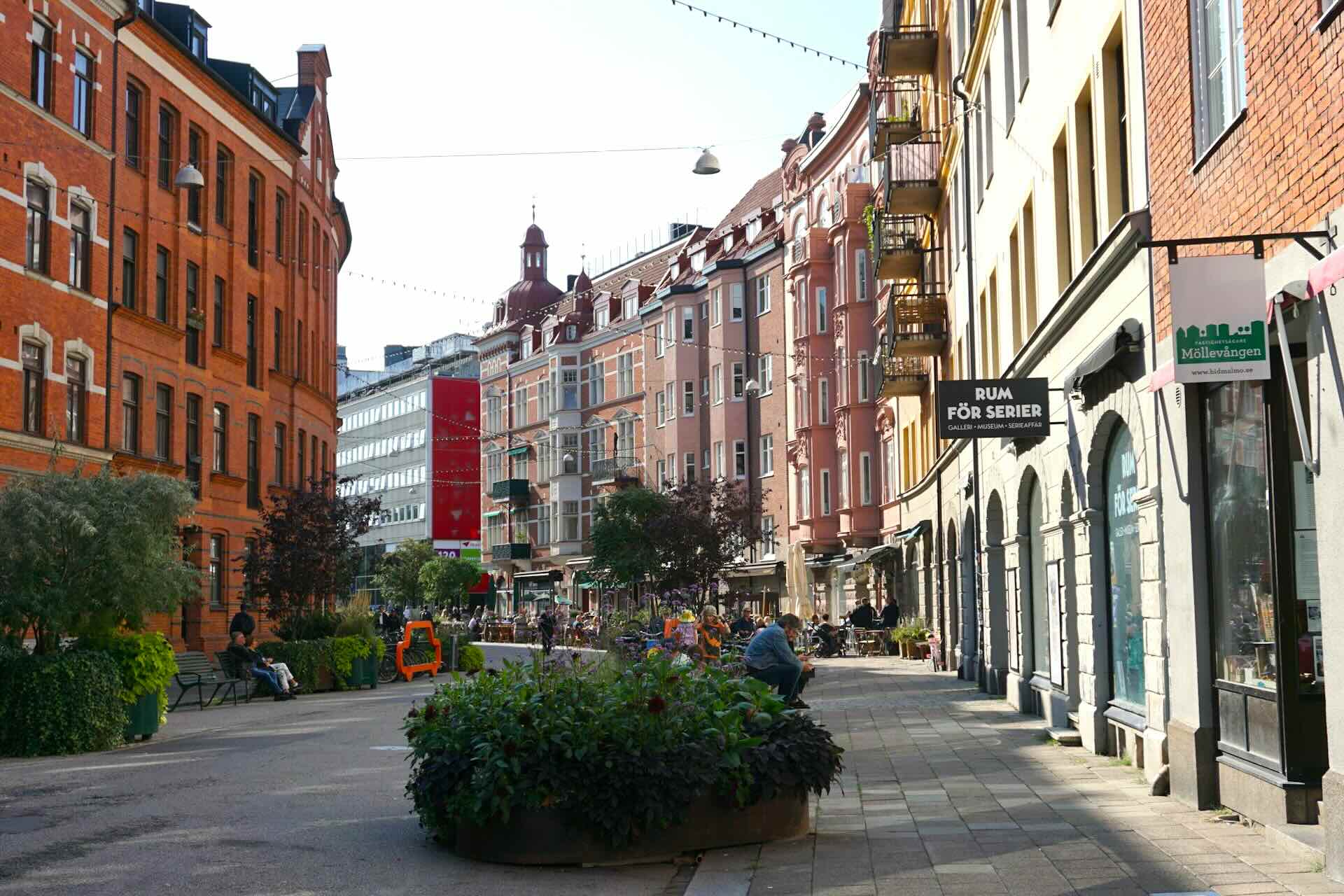
    The phrase modern calm fits Malmö because the city feels designed for ease. Public spaces are open. Streets are comfortable. Cycling feels natural. Contemporary buildings sit beside older neighborhoods without making the city feel forced or artificial.

    This modern calm changes the travel experience. Malmö does not demand constant sightseeing. It invites simple movement through neighborhoods, waterfront areas, cafés, parks, and squares. The city works best when travelers let it unfold slowly.

    Coastal Simplicity Gives Malmö Its Mood

    Malmö’s coastal setting is central to its appeal. The sea gives the city air, light, and space. Waterfront walks, open views, and breezy public areas make Malmö feel less dense than many European cities. Even when you are not directly on the water, the coastal mood stays present.

    That simplicity is one of Malmö’s strengths. The city does not overcomplicate its beauty. Water, sky, architecture, and clean public space create a calm visual identity that feels distinctly Swedish.

    A City of Design and Everyday Style

    Malmö has a strong design sensibility, but it feels practical rather than showy. Architecture, interiors, cafés, shops, and public spaces often share a clean, functional beauty. The result is a city that feels visually thoughtful without trying too hard.

    This is a key part of Malmö’s travel appeal. Beauty appears in ordinary places. A café corner, a bike lane, a courtyard, or a waterfront bench can feel carefully placed. The city’s style lives in its daily rhythm.

    Historic Pockets Add Texture

    Malmö is modern, but it still has historic texture. Older squares, brick buildings, cobbled streets, and traditional facades add warmth to the city. These areas keep Malmö from feeling too sleek or new.

    That contrast matters. The historic center gives travelers a sense of continuity, while newer districts show the city’s present identity. Malmö feels more complete because it carries both.

    Parks, Water, and Open Space

    Malmö is especially pleasant for travelers who like green space. Parks and waterfront areas help soften the city’s urban edges. They also make Malmö feel easy to enjoy without a strict plan.

    This open space gives the city a slower travel rhythm. You can walk, bike, sit outside, or move toward the coast without feeling rushed. Malmö’s beauty often comes from this feeling of room to breathe.

    A Walkable and Bike Friendly City

    Malmö is easy to explore at a human pace. Many of its most appealing areas connect naturally by foot or bike. That makes the city feel accessible and low stress. Travelers can experience it without complicated transportation decisions.

    Cycling also helps reveal Malmö’s personality. The city feels built around movement that is practical, calm, and local. This makes visitors feel more connected to daily life rather than separated from it.

    A Softer Side of Sweden

    Malmö gives travelers a different view of Sweden than Stockholm. It feels smaller, more relaxed, and more directly tied to the coast. The city has Nordic clarity, but also a warmer, more casual energy.

    That makes Malmö a strong fit for travelers exploring southern Sweden. It works well as a city break, a design focused stop, or part of a broader Scandinavian trip. It feels easy to enter and easy to enjoy.

    Who Malmö Is Best For

    Malmö is best for travelers who appreciate design, coastal cities, walkable neighborhoods, and calm urban travel. It works well for couples, solo travelers, families, and anyone who prefers atmosphere over spectacle. It also suits travelers who enjoy cafés, cycling, parks, and modern architecture.

    This is not a city built around loud drama. It is a city built around ease, clarity, and daily beauty. That makes it especially rewarding for slow travel.

    The Lasting Appeal of Malmö

    Malmö stays memorable because it makes modern life feel calm and attractive. Its coastal simplicity gives the city space. Its design culture gives it polish. And its parks, streets, and waterfront areas make it feel livable from the first day.

    For travelers who want a relaxed Swedish city with contemporary style and sea air, Malmö is a strong choice. It proves that a destination does not need to be grand to feel rewarding. Sometimes the clearest beauty comes from calm, space, and simplicity.

    Plan a trip to Malmö today.