Tag: slow travel

  • Why Slow Travel Creates Better Experiences

    Why Slow Travel Creates Better Experiences

    Modern travel often feels compressed. Flights are faster, itineraries are tighter, and expectations are higher. Why slow travel creates better experiences comes down to presence. When you move more slowly, you absorb more. You notice details that rushed travelers miss. You build connection instead of collecting highlights.

    Slow travel is not about doing less. It is about experiencing more deeply.

    You Notice the Layers of a Place

    When you stay longer in one destination, the obvious attractions stop dominating your attention.

    On the first day, you see landmarks. By the third day, you notice how neighborhoods change block by block. By the fifth day, you recognize patterns in daily life.

    You begin to understand a place as a living environment rather than a backdrop.

    Depth replaces novelty.

    You Reduce Travel Fatigue

    Constant transit drains energy.

    Packing, unpacking, airport transfers, and check in routines consume mental bandwidth. When you limit how often you move, you preserve that energy.

    With fewer logistical interruptions, you feel calmer and more focused.

    This clarity improves every experience, from museum visits to evening dinners.

    Food Becomes More Meaningful

    Slow travel gives you time to explore food beyond one headline restaurant.

    You can revisit a favorite café and explore neighborhood markets. You can try dishes that are unfamiliar without feeling rushed.

    Repeated visits deepen understanding.

    Food becomes part of your routine rather than a single event.

    You Build Familiarity

    Familiarity changes perspective.

    Recognizing a barista, understanding transit routes, or knowing which streets feel lively at night creates subtle comfort.

    That comfort encourages confidence.

    You move from outsider to engaged participant, even if only temporarily.

    You Leave Space for Serendipity

    When every hour is scheduled, there is no room for surprise.

    Slow travel creates open time.

    You may stumble upon live music in a plaza, a neighborhood festival, or a conversation that leads to unexpected insight.

    Unplanned moments often become the strongest memories.

    You Engage With Culture More Thoughtfully

    Cultural experiences require attention.

    Rushing through museums or historic districts limits retention.

    Spending more time in fewer places allows you to revisit themes and ideas.

    You begin to connect history, architecture, and food into a coherent narrative.

    That narrative makes the trip feel richer.

    You Travel More Sustainably

    Moving less frequently reduces environmental impact.

    Fewer flights and shorter transfers lower your travel footprint.

    Supporting local businesses over a longer stay also spreads economic benefit more evenly.

    Slow travel aligns better with long term sustainability.

    You Experience Daily Rhythm

    Cities have cadence.

    Morning markets, afternoon quiet, evening gatherings all follow patterns.

    When you stay longer, you see these cycles repeat.

    Understanding rhythm helps you align your schedule with local flow.

    This creates a smoother, more integrated experience.

    You Form Stronger Emotional Connections

    Emotional connection requires time.

    Repeated exposure builds familiarity and comfort.

    You may find yourself returning to the same street corner or viewpoint simply because it feels good.

    These attachments transform destinations into places you remember personally rather than abstractly.

    You Avoid Checklist Travel

    Checklist travel focuses on volume.

    Slow travel focuses on value.

    Instead of measuring success by how many sites you visited, you measure it by how deeply you engaged.

    Quality becomes the metric.

    You Protect Mental Space

    Travel should expand your perspective, not overwhelm it.

    When you slow down, you allow your thoughts to settle.

    Reflection happens naturally.

    You process experiences rather than stacking them.

    This mental space enhances creativity and clarity.

    How to Practice Slow Travel

    Choose fewer destinations per trip.

    Stay at least three to five nights in one location when possible.

    Limit major activities to one or two per day.

    Schedule unstructured time intentionally.

    Let neighborhoods guide you instead of strict itineraries.

    Why Slow Travel Feels More Human

    Why slow travel creates better experiences becomes clear when you compare memory quality.

    Trips defined by movement blur together.

    Trips defined by presence stand apart.

    Slowing down restores travel to its original purpose, exploration rather than accumulation.

    Final Thoughts on Traveling Slowly

    Slow travel is not a trend. It is a mindset.

    It invites you to stay longer, notice more, and consume less.

    When you allow time to shape your experience, destinations reveal themselves gradually.

    The result is not fewer memories, but stronger ones.
    Plan a trip to a great city today.

  • Most Secluded Desert Hotels and Resorts Worth Visiting

    Most Secluded Desert Hotels and Resorts Worth Visiting

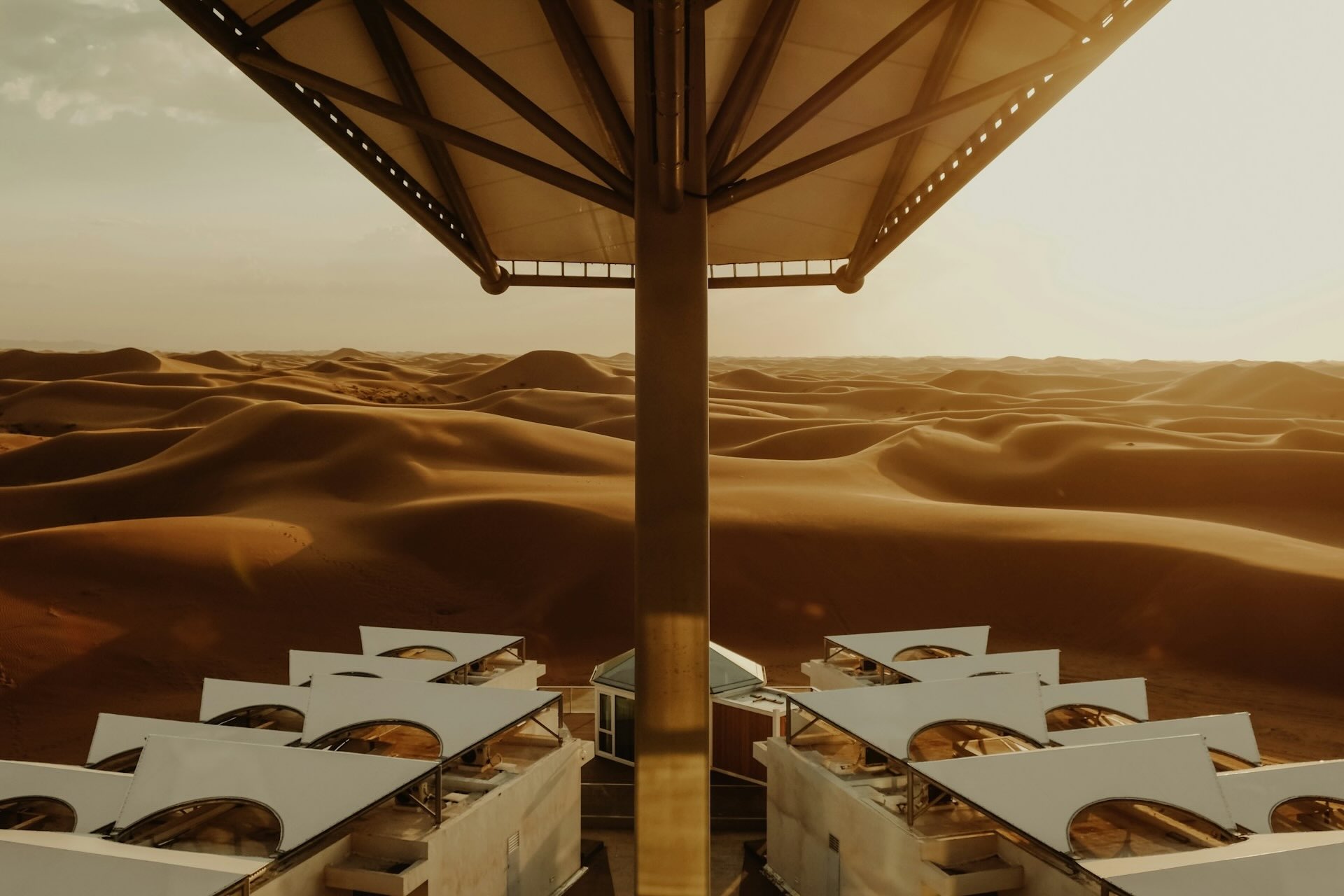
    Most secluded desert hotels and resorts worth visiting appeal to travelers who crave silence, space, and sensory reset. Desert landscapes strip travel down to its essentials. Light changes faster, sounds soften, and time slows naturally. Across the world, a select group of hotels and resorts embrace this environment instead of fighting it. These properties offer isolation without sacrificing comfort, design, or thoughtful service. If you want privacy, perspective, and unforgettable settings, these desert escapes deliver rare experiences.

    Why Desert Travel Feels Different

    Silence becomes part of the luxury

    Deserts remove constant noise. Wind replaces traffic, and space replaces crowds.

    Quiet restores focus.

    Landscapes feel immersive

    Open horizons and dramatic terrain surround you at all times. The environment feels present and unavoidable.

    Nature shapes mindset.

    Isolation creates clarity

    Remote desert stays reduce distraction. Travelers often feel grounded and reflective.

    Stillness supports renewal.

    Amangiri, Utah, United States

    Architecture blends into the land

    Amangiri sits within the high desert of southern Utah. The design mirrors the surrounding sandstone and plateaus.

    The resort feels carved into the landscape.

    Privacy defines the experience

    Each suite offers expansive space and uninterrupted views. Paths and common areas remain discreet.

    Seclusion feels intentional.

    Wellness rooted in environment

    Spa treatments, guided hikes, and sunrise rituals draw directly from desert rhythms.

    The land guides the stay.

    Who it suits best

    Travelers seeking silence, design, and spiritual calm gravitate here.

    Minimalism feels powerful.

    Longitude 131, Northern Territory, Australia

    Front row access to Uluru

    Longitude 131 places guests near one of Australia’s most sacred landmarks. Views dominate every moment.

    Presence feels profound.

    Luxury with cultural respect

    The property emphasizes connection to indigenous heritage through storytelling and experience.

    Context adds depth.

    Limited number of guests

    Small scale ensures intimacy and exclusivity.

    Privacy remains intact.

    Ideal for reflective travelers

    Those seeking meaning alongside luxury find this destination transformative.

    Perspective reshapes travel.

    Al Maha Desert Resort, Dubai, United Arab Emirates

    A private desert reserve

    Al Maha operates within a protected reserve far from city noise. Wildlife roams freely.

    Isolation feels authentic.

    Traditional architecture and modern comfort

    Villas reflect regional design while offering private pools and expansive terraces.

    Heritage meets indulgence.

    Experiences feel curated

    Falconry, desert drives, and stargazing feel personal rather than packaged.

    Attention elevates experience.

    Best for romantic escapes

    Couples seeking intimacy and drama favor this resort.

    Setting enhances connection.

    Qasr Al Sarab Desert Resort, Abu Dhabi, United Arab Emirates

    A fortress in the dunes

    Qasr Al Sarab rises from the Empty Quarter like a mirage. The approach alone feels cinematic.

    Arrival sets tone.

    Vast surroundings amplify privacy

    The desert stretches endlessly, creating natural separation between guests and the outside world.

    Space defines serenity.

    Traditional hospitality focus

    Service emphasizes warmth, ritual, and comfort.

    Hospitality feels timeless.

    Ideal for immersive stays

    Travelers wanting scale and atmosphere find this resort compelling.

    Grandeur enhances memory.

    Explora Atacama, Chile

    One of the driest places on Earth

    The Atacama Desert offers extreme clarity and cosmic skies. Explora places guests within this environment respectfully.

    The setting feels otherworldly.

    Exploration driven design

    Daily excursions encourage connection with terrain and culture.

    Movement deepens understanding.

    Thoughtful simplicity

    Rooms remain understated, allowing the landscape to dominate.

    Restraint supports immersion.

    Who it suits

    Travelers drawn to nature, science, and exploration thrive here.

    Curiosity fuels satisfaction.

    Desert Rock Resort, Saudi Arabia

    Emerging luxury in remote terrain

    Desert Rock integrates architecture directly into rock formations. The resort emphasizes low visual impact.

    Design disappears into nature.

    Focus on sustainability

    The property emphasizes energy efficiency and environmental respect.

    Intent shapes future travel.

    Privacy through terrain

    Natural formations shield villas from view and sound.

    Isolation feels organic.

    Ideal for forward thinking travelers

    Those curious about new luxury destinations find this resort compelling.

    Innovation drives intrigue.

    Kasbah Tamadot, Atlas Mountains Edge, Morocco

    Desert meets mountain calm

    Kasbah Tamadot sits where arid landscapes meet elevation. The setting feels secluded yet textured.

    Contrast defines beauty.

    Intimate scale

    Limited rooms ensure personalized service and quiet spaces.

    Small feels luxurious.

    Cultural immersion

    Design, food, and hospitality reflect local traditions.

    Authenticity enriches stay.

    Best for soulful escapes

    Travelers seeking warmth and reflection gravitate here.

    Connection feels natural.

    Adrère Amellal, Siwa Oasis, Egypt

    A true off grid experience

    Adrère Amellal uses no electricity. Candlelight defines evenings.

    Simplicity feels profound.

    Ancient desert oasis

    The Siwa Oasis provides lush contrast within vast desert surroundings.

    Surprise enhances memory.

    Silence dominates the stay

    Guests often hear only wind and footsteps.

    Stillness becomes immersive.

    Who should visit

    Travelers comfortable with minimalism and seeking deep reset enjoy this retreat.

    Detachment feels freeing.

    What Makes a Desert Resort Truly Secluded

    Distance from cities

    True seclusion requires commitment. Travel time filters crowds.

    Effort protects privacy.

    Limited room counts

    Fewer rooms reduce noise and overlap.

    Scale matters.

    Landscape as buffer

    Natural formations create sound and sight separation.

    Geography supports isolation.

    How to Choose the Right Desert Escape

    Decide how remote you want to go

    Some travelers prefer soft seclusion. Others want total disconnection.

    Clarity guides selection.

    Consider climate tolerance

    Deserts vary by temperature and altitude.

    Comfort shapes enjoyment.

    Match activities to energy

    Some resorts emphasize wellness. Others focus on exploration.

    Alignment improves experience.

    Best Times to Visit Desert Resorts

    Shoulder seasons work best

    Spring and fall offer balanced temperatures.

    Timing improves comfort.

    Nighttime matters

    Desert nights often cool dramatically. Stargazing thrives year round.

    Evenings shape memory.

    Weather influences activity

    Wind and heat affect excursions.

    Awareness improves planning.

    Who Desert Resorts Are Best For

    Burned out professionals

    Silence and space restore clarity.

    Reset feels immediate.

    Couples seeking intimacy

    Seclusion amplifies connection.

    Focus returns.

    Creative travelers

    Artists and thinkers often thrive in minimalist environments.

    Space inspires insight.

    Common Mistakes When Booking Desert Resorts

    Overpacking

    Minimal environments require fewer belongings.

    Light travel enhances ease.

    Over scheduling

    Desert experiences reward slow pacing.

    Less creates more.

    Underestimating isolation

    Some guests struggle without stimulation.

    Preparation matters.

    Why Desert Luxury Continues to Grow

    Desert travel offers something rare in modern tourism. It removes excess while preserving comfort. Luxury becomes quiet rather than loud.

    This shift reflects how travelers redefine indulgence.

    Final Thoughts

    Most secluded desert hotels and resorts worth visiting provide more than escape. They offer recalibration. Through silence, space, and intentional design, these properties turn isolation into restoration.

    For travelers seeking perspective, desert stays deliver experiences that linger long after departure.

    Plan a trip to the desert today at TravelPal.ai.

  • Inside Niha Sumba, One of the World’s Best Kept Luxury Secrets

    Inside Niha Sumba, One of the World’s Best Kept Luxury Secrets

    Inside Niha Sumba, one of the world’s best kept luxury secrets, you discover a resort that feels untouched by trends or mass tourism. Located on the remote Indonesian island of Sumba, Niha Sumba delivers an experience built around space, nature, culture, and thoughtful luxury. This is not a resort designed for quick getaways or flashy photos. It is a place where time slows, surroundings matter, and the journey becomes part of the reward. Travelers who value privacy, authenticity, and immersion often find Niha Sumba unlike anywhere else they have stayed.

    Where Niha Sumba Is Located

    An island far from crowds

    Sumba sits east of Bali but feels worlds apart. The island remains rural, lightly developed, and deeply connected to tradition. Niha Sumba occupies a dramatic stretch of coastline overlooking a private beach and rolling hills.

    Reaching the resort requires effort, which preserves its sense of isolation.

    Why the location matters

    The resort’s remoteness shapes the entire experience. There are no neighboring hotels, busy roads, or nearby nightlife. What surrounds you instead are villages, nature, and open space.

    This setting defines the resort’s appeal.

    The Philosophy Behind Niha Sumba

    Luxury through space and silence

    Niha Sumba defines luxury as freedom rather than excess. Villas sit far apart, ensuring privacy and quiet. Paths wind through nature instead of corridors.

    Silence becomes one of the most valued amenities.

    Respect for local culture

    The resort integrates Sumbanese culture into daily operations. Local staff, architecture, and traditions play a visible role. Cultural respect feels genuine rather than performative.

    Guests experience place rather than decoration.

    Accommodations at Niha Sumba

    Villas designed for privacy

    Each villa offers sweeping views of ocean, jungle, or hills. High ceilings, natural materials, and open layouts connect indoor and outdoor spaces.

    Privacy feels complete rather than implied.

    Thoughtful design details

    Villas feature handcrafted furniture, outdoor bathrooms, and terraces designed for relaxation. Everything feels intentional without being excessive.

    Comfort supports stillness.

    A sense of personal space

    You rarely see other guests unless you choose to. The resort layout prioritizes solitude while maintaining accessibility to shared spaces.

    This balance feels rare.

    Dining at Niha Sumba

    Farm driven and locally inspired

    Dining emphasizes local ingredients and seasonal produce. Menus change based on availability rather than rigid planning.

    Meals feel connected to the land.

    Multiple dining settings

    Guests dine in open air pavilions, beachfront spaces, or private villa settings. Each location offers a different atmosphere without sacrificing quality.

    Choice enhances experience.

    Slow meals encourage presence

    Dining unfolds at an unhurried pace. Staff encourage guests to linger, talk, and enjoy the setting.

    Food becomes an experience rather than a schedule item.

    Wellness and Relaxation

    Nature based wellness

    The spa overlooks the ocean and incorporates natural surroundings into treatments. Sounds of waves and wind replace artificial ambiance.

    Relaxation feels organic.

    Yoga and movement

    Yoga sessions take place in open pavilions with expansive views. Practice feels grounding rather than performative.

    Movement connects body to landscape.

    Rest as a priority

    The resort encourages rest without forcing programming. Guests choose how active or quiet they want their days.

    Freedom defines wellness here.

    Activities Beyond the Villa

    Surfing world class waves

    Niha Sumba sits near one of Indonesia’s most respected surf breaks. Surfers of various levels find consistent conditions.

    The beach remains uncrowded.

    Exploring local villages

    Guided visits introduce guests to Sumbanese villages, traditions, and crafts. These experiences emphasize respect and learning.

    Cultural exchange feels mutual.

    Horseback riding on the beach

    Riding along the shoreline offers a rare sense of freedom. Horses move calmly through sand and surf.

    Moments feel cinematic yet real.

    Hiking and nature walks

    Trails lead through hills and along cliffs. Guides share knowledge about local plants and landscapes.

    Exploration feels personal.

    Sustainability and Community Impact

    Supporting local livelihoods

    Niha Sumba employs and trains local residents, providing long term economic stability. Education and healthcare initiatives extend beyond the resort.

    Impact reaches beyond guests.

    Environmental responsibility

    The resort minimizes development footprint and supports conservation. Buildings blend into landscape rather than dominate it.

    Preservation guides decisions.

    Long term thinking

    Sustainability efforts focus on generational outcomes rather than marketing claims.

    This commitment feels authentic.

    What Sets Niha Sumba Apart

    Isolation without discomfort

    Remote locations often sacrifice comfort. Niha Sumba avoids this tradeoff. Guests enjoy luxury while remaining deeply immersed in nature.

    This balance feels intentional.

    No pressure to perform

    There is no expectation to dress, act, or socialize in specific ways. Guests move at their own pace.

    Authenticity replaces performance.

    A sense of discovery

    Many travelers arrive without strong expectations. This openness allows the resort to surprise them.

    Discovery becomes part of the experience.

    Who Niha Sumba Is Best For

    Travelers seeking restoration

    Those feeling burned out by busy destinations find relief here. Quiet and space support mental reset.

    Rest becomes meaningful.

    Couples and solo travelers

    The resort suits couples seeking connection and solo travelers seeking reflection. Social energy remains optional.

    Privacy supports introspection.

    Adventure minded luxury travelers

    Guests who value both comfort and exploration feel at home. Activities feel purposeful rather than staged.

    Balance defines appeal.

    Who May Not Enjoy Niha Sumba

    Travelers seeking nightlife

    There are no clubs, bars, or late night scenes. Evenings feel calm and reflective.

    Energy remains subdued.

    Those uncomfortable with remoteness

    Travel logistics require patience. Guests must value journey as part of experience.

    Instant access does not exist.

    When to Visit Niha Sumba

    Dry season advantages

    Dry months offer ideal weather for outdoor activities. Ocean conditions remain favorable.

    Planning around climate enhances comfort.

    Year round appeal

    Even during wetter periods, the resort maintains its charm. Rain adds atmosphere rather than inconvenience.

    Timing shapes mood rather than access.

    How to Prepare for the Experience

    Adjust expectations

    Niha Sumba rewards openness rather than control. Arriving with flexible plans enhances enjoyment.

    Letting go feels necessary.

    Pack intentionally

    Light, breathable clothing suits the environment. Comfort matters more than fashion.

    Simplicity works best.

    Why Niha Sumba Remains a Secret

    Limited capacity preserves quality

    The resort intentionally limits guest numbers. Growth would dilute experience.

    Scarcity protects atmosphere.

    Remote access filters visitors

    Effort deters casual tourism. Those who arrive usually appreciate what they find.

    The journey selects the audience.

    The Lasting Impact of a Stay

    Many guests leave feeling changed rather than entertained. The resort’s calm influences perspective long after departure.

    Memories center on feeling rather than spectacle.

    Inside Niha Sumba, one of the world’s best kept luxury secrets, travel becomes slower, deeper, and more personal. This is a destination that rewards patience, curiosity, and respect for place.

    Plan a trip to Niha Sumba today at TravelPal.ai.

  • Underrated Slow Travel Destinations Around the World

    Underrated Slow Travel Destinations Around the World

    Underrated slow travel destinations around the world appeal to travelers who value time, atmosphere, and meaningful connection. Instead of rushing through landmarks, slow travel encourages staying longer, moving less, and experiencing daily life more deeply. These destinations reward patience with beauty, culture, and calm. Many remain overlooked because they lack hype, but that absence creates their greatest strength. If you want travel that feels restorative rather than exhausting, these places offer exactly that.

    Why Slow Travel Resonates More Than Ever

    Travelers seek depth over volume

    Modern travelers increasingly reject packed itineraries. Constant movement often leads to fatigue rather than fulfillment. Slow travel shifts focus from quantity to quality.

    Staying longer in one place reveals rhythms that short visits miss.

    Less pressure creates better memories

    When schedules loosen, experiences feel more authentic. Meals last longer. Conversations happen naturally. Places begin to feel familiar.

    That familiarity creates lasting impressions.

    Paraty, Brazil

    Colonial beauty meets coastal calm

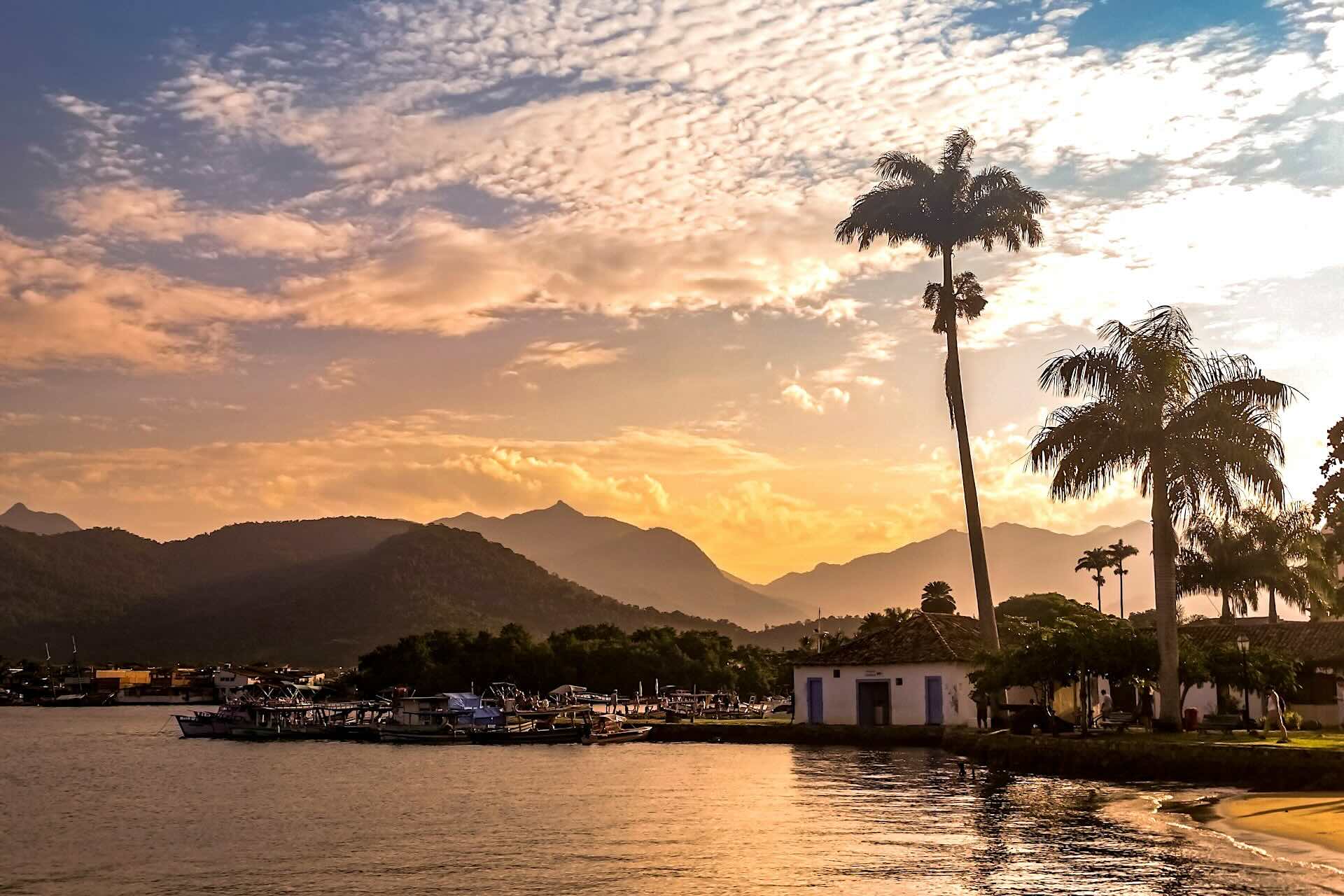
    Paraty sits along Brazil’s Costa Verde, surrounded by rainforest, mountains, and the Atlantic Ocean. The historic town features cobblestone streets, whitewashed buildings, and colorful doors preserved from the colonial era.

    Cars rarely enter the old town, which keeps noise low and walking pleasant.

    A town built for wandering

    Paraty encourages unstructured exploration. You stroll streets, pause for coffee, and watch boats drift in the harbor. The pace feels gentle and intentional.

    Rainstorms often flood streets slightly, reflecting buildings and adding to the atmosphere rather than disrupting plans.

    Culture without crowds

    Paraty hosts literary festivals, art events, and small music gatherings. These events attract thoughtful travelers rather than mass tourism.

    The town feels alive without feeling busy.

    Luang Prabang, Laos

    Spiritual rhythm defines daily life

    Luang Prabang moves according to tradition. Monks walk the streets at dawn, and temples anchor daily routines. The city rests at the confluence of rivers, reinforcing calm.

    Travelers adjust quickly to its slower tempo.

    Nature supports stillness

    Waterfalls, hills, and riverbanks surround the city. Short excursions lead to quiet nature rather than adrenaline activities.

    Time stretches comfortably here.

    Lecce, Italy

    Southern Italy without urgency

    Lecce offers Baroque architecture, local food, and warm evenings without northern Italy’s crowds. The city feels lived in rather than staged.

    Locals linger in piazzas and cafés late into the night.

    Food encourages patience

    Meals unfold slowly. Restaurants focus on seasonal ingredients and regional dishes. Dining becomes an experience rather than a task.

    This rhythm shapes the entire visit.

    Hoi An, Vietnam

    Small scale charm

    Hoi An’s historic center remains compact and walkable. Lanterns light the streets at night, creating a soft atmosphere.

    Traffic stays limited, allowing conversations and quiet moments.

    Everyday life remains visible

    Tailors work, families cook, and locals cycle past travelers. The town balances tourism with real daily routines.

    That balance supports meaningful observation.

    Kotor Bay Villages, Montenegro

    Mountains slow everything down

    Villages along Kotor Bay feel protected by mountains and water. Movement feels deliberate rather than hurried.

    Each village invites lingering rather than hopping.

    Life centers on simple pleasures

    People gather by the water, share meals, and walk slowly. There is little pressure to perform or consume.

    Time feels generous.

    Valle de Bravo, Mexico

    Nature meets community

    Valle de Bravo sits near a lake surrounded by forested hills. The town attracts artists, retirees, and travelers seeking peace.

    Weekdays feel especially calm.

    A place to stay put

    Visitors often plan short trips and stay longer. Mornings pass quietly. Afternoons fill with walks and conversations.

    Slow living becomes natural.

    Gjirokaster, Albania

    Stone streets and quiet pride

    Gjirokaster’s stone houses climb hills slowly. The town feels introspective and strong rather than flashy.

    Visitors notice how history integrates into daily life.

    Few distractions encourage presence

    There are limited attractions, which supports slow exploration. Sitting and observing becomes the activity.

    This simplicity feels refreshing.

    Why These Places Remain Underrated

    They avoid over promotion

    Many slow travel destinations resist aggressive tourism marketing. This restraint preserves character but limits visibility.

    Travelers must seek them intentionally.

    They reward patience

    These places do not impress instantly. They unfold gradually.

    That unfolding creates deeper satisfaction.

    How to Travel Slowly in These Destinations

    Stay longer than planned

    Even a few extra days change how a place feels. Familiarity builds comfort.

    Time becomes an ally.

    Limit daily goals

    Choose one activity per day. Allow space for spontaneity.

    Moments happen between plans.

    Support local routines

    Shop locally, eat where residents eat, and follow local schedules.

    Integration enhances experience.

    Who Benefits Most From Slow Travel

    Burned out travelers

    Those feeling exhausted from constant movement find renewal here.

    Rest becomes part of travel.

    Creative thinkers

    Writers, artists, and thinkers benefit from quiet and observation.

    Ideas surface naturally.

    Curious observers

    Travelers who enjoy watching daily life find endless interest.

    Details matter more than highlights.

    How Slow Travel Changes Perspective

    Slow travel reframes success. Instead of checking boxes, success becomes feeling connected. Meals taste better. Streets feel familiar. Goodbyes feel meaningful.

    Destinations like Paraty and others on this list remind travelers that doing less often gives more.

    Underrated slow travel destinations around the world offer an antidote to rushed tourism. They invite stillness, curiosity, and presence. When you slow down, places reveal themselves fully.

    Plan a trip to your next destination today at TravelPal.ai.