Tag: Southern travel

  • Savannah, Georgia Southern Streets and Timeless Squares

    Savannah, Georgia Southern Streets and Timeless Squares

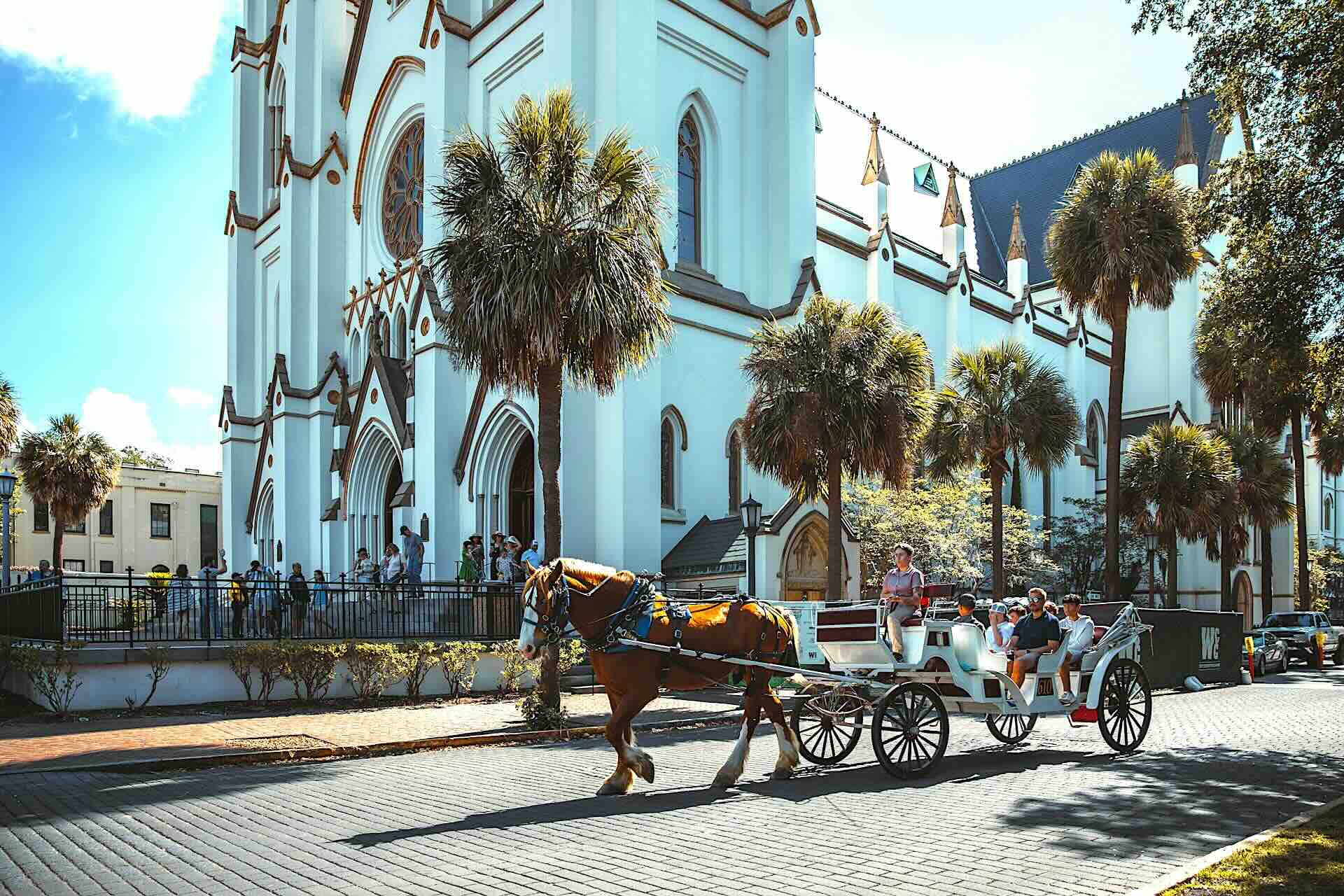
    Savannah, Georgia southern streets and timeless squares come together in a city that feels graceful, shaded, and unusually intact. From the moment you arrive, Savannah gives off a different kind of southern atmosphere, slower, softer, and more architectural than many other American cities. The oak lined streets, historic homes, quiet corners, and famous public squares create a setting that feels less like a collection of attractions and more like a complete urban mood. Savannah does not rush to impress. It lets the city reveal itself through rhythm, texture, and place.

    Why Savannah Feels So Distinct

    Some cities are memorable because they are loud or immediate. Savannah works in the opposite way. It feels settled. The beauty comes through repetition, square after square, street after street, porch after porch, until the city begins to feel almost cinematic in its consistency.

    That is what makes Savannah so satisfying. It has charm, clearly, but it also has structure. The city’s beauty is not random. It is built into the way the streets unfold, the way the trees shape the light, and the way public space anchors daily life. Travelers who care about atmosphere as much as landmarks often connect with Savannah very quickly.

    A City Built Around Squares

    Savannah’s squares are the clearest expression of its identity. They give the city its rhythm and help explain why walking here feels so different from walking in most American destinations. Instead of one central plaza or a few scattered parks, Savannah offers a repeated pattern of green space that shapes the experience block by block.

    This matters because the squares do more than make the city pretty. They create breathing room. They soften the urban environment and make the city feel more human in scale. You do not simply pass through Savannah. You pause in it. The squares encourage that kind of movement naturally.

    Southern Streets With Real Character

    The phrase southern streets fits Savannah because the city carries a kind of beauty that feels rooted in regional identity. The historic homes, iron details, shutters, porches, and tree lined avenues all contribute to a setting that feels unmistakably southern, but never cartoonish.

    What makes this especially appealing is that Savannah still feels lived in. The city does not read like a preserved backdrop alone. There is enough daily life, local movement, and ordinary use in the streets to keep the beauty from becoming too polished. That gives Savannah more credibility and more depth.

    The Power of the Trees and Light

    Savannah’s visual atmosphere depends heavily on its trees. The live oaks, the filtered light, and the long shadows across streets and squares all help create the city’s emotional tone. This is one of the reasons Savannah feels so memorable even when you are not looking at a major landmark.

    Light behaves differently here. It feels softer, more layered, and more intimate because of the canopy overhead and the city’s slower, more open layout. That gives even a short walk a stronger mood. Savannah is one of those places where the in between moments matter just as much as the named attractions.

    Historic Beauty Without Too Much Stiffness

    Savannah has a strong historic identity, but it does not feel rigid. That balance is part of its appeal. The city clearly values preservation, yet it still feels approachable. You can admire elegant architecture and then walk a few minutes into a square that feels relaxed, quiet, and almost residential in mood.

    This keeps Savannah from becoming overly formal. The city has beauty, but it also has warmth. It invites admiration without demanding distance. For travelers who like historical destinations but do not want them to feel museum like, Savannah can be especially rewarding.

    A City Made for Walking Slowly

    Savannah is best experienced on foot, and not in a rushed way. This is not a place that demands a packed checklist. It rewards slower walking, repeated routes, and attention to details that might feel secondary in a faster city. A corner house, a shaded bench, a church facade, or a quiet square can all leave a strong impression.

    That slower pace is part of what makes Savannah so appealing. The city does not need to overwhelm you with volume. It works through consistency and mood. The best trips here often involve less doing and more absorbing.

    The Historic District and Everyday Atmosphere

    Savannah’s historic district gives the city much of its visual identity, but the real success of the district is that it still feels like a city rather than a shell. Streets are beautiful, yes, but they also remain part of daily life. That keeps the city grounded.

    This is important because some historic districts feel too edited. Savannah avoids that. It feels elegant, but still breathable. There is enough space, enough softness, and enough ordinary movement to make the city feel real. That is one reason it stays with people long after the trip ends.

    Southern Food and the Pleasure of Lingering

    Savannah also works well because its food culture fits the city’s pace. Meals here can feel like an extension of the place itself, generous, social, and tied to the pleasure of taking your time. Outdoor dining, long lunches, and evening meals in historic spaces all make sense in this setting.

    The city rewards lingering. Coffee in the morning, a slow lunch, and a late afternoon walk through the squares can feel like a complete day. Savannah is not trying to outpace you. It is trying to pull you into its rhythm, and that rhythm is one of its greatest assets.

    More Than Just Pretty

    It would be easy to reduce Savannah to beauty alone, but that would undersell it. The city has a real sense of urban design, historical continuity, and regional identity that gives the experience more depth. It is not only charming. It is also coherent.

    That coherence is what separates Savannah from cities that photograph well but do not hold attention. The streets, squares, architecture, and atmosphere all reinforce one another. The city feels thought through, even when experienced casually.

    When Savannah Feels Best

    Savannah works especially well when the weather supports walking and time outdoors, since so much of its appeal comes through the squares, streets, and slower transitions between places. In these conditions, the shade, light, and rhythm of the city become even more enjoyable.

    At the same time, Savannah’s appeal is not only seasonal. Its deeper strength lies in its urban form and emotional tone. The city still carries itself well even when the weather shifts. The mood changes, but the character remains.

    Who Savannah Is Best For

    Savannah suits travelers who appreciate walkability, history, atmosphere, and cities that feel emotionally distinct. It works especially well for couples, solo travelers, and culturally curious visitors who want a destination with beauty, but not one that feels overly staged or exhausting.

    It is also a strong fit for travelers who care about how a place feels hour to hour. Savannah is less about nonstop spectacle and more about sustained tone. For the right traveler, that can be much more memorable.

    The Lasting Appeal of Savannah

    Savannah stays with people because it feels complete. The squares give it structure. The streets give it softness. The architecture gives it elegance. The trees give it mood. Very few American cities hold those qualities together so naturally.

    That is what makes Savannah more than simply a pretty southern destination. It feels like a city where urban design, history, and atmosphere continue to support one another in everyday life. For travelers who want beauty, calm, and a place with real character, Savannah remains one of the most rewarding city escapes in the American South.
    Plan a trip to Savannah today.

  • What Makes New Orleans Feel Unlike Anywhere Else in the US

    What Makes New Orleans Feel Unlike Anywhere Else in the US

    New Orleans has a way of defying expectations, and what makes New Orleans feel unlike anywhere else in the US becomes clear the moment you arrive. This is not a city that fits neatly into American travel categories. It does not feel fully Southern, fully coastal, or fully urban in the way other US cities do. Instead, New Orleans exists in its own cultural lane, shaped by history, music, food, and a deep sense of place that resists comparison.

    For travelers who value culture over polish and experience over efficiency, New Orleans feels singular. It invites you to slow down, listen closely, and participate rather than observe.

    A City Shaped by Cultural Blending

    New Orleans was built at the crossroads of cultures, and that blending defines everything about it. French, Spanish, African, Caribbean, and American influences are not historical footnotes here. They remain active forces in daily life.

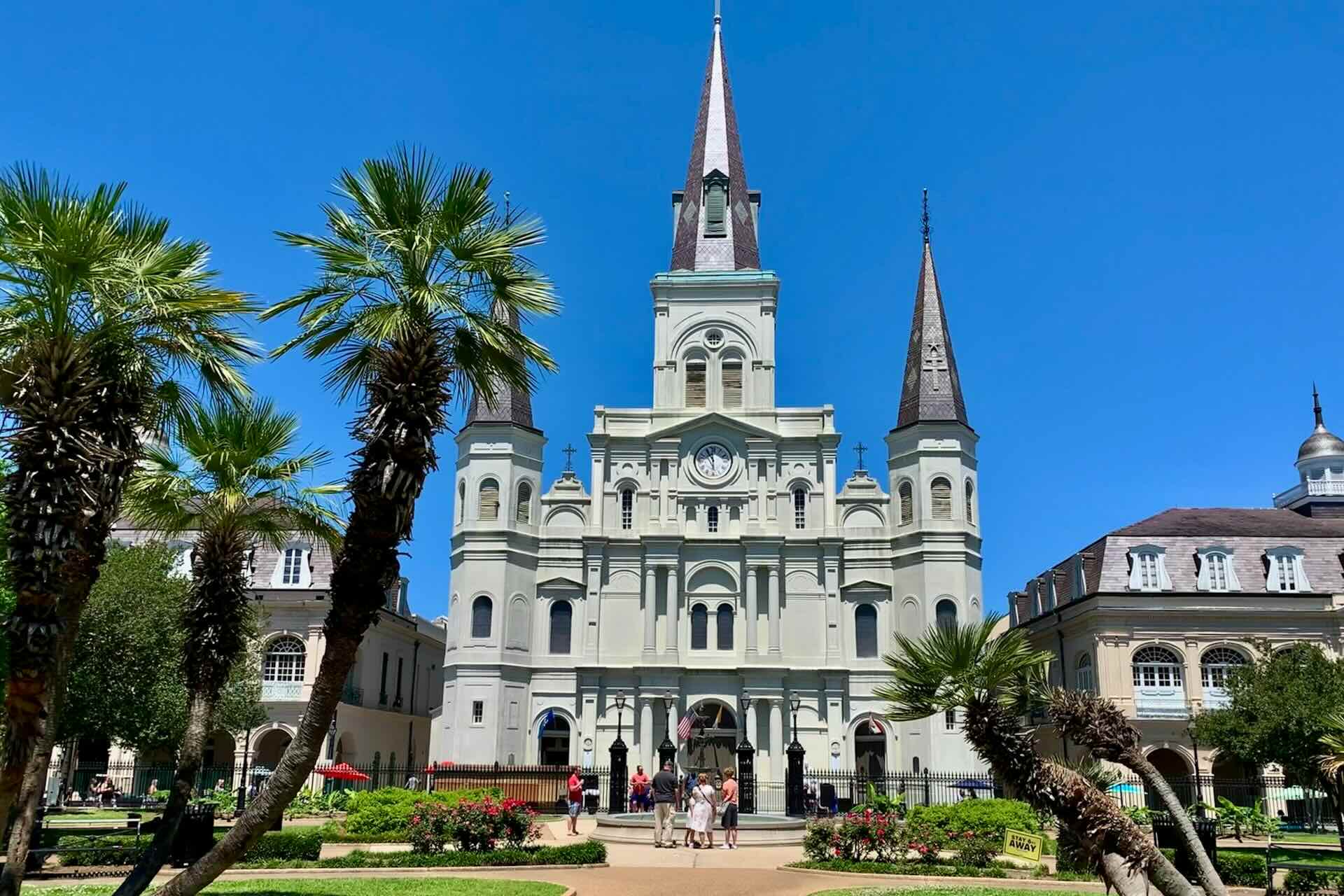
    You see this in architecture, where balconies and courtyards reflect European design adapted to a humid climate. Also, you hear it in language, accents, and expressions that feel distinct even within Louisiana.

    You feel it most clearly in how traditions are preserved and practiced. Culture in New Orleans is not curated for visitors. It is lived openly, passed down through families, neighborhoods, and rituals that continue regardless of who is watching.

    Music as a Living Presence

    Music is not entertainment in New Orleans. It is infrastructure. It shapes how people gather, celebrate, and mourn.

    Jazz is the most famous sound, but it is only one part of a much broader musical ecosystem. Brass bands, blues, funk, soul, and bounce music spill into streets, clubs, and neighborhood gatherings.

    Live music is accessible and frequent. You do not need tickets or formal venues to experience it. You might hear a band practicing behind a bar, playing at a street corner, or leading a parade through a neighborhood.

    Music connects people here. It turns public space into shared experience. That constant presence of sound gives the city a pulse that never fully quiets.

    Food That Tells a Story

    Food in New Orleans carries history in every bite. Dishes are tied to place, season, and community rather than trends.

    Creole and Cajun traditions shape the city’s culinary identity, but like the city itself, the food reflects blending and adaptation. Recipes evolved based on available ingredients, cultural exchange, and necessity.

    Meals feel social and expressive. Eating is rarely rushed. Conversations linger. Food is used to mark time, memory, and belonging.

    Markets, neighborhood restaurants, and casual spots often reveal more about the city than upscale dining. The best meals frequently come with stories, not explanations.

    Neighborhoods With Strong Identities

    New Orleans feels like a collection of neighborhoods rather than a single unified city. Each area carries its own rhythm and personality.

    The French Quarter is historic and atmospheric, but it is only one part of the city’s story. Beyond it, neighborhoods feel deeply residential and proudly local.

    The Marigny and Bywater feel artistic and expressive. You notice color, creativity, and a sense of individuality in homes and public spaces.

    Uptown feels shaded and relaxed, with tree lined streets and a slower pace. It offers a glimpse into everyday life beyond tourism.

    Tremé holds deep cultural significance, especially in music and Black history. It is a place where tradition remains central to identity.

    Spending time across neighborhoods helps you understand how layered and localized the city really is.

    A Different Relationship With Time

    New Orleans does not prioritize efficiency. It prioritizes presence.

    Schedules feel flexible. Conversations take precedence over punctuality. Moments unfold rather than progress.

    This relationship with time shapes how visitors experience the city. You learn quickly that rigid plans often fall apart, and that is part of the appeal.

    Parades, second lines, and spontaneous gatherings can interrupt a day. Instead of feeling disruptive, they often become highlights.

    New Orleans encourages you to adapt rather than control. That mindset shift is one reason the city feels transformative for many travelers.

    Celebration and Ritual as Daily Life

    Celebration in New Orleans is not limited to holidays. It is woven into everyday existence.

    Second lines, festivals, and neighborhood gatherings happen regularly. These events are not performances. They are expressions of community.

    Rituals around music, food, and movement connect people across generations. Participation matters more than observation.

    Even difficult moments are marked with ceremony. Funerals become processions. Grief and joy coexist openly.

    This openness around emotion and expression sets New Orleans apart from cities that compartmentalize experience.

    Architecture That Reflects Adaptation

    Buildings in New Orleans tell stories of adaptation. Raised homes, wide porches, courtyards, and shutters respond to climate and history.

    Nothing feels overly uniform. Wear, repair, and reinvention are visible and accepted.

    Rather than erasing age, the city embraces it. Patina is part of beauty here.

    This approach shapes how the city feels visually and emotionally. You sense continuity rather than constant replacement.

    A City That Welcomes Imperfection

    New Orleans does not present itself as flawless. It shows its cracks, scars, and contradictions openly.

    Infrastructure can feel uneven. Systems may not work as expected. Yet community fills the gaps.

    This acceptance of imperfection creates authenticity. The city feels human rather than managed.

    Visitors who expect polish may feel challenged. Those who value depth often feel at home.

    Why New Orleans Resonates Right Now

    In a time when many cities feel interchangeable, New Orleans stands firm in its identity. It does not dilute itself to appeal broadly.

    For travelers seeking meaning, connection, and originality, this matters.

    New Orleans offers experiences that cannot be replicated elsewhere in the US. It asks you to listen, taste, and feel rather than consume.

    That invitation feels especially relevant now.

    Planning a Trip That Honors the City

    To experience New Orleans fully, allow room for spontaneity. Choose a few anchor experiences, then let the rest unfold.

    Balance music, food, and wandering. Spend time sitting and observing. Talk to people.

    Do not try to see everything. Focus on how things feel.

    This approach aligns with the city’s rhythm and reveals its deeper character.

    Why No Other US City Feels Quite Like It

    What makes New Orleans feel unlike anywhere else in the US is not one thing. It is the combination of history, culture, music, food, and a distinctive approach to life.

    The city does not separate past from present or celebration from struggle. It holds everything together at once.

    You leave with more than memories. You leave with perspective.

    That is why New Orleans stays with you long after you go.

    Plan a trip to New Orleans today.