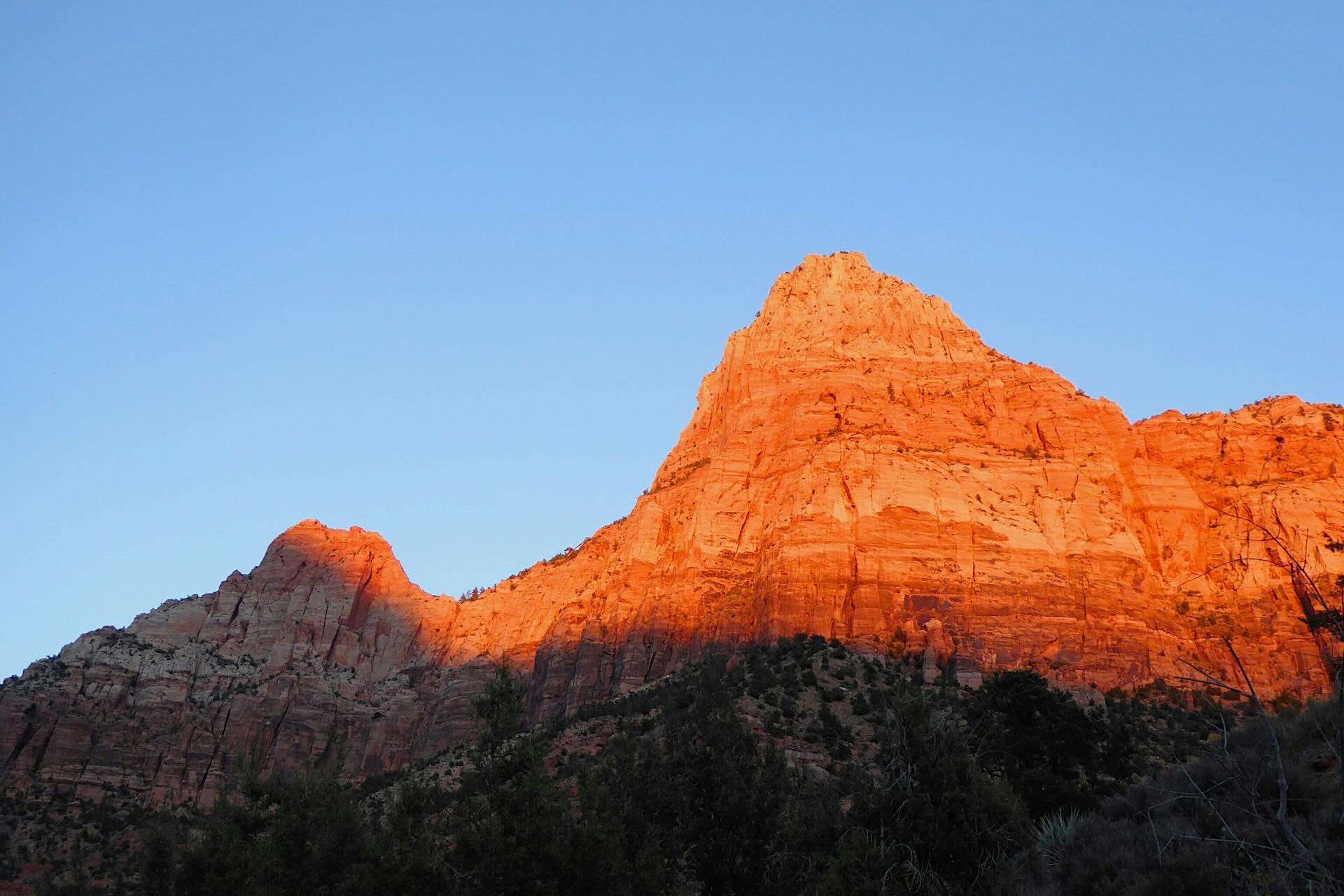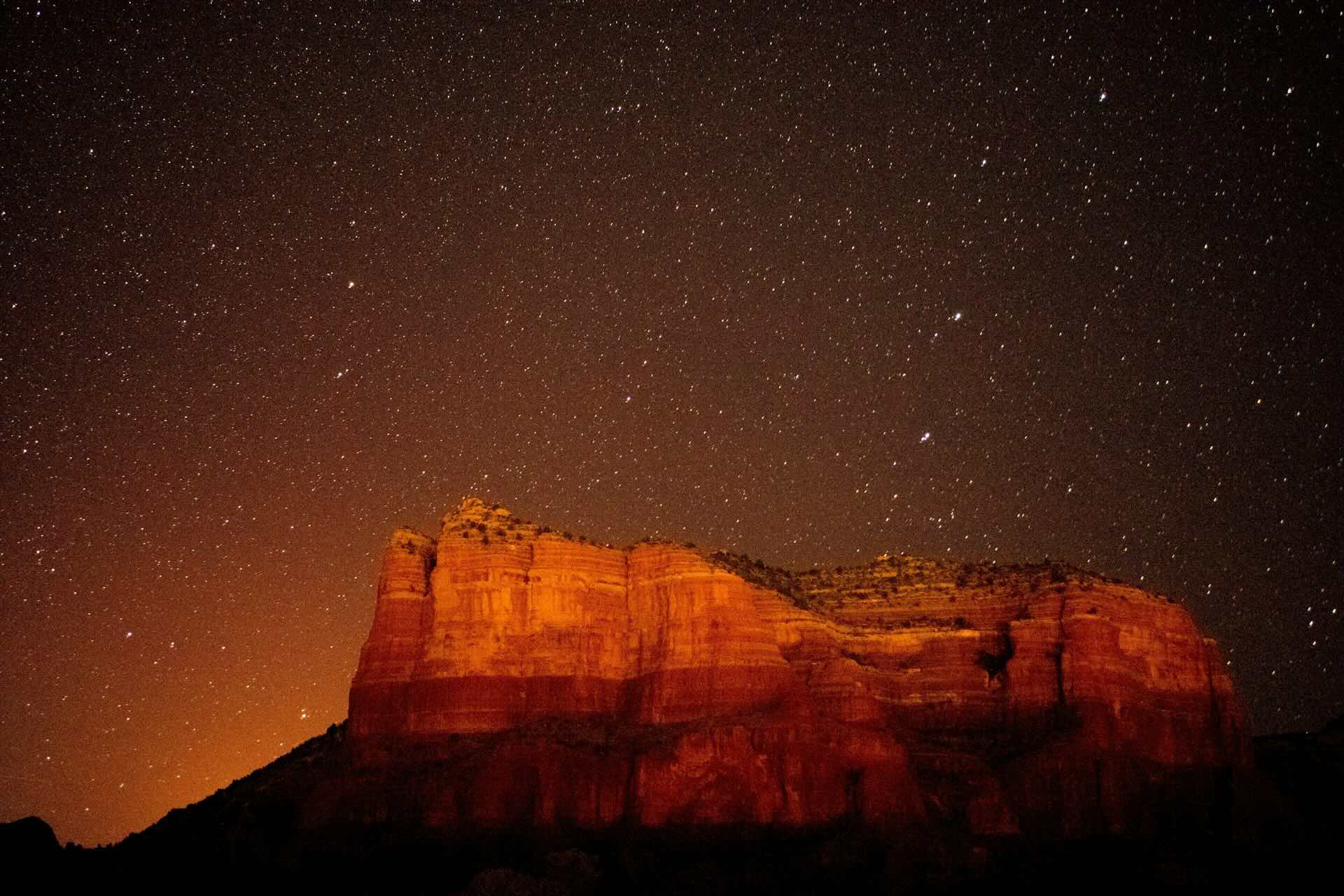
Sedona, Arizona red rocks and desert calm come together in a place that feels spacious, striking, and emotionally quiet in a way few destinations do. The first impression is visual, towering red formations, open desert light, and a landscape that seems to shift color as the day moves. But Sedona’s appeal goes beyond scenery. It is also about pace, air, silence, and the feeling that the environment itself is asking you to slow down. Sedona is beautiful, clearly, but its deeper power comes from how it changes your rhythm once you are there.
Why Sedona Feels So Distinct
Some destinations are memorable because they overwhelm you with activity. Sedona works differently. It feels calm, but not empty. The landscape is dramatic, but the mood is quiet. That combination is what makes the place so effective. The city itself remains relatively small in feel, while the natural setting gives it scale far beyond its size.
This matters because Sedona does not force a single kind of trip. It can feel active, restorative, scenic, spiritual, or simply beautiful, depending on how you move through it. Travelers who want a destination with strong visual identity and a more grounded pace often connect with Sedona very quickly.
The Red Rocks Do Most of the Talking
Sedona’s red rock formations are the center of the experience. They shape the skyline, the roads, the trails, and the emotional tone of the place. These are not distant mountain views you admire once and forget. They stay with you constantly, changing with the sun and making even a short drive or walk feel cinematic.
What makes the red rocks so powerful is not only their size. It is their presence. They make Sedona feel elemental. The landscape carries a kind of stillness and force at the same time, and that gives the destination more depth than a simple scenic stop. Sedona feels shaped by the rocks in every sense.
Desert Calm as a Real Travel Experience
The phrase desert calm fits Sedona because the place genuinely affects pace and mood. The air feels drier, the light feels cleaner, and the overall atmosphere encourages a different kind of attention. This is not the kind of destination that works best when rushed.
That calm is one of Sedona’s greatest strengths. It allows the trip to feel restorative without becoming dull. Even active travelers often find themselves slowing down here, not because there is nothing to do, but because the environment makes doing less feel more satisfying. Sedona rewards stillness in a way many destinations cannot.
A Landscape Made for Looking Out
One of Sedona’s main pleasures is how often it invites you to stop and look outward. Roads, overlooks, trails, and even casual parking areas can open into broad views of red rock formations and desert space. The scenery does not feel locked away in one national park entrance or one official viewpoint. It is woven into the region.
That gives Sedona a different kind of visual generosity. You do not have to earn every beautiful moment through a difficult hike. The landscape offers itself often, which helps make the entire stay feel more immersive. The views become part of the rhythm of the trip.
Trails, Movement, and Outdoor Life
Sedona is also deeply tied to outdoor activity. Hiking is one of the clearest ways to experience the landscape, and the trail culture adds another layer to the city’s identity. Outdoor life here feels central, not secondary. The environment encourages movement, but the movement tends to feel integrated with the place rather than separate from it.
This is one reason Sedona appeals to a wide range of travelers. You do not need to be an extreme adventurer to enjoy the outdoors here. A shorter trail, a scenic walk, or even a slow drive through the landscape can still feel meaningful. Sedona makes outdoor experience feel accessible without flattening the grandeur of the setting.
More Than a Scenic Stop
It would be easy to reduce Sedona to red rocks and viewpoints, but that would miss what gives the destination its staying power. Sedona also has a particular atmosphere, one that blends nature, wellness, art, and a quieter kind of tourism. The town itself supports the landscape rather than competing with it.
That balance matters. Sedona does not feel like a place that only works in photographs. It feels like a destination people actually use to reset, reflect, and spend time differently. That gives it more emotional depth than some equally scenic places.
Light, Color, and the Feeling of Time Slowing Down
Sedona changes throughout the day in ways that make time feel more visible. Morning light can make the landscape feel soft and open. Midday sharpens the reds and the edges. Late afternoon and sunset often bring the kind of glow that makes the whole place seem more vivid and more still at the same time.
This changing light is part of what makes Sedona so memorable. It rewards repeat views. The same rock formation can feel different in the morning and in the evening. That helps turn the destination into an experience of observation, not just movement.
A Strong Wellness and Reflective Side
Sedona is also known for a more reflective and wellness oriented identity, and whether or not a traveler comes specifically for that reason, the atmosphere supports it. The destination naturally lends itself to slower mornings, restorative afternoons, and trips built around feeling better rather than doing more.
This does not mean the place feels overly serious or self important. In its best form, Sedona’s reflective side simply adds to the sense that the destination is about more than activity. It gives travelers permission to let the trip be quieter, and for many people that becomes one of the main reasons the place feels so valuable.
The Town and the Landscape Stay Connected
One of Sedona’s strongest qualities is that the developed parts of town still feel tied to the land around them. Shops, cafés, hotels, and roads all sit within the larger visual experience of the desert and rock formations. That keeps the destination from feeling split into separate zones of nature and commerce.
This is important because it gives the whole place coherence. Even when you are not on a trail, Sedona still feels like Sedona. The setting remains visible, and the town remains secondary to the landscape in a way that works strongly in its favor.
When Sedona Feels Best
Sedona can be rewarding in several seasons, but it is especially appealing when the weather supports time outdoors and longer stretches spent moving between viewpoints, walks, and open air meals. In these conditions, the relationship between red rocks, sky, and desert light becomes even more vivid.
Still, Sedona’s deeper appeal is not limited to one perfect moment on the calendar. Its strength comes from landscape, mood, and the way it affects pace. Those qualities remain strong even when the exact feel of the trip changes with the season.
Who Sedona Is Best For
Sedona suits travelers who appreciate scenery, slower travel, and destinations that feel emotionally distinct. It works especially well for couples, solo travelers, wellness minded travelers, and anyone who wants nature without sacrificing comfort. It is also a strong fit for people who like outdoor access but do not want the trip to feel overly rugged.
This is not a destination built around nonstop urban stimulation. It is built around atmosphere, landscape, and the feeling of being slightly removed from ordinary pace. For the right traveler, that is exactly the point.
The Lasting Appeal of Sedona
Sedona stays with people because it feels balanced in a rare way. The red rocks give it visual power. The desert gives it calm. The trails give it purpose. The town gives it enough comfort to make the whole experience easy to settle into. Nothing feels disconnected from the landscape.
That is what makes Sedona more than simply a beautiful part of Arizona. It feels like a place where nature, light, and pace all work together to create a deeper kind of travel experience. For travelers who want scenery with emotional presence and a destination that encourages real exhale, Sedona remains one of the most rewarding escapes in the American Southwest.