Tag: Spanish city breaks

  • Toledo, Spain Stone Streets and Imperial Layers

    Toledo, Spain Stone Streets and Imperial Layers

    Toledo, Spain stone streets and imperial layers come together in a city that feels ancient, dramatic, and deeply textured. Set above the Tagus River, Toledo is one of Spain’s most atmospheric historic cities, known for its winding lanes, fortress views, religious heritage, old walls, artisan traditions, and powerful mix of Christian, Jewish, and Islamic influence.

    Why Toledo Feels So Distinct

    Toledo stands out because history feels dense and visible. The city does not spread out gently. It rises above the river in a compact maze of steep streets, stone buildings, churches, synagogues, mosques, gates, and viewpoints.

    This gives Toledo immediate force. A walk through the old city feels layered, uneven, and memorable. It is not a polished modern capital. It is a place where centuries still press closely into the streets.

    Stone Streets Shape the Experience

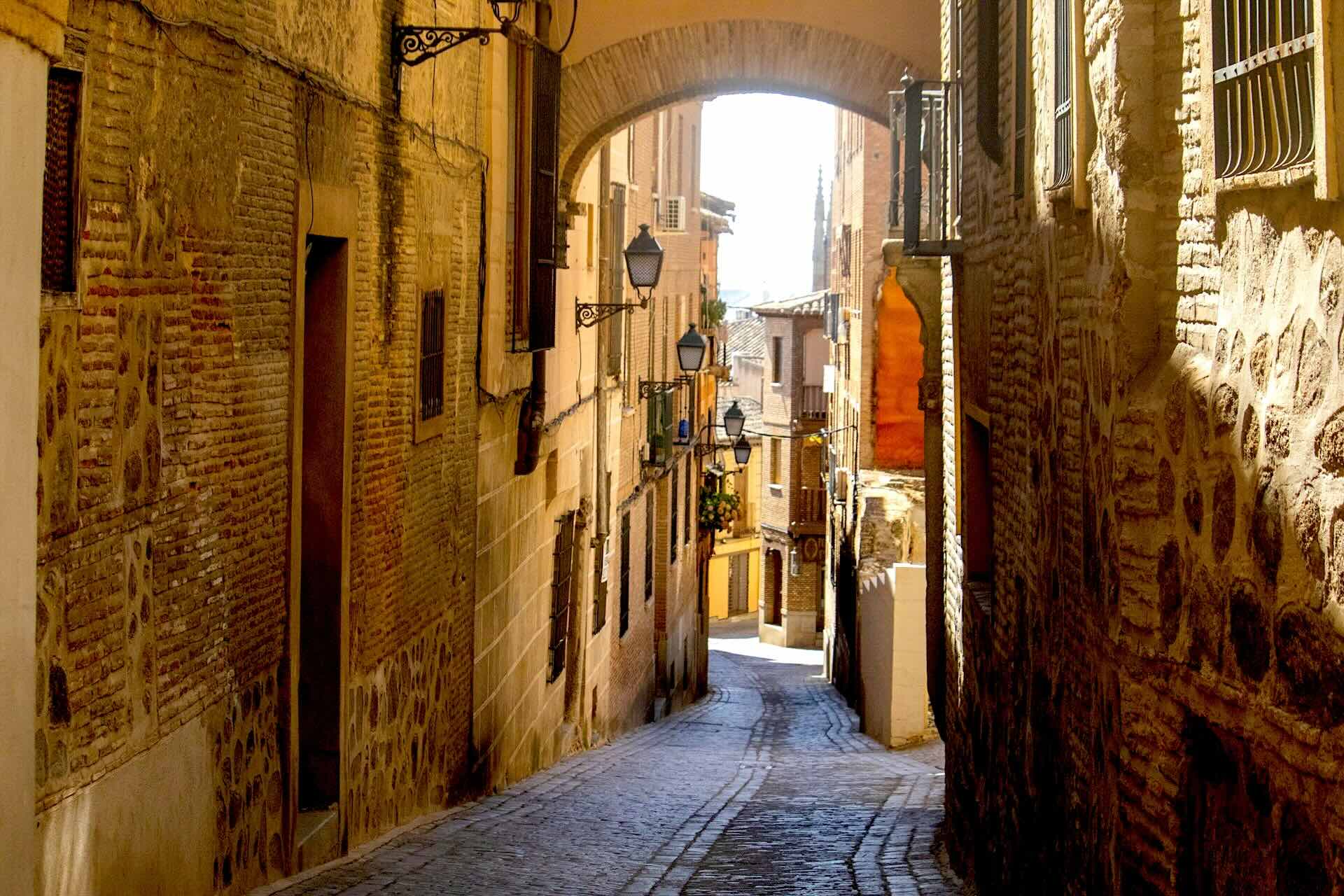
    The phrase stone streets fits Toledo because the walking experience defines the city. Narrow lanes, steps, walls, arches, courtyards, and small plazas create a strong sense of enclosure. The city feels carved from stone and time.

    These streets reward slow movement. Toledo is not best understood by rushing from monument to monument. Its atmosphere builds through turns, shadows, doorways, views, and the texture of old stone underfoot.

    Imperial Layers Define the Mood

    Toledo’s imperial layers come from its long role in Spanish history. The city has been shaped by Roman, Visigothic, Islamic, Jewish, Christian, and royal influence. That mix gives Toledo a depth that feels larger than its physical size.

    This layered identity is central to the city’s appeal. Toledo does not tell one simple story. It shows how cultures, faiths, kingdoms, crafts, and power shaped the city across many centuries.

    The Cathedral Adds Grandeur

    Toledo Cathedral gives the city one of its strongest architectural anchors. Its scale, Gothic detail, chapels, art, and central position create a powerful sense of religious and civic importance.

    The cathedral matters because it reflects Toledo’s historic weight. It is not only a major landmark. It is a reminder that the city once stood near the center of Spanish power, faith, and cultural influence.

    The Alcázar Adds Strength and Scale

    The Alcázar rises above Toledo with a strong fortress presence. Its position gives the city a sense of authority and helps shape the skyline. From many angles, Toledo feels like a fortified city built to command the surrounding landscape.

    This monument adds visual strength. It balances the tightness of the old streets with a larger sense of military, royal, and political history.

    Jewish, Christian, and Islamic Heritage

    Toledo is often remembered for its interwoven religious heritage. Synagogues, churches, former mosques, decorative details, and historic neighborhoods show how different traditions shaped the city’s identity.

    This heritage gives Toledo more than beauty. It gives the city meaning. Travelers can see how architecture, art, language, and scholarship moved through different communities and left marks that still remain.

    Viewpoints Over the Tagus River

    Toledo’s setting above the Tagus River gives the city dramatic perspective. From outside the old walls, the city appears as a dense historic mass rising above the curve of the river. From inside, sudden viewpoints open toward water, hills, bridges, and sky.

    These views are essential to understanding Toledo. They show the city as both fortress and cultural center, protected by landscape and shaped by elevation.

    Artisan Traditions Add Local Character

    Toledo has long been associated with craft, metalwork, swords, ceramics, damascene work, and handmade goods. These traditions give the city a tactile identity that connects visitors to skill, material, and history.

    This artisan side matters because Toledo’s past is not only architectural. It is also practical and material. The city’s reputation was built through hands, workshops, tools, and techniques as much as through monuments.

    A Walkable City With Steep Rewards

    Toledo is compact, but its hills and stone lanes make walking feel physical. That is part of the experience. The city asks travelers to climb, pause, turn, and look back.

    This pace suits Toledo well. A good visit should include time for wandering, viewpoints, churches, small museums, cafés, and quiet lanes away from the busiest paths. The city reveals itself through effort and patience.

    More Than a Day Trip

    Toledo is often visited as a day trip from Madrid, but it deserves more time. Day visitors can see major landmarks, but overnight guests experience a quieter city after crowds leave.

    Evening light, empty lanes, softly lit monuments, and early morning views make Toledo feel more personal. Staying longer helps travelers move beyond the checklist and into the city’s atmosphere.

    Who Toledo Is Best For

    Toledo is best for travelers who enjoy historic cities, stone streets, religious heritage, architecture, viewpoints, art, and slower cultural travel. It works well for couples, solo travelers, families, photographers, and anyone interested in Spain’s layered past.

    This is not a city built around modern ease. Toledo works through density, history, stone, and drama. That makes it especially rewarding for travelers who like places with weight and character.

    The Lasting Appeal of Toledo

    Toledo stays memorable because it feels compact, powerful, and deeply layered. The stone streets give it texture. The imperial layers give it depth. The cathedral, Alcázar, river views, religious heritage, artisan traditions, and winding lanes give the city its lasting character.

    For travelers who want a Spanish city with historic force, architectural drama, and a strong sense of the past, Toledo is a strong choice. It proves that some destinations feel most compelling when every street seems to hold another century.
  • Córdoba, Spain Courtyards, Arches, and Quiet Splendor

    Córdoba, Spain Courtyards, Arches, and Quiet Splendor

    Córdoba, Spain courtyards, arches, and quiet splendor come together in a city that feels layered, graceful, and deeply atmospheric. Córdoba has major historic importance, but it often feels softer and more intimate than Spain’s larger destinations. Its appeal comes through shaded lanes, flower filled patios, Moorish arches, old stone, whitewashed walls, river views, and a calm Andalusian rhythm that rewards slow walking.

    Why Córdoba Feels So Distinct

    Córdoba stands out because it carries enormous history in a compact, walkable setting. The city has Roman, Islamic, Jewish, and Christian layers, but those layers do not feel distant. They appear in streets, courtyards, walls, bridges, churches, and quiet corners throughout the old city.

    That gives Córdoba unusual depth. Travelers do not need to chase constant movement here. The city works best when explored slowly, with time to notice shade, texture, light, and silence.

    Courtyards Shape the City’s Beauty

    The phrase courtyards belongs naturally to Córdoba. Patios are one of the city’s most memorable features. These spaces bring flowers, tiles, fountains, plants, and cool air into the heart of historic homes and buildings.

    The courtyards matter because they show how Córdoba handles heat, beauty, and private life. They are practical, intimate, and decorative at the same time. They make the city feel softer behind its white walls and narrow streets.

    Arches Give Córdoba Its Identity

    Córdoba’s arches give the city some of its most powerful visual moments. Repeating shapes, striped patterns, stone columns, and layered perspectives create a sense of rhythm and depth. The architecture feels both precise and emotional.

    These arches are central to the city’s atmosphere. They make Córdoba feel connected to a long history of Islamic art, worship, craftsmanship, and design. Few cities use architectural repetition with such memorable effect.

    Quiet Splendor Defines the Mood

    Córdoba has splendor, but it is often quiet. The city does not need constant drama to make an impression. Its beauty comes through filtered light, courtyards, old walls, small plazas, and the feeling of history held in calm spaces.

    This quiet quality is one of Córdoba’s greatest strengths. It gives travelers room to absorb the city rather than simply photograph it. Córdoba feels reflective, warm, and deeply human.

    The Mezquita Adds Historic Power

    The Mezquita is Córdoba’s defining landmark and one of Spain’s most extraordinary historic spaces. Its columns, arches, scale, and layered religious history give the city immense cultural weight. It is both architectural and emotional.

    This landmark gives Córdoba more than beauty. It gives the city a powerful center of meaning. Travelers can understand much of Córdoba’s identity through this one space, though the city rewards exploration far beyond it.

    Whitewashed Streets and Andalusian Light

    Córdoba’s old streets have a strong Andalusian character. Whitewashed walls, narrow lanes, iron balconies, tiled details, and shaded passages all shape the walking experience. The light can be strong, but the streets soften it.

    This creates a beautiful contrast. Córdoba feels bright and cool at the same time. The city’s design responds to climate, and that makes its beauty feel practical rather than artificial.

    Plazas, Cafés, and Slow Movement

    Córdoba’s plazas give travelers places to pause between historic streets. Cafés, trees, fountains, and small squares bring daily life into the old city. These spaces help balance the intensity of the city’s major monuments.

    This slower rhythm is essential to enjoying Córdoba. A good visit should leave time for sitting, eating, wandering, and returning to the same streets at different hours. The city’s charm grows with repetition.

    The Roman Bridge and River Views

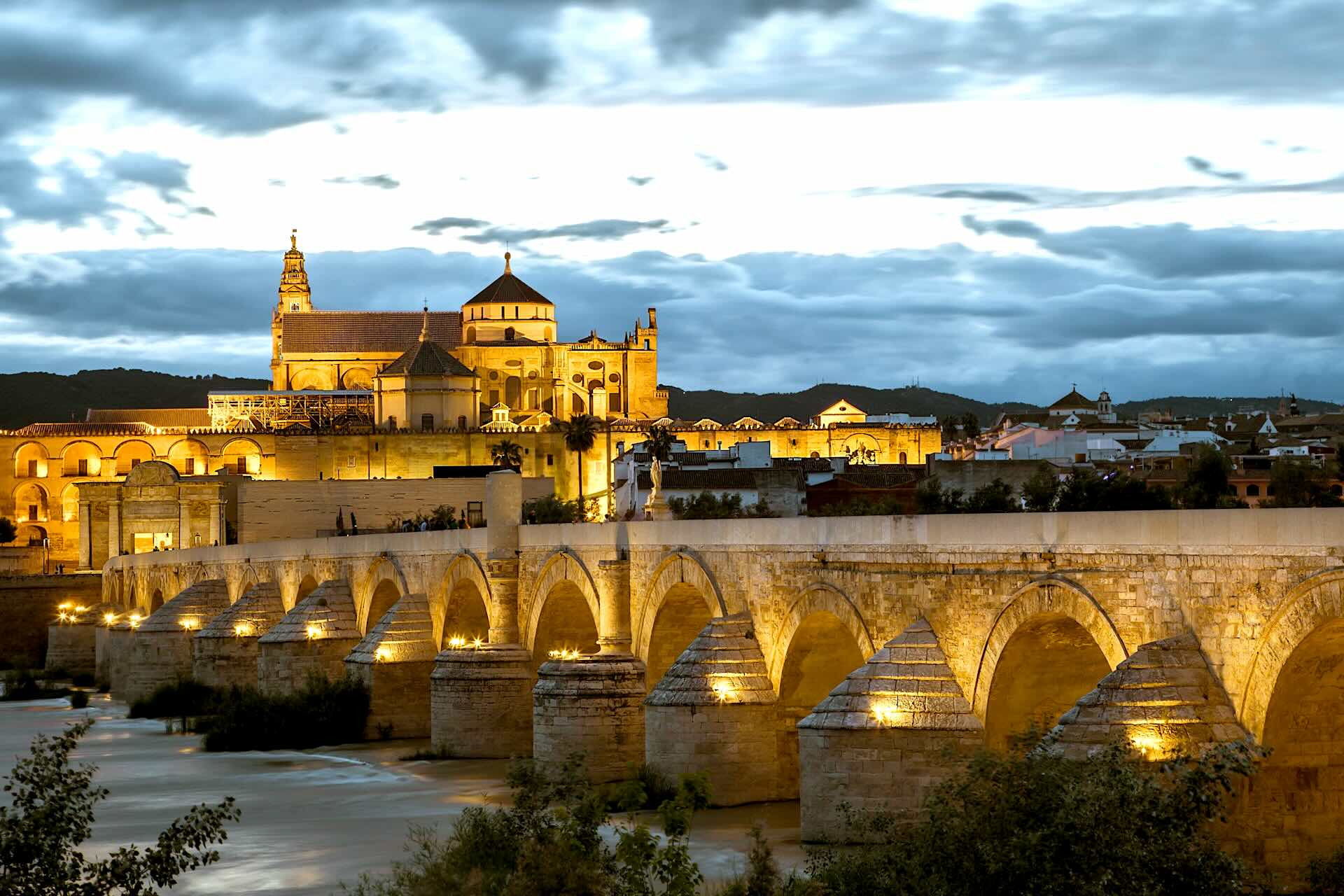
    The Guadalquivir River adds openness to Córdoba’s historic center. The Roman Bridge gives the city one of its most recognizable views and connects the old streets to a broader sense of landscape and history.

    This river setting matters because it gives Córdoba perspective. After walking through narrow lanes and enclosed courtyards, the river opens the city outward. It adds air, light, and a memorable approach to the old town.

    Food and Southern Spanish Warmth

    Córdoba’s food culture adds another layer to the experience. Andalusian dishes, tapas, olive oil, cold soups, grilled meats, local wines, and courtyard restaurants all help define the city’s warmth. Food here feels tied to climate and tradition.

    This makes Córdoba especially satisfying for travelers who enjoy slow meals. Eating is not separate from the city’s atmosphere. It is part of how Córdoba expresses comfort, hospitality, and regional identity.

    More Than a Day Trip

    Córdoba is often visited quickly, but it deserves more time. A short stay can show the Mezquita and major streets, but a slower visit reveals the city’s softer side. Evenings, courtyards, quiet lanes, and less crowded plazas make Córdoba feel more personal.

    Staying longer also helps travelers avoid reducing the city to one landmark. Córdoba’s true appeal is the way its history, architecture, food, and daily rhythm work together.

    Who Córdoba Is Best For

    Córdoba is best for travelers who enjoy historic cities, Islamic architecture, courtyards, old streets, food, and slow Andalusian travel. It works well for couples, solo travelers, culture focused visitors, and anyone exploring southern Spain beyond the most obvious routes.

    This is not a city that depends on noise or speed. Córdoba works through shade, detail, history, and quiet beauty. That makes it especially rewarding for thoughtful travel.

    The Lasting Appeal of Córdoba

    Córdoba stays memorable because it feels both grand and intimate. The courtyards give it softness. The arches give it rhythm. The quiet splendor gives it depth. The old streets, river, food, and Andalusian light give the city its lasting character.

    For travelers who want a Spanish city shaped by history, beauty, and calm, Córdoba is a strong choice. It proves that some destinations feel most powerful when they speak quietly.

    Plan a trip to Córdoba today.

  • Cádiz, Spain Atlantic Wind and Old World Charm

    Cádiz, Spain Atlantic Wind and Old World Charm

    Cádiz, Spain Atlantic wind and old world charm come together in a city that feels bright, salty, historic, and deeply lived in. Cádiz does not have the heavy grandeur of Spain’s larger cities. Its appeal comes through sea air, narrow streets, old fortifications, tiled courtyards, lively plazas, seafood, beaches, and a coastal rhythm shaped by the Atlantic.

    Why Cádiz Feels So Distinct

    Cádiz stands out because it feels surrounded by light and water. The city sits on a narrow coastal setting, which gives almost every walk a sense of sea nearby. Streets feel compact, but the Atlantic keeps the city open.

    That contrast gives Cádiz its character. It feels old and intimate, but never closed in. Travelers can move from shaded lanes to wide ocean views in minutes, which makes the city feel both historic and refreshing.

    Atlantic Wind Shapes the Mood

    The phrase Atlantic wind fits Cádiz perfectly. The breeze is part of the city’s identity. It moves through streets, across beaches, over sea walls, and into open squares. It gives Cádiz a constant feeling of motion.

    This wind also changes the travel experience. Cádiz does not feel still or overly polished. It feels natural, coastal, and alive. The weather, light, and sea air are as important as the buildings.

    Old World Charm in the Historic Center

    Cádiz has one of Spain’s most atmospheric historic centers. Narrow streets, weathered facades, small balconies, tiled entries, and hidden courtyards give the city a strong old world feeling. The beauty is not always grand. Often, it is quiet and worn in the best way.

    This charm feels authentic because Cádiz still feels local. The historic center is not only a visitor district. It is a place of homes, shops, markets, cafés, churches, and everyday routines.

    Plazas Give Cádiz Its Social Life

    Cádiz’s plazas are central to its appeal. They bring light, movement, shade, and conversation into the city’s tight street pattern. A simple walk often opens suddenly into a square filled with cafés, trees, families, and local life.

    These plazas make Cádiz feel warm and approachable. They give travelers places to pause, eat, drink, and watch the city move around them. The best Cádiz experiences often happen slowly in these public spaces.

    Beaches Within the City

    Cádiz has a rare advantage. It combines a historic urban core with beaches close enough to shape daily life. Travelers can explore old streets, then walk toward sand, surf, and open Atlantic views without leaving the city’s rhythm.

    This beach access gives Cádiz a lighter mood than many historic destinations. It is not only a city for museums, churches, and architecture. It is also a place for swimming, walking the shore, and watching the sun drop over the water.

    Seafood and Market Culture

    Seafood is essential to the Cádiz experience. Fish, shrimp, tuna, fried seafood, market stalls, tapas bars, and casual restaurants all connect the city to the Atlantic. The food feels direct, local, and tied to place.

    This culinary identity gives Cádiz more depth. Eating here does not feel separate from sightseeing. It becomes one of the clearest ways to understand the city’s coastal character.

    Fortifications and Sea Views

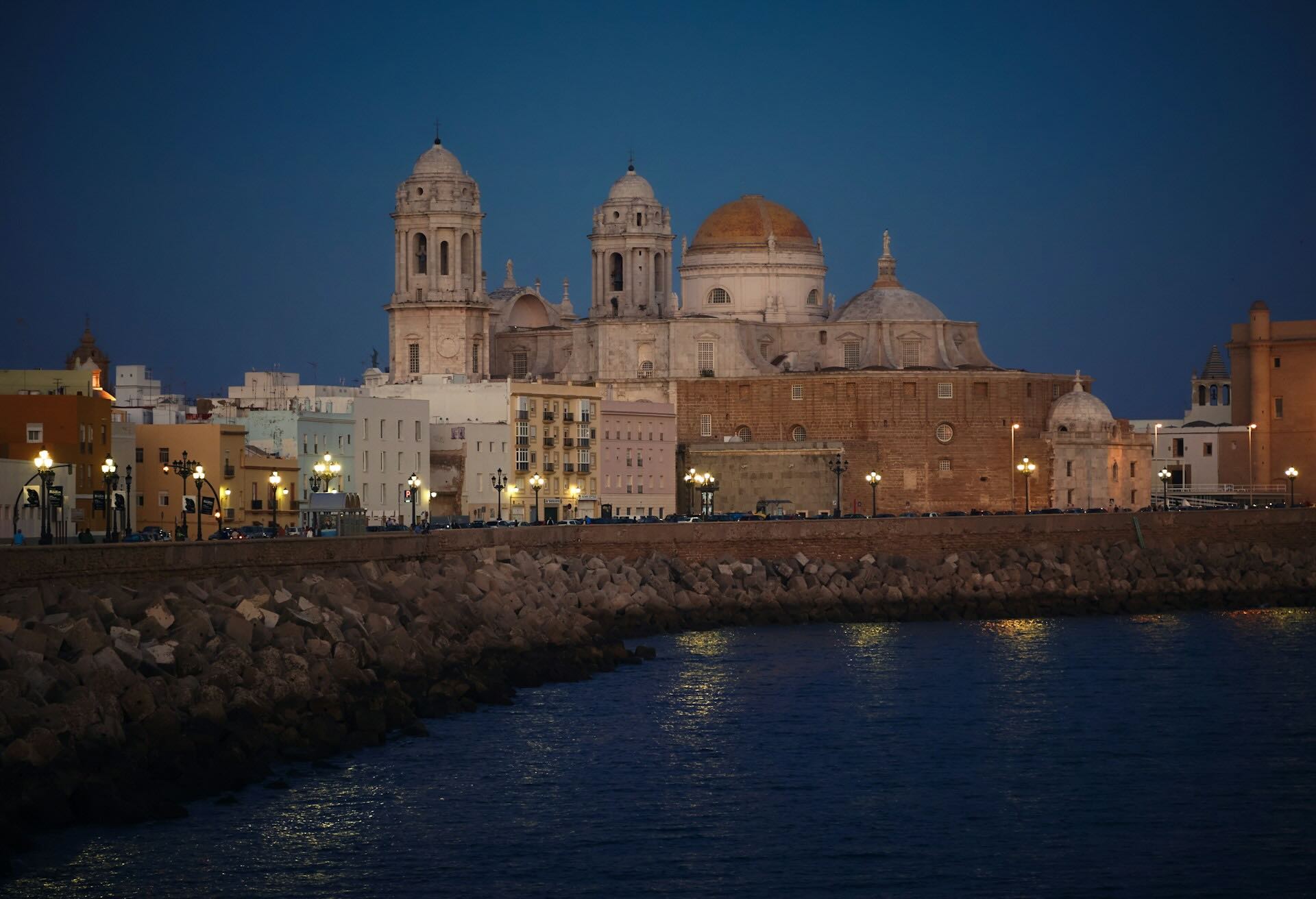
    Cádiz’s fortifications add drama to the coastline. Old walls, bastions, castles, and sea walks show how closely the city’s history connects to defense, trade, and the ocean. The Atlantic is not just scenery here. It shaped the city’s survival and identity.

    These views make Cádiz especially rewarding at the edges. Walking along the water gives travelers a strong sense of place. The city feels like it is facing the sea from every side.

    A Slower Side of Andalusia

    Cádiz offers a different side of Andalusia. It has warmth, food, history, and street life, but with a coastal softness that sets it apart from inland cities. The mood feels less dramatic and more relaxed.

    That makes Cádiz a strong choice for travelers who want Andalusian culture without rushing through major landmarks. The city is best experienced through walking, eating, sitting outside, and returning often to the water.

    More Than a Summer Stop

    Cádiz works well in warm weather, but it is more than a beach destination. Its history, architecture, plazas, food, and local rhythm make it rewarding across much of the year. The Atlantic setting gives the city atmosphere even outside peak beach season.

    This flexibility makes Cádiz useful for travel planning. It can work as a relaxed city break, a coastal base, or part of a broader southern Spain itinerary.

    Who Cádiz Is Best For

    Cádiz is best for travelers who enjoy coastal cities, old streets, seafood, beaches, plazas, and slower travel. It works well for couples, solo travelers, families, and anyone exploring Spain beyond the most obvious routes.

    This is not a city built around constant spectacle. Cádiz works through light, air, rhythm, and old charm. That makes it especially satisfying for travelers who prefer atmosphere over noise.

    The Lasting Appeal of Cádiz

    Cádiz stays memorable because it feels honest and elemental. The Atlantic wind gives it movement. The old world charm gives it depth. The plazas, beaches, seafood, and sea walls give the city its lasting character.

    For travelers who want a Spanish city shaped by ocean air, history, and relaxed local life, Cádiz is a strong choice. It proves that some destinations do not need to be grand to feel unforgettable. They only need a clear soul and a strong sense of place.

    Plan a trip to Cádiz today.

  • Seville, Spain Orange Trees and Andalusian Grandeur

    Seville, Spain Orange Trees and Andalusian Grandeur

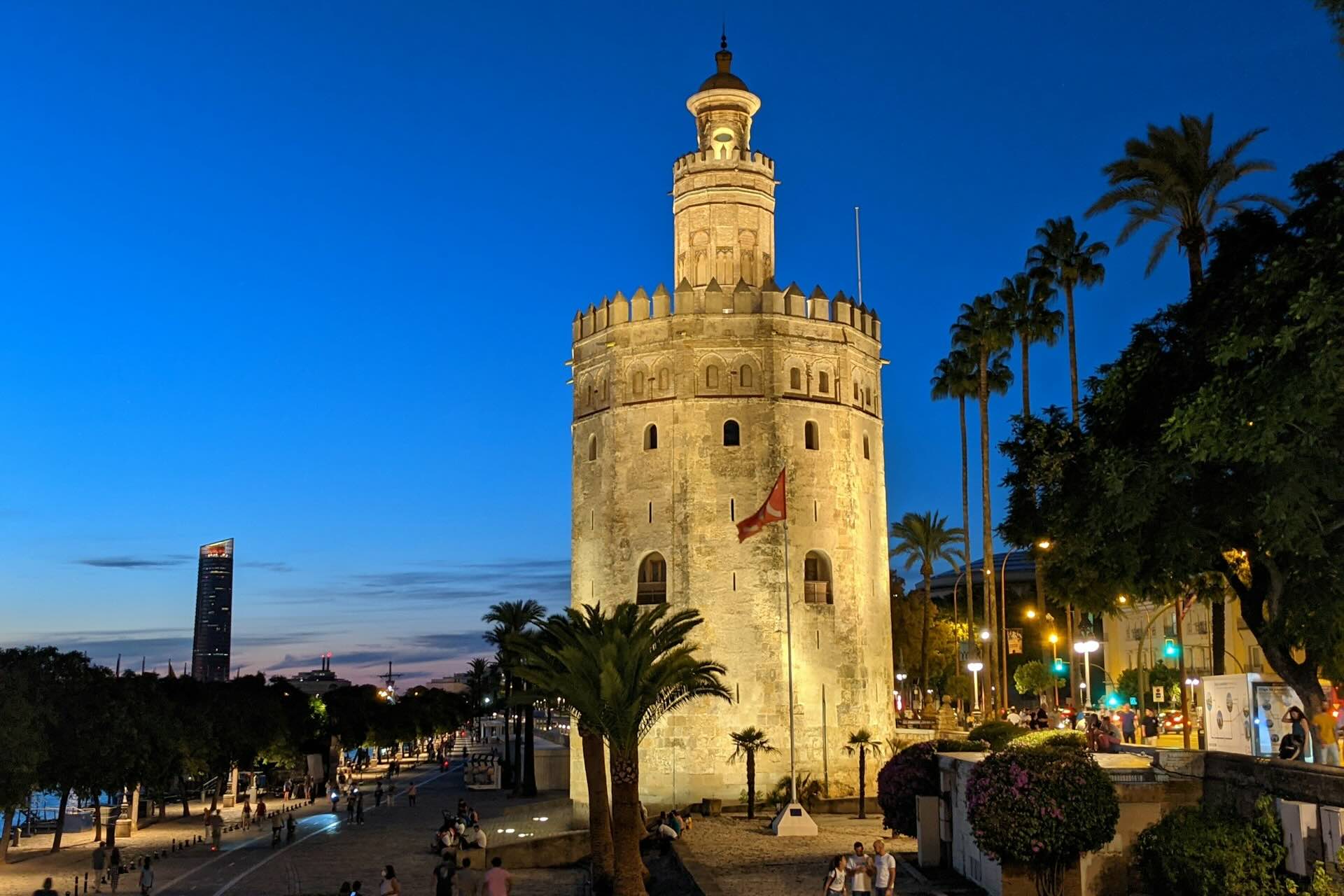
    Seville, Spain orange trees and Andalusian grandeur come together in a city that feels sunlit, theatrical, and deeply rooted in its own identity. Seville has the kind of presence that many historic cities spend centuries trying to achieve. It feels warm in color, generous in space, and unmistakably southern in mood. The city’s beauty is immediate, but what gives it real power is how naturally its architecture, courtyards, plazas, and daily rhythm support the sense of grandeur in the title.

    Why Seville Feels So Distinct

    Some cities impress through monumentality alone. Seville does something richer. It combines elegance with heat, scale with intimacy, and historical weight with visible everyday life. The result is a city that feels grand without becoming remote.

    That matters because Seville does not feel like a place you only admire from a distance. It invites movement through it. The streets, squares, and gardens all carry the same atmosphere. Travelers who want a city with emotional force and visual beauty often connect with Seville almost immediately.

    Orange Trees Shape the Mood

    Orange trees are one of Seville’s quiet signatures. They soften the city visually and give the streets a kind of repeating grace. Their presence helps connect plazas, courtyards, and avenues into one coherent urban mood. Even when they are not the main focus, they remain part of how Seville feels.

    This matters because trees change the emotional texture of a city. In Seville, they add shade, color, and rhythm. They make the city feel more fragrant, more lived in, and more distinctly Andalusian. The orange trees are not decoration. They are part of the atmosphere.

    Andalusian Grandeur Is Real Here

    The phrase Andalusian grandeur fits Seville because the city carries itself with unusual confidence. Churches, palaces, civic buildings, and broad public spaces all contribute to a place that feels historically important and visually complete. Yet the grandeur rarely feels cold. Seville has ceremony, but it also has warmth.

    That combination is one of the city’s greatest strengths. A grand setting can sometimes become too formal. Seville avoids that by remaining open, social, and human in scale even when the architecture is monumental.

    A City Built for Light and Heat

    Seville is inseparable from light. The sun shapes the color of the stone, the tone of the streets, and the rhythm of daily life. It is a city where brightness and shadow both matter. Arcades, courtyards, and trees all become more meaningful because they help the city manage heat as well as beauty.

    This matters because climate is not separate from the city’s identity. It is built into the architecture and the pace. Seville feels the way it does partly because generations adapted to light and temperature with style, not just necessity.

    Courtyards, Plazas, and Urban Drama

    One of Seville’s greatest pleasures is the way public and semi private spaces structure the city. Courtyards, plazas, patios, and garden like corners give the urban experience more variety and more beauty. The city does not rely only on major landmarks. It works through sequences of spaces that feel carefully shaped and deeply enjoyable.

    This gives Seville a stronger rhythm than many other historic cities. A walk here rarely feels flat. One square gives way to a narrow lane, then a courtyard feeling, then another burst of openness. The city reveals itself through movement.

    Architecture With Texture and Weight

    Seville’s architecture gives the city much of its force. The built environment feels layered, with Moorish influence, religious grandeur, and southern Spanish color all contributing to one strong visual language. The city has texture, not only beauty. That texture is what keeps it from feeling too polished or too simple.

    This matters because Seville does not only photograph well. It also feels convincing in person. The stone, tile, ironwork, and spatial richness all reinforce the sense that the city has developed a real and lasting character over time.

    More Than a Monument City

    It would be easy to describe Seville only through its major landmarks, but that would undersell it. The city also works through mood, public life, and the smaller details that hold the whole atmosphere together. Cafés, shaded streets, neighborhood corners, and the movement of daily life all keep the city from becoming too monumental.

    That gives Seville more staying power. It is beautiful right away, but it continues to reward attention once the obvious sights have been absorbed. The city feels like a place, not just a collection of attractions.

    A Social Rhythm That Feels Southern

    Seville has a distinctly social and southern pace. Meals, evening walks, plaza life, and slower transitions through the day all seem to fit the city naturally. This is not a place that wants to be rushed. The city feels better when you allow the rhythm of the day to open gradually.

    That matters because atmosphere in Seville comes partly from timing. Late light, evening movement, and the life of the streets all help make the city feel fuller. A rushed itinerary can flatten that. A slower one lets the city become itself.

    A Place of Beauty and Performance

    Seville is also a city where performance, gesture, and visual presence feel culturally natural. Even without centering any one art form, you can feel that the city values drama, expression, and ceremonial beauty. This helps explain why Seville often feels more emotionally vivid than other cities of similar age and scale.

    That quality gives the city force. Seville does not feel passive. It feels expressive. That expression is one reason it remains so memorable.

    Why It Feels So Complete

    Seville works because so many of its strongest elements align. The orange trees soften the grandeur. The grandeur gives the city structure. The courtyards and plazas keep the scale human. The heat and light shape the rhythm. Nothing feels disconnected from the rest.

    That kind of coherence is rare. It makes Seville feel not just beautiful, but fully formed. The city has a very strong sense of itself, and travelers feel that quickly.

    When Seville Feels Best

    Seville is especially rewarding when travelers give it enough time to move slowly through its plazas, gardens, and older streets. The city works best when the days are not packed too tightly and there is room for wandering, pausing, and letting the atmosphere deepen. That is when the orange trees and Andalusian grandeur start to feel fully connected.

    Its core appeal is not subtle, but it does deepen with time. The title sounds romantic, yet it is also accurate. Seville really does offer both.

    Who Seville Is Best For

    Seville suits travelers who appreciate architecture, atmosphere, and cities that carry emotional as well as visual power. It works especially well for couples, solo travelers, and culturally curious visitors who want a destination with warmth, beauty, and real historical presence.

    It is also a strong fit for travelers who care about urban mood. Seville is not only about seeing great things. It is about moving through a city that feels consistently and convincingly itself.

    The Lasting Appeal of Seville

    Seville stays with people because it feels rich in every direction. The orange trees give it softness. The Andalusian grandeur gives it presence. The plazas and courtyards give it rhythm. Together, they create one of southern Europe’s most memorable urban experiences.

    That is what makes Seville more than simply a beautiful city in Spain. It feels like a place where light, architecture, and daily life still support one another in a deeply satisfying way. For travelers who want warmth, elegance, and a city with real emotional color, Seville remains unforgettable.

    Plan a trip to Seville today.