Tag: Tallinn Estonia

  • TravelPal’s Top 100 Best Places to Visit Countdown 80-71

    TravelPal’s Top 100 Best Places to Visit Countdown 80-71

    TravelPal’s Top 100 Best Places to Visit Countdown 80-71 moves into destinations with stronger visual character, deeper atmosphere, and a more immediate sense of place. At this level, beauty feels less casual and more defining. These places do not just offer attractive views. They create lasting impressions through architecture, light, setting, and cultural mood. Some win through old streets and riverfronts. Others through coastlines, mountains, or rare urban texture. Together, they show how many different forms unforgettable beauty can take.

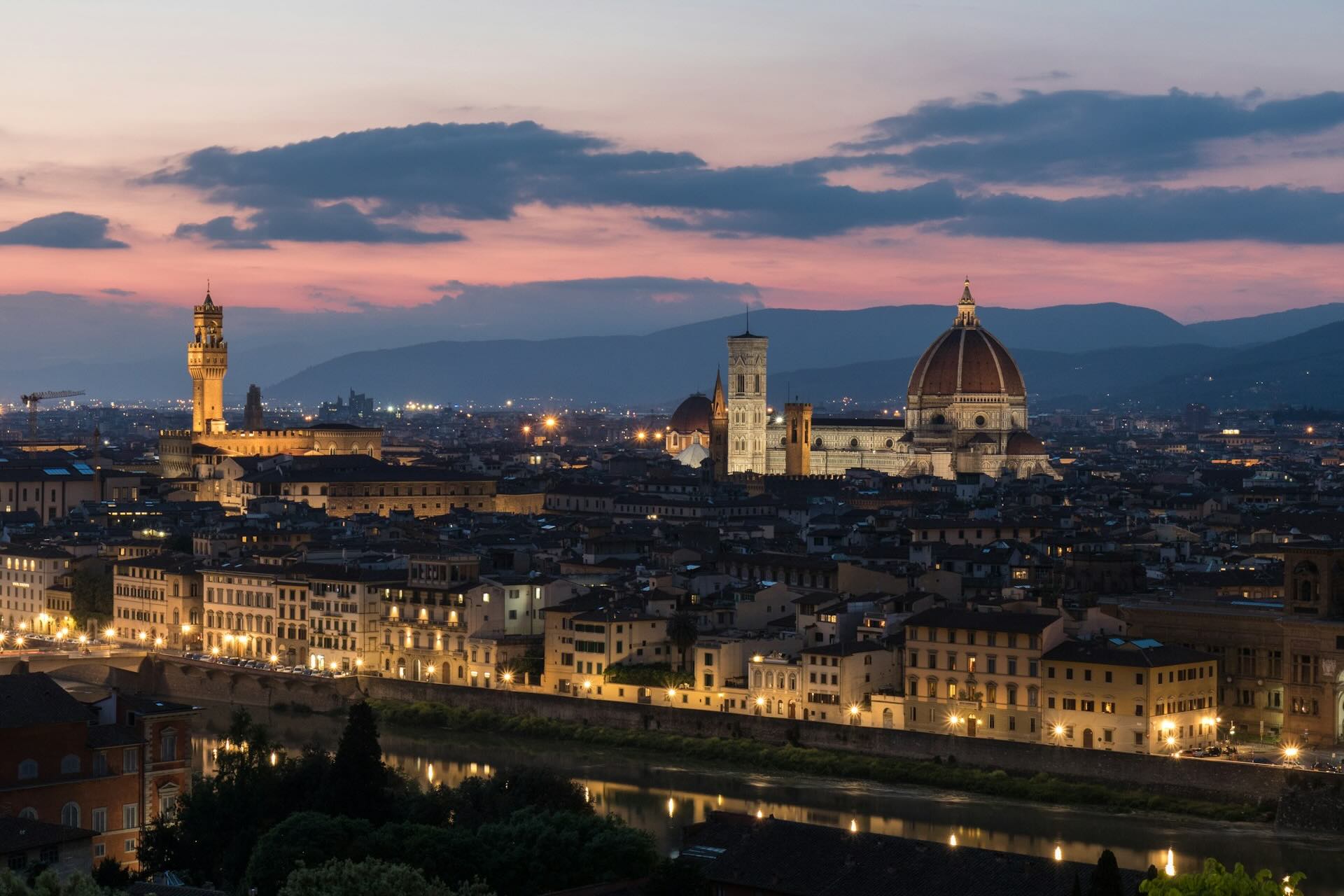
    80. Florence, Italy

    Florence rises through Renaissance beauty, river views, and a city center that feels almost impossibly rich. The architecture, art, stone streets, and Tuscan light all support one another. Its beauty is famous, but still powerful in person because the whole city feels shaped by proportion and grace.

    79. Dubrovnik, Croatia

    Dubrovnik earns its place through stone walls, Adriatic light, and one of Europe’s most dramatic coastal settings. The old city feels compact, strong, and visually complete. Its beauty comes from the way sea, stone, and history meet in one unforgettable frame.

    78. Prague, Czech Republic

    Prague stands out through Gothic towers, bridges, domes, and golden city light. It has the scale of a major capital but the atmosphere of a storybook city. The beauty here is layered, romantic, and deeply architectural.

    77. Venice, Italy

    Venice remains one of the world’s most unusual urban experiences. Canals, palaces, narrow lanes, and reflected light create a city that feels impossible to separate from water. Its beauty is not only visual. It comes from the sensation of moving through a place unlike anywhere else.

    76. Bilbao, Spain

    Bilbao earns its place through modern design, Basque character, and a river setting that gives the city movement. It feels transformed but still rooted. The mix of contemporary architecture, food culture, and surrounding hills gives Bilbao a sharp and memorable identity.

    75. Annecy, France

    Annecy rises through alpine water, pastel streets, and mountain backed charm. The canals and lake give the city clarity, while the old town adds softness and color. It is beautiful in a clean, graceful way that feels easy to remember.

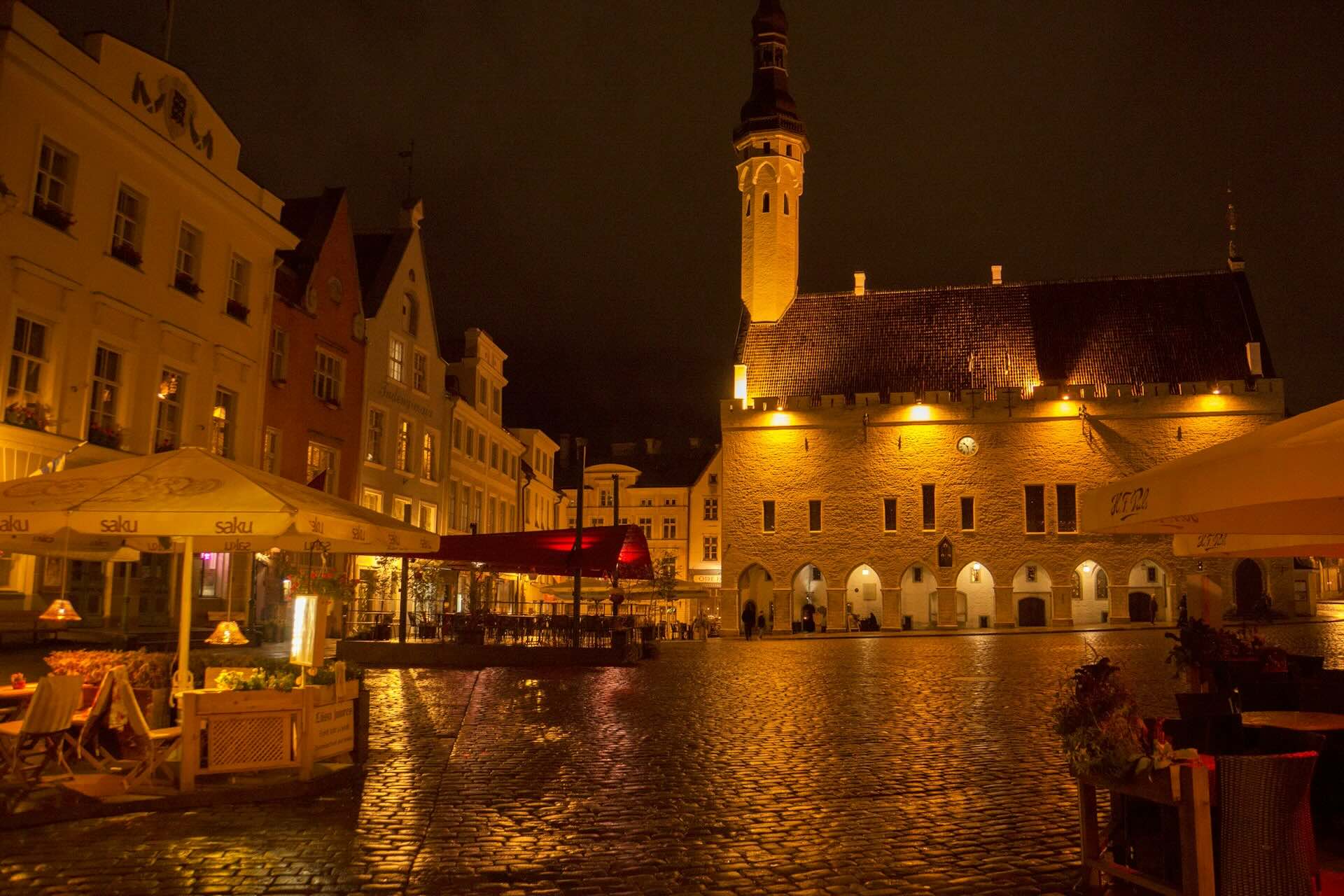
    74. Tallinn, Estonia

    Tallinn stands out for medieval walls, towers, and Baltic atmosphere. The old town has a strong sense of enclosure and history, but the city also feels current beyond its historic core. Its beauty comes from contrast, texture, and northern light.

    73. Cartagena, Colombia

    Cartagena earns its place through Caribbean color, colonial walls, balconies, and tropical heat. The city feels vivid from the first walk. Its beauty is not quiet. It comes through saturated facades, street life, sea air, and a powerful sense of coastal history.

    72. Ljubljana, Slovenia

    Ljubljana rises through riverfront charm, green city calm, and a compact center that feels unusually balanced. The bridges, cafés, and old streets create a warm and walkable atmosphere. Its beauty is gentle, but very consistent.

    71. Oaxaca, Mexico

    Oaxaca closes this section with color, craft, food culture, and deep regional identity. The city feels warm, textured, and intensely rooted in place. Its beauty comes from courtyards, markets, churches, mountains nearby, and a cultural atmosphere that feels fully alive.

    Why These Places Rank Higher

    The destinations ranked 80 to 71 rise because they offer more than one striking feature. Their atmosphere, structure, and visual identity work together more strongly than places lower on the list. These are cities that feel distinct not only from viewpoints, but from the experience of moving through them.

    That is where many travel rankings go weak. Once places start feeling interchangeable, the list loses value. A better countdown keeps the individuality of each destination intact. These ten places do that clearly.

    What Comes Next

    The next stretch of the countdown moves even closer to the top tier, where beauty becomes more iconic, more cinematic, and even harder to argue against. But this section already shows how serious the ranking has become. By now, every destination included has real visual force and a sense of place that feels lasting.

    That is what makes this part of the list work. These cities do not just look beautiful. They stay with you.
    Plan your next trip today.

  • Tallinn, Estonia A Preserved Medieval City With Modern Energy

    Tallinn, Estonia A Preserved Medieval City With Modern Energy

    Tallinn, Estonia a preserved medieval city with modern energy feels unusually complete from the first walk through its old center. The city is known for one of Europe’s best preserved medieval old towns, yet it also has a youthful, forward looking atmosphere shaped by design, technology, culture, and daily urban life. That contrast is what gives Tallinn its appeal. It feels historic without becoming frozen, and contemporary without losing its sense of place. Tallinn’s Old Town is a UNESCO World Heritage site, and official city materials consistently frame the city as both seaside and creative, which fits the experience on the ground. 

    Why Tallinn Feels So Distinct

    Many European cities offer old streets and historic squares. Tallinn stands out because its medieval core remains unusually intact while the rest of the city feels active, modern, and confident. You can move through cobbled lanes, towers, and courtyards, then shift quickly into a more contemporary rhythm of cafés, creative districts, waterfront spaces, and design minded urban life.

    That dual identity gives Tallinn real depth. It does not depend only on nostalgia. The old city provides atmosphere and structure, while the modern side keeps everything from feeling overly preserved. Travelers who like destinations with both character and momentum often respond strongly to Tallinn.

    One of Europe’s Strongest Medieval Settings

    Tallinn’s Old Town is the city’s anchor. UNESCO recognizes it for its historic importance, and official Tallinn tourism materials describe it as one of the best preserved medieval cities in Europe, with much of its old street network, walls, and defensive towers still standing. 

    What makes this so effective in practice is the continuity of the place. Tallinn does not give you a few isolated medieval landmarks surrounded by modern sprawl. Instead, the old town feels immersive. Curving streets, stone passages, towers, walls, church spires, and elevated viewpoints all work together. The city rewards walking because the atmosphere builds gradually through sequence and texture rather than through one single monument.

    Upper and Lower Town, Two Different Moods

    Tallinn becomes more interesting when you notice how its historic center shifts in tone. Lower Town feels more commercial, social, and street oriented. It is the part that draws you into squares, shops, cafés, and narrower pedestrian lanes. Toompea, the upper part of the old city, feels more elevated, formal, and strategic.

    That difference matters. Tallinn’s preserved character is not one note. It has movement and variation. As you climb and descend through the city, the mood changes. The result is a place that feels layered rather than staged. It also helps explain why Tallinn remains so satisfying even for travelers who usually lose interest in highly visited historic centers.

    Medieval Form With Modern Energy

    The phrase modern energy fits Tallinn because the city never feels trapped in heritage mode. Official Tallinn tourism guides highlight creative districts, seaside neighborhoods, and cultural life alongside the medieval center. That balance is part of the city’s current identity. 

    In practical terms, that means Tallinn appeals to more than history focused travelers. The city also works for people who enjoy design, café culture, urban experimentation, and destinations that feel current. There is a sense of momentum here. It is subtle, but noticeable. Tallinn feels like a place that respects its past while still building forward.

    A Seaside Capital With Breathing Room

    Tallinn’s coastal setting adds another important layer. This is not only a medieval inland city. It is also a seaside capital, and that helps keep the mood open and bright. Official tourism materials repeatedly emphasize Tallinn’s coastal and green character, which is part of why the city feels more spacious than some other old European centers. 

    The water also changes the emotional tone of the trip. It softens the density of the old stone city and adds a wider horizon to the experience. Even when you spend most of your time in historic areas, you still feel the presence of the coast in the city’s atmosphere.

    Architecture Beyond the Postcard View

    Tallinn’s appeal does not end with medieval architecture. Official city guides also point to its defense structures, wooden suburbs, and broader architectural contrasts as part of the experience. 

    That is one reason the city feels richer than a typical old town destination. Tallinn can satisfy travelers who want iconic towers and walls, but it also rewards people who like broader urban texture. The city’s identity comes from contrast, stone and wood, old and new, formal and creative, elevated and intimate. That wider architectural range helps Tallinn feel like a real city rather than a preserved historical set.

    Cafés, Courtyards, and Everyday Pleasure

    Tallinn works especially well at a slower pace. The old town’s courtyards, archways, and side streets encourage wandering rather than rushing. Official Tallinn materials highlight hidden courtyards, romantic streets, cafés, and gardens, and that is exactly the kind of experience the city supports best. 

    This matters because Tallinn is not only about checking landmarks off a list. It is also about tone. A café stop, a quiet square, a view from the walls, or a slow evening walk can reveal as much about the city as any formal attraction. Tallinn’s strength lies in how coherent it feels from hour to hour.

    Creative Districts and Contemporary Culture

    What keeps Tallinn from becoming overly romanticized is the presence of contemporary culture beyond the old center. Official tourism content now places creative districts alongside the medieval town and seaside neighborhoods as part of a fuller Tallinn experience. 

    That broader framing is useful because it reflects how the city actually works. Tallinn is not merely a place to admire from a medieval angle. It is also a place to engage in the present. For travelers who like cities with independent spirit, creative energy, and room to move between eras, Tallinn is especially rewarding.

    When Tallinn Feels Best

    Tallinn can work in multiple seasons, but it tends to be especially appealing when walking feels comfortable and daylight supports slower exploration. The city’s compact scale and rich atmosphere make it easy to enjoy in a short stay, but it also rewards travelers who give it enough time to move beyond the most obvious streets.

    The best visits usually balance the preserved old town with the city’s more contemporary side. That combination gives Tallinn its full force. Without the modern layer, it would be beautiful but incomplete. Without the old town, it would lose the character that makes it memorable.

    Who Tallinn Is Best For

    Tallinn suits travelers who want more than a pretty historic center. It works well for people who enjoy architecture, walkable cities, layered identity, and places that combine atmosphere with momentum. Couples, solo travelers, and culturally curious visitors can all do very well here.

    It is also a strong choice for travelers who have seen more obvious European capitals and want something with a clearer sense of contrast. Tallinn feels compact, distinctive, and easy to absorb, but never shallow.

    The Lasting Appeal of Tallinn

    Tallinn stays with people because it holds two identities together so well. It is preserved, but not static. Medieval, but not trapped in the past. Stylish, but not superficial. Very few cities combine those qualities as naturally.

    That is what makes Tallinn more than a well preserved old town. It feels like a living city with memory, intelligence, and creative momentum. For travelers who want history with real urban energy, Tallinn offers one of the most satisfying city experiences in northern Europe.

    Plan a trip to Tallinn today.