Tag: Transylvania travel

  • Brasov, Romania Mountain Views and Medieval Streets

    Brasov, Romania Mountain Views and Medieval Streets

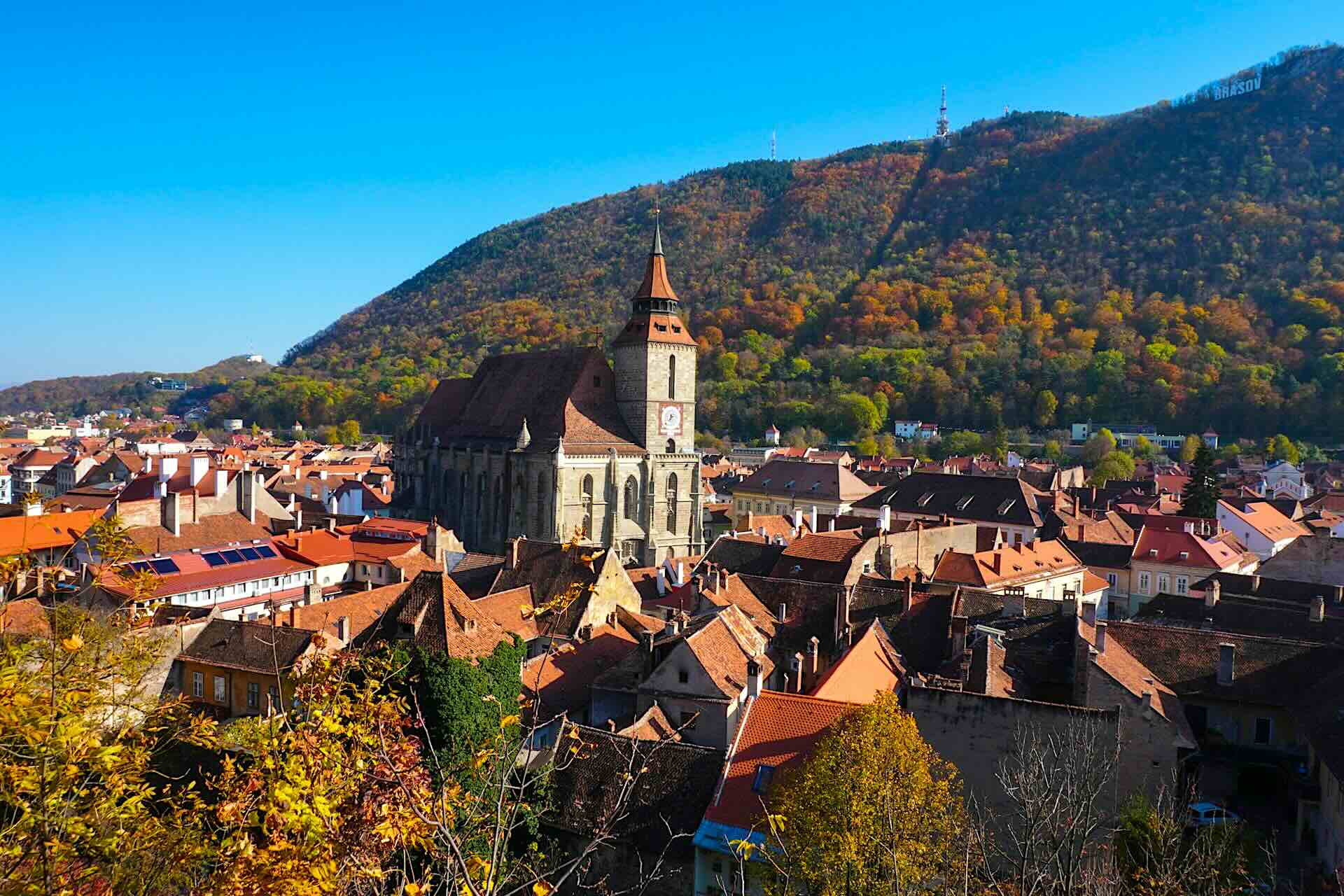
    Brașov, Romania mountain views and medieval streets come together in a city that feels dramatic, walkable, and deeply atmospheric. Set in the heart of Transylvania and framed by the Carpathian landscape, Brașov combines old walls, Gothic architecture, narrow lanes, and a strong sense of place with the visual power of mountains rising close behind it. The result is a city that feels both grounded and elevated. Brașov has history, but it also has energy, and that balance is part of what makes it so memorable.

    Why Brașov Feels So Distinct

    Some medieval cities impress through preservation alone. Brașov offers something more layered. Its historic core is beautiful, but the mountain setting gives it a stronger emotional presence than many other old towns. You are never completely separated from the landscape. Even while walking through the center, the surrounding terrain remains part of the experience.

    That is one reason the city leaves such a strong impression. Brașov feels compact enough to understand on foot, yet large enough in mood to feel significant. It is charming, but not delicate. Historic, but never sleepy. Travelers who want a city with both atmosphere and physical drama often connect with Brașov very quickly.

    A Medieval Core With Real Presence

    Brașov’s old town is the city’s anchor. Cobblestone streets, colorful facades, old fortifications, and carefully proportioned public spaces create a historic center that feels coherent rather than scattered. The city does not rely on one single monument to hold your attention. Instead, it builds effect through continuity.

    This makes walking especially rewarding. One lane leads into a square, another curves past older walls, another opens toward a church tower or mountain view. The city’s medieval character feels embedded in the urban fabric rather than reduced to a few preserved corners. That gives Brașov more depth and more staying power.

    The Power of the Mountains

    What separates Brașov from many other historic cities is the way the mountains shape the mood. The nearby slopes and forested ridges give the city a sense of enclosure, but also grandeur. They make the air feel different. They change the scale of the place.

    This mountain presence also keeps Brașov from feeling too polished. The city may be elegant in parts, but the landscape around it adds a more rugged edge. That combination is one of its greatest strengths. Brașov feels refined enough to be beautiful, but wild enough to remain interesting.

    Council Square and the Civic Heart of the City

    Council Square gives Brașov much of its openness and balance. It is the kind of square that makes a city immediately readable. Surrounded by historic buildings and framed by the larger mountain backdrop, it provides a center that feels both social and architectural.

    What makes the square work so well is that it still feels used. It is not only a visual highlight. It is part of the rhythm of the city. People cross it, linger in it, eat near it, and orient themselves around it. In a city of narrower streets and tighter passages, this openness gives Brașov breathing room.

    Medieval Streets That Invite Wandering

    Brașov is a city that rewards getting slightly lost. The old center is not confusing in a frustrating way, but it offers enough variation that wandering becomes part of the pleasure. Narrow lanes, older buildings, hidden courtyards, and changing perspectives create a city that feels visually active without becoming overwhelming.

    This is where the title really starts to feel earned. The medieval streets are not just old. They still carry intimacy and atmosphere. They encourage slower movement, and that slower movement helps the city reveal itself more fully.

    Gothic Weight and Architectural Character

    Brașov also has a stronger architectural gravity than some smaller Transylvanian cities. Churches, towers, old walls, and substantial civic buildings give it a more serious tone beneath the charm. This matters because it prevents the city from becoming too quaint.

    The architecture gives Brașov structure. It feels like a place with history, not just a place with attractive surfaces. That sense of weight works especially well against the softness of the surrounding landscape. Together, they give the city a fuller personality.

    A Transylvanian City Without Needing the Clichés

    Brașov benefits from being in Transylvania, but like the best cities in the region, it does not need to lean too heavily on fantasy or exaggeration. The atmosphere is strong enough on its own. You do not need a myth to make the place interesting. The streets, the mountains, and the layered architecture already do the work.

    That makes Brașov especially appealing to travelers who want the mood of Transylvania without reducing it to stereotype. The city feels substantial, cultured, and visually confident. It offers a real urban identity, not a themed version of one.

    A Good Balance of History and Energy

    One of Brașov’s strengths is that it does not feel stuck in the past. The city has enough cafés, restaurants, public life, and daily movement to keep the old town from becoming static. This balance matters. A beautiful city is always more satisfying when it still feels inhabited.

    Brașov gets this right. It lets history remain visible, but it also gives space to contemporary life. That helps the city feel welcoming rather than remote. Travelers can appreciate its past without feeling trapped inside it.

    A Strong Base for the Wider Region

    Brașov also works well because it connects naturally to the wider region. The city can anchor a broader Transylvania itinerary and makes sense for travelers interested in mountain landscapes, historic towns, and nearby cultural sites. That flexibility adds to its appeal.

    However, Brașov is not only useful as a base. It stands on its own because its urban personality is so strong. Even travelers who arrive with other destinations in mind often find that Brașov becomes one of the most memorable parts of the trip.

    When Brașov Feels Best

    Brașov works especially well when the weather supports walking and clearer mountain views. In these conditions, the relationship between city and landscape becomes even more vivid. The old town feels brighter, the surrounding slopes feel closer, and the pace of the city becomes easier to enjoy.

    At the same time, Brașov’s appeal does not depend entirely on perfect weather. Its charm comes from structure, texture, and setting as much as from sunshine. Even under gray skies, the city’s medieval weight and mountain framing still give it a strong identity.

    Who Brașov Is Best For

    Brașov suits travelers who appreciate history, walkability, and places where landscape and city form strengthen one another. It works especially well for couples, solo travelers, and culturally curious visitors who want a destination with atmosphere, but also enough visual power to feel memorable.

    It is also a strong fit for travelers who want a historic European city that still feels manageable. Brașov offers depth, but it offers it in a form that is easy to absorb.

    The Lasting Appeal of Brașov

    Brașov stays with people because it feels balanced in a rare way. The medieval core gives it texture. The square gives it openness. The mountains give it scale. Nothing feels disconnected from the rest. The city holds together naturally.

    That is what makes Brașov more than simply a beautiful stop in Romania. It feels like a place where architecture, geography, and history continue to support one another in daily life. For travelers who want mountain views, medieval streets, and a city with real atmosphere, Brașov remains one of the most rewarding destinations in Transylvania.

    Plan a trip to Brașov today.

  • Sibiu, Romania A Storybook City in Transylvania

    Sibiu, Romania A Storybook City in Transylvania

    Sibiu, Romania a storybook city in Transylvania feels composed, elegant, and quietly magical from the moment you enter its old center. The city is known for its beautifully preserved historic core, its grand squares, and the sense that every street leads into another carefully framed scene. Yet Sibiu is more than pretty façades and medieval charm. It also feels cultured, walkable, and grounded in everyday life, which keeps it from becoming a hollow postcard version of itself.

    Why Sibiu Feels So Distinct

    Many cities in Transylvania are attractive, but Sibiu stands apart because it feels unusually cohesive. The old city unfolds through linked squares, sloping streets, towers, passages, and rooftops that seem to watch over the streets below. The atmosphere is calm rather than theatrical. Sibiu does not try too hard to impress. It simply keeps revealing one beautiful composition after another.

    That is what gives the city staying power. It feels refined, but not stiff. Historic, but not frozen. Travelers who like cities with visual clarity and strong identity often respond to Sibiu very quickly.

    A Historic Core Built in Layers

    Sibiu’s old center has real structural depth. It developed from a fortified settlement into an important mercantile and artisan center, and that history still shapes the city’s layout and mood today. The historic center includes multiple rings of old fortification, which helps explain why the city feels so layered and spatially rich rather than limited to a few isolated landmarks.

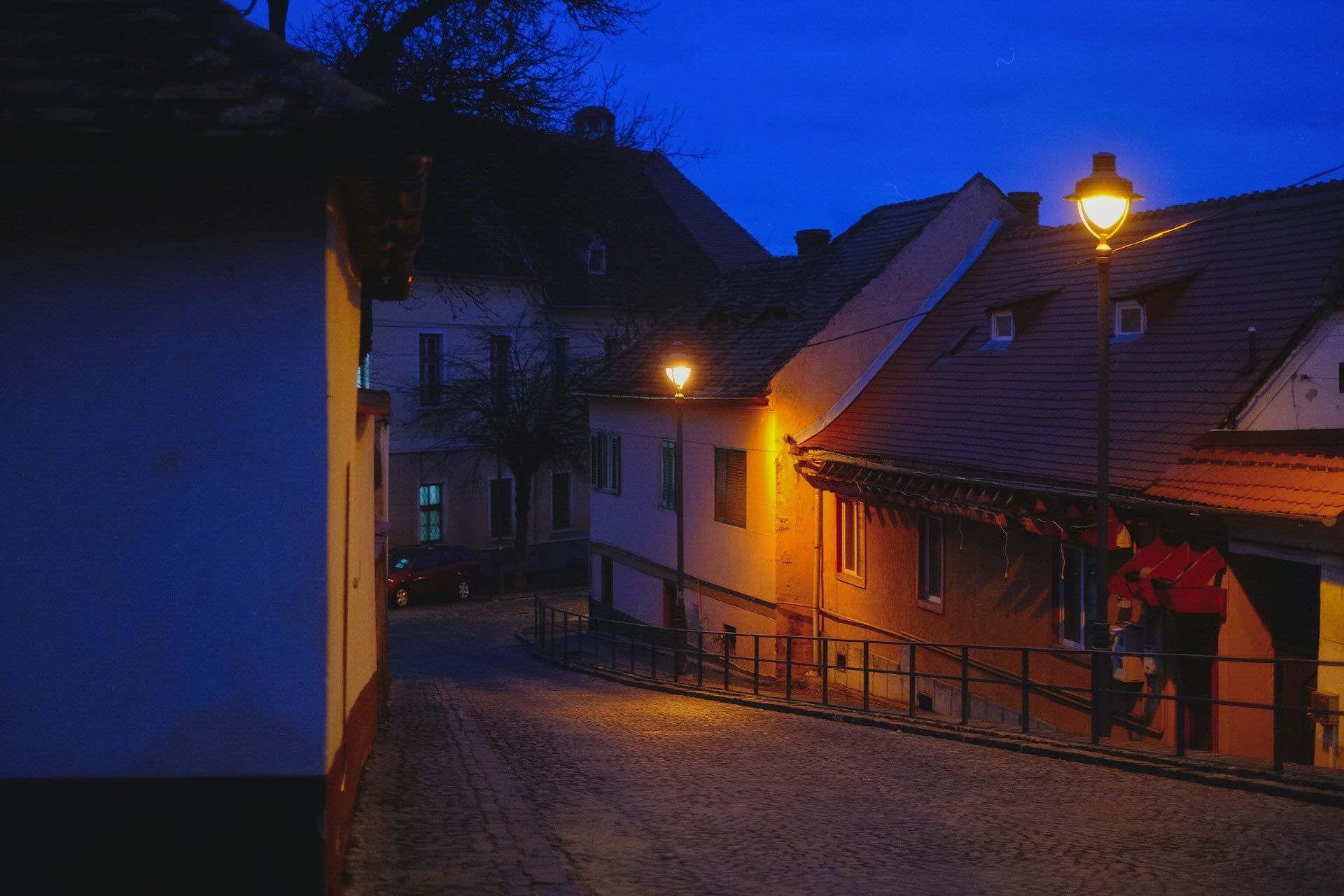
    You feel that history not only in major buildings, but in the way the city rises and folds. Streets connect upper and lower sections with a natural rhythm. Defensive elements, old walls, and urban transitions give Sibiu more character than a flatter, simpler old town would have.

    The Beauty of the Great Squares

    One of Sibiu’s great strengths is the way public space shapes the experience. The city’s ensemble of squares gives the center a formal elegance that still feels human in scale. These spaces are not decorative extras. They are the structure of the city’s identity. They provide openness, rhythm, and a sense of civic presence that makes even a short walk feel rewarding.

    This is where Sibiu begins to feel storybook in the best sense. The proportions are pleasing. The façades feel coherent. Cafés, churches, and old buildings all contribute to a setting that feels balanced rather than crowded. The city knows how to stage itself without losing authenticity.

    Upper Town and Lower Town

    Sibiu becomes even more satisfying when you notice the difference between its upper and lower areas. The upper part feels more formal and ceremonial, with its important squares, churches, and civic atmosphere. The lower part feels softer, older, and more intimate, with sloping streets and a slightly quieter rhythm.

    That shift matters because it gives the city emotional range. Sibiu is not all grandeur, and it is not all quaint charm. It moves between both. That is one reason it stays interesting over several days. The city gives you contrasting moods without ever feeling fragmented.

    A City of Rooftops, Passages, and Detail

    Sibiu rewards close attention. The pleasure of being here does not come only from major landmarks. It also comes from details, rooflines, archways, staircases, interior courtyards, and small transitions between one part of the city and another. The famous rooftop windows add a whimsical quality, but the city’s deeper appeal comes from its consistency of detail.

    Walking in Sibiu feels satisfying because the city is visually articulate. It always seems to know where to place a tower, a wall, a narrow lane, or an opening into a square. That design intelligence is part of what makes the place so memorable.

    Transylvania Without the Clichés

    Sibiu benefits from being in Transylvania, but it does not rely on cliché to make its point. This is not a city that needs to lean on gothic fantasy or exaggerated folklore. Instead, it offers something better, a real historic urban environment with depth, texture, and dignity.

    That makes Sibiu especially appealing to travelers who want the atmosphere of Transylvania without reducing the region to caricature. The city feels cultivated and substantial. It reflects centuries of exchange, craft, and urban development, which gives it more credibility and more lasting interest.

    Culture, Cafés, and Everyday Life

    Although Sibiu is clearly historic, it does not feel trapped in the past. The center remains active, and that makes a major difference. Cafés spill into the squares. Restaurants and cultural spaces keep the city socially alive. Public life gives warmth to all the stone and plaster.

    This balance is one of Sibiu’s strongest qualities. It offers beauty, but also usability. You can spend time here slowly, with coffee in the morning, long walks in the afternoon, and dinners that let the evening light settle over the old town. Sibiu encourages that kind of travel. It does not need to be rushed.

    A Good Base for the Wider Region

    Sibiu also works well as a base for exploring more of southern Transylvania. That practical advantage adds to its value. Travelers can enjoy the city itself while also using it as a gateway to surrounding villages, mountain routes, and other historic places in the region.

    However, Sibiu is not merely convenient. It stands on its own because its urban identity is so strong. Even travelers who arrive planning to move quickly often find that the city invites them to stay a little longer and pay closer attention.

    When Sibiu Feels Best

    Sibiu works especially well in the warmer and shoulder seasons, when walking the old town feels easy and the squares remain active. These times of year bring out the city’s openness and make its layered streets even more enjoyable. At the same time, Sibiu’s architectural character is strong enough that it can still feel appealing under grayer skies or in quieter months.

    This is not a destination that depends only on perfect weather. Its charm comes from structure, mood, and urban coherence. Those qualities hold up very well across seasons.

    Who Sibiu Is Best For

    Sibiu suits travelers who appreciate architecture, atmosphere, and cities that can be understood on foot. It is especially strong for people who enjoy historic centers but want somewhere that still feels breathable and grounded. Couples often connect with its beauty, while solo travelers and culturally curious visitors tend to appreciate its calm confidence and layered design.

    It is also a good fit for travelers who want a city that feels special without being overwhelming. Sibiu offers depth, but it offers it in a manageable and welcoming form.

    The Lasting Appeal of Sibiu

    Sibiu stays with people because it feels composed from every angle. The squares, the towers, the sloping streets, and the old fortifications all reinforce one another. Nothing seems accidental. The city feels shaped with care over time, and that gives it unusual coherence.

    That is what makes Sibiu more than simply a beautiful stop in Transylvania. It feels like a complete urban world, one with history, grace, and enough everyday life to keep it real. For travelers who want a place that is atmospheric without being artificial, Sibiu remains one of the most rewarding cities in Romania.

    Plan a trip to Sibiu today.