Tag: Travel Trends

  • Top 10 Most Visited Cities in Europe

    Top 10 Most Visited Cities in Europe

    Europe attracts millions of travelers every year with its history, architecture, food, and cultural landmarks. From romantic capitals to coastal favorites, European cities offer unforgettable experiences that blend heritage with modern energy. Whether you want museums, nightlife, scenic neighborhoods, or iconic monuments, these ten cities in Europe rank among the most visited across the continent and continue to charm travelers from around the world.

    London, United Kingdom

    A Global Capital of Culture and History

    London remains one of Europe’s most visited cities thanks to its mix of museums, parks, diverse neighborhoods, and royal landmarks. Travelers explore the British Museum, Buckingham Palace, Tower Bridge, Camden Market, and world class theater in the West End. The city’s constant reinvention makes each visit feel fresh and exciting.

    Paris, France

    Romance, Art, and Timeless Beauty

    Paris continues to draw millions with its famous monuments, elegant boulevards, and rich cultural scene. Visitors enjoy the Eiffel Tower, the Louvre, Montmartre, and the charming cafés that line every corner. The city blends romance with creativity, giving travelers endless reasons to return.

    Rome, Italy

    Living History and Vibrant Streets

    Rome attracts travelers with ancient ruins, Renaissance art, and lively piazzas. Visitors explore the Colosseum, Vatican City, Trevi Fountain, and charming neighborhoods like Trastevere. Rome’s mix of history, food, and energy creates a city that feels unforgettable with every walk through its streets.

    Istanbul, Turkey

    Where East and West Meet

    Istanbul remains one of the most visited cities in Europe and Asia. Travelers enjoy the Hagia Sophia, Blue Mosque, Grand Bazaar, and scenic Bosphorus views. The mix of old and new, along with flavorful cuisine, creates a travel experience full of depth and character.

    Barcelona, Spain

    Architecture, Beaches, and a Creative Spirit

    Barcelona combines vibrant culture with world famous architecture. Travelers explore Sagrada Família, Park Güell, Gothic Quarter lanes, and Mediterranean beaches. The city’s food scene, music, and art make it one of Europe’s most dynamic destinations.

    Amsterdam, Netherlands

    Canals, Museums, and Laid Back Charm

    Amsterdam draws visitors with scenic canals, bike friendly streets, and top museums like the Van Gogh Museum and Rijksmuseum. Travelers enjoy cozy cafés, creative boutiques, and picturesque bridges that make the city feel intimate and inviting.

    Prague, Czech Republic

    Fairy Tale Architecture and Vibrant Culture

    Prague remains one of Europe’s most photographed cities in Europe with its castle, spires, and historic Old Town Square. Visitors enjoy Charles Bridge, colorful buildings, and lively beer halls. The city offers rich culture and impressive beauty without losing its warm atmosphere.

    Vienna, Austria

    Music, Elegance, and Imperial Landmarks

    Vienna gives travelers a refined mix of classical music, baroque architecture, and café culture. Visitors explore Schönbrunn Palace, St. Stephen’s Cathedral, and museums that highlight the city’s imperial heritage. Vienna remains one of Europe’s most elegant and well preserved capitals.

    Milan, Italy

    Fashion, Design, and Historic Grandeur

    Milan attracts travelers with fashion, architecture, and a modern creative spirit. Visitors explore the Duomo, Galleria Vittorio Emanuele II, and vibrant neighborhoods filled with cafés and art galleries. The city blends style with history in a way that feels uniquely Italian.

    Athens, Greece

    Ancient Wonders and a City Full of Life

    Athens remains a major travel favorite thanks to its ancient sites, lively neighborhoods, and Mediterranean atmosphere. Visitors explore the Acropolis, Plaka, and markets filled with local flavors. The mix of modern cafés and historic landmarks creates an experience rich in culture and warmth.

    Tips for Visiting Europe’s Most Popular Cities

    • Plan ahead because peak seasons bring large crowds
    • Book major attractions early to avoid long waits
    • Explore less visited neighborhoods for more authentic experiences
    • Use public transportation to save time and money
    • Mix iconic landmarks with local dining for balance

    Europe’s most visited cities remain popular for a reason. They offer beauty, culture, food, and timeless charm that attract travelers again and again. Whether you enjoy historic streets, modern art, scenic waterways, or vibrant nightlife, these ten destinations capture the best of Europe.

    Plan a trip to Europe with TravelPal.ai.

  • Chase Travel’s Top 26 for 2026: TravelPal’s Take

    Chase Travel’s Top 26 for 2026: TravelPal’s Take

    Chase Travel has released its Top 26 Places to Visit in 2026, and the list perfectly captures the spirit of modern travel. It balances timeless destinations with new discoveries, appealing to travelers who value culture, sustainability, and unique experiences. From the Albanian Riviera to New York’s Upper East Side, the list shows how travel is shifting toward deeper, more meaningful experiences.

    At TravelPal.ai, we examined this list through the lens of real data and traveler behavior.

    What Chase Got Right

    Chase Travel’s 2026 list stands out for its balance between emerging and iconic destinations. Each choice reveals a different facet of global travel trends, and collectively, they illustrate how the definition of luxury and adventure continues to expand.

    The Appeal of Hidden Gems

    One of the strongest choices on the list is the Albanian Riviera. Long overshadowed by its Mediterranean neighbors, it offers turquoise waters, quiet coastal towns, and authentic charm without the crowds. For travelers seeking natural beauty at a fraction of the price of Italy or Greece, Albania is quickly becoming Europe’s next must-visit region.

    The Atacama Desert in Chile represents another inspired pick. Known for its otherworldly landscapes and starlit skies, it appeals to adventurers and stargazers alike. Chase’s inclusion of Dominica also highlights a key trend, travelers moving toward eco-conscious Caribbean islands where sustainability is built into the experience.

    The Power of Nature and Conservation

    Chase recognized that travelers in 2026 are increasingly motivated by natural beauty and environmental awareness. Botswana has emerged as one of Africa’s most exclusive and conservation-focused safari destinations, offering pristine wilderness experiences that respect wildlife and local communities.

    Similarly, the Canadian Arctic captures the essence of untouched exploration. It appeals to those searching for remote adventure and a deeper connection to the environment. The British countryside, meanwhile, represents the opposite end of the spectrum, peaceful landscapes and heritage charm that attract travelers who crave simplicity and calm.

    Iconic Cities That Keep Reinventing Themselves

    Chase also included destinations that continue to evolve while maintaining their timeless appeal. Côte d’Azur and the Dolomites are perfect examples of European destinations that blend tradition and sophistication. Istanbul remains a crossroads of culture, design, and cuisine, while Egypt continues its remarkable tourism revival, supported by new archaeological discoveries and modern infrastructure.

    In Asia, Osaka earns its place as Japan’s culinary capital, and Taipei is gaining momentum as one of the most dynamic and creative cities in East Asia. The inclusion of New South Wales showcases Australia’s versatility, combining beaches, vineyards, and a thriving cultural scene.

    Rediscovering the Americas

    Closer to home, Chase celebrates the growing appeal of the Americas. Cartagena continues to rise as Colombia’s most romantic and colorful destination, combining colonial architecture with Caribbean vibrancy. Portland, Oregon, and Park City, Utah, each represent modern American travel values, creativity, outdoor recreation, and wellness.

    Route 66 speaks to nostalgia and freedom, capturing the enduring allure of the open road. Meanwhile, Valle de Guadalupe in Mexico is positioning itself as a serious competitor to Napa Valley, offering boutique vineyards and world-class cuisine.

    The Allure of the Tropics

    Destinations like SeychellesSouth Caicos, and Sri Lanka underscore the continued demand for tropical escapes that blend comfort with nature. These locations are ideal for travelers who want privacy and tranquility without sacrificing quality.

    Even the inclusion of the Upper East Side in New York reveals an appreciation for timeless urban luxury. It reflects a growing interest in experiences that combine culture, art, and lifestyle in established global cities.

    TravelPal’s Perspective

    At TravelPal.ai, we see clear alignment between Chase’s list and current traveler behavior. Travelers today are less interested in checking off landmarks and more focused on experiences that connect them to local culture, food, and nature.

    Our AI-driven insights reveal that travelers are extending trip durations, staying in fewer destinations, and choosing accommodations that match their values, from eco-resorts to design-forward boutique hotels. The desire to travel more meaningfully, rather than more frequently, defines this new era of exploration.

    The Rise of Sustainability and Conscious Travel

    Many destinations on Chase’s list highlight the importance of sustainability. From Dominica’s eco-lodges to Botswana’s low-impact safaris, the focus on environmental responsibility is not a niche interest anymore. It has become a standard expectation for many travelers.

    At TravelPal.ai, we have observed a steady increase in searches related to sustainable experiences and eco-friendly travel options. Travelers are now making choices that align with both environmental and cultural preservation.

    Culinary and Cultural Journeys

    Food remains one of the strongest motivators for global travel. Basque Country, Osaka, and Cartagena all reflect how culinary culture is shaping destination appeal. Rather than dining in luxury restaurants alone, travelers want to connect with authentic flavors, local markets, and food traditions that tell a story.

    Cultural depth also remains a top priority. Egypt, Istanbul, and the Golden Triangle in India each offer travelers the opportunity to experience living history in immersive ways. The most successful destinations in 2026 will be those that marry culinary excellence with cultural integrity.

    TravelPal.ai’s Additions

    While Chase’s list is strong, TravelPal.ai’s data highlights several destinations poised for growth. Oaxaca, Mexico stands out for its artistry and culinary scene, while Lisbon, Portugal continues to attract global attention for its design, affordability, and charm. Reykjavik, Iceland remains a top choice for sustainable adventure.

    Bali continues to appeal to wellness travelers and creative professionals alike. Kyoto offers cultural serenity that complements Osaka’s energy, and Montreal remains North America’s creative heartbeat. Tbilisi and Medellín represent a new class of affordable, safe, and inspiring cities that appeal to digital nomads and investors.

    The Future of Trip Planning

    Chase’s list inspires curiosity, but planning such trips requires organization and precision. That is where TravelPal.ai excels. The platform uses AI to build custom itineraries that adjust in real time based on traveler interests, budget, and schedule.

    From predicting ideal travel seasons to suggesting restaurants and boutique hotels, TravelPal.ai turns inspiration into actionable plans. It combines global data with personalization, helping travelers explore smarter, not harder.

    The Takeaway

    Chase Travel’s 2026 list captures the spirit of global discovery at a pivotal time. It reflects a world eager to reconnect through exploration and experience.

    At TravelPal.ai, we share that vision. The destinations that define 2026 are not just beautiful, they are meaningful. They encourage travelers to slow down, stay longer, and see deeper. With AI-driven planning, it is now possible to experience them all in a way that feels personal, efficient, and inspiring.

    Plan your next top adventure with TravelPal.ai

  • The Next Big Things in Travel: What to Look Out For

    The Next Big Things in Travel: What to Look Out For

    The world of travel is constantly evolving. What once defined the perfect getaway—a beautiful beach, a luxury hotel, a famous landmark—has expanded to include experiences shaped by technology, sustainability, and personalization. The modern traveler wants more than just a trip; they want connection, meaning, and discovery. As we move further into 2025, the next big things are reshaping the way we plan, book, and experience travel. Here’s a look at what’s next.

    AI-Powered Trip Planning

    Artificial intelligence has changed how travelers discover and organize their journeys. Instead of spending hours researching destinations, comparing flight options, or building day-by-day itineraries, AI-powered platforms like TravelPal make it all seamless.

    Why It Matters

    AI tools can analyze your travel history, preferences, and even mood to create personalized itineraries in seconds. These tools also adapt in real-time—updating your plans when weather changes, flights are delayed, or new opportunities arise.

    What to Expect

    Imagine receiving a complete itinerary tailored to your style, including restaurant reservations, music events, and scenic stops along your route. AI is turning trip planning into a stress-free, dynamic process that evolves as you travel.

    Sustainable and Regenerative Travel

    Sustainability has moved beyond buzzword status—it’s now a cornerstone of modern tourism. Travelers are prioritizing eco-friendly accommodations, low-impact transportation, and destinations that actively preserve their natural and cultural heritage.

    Why It Matters

    The goal is not just to minimize harm, but to give back. Regenerative travel encourages visitors to support local communities, protect wildlife, and leave destinations better than they found them.

    What to Expect

    Eco-lodges powered by renewable energy, community-led tours, and national parks adopting carbon-offset programs are becoming standard. Even luxury brands are joining the movement, proving that sustainability and comfort can coexist.

    Space Tourism Takes Flight

    It might sound like science fiction, but space tourism is quickly becoming reality. Companies like SpaceX, Blue Origin, and Virgin Galactic are racing to offer suborbital and orbital experiences for private travelers.

    Why It Matters

    While still reserved for the wealthy few, space tourism marks a historic shift in human exploration. It’s expanding the definition of travel beyond Earth’s borders and paving the way for future generations to experience life beyond our planet.

    What to Expect

    The next few years will bring more accessible options for viewing the curvature of Earth or floating in zero gravity—experiences once limited to astronauts. Eventually, shorter, more affordable trips could make space travel the ultimate bucket-list experience.

    The Rise of “Bleisure” Travel

    The line between work and vacation has blurred. With remote work becoming the norm, many professionals are extending business trips or working from destinations that double as vacation spots.

    Why It Matters

    “Bleisure”—a blend of business and leisure—allows travelers to balance productivity with exploration. It’s transforming hotels, coworking spaces, and travel infrastructure worldwide.

    What to Expect

    Cities like Lisbon, Bali, and Mexico City are creating incentives for digital nomads through extended visas and remote work programs. Travelers can now enjoy morning meetings with ocean views and evening strolls through vibrant city streets.

    Personalized Wellness Retreats

    Wellness travel is no longer about generic spa packages—it’s about hyper-personalized health experiences. From emotional healing to sleep optimization, travelers are seeking destinations that restore mind and body on a deeper level.

    Why It Matters

    The demand for meaningful wellness escapes has exploded since the pandemic. People want to disconnect, recharge, and return home genuinely transformed.

    What to Expect

    Expect retreats with biometric tracking, custom meal plans, sound therapy, and guided meditations tailored to your physical and emotional needs. Places like Costa Rica, Iceland, and Thailand are leading this movement with immersive, data-driven programs.

    Slow Travel and Micro Adventures

    In contrast to whirlwind itineraries, slow travel emphasizes depth over speed. It’s about connecting with places and people instead of rushing through attractions. Micro adventures—short, meaningful trips close to home—also appeal to travelers looking for sustainability and spontaneity.

    Why It Matters

    Slow travel reduces environmental impact while increasing cultural understanding. It encourages travelers to experience destinations as locals do, savoring food, landscapes, and traditions at a relaxed pace.

    What to Expect

    Expect fewer “checklist vacations” and more long stays in fewer destinations. Scenic train rides, rural homestays, and countryside cycling routes are defining this trend.

    Smart Airports and Seamless Security

    Airports are getting smarter, faster, and more efficient. Biometric check-ins, touchless boarding, and AI-driven crowd management are reshaping the travel experience from the moment you arrive.

    Why It Matters

    After years of travel delays and long queues, innovation is focusing on reducing friction. AI and automation are helping airports become more sustainable and user-friendly, cutting wait times and improving passenger comfort.

    What to Expect

    In the near future, your face could be your passport. Personalized updates, AI-powered translation tools, and predictive flight alerts will make air travel smoother than ever before.

    Experiential Luxury

    Luxury travel is evolving from opulence to authenticity. Instead of marble lobbies and chandeliers, travelers now crave experiences—private cooking classes, wildlife encounters, and art-inspired stays.

    Why It Matters

    Modern luxury is about personalization and emotional connection. Today’s travelers want memories, not just amenities.

    What to Expect

    High-end resorts are curating immersive itineraries—like dining in vineyards, participating in local art workshops, or sailing to hidden coves. Luxury has become less about status and more about meaning.

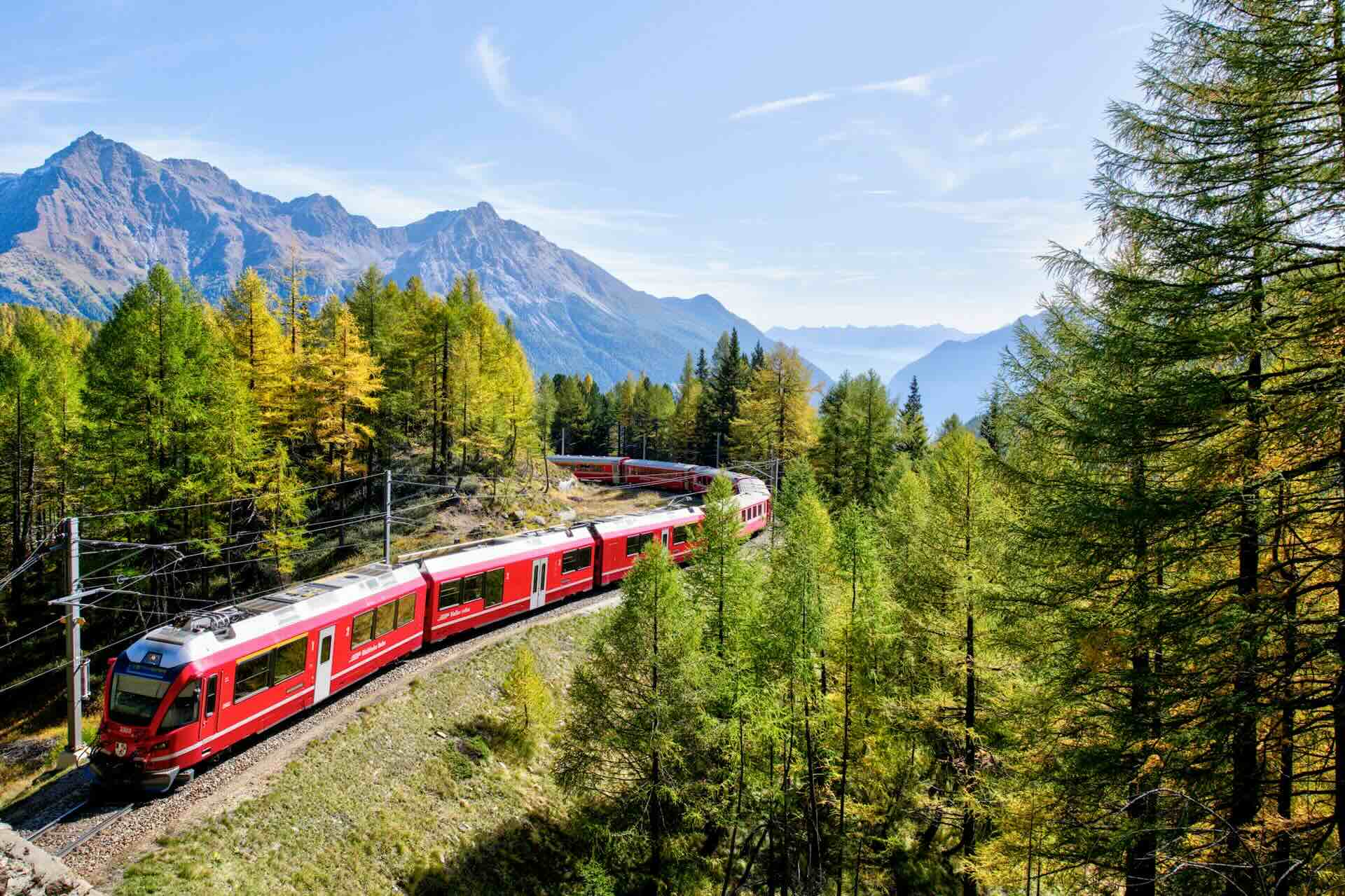
    The Return of Train Travel

    Trains are making a stylish comeback. Once overshadowed by air travel, rail journeys are now being rediscovered for their comfort, sustainability, and romance.

    Why It Matters

    Train travel offers scenic routes, minimal carbon emissions, and a slower pace that aligns with the global shift toward mindful travel. It’s also being reimagined with high-speed technology and elevated design.

    What to Expect

    Europe’s overnight trains, Japan’s luxury rail lines, and cross-country routes in the U.S. are transforming the way travelers experience movement itself. It’s no longer just about reaching your destination—it’s about enjoying the ride.

    The Future of Travel Is Human

    Technology is making travel smarter, but it’s still people who make it meaningful. The next big things in travel aren’t just about innovation; they’re about rediscovering connection—to culture, nature, and each other.

    As new frontiers open, from space to sustainability, one thing remains timeless: the human desire to explore. Whether through AI-powered planning or mindful slow travel, the future of exploration is both intelligent and emotional—a perfect balance of innovation and soul.

    Plan a trip to the future of travel with TravelPal.ai

  • Why More Travelers Are Using E-Bikes on Vacation

    Why More Travelers Are Using E-Bikes on Vacation

    The rise of e-bikes has transformed the way people experience travel. Once seen as a novelty, electric bicycles have become a favorite for vacationers who want freedom, sustainability, and fun. Whether exploring coastal roads, mountain towns, or city streets, travelers are discovering that e-bikes make moving around easier, faster, and more enjoyable. As technology improves and destinations embrace eco-friendly transport, e-bikes are redefining how we travel on vacation.

    The Appeal of Effortless Exploration

    Traditional biking has always offered a sense of adventure, but e-bikes add convenience that makes cycling accessible to everyone. Electric assistance allows riders to cover longer distances without fatigue, tackle hills effortlessly, and still enjoy the fresh air and scenery. This balance of ease and activity is what draws many travelers to try e-bikes for the first time.

    In cities like Amsterdam, Barcelona, and San Francisco, e-bike rentals now sit alongside scooters and cars as mainstream transportation options. Tourists no longer need to worry about arriving sweaty or exhausted. Instead, they can glide through neighborhoods, stop for photos, and explore local attractions at their own pace.

    Fitness Without Fatigue

    E-bikes also appeal to travelers who want an active vacation without overexertion. The electric assist can be adjusted, meaning you still pedal and engage your muscles but with less strain. This makes e-bikes ideal for couples, families, and mixed-ability groups where not everyone rides regularly. They bridge the gap between a casual stroll and an intense cycling workout, providing both comfort and exercise.

    Sustainable Travel for a Changing World

    Sustainability has become a top priority for travelers in 2025. E-bikes offer an eco-friendly alternative to cars, taxis, and buses that aligns with growing interest in responsible tourism. Electric bikes produce zero direct emissions, consume minimal energy, and reduce noise pollution—benefits that appeal to environmentally conscious travelers.

    Destinations are also recognizing the impact. Many cities and national parks now include e-bike paths, charging stations, and guided e-bike tours. From Paris’s riverside trails to the beaches of Santa Monica, e-bikes are helping reduce traffic and promote greener tourism. For travelers, choosing an e-bike over a rental car means exploring sustainably while still enjoying flexibility and comfort.

    E-Bikes and the Local Economy

    E-bike travel also supports local communities. Small businesses offering rentals, guided tours, and repair services have multiplied in popular vacation spots. These locally owned operations often work closely with tourism boards to encourage slow travel and deeper exploration of nearby attractions. By using e-bikes, travelers engage directly with local businesses instead of large transportation chains, helping money stay within the community.

    Accessibility and Inclusivity

    One of the biggest advantages of e-bikes is accessibility. They open up active travel to a wider range of people, including older travelers and those with limited physical ability. With pedal assist, steep climbs or long rides become manageable, allowing more visitors to experience outdoor destinations that might otherwise be challenging.

    This inclusivity is changing how families plan vacations. Parents can ride with children using e-bike attachments or trailers, and grandparents can join active outings without worry. The result is a shared experience that connects generations and makes travel more inclusive for everyone.

    Exploring More in Less Time

    Time is precious on vacation. E-bikes allow travelers to see more within a shorter period, covering distances that would take much longer on foot or traditional bikes. In large cities or sprawling national parks, e-bikes make it possible to visit multiple attractions in one day without feeling rushed.

    For example, in Rome, e-bikes allow tourists to move from the Colosseum to Vatican City easily. In Napa Valley, riders can cruise between wineries without the fatigue of uphill pedaling. The combination of speed and comfort creates a sense of freedom that enhances the travel experience.

    The Technology Behind the Trend

    Modern e-bikes are far from simple bicycles with motors. Today’s models feature smart sensors, regenerative braking, and batteries that last for hours on a single charge. Lightweight frames and discreet designs make them practical for travelers, while rental apps simplify the process of finding and unlocking bikes.

    Connectivity also plays a major role. Many e-bike rental companies now integrate GPS navigation, local recommendations, and route tracking into their apps. Travelers can follow scenic paths, discover restaurants, and share their routes online. This tech-driven approach aligns with modern travel habits, where digital convenience meets real-world exploration.

    Safety and Ease of Use

    Safety remains a top priority, and e-bike infrastructure has improved dramatically. Many cities have expanded bike lanes and introduced dedicated e-bike zones. Helmets, lights, and automatic speed controls are standard on most rentals. Learning to ride an e-bike is intuitive, even for those who haven’t biked in years, making it an ideal transportation method for vacationers seeking something simple and fun.

    Iconic E-Bike Destinations Around the World

    Certain destinations stand out for embracing e-bike travel as part of their tourism identity.

    Amsterdam, Netherlands

    Amsterdam has long been known as the world’s cycling capital. The city’s flat terrain, extensive bike lanes, and e-bike-friendly infrastructure make it perfect for electric cycling. Visitors can cover more ground while exploring canals, markets, and historic sites.

    Kyoto, Japan

    Kyoto’s quiet streets and scenic temples are ideal for e-bike exploration. Many rental services cater to tourists, offering easy navigation through the city’s cultural landmarks without relying on cars or buses.

    Cape Town, South Africa

    In Cape Town, e-bikes allow travelers to climb Signal Hill, explore coastal roads, and visit vineyards with minimal effort. The combination of ocean views and mountain routes makes it one of the most scenic e-bike destinations in the world.

    San Francisco, United States

    San Francisco’s steep hills once made biking intimidating, but e-bikes have changed that. Tourists now enjoy effortless rides across the Golden Gate Bridge, along the Embarcadero, and through Golden Gate Park without breaking a sweat.

    Barcelona, Spain

    Barcelona’s beachfront paths, wide boulevards, and bike-share programs make it one of Europe’s best cities for e-bikes. From Gaudí’s architecture to seaside tapas bars, it’s an easy and stylish way to explore.

    The Future of Vacation Travel

    The growing popularity of e-bikes shows no signs of slowing. As more destinations invest in sustainable transportation, e-bikes will continue shaping how people experience travel. They combine the independence of biking with modern comfort, creating an ideal balance for exploration.

    Looking ahead, expect to see e-bike trails integrated into resort designs, national parks, and small towns. Travelers will have access to guided routes highlighting cultural landmarks, nature reserves, and local dining. The shift toward low-impact, immersive travel is well underway, and e-bikes are leading the way.

    Why E-Bikes Are Here to Stay

    E-bikes represent a turning point in travel culture. They align with modern travelers’ desires for sustainability, flexibility, and authentic experiences. Unlike cars or buses, e-bikes connect people to the places they visit on a personal level—you can smell the sea air, hear local sounds, and stop anywhere that catches your eye.

    Whether cruising through vineyards in France, exploring mountain valleys in Colorado, or weaving through ancient streets in Kyoto, e-bikes turn transportation into part of the adventure. For those who want to travel responsibly while maximizing freedom, e-bikes are the future of vacation mobility.

    Plan a trip to your next e-bike destination at TravelPal.ai