Tag: TravelPal Romania

  • Cluj-Napoca, Romania Youthful Energy and Transylvanian Style

    Cluj-Napoca, Romania Youthful Energy and Transylvanian Style

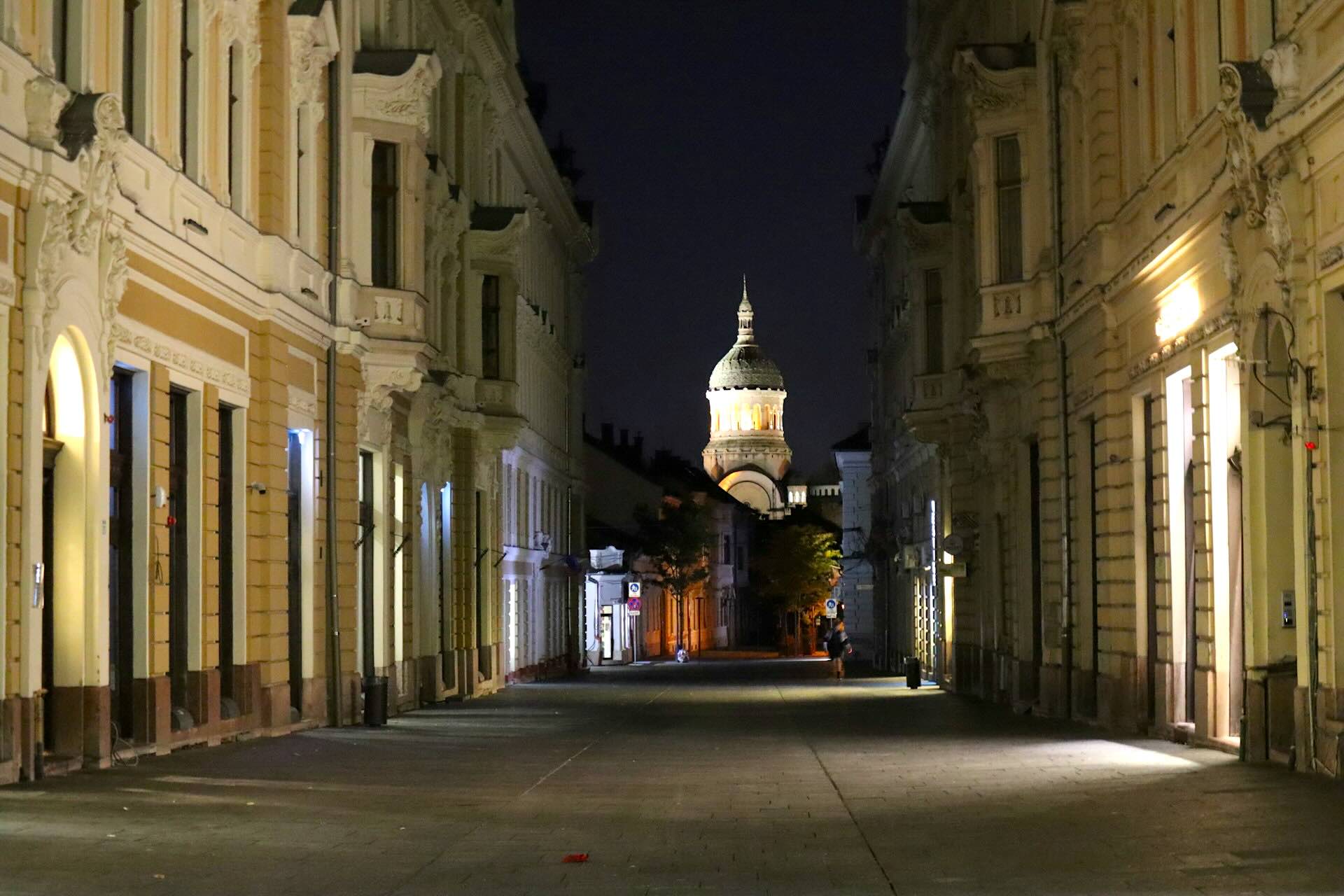
    Cluj-Napoca, Romania youthful energy and Transylvanian style come together in a city that feels smart, creative, and deeply regional. Often called Cluj, the city blends university life, historic streets, café culture, Hungarian and Romanian influences, green spaces, music, tech energy, and easy access to the landscapes of Transylvania.

    Why Cluj-Napoca Feels So Distinct

    Cluj-Napoca stands out because it feels both old and young. The city has medieval squares, churches, historic facades, and Central European architecture, but its large student population gives it a lively and current mood.

    This balance makes Cluj one of Romania’s most appealing city breaks. It feels cultured without being stiff, energetic without being overwhelming, and historic without feeling frozen in the past.

    Youthful Energy Shapes the City

    The phrase youthful energy fits Cluj-Napoca because students, startups, cafés, festivals, and creative spaces play a major role in the city’s identity. The streets feel active, especially around universities, bars, restaurants, bookstores, and cultural venues.

    This energy gives Cluj a fresh atmosphere. Travelers can enjoy history during the day, then find a more social and modern rhythm in the evening. The city feels like it is still growing into itself.

    Transylvanian Style Gives Cluj Character

    Cluj-Napoca’s Transylvanian style comes through in its architecture, food, language influences, churches, courtyards, and regional pride. The city reflects both Romanian and Hungarian heritage, along with broader Central European influences.

    This layered identity gives Cluj depth. It is not only a Romanian city with old buildings. It is a place where cultures have met, overlapped, and shaped daily life over centuries.

    Union Square Anchors the Historic Center

    Union Square is one of Cluj’s most important public spaces. Historic buildings, cafés, churches, and open space create a natural center for walking and gathering. It is one of the best places to understand the city’s balance of history and daily life.

    The square works because it feels active rather than purely ceremonial. Locals, students, visitors, and workers all move through it, giving the historic center a steady rhythm.

    Churches and Architecture Add Depth

    Cluj-Napoca has a rich architectural mix, with Gothic, Baroque, Renaissance, Art Nouveau, and modern elements appearing across the city. Churches, palaces, university buildings, and civic spaces give the center texture and variety.

    This architectural range makes Cluj rewarding on foot. The city does not depend on one single landmark. Its appeal builds through streets, facades, towers, courtyards, and small visual details.

    Cafés, Restaurants, and Nightlife

    Cluj has a strong café and dining scene. Coffee shops, bakeries, wine bars, casual restaurants, traditional kitchens, and modern dining spaces make the city easy to enjoy at a relaxed pace.

    Nightlife also adds to the city’s appeal. Because of its student and creative communities, Cluj feels lively after dark without losing its local character. It works well for travelers who want culture and social energy in the same trip.

    Parks and Green Space Soften the City

    Cluj-Napoca has green spaces that make the city feel balanced. Parks, gardens, hills, and nearby viewpoints provide breaks from the busier streets. These areas help soften the urban energy and add room to pause.

    This matters because Cluj can feel active and youthful, but not exhausting. The city gives travelers places to slow down, walk, sit, and see the broader shape of the city.

    A Gateway to Transylvania

    Cluj-Napoca is one of the best bases for exploring Transylvania. From the city, travelers can build routes toward mountain landscapes, castles, villages, salt mines, fortified churches, and scenic countryside.

    This gateway role makes Cluj especially useful. It offers a real urban experience while also connecting easily to some of Romania’s most memorable regional destinations.

    Food and Regional Flavor

    Cluj’s food culture reflects its Transylvanian setting. Traditional dishes, Hungarian influences, Romanian comfort food, pastries, soups, meats, cheeses, and modern restaurants all shape the dining experience.

    This gives the city warmth. Meals in Cluj help travelers understand the region through flavor, hospitality, and shared cultural traditions rather than through sightseeing alone.

    A Different Side of Romania

    Cluj-Napoca offers a different experience from Bucharest. Bucharest feels larger, grander, and more layered with capital city scale. Cluj feels smaller, younger, more relaxed, and more closely tied to regional identity.

    This contrast makes Cluj a strong addition to a Romania itinerary. It shows another side of the country, one shaped by universities, Transylvanian history, creative culture, and mountain access.

    Who Cluj-Napoca Is Best For

    Cluj-Napoca is best for travelers who enjoy university cities, cafés, nightlife, architecture, history, regional food, and access to nature. It works well for solo travelers, couples, students, digital nomads, culture focused visitors, and anyone exploring Transylvania.

    This is not a city built around one dramatic monument. Cluj works through atmosphere, energy, layers, and local rhythm. That makes it especially rewarding for travelers who like cities that feel both historic and alive.

    The Lasting Appeal of Cluj-Napoca

    Cluj-Napoca stays memorable because it feels intelligent, social, and deeply connected to Transylvania. The youthful energy gives it movement. The Transylvanian style gives it character. The squares, cafés, churches, parks, food, and regional access give the city its lasting personality.

    For travelers who want a Romanian city with history, creativity, and a strong local pulse, Cluj-Napoca is a strong choice. It proves that some destinations stand out because they feel both rooted and forward looking.
    Plan a trip to Cluj-Napoca today.

  • Bucharest, Romania Belle Époque Grandeur and New Energy

    Bucharest, Romania Belle Époque Grandeur and New Energy

    Bucharest, Romania Belle Époque grandeur and new energy come together in a capital that feels layered, surprising, and full of contrast. Bucharest is a city of wide boulevards, ornate facades, Orthodox churches, garden restaurants, communist-era scale, creative neighborhoods, and a growing urban confidence. It does not reveal itself all at once, but that is part of its appeal.

    Why Bucharest Feels So Distinct

    Bucharest stands out because it blends elegance, history, grit, and reinvention. Some streets feel grand and theatrical. Others feel worn, practical, and in transition. The result is a city with real texture.

    This contrast gives Bucharest depth. It is not a perfectly polished capital, and that makes it more interesting. Travelers who enjoy cities with layers, change, and strong local life often find Bucharest more rewarding than expected.

    Belle Époque Grandeur Shapes the City

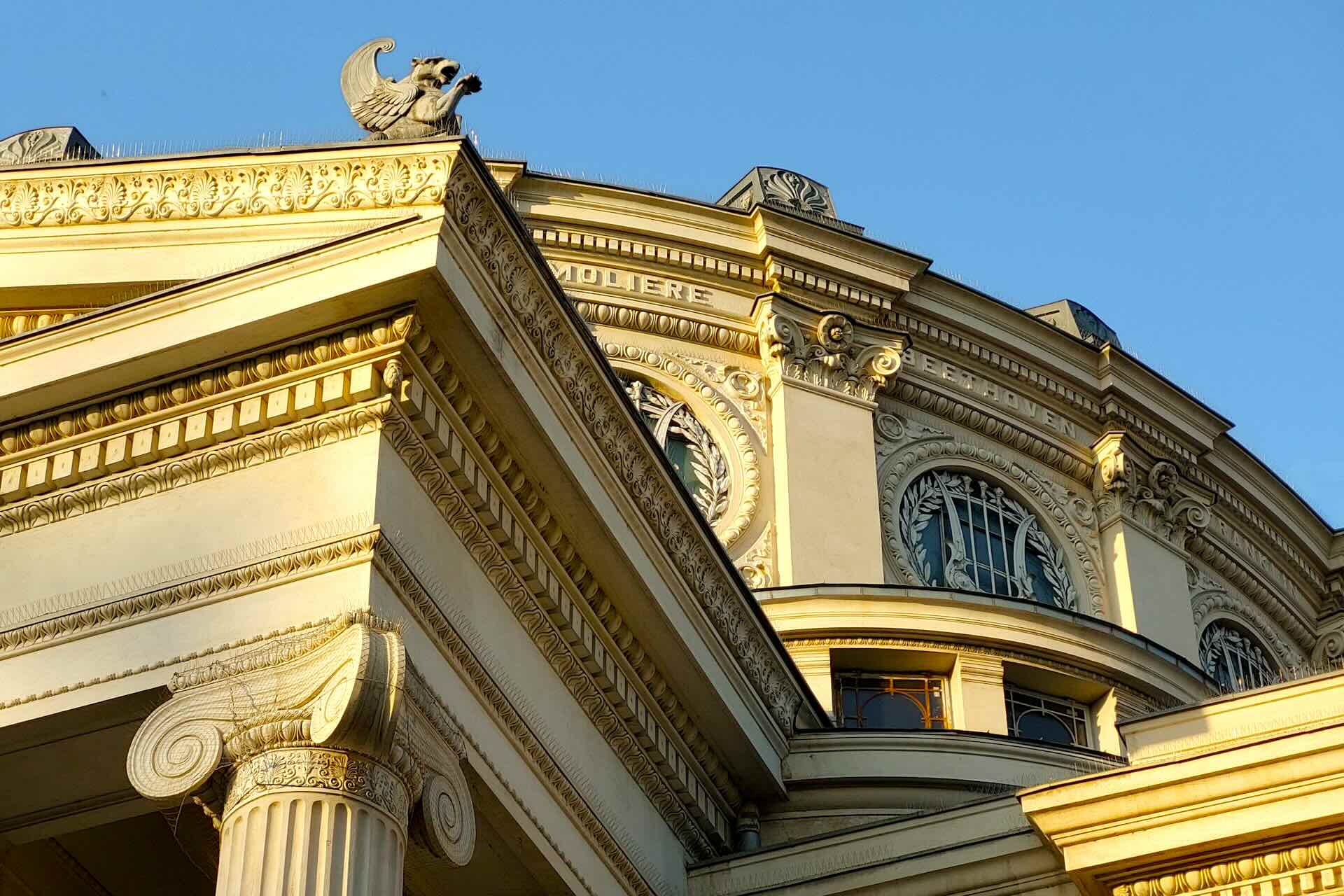
    The phrase Belle Époque grandeur fits Bucharest because parts of the city still show the elegance that once earned it comparisons to Paris. Ornate buildings, formal avenues, historic mansions, balconies, and old hotels give Bucharest a graceful architectural side.

    This grandeur gives the city visual drama. Even when buildings show age, they still carry character. Bucharest’s older architecture often feels romantic, atmospheric, and full of memory.

    New Energy Defines the Mood

    Bucharest’s new energy comes through in its cafés, restaurants, galleries, nightlife, design spaces, and creative districts. The city feels active and evolving, with younger locals reshaping old buildings and underused areas into social and cultural spaces.

    This energy matters because Bucharest is not only a city of the past. It is changing in visible ways. Travelers can feel that momentum in its food scene, coffee culture, independent shops, and nightlife.

    The Old Town Adds Lively Contrast

    Bucharest’s Old Town gives the city one of its busiest visitor areas. Streets filled with restaurants, bars, churches, historic facades, and nightlife create a lively contrast to the city’s broader boulevards and quieter neighborhoods.

    The Old Town can feel energetic and uneven, but it shows an important side of Bucharest. It brings together tourism, local social life, restored buildings, and remnants of older commercial streets.

    Grand Boulevards and Monumental Scale

    Bucharest has a strong sense of scale. Wide boulevards, large squares, official buildings, and major civic spaces show how different political periods shaped the city. Some areas feel elegant. Others feel massive and severe.

    This scale adds complexity to Bucharest. The city is not only charming streets and cafés. It also carries the weight of twentieth-century history, urban planning, and political ambition.

    Orthodox Churches Add Quiet Beauty

    Bucharest’s Orthodox churches offer some of the city’s most peaceful moments. Small churches, painted interiors, courtyards, icons, and candlelit spaces appear throughout the urban fabric. They often sit close to busy streets, creating sudden pockets of calm.

    These churches give Bucharest emotional depth. They balance the city’s grand avenues and modern energy with intimacy, faith, and tradition.

    Parks and Gardens Soften the Capital

    Bucharest has parks and gardens that make the city easier to enjoy at a slower pace. Green spaces, lakes, shaded paths, and outdoor cafés help soften the density and traffic of the capital.

    This balance is important. Bucharest can feel intense in places, but its parks give travelers room to pause. They also show a more relaxed and local side of the city.

    Cafés, Restaurants, and Local Rhythm

    Bucharest’s café and dining scene adds warmth to the travel experience. Coffee shops, wine bars, traditional restaurants, modern kitchens, bakeries, and garden terraces all help define the city’s new rhythm.

    This food and café culture makes Bucharest especially enjoyable for travelers who like to settle into a city. The best moments are often simple: a long lunch, a quiet courtyard, a strong coffee, or an evening walk between neighborhoods.

    Architecture With Many Eras

    Bucharest’s architecture moves between Belle Époque buildings, Art Deco details, Orthodox churches, socialist apartment blocks, monumental state projects, and contemporary design. This variety can feel messy, but it is central to the city’s identity.

    The city’s beauty is not always uniform. It works through contrast. Bucharest asks travelers to look closely rather than expect every street to match.

    A Gateway to Romania

    Bucharest also works well as a starting point for exploring Romania. From the capital, travelers can build routes toward Transylvania, mountain towns, castles, monasteries, wine regions, and the Black Sea coast.

    That makes Bucharest useful as more than an arrival city. It can anchor a broader Romania trip while offering its own culture, history, nightlife, and architecture.

    Who Bucharest Is Best For

    Bucharest is best for travelers who enjoy architecture, cafés, nightlife, history, urban contrast, and cities in transition. It works well for solo travelers, couples, culture focused visitors, and anyone curious about Eastern Europe beyond the most familiar routes.

    This is not a city built around perfect order. Bucharest works through grandeur, change, memory, and momentum. That makes it especially rewarding for travelers who prefer character over polish.

    The Lasting Appeal of Bucharest

    Bucharest stays memorable because it feels grand, complicated, and alive. The Belle Époque grandeur gives it elegance. The new energy gives it movement. The churches, parks, boulevards, cafés, nightlife, and mixed architecture give the city its lasting personality.

    For travelers who want a European capital with history, contrast, and creative momentum, Bucharest is a strong choice. It proves that some cities become more interesting when they show both their scars and their ambition.

    Plan a trip to Bucharest today.