Tag: unique city experiences

  • Why Medellín Is One of South America’s Most Surprising Cities

    Why Medellín Is One of South America’s Most Surprising Cities

    Medellín has quietly transformed its global reputation, and why Medellín is one of South America’s most surprising cities becomes clear the moment you experience it firsthand. This is a city that defies outdated assumptions and replaces them with innovation, warmth, and a strong sense of forward momentum. Medellín feels confident without being flashy, welcoming without trying too hard, and deeply rooted in community.

    For travelers who value culture, food, neighborhoods, and meaningful city experiences, Medellín delivers perspective as much as pleasure. It is a place where change feels visible and optimism feels earned.

    A City Defined by Transformation

    Medellín’s story is central to its identity. The city does not hide its past, but it does not let it define the present.

    Over the last few decades, Medellín invested heavily in education, public space, transportation, and social infrastructure. These changes were designed to connect people rather than separate them.

    You see this transformation everywhere. Neighborhoods once isolated by geography are now linked through thoughtful urban planning. Public spaces feel purposeful and inclusive.

    This visible progress gives the city a sense of momentum. Medellín feels like a place still becoming itself, and that energy is contagious.

    Neighborhoods That Shape the Experience

    Medellín is a city of neighborhoods, each offering a different perspective on daily life.

    El Poblado feels modern and social. Cafés, restaurants, and parks make it a comfortable base for visitors while still reflecting local rhythms.

    Laureles feels residential and relaxed. Tree lined streets, local eateries, and a slower pace reveal how many residents actually live day to day.

    The hillside neighborhoods tell a powerful story of connection and resilience. Improved access and investment have brought cultural spaces, views, and community pride into focus.

    Exploring different areas helps you understand Medellín as a city built on inclusion rather than division.

    Climate That Shapes Daily Life

    Medellín’s nickname, the city of eternal spring, reflects more than weather. The climate shapes how people use space and time.

    Days feel balanced. Outdoor life feels natural. Parks, terraces, and open air cafés are used year round.

    This consistency encourages routine and social interaction. People gather easily. Conversations happen outside. Life feels less compressed.

    For visitors, this climate removes friction. You spend less time planning around weather and more time enjoying the city.

    Culture That Feels Lived In

    Culture in Medellín does not feel curated for visitors. It feels integrated into daily life.

    Art appears in public spaces, libraries, and community centers. Music, dance, and storytelling remain important forms of expression.

    Local pride is strong, but it is paired with openness. Residents are often eager to share their city’s story, not as a performance, but as lived experience.

    This authenticity creates meaningful connection. You feel welcomed into a place that values progress and memory equally.

    Food That Reflects Comfort and Creativity

    Medellín’s food culture balances tradition and adaptation. Meals feel comforting, familiar, and social.

    Local dishes emphasize simplicity and nourishment. Ingredients feel accessible rather than ornate.

    At the same time, the city’s dining scene continues to evolve. New interpretations appear alongside traditional cooking, often influenced by regional ingredients and global ideas.

    Eating in Medellín feels relaxed. Meals are about connection rather than ceremony. Food supports daily life instead of dominating it.

    Innovation and Urban Design

    One of Medellín’s most surprising qualities is how intentionally it approaches innovation.

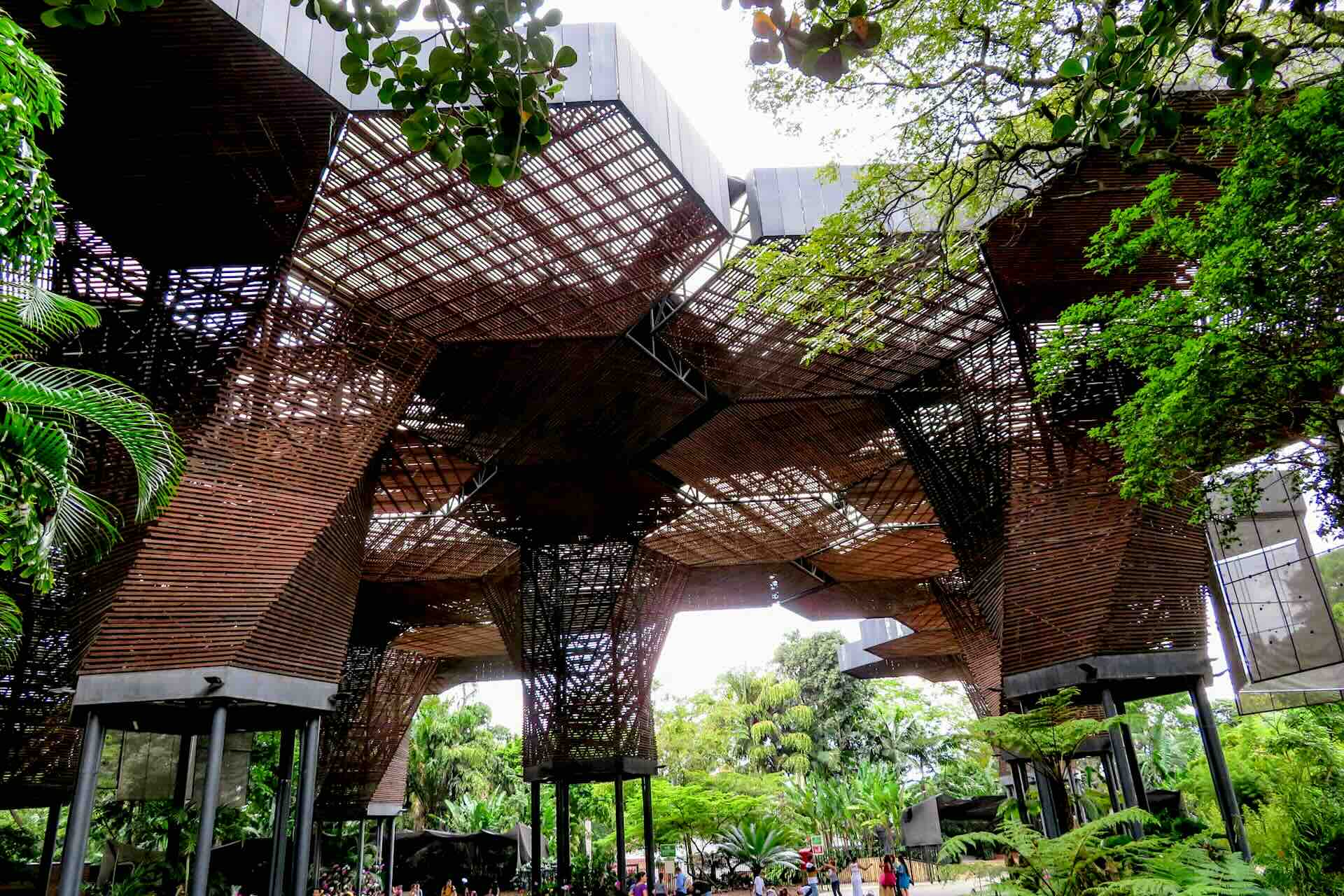
    Public transportation, libraries, parks, and cultural centers are designed to serve communities rather than impress visitors.

    Design choices prioritize access, dignity, and function. Beauty emerges from usefulness rather than excess.

    This approach shapes how the city feels. Movement feels intuitive. Public space feels shared.

    Visitors often notice how human the city feels, even as it embraces modern solutions.

    A Strong Sense of Community

    Community is central to Medellín’s identity. Social connection feels genuine and visible.

    People greet each other warmly. Conversations start easily. Hospitality feels natural rather than transactional.

    Public events and shared spaces reinforce belonging. The city encourages participation rather than observation.

    For travelers, this sense of community makes Medellín feel approachable and emotionally engaging.

    Music, Movement, and Expression

    Music and movement play an important role in Medellín’s cultural life. Expression feels energetic and grounded.

    You encounter sound in everyday settings, from casual gatherings to organized events. Dance and rhythm feel like extensions of social life.

    This expressive culture adds texture to daily routines. It reinforces joy without spectacle.

    The city feels alive without feeling overwhelming.

    A Different Kind of Urban Energy

    Medellín’s energy is not frantic. It is optimistic.

    People take pride in progress and possibility. There is a shared belief in improvement and participation.

    This mindset shapes how the city feels to visitors. You sense intention rather than chaos.

    Medellín feels like a place where people care about where they live and where it is going.

    Why Medellín Surprises Modern Travelers

    Many travelers arrive with limited expectations and leave with expanded perspective.

    Medellín challenges assumptions about safety, development, and urban life in South America.

    It offers cultural richness without intimidation, innovation without coldness, and warmth without spectacle.

    This balance makes it especially appealing to travelers seeking meaningful experiences rather than highlights.

    How to Experience Medellín Thoughtfully

    To experience Medellín fully, allow time to settle in. Choose a neighborhood and explore it deeply before moving on.

    Balance structured activities with wandering and conversation. Spend time in parks and public spaces.

    Listen to residents. Their stories reveal the city’s character more than landmarks alone.

    This approach turns a visit into understanding.

    Why Medellín Leaves a Lasting Impression

    Medellín stays with travelers because it represents possibility. It shows how cities can evolve through intention, inclusion, and care.

    You leave with admiration rather than nostalgia. Inspiration rather than exhaustion.

    Why Medellín is one of South America’s most surprising cities comes down to one thing. It proves that change, when centered on people, can reshape not just a city, but how it feels to experience one.
    Plan a trip to Medellín today.

  • Why Amsterdam Is About More Than Canals and Bikes

    Why Amsterdam Is About More Than Canals and Bikes

    Amsterdam is often reduced to a postcard image, and why Amsterdam is about more than canals and bikes becomes clear once you move past first impressions. The waterways and cycling culture are real, but they are only the surface of a city shaped by ideas, tolerance, design, and everyday rituals that feel quietly intentional. Amsterdam reveals itself through how people live, not just what they pass by.

    For travelers who value culture, food, neighborhoods, and lived experience, Amsterdam offers depth without drama. It feels approachable, yet layered enough to reward time and attention.

    A City Built on Ideas, Not Just Infrastructure

    Amsterdam’s identity is rooted in values as much as visuals. Openness, pragmatism, and individual freedom shape how the city functions.

    Historically, Amsterdam thrived as a trading city that welcomed different cultures, beliefs, and perspectives. That openness became a defining trait rather than a temporary strategy.

    You still feel this today. Differences are accommodated rather than spotlighted. Daily life feels designed to work for people with varied needs and lifestyles.

    This mindset explains much of what visitors notice, from urban planning to social norms. The city prioritizes coexistence over spectacle.

    Neighborhoods That Define Daily Life

    Amsterdam’s character lives in its neighborhoods. Each area carries a distinct tone that goes beyond scenery.

    The Jordaan feels intimate and lived in. Narrow streets, local cafés, and small shops create a sense of community. It is a place to slow down and observe daily routines.

    De Pijp feels energetic and multicultural. Food from around the world, busy markets, and casual social life give the area constant motion.

    Oud West blends residential calm with creative energy. Independent stores, bakeries, and green spaces make it feel balanced and practical.

    Amsterdam Noord feels experimental and evolving. Creative spaces, waterfront views, and repurposed industrial areas show how the city adapts without erasing its past.

    Spending time across neighborhoods reveals a city built around living well rather than impressing visitors.

    Food Culture Beyond Expectations

    Amsterdam’s food scene often surprises travelers who expect simplicity. While traditional dishes remain important, the city’s culinary identity reflects global influence and thoughtful execution.

    Local cafés focus on quality and consistency. Coffee culture emphasizes care and atmosphere rather than speed.

    Markets play a central role. They bring together food, conversation, and community. Walking through them offers insight into daily preferences and habits.

    Restaurants range widely in style and price, but many share an emphasis on seasonal ingredients and balance. Meals feel intentional without feeling precious.

    Food in Amsterdam supports daily life. It complements routines rather than dominating schedules.

    Design as a Way of Thinking

    Design in Amsterdam is not limited to museums or galleries. It shapes everyday experiences.

    Buildings balance form and function. Interiors feel calm and purposeful. Public spaces prioritize usability and comfort.

    This approach reflects a broader cultural value placed on practicality and restraint. Beauty emerges from usefulness rather than excess.

    Design choices support how people move, gather, and rest. You notice how naturally spaces work together.

    Spending time in the city helps you understand design as mindset rather than aesthetic.

    Culture That Feels Integrated, Not Staged

    Amsterdam’s cultural offerings feel integrated into daily life. Museums and institutions are important, but culture also exists outside formal settings.

    Art appears in public spaces, small galleries, and unexpected corners. Creativity feels accessible rather than elevated.

    Music, film, and performance often happen in intimate venues. Experiences feel personal and participatory.

    Cultural engagement does not require planning or expertise. Curiosity is enough.

    This integration makes culture feel lived rather than displayed.

    A Different Relationship With Time

    Amsterdam operates with a steady, balanced pace. The city does not rush, but it also does not linger aimlessly.

    Work and leisure coexist clearly. People make time for rest, social connection, and personal interests.

    Evenings feel relaxed. Meals are enjoyed without pressure. Conversations take precedence over schedules.

    This rhythm shapes how visitors experience the city. You feel encouraged to slow down without disengaging.

    Time feels well spent rather than filled.

    Social Norms That Shape the Experience

    Amsterdam’s social culture values directness, respect, and independence. People communicate clearly and expect personal responsibility.

    This honesty can feel refreshing. Interactions are straightforward and grounded.

    At the same time, privacy is respected. Personal space matters. Social engagement happens by choice, not obligation.

    These norms create a sense of ease. You know where you stand, and you are free to move at your own pace.

    Nature and Urban Balance

    Green space plays an important role in Amsterdam. Parks, waterways, and tree lined streets soften the urban environment.

    People use these spaces actively. Picnics, walks, and quiet reflection are common parts of daily life.

    Water shapes movement and mood. It provides calm and continuity throughout the city.

    This balance between nature and urban life contributes to Amsterdam’s livability.

    Why Amsterdam Feels Familiar Yet Distinct

    Many travelers feel comfortable in Amsterdam quickly. The city is navigable, friendly, and intuitive.

    Yet it also feels different. Values around openness, design, and balance create subtle contrasts with other cities.

    You recognize patterns, but the tone shifts. That combination makes exploration rewarding without stress.

    Amsterdam does not demand adaptation. It invites understanding.

    Moving Past the Stereotypes

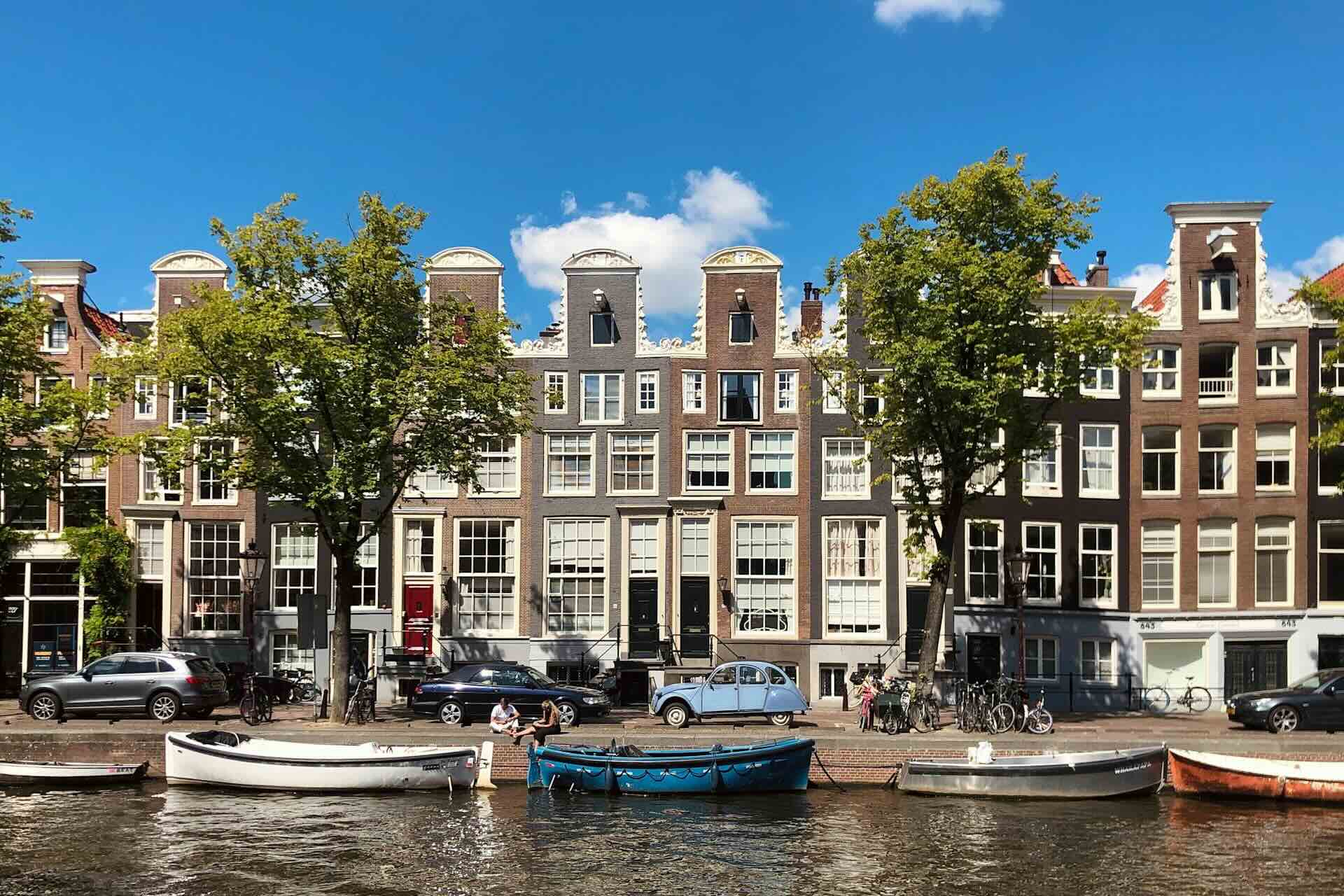
    Canals and bikes are part of Amsterdam’s identity, but they are not its essence.

    Reducing the city to visuals misses its deeper character. The real experience lies in routines, values, and everyday interactions.

    When you move past stereotypes, Amsterdam feels richer and more personal.

    You stop collecting images and start noticing patterns of life.

    How to Experience Amsterdam More Fully

    To experience Amsterdam beyond the surface, allow time for routine. Return to the same café. Walk the same street at different times of day.

    Explore neighborhoods rather than landmarks alone. Sit and observe. Notice how people use space.

    Balance popular sights with unplanned wandering. Let curiosity guide choices.

    This approach reveals the city’s quieter strengths.

    Why Amsterdam Stays With You

    Amsterdam stays with travelers because it models a way of living that feels intentional and humane.

    It shows how cities can be functional without feeling cold, cultural without feeling performative, and social without feeling forced.

    Why Amsterdam is about more than canals and bikes comes down to this. The city prioritizes how life feels.

    That focus leaves a lasting impression.

    Plan a trip to Amsterdam today.