Tag: walkable cities

  • Why Melbourne Feels Designed for Everyday Life

    Why Melbourne Feels Designed for Everyday Life

    Melbourne often ranks high on global livability lists, but statistics only tell part of the story. Why Melbourne feels designed for everyday life becomes clear the moment you step into its neighborhoods. The city balances culture, green space, food, transit, and public design in a way that supports routine as much as spectacle.

    Melbourne does not overwhelm you with grandeur. Instead, it functions beautifully at a human scale. It is a city built for walking, sitting, eating, commuting, and lingering. That everyday comfort is what makes it memorable.

    Walkability Shapes the Experience

    Melbourne’s central grid and surrounding neighborhoods encourage movement on foot.

    Wide sidewalks, protected tram lines, and pedestrian friendly crossings reduce friction. You can move from a café to a bookstore to a park without feeling rushed.

    The city center feels compact without feeling crowded.

    Walkability changes how you experience a place. When you can move easily, you engage more deeply.

    Public Transport Feels Integrated

    Melbourne’s tram network is both practical and iconic.

    Free tram zones in the central business district make short trips simple. Beyond the center, trains and buses connect neighborhoods efficiently.

    You do not need a car to function here.

    Ease of movement supports daily life and reduces stress for visitors and residents alike.

    Neighborhood Identity Matters

    Melbourne’s character lives in its neighborhoods.

    Fitzroy leans creative and independent. Carlton blends Italian heritage with academic energy. South Yarra feels polished yet relaxed.

    Each district has its own rhythm, yet they connect seamlessly.

    This layered structure allows you to choose the pace and atmosphere that fits your mood.

    Coffee Culture Anchors Routine

    Coffee in Melbourne is not an afterthought.

    Independent cafés line streets across the city. Locals treat coffee as ritual rather than transaction.

    Baristas take pride in craft. Customers linger instead of rushing out.

    This culture encourages pause in the middle of busy days.

    Green Space Is Part of the Design

    Parks are not hidden away.

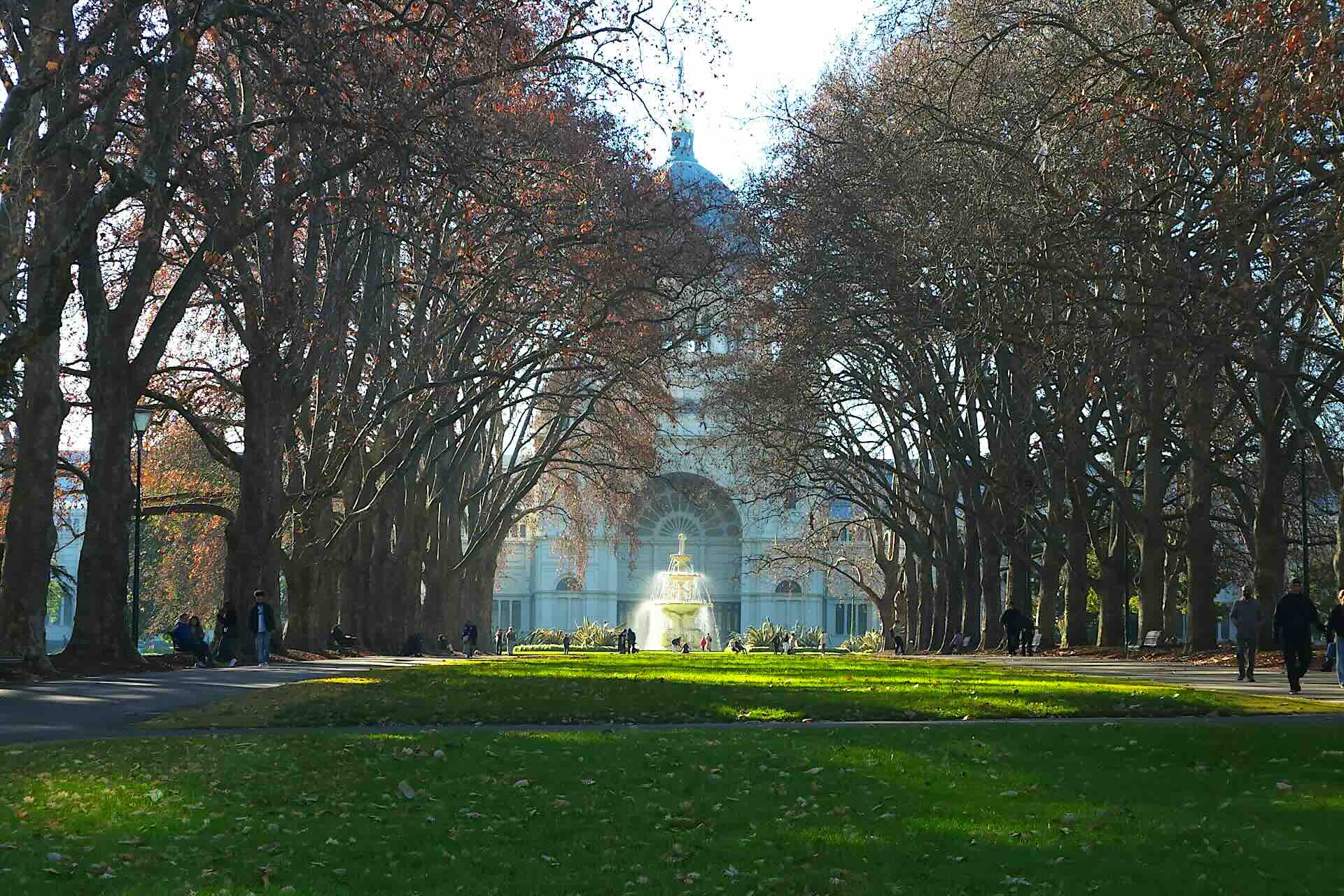
    The Royal Botanic Gardens, riverside paths along the Yarra, and neighborhood green spaces provide daily access to nature.

    You can shift from urban streets to open lawns within minutes.

    This balance between density and greenery supports both energy and calm.

    Food Reflects Cultural Diversity

    Melbourne’s dining scene mirrors its multicultural population.

    You can find Vietnamese, Greek, Italian, Ethiopian, and contemporary Australian cuisine within short distances.

    Restaurants range from simple neighborhood spots to refined dining rooms.

    Food here feels integrated into daily life rather than reserved for special occasions.

    Architecture Blends Old and New

    Melbourne’s streets combine Victorian era buildings with modern glass structures.

    Laneways reveal street art and hidden bars. Wide boulevards frame historic facades.

    The city respects its past while continuing to evolve.

    This architectural layering creates visual depth without chaos.

    The Pace Feels Sustainable

    Melbourne moves steadily, not frantically.

    Work life exists, but it does not dominate the entire atmosphere.

    People gather in parks after work. Outdoor seating remains active. Weekends stretch into markets and festivals.

    The city supports productivity without sacrificing quality of life.

    Everyday Amenities Feel Accessible

    Grocery stores, pharmacies, gyms, and markets sit within residential neighborhoods.

    You do not need to travel far to meet daily needs.

    Accessibility reduces stress and creates comfort.

    Even as a visitor, you sense how smoothly life operates.

    Arts and Culture Feel Approachable

    Melbourne hosts festivals, galleries, and live music throughout the year.

    Yet these experiences rarely feel exclusive.

    Small venues, local performances, and community events sit alongside major institutions.

    Culture feels woven into routine rather than isolated in formal spaces.

    Why Visitors Notice the Difference

    Travelers often describe Melbourne as easy.

    Ease comes from thoughtful design, reliable systems, and neighborhood cohesion.

    You do not constantly navigate confusion.

    Instead, you spend more time enjoying cafés, parks, and conversation.

    How to Experience Melbourne’s Everyday Design

    Stay in a residential neighborhood rather than only the central business district.

    Use trams instead of rideshare services.

    Spend time in parks without an agenda.

    Visit local markets and independent shops.

    Observe how residents move through their day.

    Final Thoughts on Melbourne’s Livability

    Why Melbourne feels designed for everyday life is not about one landmark or event.

    It is about how small elements connect seamlessly.

    Walkability, public transport, coffee culture, green space, and neighborhood identity work together.

    The result is a city that feels comfortable, human, and quietly confident.
    Plan a trip to Melbourne today.

  • Why Amsterdam Is About More Than Canals and Bikes

    Why Amsterdam Is About More Than Canals and Bikes

    Amsterdam is often reduced to a postcard image, and why Amsterdam is about more than canals and bikes becomes clear once you move past first impressions. The waterways and cycling culture are real, but they are only the surface of a city shaped by ideas, tolerance, design, and everyday rituals that feel quietly intentional. Amsterdam reveals itself through how people live, not just what they pass by.

    For travelers who value culture, food, neighborhoods, and lived experience, Amsterdam offers depth without drama. It feels approachable, yet layered enough to reward time and attention.

    A City Built on Ideas, Not Just Infrastructure

    Amsterdam’s identity is rooted in values as much as visuals. Openness, pragmatism, and individual freedom shape how the city functions.

    Historically, Amsterdam thrived as a trading city that welcomed different cultures, beliefs, and perspectives. That openness became a defining trait rather than a temporary strategy.

    You still feel this today. Differences are accommodated rather than spotlighted. Daily life feels designed to work for people with varied needs and lifestyles.

    This mindset explains much of what visitors notice, from urban planning to social norms. The city prioritizes coexistence over spectacle.

    Neighborhoods That Define Daily Life

    Amsterdam’s character lives in its neighborhoods. Each area carries a distinct tone that goes beyond scenery.

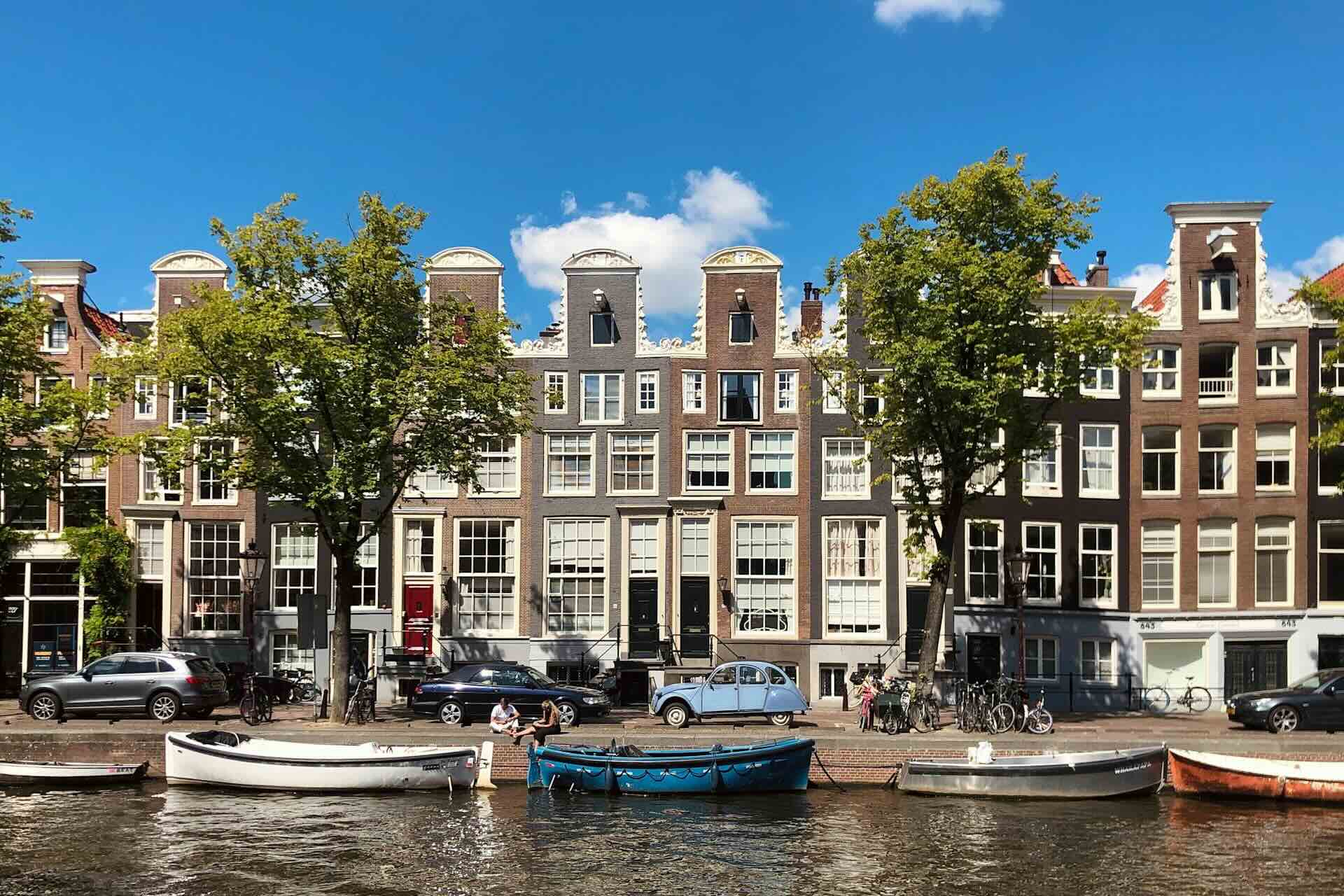
    The Jordaan feels intimate and lived in. Narrow streets, local cafés, and small shops create a sense of community. It is a place to slow down and observe daily routines.

    De Pijp feels energetic and multicultural. Food from around the world, busy markets, and casual social life give the area constant motion.

    Oud West blends residential calm with creative energy. Independent stores, bakeries, and green spaces make it feel balanced and practical.

    Amsterdam Noord feels experimental and evolving. Creative spaces, waterfront views, and repurposed industrial areas show how the city adapts without erasing its past.

    Spending time across neighborhoods reveals a city built around living well rather than impressing visitors.

    Food Culture Beyond Expectations

    Amsterdam’s food scene often surprises travelers who expect simplicity. While traditional dishes remain important, the city’s culinary identity reflects global influence and thoughtful execution.

    Local cafés focus on quality and consistency. Coffee culture emphasizes care and atmosphere rather than speed.

    Markets play a central role. They bring together food, conversation, and community. Walking through them offers insight into daily preferences and habits.

    Restaurants range widely in style and price, but many share an emphasis on seasonal ingredients and balance. Meals feel intentional without feeling precious.

    Food in Amsterdam supports daily life. It complements routines rather than dominating schedules.

    Design as a Way of Thinking

    Design in Amsterdam is not limited to museums or galleries. It shapes everyday experiences.

    Buildings balance form and function. Interiors feel calm and purposeful. Public spaces prioritize usability and comfort.

    This approach reflects a broader cultural value placed on practicality and restraint. Beauty emerges from usefulness rather than excess.

    Design choices support how people move, gather, and rest. You notice how naturally spaces work together.

    Spending time in the city helps you understand design as mindset rather than aesthetic.

    Culture That Feels Integrated, Not Staged

    Amsterdam’s cultural offerings feel integrated into daily life. Museums and institutions are important, but culture also exists outside formal settings.

    Art appears in public spaces, small galleries, and unexpected corners. Creativity feels accessible rather than elevated.

    Music, film, and performance often happen in intimate venues. Experiences feel personal and participatory.

    Cultural engagement does not require planning or expertise. Curiosity is enough.

    This integration makes culture feel lived rather than displayed.

    A Different Relationship With Time

    Amsterdam operates with a steady, balanced pace. The city does not rush, but it also does not linger aimlessly.

    Work and leisure coexist clearly. People make time for rest, social connection, and personal interests.

    Evenings feel relaxed. Meals are enjoyed without pressure. Conversations take precedence over schedules.

    This rhythm shapes how visitors experience the city. You feel encouraged to slow down without disengaging.

    Time feels well spent rather than filled.

    Social Norms That Shape the Experience

    Amsterdam’s social culture values directness, respect, and independence. People communicate clearly and expect personal responsibility.

    This honesty can feel refreshing. Interactions are straightforward and grounded.

    At the same time, privacy is respected. Personal space matters. Social engagement happens by choice, not obligation.

    These norms create a sense of ease. You know where you stand, and you are free to move at your own pace.

    Nature and Urban Balance

    Green space plays an important role in Amsterdam. Parks, waterways, and tree lined streets soften the urban environment.

    People use these spaces actively. Picnics, walks, and quiet reflection are common parts of daily life.

    Water shapes movement and mood. It provides calm and continuity throughout the city.

    This balance between nature and urban life contributes to Amsterdam’s livability.

    Why Amsterdam Feels Familiar Yet Distinct

    Many travelers feel comfortable in Amsterdam quickly. The city is navigable, friendly, and intuitive.

    Yet it also feels different. Values around openness, design, and balance create subtle contrasts with other cities.

    You recognize patterns, but the tone shifts. That combination makes exploration rewarding without stress.

    Amsterdam does not demand adaptation. It invites understanding.

    Moving Past the Stereotypes

    Canals and bikes are part of Amsterdam’s identity, but they are not its essence.

    Reducing the city to visuals misses its deeper character. The real experience lies in routines, values, and everyday interactions.

    When you move past stereotypes, Amsterdam feels richer and more personal.

    You stop collecting images and start noticing patterns of life.

    How to Experience Amsterdam More Fully

    To experience Amsterdam beyond the surface, allow time for routine. Return to the same café. Walk the same street at different times of day.

    Explore neighborhoods rather than landmarks alone. Sit and observe. Notice how people use space.

    Balance popular sights with unplanned wandering. Let curiosity guide choices.

    This approach reveals the city’s quieter strengths.

    Why Amsterdam Stays With You

    Amsterdam stays with travelers because it models a way of living that feels intentional and humane.

    It shows how cities can be functional without feeling cold, cultural without feeling performative, and social without feeling forced.

    Why Amsterdam is about more than canals and bikes comes down to this. The city prioritizes how life feels.

    That focus leaves a lasting impression.

    Plan a trip to Amsterdam today.

  • Why Montreal Is One of North America’s Most Underrated Cities

    Why Montreal Is One of North America’s Most Underrated Cities

    Montreal often surprises first time visitors, and why Montreal is one of North America’s most underrated cities becomes clear once you spend time there. This is a place where European charm, North American ease, and a strong cultural identity coexist naturally. Montreal does not shout for attention. It reveals itself slowly, through neighborhoods, food, language, and everyday life that feels both familiar and refreshingly different.

    For travelers who enjoy culture, music, food, and walkable cities, Montreal offers depth without pressure. It feels approachable, yet layered enough to reward curiosity.

    A City That Feels European Without Leaving North America

    Montreal carries a European sensibility that sets it apart from most cities on the continent. Historic streets, stone buildings, cafés, and public squares create a sense of place that feels rooted and intentional.

    At the same time, the city remains unmistakably North American. Infrastructure is familiar. Navigation feels easy. Service culture feels relaxed and efficient.

    This blend allows visitors to enjoy a European atmosphere without the logistical friction that sometimes comes with international travel. You settle in quickly, which makes exploration feel natural rather than rushed.

    Language as Cultural Texture

    One of Montreal’s defining features is its bilingual nature. French and English coexist throughout the city, shaping how it sounds and feels.

    You hear French spoken daily, on the street, in shops, and at cafés. Even if you do not speak it, the language adds rhythm and character to everyday interactions.

    At the same time, English is widely understood, which lowers barriers for visitors. This balance creates a sense of immersion without intimidation.

    Language here is not just communication. It is part of the city’s identity and creative energy.

    Neighborhoods That Shape the Experience

    Montreal’s neighborhoods are central to understanding its appeal. Each area carries its own mood, pace, and personality.

    Old Montreal feels historic and atmospheric. Cobblestone streets, waterfront views, and preserved architecture create a strong sense of continuity with the past.

    The Plateau feels artistic and residential. Cafés, bookstores, murals, and tree lined streets invite slow wandering and long conversations.

    Mile End feels creative and understated. It is known for food, music, and independent culture. Daily life here feels expressive and grounded.

    Downtown blends energy and accessibility. Cultural institutions, shopping, and nightlife coexist without overwhelming the city’s rhythm.

    Exploring multiple neighborhoods reveals how varied and cohesive Montreal truly is.

    Food That Reflects Cultural Blending

    Montreal’s food scene reflects its layered identity. French technique, global influences, and local traditions intersect naturally.

    Cafés prioritize quality and atmosphere. Bakeries feel essential rather than ornamental. Meals are meant to be enjoyed rather than rushed.

    The city embraces diversity in its cuisine. You encounter influences from around the world, often adapted through a distinctly Montreal lens.

    Dining feels social and accessible. Great food exists at many price points, and discovery often comes from wandering rather than reservations.

    Food becomes a way to understand how cultures coexist here, not compete.

    Music, Arts, and Creative Confidence

    Montreal has a strong creative identity that feels organic rather than manufactured. Music, art, and performance are part of everyday life.

    Live music venues range from intimate spaces to larger stages, often featuring local talent. Genres blend freely, reflecting the city’s openness.

    Festivals play a role, but creativity does not rely on them. Art appears in neighborhoods, public spaces, and independent venues year round.

    This consistency gives Montreal cultural confidence. Creativity feels supported, not commodified.

    A City Built for Walking and Living

    Montreal feels designed for people rather than cars. Walking is easy and enjoyable. Streets invite lingering rather than rushing.

    Public transportation supports exploration without stress. Neighborhoods connect naturally, encouraging movement across the city.

    Parks and green spaces play an important role. They provide places to gather, rest, and observe daily life.

    This livability shapes how visitors experience time. Days feel balanced rather than packed.

    Seasonal Shifts That Change the City’s Mood

    Montreal transforms with the seasons, and each one brings a different personality.

    Summer feels social and open. Outdoor dining, festivals, and long evenings create a lively atmosphere.

    Fall feels reflective and beautiful. Cooler air and changing colors add intimacy to neighborhoods and parks.

    Winter is bold and unapologetic. Snow reshapes the city. Culture moves indoors, creating cozy, communal spaces.

    Spring feels hopeful and transitional. The city reawakens slowly, with renewed energy.

    These shifts give repeat visits new dimensions.

    Why Montreal Often Gets Overlooked

    Montreal is sometimes overshadowed by larger or louder cities. It does not market itself aggressively or rely on spectacle.

    Its appeal lies in subtlety. Experiences unfold gradually rather than immediately.

    For travelers focused on highlights and checklists, Montreal may seem understated. For those who value atmosphere and daily life, it feels rich and memorable.

    This quiet confidence is why the city remains underrated.

    How Montreal Fits Modern Travel Desires

    Many travelers today seek authenticity, walkability, and cultural depth without exhaustion. Montreal aligns naturally with those priorities.

    You can explore without pressure, experience culture without feeling staged and relax while staying engaged.

    The city invites you to live alongside it rather than pass through it.

    That invitation feels increasingly rare.

    Planning a Thoughtful Trip to Montreal

    A successful trip to Montreal balances structure and openness. Choose a neighborhood to anchor your stay, then explore outward.

    Mix museums and cultural sites with wandering, cafés, and parks. Let meals stretch longer than planned.

    Avoid trying to see everything. Focus on how the city feels day to day.

    This approach reveals Montreal’s true character.

    Why Montreal Leaves a Lasting Impression

    Montreal stays with travelers because it offers contrast without conflict. Familiar comforts coexist with distinct cultural identity.

    You feel welcomed, not overwhelmed. Inspired, not exhausted.

    Why Montreal is one of North America’s most underrated cities comes down to this. It delivers richness quietly, and that makes it unforgettable.

    Plan a trip to Montreal today.

  • 10 Most Walkable U.S. Cities to Explore on Foot

    10 Most Walkable U.S. Cities to Explore on Foot

    Walking through a city reveals its true rhythm—the smells from local cafés, the chatter of street performers, the way neighborhoods blend into one another. Some cities invite exploration on foot better than others, offering accessible attractions, vibrant pedestrian districts, and safe, scenic streets. From coastal boardwalks to historic squares, these are the 10 most walkable U.S. cities to explore on foot.

    New York City, New York

    Few cities in the world can rival the walkability of New York. With a grid-based layout, endless sidewalks, and an iconic mix of landmarks, the city is best experienced by walking.

    Why It’s Great for Walking

    Every neighborhood feels like its own world. Stroll through Central Park in the morning, explore SoHo’s boutiques in the afternoon, and end the day walking across the Brooklyn Bridge as the skyline glows at sunset. The subway connects everything, so you can cover long distances quickly and spend the rest of the day discovering each area at street level.

    Must-See Walking Routes

    • Fifth Avenue for window shopping and architecture.
    • The High Line, an elevated park that winds above Manhattan’s west side.
    • Brooklyn Heights Promenade for stunning skyline views.
    • Greenwich Village for cozy cafés and old-world charm.

    San Francisco, California

    With its mix of hills, history, and waterfront views, San Francisco is made for walking—if you don’t mind a little climb. Its compact size and diverse neighborhoods make it easy to explore without a car.

    Why It’s Great for Walking

    The city’s steep streets offer some of the best urban views in America. You can wander from Chinatown to North Beach in minutes, passing through colorful murals, independent shops, and delicious food stops. Walking here feels like traveling through several countries in one afternoon.

    Must-See Walking Routes

    • Fisherman’s Wharf to the Golden Gate Bridge.
    • The Mission District for street art and culture.
    • Lombard Street, the “crookedest street in the world.”
    • Golden Gate Park for gardens, lakes, and museums.

    Boston, Massachusetts

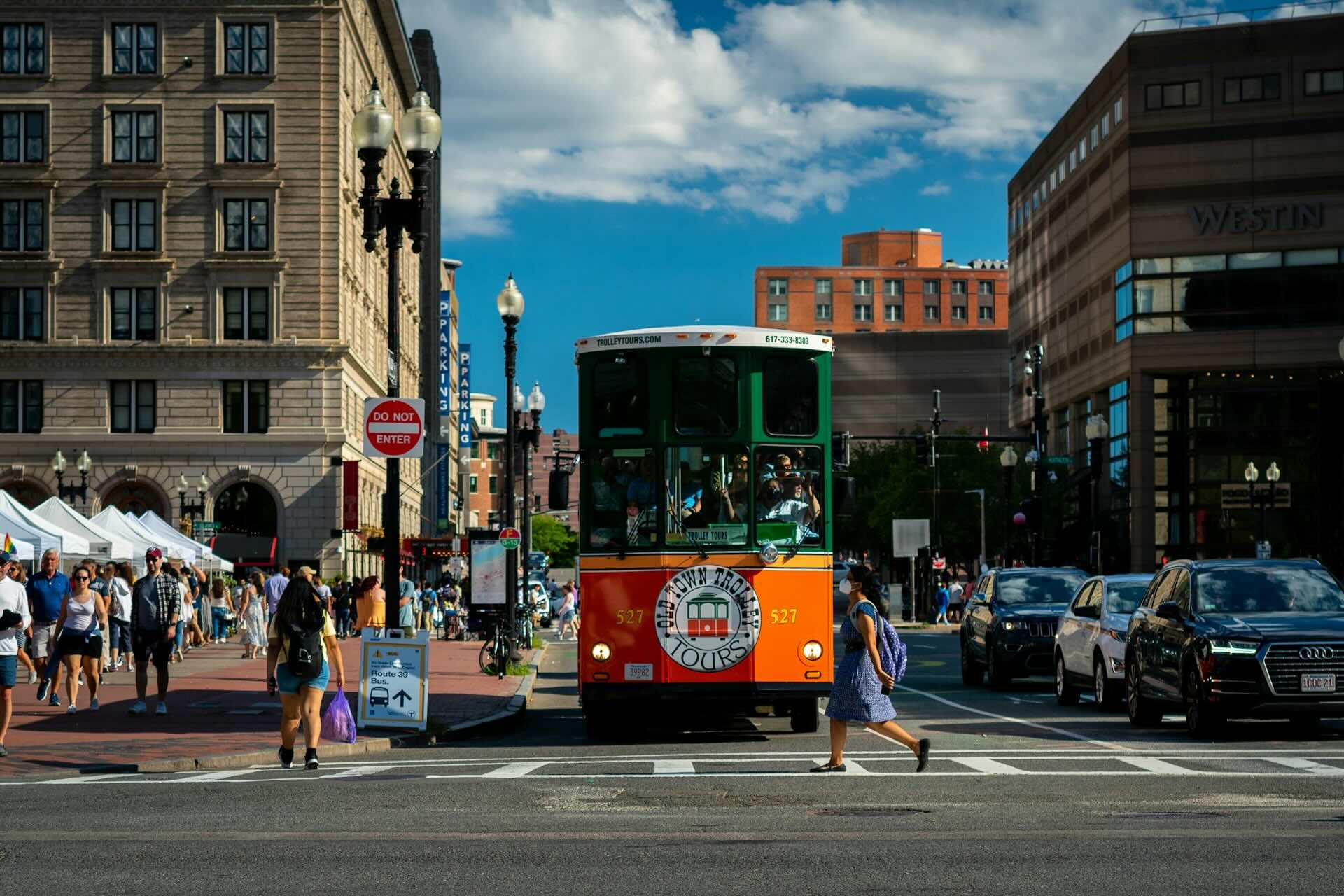
    Boston’s compact size and historic layout make it one of the most pedestrian-friendly cities in the U.S. Founded in the 1600s, its winding streets connect centuries of American history.

    Why It’s Great for Walking

    Boston feels like a European city, with narrow lanes and cobblestone paths that encourage slow exploration. Most major attractions, from Harvard Square to the Freedom Trail, are within walking distance or accessible by the “T,” the city’s public transit system.

    Must-See Walking Routes

    • The Freedom Trail, a 2.5-mile route linking 16 historic sites.
    • Beacon Hill for charming brownstones and gas-lit streets.
    • Boston Common and the Public Garden for peaceful strolls.
    • The Seaport District for waterfront views and modern architecture.

    Chicago, Illinois

    Chicago combines city energy with scenic beauty. Its downtown streets and lakefront paths make it one of the most walkable big cities in the Midwest.

    Why It’s Great for Walking

    The sidewalks are wide, the neighborhoods are distinct, and Lake Michigan is never far away. Walking in Chicago gives you easy access to world-class architecture, music, and food. From skyscrapers to sandy beaches, everything feels within reach.

    Must-See Walking Routes

    • The Chicago Riverwalk, lined with cafés and public art.
    • Michigan Avenue’s Magnificent Mile for shopping and people-watching.
    • Millennium Park to see “The Bean” and outdoor concerts.
    • The Lakefront Trail, stretching for 18 miles along the water.

    Washington, D.C.

    The nation’s capital was designed for walking. Wide boulevards, open green spaces, and monuments make it easy to explore without needing transportation.

    Why It’s Great for Walking

    Washington, D.C., combines history and beauty in a way that few cities can match. The National Mall links iconic sites like the Lincoln Memorial, Capitol Building, and Smithsonian museums—all within a few miles. The city’s neighborhoods, from Georgetown to Dupont Circle, offer charming cafés and architecture that make every walk enjoyable.

    Must-See Walking Routes

    • The National Mall for monuments and museums.
    • Georgetown Waterfront for scenic river views.
    • Capitol Hill for tree-lined streets and markets.
    • Embassy Row for international architecture and embassies.

    Seattle, Washington

    Seattle’s urban design encourages walking, especially around its downtown, waterfront, and artsy neighborhoods. The city’s mix of nature and innovation gives walkers the best of both worlds.

    Why It’s Great for Walking

    Seattle’s moderate climate means year-round walking weather, and the city’s compact downtown makes it easy to explore attractions like Pike Place Market, the Space Needle, and the waterfront without driving. You’ll also find plenty of green spaces and trails connecting neighborhoods.

    Must-See Walking Routes

    • Pike Place Market and the Seattle Waterfront.
    • Discovery Park for forested trails and Puget Sound views.
    • Capitol Hill for cafés, nightlife, and culture.
    • Kerry Park for one of the best views of the city skyline.

    Portland, Oregon

    Portland is known for its creative culture, bike paths, and tree-lined streets that invite walking. It’s a city built for sustainability, with compact neighborhoods filled with local flavor.

    Why It’s Great for Walking

    Every block feels like a new discovery. Food carts, bookstores, breweries, and parks are always nearby. Portland’s strong pedestrian infrastructure and friendly atmosphere make it easy to wander without a plan.

    Must-See Walking Routes

    • The Pearl District for art galleries and cafés.
    • Washington Park for gardens and trails.
    • Hawthorne Boulevard for vintage shops and restaurants.
    • Tom McCall Waterfront Park along the Willamette River.

    Savannah, Georgia

    Savannah’s beauty lies in its walkability. The city’s grid layout, shaded squares, and historical charm make it a walker’s paradise.

    Why It’s Great for Walking

    Every few blocks, you’ll come across one of Savannah’s 22 picturesque squares, each surrounded by oak trees draped in Spanish moss. The city feels timeless, and its slow pace invites visitors to linger.

    Must-See Walking Routes

    • The Historic District for architecture and gardens.
    • Forsyth Park for its fountain and canopy of trees.
    • River Street for cobblestone charm and local shops.
    • Jones Street, often called the most beautiful street in America.

    Charleston, South Carolina

    Charleston blends Southern charm with seaside elegance, and the best way to experience it is on foot. Narrow streets, pastel homes, and ocean breezes make every stroll feel cinematic.

    Why It’s Great for Walking

    Charleston’s small size makes it perfect for pedestrians. The city’s mix of colonial buildings, coastal views, and culinary treasures make walking not only easy but irresistible.

    Must-See Walking Routes

    • The Battery promenade along the harbor.
    • Rainbow Row for colorful historic homes.
    • King Street for boutiques and local dining.
    • Waterfront Park and its famous Pineapple Fountain.

    Miami Beach, Florida

    Miami Beach combines tropical weather, art deco architecture, and beachside walkways that make exploring on foot both scenic and stylish.

    Why It’s Great for Walking

    The entire city encourages outdoor living. Ocean Drive and Lincoln Road are lined with shops, restaurants, and galleries, while the Miami Beach Boardwalk stretches for miles along the Atlantic. You can spend an entire day exploring by foot while enjoying the warm sea breeze.

    Must-See Walking Routes

    • Ocean Drive for classic Art Deco buildings.
    • Lincoln Road Mall for open-air shopping.
    • Miami Beach Boardwalk for sunrise or sunset walks.
    • South Pointe Park for panoramic ocean views.

    Why Walking Makes Travel More Meaningful

    Walking turns travel into connection. You notice the details—a local greeting, the smell of fresh bread, the sound of street music. It’s slower, more personal, and far more rewarding than simply moving from one attraction to another.

    Each of these cities invites travelers to slow down, discover neighborhoods up close, and feel the rhythm of local life. With TravelPal, planning a walking-friendly itinerary becomes simple. From pedestrian zones to scenic trails, TravelPal helps travelers design routes that bring each city to life, step by step.

    Plan a trip to America’s most walkable cities at TravelPal.ai

  • Explore More, Drive Less: The 10 Most Walkable Cities Worldwide

    Explore More, Drive Less: The 10 Most Walkable Cities Worldwide

    The best way to truly explore a city is on foot. When you walk, you see the details—the architecture, the markets, the local life—that you’d miss behind the wheel. Around the world, some cities have designed their streets for people, not just cars. They invite travelers to wander, discover, and connect at their own pace.

    From historic capitals to modern waterfronts, these are the 10 most walkable cities worldwide—places where the best adventures start with a good pair of shoes and an open mind.

    Paris, France

    Paris is one of the most walkable cities on Earth. Its wide boulevards, cobblestone lanes, and scenic riverbanks make exploring on foot a joy.

    Why It’s Great for Walking

    Each arrondissement offers its own rhythm. The city’s design encourages wandering—whether it’s through the markets of Montmartre, the bookstalls along the Seine, or the quiet courtyards hidden behind grand façades. Paris rewards curiosity at every turn.

    Must-See Walking Routes

    • The Seine’s Left Bank for culture and romance.
    • Montmartre’s winding streets and artist squares.
    • The Marais for cafés, boutiques, and history.
    • Jardin du Luxembourg for a peaceful stroll among locals.

    Kyoto, Japan

    Kyoto blends serenity, tradition, and beauty, creating one of the world’s most tranquil walking destinations. Its temples, gardens, and narrow streets encourage slow exploration and reflection.

    Why It’s Great for Walking

    Kyoto’s atmosphere invites mindfulness. You can move easily between neighborhoods, stopping for green tea or admiring the craftsmanship of local artisans. Walking here feels like meditation in motion.

    Must-See Walking Routes

    • The Philosopher’s Path for cherry blossoms and temples.
    • Arashiyama Bamboo Grove for nature and stillness.
    • Gion District for geisha culture and evening lanterns.
    • Nishiki Market for food stalls and Kyoto specialties.

    Florence, Italy

    In Florence, history is everywhere you walk. The city’s compact Renaissance core makes it ideal for exploring without a car.

    Why It’s Great for Walking

    Florence is an open-air museum where every step connects you to art and architecture. Traffic is limited in the historic center, so pedestrians can move freely through piazzas, bridges, and courtyards.

    Must-See Walking Routes

    • Piazza del Duomo for the cathedral and bell tower.
    • Ponte Vecchio for river views and local shops.
    • Piazza della Signoria for sculptures and energy.
    • Boboli Gardens for panoramic city views.

    Amsterdam, Netherlands

    Amsterdam’s charm lies in its canals, bridges, and cozy neighborhoods. While bikes dominate the city, it’s just as rewarding to explore by foot.

    Why It’s Great for Walking

    The flat landscape and compact design make getting around easy. As you walk, you’ll pass historic homes, tulip markets, and charming cafés. Every canal crossing offers a postcard-perfect view.

    Must-See Walking Routes

    • The Canal Belt (Grachtengordel) for iconic architecture.
    • Jordaan District for galleries and boutiques.
    • Vondelpark for peaceful green spaces.
    • De Pijp for multicultural dining and local life.

    Buenos Aires, Argentina

    Buenos Aires combines elegance and energy, making it a thrilling city to explore on foot. Its grand boulevards and artistic neighborhoods invite endless wandering.

    Why It’s Great for Walking

    Walking through Buenos Aires connects you with its rhythm—tango music drifting from open doors, lively plazas, and historic architecture that reflects its European roots.

    Must-See Walking Routes

    • San Telmo for markets and tango culture.
    • Palermo Soho for street art and fashion.
    • La Boca for colorful houses and murals.
    • Recoleta Cemetery for history and artistry.

    Vancouver, Canada

    Vancouver offers a rare mix of urban design and natural beauty. Framed by ocean and mountains, it’s one of the most scenic cities to explore on foot.

    Why It’s Great for Walking

    Everything feels close in Vancouver. Sidewalks are wide, parks are plentiful, and the air is fresh. You can walk from downtown to the beach or forest trails in minutes.

    Must-See Walking Routes

    • The Stanley Park Seawall for oceanfront views.
    • Gastown for cobblestone charm and local shops.
    • Granville Island for food markets and art studios.
    • English Bay for sunset walks by the water.

    Barcelona, Spain

    Barcelona is a masterpiece of walkable design, blending modernist architecture, Mediterranean light, and lively street life.

    Why It’s Great for Walking

    Walking through Barcelona connects you to its energy. The Gothic Quarter’s narrow lanes contrast with the wide boulevards of the Eixample district, and every turn reveals a new Gaudí creation or hidden plaza.

    Must-See Walking Routes

    • Las Ramblas for vibrant culture and street performers.
    • Passeig de Gràcia for Gaudí’s architectural gems.
    • Barceloneta Beach for coastal relaxation.
    • Park Güell for panoramic city views.

    Lisbon, Portugal

    Lisbon’s hills and tiled facades make it one of Europe’s most picturesque walking cities. Each neighborhood offers history, charm, and stunning views.

    Why It’s Great for Walking

    Lisbon rewards explorers who don’t mind a climb. Its narrow streets, tram routes, and scenic overlooks create a sense of adventure. Walking here is a sensory experience—filled with music, color, and the smell of fresh pastries.

    Must-See Walking Routes

    • Alfama for ancient charm and Fado music.
    • Bairro Alto for nightlife and terraces.
    • Belém for monuments and waterfront walks.
    • The Tagus River promenade for ocean views.

    Sydney, Australia

    Sydney’s combination of beaches, harbors, and urban parks makes it one of the world’s most walkable coastal cities.

    Why It’s Great for Walking

    The city’s warm climate and scenic coastal trails encourage outdoor exploration. Every route seems to end with a view of the ocean or skyline. Sydney’s neighborhoods blend culture, cuisine, and creativity in a way that rewards slow discovery.

    Must-See Walking Routes

    • Bondi to Coogee coastal walk for iconic beaches.
    • Circular Quay to the Opera House for harbor views.
    • The Rocks for colonial history and markets.
    • Darling Harbour for dining and family attractions.

    Singapore

    Singapore has mastered the art of urban design. Its streets are clean, shaded, and easy to navigate, with green spaces woven throughout the city.

    Why It’s Great for Walking

    Despite its futuristic skyline, Singapore remains remarkably pedestrian-friendly. The city’s efficient planning, safety, and tropical scenery make walking both comfortable and inspiring.

    Must-See Walking Routes

    • Gardens by the Bay for lush landscapes and architecture.
    • Marina Bay for waterfront views and city lights.
    • Chinatown and Little India for cultural immersion.
    • Botanic Gardens, a UNESCO World Heritage Site.

    Why Walking Is the Best Way to See the World

    Walking transforms travel from sightseeing into connection. It slows you down, allowing you to notice details—the smell of a bakery, the chatter of a market, the warmth of a sunset. It’s sustainable, healthy, and deeply human.

    These cities show that some of the world’s greatest adventures don’t require traffic or timetables—just curiosity and comfortable shoes. Each destination encourages travelers to explore more and drive less, turning every journey into a personal story written one step at a time.

    With TravelPal, planning walkable adventures becomes effortless. The platform helps you find pedestrian-friendly neighborhoods, scenic routes, and unique local experiences, so you can see the world the way it’s meant to be seen—up close and on foot.

    Plan a trip to the world’s most walkable cities at TravelPal.ai